
This Enormous North Carolina Flea Market Is A Treasure Hunter’s Dream
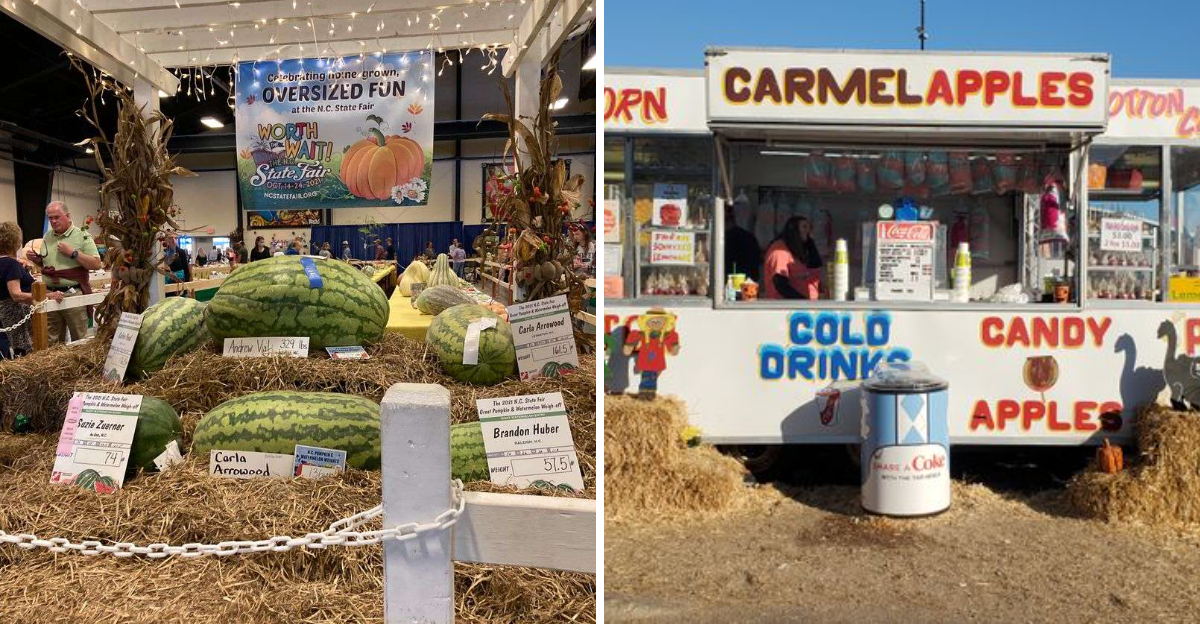
The Raleigh Market has been drawing crowds of treasure seekers and collectors since 1971, creating a weekend tradition that spans generations. Located at 4285 Trinity Road, this sprawling marketplace transforms the North Carolina State Fairgrounds into a paradise for anyone who loves the thrill of discovery.
With hundreds of vendors offering everything from rare antiques to handmade crafts, visitors can spend hours wandering through rows of outdoor stalls and indoor pavilions without ever seeing the same thing twice. Best of all, admission is completely free, making it accessible to bargain hunters and serious collectors alike.
One Of North Carolina’s Largest Flea Markets

Sprawling across the grounds of the North Carolina State Fairgrounds, The Raleigh Market commands impressive territory that sets it apart from smaller weekend sales. The sheer scale becomes apparent the moment you arrive, with vendor tents extending in every direction and multiple buildings housing permanent merchants.
This isn’t some modest parking lot affair that wraps up by noon.
The marketplace operates year-round on weekends, drawing vendors from across the region who bring truckloads of merchandise to fill their spaces. Inside the main buildings, permanent booths create a climate-controlled shopping experience that feels more like a sprawling antique mall.
Outside, the atmosphere shifts to classic flea market energy, with tables piled high and tarps protecting goods from the elements.
Visitors often underestimate how much ground they’ll cover during a visit. Comfortable shoes become essential equipment as you navigate between sections, each offering distinct categories of merchandise.
The market’s reputation has grown steadily since opening in 1971, establishing itself as a regional destination that attracts both local regulars and travelers passing through Raleigh.
Hundreds Of Vendors Sell Antiques And Collectibles
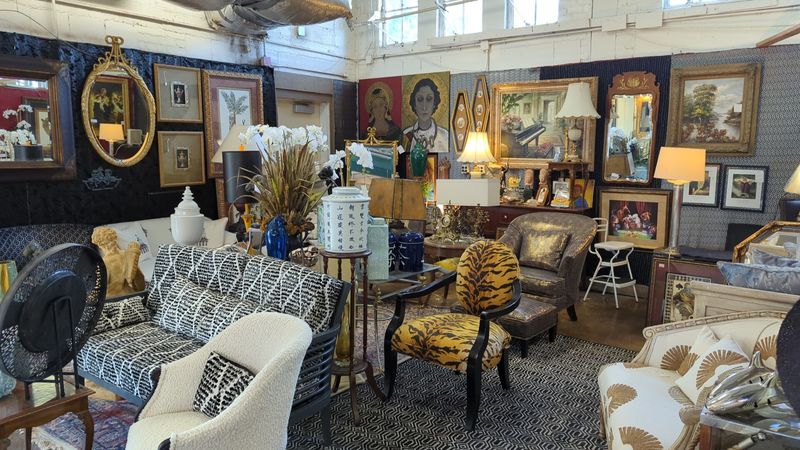
Walking through the market feels like stepping into someone’s attic, except this attic stretches for acres and contains treasures from countless households. Vendors specialize in different eras and categories, creating natural zones where midcentury modern furniture gives way to Victorian glassware, then transitions into military memorabilia.
One booth might overflow with vintage advertising signs while the next displays carefully organized stamp collections.
The variety keeps even seasoned collectors on their toes. A vendor known for Depression-era glass might surprise you with a box of vintage postcards tucked beneath the table.
Many sellers have spent decades building their inventory, developing expertise that transforms casual browsing into educational experiences. They’ll share provenance stories, point out maker’s marks, and explain why certain pieces command premium prices.
Serious collectors appreciate the concentration of specialists under one roof. Instead of driving to multiple antique shops scattered across the state, they can compare offerings from dozens of dealers in a single morning.
The competitive environment often works in buyers’ favor, as vendors price items with awareness that similar pieces might sit three rows over.
Free Admission Makes Treasure Hunting Affordable
Many large markets charge entry fees that add up quickly for families or frequent visitors, but The Raleigh Market maintains a welcoming policy that costs nothing to enter. This approach removes barriers that might otherwise keep curious first-timers from exploring.
Parking is equally straightforward and free, eliminating another common frustration associated with popular weekend destinations.
The financial accessibility changes the entire dynamic of a visit. Without sunk costs pressuring you to make purchases, browsing becomes genuinely leisurely.
You can spend an entire morning wandering without buying anything, return the following weekend, and still feel like you got your money’s worth in entertainment. Families with children appreciate being able to introduce kids to treasure hunting without worrying about admission fees cutting into their actual shopping budget.
This policy also encourages repeat visits that might not happen at paid venues. Regulars develop relationships with vendors, learning when new inventory arrives and getting first looks at incoming merchandise.
The free admission model has clearly worked, helping the market maintain steady traffic for over five decades while building a loyal community of treasure hunters who return weekend after weekend.
Seasonal Markets Keep Finds Changing
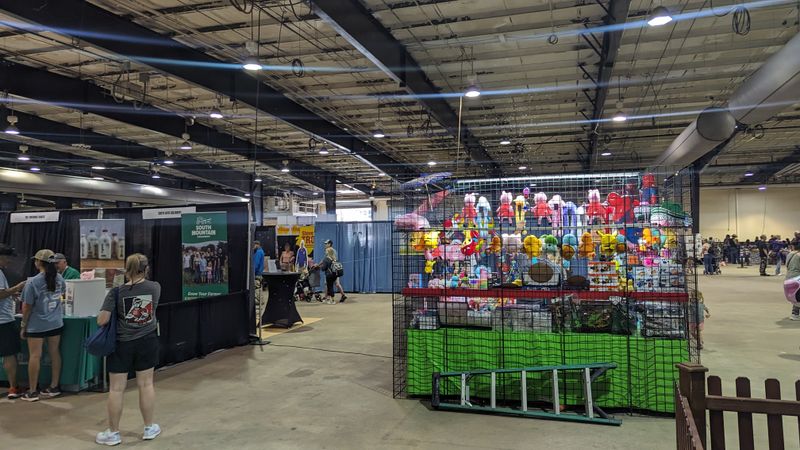
The inventory at The Raleigh Market shifts with the calendar in ways that keep regular visitors discovering new categories throughout the year. Spring brings garden-related antiques, vintage planters, and outdoor furniture as vendors anticipate customer interests.
Summer sees an uptick in camping gear, vintage coolers, and vacation memorabilia. Fall introduces Halloween collectibles and harvest decorations before the winter holidays transform sections into vintage ornament wonderlands.
Seasonal vendors add another layer of variety, appearing only during prime weather months or specific holiday periods. These temporary merchants often bring specialized inventory that differs from permanent booth offerings.
A vendor selling vintage Christmas decorations in December might return in spring with garden statuary, maximizing their inventory rotation based on buyer demand.
Weather influences the market’s character in noticeable ways. Sunny weekends draw larger crowds and more outdoor vendors, creating the bustling atmosphere that flea market enthusiasts crave.
Rainier or windier days see reduced outdoor participation but also present opportunities for shoppers willing to brave the elements. Vendors who do set up often prove more willing to negotiate, knowing foot traffic will be lighter than usual.
Rare Memorabilia And One-Of-A-Kind Pieces Appear Regularly
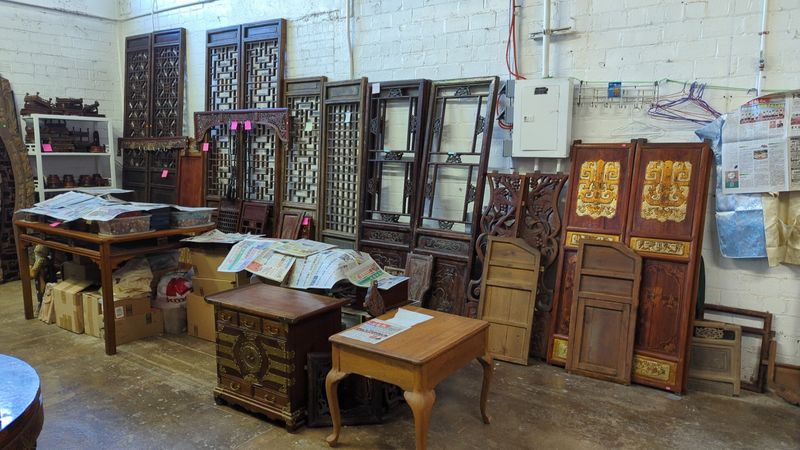
Estate sales and private collections constantly feed fresh inventory into the market, meaning truly unusual items surface with surprising frequency. A vendor might acquire an entire household’s worth of belongings, sorting through decades of accumulated possessions to pull out pieces worth selling.
These estate finds often include items that haven’t seen public circulation in generations, from vintage concert posters to obscure advertising pieces that collectors thought had disappeared.
Sports memorabilia collectors have found signed photographs, game-worn jerseys, and vintage programs that somehow escaped the attention of major dealers. Music enthusiasts discover rare pressings, promotional materials, and concert ephemera from artists who played local venues decades ago.
The unpredictability creates genuine excitement, as even vendors sometimes don’t fully realize what they’ve acquired until a knowledgeable buyer spots something special.
One-of-a-kind folk art, handmade furniture, and locally produced items from North Carolina’s past appear alongside mass-produced collectibles. These unique pieces often carry stories that vendors share willingly, connecting buyers to the object’s history.
The thrill of finding something genuinely rare keeps collectors returning, knowing that next weekend’s haul could include the piece they’ve been seeking for years.
Local Craftspeople Sell Handmade Goods
Alongside the vintage and antique vendors, contemporary artisans claim spaces to sell their handcrafted creations directly to customers. These makers produce everything from hand-turned wooden bowls to custom jewelry, handmade soaps to pottery.
The direct-to-consumer model benefits both parties, allowing craftspeople to avoid wholesale markups while giving buyers access to quality handmade goods at reasonable prices.
Meeting the actual creator adds depth to purchases that mass-produced items can never match. Artisans explain their techniques, discuss material choices, and often accept custom orders for pieces tailored to specific preferences.
A woodworker might adjust dimensions on a cutting board, while a jewelry maker could modify a design to incorporate specific stones or metals. This personalized service creates connections that transform transactions into relationships.
The variety of handmade goods reflects North Carolina’s strong craft traditions. Quilters display intricate patterns requiring hundreds of hours to complete.
Blacksmiths demonstrate forging techniques while selling functional and decorative metalwork. These contemporary crafts sit comfortably alongside vintage items, creating an interesting dialogue between past and present craftsmanship that enriches the overall market experience for visitors who appreciate quality workmanship regardless of era.
Food Vendors Add To The Flea Market Experience
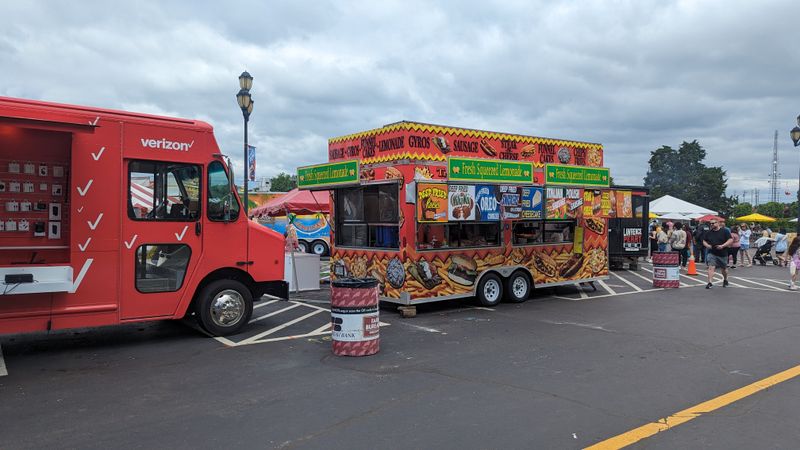
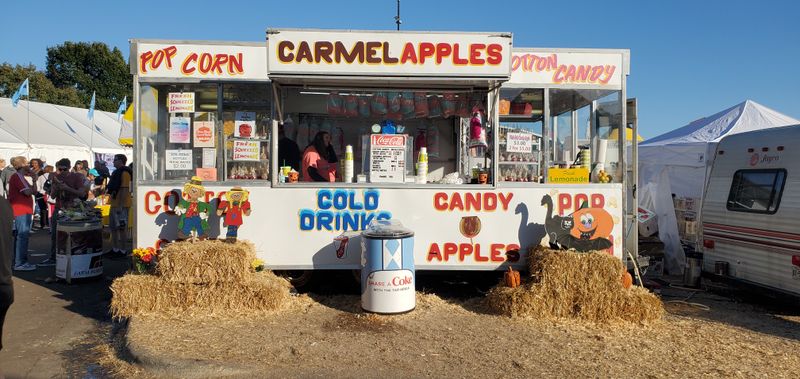
Treasure hunting builds an appetite, and The Raleigh Market addresses this need with an impressive selection of food vendors scattered throughout the grounds. Food trucks park along the perimeter, offering everything from tacos to barbecue, while smaller stands sell kettle corn, fresh lemonade, and other portable snacks.
The aromatic mix of grilling meat, popping corn, and brewing coffee creates an additional sensory layer to the marketplace atmosphere.
The kettle corn vendor earns particular praise in customer reviews, with visitors specifically mentioning the fresh, sweet-and-salty treat as a market highlight. Food becomes part of the social experience as shoppers take breaks to refuel, comparing finds with fellow treasure hunters over lunch.
Tables and seating areas provide spots to rest weary feet while planning the next round of browsing.
Having quality food options transforms a quick shopping trip into an all-day outing. Families can arrive when the market opens, shop until lunch, eat on-site, then continue browsing refreshed for the afternoon.
The food vendors also benefit from the captive audience, building their own followings among regular market visitors who return as much for specific food offerings as for the merchandise itself.
Vintage Furniture And Retro Décor Draw Collectors
Furniture collectors and interior designers regularly make the pilgrimage to The Raleigh Market specifically for its concentration of vintage pieces spanning multiple decades and styles. Midcentury modern credenzas sit near Victorian settees, while industrial metal shelving units contrast with ornate wooden bookcases.
The variety allows decorators to source pieces for any aesthetic, from farmhouse rustic to urban industrial.
Unlike antique malls where furniture sits in cramped indoor spaces, the outdoor sections of the market allow vendors to display larger pieces with room for buyers to examine them from all angles. You can walk around a dining table, test drawer mechanisms on dressers, and properly assess scale in ways that crowded shops don’t permit.
Sellers often bring trucks and trailers, ready to load purchases for buyers who arrive prepared to transport finds home.
Retro décor items complement the furniture offerings, with vendors specializing in specific eras. One booth might focus entirely on 1970s macramé and earth-toned pottery, while another curates 1950s atomic-age accessories.
These focused collections make it easier for decorators working on period-specific projects to find coordinating pieces rather than searching through randomly mixed inventory at multiple locations.
Family-Friendly Atmosphere Keeps Visitors Returning
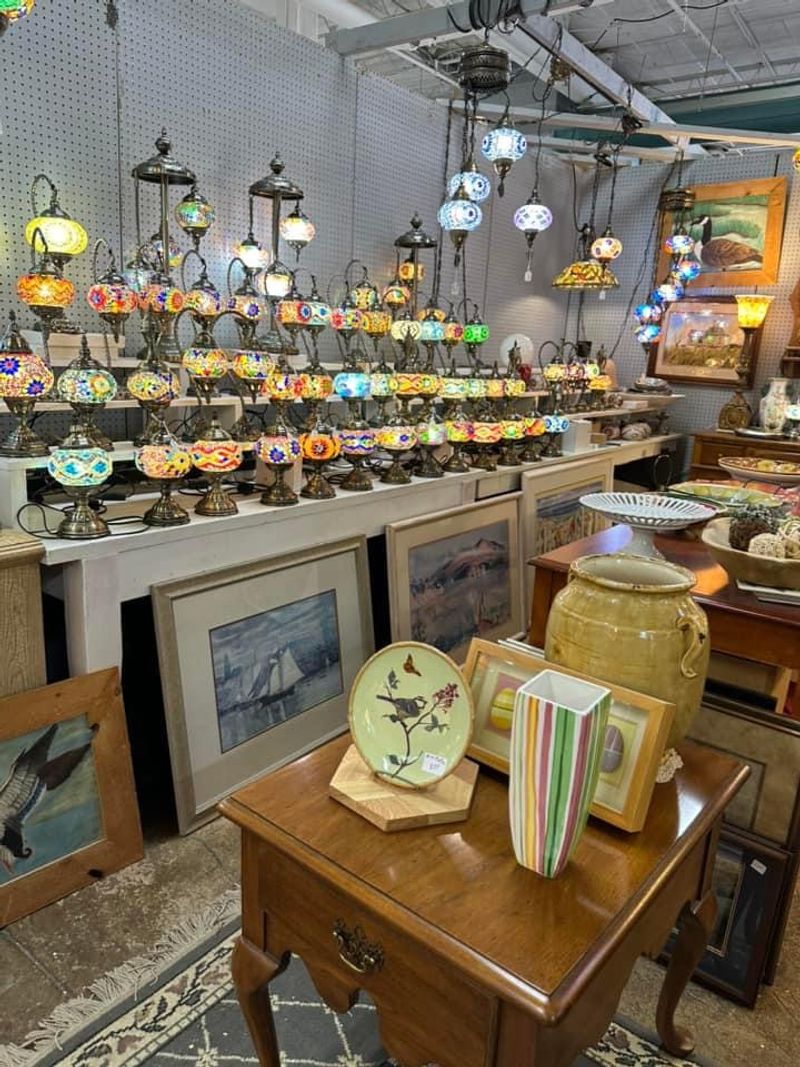
The Raleigh Market welcomes visitors of all ages, creating an environment where parents can introduce children to the joy of treasure hunting without worrying about fragile displays or stern warnings against touching. Kids gravitate toward booths selling vintage toys, comic books, and sports cards, often finding affordable items within their allowance budgets.
The educational aspect sneaks in naturally as children learn to evaluate condition, compare prices, and negotiate with sellers.
Dogs are welcome both indoors and outdoors, making the market popular with pet owners who appreciate being able to include their animals in weekend activities. This inclusive policy contributes to the relaxed atmosphere that distinguishes The Raleigh Market from more formal antique venues.
Multiple generations often shop together, with grandparents sharing memories triggered by vintage items while grandchildren discover objects they’ve only seen in photographs.
The market’s scale and variety mean different family members can pursue separate interests while regrouping periodically to share discoveries. One parent might focus on furniture while another browses kitchen collectibles and teenagers hunt for vintage clothing.
This flexibility makes the market an ideal family destination that satisfies diverse interests without requiring compromise or boredom from anyone in the group.
Early Birds Often Find The Best Deals
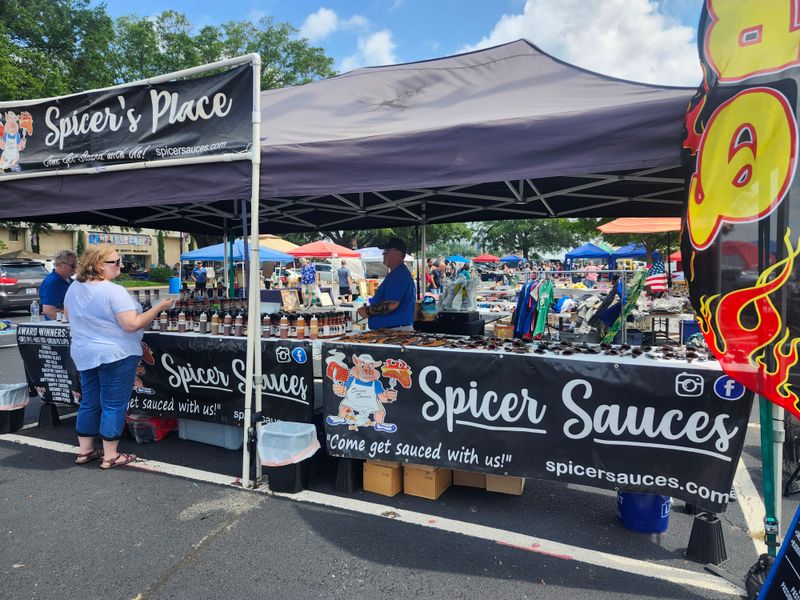
Experienced treasure hunters know that arrival time significantly impacts what you’ll find at The Raleigh Market. Vendors begin setting up early, and serious collectors often arrive before official opening hours, watching for particularly desirable items to emerge from trucks and trailers.
This early access can mean the difference between scoring a rare piece and hearing that it sold in the first ten minutes.
The early morning hours bring a different energy to the market. Vendors are fresh, more willing to engage in conversation, and sometimes more flexible on pricing as they gauge how the day’s traffic will develop.
Regular customers who’ve built relationships with specific vendors get first looks at new inventory, sometimes receiving texts or calls when items matching their interests come in. These connections develop naturally over time for visitors who show up consistently.
That said, late afternoon shopping has its own advantages. Vendors packing up for the day sometimes offer discounts rather than reload merchandise into vehicles.
Weather-dependent outdoor vendors may negotiate more aggressively if crowds have been light. The strategy depends on your goals—early for selection and rare finds, later for potential bargains on remaining inventory.