
This Alabama State Park Is One Of The State’s Most Photogenic Places
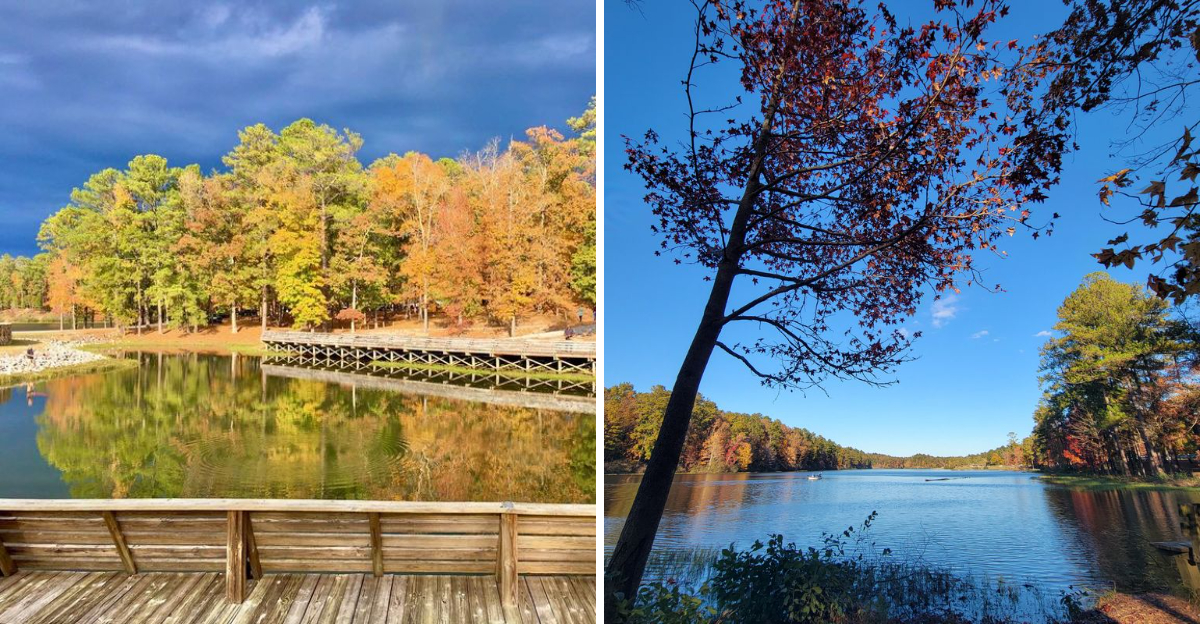
Oak Mountain State Park stretches across more than 9,000 acres of Alabama wilderness, making it the largest state park in the system. Located at 200 Terrace Drive in Pelham, this outdoor destination draws photographers and nature lovers from across the region who come seeking dramatic landscapes and memorable scenes.
Rolling terrain, water features, and seasonal changes come together to create endless photo opportunities. Each visit reveals a new side of Alabama’s natural beauty, surprising first-time visitors and rewarding those who return year after year.
Alabama’s Largest State Park Offers Endless Scenic Variety
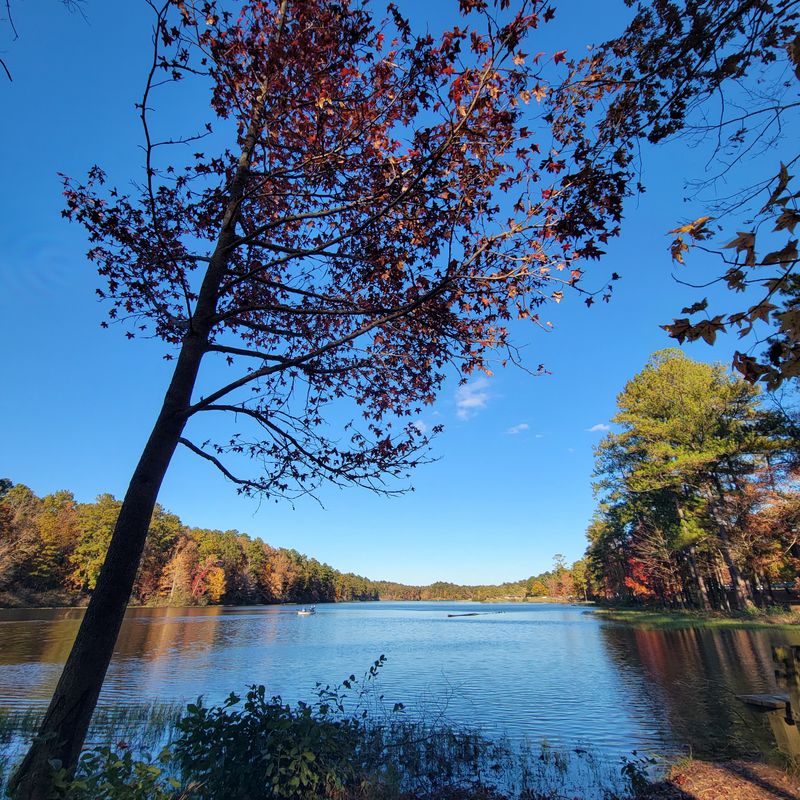
Covering more than 9,000 acres of protected land, Oak Mountain State Park provides photographers with a landscape that refuses to be captured in a single frame. The sheer scale means you can explore different sections and encounter completely distinct environments, from dense hardwood forests to open lakeside vistas.
Size becomes an advantage when you want variety without driving between locations.
The park’s layout allows visitors to move between ecosystems within minutes. One moment you might be photographing reflections on Double Oak Lake, and shortly after, you could be framing shots of forested ridgelines from an elevated trail.
This diversity keeps every outing feeling fresh and unpredictable.
Reviewers consistently mention the abundance of activities and scenery available within the park boundaries. The vastness means you can plan multiple visits and still discover new photographic subjects each time.
This variety makes Oak Mountain a destination that rewards repeated exploration rather than a place you visit once and cross off your list.
Rolling Hills And Forested Trails Create Natural Depth In Every View
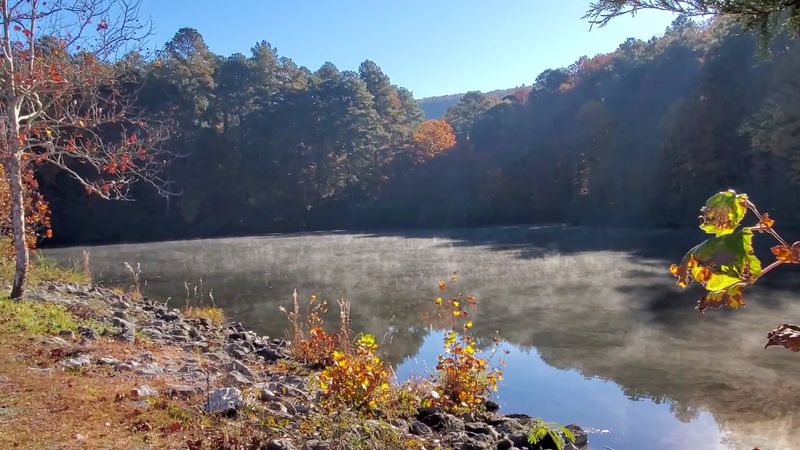
The topography at Oak Mountain provides natural layers that add dimension to photographs. Hills rise and fall in rhythmic patterns, creating foreground, middle ground, and background elements that give images a sense of scale and depth.
Trails wind through these undulations, offering changing perspectives with every turn.
Hardwood forests blanket much of the terrain, their canopy creating dappled light conditions that shift throughout the day. The interplay between elevation changes and tree cover means you can find both intimate woodland scenes and broader landscape compositions along the same path.
These variations keep hiking trails visually interesting for photographers.
Visitors mention the well-marked trail system that makes navigation straightforward while providing access to scenic areas. The combination of accessible paths and varied terrain means you can reach photogenic locations without extreme physical demands.
The rolling landscape ensures that even gentle climbs reward you with improved vantage points and fresh compositions that showcase the park’s forested character in compelling ways.
Lakes And Shorelines Add Reflection And Light To The Landscape
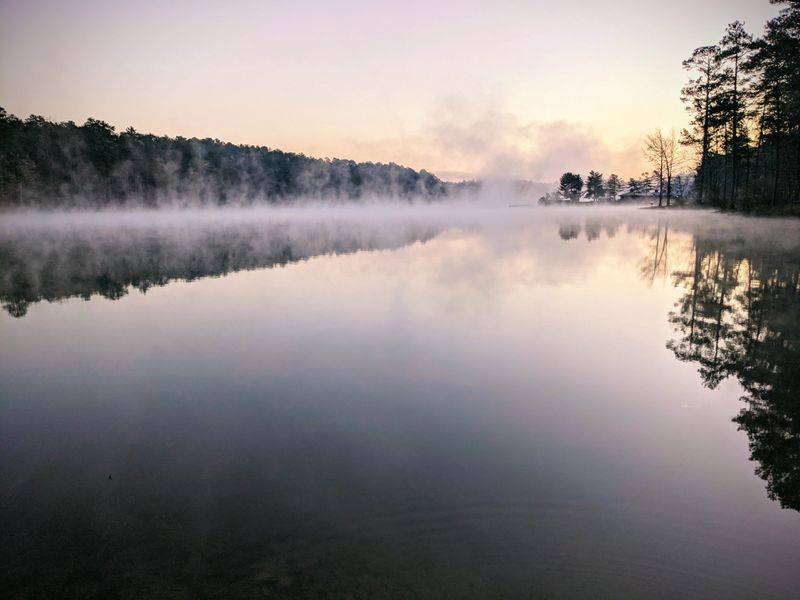
Double Oak Lake serves as the park’s main water feature, providing a reflective surface that doubles the visual impact of surrounding landscapes. The lake’s shoreline offers numerous angles for capturing reflections, particularly during calm morning hours when the water surface acts like a mirror.
Light bounces off the water in ways that add brightness and contrast to compositions.
The beach area at Double Oak Lake attracts families and provides human interest elements for photographs. Reviewers describe the lake as never too crowded, which means you can often find sections of shoreline for unobstructed water views.
The combination of sand, water, and forested backdrop creates a complete scene within a single frame.
Fishing spots and paddle boat rentals add activity to the lake environment. These elements provide opportunities for capturing motion and interaction with the landscape rather than static scenery alone.
The lake’s presence breaks up the forested terrain and introduces a different quality of light and color that contrasts beautifully with the surrounding woodland character.
Seasonal Colour Changes Keep The Scenery Fresh Year-Round
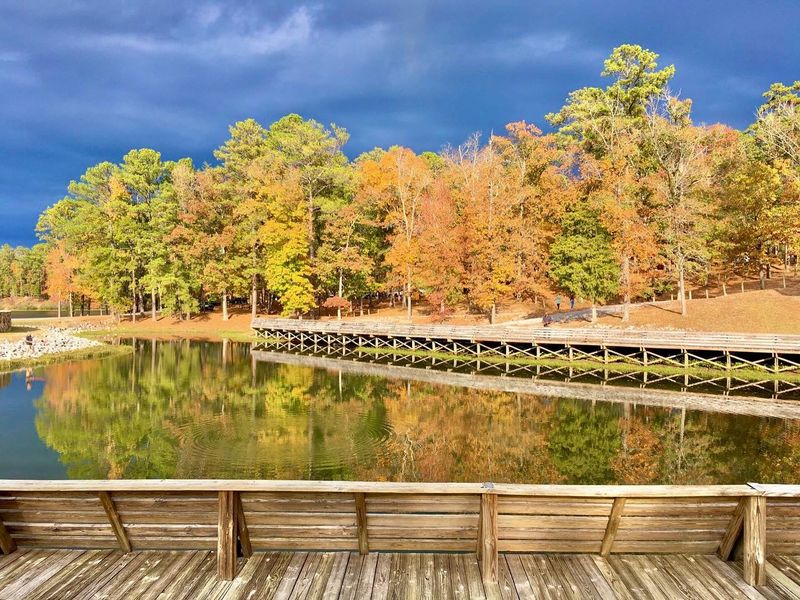
Alabama’s seasons bring distinct color palettes to Oak Mountain State Park throughout the year. Fall delivers the most dramatic transformation as sassafras, sumac, tupelo, sourwood, red maple, and dogwood trees shift into reds and oranges.
One reviewer specifically catalogued these species after a cabin stay, noting the impressive variety of autumn colors visible from their windows.
Spring brings fresh green growth and wildflowers that contrast with darker tree bark and forest floors. Summer offers deep, saturated greens under bright sunlight, while winter reveals the park’s underlying structure when deciduous trees lose their leaves.
Each season provides different photographic opportunities and reasons to return.
The timing of seasonal changes varies slightly each year depending on weather patterns. This unpredictability means the same location can look remarkably different from one October to the next.
Photographers who visit regularly develop an appreciation for these subtle variations and learn to anticipate peak color periods based on temperature patterns and rainfall throughout the growing season.
Quiet Trails Provide Photogenic Moments Without Heavy Foot Traffic
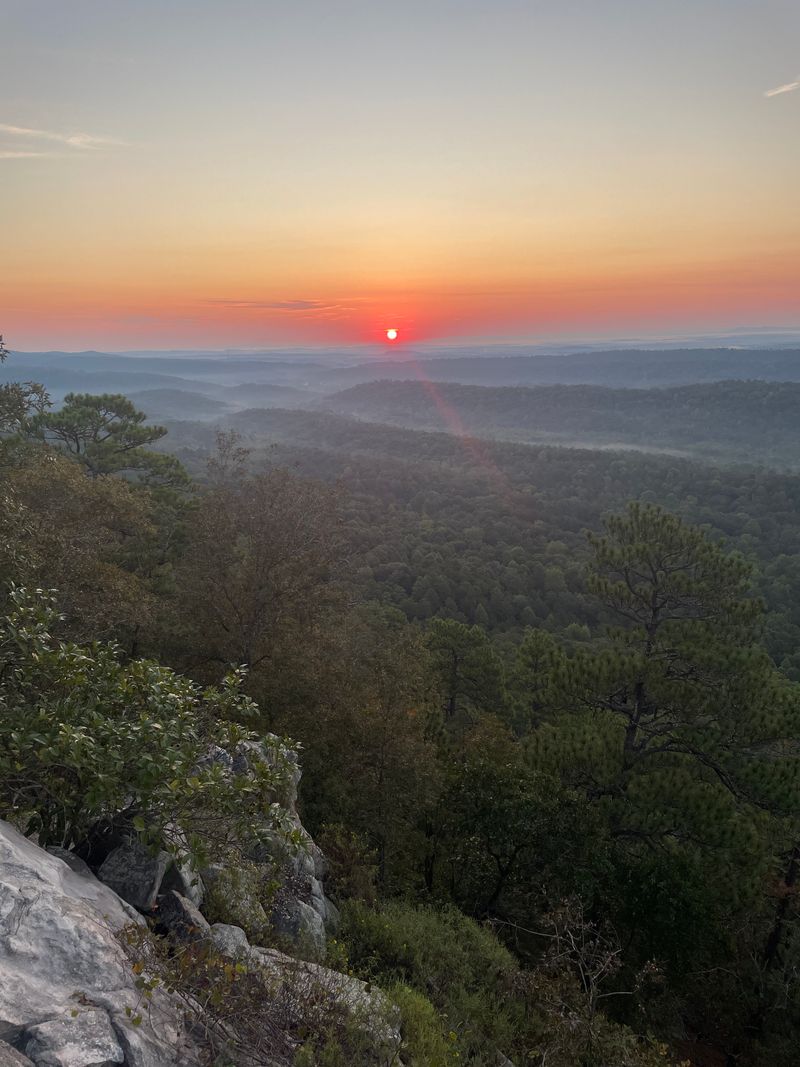
Despite the park’s popularity, many trails remain surprisingly uncrowded during weekdays and off-peak hours. This solitude allows photographers to work at their own pace without feeling rushed or waiting for groups to clear from desired compositions.
The park’s extensive trail network means foot traffic disperses across multiple routes rather than concentrating in single locations.
Early morning visits particularly reward those seeking empty trails and undisturbed wildlife. Reviewers mention enjoying the park during less busy times when the atmosphere feels more contemplative.
The quiet enhances the experience of being surrounded by nature rather than feeling like you are visiting a crowded attraction.
The Blue Trail, which stretches approximately seven miles one way to Peavine Falls, provides extended stretches of peaceful hiking. One visitor noted covering ground quicker than expected thanks to the trail’s good condition and clear quarter-mile marker posts.
The length and relative remoteness of some trails ensure that even on busier days, you can find sections where you encounter few other visitors and can photograph without interruption.
Elevated Vantage Points Reveal Wide, Open Alabama Views
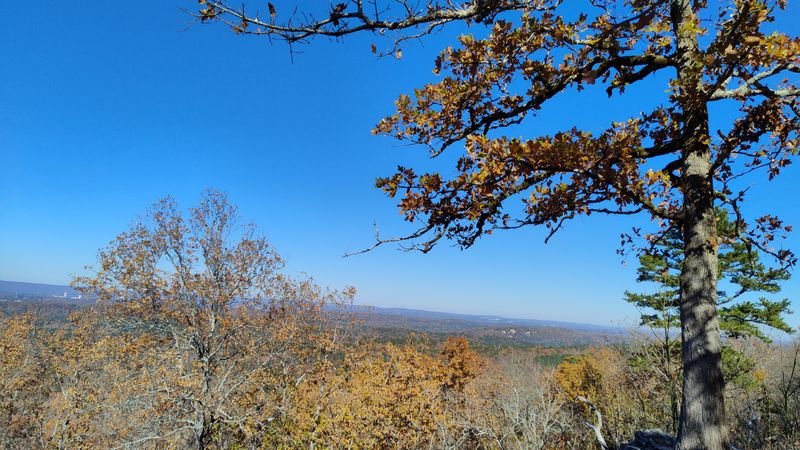
King’s Chair stands out as a notable elevated viewpoint within the trail system. Hikers mention stopping at this location specifically for valley views that stretch across the surrounding landscape.
The climb to reach these vantage points adds value to the visual payoff when you arrive and see the broader context of the terrain.
Elevated positions provide opportunities for capturing layered landscapes where ridgelines stack into the distance. These views differ significantly from the intimate forest scenes found along lower sections of trails.
The change in perspective helps photographers understand the park’s overall geography and relationship to surrounding areas.
The first two miles of the Blue Trail involve typical hillside climbing with upward sections that some reviewers describe as the harder portion. After this initial elevation gain, the trail becomes more gently rolling.
This pattern means you gain the benefits of higher viewpoints without sustained steep climbing throughout the entire route. The views from these elevated sections justify the effort required to reach them and provide memorable images that capture Alabama’s rolling topography.
Wildlife Encounters Add Movement And Surprise To The Setting

The Alabama Wildlife Center operates within Oak Mountain State Park and provides opportunities to see rehabilitated animals up close. Visitors mention Shelby, a bald eagle who cannot be released due to an eye injury, and Monty, a Mississippi kite.
Watching these birds during feeding times creates memorable moments that blend education with close wildlife observation.
Beyond the wildlife center, the park’s extensive acreage supports populations of native animals in their natural habitats. Reviewers reference seeing various species while hiking, including lizards along rocky sections near King’s Chair.
These unexpected encounters add spontaneity to outdoor photography and remind visitors that the park functions as genuine wildlife habitat.
The presence of animals introduces movement and unpredictability to the landscape. Birds crossing open areas, deer moving through forests, or smaller creatures navigating trail edges provide subjects that require different photographic techniques than static scenery.
These moments cannot be planned but occur frequently enough that patient observers often return home with wildlife images alongside their landscape photographs from the same visit.
Water Features Break Up The Terrain With Natural Contrast
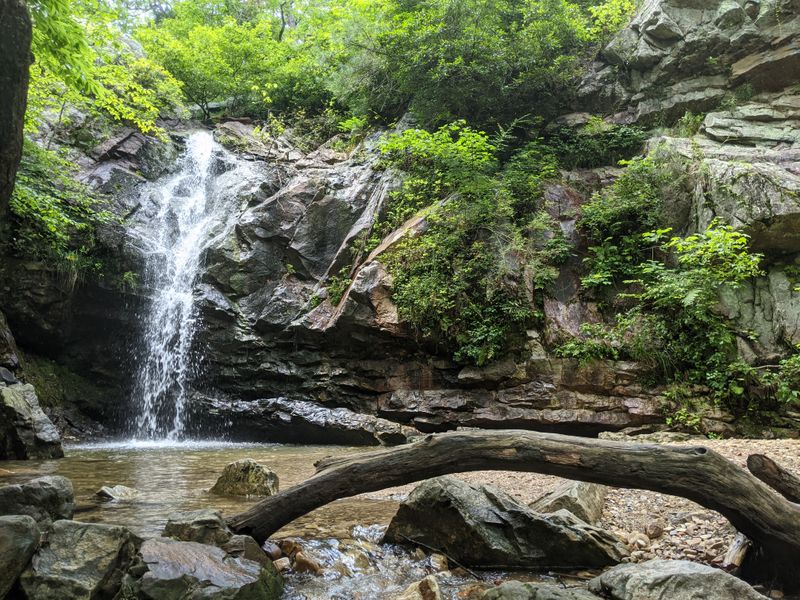
Peavine Falls represents the park’s most photographed water feature. The falls themselves are described as small but very pretty, with a pool at the base where visitors can approach closely.
The descent to the falls involves a short but steep and rocky trail, followed by a scramble up the opposite side that adds adventure to the visit.
Multiple stream crossings appear along trails, particularly the Red Trail, where hikers encounter several water areas that can be jumped across or bridged. These moving water features add sound to the hiking experience and provide foreground interest for photographs.
The contrast between flowing water and still forest creates visual variety within compositions.
Water features change character depending on recent rainfall. After dry periods, streams may reduce to trickles, while heavy rain transforms them into more dramatic flows.
This variability means the same waterfall or creek can present completely different photographic opportunities from one visit to the next. The presence of water throughout the park ensures that landscapes include this reflective, moving element that catches light and adds life to scenes.
Morning And Evening Light Transform Familiar Scenes
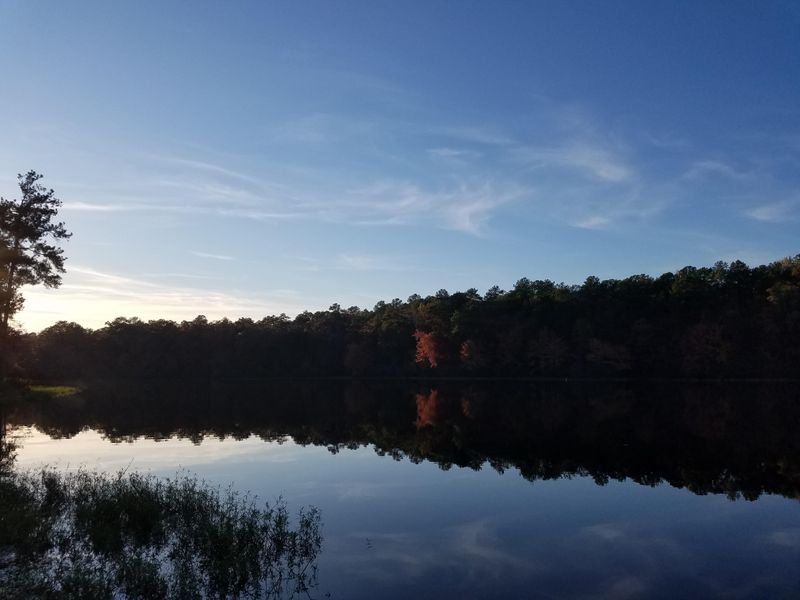
One reviewer specifically documented a December sunset over the lake, calling it a highlight worth capturing. The quality of light during early morning and late afternoon hours dramatically changes how landscapes appear.
Colors intensify, shadows lengthen, and the atmosphere takes on a warmth that midday light cannot replicate.
Morning visits offer additional benefits beyond favorable lighting. The park opens at 7 AM, giving early arrivals first access to trails and lakeside areas before crowds build.
Morning light also tends to be softer and more diffused than harsh midday sun, which can create overly bright highlights and deep shadows that challenge photographers.
Evening light brings its own character as the sun drops toward the horizon. The angle of illumination skims across landscapes rather than bearing down from above, revealing texture and dimension in ways that overhead light flattens.
Planning visits around these golden hours requires some schedule adjustment but consistently delivers superior photographic results compared to visits during the middle of the day when light quality becomes less interesting.
Well-Maintained Paths Make Scenic Areas Easy To Reach
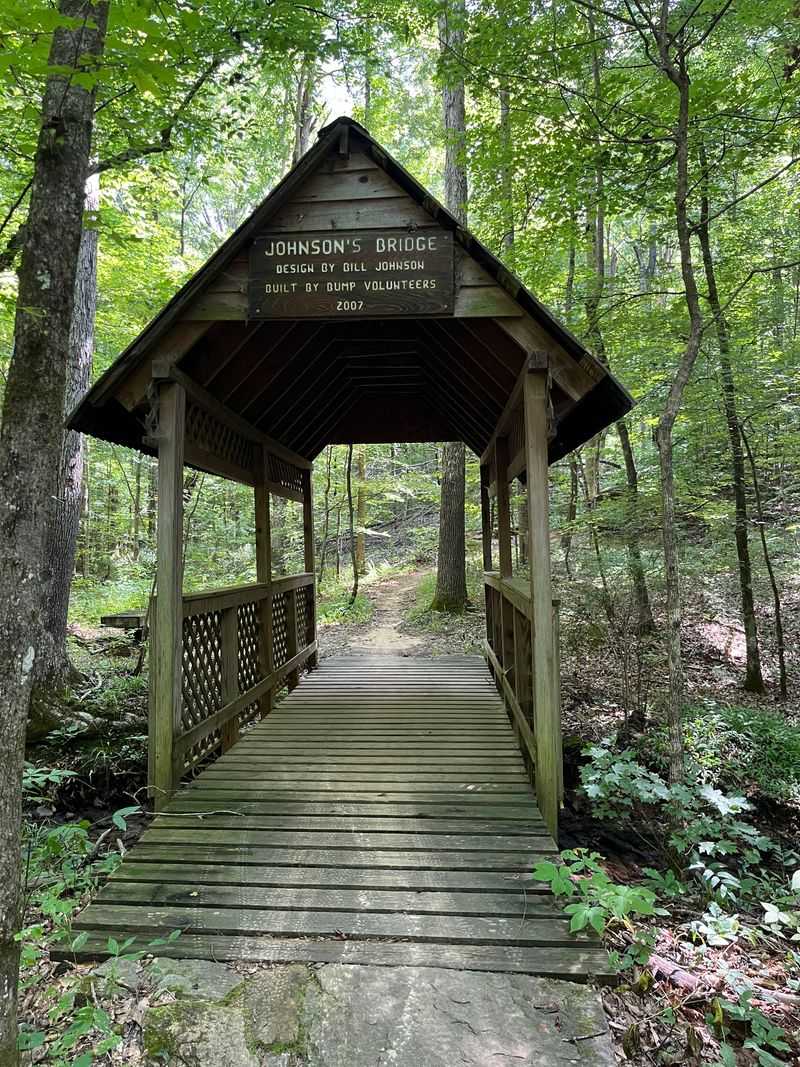
Trail maintenance at Oak Mountain receives consistent praise from visitors. Paths are described as well-marked with clear signage and quarter-mile marker posts that help hikers track their progress.
This level of upkeep makes navigation straightforward and reduces anxiety about getting lost, allowing visitors to focus on enjoying scenery rather than worrying about route-finding.
The park offers trails of varying difficulty, from accessible nature walks to more challenging mountain bike routes. This range means photographers of different physical abilities can find paths that match their comfort level while still reaching photogenic locations.
The Tree Top Nature Trail receives specific mention as an educational route that showcases conservation efforts.
Recent renovations have improved campground facilities and infrastructure throughout the park. Reviewers note that roads, RV pads, and bathhouses appear new or recently remodeled.
This investment in maintenance extends to trails as well, where erosion control and surface improvements keep paths in good condition. Well-maintained access means you can reach scenic destinations without trudging through muddy or overgrown sections that would otherwise limit mobility and accessibility.
The Park’s Size Allows Solitude Even On Busy Days
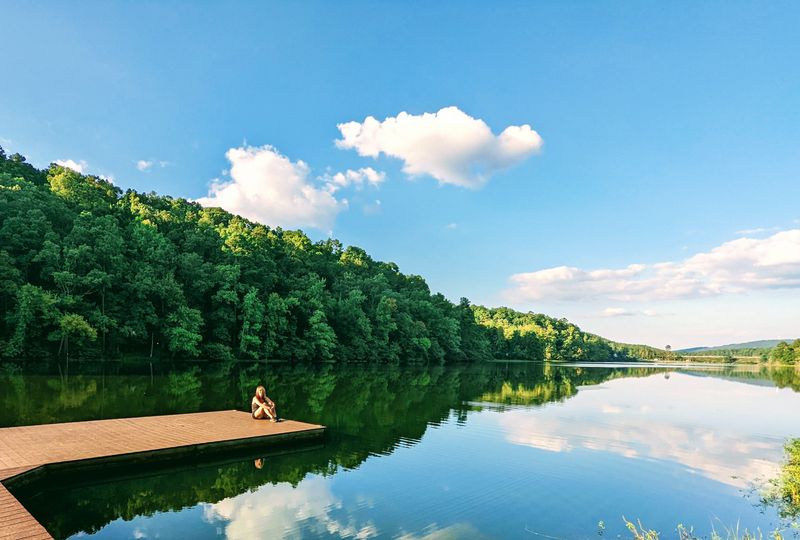
The park’s 9,000-acre footprint provides enough space that visitors can find uncrowded areas even during peak times. Multiple trail systems, several lake access points, and dispersed activity areas mean people naturally spread out rather than concentrating in single locations.
This distribution preserves a sense of solitude that smaller parks struggle to maintain during busy periods.
One reviewer noted that despite the park’s popularity, they could find peaceful sections for photography and reflection. The availability of less-traveled trails like the CCC route and remote sections of longer paths ensures that those seeking quiet can avoid the more popular areas near the main entrance and beach.
Weekend and holiday visits naturally bring more people, but the park’s size absorbs increased visitation better than compact facilities. Arriving early or exploring trails beyond the first mile typically leads to fewer encounters with other groups.
This capacity to provide both social recreation areas and isolated natural spaces makes Oak Mountain suitable for different visitor preferences and allows photographers to work without constant interruptions from passing hikers.
Every Visit Feels Visually Different Depending On Time And Weather
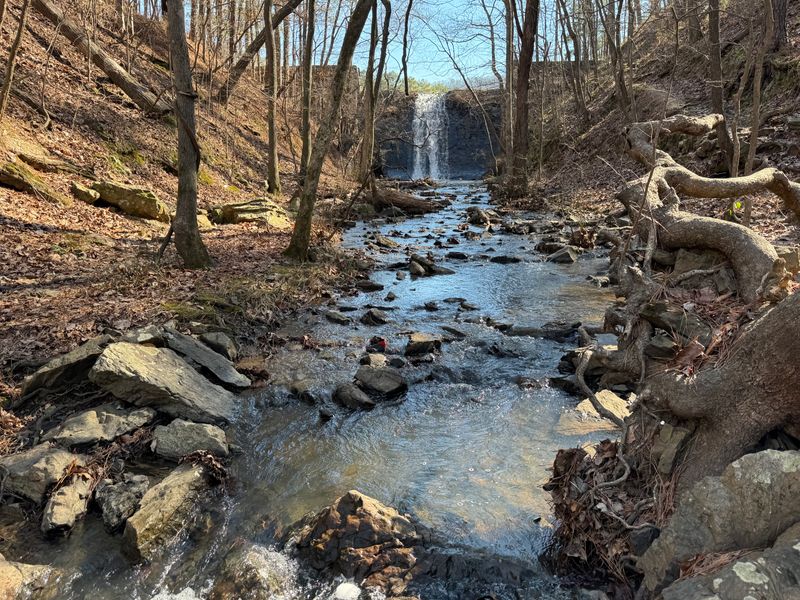
Weather conditions dramatically alter how the park appears from visit to visit. Overcast days create soft, even lighting that works well for forest photography, while clear skies produce strong contrasts and deep shadows.
Fog occasionally settles into valleys, creating atmospheric conditions that transform familiar views into mysterious landscapes.
Time of day combines with weather to produce endless variations. A location photographed on a sunny morning looks completely different when visited during an overcast afternoon or after rain has dampened surfaces and enriched colors.
These variables mean the park never presents itself identically twice.
One long-term visitor mentioned that throughout 2025, each visit offered different experiences, from hiking events to concerts to paddleboarding on the lake. This variety extends to visual character as well.
Seasonal changes, weather patterns, and daily light conditions ensure that photographers who return regularly continue discovering new ways to see and capture familiar locations. The park’s dynamic nature rewards ongoing engagement rather than suggesting a single definitive visit will capture everything worth seeing.