
This Massive Alabama Used Bookstore Turns Browsing Into An All-Day Event
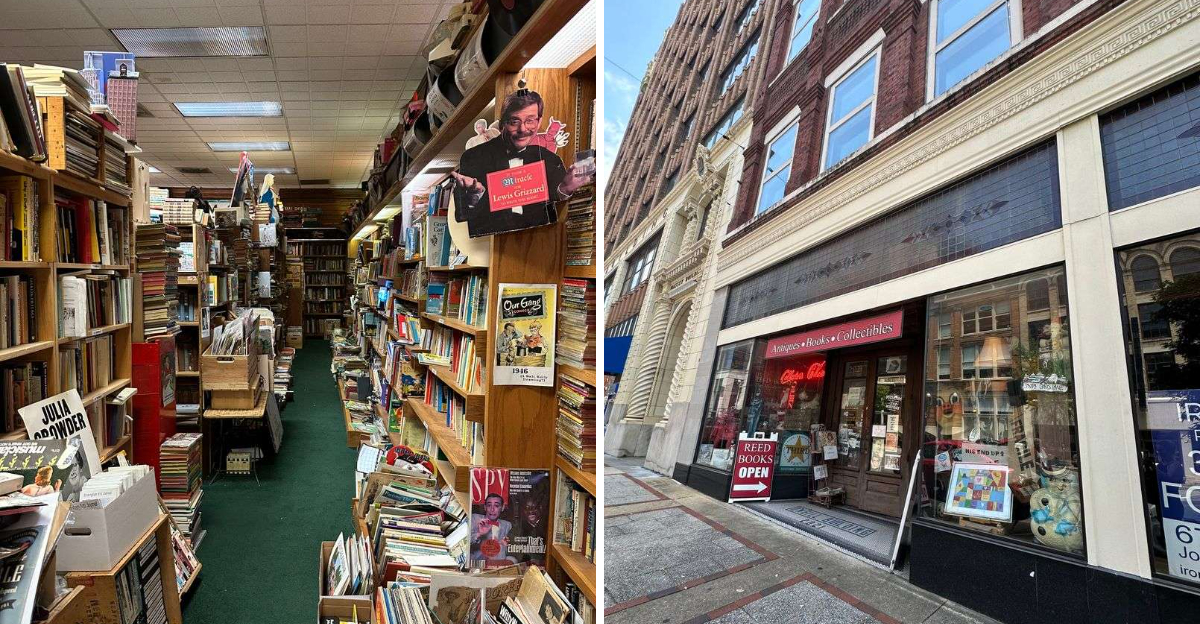
Jim Reed Books sits in downtown Birmingham at 2021 3rd Avenue North, and it looks nothing like the chain stores you might be used to. This independent bookstore has been collecting rare volumes, vintage memorabilia, and forgotten treasures for decades, creating a space that rewards patience and genuine curiosity.
Visitors often arrive planning a quick stop and leave hours later with armfuls of discoveries, having barely scratched the surface of what this literary wonderland has to offer.
Shelves Packed With Thousands Of Carefully Curated Used Books
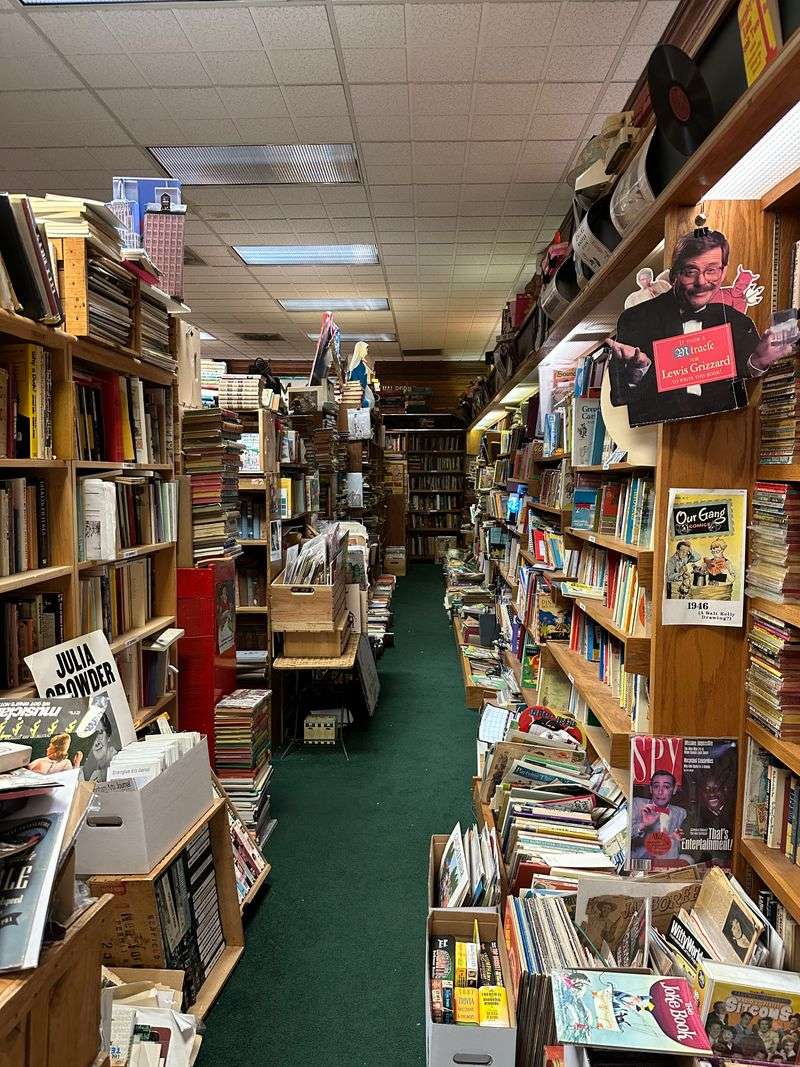
Walking through the front door reveals columns of books rising from floor to ceiling, organized by a system that makes sense once you surrender to the adventure. Jim Reed has spent years assembling this collection, and his knowledge shows in the selection.
Hardcovers from the 1940s sit alongside paperbacks from every decade since, each one chosen with an eye for quality and interest.
The sheer volume can feel overwhelming at first. Titles cover every imaginable subject, from Southern history to science fiction, from poetry collections to engineering manuals.
The mystery section alone could keep a reader busy for weeks, while the Western shelves offer classics that have been out of print for generations.
Pricing remains fair throughout the store. Older volumes cost less than buying new at chain retailers, and rare finds come with reasonable tags that reflect their value without gouging collectors.
This approach keeps regulars coming back and newcomers feeling welcome to explore without worrying about their budget.
A Downtown Birmingham Space That Feels More Like A Time Capsule
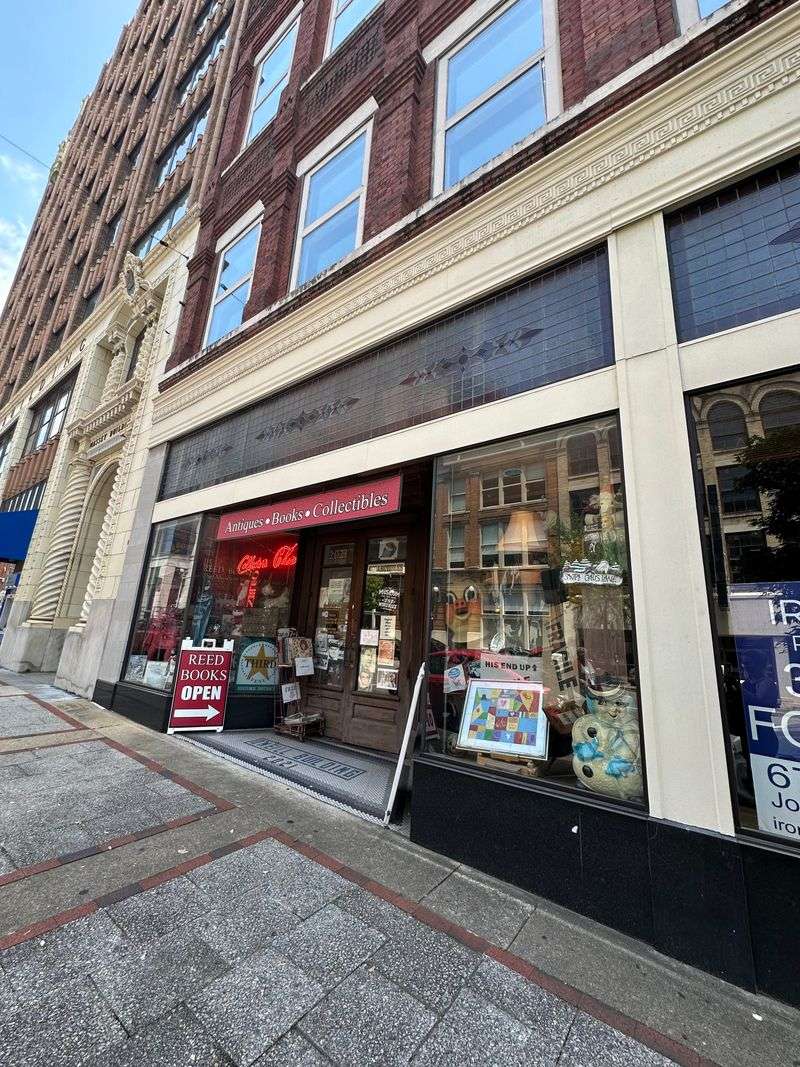
The building itself carries history in its bones. Located in a section of Birmingham that remembers the city’s earlier chapters, the store preserves an atmosphere that modern retail spaces have forgotten how to create.
Stepping inside means stepping backward, not in a museum sense, but in a living, breathing way that makes the past feel accessible.
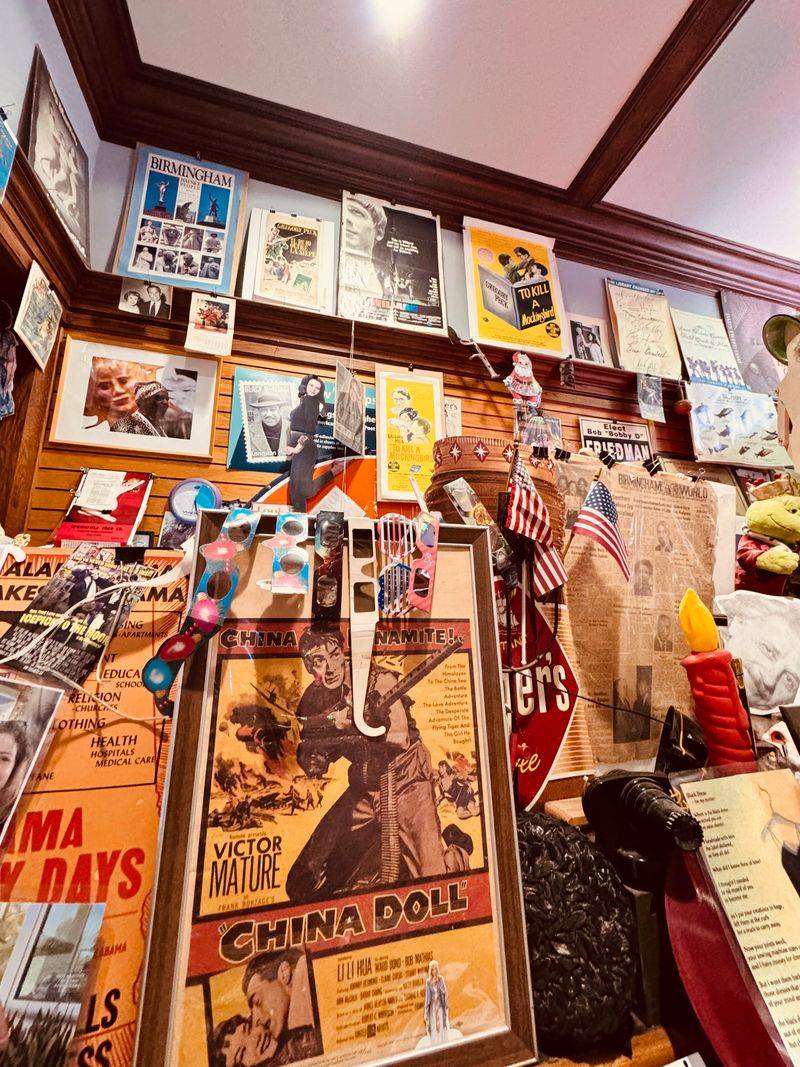
Christmas decorations hang year-round in certain sections, adding unexpected warmth to the browsing experience. Vintage posters line the walls between bookcases, depicting movies, concerts, and cultural moments from decades past.
This visual layering creates an environment where books are just one part of a larger tapestry of memory and nostalgia.
The layout encourages wandering rather than efficient shopping. Rooms connect to other rooms, each with its own character and focus.
Some visitors describe feeling transported, as if they have discovered a secret archive that exists outside normal time. This sensation is intentional, carefully cultivated through years of thoughtful collecting and arrangement.
Why Browsing Here Rarely Happens In A Hurry
Speed and efficiency have no place in this store. The collection is too vast, too varied, and too interesting to rush through.
Regular customers know to clear their afternoon before visiting, understanding that a quick stop simply does not exist here. The store rewards slow exploration, revealing its best treasures to those willing to linger.
Organization follows a logic that becomes clearer with time. While some sections are clearly labeled, others require a bit of detective work to navigate.
This apparent chaos is actually careful curation, with related topics grouped in ways that encourage serendipitous discovery. A search for one book often leads to finding three others you did not know you wanted.
Jim Reed himself contributes to the unhurried atmosphere. He greets visitors warmly, offers assistance when needed, and engages in genuine conversation about books and interests.
His presence reminds customers that this space values connection over transaction, conversation over speed. Many reviews mention spending time talking with him as a highlight of their visit.
Rare Finds And Unexpected Titles Around Every Corner
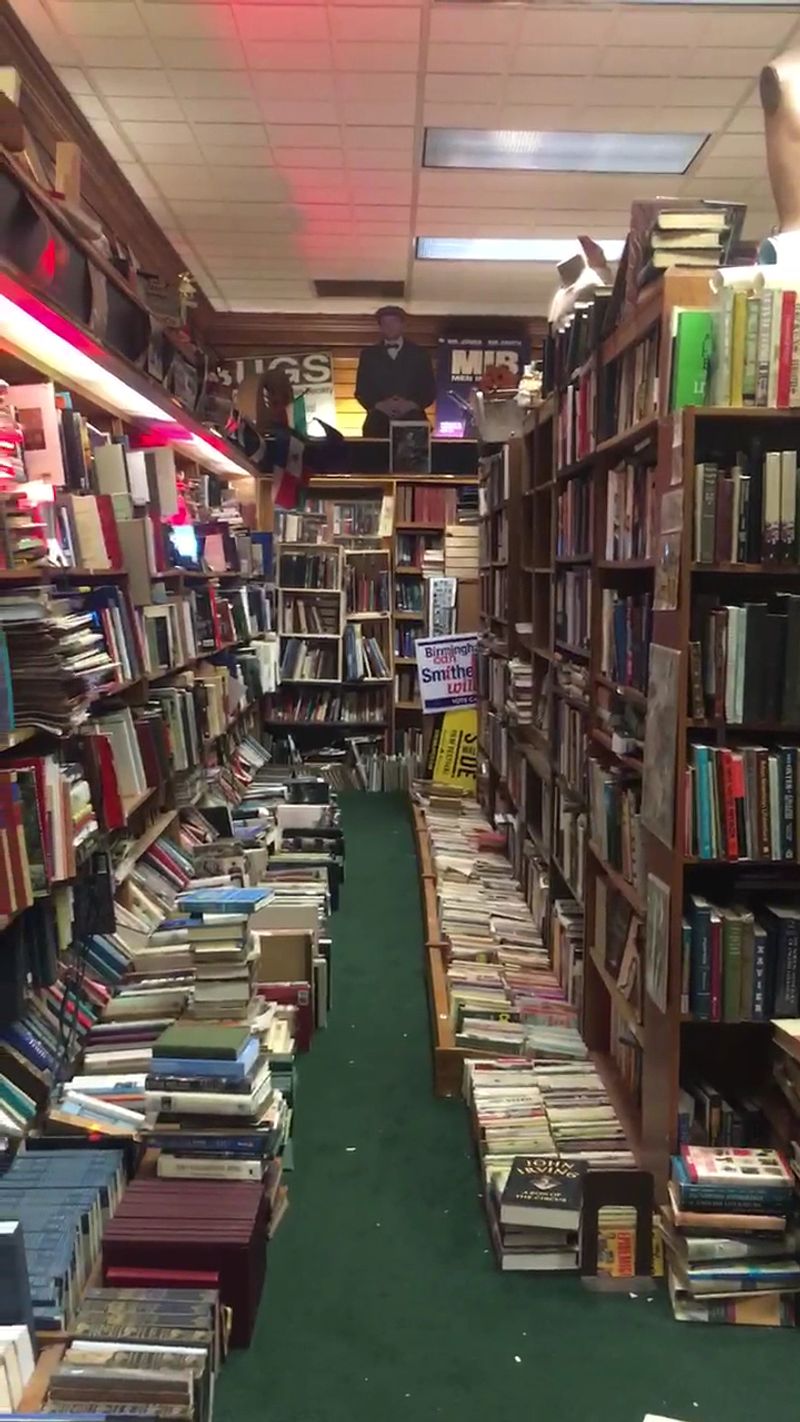
Collectors visit specifically hoping to uncover volumes they have searched for elsewhere without success. The inventory includes first editions, signed copies, and books that went out of print decades ago.
Engineering texts from the mid-century sit alongside literary journals from small presses that no longer exist. This diversity makes every visit a potential treasure hunt.
The store does not focus exclusively on rare books, though. Common titles appear in excellent condition at prices that make building a personal library affordable.
A customer might find a pristine copy of a childhood favorite or discover an author they have never heard of but immediately love. This mix of the rare and the accessible keeps the collection interesting for both serious collectors and casual readers.
Unexpected categories surprise visitors who think they know what used bookstores typically stock. The art book section impresses designers and illustrators.
The science fiction shelves go deep into golden age titles and obscure series. Western novels fill an entire area, offering everything from Zane Grey to lesser-known authors who deserve rediscovery.
A Layout That Encourages Wandering Rather Than Quick Stops
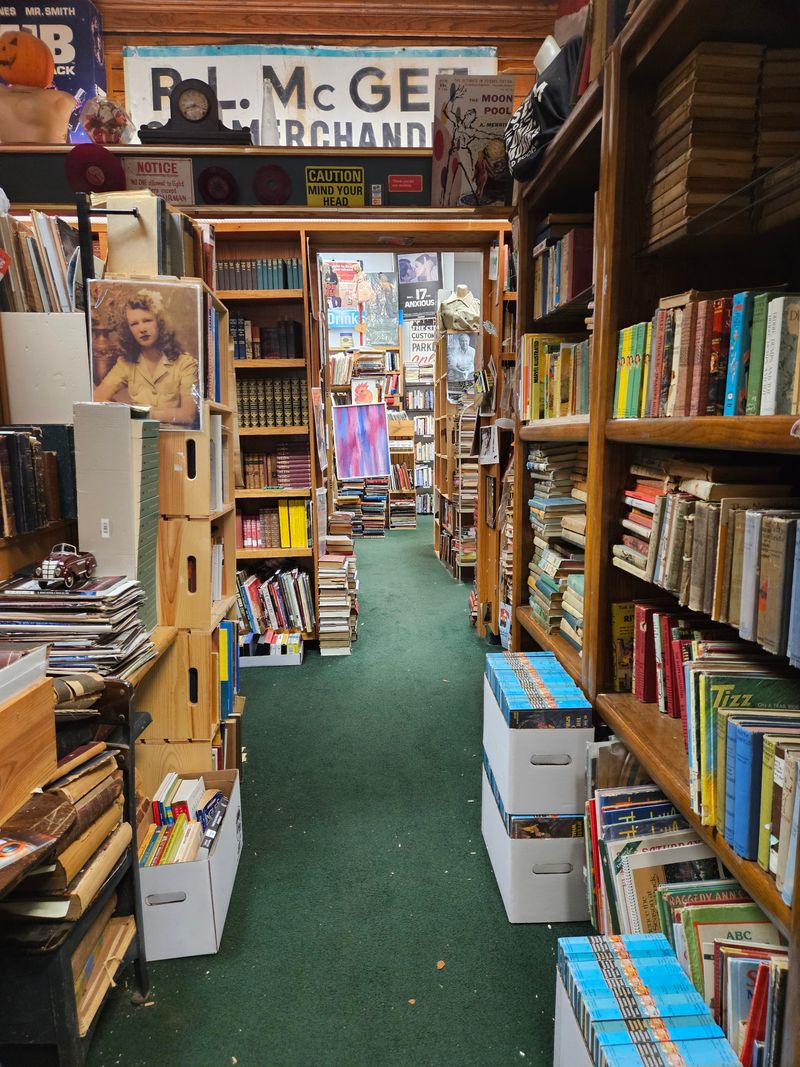
The floor plan defies modern retail logic. Rather than open sight lines and clear pathways, the space unfolds in a series of connected areas that invite exploration.
Turning a corner might reveal a room you did not notice on your first pass through. This architectural complexity adds to the sense of discovery that defines the experience.
Narrow aisles between shelves create an intimate browsing environment. You move through the store at a pace that allows you to actually see titles rather than just scanning past them.
The density of the collection means that slowing down becomes necessary, and that slower pace helps you notice books you might have missed in a more spacious setting.
Different rooms develop different atmospheres. Some areas feel cozy and enclosed, perfect for getting lost in thought.
Others open up slightly, offering space to pause and consider your growing stack of potential purchases. This variety in spatial experience keeps the visit engaging even as hours pass, preventing the fatigue that can come from too much visual sameness.
Music, Posters, And Pop Culture Mixed In With The Books
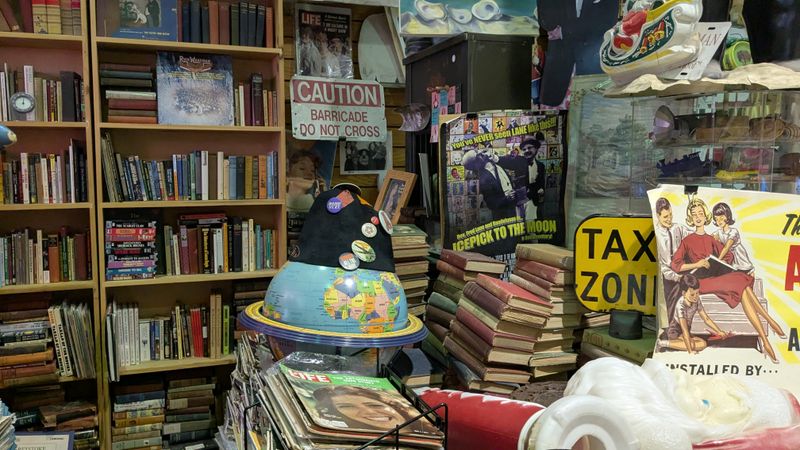
Books share space with other forms of media and memory. Vinyl records from various decades fill bins, offering everything from classical recordings to rock albums.
VHS tapes line shelves in one section, a format that has become nostalgic for some and curious for younger visitors. Cassette tapes and CDs round out the music selection, creating a comprehensive audio archive.
Posters add visual interest throughout the store. Some advertise concerts from decades past, while others promote movies or cultural events.
These paper artifacts serve as more than decoration. They provide context for the books around them, creating connections between different forms of popular culture and showing how various media influenced each other across time.
The mix of formats appeals to collectors beyond just book enthusiasts. Music lovers come searching for specific albums or artists.
Film buffs hunt through the VHS collection for titles that never made it to DVD or streaming. This multimedia approach makes the store relevant to a broader audience while maintaining its core identity as a literary space.
Decades Of Collecting Reflected In Every Section
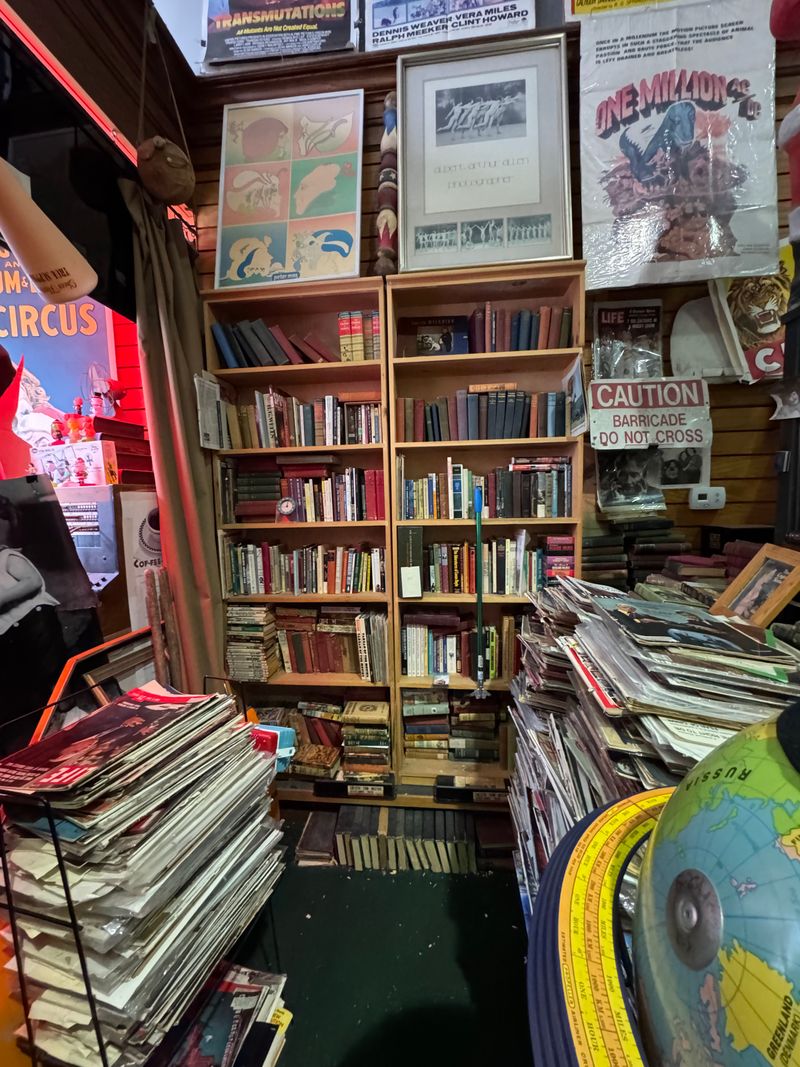
Jim Reed has dedicated a significant portion of his life to building this collection. His expertise shows in the selection and in the stories he can tell about individual volumes.
Years of attending estate sales, auctions, and book fairs have resulted in an inventory that reflects both personal passion and professional knowledge. This depth of experience creates value that goes beyond the books themselves.
The store operates Tuesday through Friday from 10:30 AM to 5:30 PM, with Saturday hours from 11 AM to 4 PM. These limited hours reflect the independent nature of the business and ensure that Jim can maintain the personal attention that customers appreciate.
Calling ahead at 205-326-4460 can help confirm availability or ask about specific titles.
Customer reviews consistently mention Jim’s friendly demeanor and willingness to help. He offers discounts without being asked, engages in genuine conversation about literature and interests, and clearly takes pride in connecting readers with books they will love.
This personal touch has earned the store a 4.8-star rating across hundreds of reviews, a testament to consistent quality over time.
A Store That Rewards Curiosity And Slow Browsing
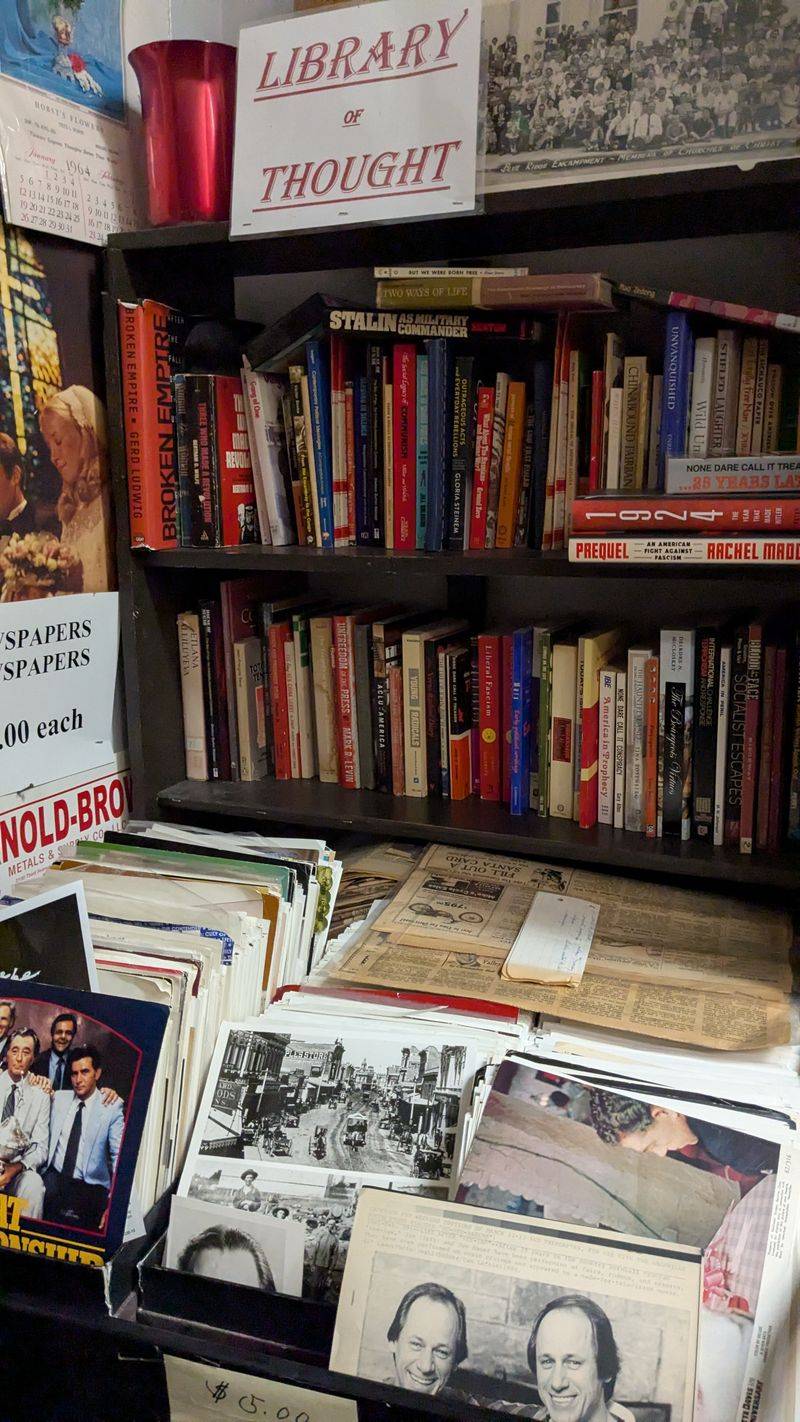
Impatient shoppers will struggle here. The store reveals its magic only to those willing to invest time and attention.
Rushing through means missing the quirky title that would have made you laugh or the obscure volume that perfectly addresses a question you have been pondering. The experience demands a different mindset than typical retail, one focused on discovery rather than efficiency.
Regular visitors develop strategies for their browsing. Some start in familiar sections before venturing into new territory.
Others prefer to wander randomly, trusting that interesting finds will appear. Both approaches work because the collection is deep enough to support repeated visits without exhausting its possibilities.
People report finding new treasures even after dozens of trips.
The lack of aggressive organization actually enhances the discovery process. When books are too neatly categorized, browsing becomes predictable.
Here, a search for one thing leads naturally to finding something completely different. This serendipity creates memorable shopping experiences and often results in purchases that customers did not plan but end up cherishing for years.
Why Locals Treat A Visit Like An Afternoon Commitment
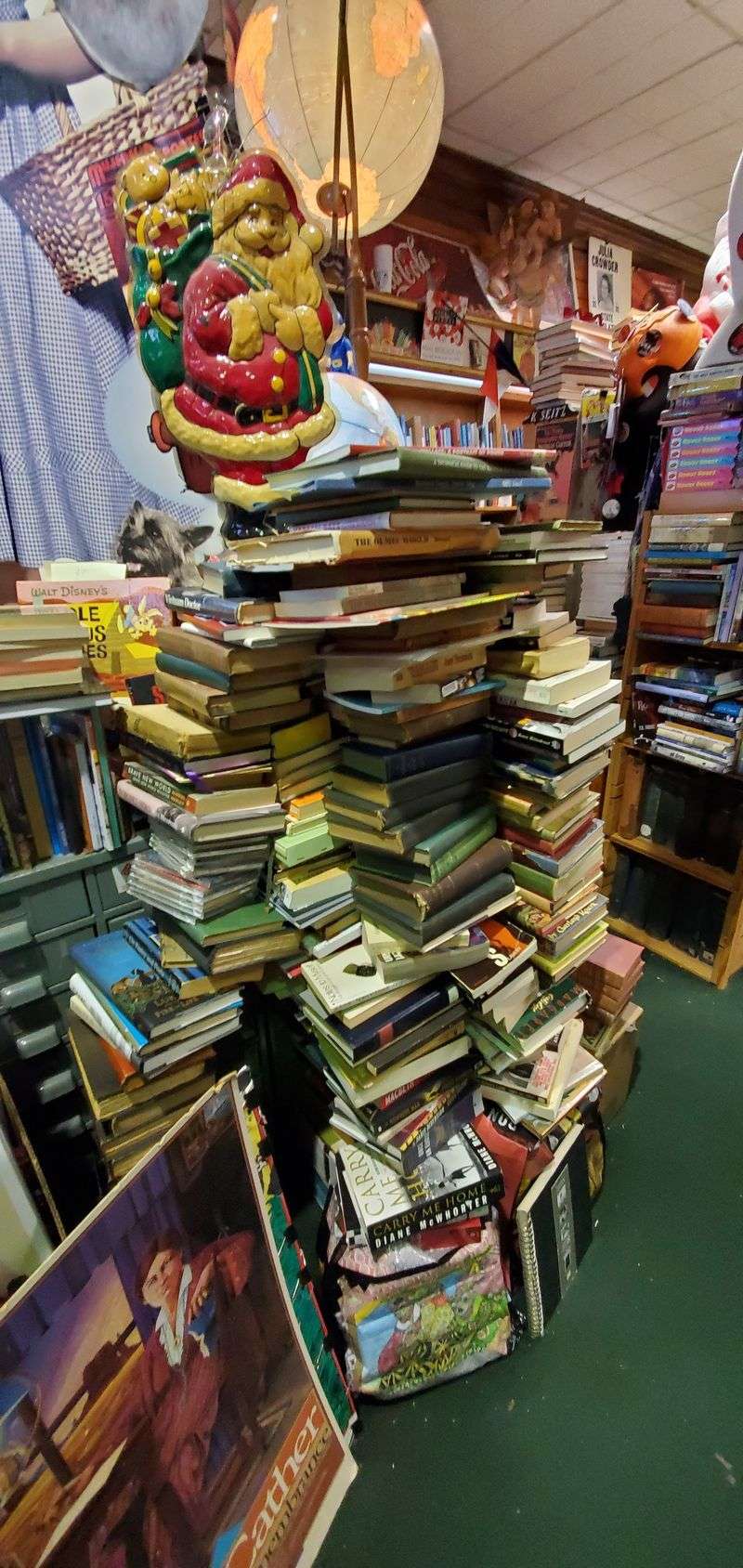
Birmingham residents know better than to schedule tight timeframes around a visit here. The store has a reputation for consuming entire afternoons, and locals plan accordingly.
This understanding comes from experience. First-time visitors often arrive thinking they will browse for thirty minutes and leave three hours later wondering where the time went.
The atmosphere encourages lingering. Comfortable enough to spend hours in but stimulating enough to hold attention, the space strikes a balance that makes time pass unnoticed.
Some customers sit on the floor to examine books more closely. Others lean against shelves while reading opening chapters to decide if a book deserves purchase.
This relaxed approach to shopping feels increasingly rare in modern retail.
Social media posts and online reviews frequently mention the time commitment. Rather than complaining, customers celebrate it as part of the experience.
The phrase “plan to spend several hours” appears repeatedly in recommendations, offered as advice to help newcomers make the most of their visit. This shared understanding among regulars creates a community of people who appreciate slow, thoughtful engagement with books.
The Line Between Bookstore And Museum Blurred On Purpose
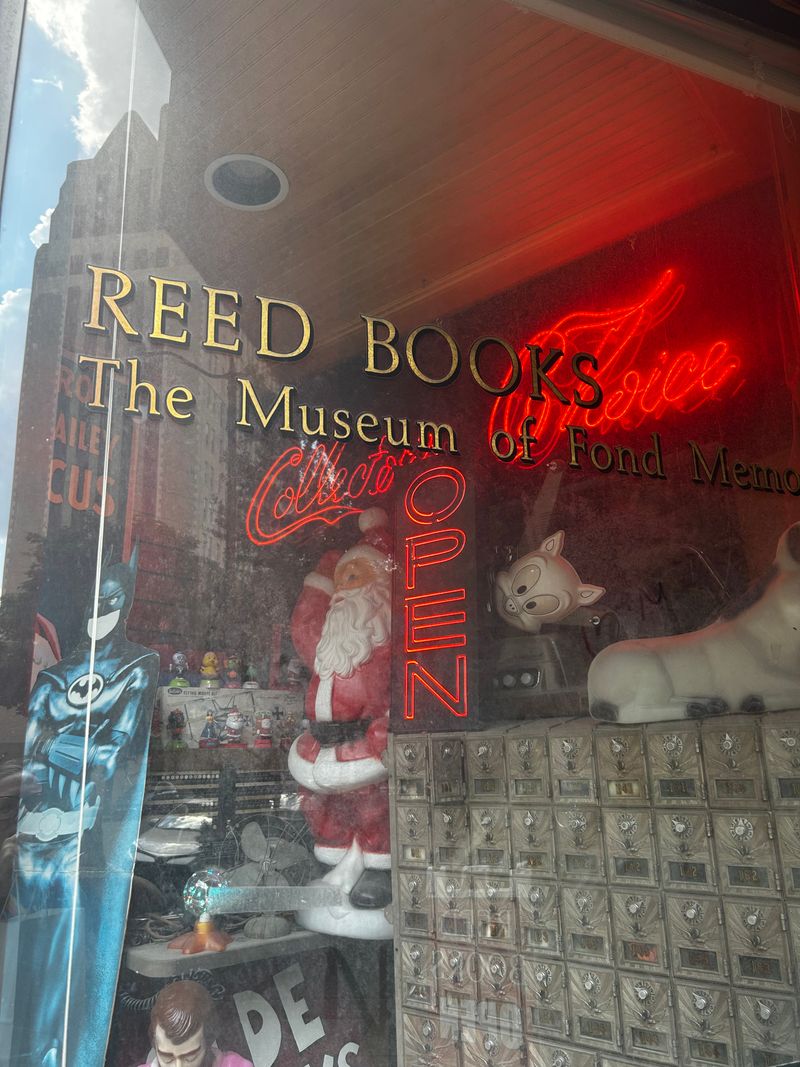
The store’s full name includes “The Museum of Fond Memories,” and this dual identity shapes the entire experience. Books are not just merchandise but artifacts that carry cultural significance.
The memorabilia scattered throughout serves a similar purpose, preserving moments and movements that might otherwise be forgotten. This curatorial approach elevates browsing into something more meaningful than simple shopping.
Visitors describe feeling transported when they enter. The combination of books, music, posters, and other vintage items creates an immersive environment that tells stories about American culture across decades.
Each section offers a different window into the past, from post-war optimism to counterculture rebellion to the dawn of the digital age. These layers of history exist simultaneously, creating a rich tapestry of memory.
The museum concept also explains why the store resists modernization. Online shopping and digital catalogs would undermine the experiential nature of the space.
The value lies not just in acquiring books but in the process of discovery, in the physical act of browsing, and in the conversations that happen between shelves. This commitment to traditional bookselling preserves something important in an increasingly virtual world.