
The New York Road Locals Say You Should Never Drive After Dark
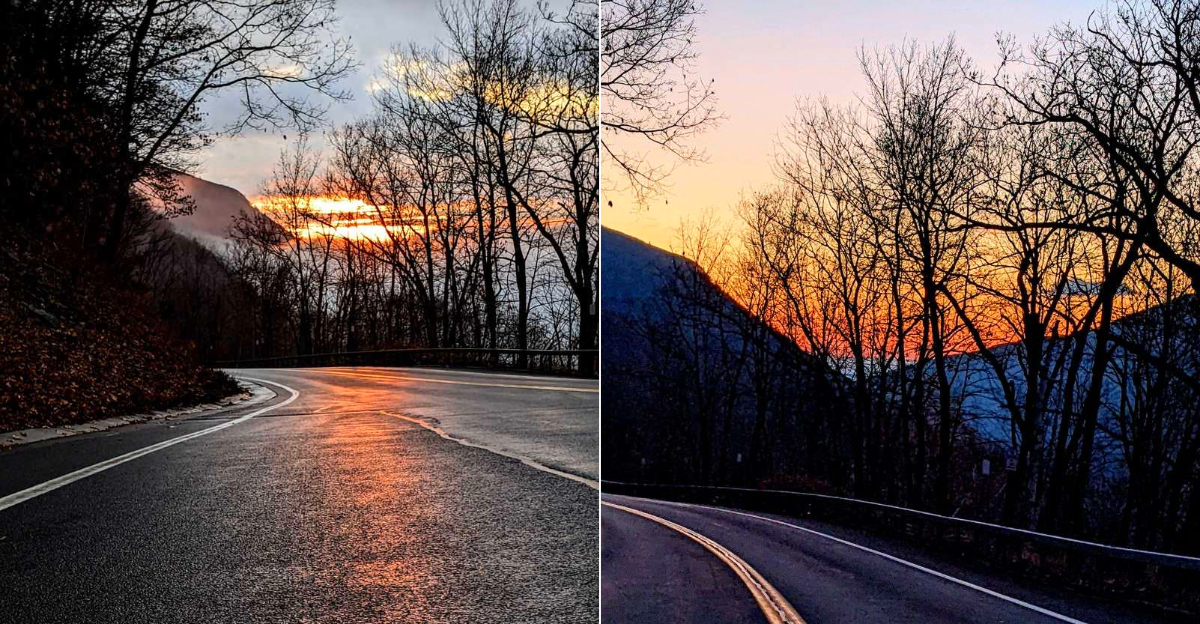
New York roads can feel familiar until the light begins to thin. In the Catskills, New York State Route 23A develops a different personality as dusk settles, when curves tighten, ravines deepen, and the landscape starts to hold its breath. Locals talk about it in passing, not with drama, but with the kind of caution that comes from knowing a place well.
The drive demands attention, asking you to read shadows, mist, and sudden drops with care. New York has plenty of scenic routes, but few that change character so completely after sunset.
Daylight tells a gentler story. Waterfalls flash between trees, rock walls rise close to the shoulder, and creek crossings feel measured rather than tense. As evening approaches, the road grows quieter and more deliberate, rewarding patience while discouraging haste.
It is memorable not because it is dangerous, but because it insists on respect.
Approaching Kaaterskill Clove With Clear Eyes
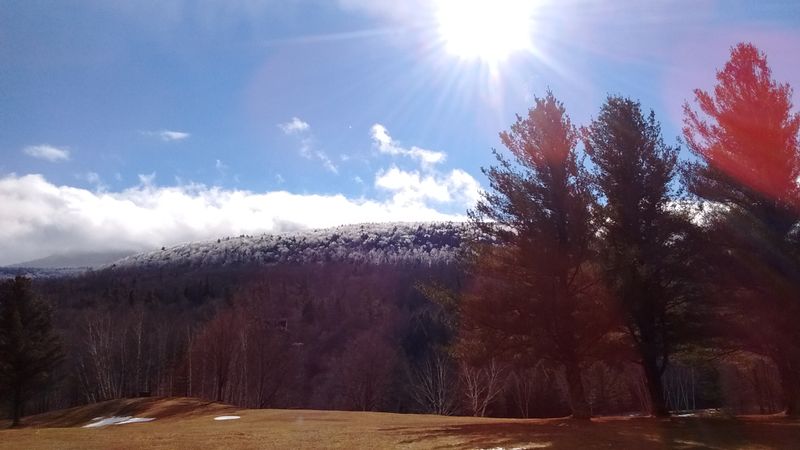
Any drive into Kaaterskill Clove along Route 23A begins with a hush that the engine quickly breaks. The road pinches inward as if the forest wants it back, and stone guardwalls mark the plunge toward the creek below. Your pace naturally softens, less from fear than from close attention to each bend.
The Catskill escarpment rises abruptly, and you feel the scale in your shoulders before you notice it in the mirror.
Details grow sharper as the ravine tightens, especially near the pullouts that locals use for quick looks over the water. Signage is modest, curves arrive decisively, and distant cascades sound like low traffic you cannot see. Cell service flickers here, reminding you to trust the lines and the reflectors more than a map app.
The clove rewards careful drivers with glimpses of green ledges and glistening rock faces that hold their chill even mid summer.
Evening changes the conversation outright, which is why regulars advise daylight for a first pass. Shadows pool across the lane just as deer come down to drink along Spruce Creek, and braking distances shrink faster than you expect. If you continue, keep headlights clean, speeds calm, and eyes far ahead while acknowledging turnouts early.
The approach sets the tone for Route 23A as a whole, a road that favors patience and delivers scenery only after you earn it.
The Switchbacks Above Palenville
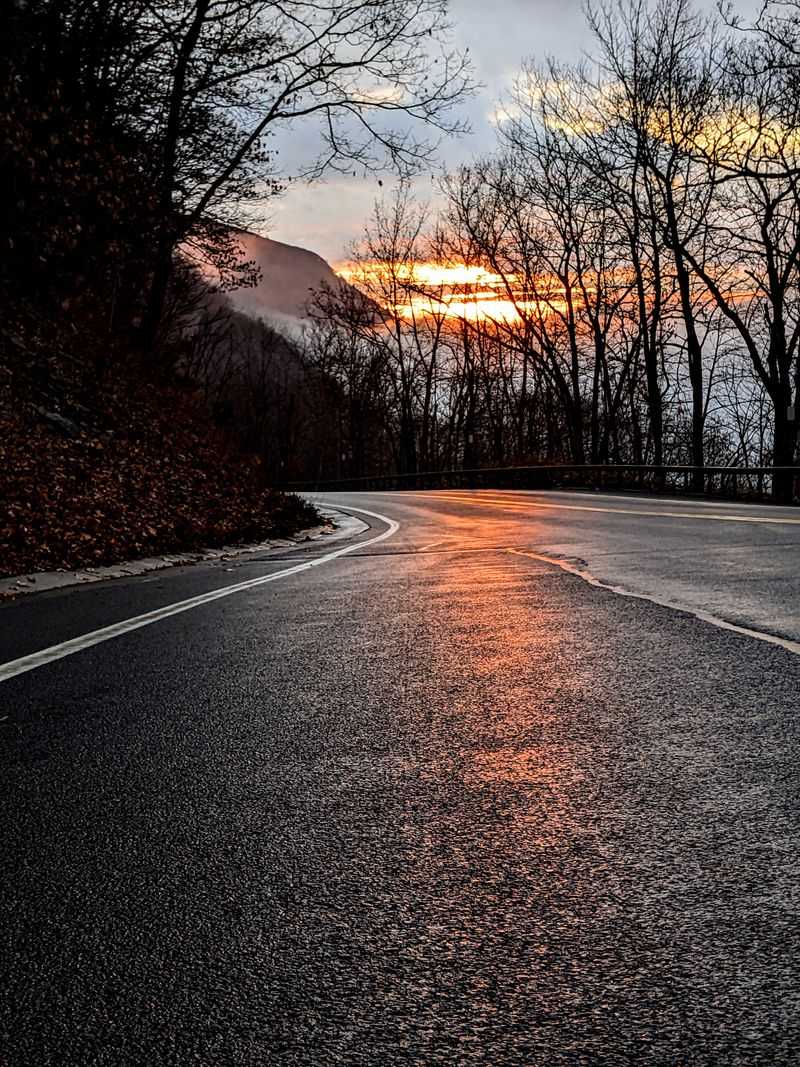
Climbing out of Palenville, Route 23A gathers itself into a staircase of tight switchbacks. Each corner tempts you to peek through the trees toward the Hudson Valley, but the pavement insists you finish the turn first. Shoulders narrow, runoff channels gleam after rain, and the guardrails feel suddenly essential.
You can sense the engineering compromises of a mountain road built to fit the hillside rather than conquer it.
Traffic here mixes locals, delivery vans, and visitors who underestimate just how quickly altitude collects. Gear changes matter, and gentle braking before corners keeps the chassis settled without drama. In late afternoon, the light cuts across the road at an angle that hides patches, which suggests a conservative approach.
When wet leaves or winter grit settle on the apexes, precision becomes more than a driving ideal.
After dark, those same curves compress time in a way that startles even confident drivers. Headlights rebound from trees, and the next hairpin materializes sooner than it should, shrinking margins for error. Locals will tell you to loop through in daylight first, then decide if a night run is worth the attention it demands.
If you choose to climb after sunset, keep speed modest, look far, and give descending traffic the space it might need unexpectedly.
Waterfalls, Pullouts, And The Lure Of A Quick Stop
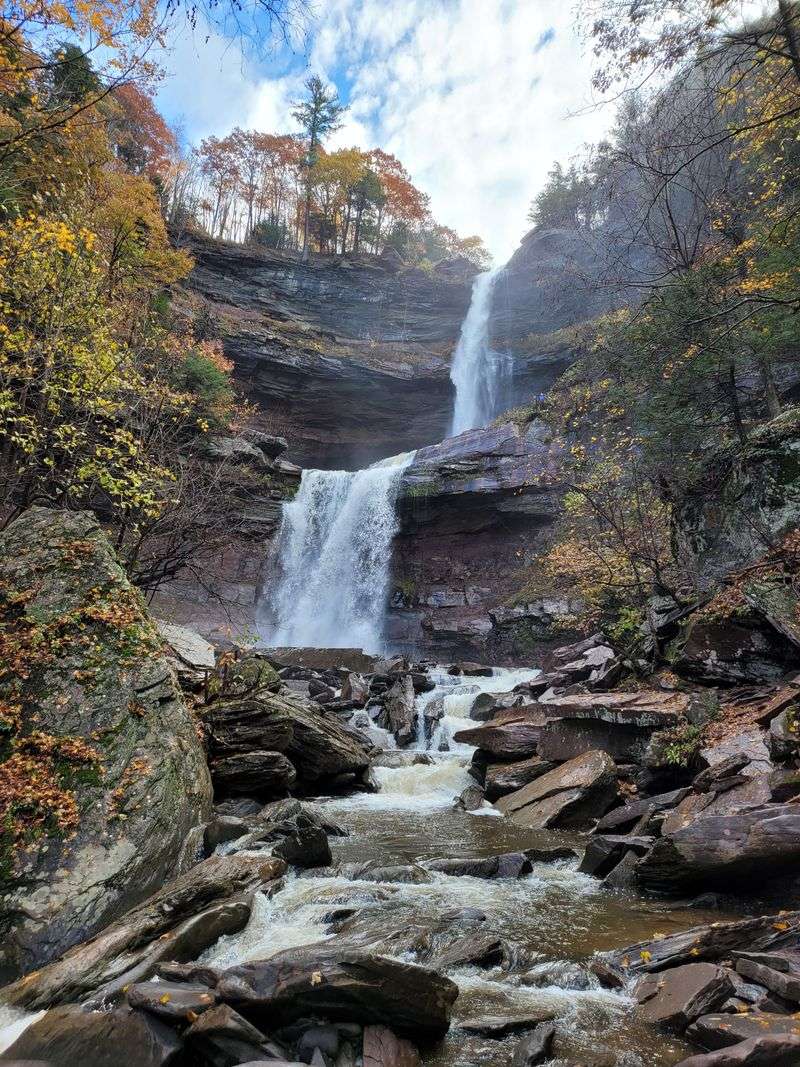
Route 23A tempts you with the sound of water long before you see the falls, and that is one of the reasons you should drive during the day. Pullouts appear along the creek with just enough room for a car and a question you must answer quickly. You will want to stop, and you should, but only where marked and only when traffic feels cooperative.
The spray hangs in the air on damp days, leaving the pavement slicker than it looks.
Parking areas near the Kaaterskill Falls trailheads alleviate some roadside improvisation, though peak weekends still stretch capacity. Trail signage has improved, and fencing keeps most feet away from fragile edges. Even so, pedestrians drift unpredictably, stepping from shaded lots into the lane as their eyes chase the water.
The mix of hikers, buses, and delivery trucks creates a rhythm that rewards patience over clever maneuvers.
Night alters the pullouts completely, turning them into puzzles of depth perception and headlight glare. You never quite judge the angle until it is too late, and reversing back onto the highway becomes a small performance. Locals advise finishing waterfall stops well before dusk, then treating the creek as sound, not destination, once darkness settles.
The falls will still be there in the morning, and the road will feel more generous when you return.
Winter Weather And The Ridge Above Haines Falls
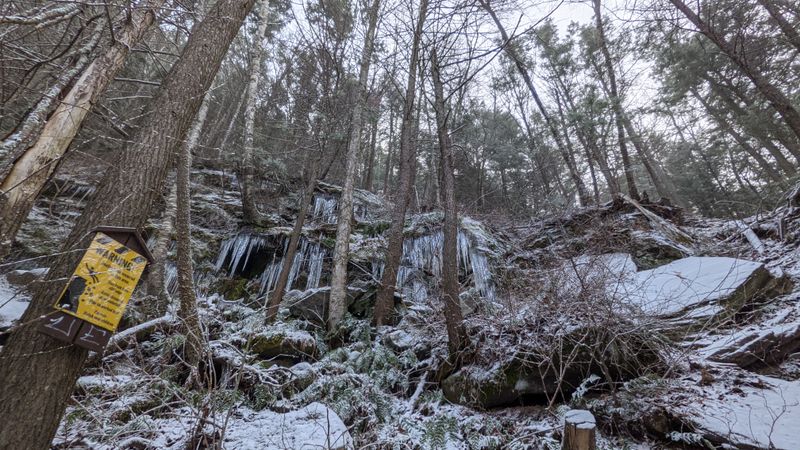
Winter places a quiet hand on the Catskills that Route 23A feels first at elevation. The ridge near Haines Falls sees wind carve drifts across open patches, and rime collects along signs like frosting. Plows do their rounds with care, yet shaded corners keep their sheen when the sun stays reluctant.
Tires talk more loudly here, and even modest throttle feels like a conversation with physics.
Locals switch to winter setups early, knowing storms can surprise before the calendar suggests it. Sand and salt improve traction but introduce an abrasive layer that moves under braking. Sightlines shorten when flurries lift off the banks and swirl across the hood.
By late afternoon, temperatures dip again, turning meltwater into black ice with little warning.
After dark, the consequences of guessing climb neatly with the altitude. Reflector posts become your best friends, and gentle steering inputs keep the car calm when surfaces disagree. If you do not have winter tires, the ridge is not the place to confirm it after 5 p.m.
Plan the crossing by daylight, keep momentum smooth, and leave room for plows that deserve the right to lead.
Where Wildlife Owns The Right Of Way
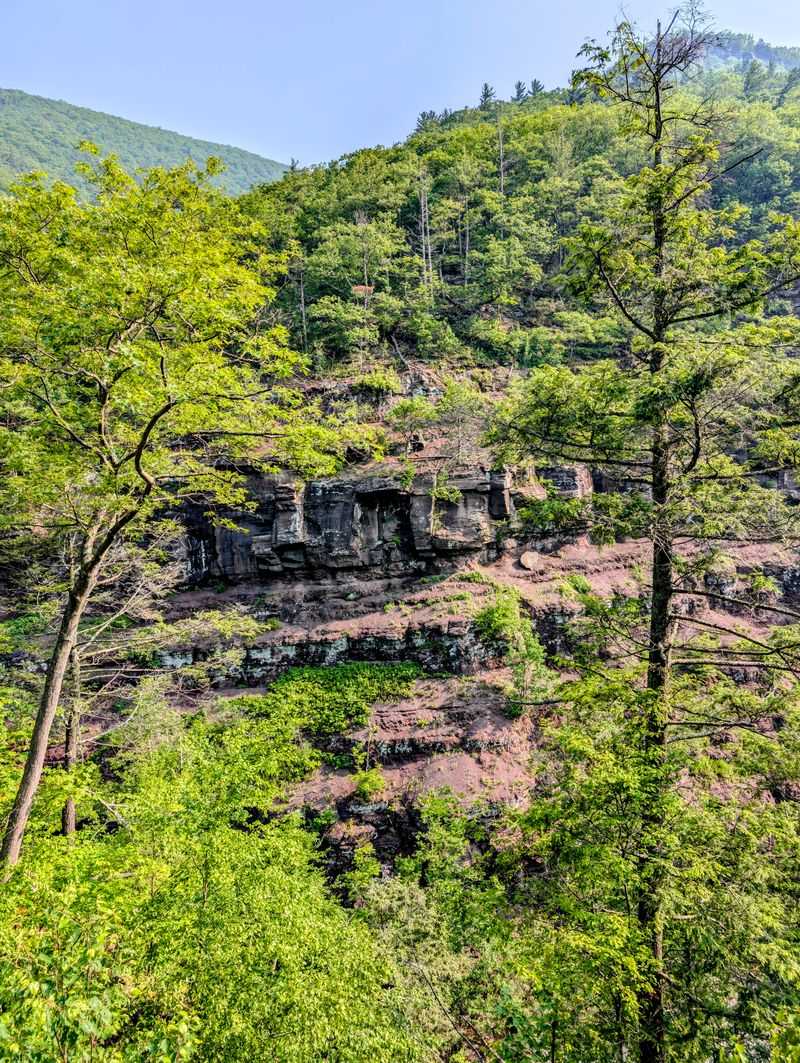
Wildlife treats Route 23A as a corridor, not a boundary, which becomes clear the minute dusk arrives. Deer step out from the understory near the creek, and smaller animals linger on the warm margin of pavement. The pattern repeats most in fall, when evenings stretch and food draws them to road edges.
Your best tactic comes down to speed, patience, and the humility to expect movement where you least prefer it.
Drivers sometimes see one deer and assume the story ends there. In truth, the second and third follow with a quickness that punishes hasty acceleration. High beams help on open stretches but lose usefulness in the forested sections where reflections multiply.
Scanning the tree line as far ahead as possible makes the difference between a quiet brake and a surprise.
At night the road becomes a mirror for eyes, which both helps and hinders. Glints announce presence, but depth remains hard to judge on a narrow two lane bordered by stone and stream. Locals slow instead of swerving, mindful that a gentle stop beats a sharp change of direction.
The animals belong here year round, and sharing the route gracefully turns a tense drive into a competent one.
Ties To Vision Zero’s Dusk And Darkness Guidance
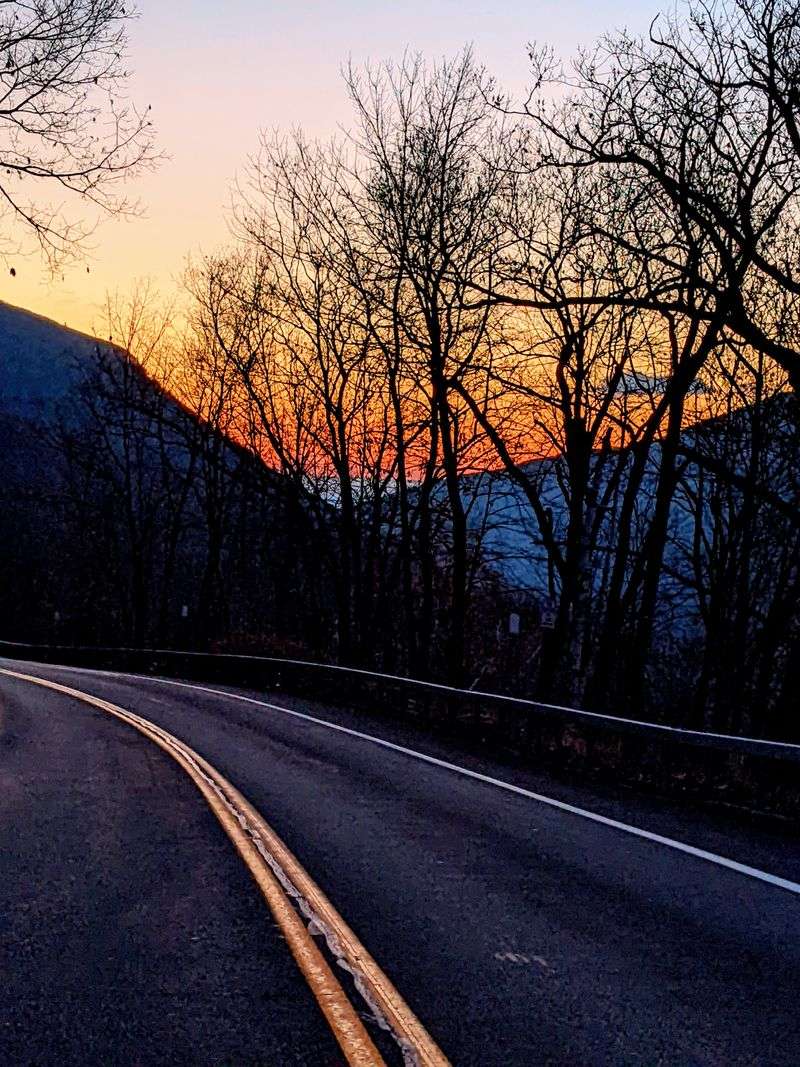
Although Route 23A winds through mountains far from Midtown, New York’s broader safety efforts still apply. The city’s Dusk and Darkness campaign under Vision Zero stresses slower speeds and sharper attention after sunset. Those ideas travel well, especially where visibility narrows and reaction time shrinks.
A mountain road does not need skyscrapers to justify the same common sense.
Simple habits prove useful before the clove and beyond Haines Falls. Clean headlights reduce glare, mirrors reveal quiet bicycles near trailheads, and a fresh windshield makes oncoming beams less punishing. Turning with extra caution matters on village edges where pedestrians step from parked cars into the lane.
Education may sound urban, yet the lesson reads clearly on a Catskill shoulder at 7 p.m.
When darkness extends through fall and winter, enforcement and awareness support one another. You gain nothing by rushing a curve that returns only a tighter next one. Adopting city tested practices on Route 23A feels practical rather than doctrinal, saving energy for the scenery worth seeing.
Treat the campaign as a set of tools you can pack anywhere the horizon fades early.
Practical Planning From Cairo To Hunter
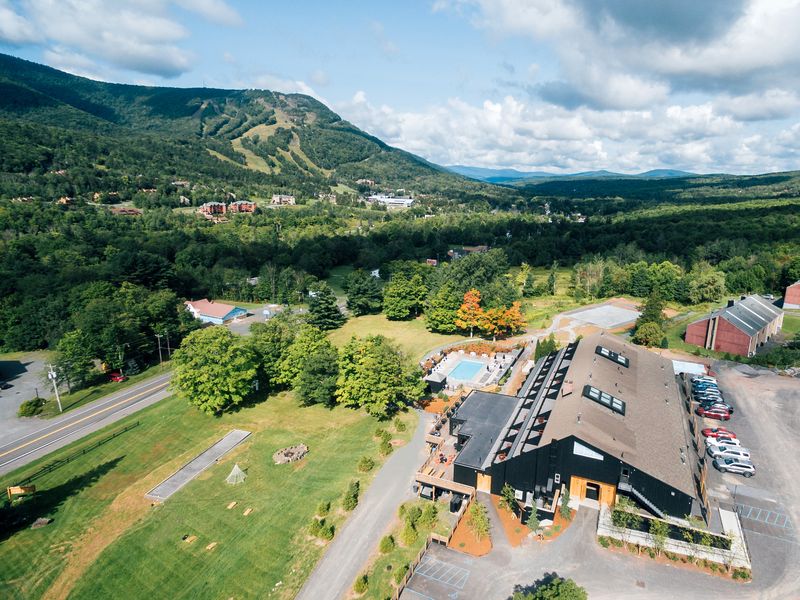
Planning a drive along Route 23A benefits from unhurried preparation and a tidy timetable. Approaches from Cairo on the west and Palenville on the east both deliver you into the Catskills with little ceremony. Fuel availability tightens between hamlets, so topping off earlier reduces avoidable detours.
Lodging in Hunter, Tannersville, or Haines Falls places you close to trailheads and morning light.
Navigation seems obvious on paper, yet the mountain sections compress choices and reduce last minute corrections. Keeping a paper map or offline data helps when signal falters near the clove. Pullouts appear where they can, not always where you want them, which argues for scouting in daylight.
Food options cluster in towns, and kitchens close earlier than city habits would predict.
After dark, the plan matters more than the impulse. Decide where to turn around before the switchbacks, and identify safe lots rather than improvising on shoulder gravel. If the goal is scenery, schedule it for sun and let the night be for quiet transit.
With patient planning, the stretch from Cairo to Hunter becomes a measured route rather than a test of reflexes, and the Catskills reward the restraint.