
The Historic Tennessee Restaurant That Keeps The 1800s Alive
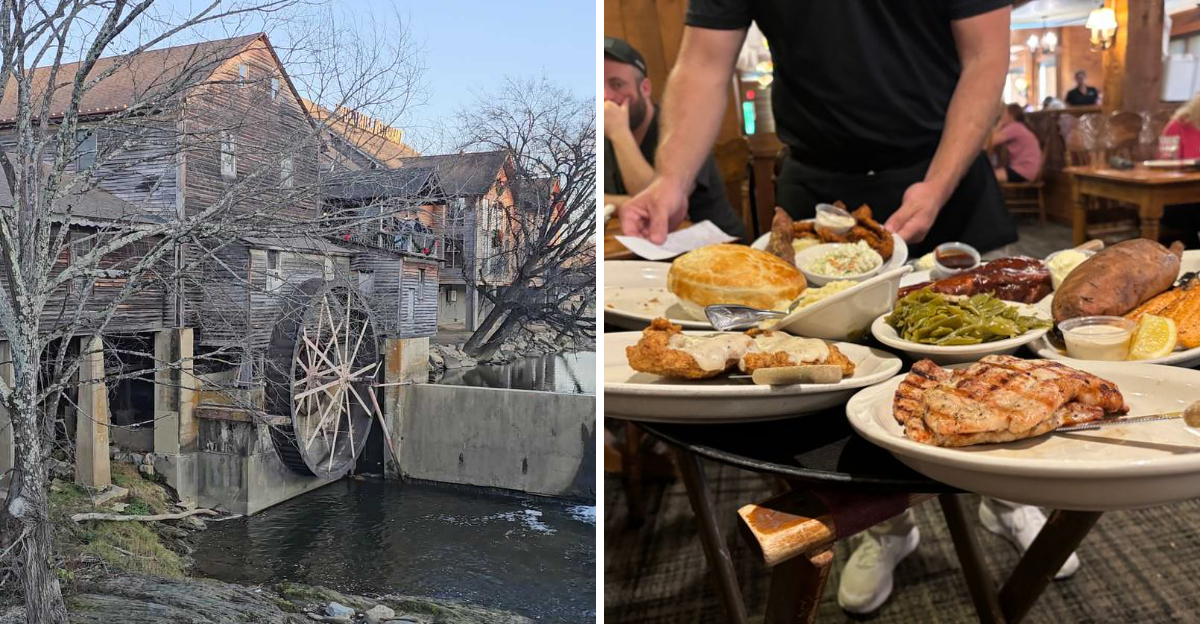
History does not feel distant at the Old Mill Restaurant; it feels present, warm, and well fed. Built beside a working gristmill, this long-standing dining room carries the rhythm of the 1800s through creaking floors, generous portions, and recipes shaped by time rather than trends.
Tennessee pride runs through every detail, from the slow pace of service to the familiar comfort of dishes meant to linger over. Guests arrive early, aware that tables rarely stay open for long.
The Old Mill Restaurant at 164 Old Mill Ave, Pigeon Forge, TN 37863 offers more than a meal. Sitting here feels like sharing space with history itself, where tradition remains part of daily life rather than a display.
A Working Gristmill That Still Sets The Table
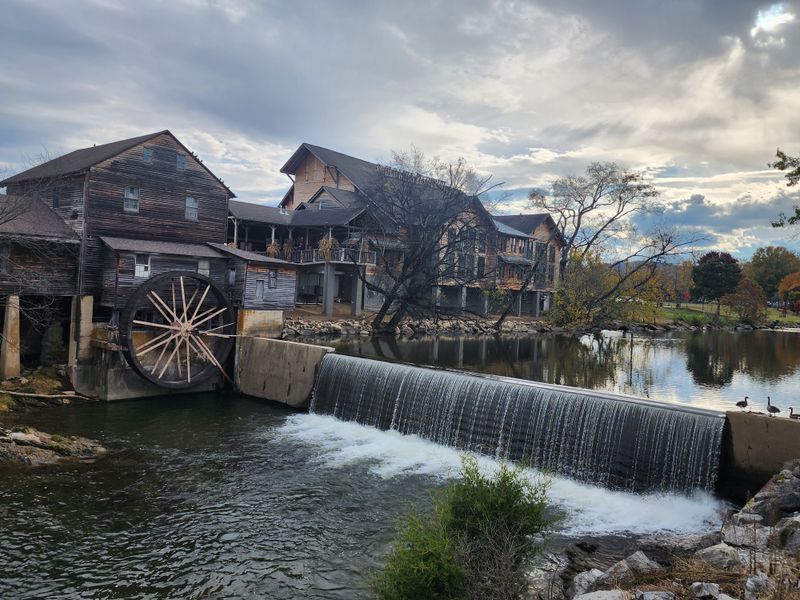
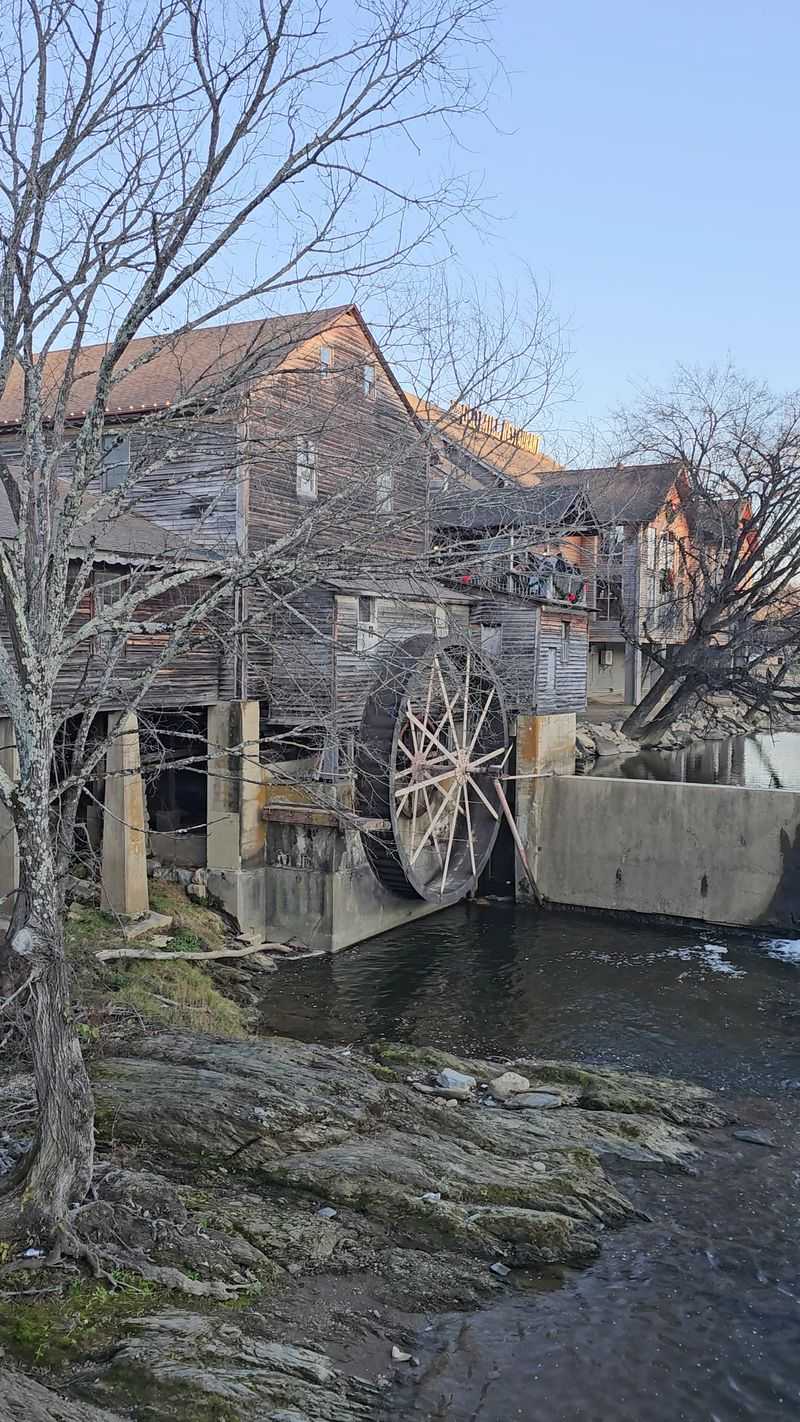
First impressions begin with the soft churn of water and the steady turn of a wheel. The Old Mill Restaurant sits beside its historic 1830 gristmill, whose rhythm defines the meal before a menu even opens.
Flour ground here becomes hushpuppies, cornbread, and pancakes, tying each plate to the mill’s original purpose. Only after crossing the bridge do you notice that this is a living workshop, not a museum.
Later, at The Old Mill Restaurant, the connection between craft and comfort reads as plainly as the wooden beams. Servers explain how grain from the mill becomes today’s grits and tomorrow’s loaves.
You can hear the low rush of the Little Pigeon River as you sip coffee, its calm balancing the bustle inside. Tradition feels tactile here, as if the wheel turns the dining room as surely as it powers stone.
Breakfast That Honors The Morning
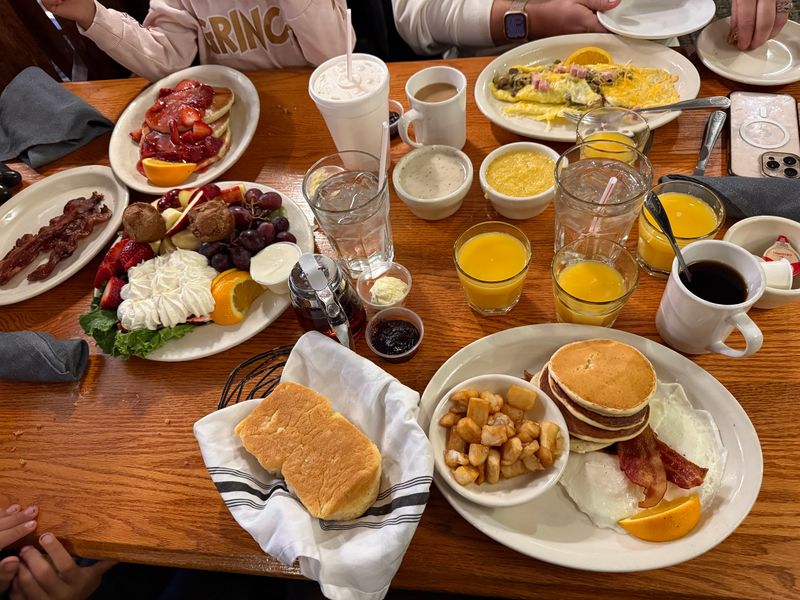
Morning arrives like a friendly handshake, firm and reassuring. Plates are generous with eggs, country ham, and pancakes made from freshly milled flour that tastes bright and nutty rather than sweet.
Stone ground grits arrive warm and patient, a canvas for butter and a whisper of salt. Syrup and sorghum sit nearby, inviting a thoughtful drizzle instead of a flood.
During a weekday breakfast at 164 Old Mill Ave, Pigeon Forge, the dining room hums with travelers comparing notes and locals catching up. Coffee pours steadily while servers keep a gentle pace, offering advice on biscuit choices and jam pairings.
The pancakes hold a fluff that comes from careful mixing, not shortcuts. You leave feeling set right, as though the day has been tuned to a kinder key.
Cornbread, Hushpuppies, And The Language Of Crumb
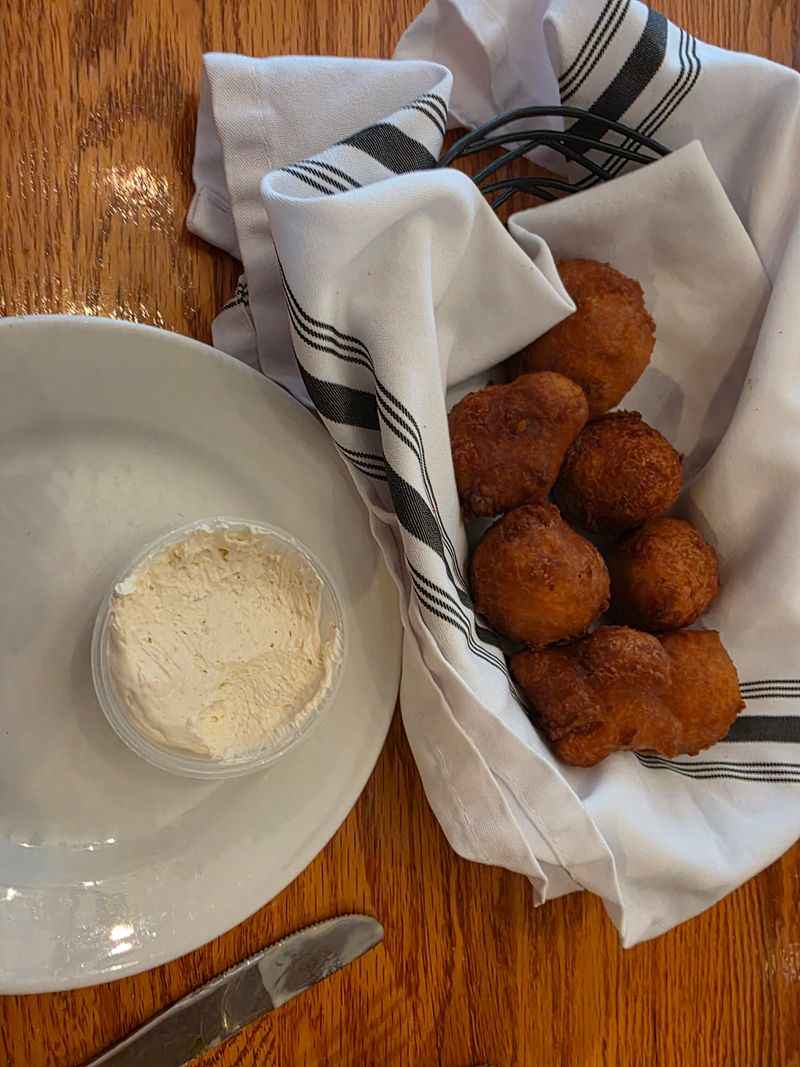
Few sounds satisfy like the gentle tap of a knife through cornbread. The crumb here is tender yet sturdy, with a corn fragrance that feels honest and lightly toasted.
Hushpuppies arrive with a crisp edge that yields to a soft interior, their sweetness balanced by onion and a hush of pepper. You taste the mill’s stone within each bite, quiet but unmistakable.
Seated near the windows at this Tennessee place, you notice baskets landing with dependable regularity. Butter softens at the table’s edge, while honey waits its graceful turn.
Servers pace the refills so you never lose the warm-from-oven charm. By the time entrees reach the table, the cornbread has already told you what the kitchen values most.
Chicken And Dumplings With A Granny’s Whisper
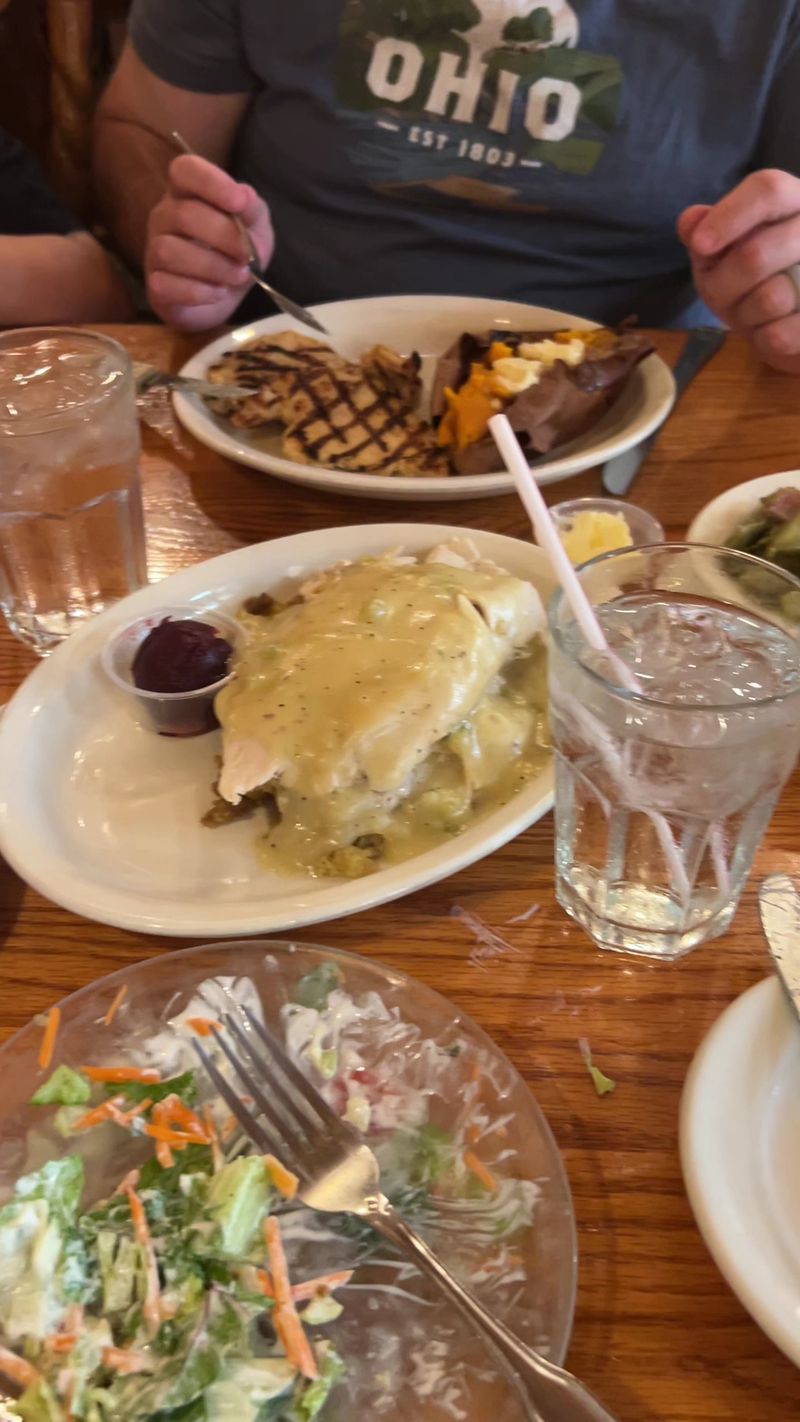
Comfort does not shout here; it murmurs. The chicken and dumplings arrive with steam that smells of celery, pepper, and patient simmering.
Dumplings are plush without turning heavy, and the broth clings politely to each spoonful. Chicken stays tender, as if it learned restraint from the pot itself.
One evening at 164 Old Mill Ave, Pigeon Forge, the dish felt like a family recipe spoken slowly. A side of beans and a wedge of cornbread rounded the bowl into a full conversation.
The seasoning avoids bravado, favoring balance and clean finish. You set the spoon down and realize you have been eating at the tempo of the waterwheel.
It is nourishment that settles rather than dazzles. The kind that stays with you long after the bowl is empty.
Catfish Crisp Enough To Earn Silence
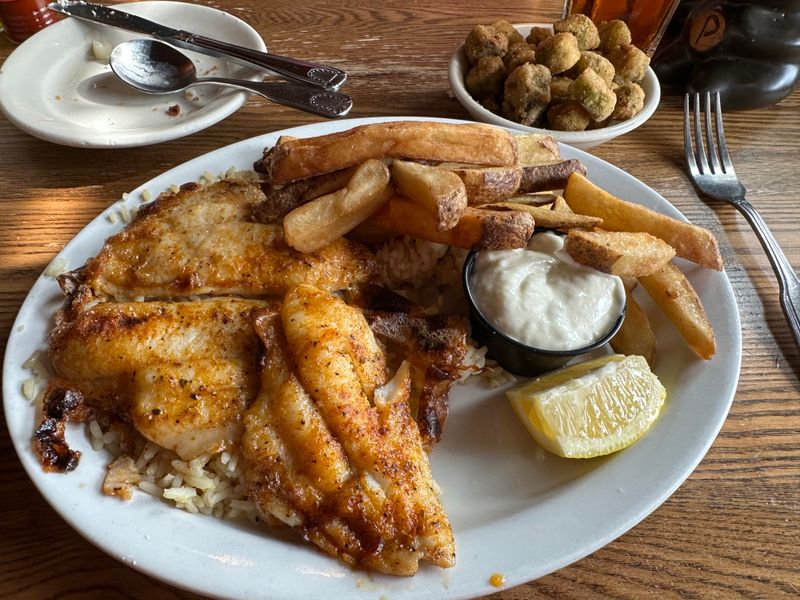
Silence often means the fried catfish landed perfectly. Fillets arrive golden and confident, with a cornmeal crust that speaks in a clean crunch.
Inside, the fish stays moist and mild, carrying river vibes without muddiness. Tartar sauce stands by, bright with pickle and a hint of lemon.
Across the room at The Old Mill Restaurant, tables lean in as baskets meet the wood. Coleslaw cools the edges, offering bite and cream in fair measure.
Hushpuppies provide an echo of corn, tying the plate back to the mill stones outside. When conversation resumes, the verdict is calm and certain: this is how catfish should be fried.
No embellishment needed, no tricks applied. The confidence comes from getting the basics right, every single time.
Country Sides That Behave Like Stars
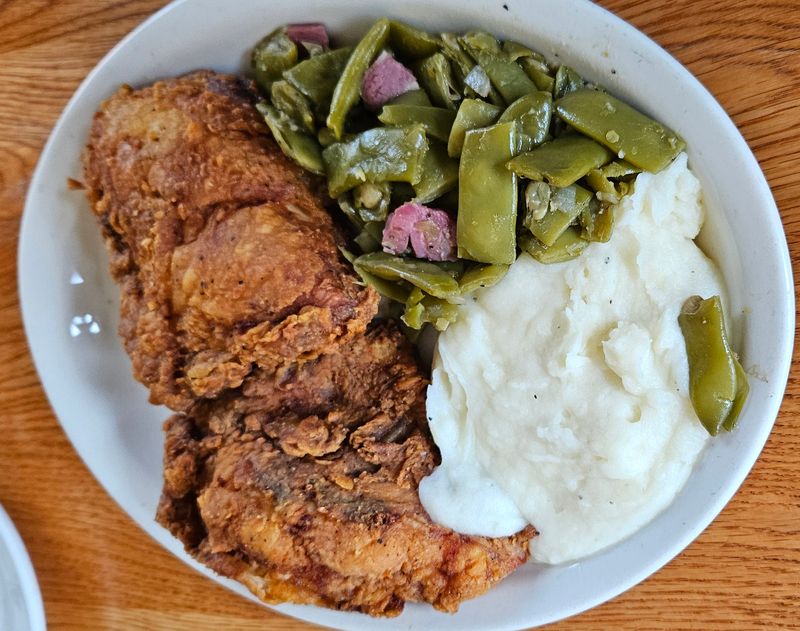
Great restaurants understand supporting roles can steal scenes. Collard greens arrive tender and savory, kissed with vinegar that brightens rather than overwhelms.
Fried okra crunches without greasiness, each piece lightly dusted and quick fried. Pinto beans simmer until creamy, with seasoning that favors depth over heat.
During dinner, mashed potatoes wore proper gravy, smooth and peppered. Stewed apples glow with cinnamon warmth, behaving like dessert’s friendly cousin.
Each side shows restraint, leaving room for main courses while offering its own quiet victory. Choose three and you begin to understand the kitchen’s steady discipline.
Nothing shouts for attention, yet nothing fades into the background. That balance is the mark of cooking done with confidence rather than excess.
Breads, Butters, And A Mill’s Daily Work
Bread baskets feel like a handshake repeated throughout the meal. Biscuits rise cleanly with layered crumb, ready for butter that softens as soon as it lands.
Yeast rolls carry a subtle sweetness that pairs kindly with sorghum. Every loaf tells the same story of flour ground a few yards away.
From a table near the entry of the restaurant, you can watch trays sail past with comforting regularity. The aroma hints at warm grain and a whisper of toast.
Spreads arrive without fuss, sometimes honey, sometimes apple butter, always well measured. By the end, you realize bread here is not filler; it is philosophy.
Care begins before the first course and continues long after the plates clear. That consistency explains why the simplest bite leaves the strongest impression.
Service With Poise And Neighborly Wit
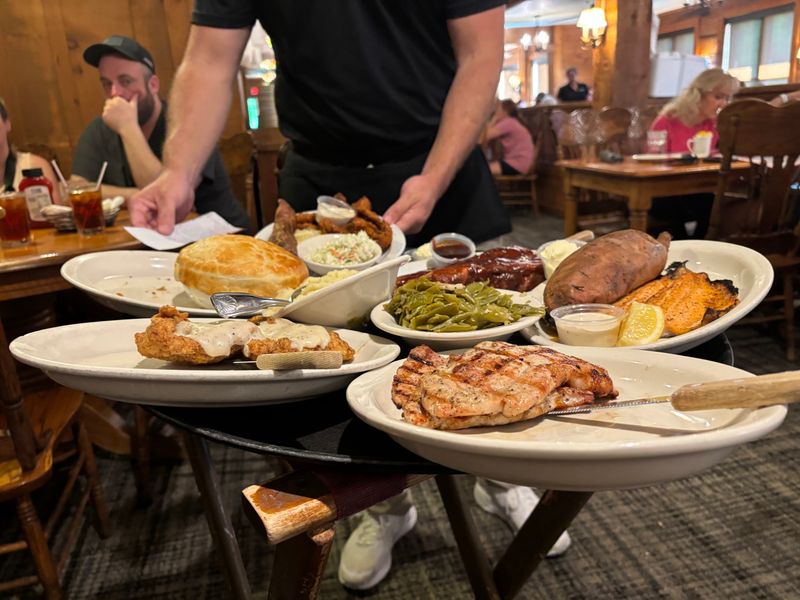
Hospitality lives in the details of timing and tone. Servers at The Old Mill Restaurant manage full rooms with a calm that feels practiced and sincere.
Refills arrive before you notice the glass is light, and questions about the mill’s history receive thoughtful answers. Humor appears sparingly, like a well placed garnish.
While waiting for supper, I noticed the host balancing a busy list with steady courtesy. Recommendations felt personal rather than scripted, especially when navigating daily specials.
Even during rushes, the dining room keeps its composure, helped by smooth communication. You leave thinking good service is quiet craft, not theater.
It lingers in small moments rather than grand gestures. This restraint turns a busy meal into something uncommonly restful.
A Setting That Frames Memory
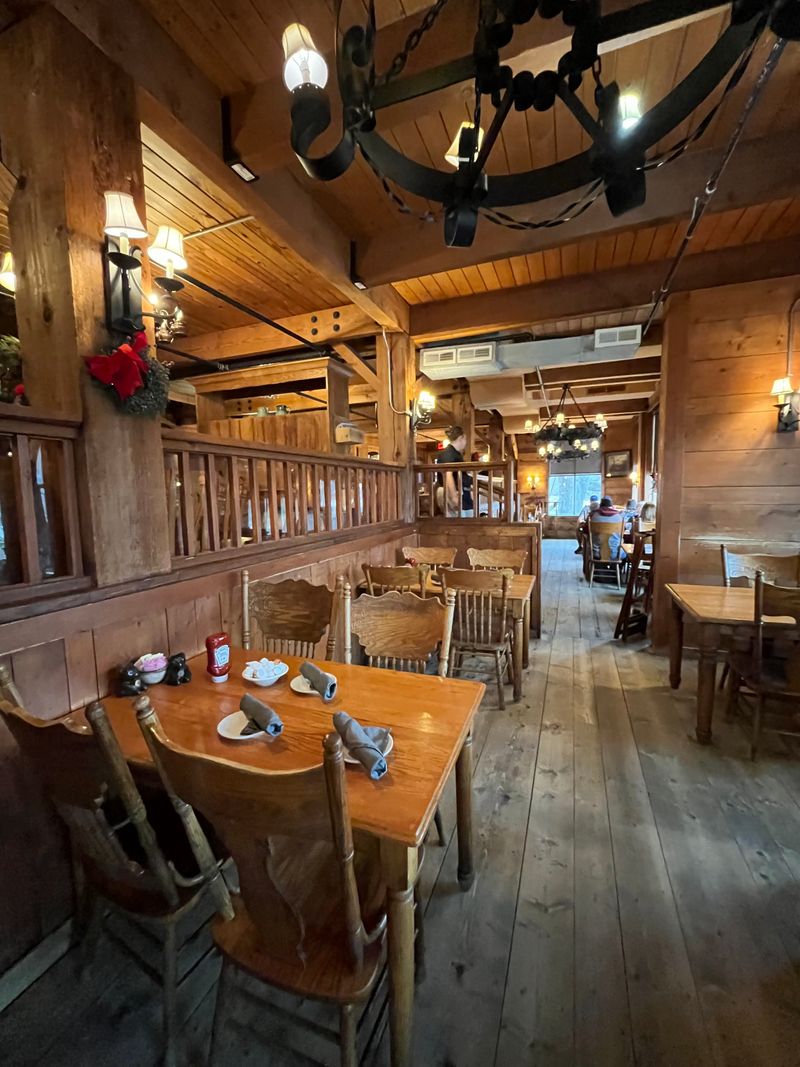
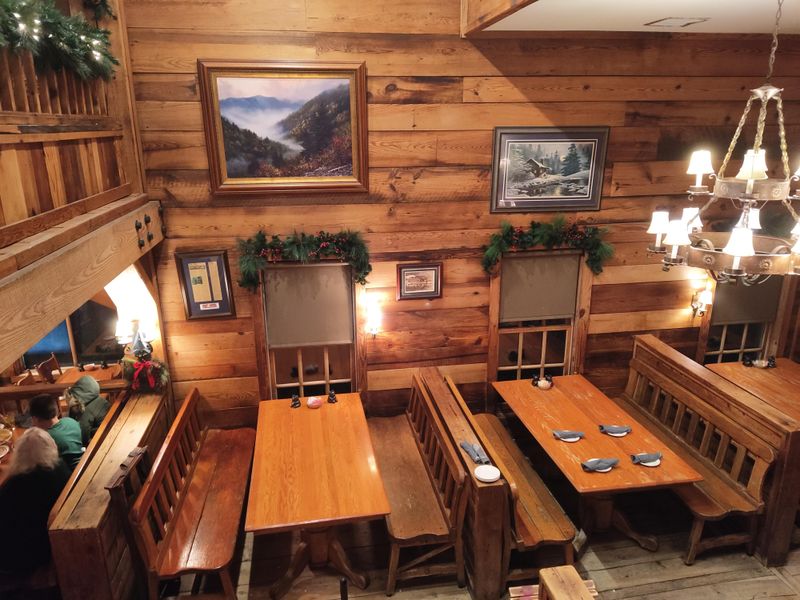
Atmosphere here starts with wood that looks like it remembers stories. Exposed beams, vintage tools, and glimpses of the river give context to plates as they arrive.
The room’s warm light flatters everything, from bowls of beans to peach cobbler. You feel anchored, as though the building steadies the meal.
From the vantage at 164 Old Mill Ave, the setting folds the town’s history into the present moment. Even the hum outside contributes a gentle soundtrack that never intrudes.
Tables vary in size, making space for families, solo travellers, and curious eaters. Memory seems to record more vividly when framed by wood, water, and honest cooking.
It becomes less about décor and more about continuity. The space quietly reminds you that good meals feel deeper when the setting knows how to listen.
Sweet Finishes Worth Lingering Over
Dessert at The Old Mill Restaurant respects appetite and nostalgia in equal parts. Pecan pie arrives with a caramel gloss and a filling that balances chew with silk.
Blackberry cobbler tastes like summer saved for later, its fruit bright under a biscuit crown. Ice cream softens just enough to carry the flavors along.
After supper, the choice between cobbler and chocolate cake felt like a pleasant riddle. Coffee comes sturdy and unfussy, the right partner for sweet endings.
Portions stay reasonable, honoring the meal that came before. You linger because dessert slows the clock without asking permission.
Outside, the river keeps moving while the table holds its calm. It is an ending that feels complete, not rushed, and happily remembered.
Practical Details For A Seamless Visit
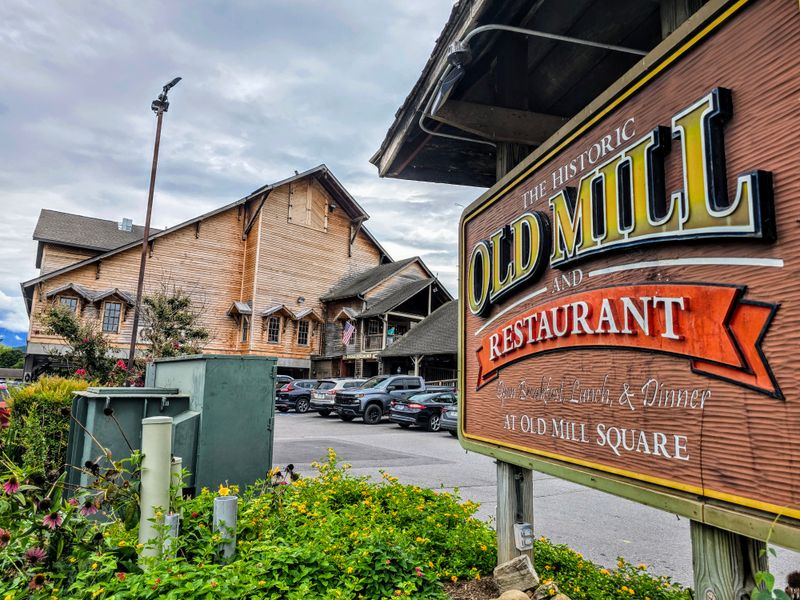
Planning pays off when a restaurant is both beloved and consistently busy. The Old Mill Restaurant draws steady crowds in Tennessee, reflected in a strong 4.6-star rating across tens of thousands of reviews.
Hours generally begin around 8 AM and stretch into the evening, with Sundays winding down a bit earlier, and the surrounding complex gives early arrivals something to enjoy. Exploring the working gristmill or nearby pottery helps pass the time.
Parking is straightforward once you arrive to Pigeon Forge. Reservations are uncommon, so timing matters, especially on weekends.
Prices sit comfortably in the $$ range, matching the generous portions and steady care. A quick visit to old-mill.com fills in the rest.
Why This Place Keeps The 1800s Alive
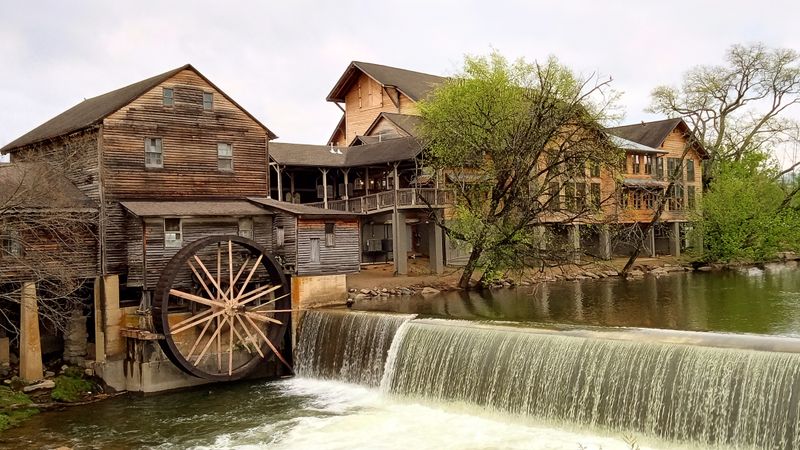
Longevity alone does not explain the restaurant’s pull. The mill still grinds, the kitchen still listens to the grain, and the menu still respects season and skill.
History becomes useful when it flavors today’s plate, not merely a plaque on the wall. Here, the 1800s inform technique, pacing, and the kind of welcome that never ages.
Standing by the river, you see how continuity breeds trust. Families return because the fundamentals remain true while small refinements keep meals lively.
The waterwheel turns, the bread rises, and conversation settles into a comfortable register. That is how a place stays rooted while feeding the present.
What endures is not nostalgia, but care repeated daily. In that quiet consistency, the restaurant earns its place in memory as much as on the table.