
This Florida Fish Camp Is Known For A Menu That Breaks All The Rules
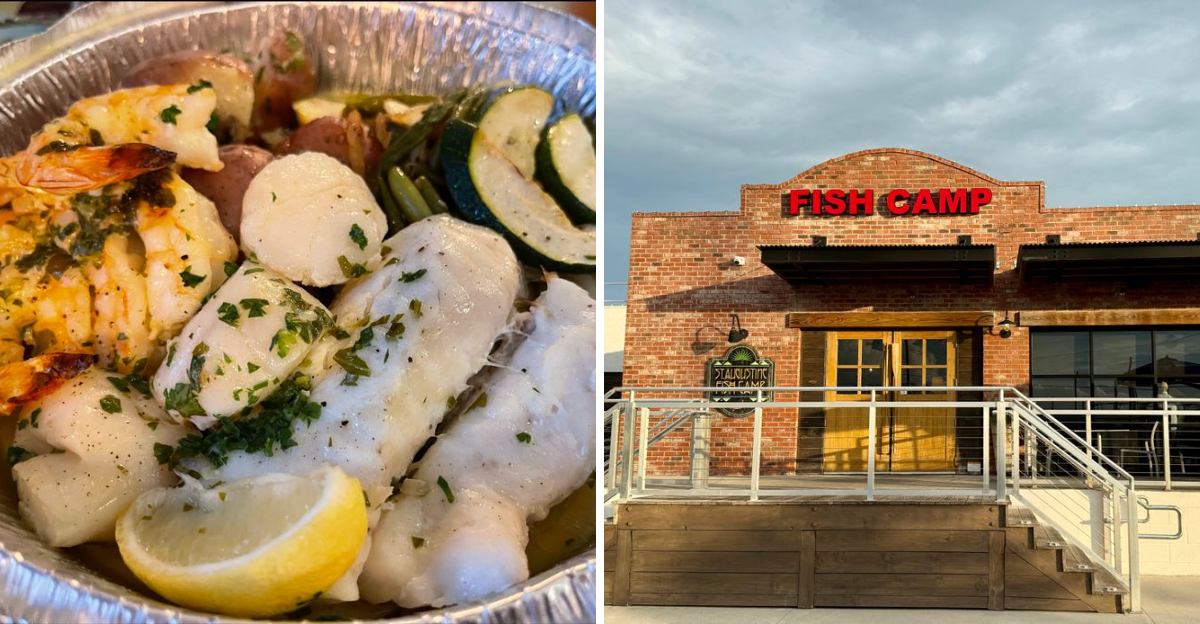
St. Augustine Fish Camp occupies a scenic spot along the harbor, but it refuses to play by the usual fish camp playbook. Traditional Florida fish camps typically stick to fried platters and simple preparations, yet this restaurant takes bold culinary detours that surprise even seasoned diners.
The menu reads like a passport, blending global techniques with local catches in ways that challenge what you expect from a waterfront seafood spot. You will find dishes that belong in upscale kitchens served in a relaxed setting where boats drift past and the atmosphere stays refreshingly unpretentious.
A Fish Camp Menu That Goes Beyond Fried Baskets
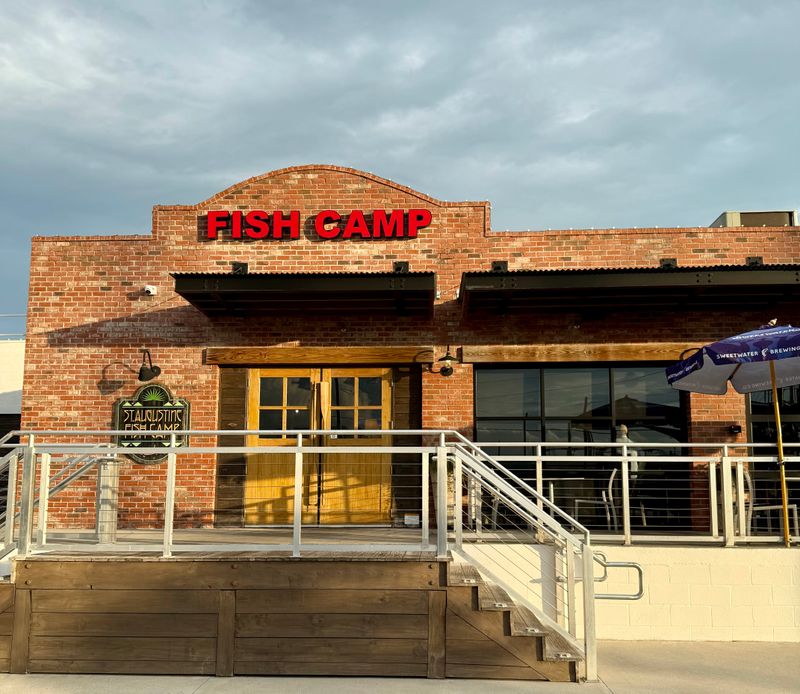
Most fish camps pride themselves on golden-fried everything, but St. Augustine Fish Camp rewrites that script with confidence. The kitchen at 142 Riberia St serves dishes that reveal serious culinary ambition without losing the casual charm that defines fish camp culture.
Grilled preparations share menu space with inventive small plates, and the cooking techniques speak to chefs who trained far beyond the fryer.
Seafood arrives with vibrant sauces, unexpected garnishes, and flavor combinations that feel more Brooklyn than backwater. The restaurant operates Tuesday through Sunday with varying hours, giving the kitchen time to source quality ingredients and execute dishes that demand precision.
Fried options still exist, but they compete with preparations that involve charring, braising, and careful seasoning.
Diners who arrive expecting standard fish camp fare often pause when reading the menu, then lean into the adventure. This approach has earned the restaurant a 4.6-star rating across thousands of reviews, proving that breaking fish camp conventions can actually strengthen the tradition when done with skill and respect for the source material.
Grilled Octopus Sets This Fish Camp Apart
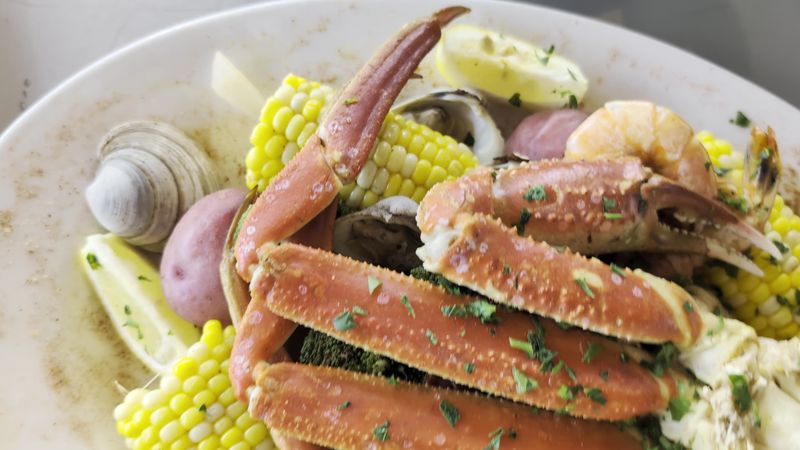
Finding octopus on a fish camp menu signals that something different is happening in the kitchen. St. Augustine Fish Camp prepares this Mediterranean favorite with techniques that honor both the ingredient and the coastal setting.
The tentacles arrive with a char that creates textural contrast, while the interior stays tender enough to cut with a fork.
Octopus demands respect during cooking because the window between rubbery and perfect is narrow. The chefs here clearly understand the science, likely braising the octopus before finishing it over high heat.
Accompanying elements change with availability, but the dish consistently showcases the kitchen’s willingness to push beyond regional comfort zones.
This is not the kind of item you expect when pulling up to a place with “fish camp” in the name, yet it feels completely at home on this particular menu. The restaurant operates from 11 AM most days, with Monday starting later at 4 PM.
Ordering the octopus becomes a litmus test for how far you trust the kitchen, and the execution typically rewards that leap of faith with flavors that justify the culinary risk.
Datil Pepper Sauces Add Unexpected Heat
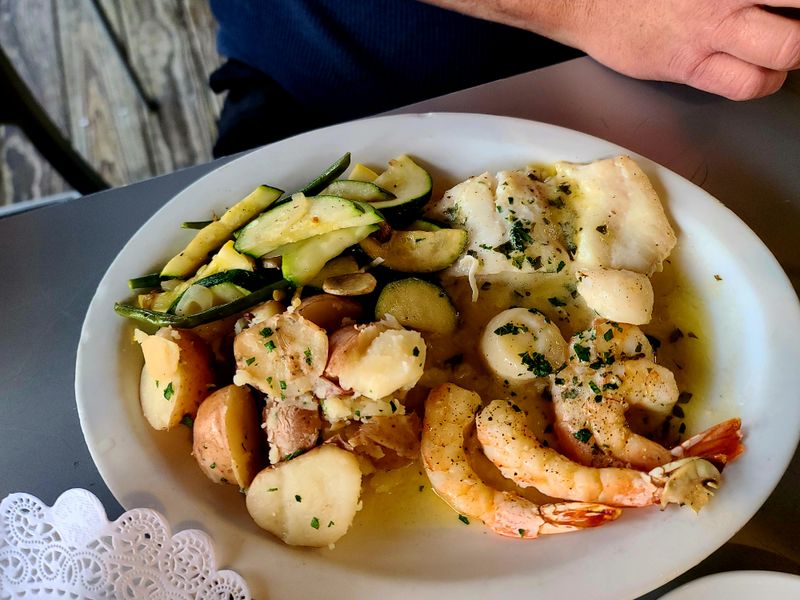
Datil peppers grow almost exclusively in St. Augustine, making them a hyper-local ingredient that connects the restaurant to its geographic roots. These peppers pack serious heat that builds gradually, with a fruity sweetness that distinguishes them from standard cayenne or habanero.
St. Augustine Fish Camp incorporates datil peppers into sauces that accompany various dishes, adding a Florida-specific signature to the menu.
The kitchen balances the pepper’s intensity with complementary ingredients, creating sauces that enhance rather than obliterate the seafood. You might find datil pepper elements in aiolis, glazes, or finishing sauces that give familiar dishes an unexpected kick.
The heat level remains manageable for most diners, though those sensitive to spice should ask servers for guidance.
Using datil peppers demonstrates the restaurant’s commitment to regional ingredients even while embracing global techniques. The restaurant sits at coordinates that place it squarely in datil pepper territory, and the kitchen treats this local treasure with the attention it deserves.
These sauces have become signature elements that regulars request by name, proving that thoughtful spice application can define a restaurant’s identity.
Gator Tail Served With Chef-Driven Flair
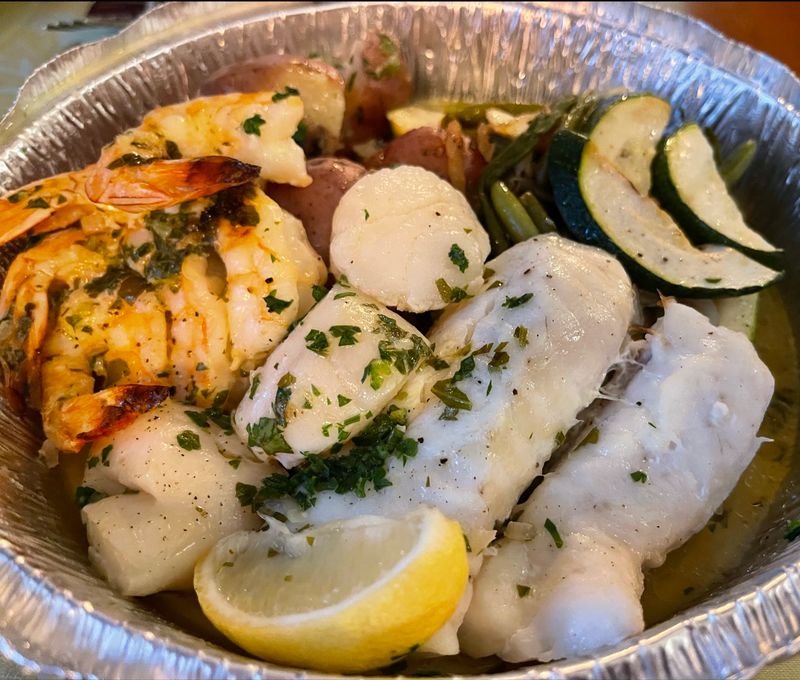
Alligator tail appears on many Florida menus, but preparation quality varies wildly across restaurants. St. Augustine Fish Camp elevates this swamp staple by treating it with the same attention given to premium seafood.
The meat arrives properly tenderized, seasoned beyond basic salt and pepper, and accompanied by sauces that complement rather than mask the mild flavor.
Gator tail texture falls somewhere between chicken and fish, and cooking it correctly requires understanding moisture retention and breading adhesion. The kitchen here gets both elements right, producing pieces that stay juicy inside while maintaining exterior crunch.
Presentation reflects the chef-driven approach, with thoughtful plating that signals this is not just tourist bait.
The restaurant operates at moderate price points marked by two dollar signs, making adventurous proteins like gator accessible without feeling gimmicky. Servers guide uncertain diners through the experience, often suggesting gator tail as a gateway to the menu’s more daring offerings.
This dish represents the sweet spot where Florida tradition meets culinary ambition, proving that local ingredients deserve sophisticated treatment regardless of their humble origins.
Old Florida Flavours With Global Influences
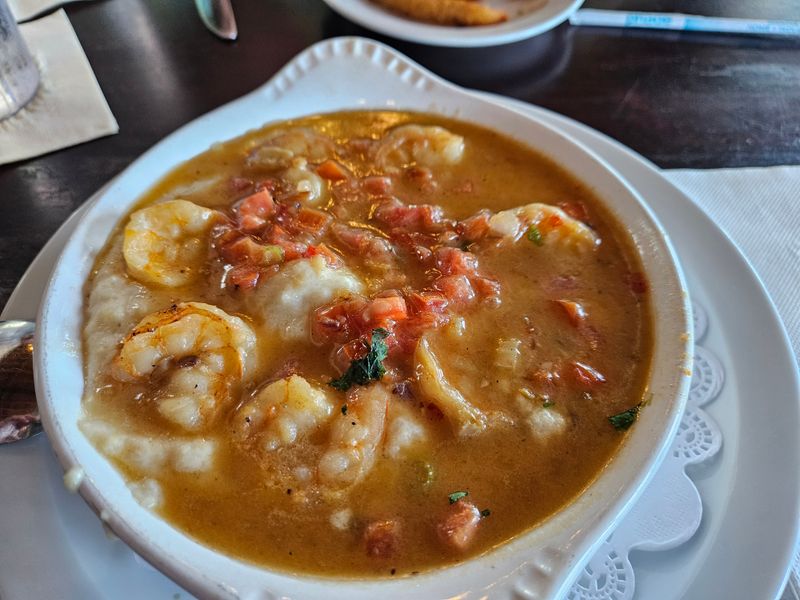
St. Augustine Fish Camp manages to honor Florida’s culinary heritage while borrowing techniques from cuisines that never touched the Gulf Coast. The menu reflects a kitchen that respects tradition but refuses to be limited by it.
You will find dishes that start with local catches then veer into flavor territories that span continents.
Old Florida cooking relied on simplicity because that is what the ingredients and circumstances demanded. Modern Florida cooking at this restaurant recognizes that access to global ingredients and techniques can enhance rather than erase regional identity.
A grouper dish might incorporate Asian aromatics, or shrimp could arrive with Mediterranean preparations that highlight rather than hide the seafood quality.
The restaurant’s location at 142 Riberia St places it in a city with centuries of international influence, making this fusion approach feel historically appropriate. Spanish, British, and Caribbean cultures all left marks on St. Augustine’s food traditions, so continuing that pattern of incorporation makes cultural sense.
The kitchen executes these global touches with enough restraint that dishes never feel confused or overly busy, maintaining focus on the seafood while expanding the flavor palette beyond standard Florida seasonings.
Seafood That Feels More Restaurant Than Shack
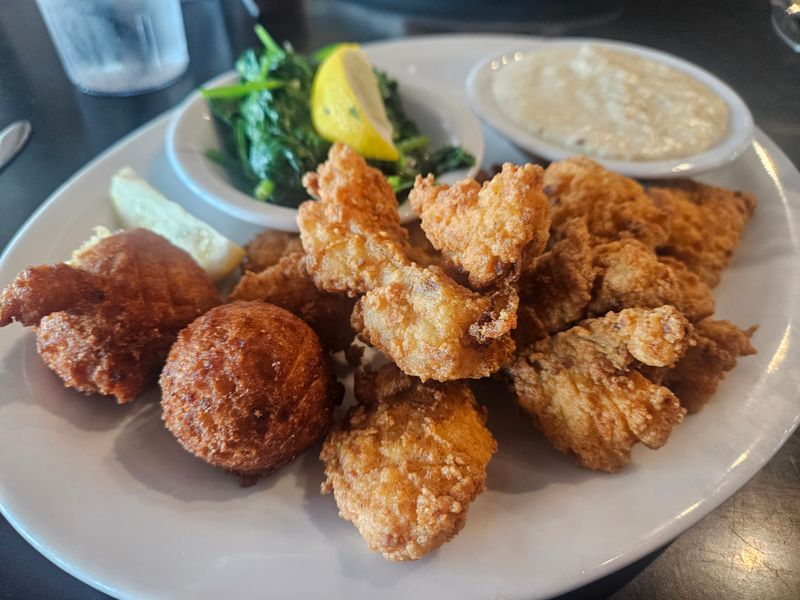
Fish camps traditionally embrace rustic simplicity, but St. Augustine Fish Camp blurs the line between casual and refined. The plating alone signals that trained chefs are running the kitchen, with attention to color, height, and composition that you typically find in restaurants without “camp” in the name.
Seafood arrives looking almost too pretty to eat, though the flavors quickly override any hesitation.
The dining room maintains a relaxed atmosphere that welcomes shorts and sandals, yet the food quality matches establishments with stricter dress codes. This combination attracts diners who want excellent food without the formality that sometimes accompanies it.
The restaurant earned its 4.6-star rating by delivering upscale execution in a setting that never feels stuffy or pretentious.
Servers understand the menu deeply enough to guide diners through preparations and suggest pairings, another indicator that this operation takes food seriously. The harborfront location provides views that enhance the meal without the kitchen relying on scenery to carry the experience.
You can call 904-827-7000 for reservations, which become advisable during peak seasons when the combination of location and food quality draws crowds seeking something beyond typical fish camp offerings.
Creative Techniques Meet Local Ingredients
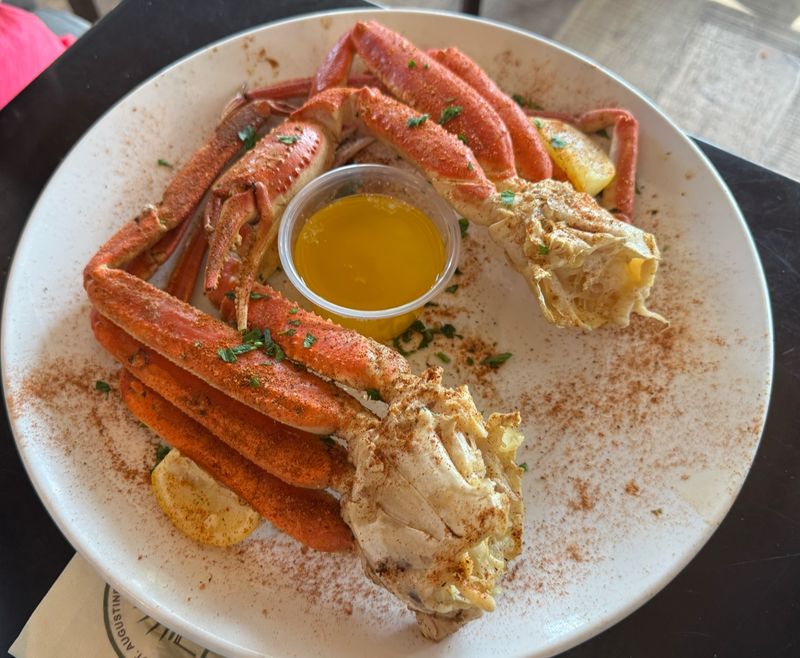
The kitchen at St. Augustine Fish Camp sources locally but cooks globally, applying techniques that transform familiar ingredients into unexpected dishes. Local fish species that usually get simple preparations receive treatments borrowed from French, Asian, and South American culinary traditions.
The result is a menu that feels rooted in place while refusing to be defined by regional limitations.
Sous vide equipment, smoking boxes, and precision temperature control have become standard in serious kitchens, and this fish camp employs them all. These tools allow chefs to coax maximum flavor and ideal texture from seafood that might get overcooked or underseasoned in less capable hands.
The techniques remain invisible to diners who simply experience perfectly cooked fish without needing to understand the methodology.
Creativity extends beyond cooking methods into component combinations that challenge expectations while maintaining balance. The restaurant operates Wednesday through Sunday with full lunch and dinner service, giving the kitchen ample opportunity to showcase technical skill across service periods.
You can explore the full menu at their website, where dish descriptions hint at the culinary ambition driving this operation beyond standard fish camp territory into something far more interesting.
Small Plates Designed For Sharing
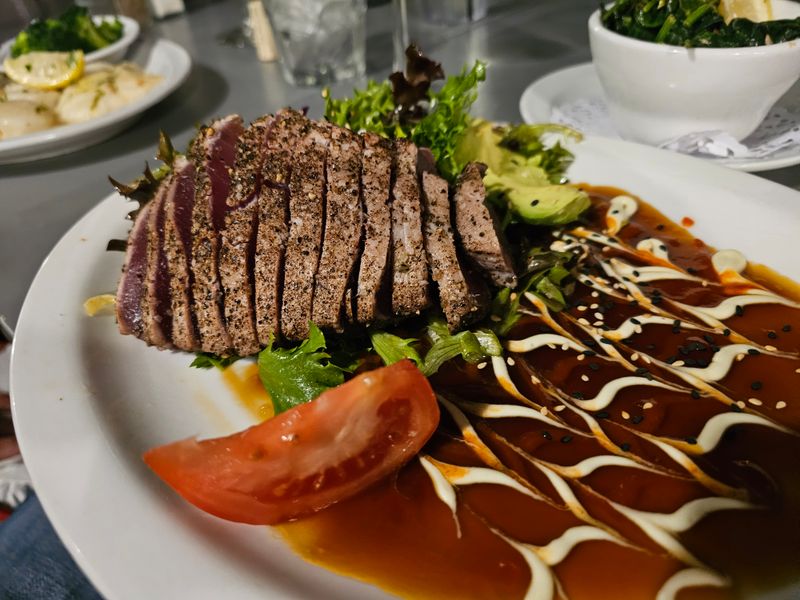
St. Augustine Fish Camp embraces the small plates trend that encourages sampling multiple dishes rather than committing to a single entree. This format suits seafood particularly well because it allows diners to experience different preparations and species without overwhelming portions.
The menu includes numerous options sized for sharing, turning meals into collaborative tasting experiences.
Small plates also give the kitchen freedom to experiment with ingredients and techniques that might not sustain full-sized portions. A diner hesitant about octopus or gator might try a shared appetizer but balk at a large entree.
This approach lowers the barrier to culinary adventure while increasing the likelihood that tables order multiple items.
The restaurant’s pricing structure supports this style of dining without requiring mortgage-level spending to feel satisfied. Groups often order several small plates plus an entree or two, creating meals with variety that single-dish ordering cannot match.
The harborfront terrace dining area provides an ideal setting for leisurely meals that unfold across multiple courses. Friday and Saturday hours extend to 10 PM, giving diners time to settle in and explore the menu without feeling rushed through the experience.
A Fish Camp That Draws Serious Food Lovers
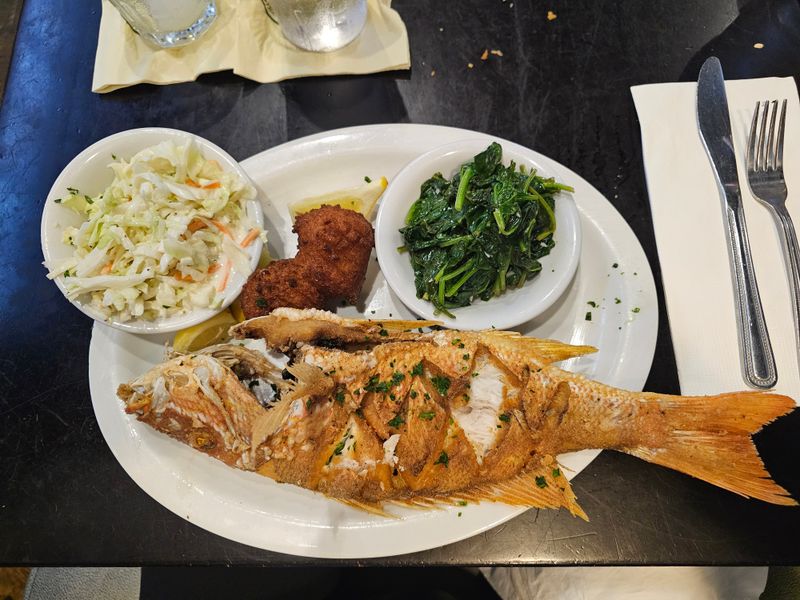
St. Augustine Fish Camp has developed a following among diners who seek out restaurants based on culinary merit rather than convenience or tradition. The 3,491 reviews reflect a customer base that appreciates the risk-taking menu and skilled execution.
Food enthusiasts often plan St. Augustine visits specifically to include this restaurant, treating it as a destination rather than just a meal stop.
The kitchen’s reputation spreads through food communities where diners discuss restaurants that exceed their category expectations. This fish camp gets mentioned alongside the city’s top dining establishments, a rare achievement for a casual waterfront spot.
The culinary ambition attracts chefs visiting from other cities who want to see how this restaurant balances accessibility with sophistication.
Social media posts frequently feature the restaurant’s more photogenic dishes, creating organic marketing that reaches beyond traditional advertising. The location at coordinates 29.8880206, -81.3189269 places it in a walkable area that food lovers can easily incorporate into broader St. Augustine explorations.
This restaurant proves that breaking fish camp rules can actually elevate the entire category when the kitchen possesses enough skill and vision to pull off the transformation convincingly.
Modern Coastal Cooking Behind A Classic Name
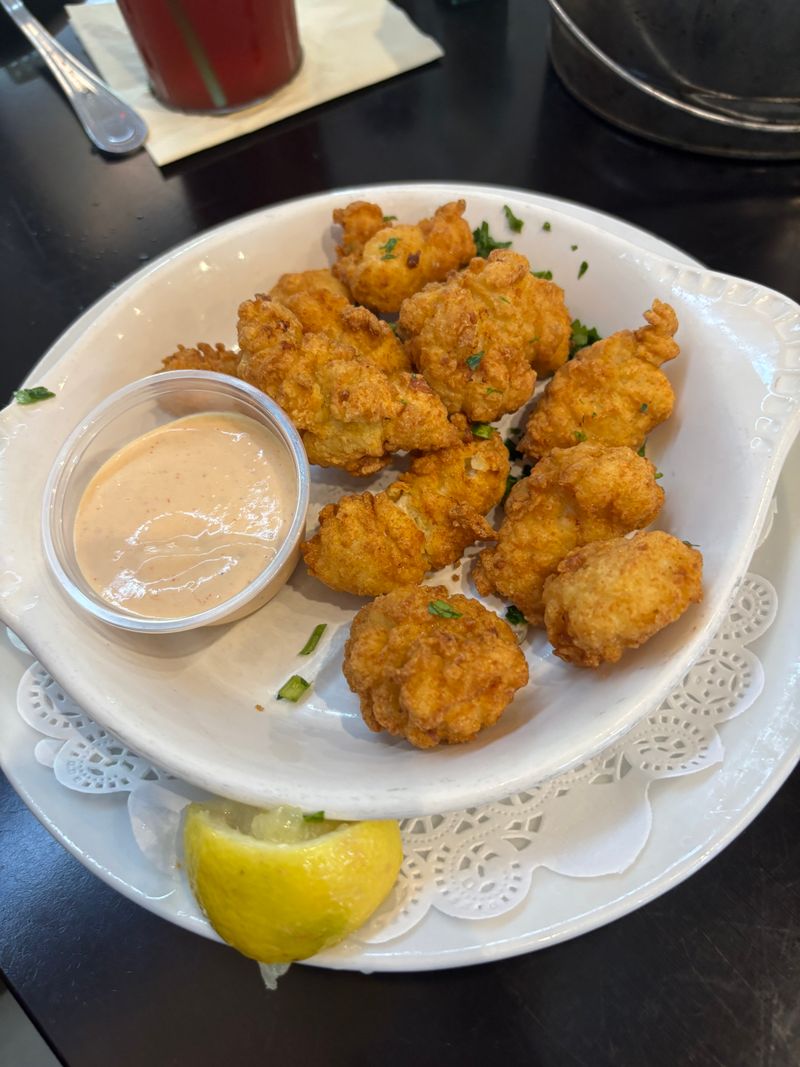
The name St. Augustine Fish Camp deliberately evokes traditional Florida dining, but the cooking happening inside reflects contemporary coastal cuisine at its most inventive. This contrast between expectation and execution defines the restaurant’s identity and explains why it generates such strong reactions.
Diners arrive anticipating one experience and receive something far more ambitious without losing the casual comfort that makes fish camps appealing.
Modern coastal cooking emphasizes ingredient quality, precise technique, and global flavor influences while maintaining connection to regional seafood traditions. This restaurant executes that balance better than most, creating a menu that feels both familiar and novel.
The kitchen staff clearly studies current culinary trends while respecting the fish camp format that gives the restaurant its character.
The classic name provides cover for culinary experimentation that might feel pretentious under a different banner. Calling it a fish camp sets relaxed expectations that the food then exceeds, creating positive surprise rather than intimidation.
The restaurant closes only on select days, with Sunday hours ending at 9 PM compared to later closings on weekends. This operation demonstrates that tradition and innovation can coexist when chefs possess enough skill and confidence to honor both impulses simultaneously.