
New York State Is Home To A Magical Year-Round Butterfly Exhibit That Feels Almost Unreal
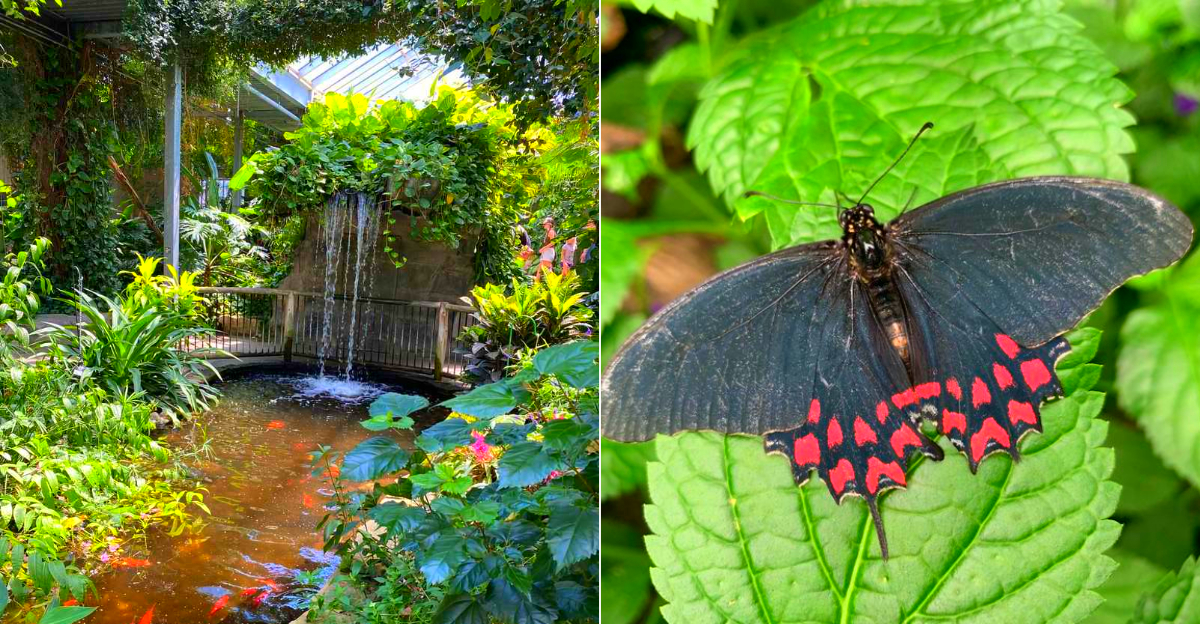
There is a moment near Niagara Falls when the noise fades and something gentler takes over. Inside the Niagara Parks Butterfly Conservatory, New York visitors step into warm air, leafy paths, and a slow drift of colour that feels almost unreal. Wings catch the light, footsteps soften, and time seems willing to cooperate for once.
The setting asks very little of you beyond curiosity and patience, which is exactly why it works.
What makes the experience linger is its quiet consistency. Butterflies move freely around you, settling on leaves, railings, and sometimes shoulders, turning observation into participation. The atmosphere stays calm and unhurried, offering a rare pause from the sensory rush just outside.
For New York travellers used to constant motion, this gentle detour feels grounding.
Crossing The Threshold Into Warmth
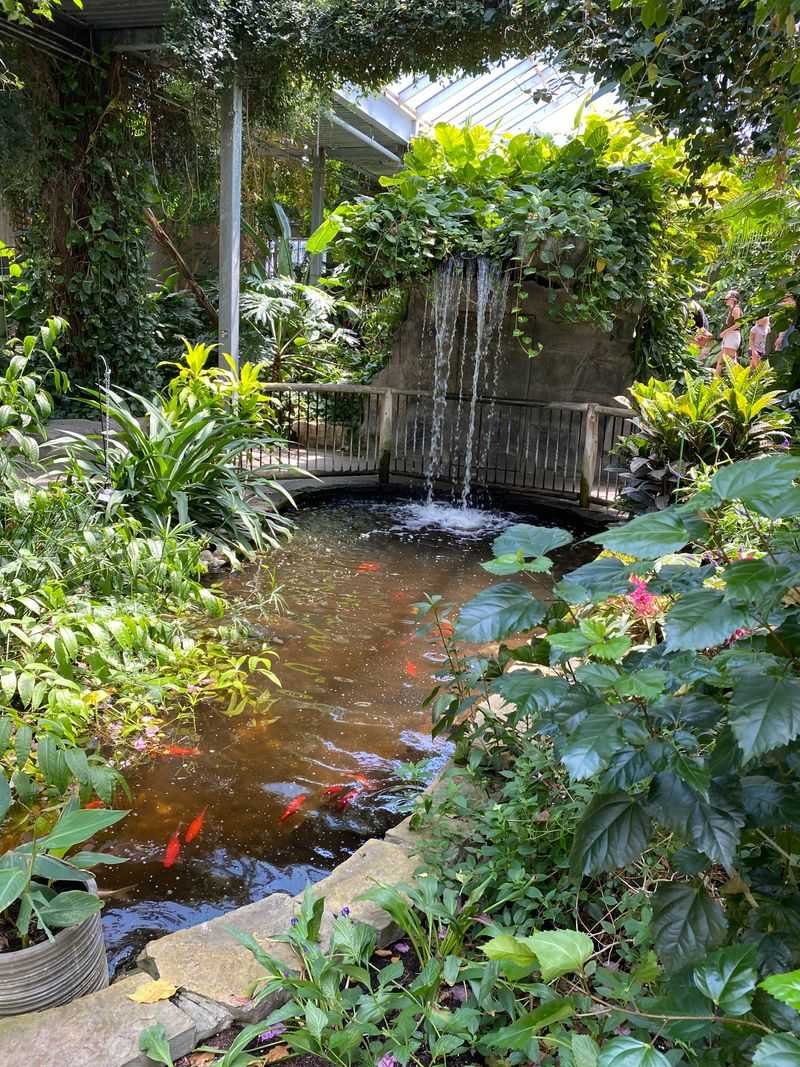
First steps into the conservatory feel like a gentle exhale, the cool outside air traded for warmth and a faint botanical scent. A short orientation sets the tone, and then the door opens to a glasshouse alive with soundless motion. Light diffuses through the dome, bright but tempered, landing on glossy leaves and the shimmer of wings.
Footpaths curve past ferns, bromeliads, and broad philodendron, each plant arching toward the bright ceiling. Butterflies lift off like notes in a quiet score, gliding over shallow streams and small waterfalls. You do not rush here, because the reward is found in the unhurried gaze.
Staff encourage patience, explaining how warmth and sunshine coax more activity. Stand still and the world tightens into focus, patterns and iridescence emerging from what first looked like a blur. Nearby signage gives names to the colors, translating beauty into something you can remember later.
The humidity can surprise, so a light layer helps, and a camera lens needs time to adjust. Families share the pathways with couples and solo travelers, each moving at a human pace. It is not a maze, yet the curves and crossings create a pleasant sense of discovery.
Before long, the outside clamor feels far removed, like distant weather.
A Chorus Of Wings In Gentle Motion
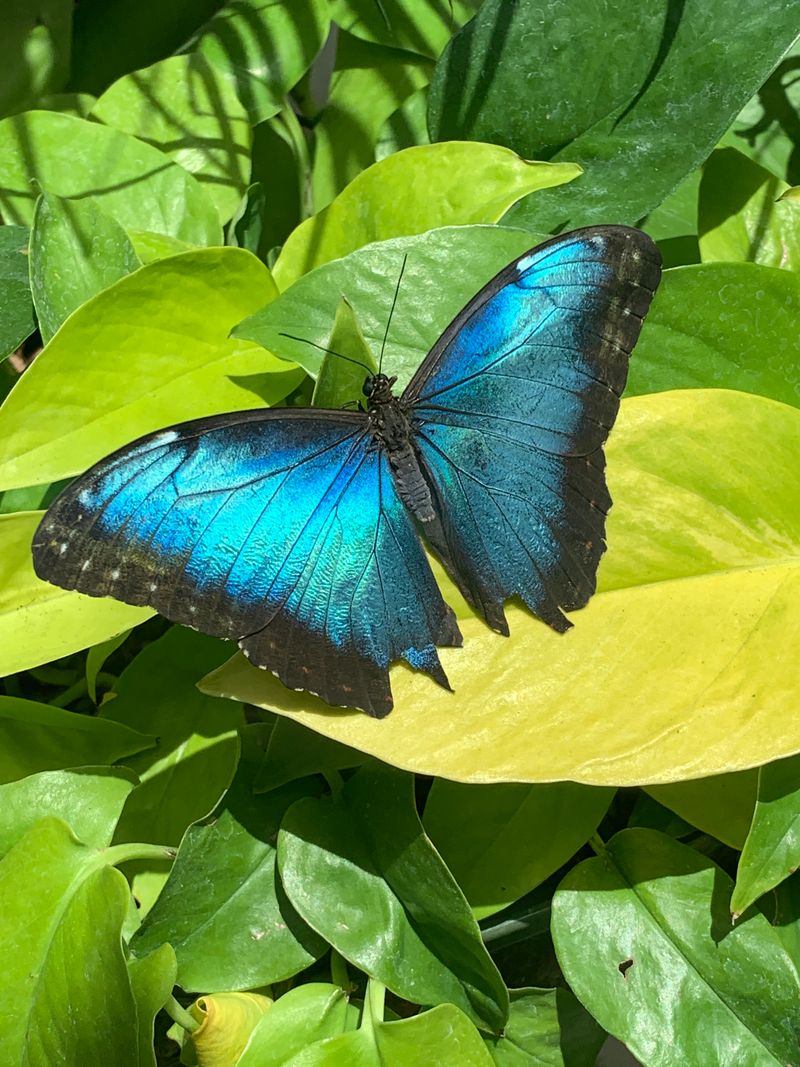
Every few steps, another pattern appears, and your eye learns to track small movements beside the path. A blue morpho flashes for an instant, bright as a dropped sky, then folds to quiet brown and vanishes in bark. An owl butterfly rests with calm confidence, its eye spots like old coins.
Paper kites drift with the poise of kites above still water, and swallowtails zip with neat, clipped turns. When the sun breaks through, the entire room seems to wake, wings quickening like a tide that has decided to return. You begin to notice favorite perches, much as regulars know their cafe tables.
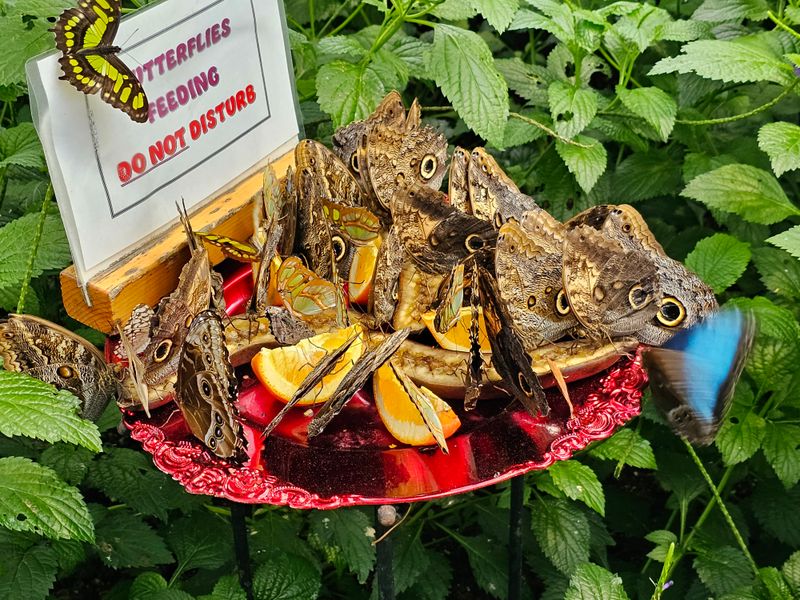
The nectar stations invite brief gatherings, small truce lines where species share without fuss. Staff keep these areas tidy and answer questions with crisp patience, making science feel close at hand. A glance at the chrysalis cases adds context, a reminder that this grace is hard earned.
Photography takes a steady hand and a measure of restraint, since flash disturbs and speed defeats the point. Focus on one subject, breathe, and wait for the rhythm to reveal itself. Even without a perfect shot, the recollection arrives whole, like a scene that carried its own caption.
By the time you move on, you are looking more carefully at everything.
Paths, Water, And The Quiet Geometry Of Green
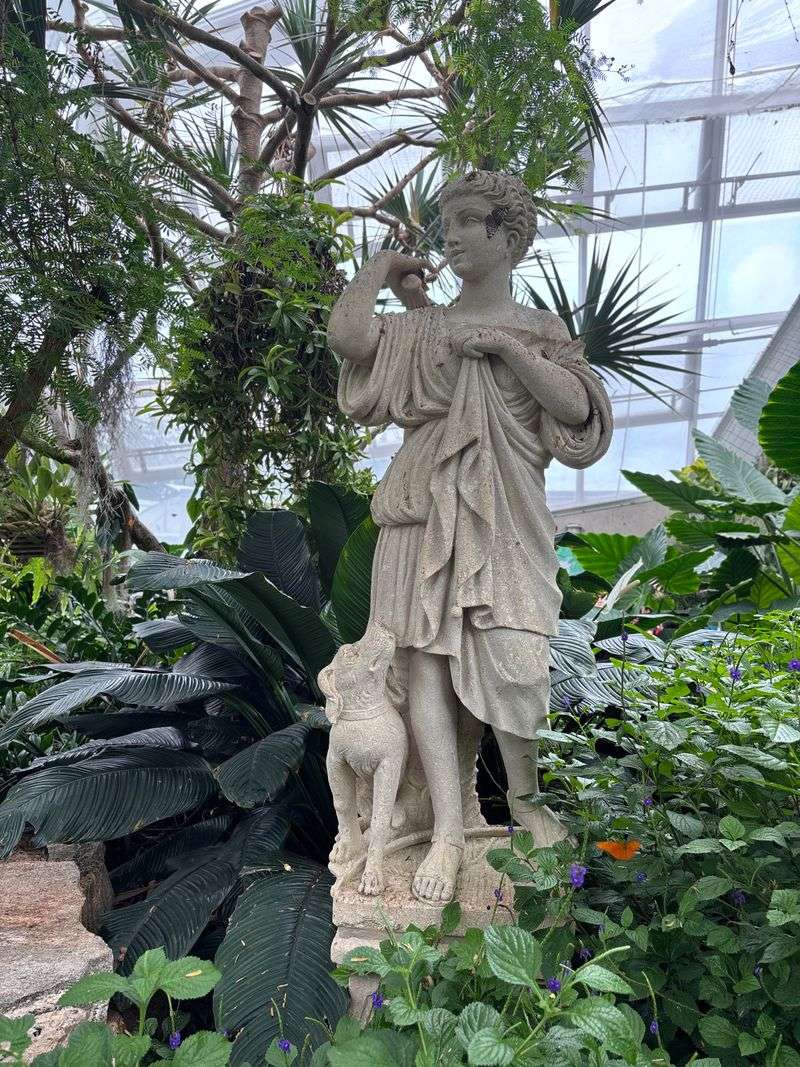
Design guides the visit more than any spoken instruction, with paths that bend rather than confront. Small bridges cross trickling water where the sound cools the edges of the room. Ferns lean over railings like polite hosts, and orchids hold their composure near the spray.
The plantings carry both order and growth, a balance that makes the space feel intentional without looking staged. Leaves of different gloss and shape create subtle variety, so you keep noticing fresh greens. Where the path widens, you have space to step aside and let a moment happen.
Water features do quiet work, setting a tempo that suits unhurried observation. One waterfall throws a fine mist that catches the light and invites butterflies to linger. The scene feels finished yet flexible, as if a gardener just stepped away.
Benches appear where they should, never crowding the view. From these spots, you can watch the flow of visitors and the loops of flight without feeling parked. Even a short rest turns into a small study of motion and pause.
When you rise, your steps match the measured cadence of the place.
Learning In The Midst Of Leisure
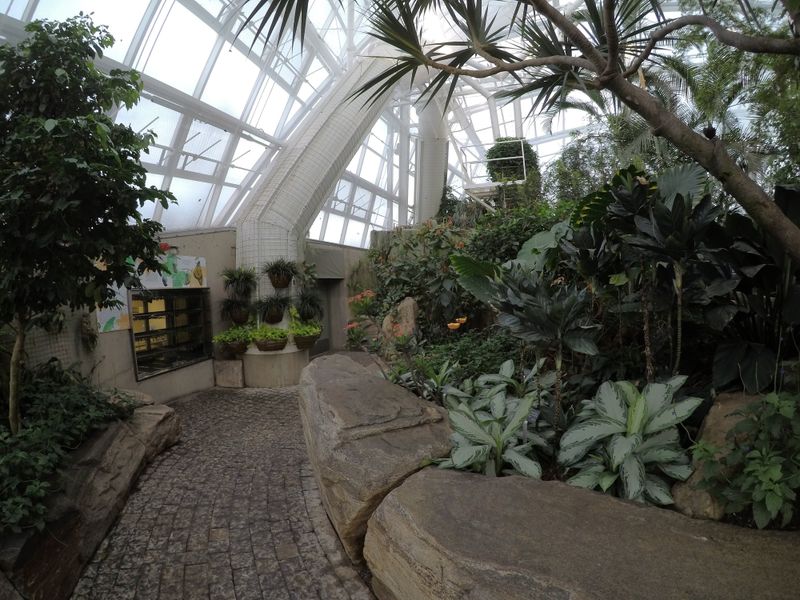
Education here hides in plain sight, tucked beside plants and perched above railings. Short panels explain the life cycle with plain language and helpful drawings. The chrysalis viewing case brings stillness into focus, showing transformation without a hint of spectacle.
An orientation film offers a compact primer, just enough to frame what you will see inside. Facts stay close to the experience rather than drifting toward trivia. That restraint keeps attention where it belongs, on the living creatures and the setting that supports them.
Questions find answers quickly, thanks to staff who know the material and share it with clarity. You learn why warmth matters, how nectar is prepared, and what colors invite a landing. The conversation feels like friendly coaching rather than a lecture.
Children pick up more than expected, especially when a caretaker points out a freshly emerged butterfly. Adults appreciate the thoughtful pacing that avoids crowding at the displays. The net result is a visit that sits somewhere between museum and garden.
You leave with both impressions and information, neither competing with the other.
Practical Notes For A Smooth Visit
Planning pays off with small comforts that add up. Online tickets shorten the wait, and a light layer suits the steady humidity. Cameras need a moment to defog, so tuck the lens cap and give it time.
Arrival is straightforward from the parkway, and the WEGO bus makes it even simpler. Parking exists but carries a fee, so set a timer that matches your pace. Most visits fit comfortably within an hour, though lingering is welcome when crowds thin.
Strollers manage the paths, but carriers can be easier in the tighter bends. Shoes with grip help on damp stone near the water features. A gift shop waits at the end with the usual charms, best enjoyed when you are unhurried.
Etiquette matters, because wings are delicate and eyes are watching. Stand still if one lands on you, and gently step aside if it chooses the floor. Photos come easier when you match the room’s calm rhythm.
With these basics, the day stays tidy and the memories last.
A Quiet Escape Beside The Roar
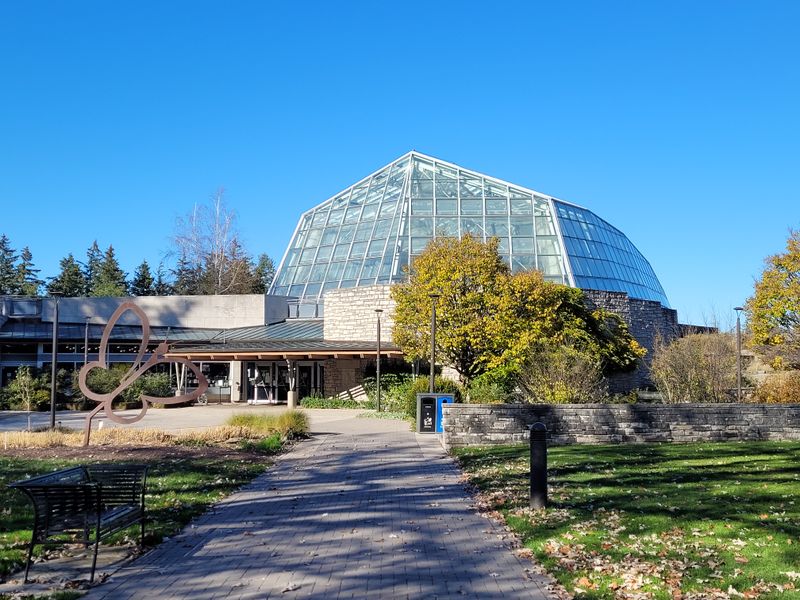
Location gives this conservatory its quiet advantage, close to the Falls yet removed enough to breathe. The address sits along the Niagara River corridor, a short drive from the main viewpoints. After the bright spray and camera crowds, the glasshouse feels like a small retreat.
Gardens around the building extend the visit in fair weather, with roses and tidy lawns inviting a brief loop. Benches face plantings rather than traffic, a choice that keeps calm at the forefront. Even in winter, the walk from the lot reads as a reset.
Admission strikes different visitors differently, but value grows when you treat the stop as a pause rather than a checklist. Pair it with a walk through nearby botanical beds or a quiet cafe, and the balance feels right. The experience does not demand long hours to reward attention.
Leaving comes with a last glance back at the dome, as if to borrow a bit more softness for the road. You head toward the river with a steadier step and a clearer mood. The roar returns, familiar and grand, but no longer the whole story.
Inside those walls, stillness had its say.
Colors That Change With Your Pace
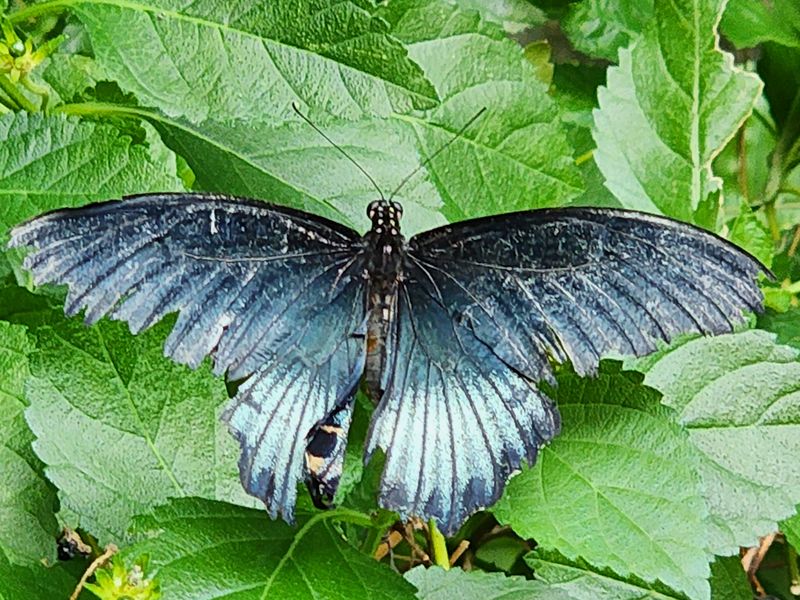
Move slowly and the colors seem to rearrange themselves, a quiet kaleidoscope that responds to your steps. Pause by the bromeliads and a pair of wings flickers, then settles like a leaf deciding where to land. You are not a spectator so much as a participant in an unhurried conversation.
Walk a little farther and a splash of orange becomes a cloud, then thins again as light shifts. The path coils softly, never insisting, always inviting one more glance. Here, pace writes the palette, and patience turns the exhibit into something personal and quietly vivid.
Moments At The Nectar Stations
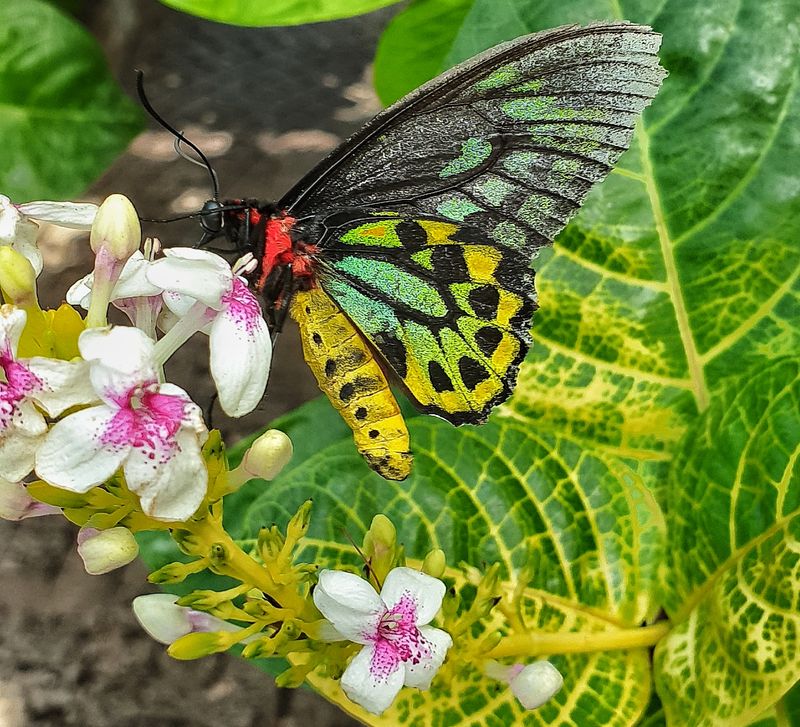
The nectar stations become small theaters where time drips like honey. Citrus slices glow under the glasshouse light, and proboscises unfurl with delicate certainty, each sip a tiny ceremony. You lean in and learn to breathe slower, keeping company with patient rhythms.
There is an etiquette that forms without rules. Children whisper instinctively, adults nod, and the room seems to listen with you. When one butterfly lifts, another drifts in, and the cycle continues unannounced.
The feeders do not shout for attention, yet they hold it, reminding you that quiet care can gather a gentle crowd.
Light, Shadow, And Small Surprises
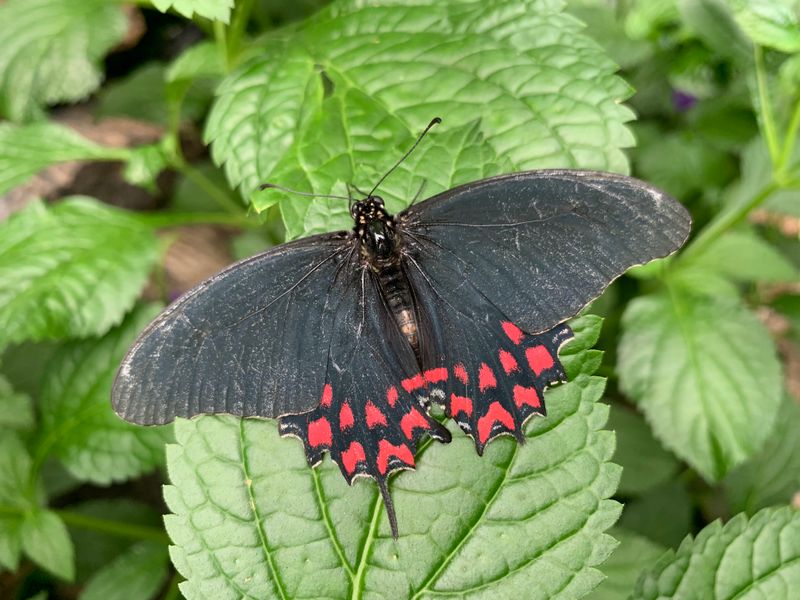
Light sifts through the panes in bands that feel almost musical, and shadows draw their own map across the floor. A wing crosses a beam and turns briefly translucent, a stained-glass secret revealed for one bright second. You watch for those seconds, knowing they will not be announced.
Sometimes the surprise is smaller than you expect. A chrysalis glints like a trinket on a leaf, or a shy butterfly rests on a sleeve and then changes its mind. None of it is staged, all of it feels offered.
You leave tuned to the minor key of wonder.