
This Fascinating 50-Foot Waterfall In New York Most People Don’t Know About, But Should Visit This Year
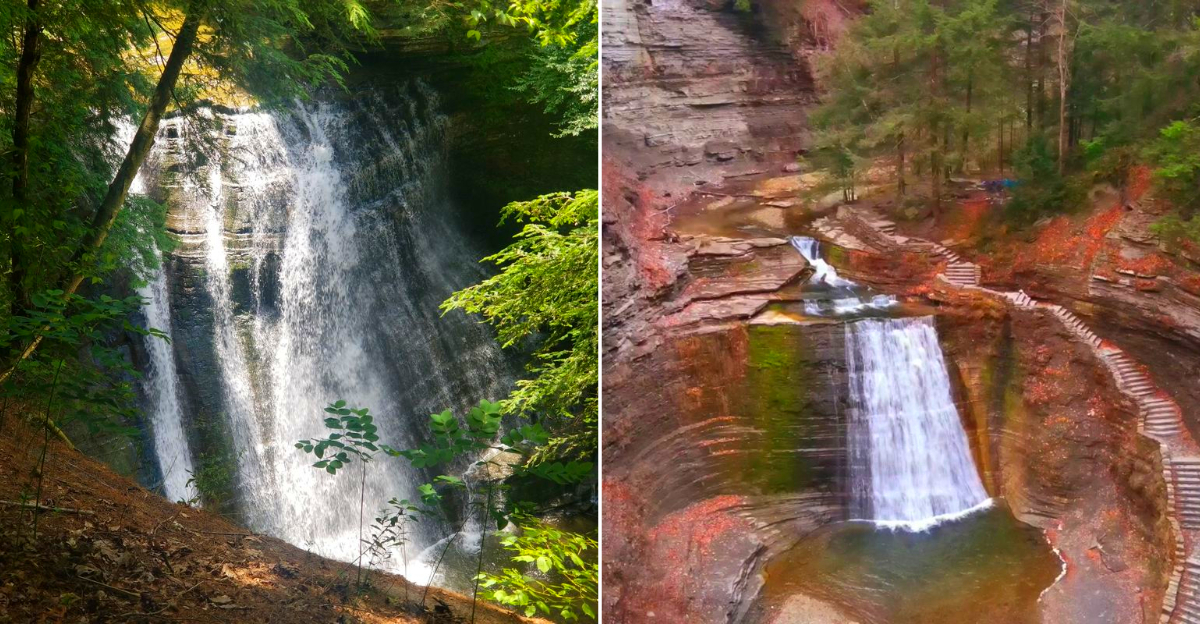
Some waterfalls announce themselves loudly, but this New York one earns attention through composure. Inside this State Park, a 50 foot cascade gathers momentum before dropping cleanly into a shaded gorge, framed by stonework that feels both deliberate and timeless. The air cools as you approach, footsteps slow, and the sound of water settles into a steady, reassuring rhythm.
It feels purposeful rather than dramatic, inviting you to watch rather than rush.
The walk reveals more than a single moment. Three distinct waterfalls line the gorge trail, each with its own character, yet it is the central fall that quietly anchors the experience. Early light catches the rock face just right, and the ravine holds a calm that encourages patience.
Follow the water upstream, take your time, and let the day shape itself around the sound of the falls of this New York park.
Arriving Through The Gorge’s Quiet Doorway
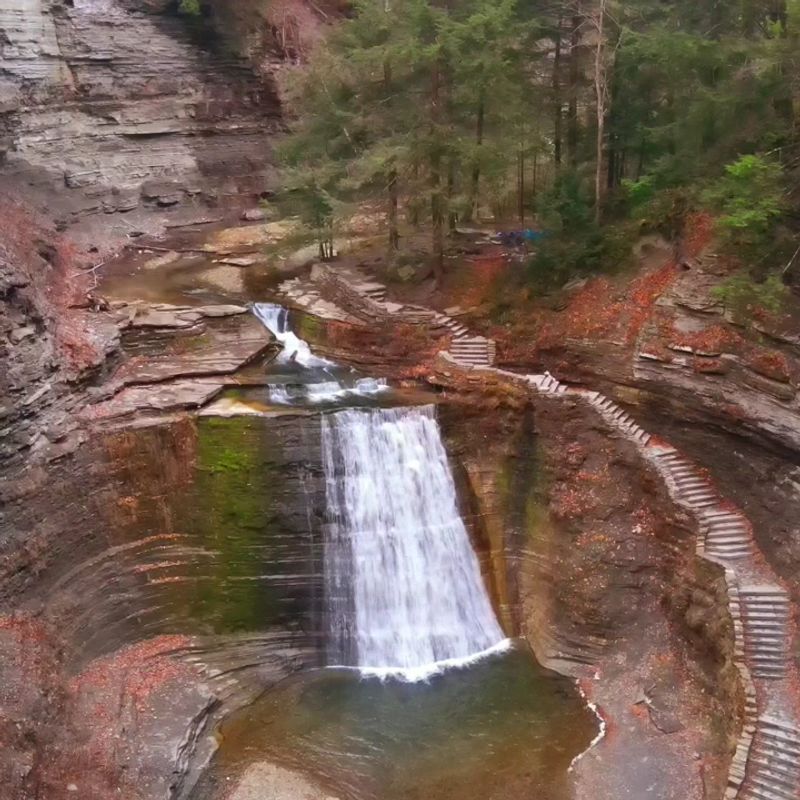
First steps into Stony Brook State Park feel measured, like a deliberate pause before conversation begins. The gorge narrows and the air cools, and the trail’s stonework sets a confident line beside the water. You hear the falls before you see them, a rounded voice bouncing off shale walls that stack like careful books.
The park sits at 10820 NY-36 in Dansville, yet it feels tucked away from the speed of the highway.
Morning suits this place, when the pool is still and the shadows run long along the ledges. You move upstream, keeping the brook to your side, reading the current for clues about recent rain. The first small cascades serve as an introduction to the 50-foot drop farther in, framing the route with patient foam.
It is a path that invites a steady pace, not haste, and rewards attention to detail.
Gorge Trail alerts and seasonal closures change the rhythm, so checking the park website helps. Footing can be slick, and those graceful stone steps can feel endless after a long drive. Still, the design feels thoughtful, with benches and railings positioned where the view opens and the shoulders loosen.
By the time the main waterfall comes into view, you have already settled into its cadence.
Meeting The 50-Foot Drop Face To Face
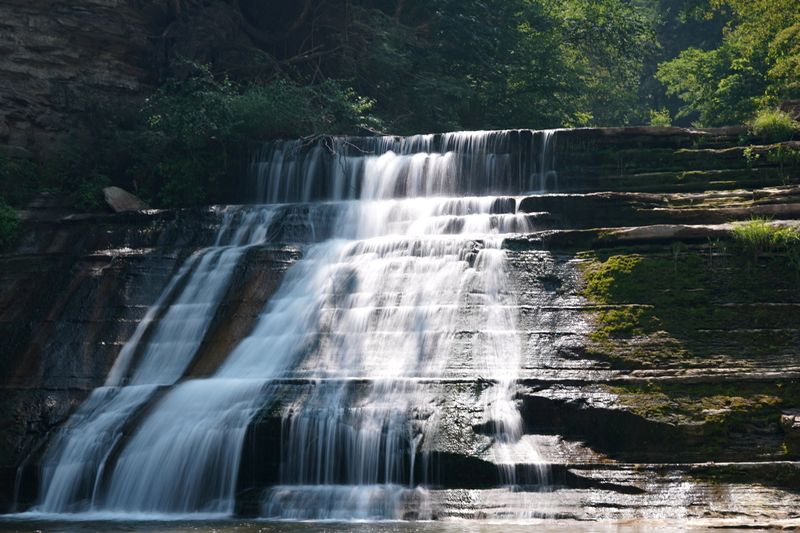
The main waterfall announces itself without theatrics, a bright sheet unfurling over dark shale. Spray lifts and settles like a light rain, softening edges and cooling forearms. You notice the geometry first, the clean vertical fall and the terraced rock guiding water into a broad apron.
It is neither the tallest in New York nor the loudest, but it holds the eye with disciplined grace.
Angles change everything here, so it helps to step a few paces forward, then drift back and frame the cliff line. The ledges carry faint fossils and ripple marks, quiet hints of an old sea pressed into stone. In higher flow the plume thickens, while late summer thins the sheet to veils that reveal the rock’s ribs.
Each condition has its mood, and the pathway keeps you near without pushing you in.
Photography works best when clouds act as a softbox and midday glare is tamed. A fast shutter holds the texture, while a longer exposure smooths the water into clean ribbons. You could stand here longer than planned, listening for changes in tone.
When you finally step away, the falls continue their even conversation with the gorge.
Tracing The Stonework Of The Gorge Trail
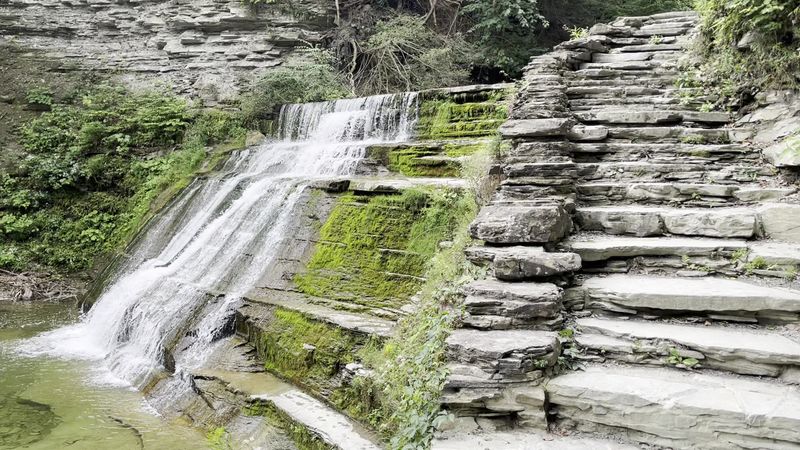
Stone steps lift and turn with an engineer’s restraint, hugging ledges where the brook narrows. You find yourself counting landings as if marking chapters, each bend revealing a new seam in the cliff. The build feels both sturdy and humble, letting the wall language stay visible.
Occasional moss on mortar lines adds color without swallowing the craft.
Trail etiquette matters in this corridor, where passing requires patience and a friendly nod. Shoes with reliable tread save your day because moisture lingers even in August. Parents shepherd kids toward the inside edge, while hikers glance at the water before tackling the next set of risers.
Signage avoids chatter and gives essential cues at forks and stairs.
After rain, the path gleams and the soundtrack deepens to a thicker rush. In a dry spell, the brook turns conversational and reveals more of its bedrock grammar. Benches appear precisely when breathing asks for a moment, perfectly placed to frame a sliver of falls.
By the trail’s midpoint, the rhythm of step, breath, and splash finds its own durable tempo.
Pools, Spray, And The Park’s Swimming Rhythm
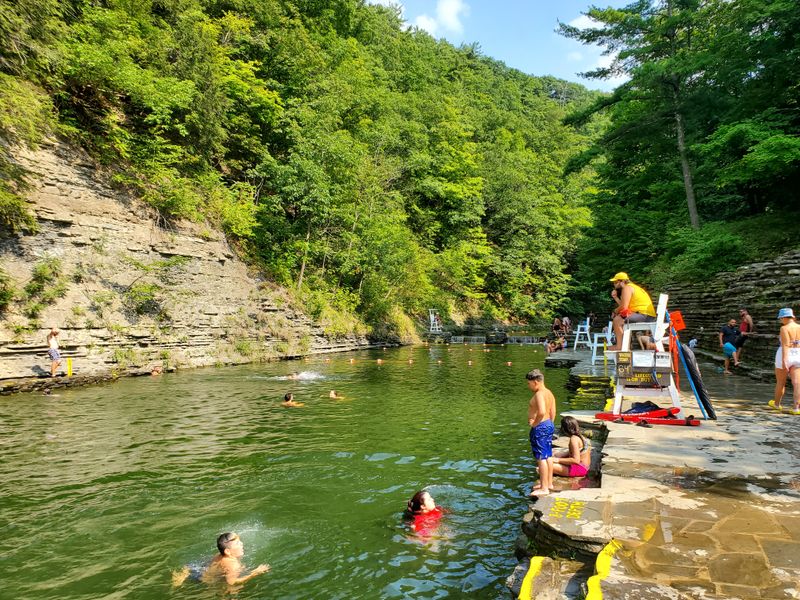
Near the northern entrance, the park’s natural pool gathers the brook’s energy into clean lanes of recreation. Lifeguards set the rules, and the water feels honest, cool without being unfriendly. Depths are clearly posted, with shallow options for hesitant feet and a deep section that rewards strong strokes.
On a warm afternoon, the place becomes a small civic square in water.
Signs make it plain where swimming belongs and where it does not, especially near the waterfalls. This boundary protects both visitors and the gorge’s narrow margins. You will see people pause at the edge, tempted by the spray, then drift back to the pool where it is meant to be enjoyed.
The balance of access and caution feels sensible rather than strict.
Changing rooms and a bathhouse keep the flow smooth for families, and picnic tables extend the day. The schedule for lifeguards can shift by season, so a quick check prevents disappointment. After a hike, lowering into that cool water turns legs from heavy to light.
Evening closes with towels over shoulders and the quiet clink of grill tools in the nearby grove.
Reading The Shale: Layers, Fossils, And Time
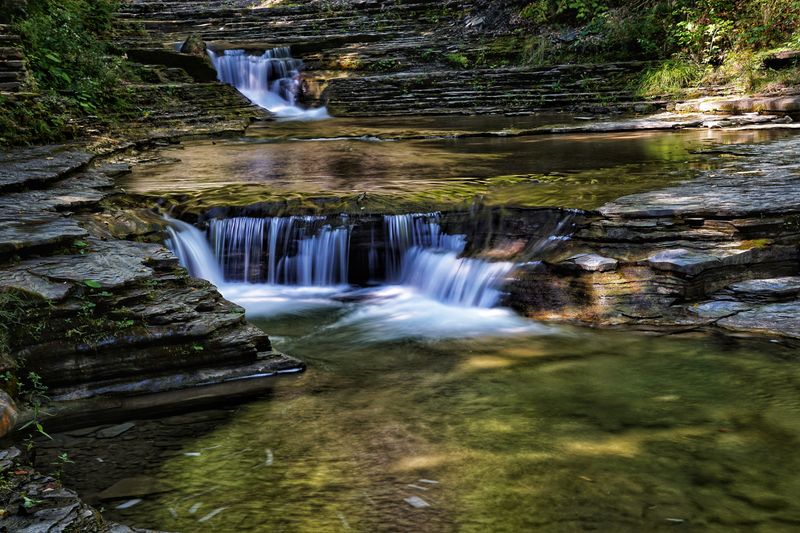
Rock here is a patient teacher, laying out shale in pages that almost turn themselves. Bands of gray and rust make tidy lines, and tiny ripple marks whisper of old currents. You may spot leaf impressions or faint shell shapes pressed into the surface.
The cliff faces look austere from a distance but carry small stories at arm’s length.
Water chooses the script, finding weaknesses and carving channels that set the falls’ character. Freeze and thaw open seams, and the brook stitches the result into ledges and plunge pools. Standing near the 50-foot drop, you can trace how steps in the bedrock shape the water’s fall.
The geology is not loud, yet it guides every photograph and every footstep.
Interpretive panels help, though the best lessons arrive by slow observation. A hand against cool stone explains more than a paragraph. The longer you linger, the more the cliff reveals its tidy architecture.
By the time you leave, the gorge feels less like scenery and more like a well-organized archive.
Seasonal Moods Along The Brook
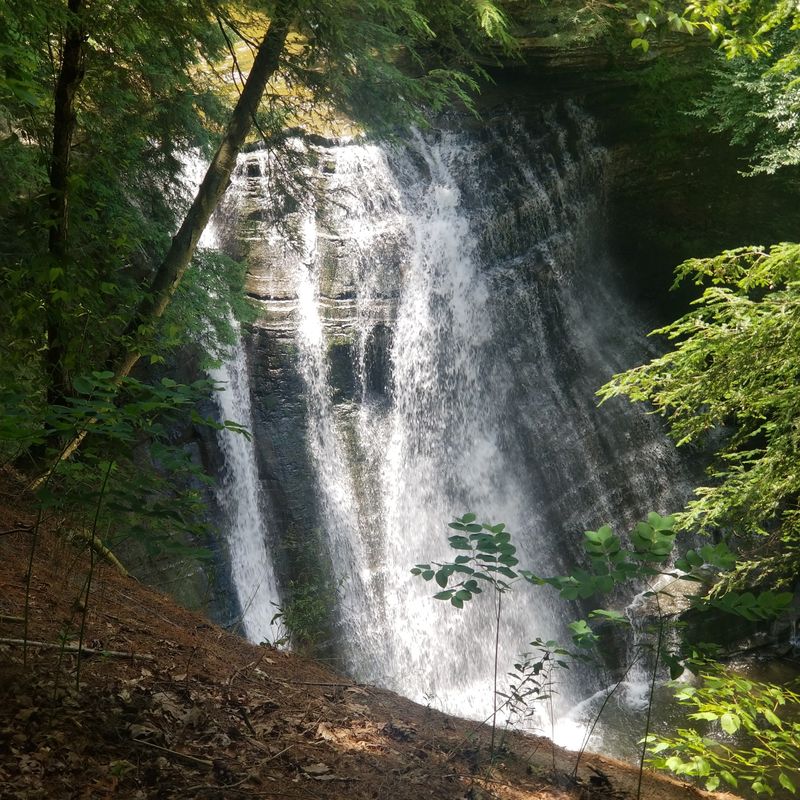
Spring brings the confident voice of snowmelt, thickening the curtain of the main falls and freshening every ledge. Trails sparkle with spray, and the creek’s edges widen just enough to ask for care. Wildflowers edge the path in unshowy clusters, backed by ferns that drink the shade.
The gorge in April feels tidy and awake, with the waterfall setting the tempo.
Summer tightens the flow but lengthens your hours, giving you soft mornings and an honest swim in the pool. Shade earns its praise on the staircase, and picnic groves hum with low conversation. The fall looks elegant rather than forceful, drawing lines instead of bold strokes.
Afternoon thunderstorms can turn restraint into bustle in minutes.
Autumn is a gentle revelation, the cliff backed by maples that trade green for copper. Leaves ride the current like small letters mailed downstream. Cooler air clears the path, and the falls present themselves with uncluttered poise.
Winter arrives last with careful icework, trimming the ledges and casting the spray into fine glass.
Choosing Your Route With Calm Intent
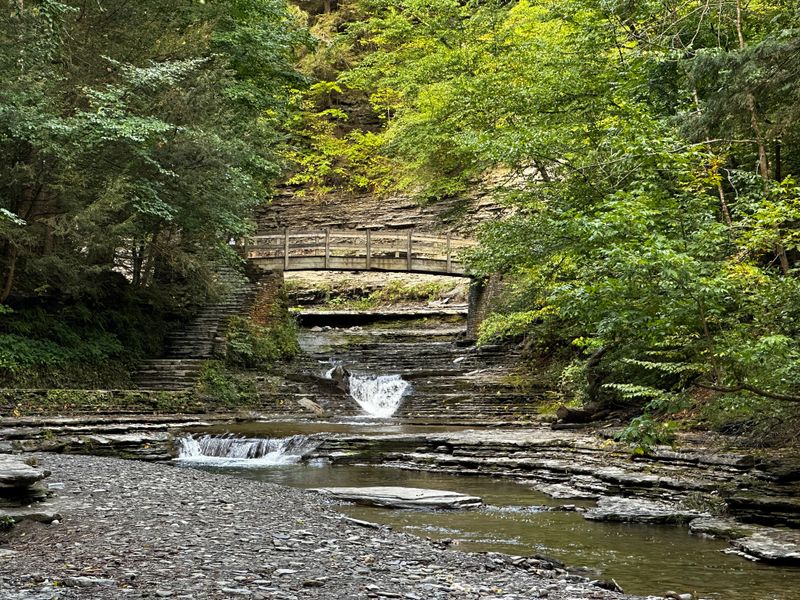
Three trails define the visit, each offering its own balance of views and effort. The Gorge Trail runs closest to the water and stitches together the park’s trio of falls. The West Rim and East Rim rise to the woodland edges, looping back with drier footing and a wider sky.
A simple plan is to ascend the stairs once, stroll the ridge, and rejoin the brook near the bathhouse.
Distances are modest, but elevation concentrates in a few clean bursts. Steps arrive in sequences that make breathing the main conversation. Most hikers finish the loop in under two hours, though photo stops extend that time without regret.
Wayfinding proves straightforward, with signs at junctions and blazes that skip drama.
Arriving early trims crowds and adds space to move at your chosen pace. Water, a small first aid kit, and stable footwear cover most needs. If heat builds, the pool waits with sensible structure and posted hours.
A good day here feels organized without being scheduled.
Photographing The Falls Without Fuss
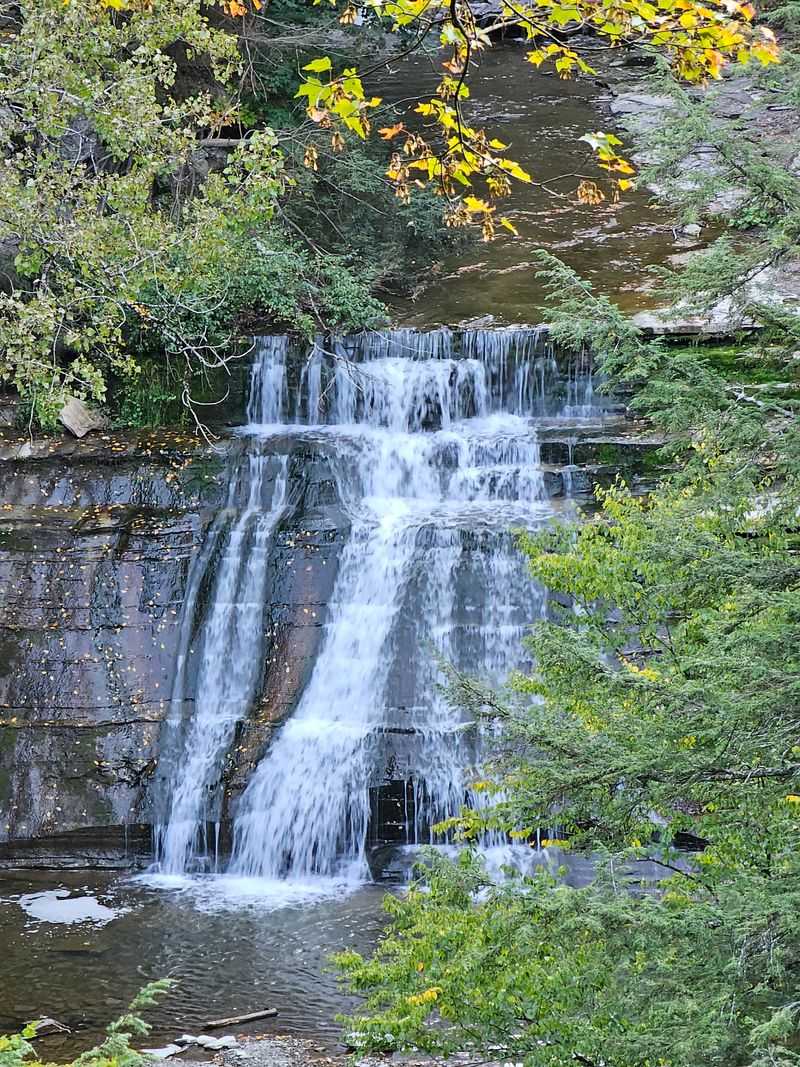
Light is the quiet partner, and overcast skies flatter this waterfall’s texture. Diffusion removes glare from wet shale and keeps whites from fraying at the edges. A neutral density filter helps stretch exposure to draw silky threads without losing detail.
Handheld shots work in bright conditions, but a compact tripod steadies the vision.
Angles along the Gorge Trail create leading lines that pull the eye to the drop. Framing the stair rail or the stream’s bend gives scale without clutter. After rain, consider faster shutter speeds to preserve the shape of the spray.
In summer’s lower flow, embrace negative space and let the rock do more talking.
Respect railings and signs, because the best photo is the one followed by an unremarkable walk back. Early arrival reduces foot traffic in your frame and buys room to experiment. A microfiber cloth earns its keep, clearing mist from the lens between takes.
When the file previews open later, you will find the day’s patience sitting plainly on the screen.
A Short History Written In Water And Work
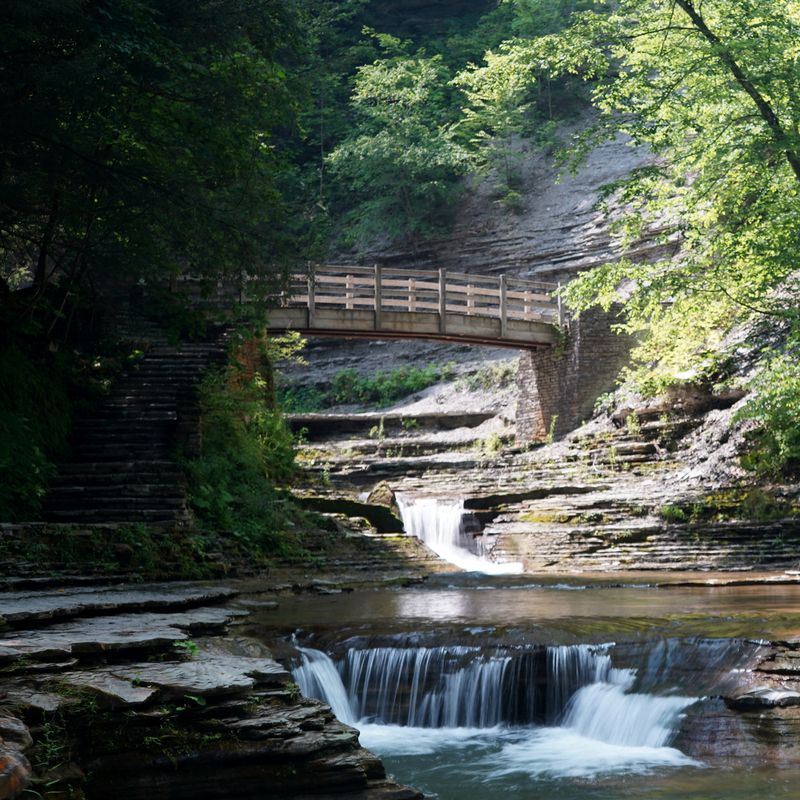
The park’s look owes a debt to steady hands that shaped paths and walls during earlier public works eras. Stone laid with intention holds the edges where the brook would otherwise bite. Small bridges and terraces show a preference for clean lines over showy statements.
This modesty suits the gorge, letting the waterfall speak for itself.
Local towns treated the valley as a summer relief long before social media found it. Families came for shade, picnic grounds, and the assurance of cool water on a July afternoon. The state’s stewardship folded those patterns into a formal park with clear rules and services.
As decades settled in, the built elements aged into the rock rather than against it.
Today the arrangement still feels durable, with maintenance crews keeping steps and rails honest. Visitors benefit from that quiet labor every time a landing drains well after storms. Reading the site with this in mind brings a simple gratitude.
The 50-foot drop remains the headline, but the supporting cast keeps the story legible.
Simple Ways To Visit Thoughtfully
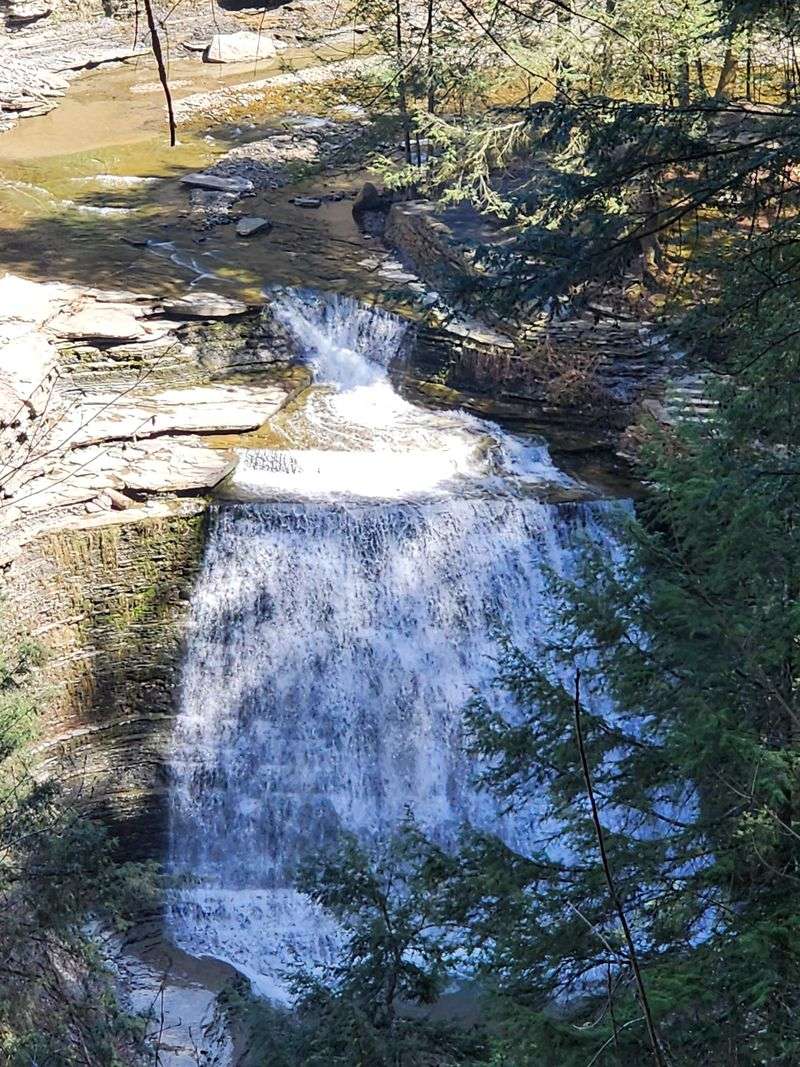
A careful visit starts with staying on marked paths, where stone and soil can handle foot traffic. Shortcuts erode quickly in a gorge, and what looks harmless today becomes tomorrow’s maintenance project. Packing out wrappers and fruit peels keeps the brook’s edge free of small distractions.
The place looks best when it is allowed to look like itself.
Conversations travel in a canyon, so measured voices preserve the calm. Pets on leashes meet the standard, and friendly space between groups helps everyone see the falls. Swimming belongs in the designated pool, which protects both visitors and the narrow shelves near the drop.
These steady habits feel ordinary and make the whole park breathe easier.
Checking conditions before you go trims surprises like trail closures or high water. A backup plan for rain keeps spirits upright when weather turns fast. If the park reaches capacity, patience in the parking lot line saves frustration.
Leaving the gorge as tidy as you found it might be the most memorable souvenir.
Nearby Practicalities That Keep The Day Smooth
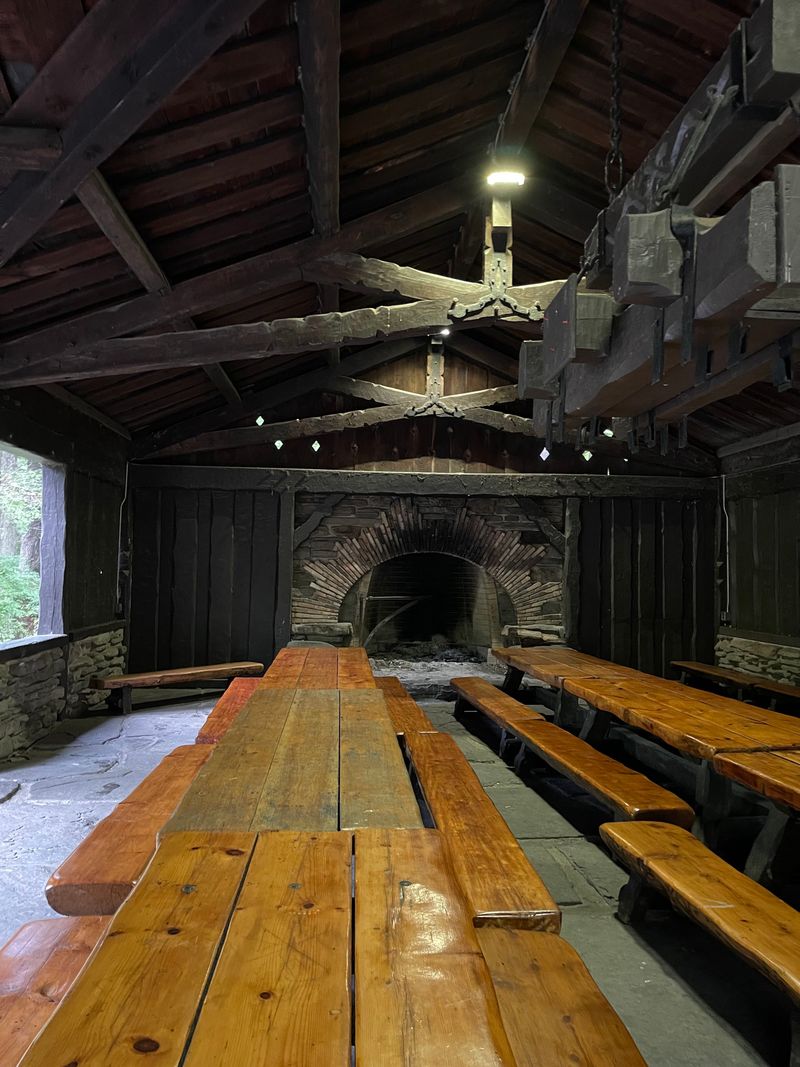
Logistics fall into place easily when you know the park’s simple layout. Two parking areas feed the gorge entrance and the pool, with signs that steer newcomers without fuss. The bathhouse near the water becomes a waypoint, a reliable spot for changing, rinsing, and getting bearings.
Picnic shelters sit under tall trees, spaced with enough room for grills and unhurried lunches.
Day-use fees apply, so it helps to arrive with cash or a card ready. Weekends swell by late morning, and capacity limits occasionally hold cars at the gate. A calm arrival between nine and ten sets the tone, clearing space on the trail and by the pool.
If you camp, the loop roads connect neatly back to the gorge without much backtracking.
Dansville’s services sit minutes away on NY-36, from groceries to a quick diner breakfast. Cell reception wobbles in the ravine, which makes printed maps earn respect. With these details handled, you can let the waterfall take the spotlight.
The rest of the day proceeds like a well-edited sentence.
A Closing Look Downstream
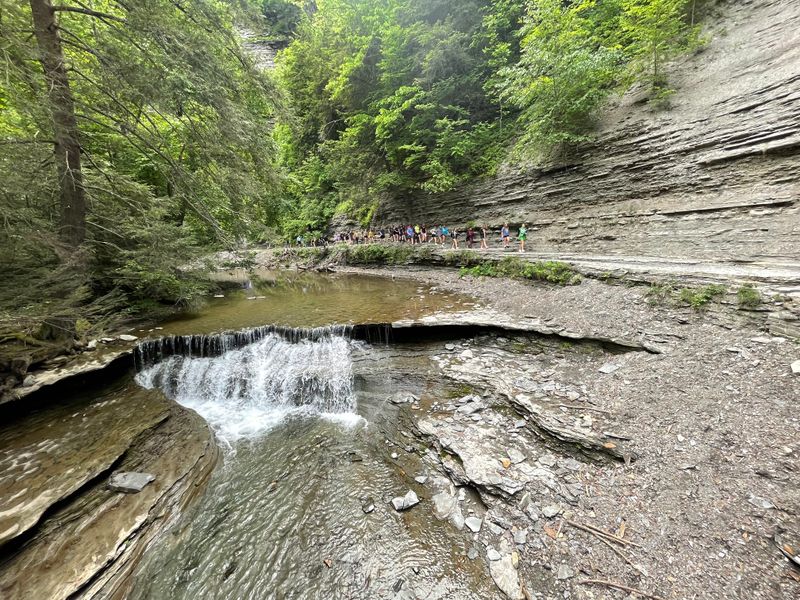
On the way out, the brook feels friendlier after you have learned its turns. The water slides over flat shale like pages closing, each ripple quieting the one before it. Afternoon light warms the cliff and softens the spray to a fine grain.
The big drop recedes, but its cadence remains in your stride.
Pausing at a bend, you can still hear the firm voice of the 50-foot fall threading the gorge. Families gather bags, and hikers compare the count of stairs as if tallying a small victory. The pool settles into evening patterns, and the grills drift toward last call.
A final glance confirms why this place earns steady loyalty without fanfare.
Maps fold, car doors click, and the valley releases you back to NY-36. You promise to return when leaves turn or snow writes its neat script. The waterfall will be there, practicing the same patient craft.
Downstream carries your thoughts, and the day sits complete without needing a headline.