
This Quiet Arizona Sanctuary Lets Visitors Experience Rare Wildlife Up Close
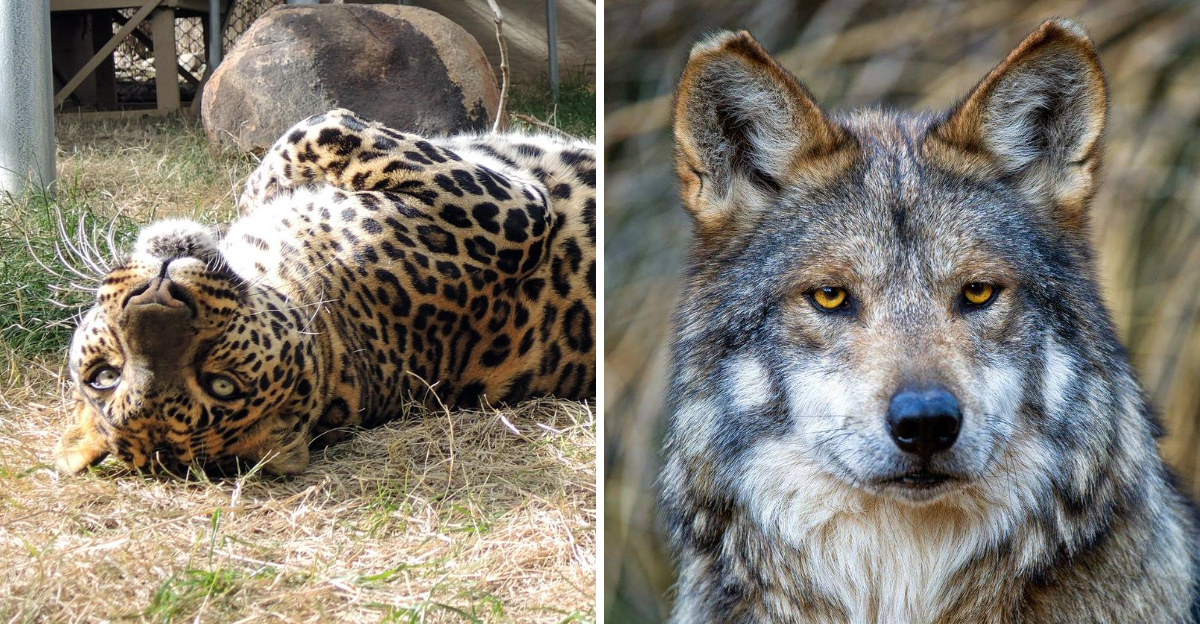
North of Scottsdale, a conservation center operates with a mission that goes far beyond entertainment. Southwest Wildlife Conservation Center provides refuge for injured and orphaned animals that cannot survive in their natural habitats.
Visitors arrive by reservation to witness the work of dedicated volunteers who have built permanent homes for predators most people only glimpse in textbooks or from a distance. The experience offers something increasingly rare: genuine proximity to wild animals paired with education about their survival and the threats they face across Arizona’s changing landscape.
Rescue Sanctuary Dedicated To Arizona’s Native Wildlife
The center operates on 10 acres at 27026 N 156th St in Scottsdale, surrounded by desert terrain that mirrors the natural environment of its residents. Staff and volunteers follow a philosophy built around three principles: rescue, rehabilitate, and release.
Animals arrive from across the state after encounters with vehicles, habitat loss, or human conflict.
Those capable of returning to the wild receive medical care and behavioral conditioning before release. The process demands patience and expertise, with each species requiring different protocols.
Success rates vary, but the center has returned hundreds of animals to their territories over the years.
For creatures too habituated to humans or bearing permanent injuries, the facility becomes a permanent residence. These animals serve as ambassadors, helping visitors understand the complexity of coexistence.
The nonprofit status means every dollar from tours and donations directly supports animal care, facility maintenance, and educational programming throughout Arizona communities.
Founded To Protect Injured And Orphaned Wild Animals
Linda Searles established the organization after recognizing a gap in resources for displaced wildlife. Her commitment extended to selling personal property to expand the sanctuary grounds.
That level of dedication set the tone for an operation that prioritizes animal welfare above all commercial considerations.
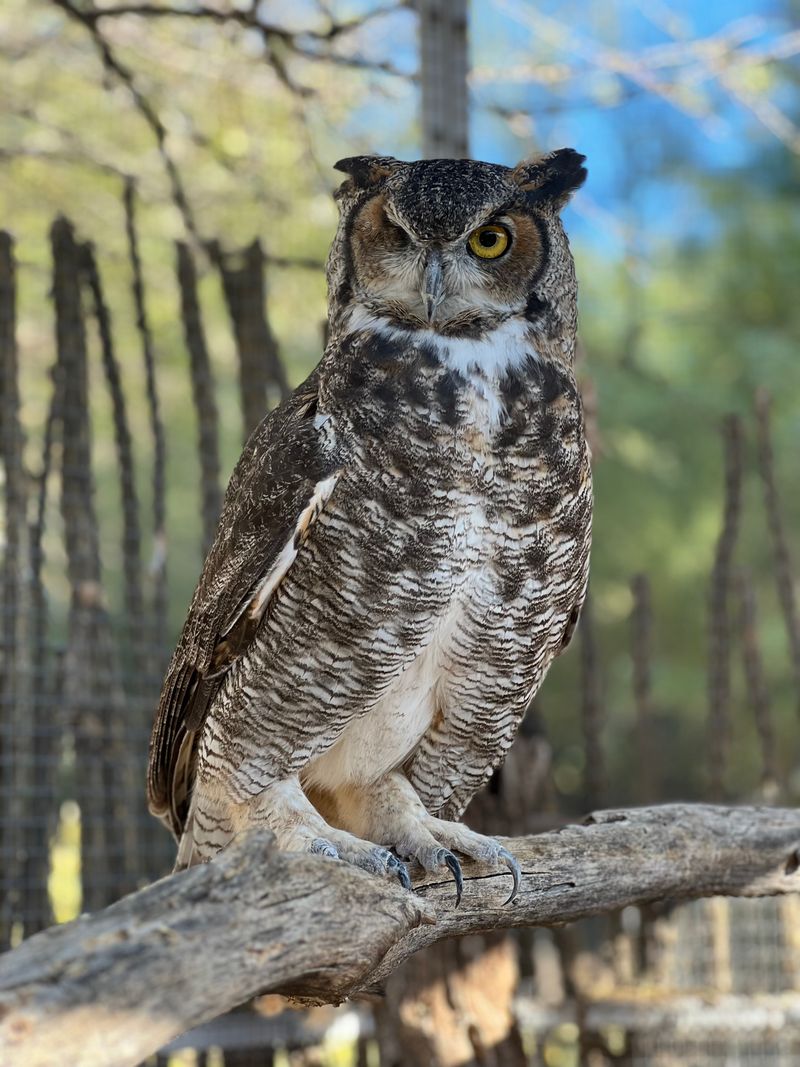
The center receives calls from residents who discover injured animals or orphaned young. Bobcat kittens separated from mothers, coyotes struck by cars, and raptors with wing damage all find their way here.
Intake protocols assess each animal’s condition and determine the appropriate course of treatment.
Rehabilitation spaces remain off limits to visitors, protecting animals from stress during their recovery. Only those deemed non-releasable join the tour route.
This separation ensures that recovering animals maintain their wariness of humans, a critical survival trait. The founder’s vision continues through staff who understand that successful conservation requires both compassion and professional distance from the creatures in their care.
Small Guided Tours Offer Close Wildlife Experiences
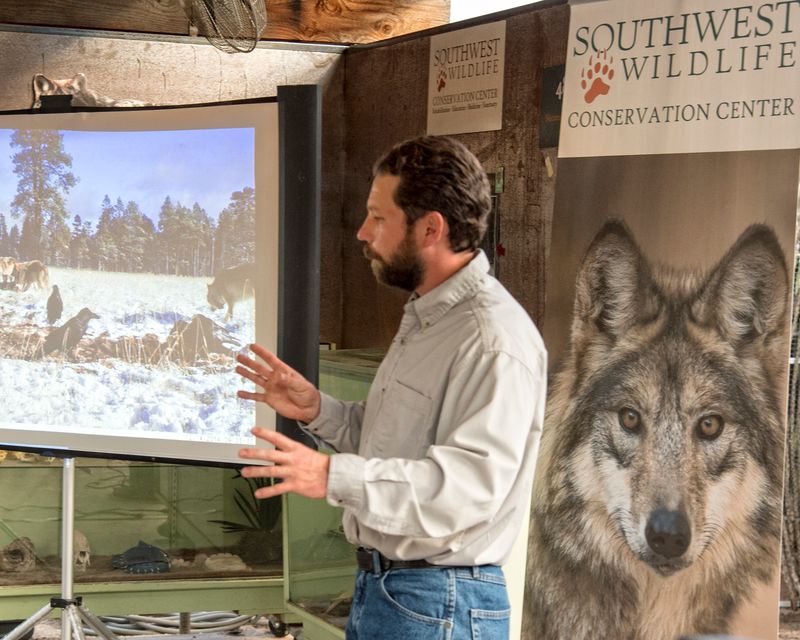
Reservations limit group sizes to maintain a controlled environment for both animals and guests. Tours last approximately two hours, moving through pathways that bring visitors within feet of enclosures housing mountain lions, wolves, and bears.
The intimacy of these encounters separates this experience from traditional zoos.
Guides like Cheryl, Barbara, and Marcia lead groups with a combination of scientific knowledge and personal anecdotes about individual animals. They field questions about diet, behavior, and the circumstances that brought each resident to the center.
The educational component never feels forced or scripted.
Full moon tours offer a different perspective, with nocturnal animals displaying heightened activity as natural light fades. Coyotes vocalize, wolves respond, and the desert comes alive with sounds rarely heard by urban residents.
These evening sessions require advance booking and fill quickly. The $35 tour fee supports the nonprofit’s operations, making each visit a direct contribution to ongoing animal care and facility improvements.
Permanent Homes For Animals That Cannot Return To The Wild
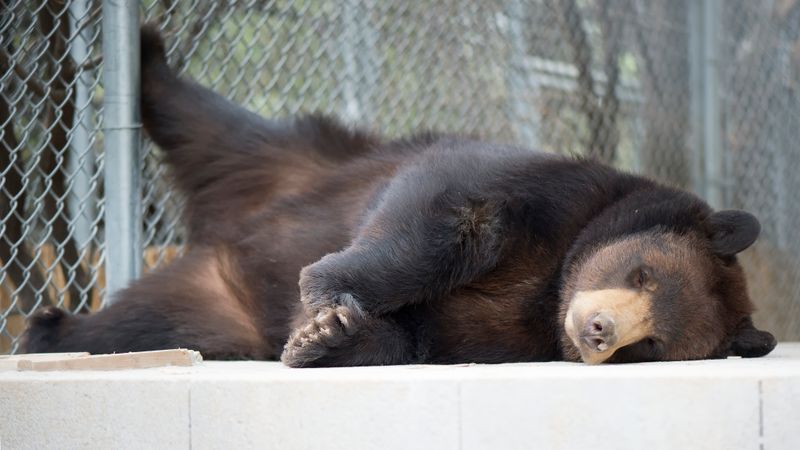
Not every animal can reclaim its place in the wild. Some suffered injuries that compromised their hunting ability or mobility.
Others spent formative months in human care, losing the instincts necessary for independent survival. The center provides lifetime sanctuary for these individuals.
Enclosures receive regular upgrades to incorporate enrichment features that stimulate natural behaviors. Climbing structures for mountain lions, digging areas for foxes, and pools for bears all serve specific needs.
Staff rotate food presentation methods to encourage problem-solving and prevent boredom.
Visitors often express surprise at the condition of these permanent residents. Healthy coats, alert expressions, and active movement indicate proper care.
The difference between a well-maintained sanctuary and a roadside attraction becomes immediately apparent. These animals serve an educational purpose without exploitation, living out their years in comfort while teaching thousands of visitors about the species they represent and the conservation challenges facing Arizona’s wildlife populations.
Home To Rare And Misunderstood Predators
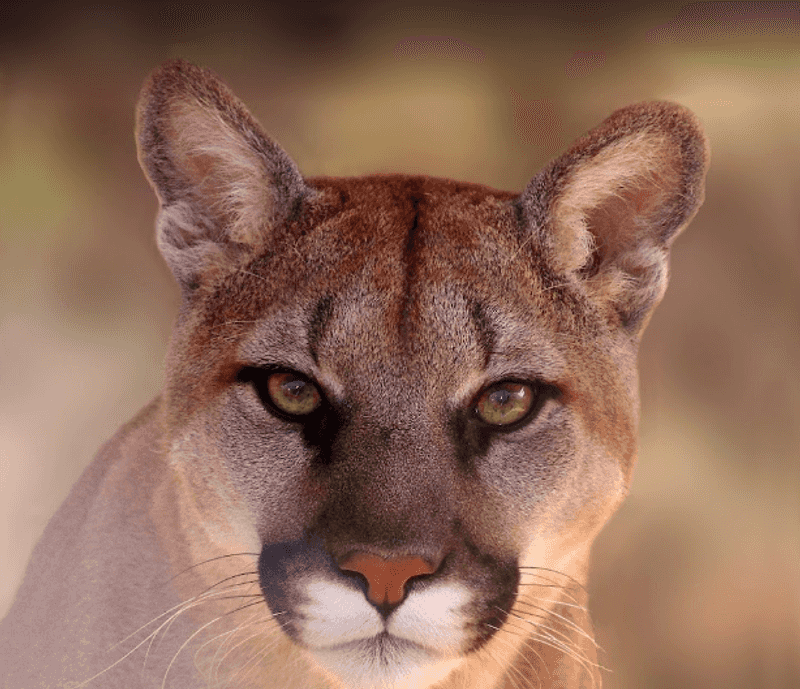
Mountain lions generate both fear and fascination among Arizona residents. The center houses several of these apex predators, offering visitors a chance to observe their grace and power from a safe distance.
Misconceptions about aggression often dissolve when people watch these animals lounging in afternoon shade or playing with enrichment toys.
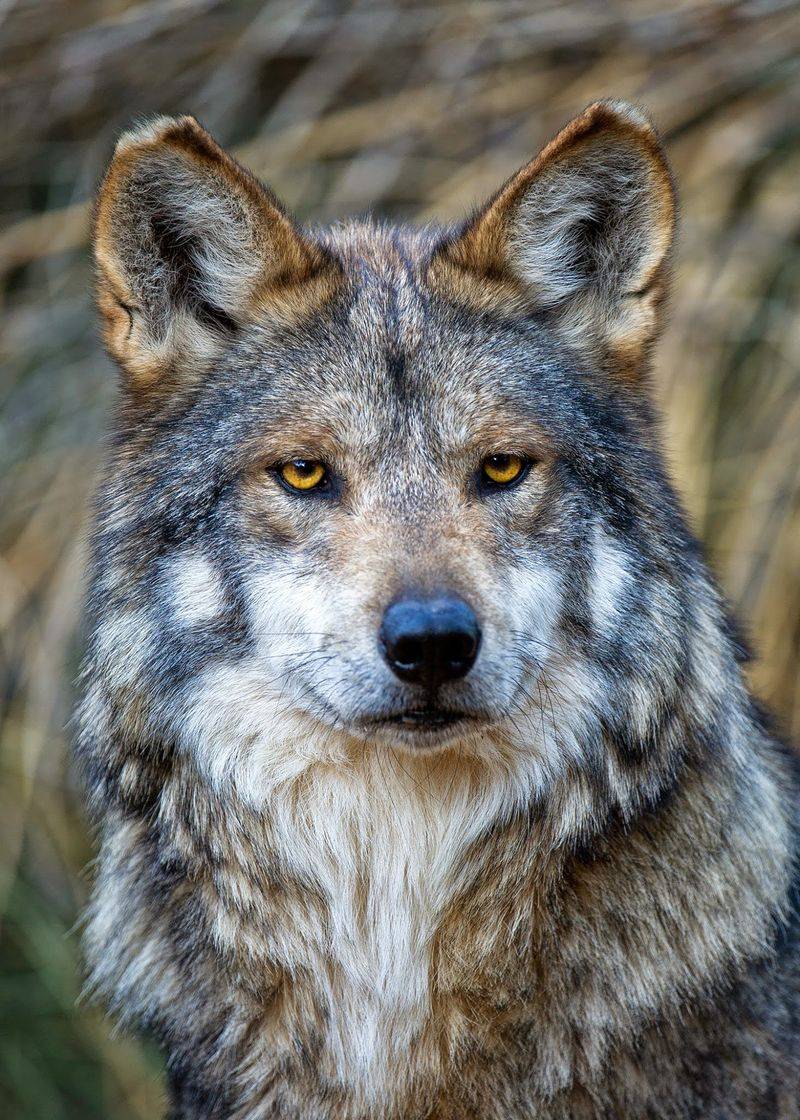
Wolves present another opportunity for education. Their complex social structures and communication methods become evident during feeding times and group interactions.
The howling that visitors frequently mention in reviews serves as a reminder of the wild nature these animals retain despite captivity.
Bobcats, foxes, and coyotes round out the predator collection. Each species faces different threats in the wild, from habitat fragmentation to persecution by livestock owners.
The center’s staff addresses these issues directly, explaining the ecological roles these animals play and the consequences of their removal from natural systems. Changing public perception remains a central goal of every tour.
Evening And Special Event Wildlife Tours
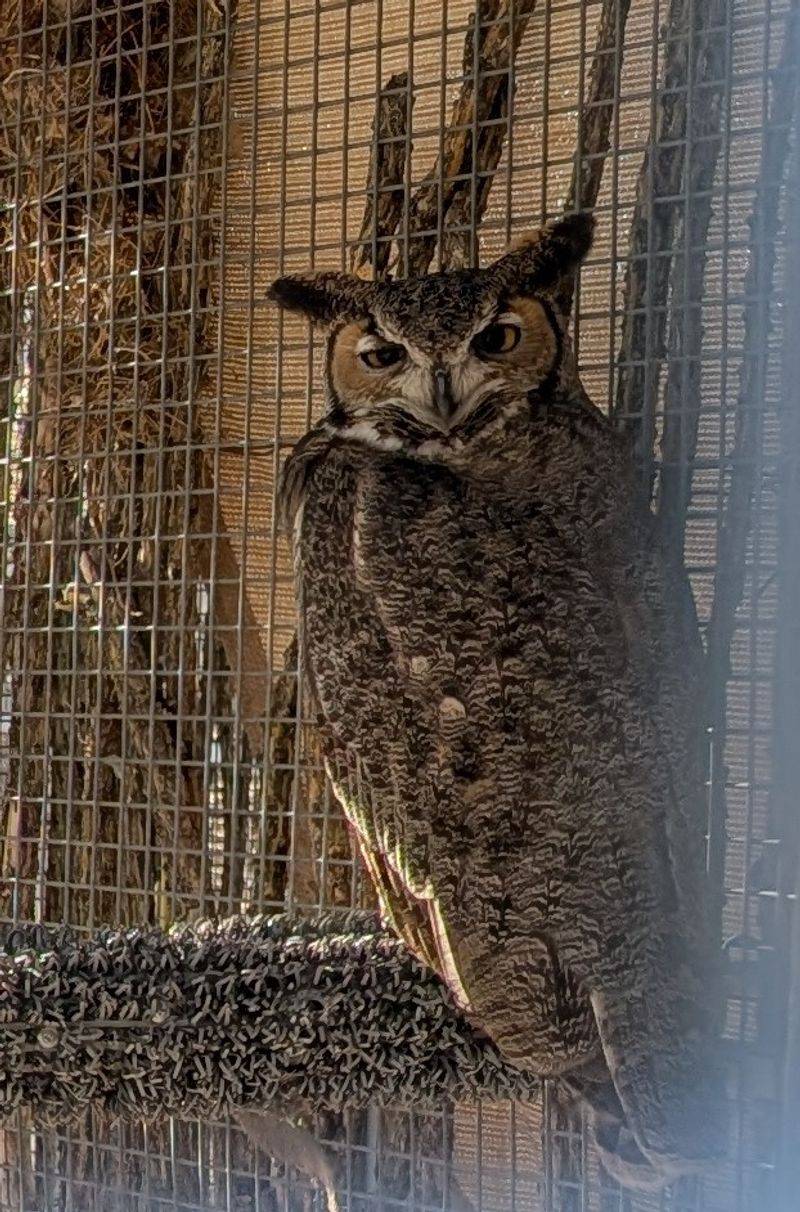
Twilight tours capitalize on the behavioral patterns of crepuscular and nocturnal species. As temperatures drop and shadows lengthen, animals that spent the day resting emerge with renewed energy.
The timing transforms the visitor experience, revealing aspects of wildlife behavior that daytime tours cannot capture.
Special events throughout the year focus on specific topics or species. Bat education programs coincide with migration patterns.
Halloween brings themed decorations that delight younger visitors while maintaining the center’s educational mission. These events generate additional revenue while broadening the audience beyond typical wildlife enthusiasts.
Full moon tours remain the most requested specialty offering. The natural illumination allows observation without artificial lighting that might disturb animals.
Guides adjust their commentary for the evening atmosphere, emphasizing sounds and movements that become more pronounced after dark. Booking these tours requires planning, as limited spaces fill weeks in advance during peak seasons when Arizona’s moderate temperatures make outdoor activities most comfortable.
Supports Wildlife Conservation And Public Education
The center’s impact extends beyond its property boundaries through educational outreach. School groups arrive regularly for field trips that align with science curricula.
Students encounter concepts like habitat loss, human-wildlife conflict, and ecosystem balance through direct observation rather than textbook descriptions.
Staff members provide guidance on what to do when encountering injured wildlife. They emphasize the importance of calling professionals rather than attempting amateur rescue.
This information prevents well-intentioned but harmful interventions that can worsen an animal’s condition or create dangerous situations for humans.
Conservation messaging permeates every tour without becoming preachy. Guides discuss specific actions visitors can take to reduce conflicts with wildlife in their own neighborhoods.
Simple modifications like securing trash cans and removing outdoor pet food make significant differences. The center demonstrates that conservation begins with individual choices and community awareness rather than abstract policy debates or distant wilderness preservation efforts.
Quiet Desert Setting Supports Animal Wellbeing
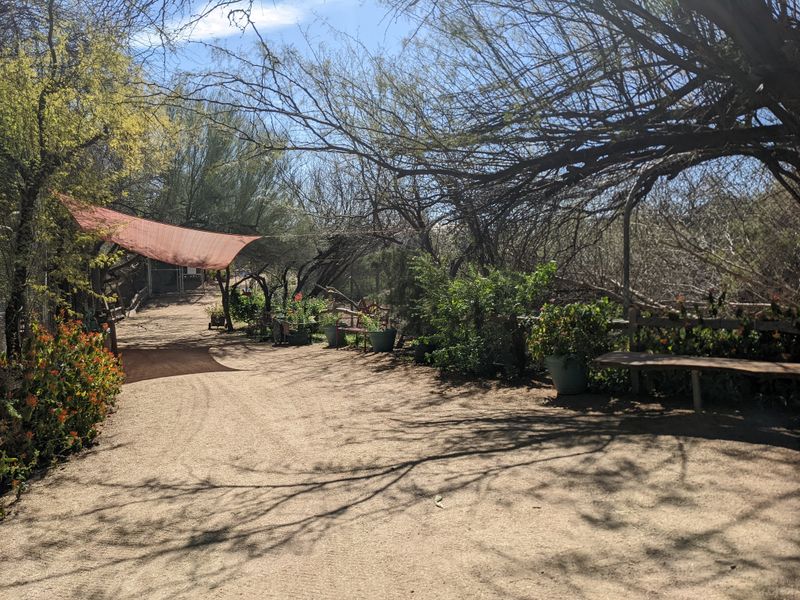
Location matters for a facility housing sensitive wildlife. The property sits far enough from urban noise to provide a relatively peaceful environment.
Desert vegetation provides natural screening and shade. The surrounding landscape reinforces the connection between these animals and their native ecosystem.
Enclosure design incorporates both security and comfort. Animals require spaces large enough for natural movement patterns but secure enough to prevent escape or injury.
The balance between these needs shows in the construction details, from fence height to substrate selection.
Misters and shade structures help animals cope with Arizona’s extreme summer temperatures. Water features serve both practical and enrichment purposes.
The grounds receive regular maintenance to prevent hazards and maintain cleanliness. Visitors walking the tour route notice the attention to detail in landscaping and infrastructure.
The setting feels purposeful rather than improvised, reflecting years of refinement based on both animal behavior observations and practical operational needs from staff who work the property daily.
Staff And Volunteers Share Animal Rescue Stories
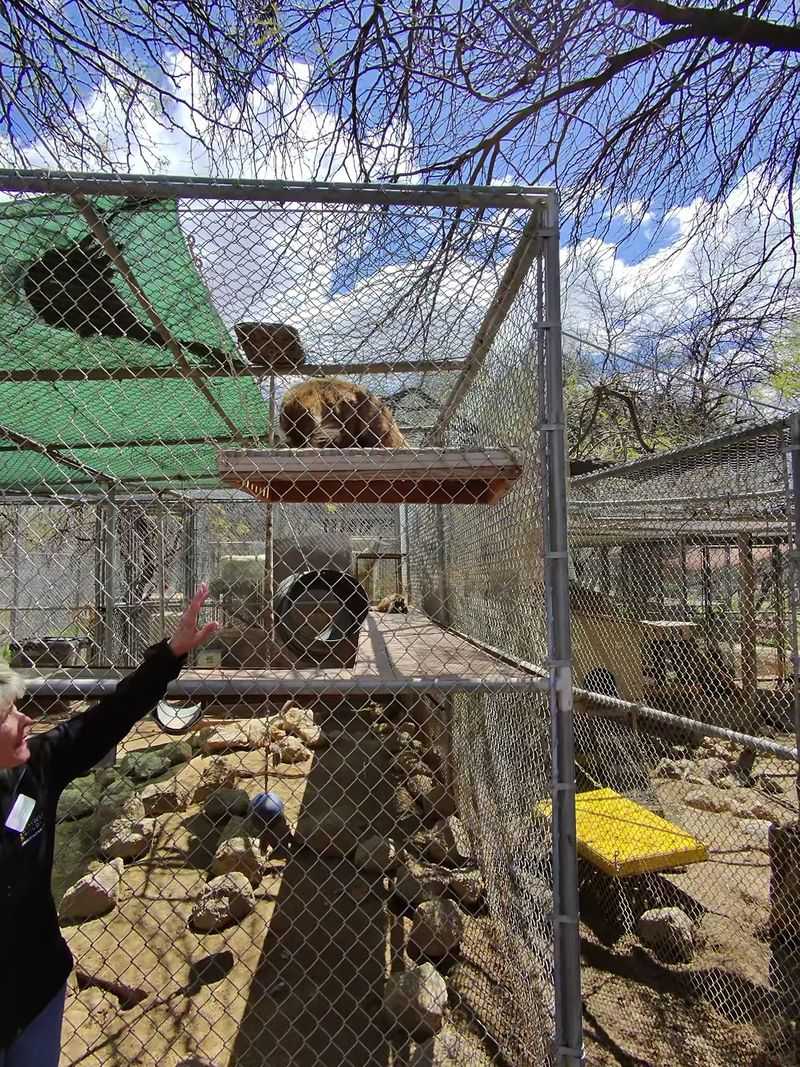
Every animal at the center arrived with a story. Guides share these narratives during tours, transforming abstract conservation concepts into personal accounts.
A mountain lion hit by a car, a bear cub orphaned by poachers, a fox trapped in urban infrastructure—each tale illustrates different aspects of human impact on wildlife.
These stories resonate because they involve specific individuals rather than statistics. Visitors remember Heavenly the bear demonstrating how he eats peanuts.
They recall the circumstances that brought particular wolves or coyotes to the sanctuary. The personal connection fosters empathy and understanding.
Volunteers invest significant time learning about each resident’s background and personality. Their enthusiasm shows in how they present information and respond to questions.
Many have worked at the center for years, developing deep knowledge of animal behavior and conservation issues. This expertise elevates the tour beyond simple animal viewing, creating an educational experience that visitors cite as exceeding their expectations in reviews posted months after their visits.
Nonprofit Supported By Donations And Tours
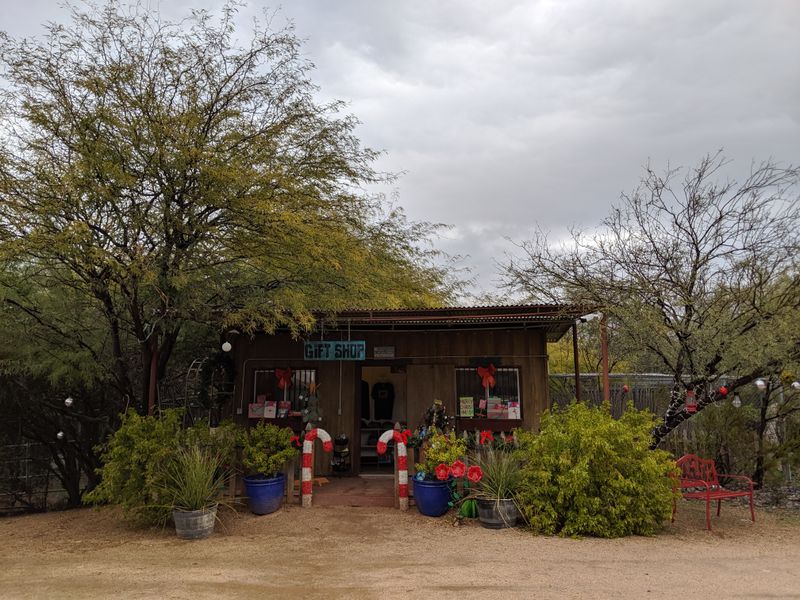
The center receives no government funding or major grants. Operations depend entirely on tour revenue, donations, and gift shop sales.
This financial model creates both challenges and advantages. Independence from bureaucratic oversight allows flexibility in decision-making, but it also means financial stability depends on consistent visitor support.
Tour fees of $35 per person represent the primary income source. The gift shop offers conservation-themed merchandise, with proceeds supporting animal care.
Visitors can sponsor specific animals, providing ongoing support for their food and medical needs. These sponsorships create lasting connections between donors and individual residents.
Transparency about funding builds trust with visitors. Staff members openly discuss how money gets allocated, from veterinary care to facility maintenance.
The knowledge that every dollar directly benefits animals motivates many guests to contribute beyond the basic tour fee. The nonprofit structure ensures that financial success translates to improved conditions and expanded capacity rather than profit distribution to owners or shareholders.
Promotes Responsible Wildlife Tourism
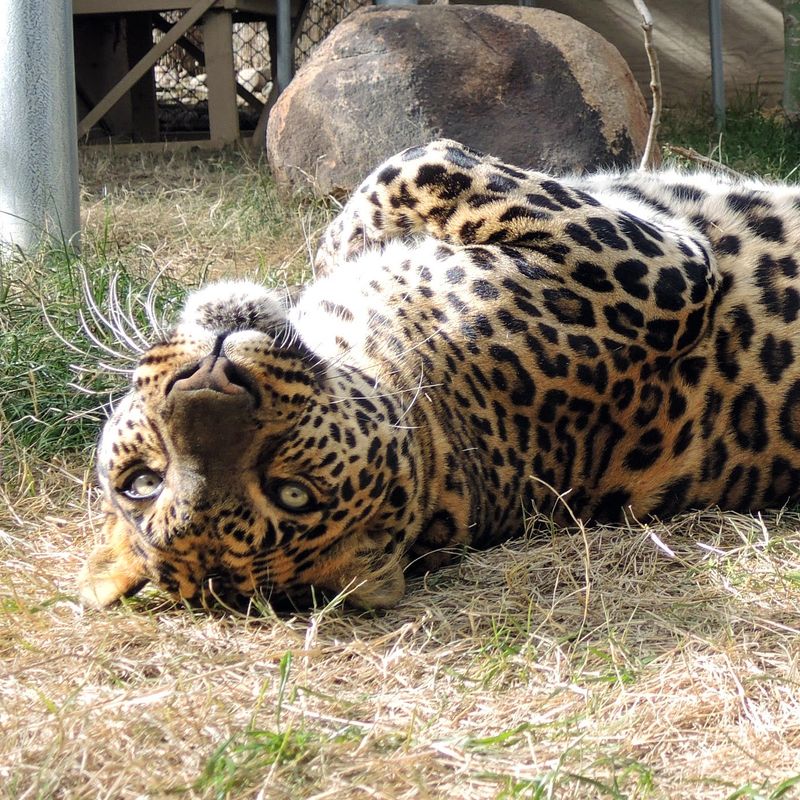
The center models what responsible wildlife tourism looks like. Small group sizes prevent overcrowding that stresses animals.
Reservation systems control visitor flow. Rules about noise, movement, and photography protect resident welfare.
These practices contrast sharply with facilities that prioritize entertainment over animal needs.
Guides emphasize observation over interaction. Visitors look but do not touch or feed animals.
This boundary maintains appropriate relationships between humans and wildlife. The approach teaches children and adults alike that respecting wild animals means acknowledging their autonomy and space requirements.
Educational content focuses on how visitors can support wildlife in their own communities. The center demonstrates that tourism can serve conservation goals when structured properly.
Visitors leave with changed perspectives on predators, understanding their ecological importance and the threats they face. This shift in perception represents the ultimate success of responsible wildlife tourism—creating advocates who will support conservation efforts long after their tour ends and share knowledge with others in their communities.
Helps Change Perceptions Of Arizona Predators
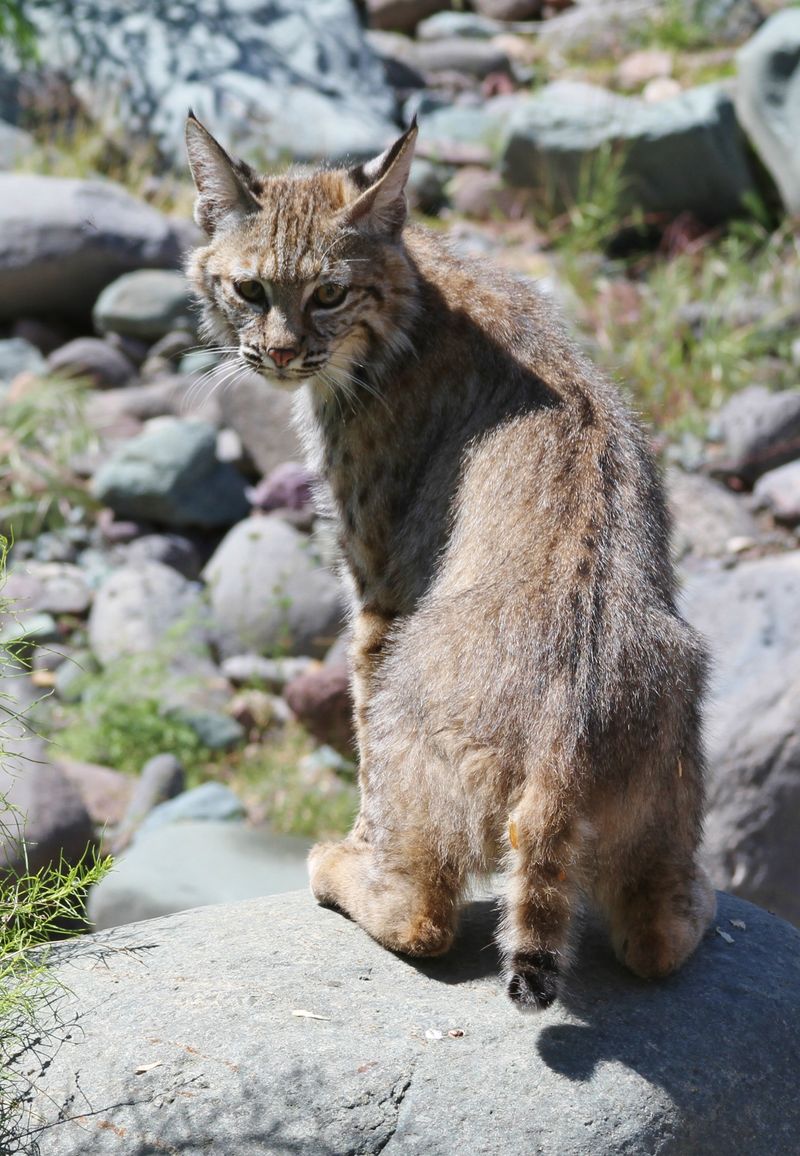
Fear and misunderstanding drive much of the conflict between humans and predators. The center addresses these issues directly by allowing people to observe these animals in controlled settings.
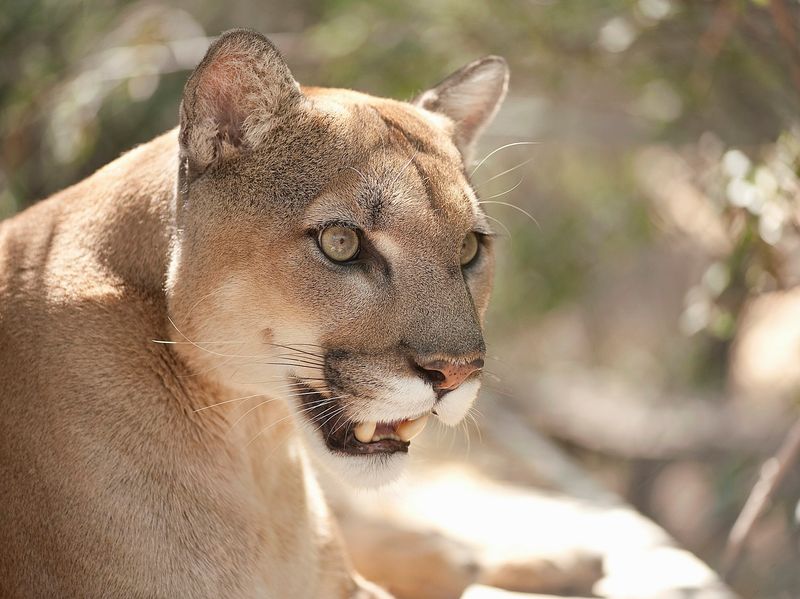
Seeing a mountain lion’s calm demeanor challenges assumptions about constant aggression. Watching wolves interact socially reveals complexity beyond simplistic dangerous predator stereotypes.
Staff members discuss the ecological services these animals provide. Predators control prey populations, preventing overgrazing and disease spread.
Their presence indicates healthy ecosystems. Removing them creates cascading effects that harm overall environmental balance.
These scientific explanations help visitors understand why conservation matters.
Changing perceptions requires consistent effort across multiple platforms. The center contributes through tours, school programs, and community events.
Each positive encounter with captive predators potentially prevents future conflicts with wild populations. Visitors who leave with newfound respect for these animals become ambassadors in their own circles, spreading accurate information that counters generations of negative messaging about predators in Arizona and throughout the American West.