
12 Off-The-Grid Historic Dining Rooms In Florida Worth Visiting
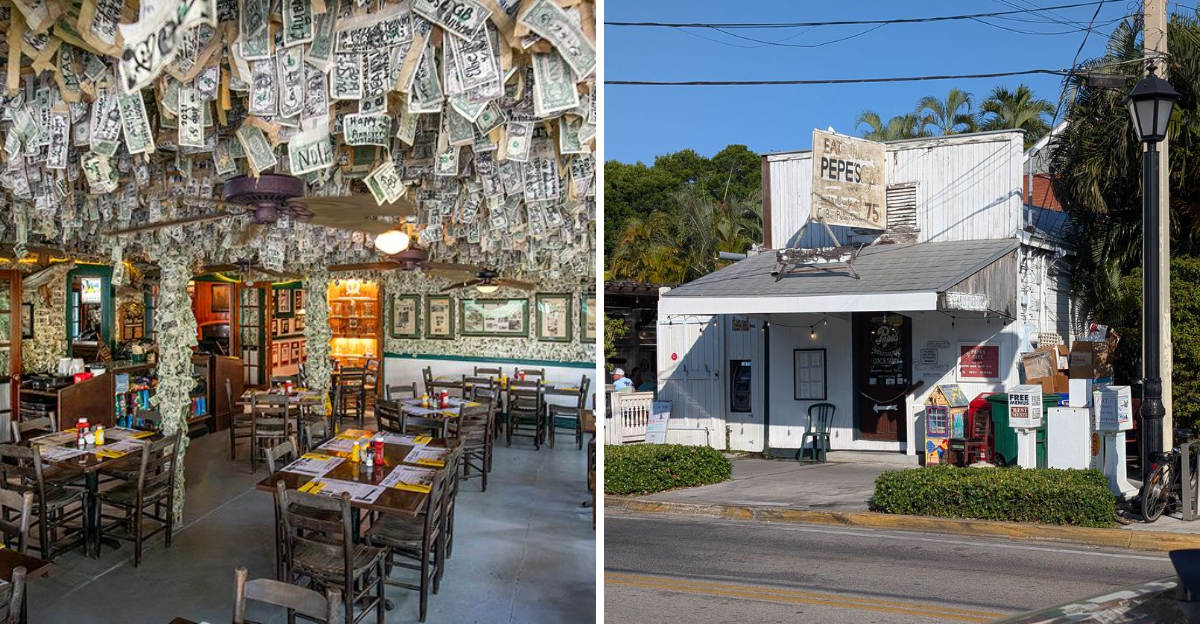
Florida’s most memorable meals aren’t always found near the crowds. Beyond the beaches and theme parks, historic dining rooms across the state continue to serve food alongside decades of stories and tradition.
Some have been welcoming guests for generations, while others sit quietly on remote islands or in small towns tourists rarely notice. Each one offers an experience rooted in old Florida charm that modern chain restaurants simply can’t replicate.
1. Cap’s Place Island Restaurant
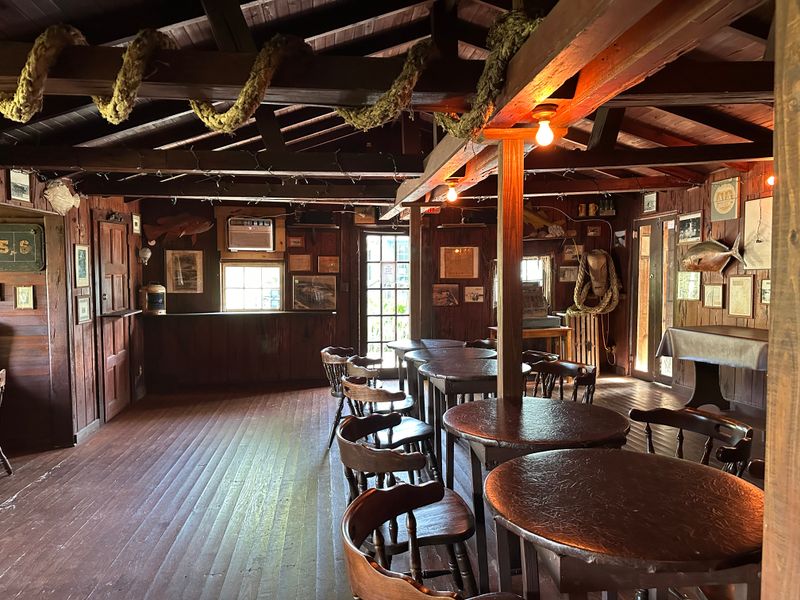
Getting to your table requires a boat ride, which sets the tone for an adventure unlike any other dining experience. Cap’s Place sits on a small island near Lighthouse Point, accessible only by ferry from the mainland.
The restaurant started as a casino and speakeasy during Prohibition in 1928, attracting famous guests like Winston Churchill and Franklin D. Roosevelt.
Wooden walls display black and white photographs telling stories of the past. The menu focuses on fresh seafood prepared simply to let natural flavors shine.
Heart of palm salad remains a signature dish, harvested from local palms just as it was generations ago.
Alligators sometimes swim past the dock while you wait for your ferry. The surrounding mangroves create a secluded atmosphere that feels worlds away from nearby Fort Lauderdale.
This historic spot proves that some places are worth the extra effort to reach, rewarding visitors with genuine Old Florida charm and exceptional food.
2. Cabbage Key Inn & Restaurant
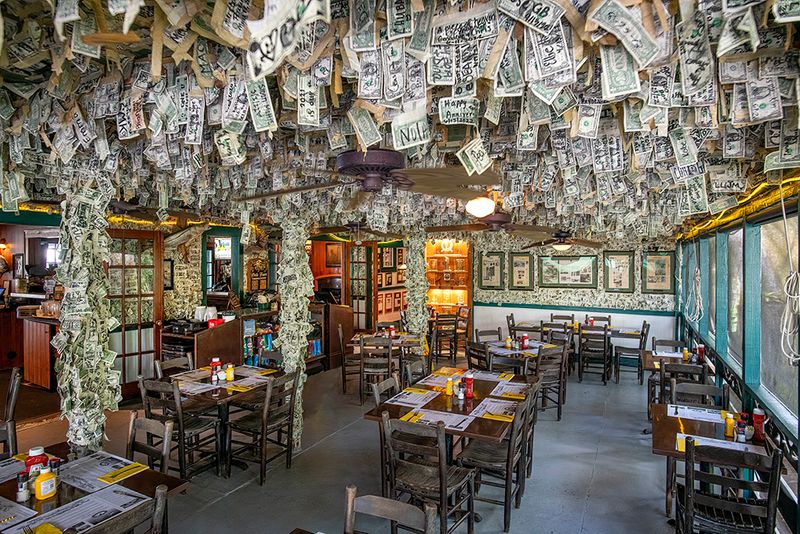
Over 80,000 dollar bills cover every inch of the walls and ceiling, each signed by a visitor hoping to return someday. This tradition started decades ago when a fisherman signed a bill and tacked it up to ensure he could buy a beer on his next visit.
Located on a 100-acre island between Fort Myers and Key West, Cabbage Key remains reachable only by boat.
The famous cheeseburger here inspired Jimmy Buffett to write his hit song about cheeseburgers in paradise. Fresh grouper sandwiches and Key lime pie draw boaters from miles around.
The second-floor dining room offers views of Pine Island Sound through large windows framed by those famous dollar bills.
A historic water tower turned into a guest room stands as the highest point on the island. Wild paths wind through native vegetation where guests can spot tropical birds.
The restaurant operates in a house built in 1938, maintaining its original character while serving hungry travelers.
3. The Yearling Restaurant
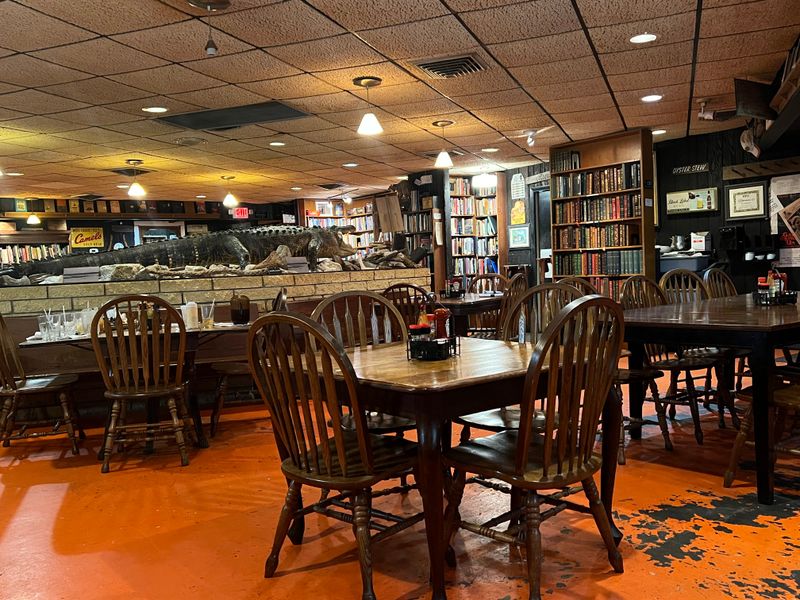
Named after the Pulitzer Prize-winning novel by Marjorie Kinnan Rawlings, this restaurant celebrates Florida frontier cooking. The building sits near Cross Creek, where Rawlings lived and wrote about life in rural Florida during the 1930s.
Authentic Cracker cuisine fills the menu with dishes pioneers would recognize, including alligator tail, cooter turtle, and frog legs.
Cypress wood paneling and vintage photographs create an atmosphere matching the rustic food. Catfish caught from nearby lakes gets fried golden brown and served with hushpuppies.
The restaurant opened in 1952, making it a longtime keeper of traditional Florida foodways that might otherwise disappear.
Spanish moss drapes from oak trees surrounding the property. Inside, conversations often turn to hunting and fishing stories, just as they did generations ago.
This spot appeals to adventurous eaters wanting to taste what Florida dining was like before highways and tourism changed everything about the state.
4. Old Sugar Mill Pancake House
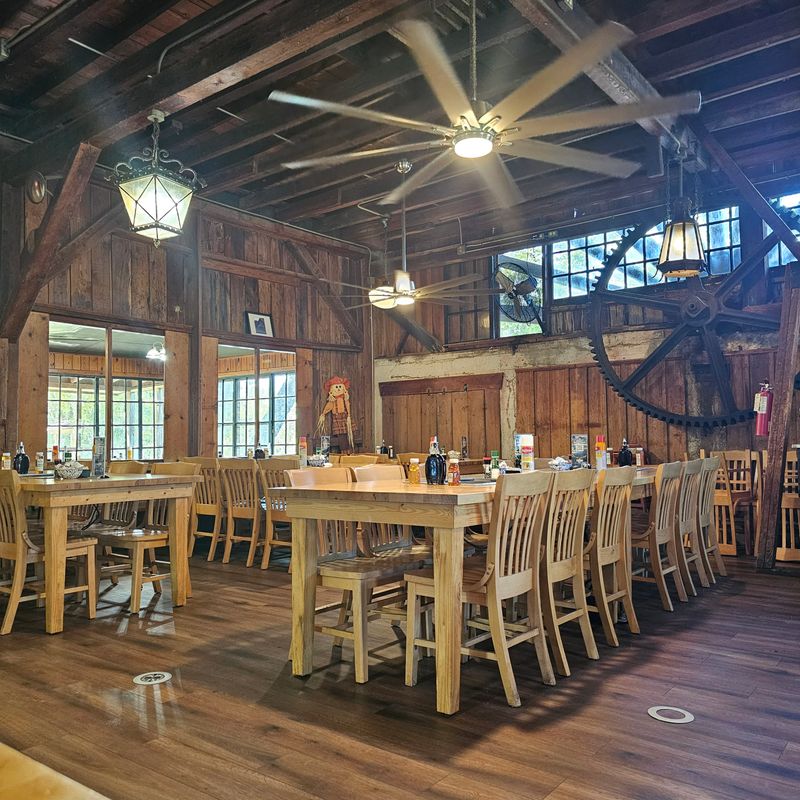
Guests cook their own pancakes right at their table using griddles built into the center of each booth. This unique setup turns breakfast into an interactive experience families love.
The restaurant operates inside the ruins of an 1830s sugar mill within De Leon Springs State Park. Massive stone walls from the original mill create a one-of-a-kind dining atmosphere.
Five-grain and whole wheat pancake batters come freshly ground on-site using old-fashioned methods. You can add blueberries, chocolate chips, or pecans before flipping your creation.
The natural spring outside maintains a constant 72-degree temperature year-round, where swimmers often take a dip before or after eating.
Historic grinding stones still sit near the entrance as reminders of the building’s past. The mill produced sugar during three different periods, operated by Spanish, British, and American owners.
Today, it produces memories instead of sugar, giving visitors a hands-on taste of history along with delicious pancakes.
5. Columbia Restaurant
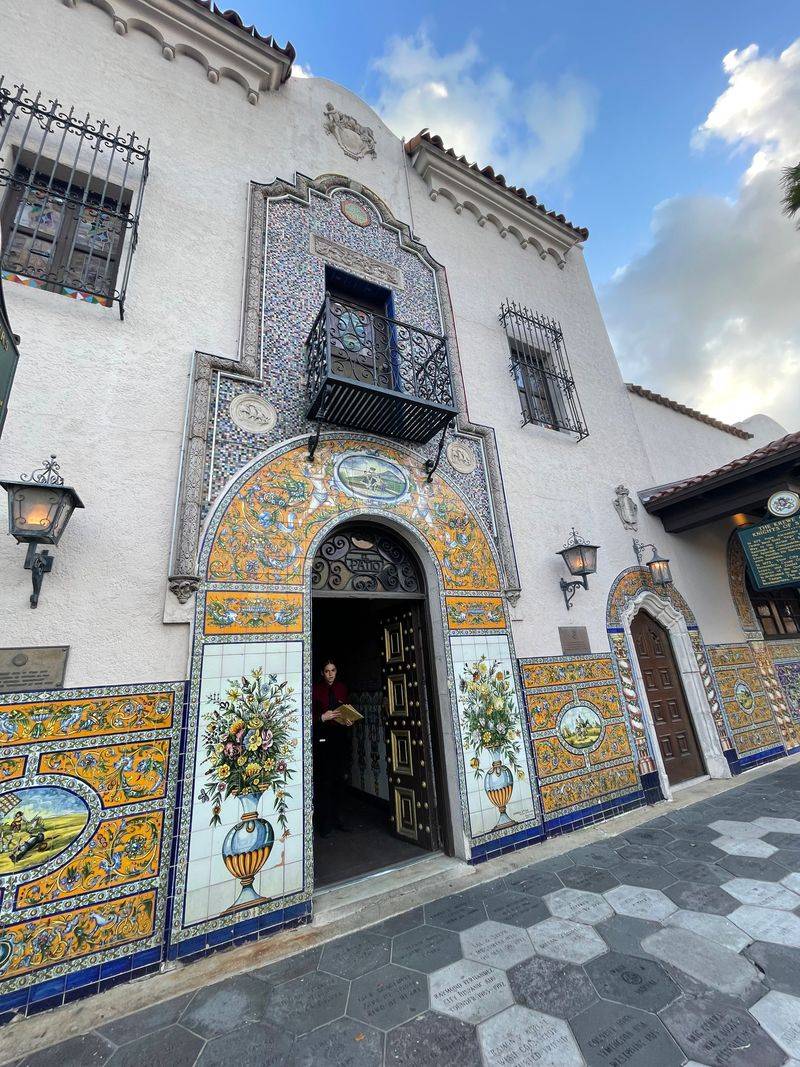
Opening in 1905 makes this the oldest restaurant in Florida and the largest Spanish restaurant in the world. The original location in Ybor City, Tampa still operates in the same building where Cuban and Spanish immigrants gathered over a century ago.
Fifteen dining rooms spread across an entire city block, each decorated with hand-painted tiles imported from Spain.
The famous 1905 Salad gets tossed tableside by skilled servers who have perfected the theatrical presentation. Cuban sandwiches and paella showcase recipes passed down through four generations of the same family.
A flamenco show performs nightly, continuing a tradition that started in the 1950s.
Stained glass skylights filter colored light onto white tablecloths below. The Don Quixote dining room features a massive mural depicting scenes from the classic Spanish novel.
Walking through these rooms feels like stepping into another country and another time, where Old World elegance still matters.
6. Old Key Lime House
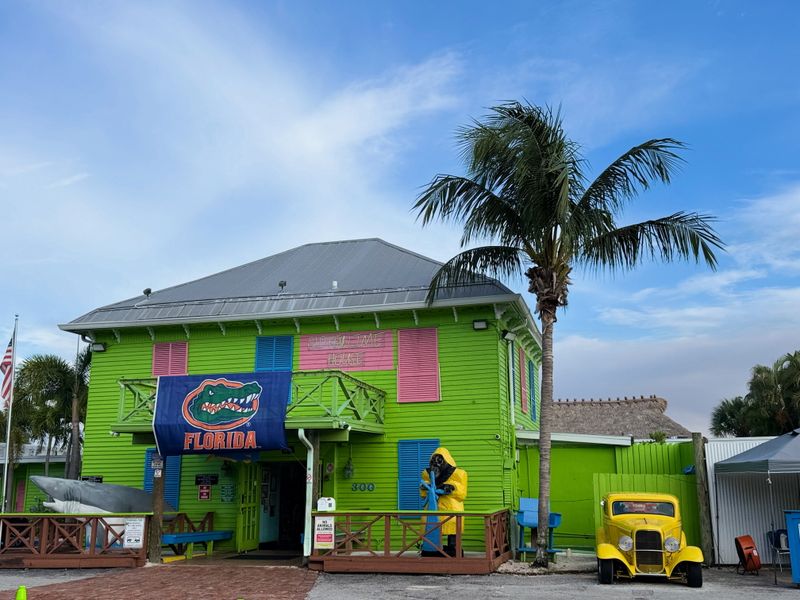
Built in 1889 as a home for a Florida pioneer family, this structure became a restaurant decades later while keeping its residential charm. Large windows overlook the Intracoastal Waterway where boats drift past during meals.
The location in Lantana puts diners right on the water with views that change constantly as vessels navigate the channel.
Key lime pie made from scratch using authentic Key limes tastes exactly as it should, tart and creamy. Fresh fish comes straight from local boats, prepared with simple seasonings that let quality ingredients speak for themselves.
Wooden floors creak slightly underfoot, reminding guests of the building’s age and character.
Outdoor seating under thatched chickee huts provides the most popular tables. Sunset transforms the water into shades of orange and pink while pelicans dive for their own dinners.
This restaurant preserves a slice of coastal Florida history while serving food that honors traditional recipes and local seafood traditions.
7. Okeechobee Steakhouse
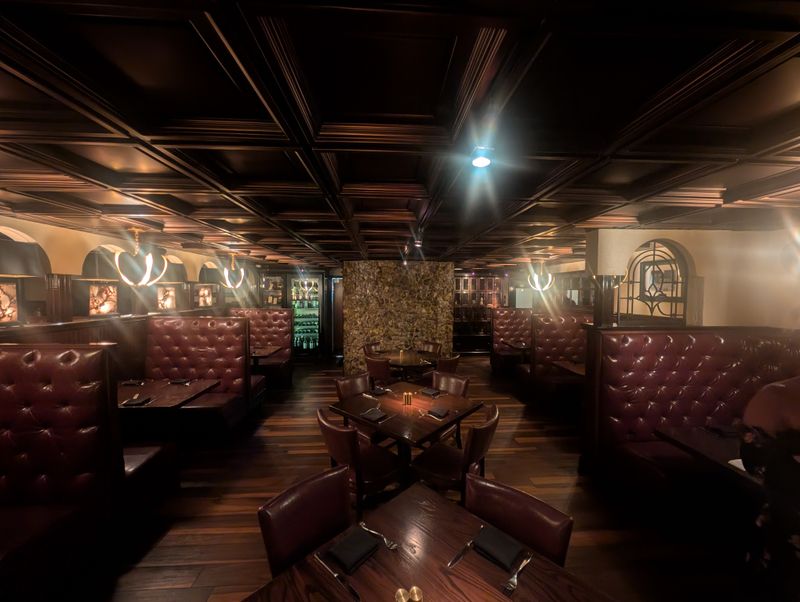
Cattle ranching built Central Florida long before tourists discovered the state, and this steakhouse honors that heritage. Located in the town of Okeechobee, the restaurant sits in the heart of Florida cowboy country where working ranches still operate.
Beef comes from nearby farms, ensuring freshness and supporting local ranchers who continue traditional practices.
Thick steaks sizzle on hot grills while baked potatoes arrive loaded with butter and sour cream. The atmosphere feels authentically Western with ranch brands burned into wooden walls.
Black and white photographs show cowboys on horseback herding cattle through Florida prairies that most people never knew existed.
Locals fill the dining room on weekend nights, swapping stories about cattle and weather. The restaurant opened decades ago when the town was even smaller and more isolated.
Eating here connects visitors to Florida’s ranching past, a part of state history often overshadowed by beaches and entertainment parks but equally important to understanding real Florida culture.
8. The Gasparilla Inn Main Dining Room
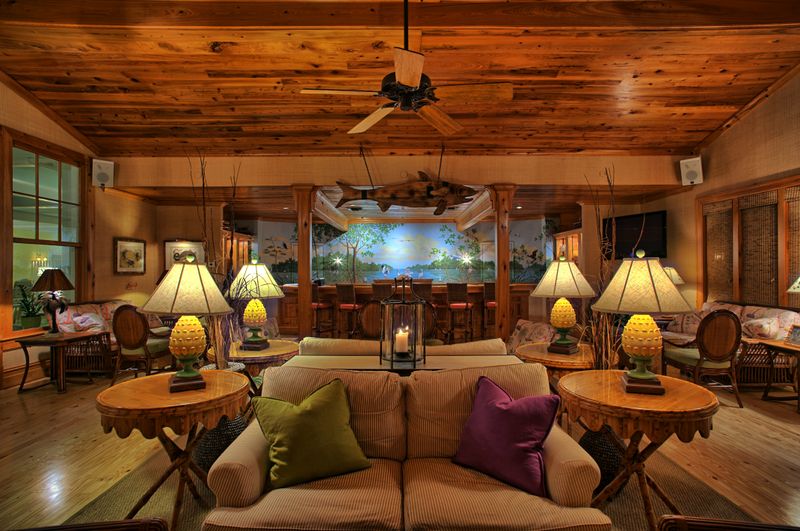
This grand dining room has served guests since 1913 when wealthy northerners discovered Gasparilla Island as a winter retreat. The inn maintains strict dress codes and traditions that transport diners back to an era of formal elegance.
Men wear jackets while women dress in their finest, creating an atmosphere of occasion and refinement rarely found anymore.
Crystal chandeliers hang from high ceilings above tables set with fine china and silver. The menu changes seasonally but always features carefully prepared dishes using classical techniques.
Service follows old-school standards where waiters anticipate needs before being asked.
Tall windows frame views of manicured lawns and historic cottages dotting the property. The inn sits on Boca Grande, a barrier island that has resisted overdevelopment and maintained its quiet character.
Dining here feels like joining a private club from the past, where meals are events to be savored slowly and conversations matter as much as the food itself.
9. Seminole Inn Windsor Dining Room
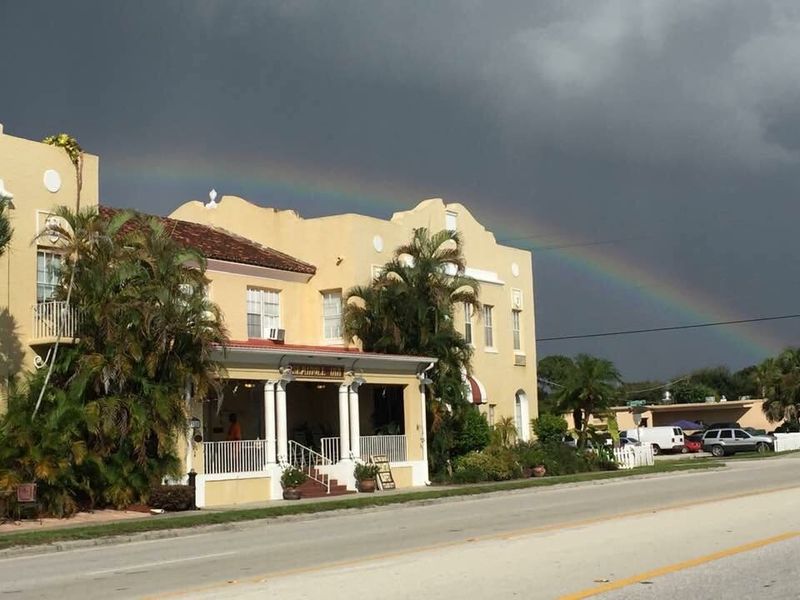
Railroad magnate S. Davies Warfield built this inn in 1926 to house wealthy sportsmen coming to Florida for hunting and fishing.
The Windsor Dining Room retains its original grandeur with tall ceilings and elegant furnishings from that golden age. Located in tiny Indiantown, far from tourist areas, the inn attracts visitors specifically seeking authentic historical experiences.
Southern-style cooking dominates the menu with fried chicken, country ham, and fresh vegetables prepared using time-tested methods. Biscuits arrive hot from the oven, flaky and buttery.
The dining room operates primarily for Sunday brunch when locals and travelers mix together at communal tables, sharing stories and passing platters family-style.
Original light fixtures cast warm glows across hardwood floors. The entire inn underwent careful restoration to preserve architectural details while updating necessary systems.
Eating in this dining room connects guests to Florida’s development era when railroads opened remote areas and grand hotels welcomed adventurous visitors seeking wilderness experiences with civilized comforts.
10. Old City House Inn & Restaurant
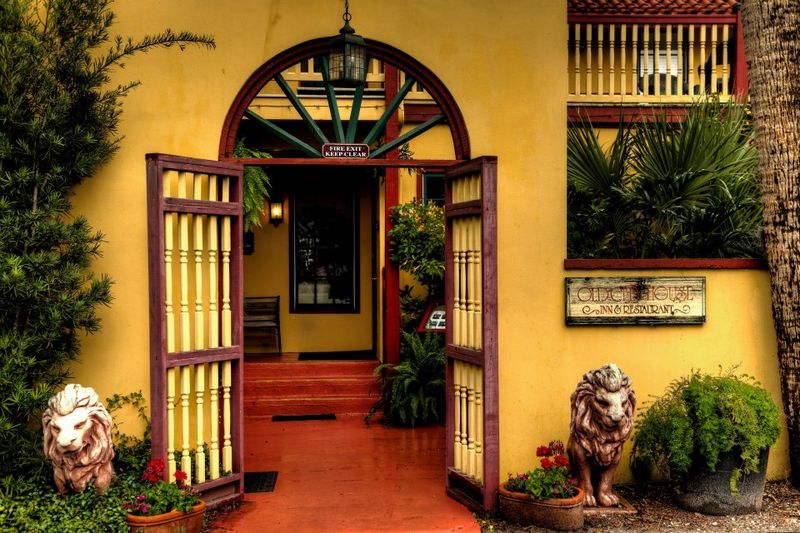
St. Augustine claims the title of oldest continuously occupied European settlement in America, and this restaurant fits perfectly into that ancient cityscape. The building dates back centuries, with thick walls and low ceilings characteristic of Spanish colonial construction.
Dining rooms occupy spaces that once served completely different purposes when Spain controlled Florida.
The menu blends Spanish, Caribbean, and Southern influences reflecting the many cultures that shaped St. Augustine. Shrimp and grits share menu space with Cuban-inspired dishes and fresh local seafood.
Exposed wooden beams overhead and tile floors underfoot create authentic period atmosphere without feeling like a museum.
Narrow streets outside date to the 1500s, lined with buildings almost as old. Tourists wander past heading to famous sites while diners inside enjoy meals in this lesser-known historic gem.
The restaurant succeeds by treating history as living context rather than static display, serving food that honors tradition while satisfying modern appetites in a genuinely historic setting.
11. Pepe’s Cafe
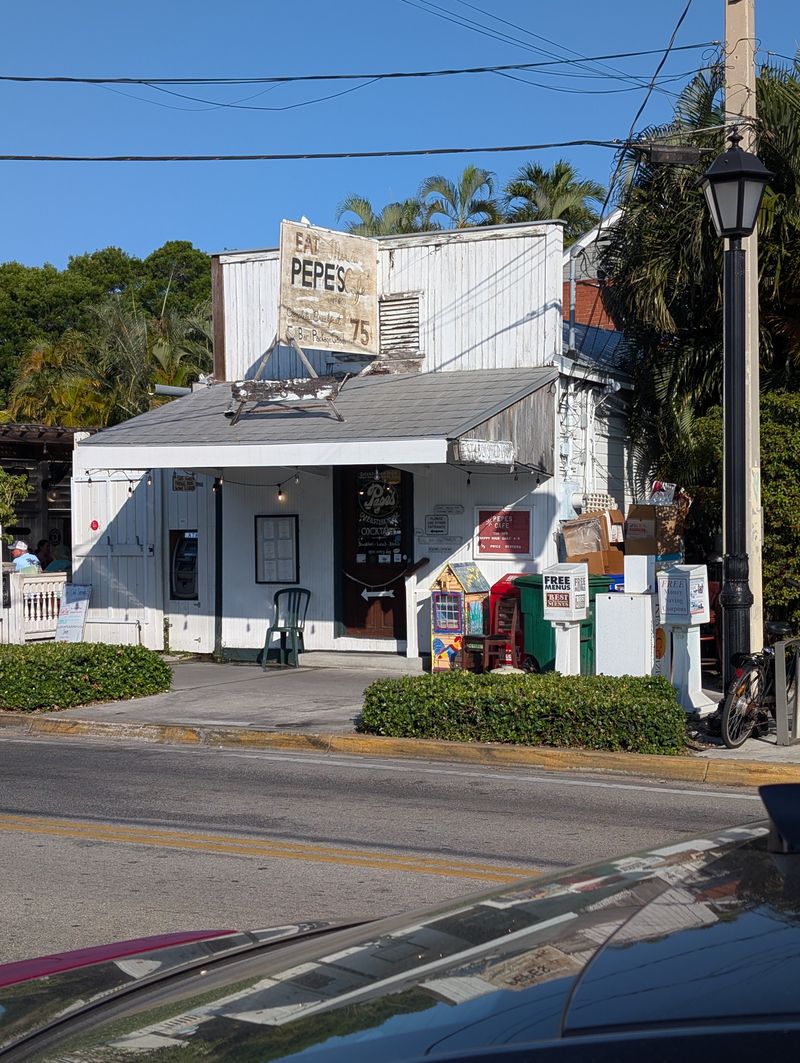
Opening in 1909 makes Pepe’s the oldest eating establishment in the Florida Keys. The restaurant survived hurricanes, economic downturns, and changing ownership while maintaining its commitment to simple, honest food.
Located just off Duval Street in Key West, it offers refuge from tourist crowds while staying close to the action.
Breakfast draws the biggest crowds, with locals lining up for perfectly cooked eggs and crispy hash browns. The outdoor garden patio provides the best seating under shade trees where chickens wander freely, a quirky Key West tradition.
Cuban coffee arrives strong and sweet, prepared the traditional way.
Wooden walls inside display vintage photographs of Key West when it was a isolated outpost connected to mainland Florida only by boat. The menu stays straightforward without trendy additions, focusing on breakfast classics and fresh seafood.
This approach has worked for over a century, proving that good food served consistently in a genuine historic setting never goes out of style.
12. A&B Lobster House
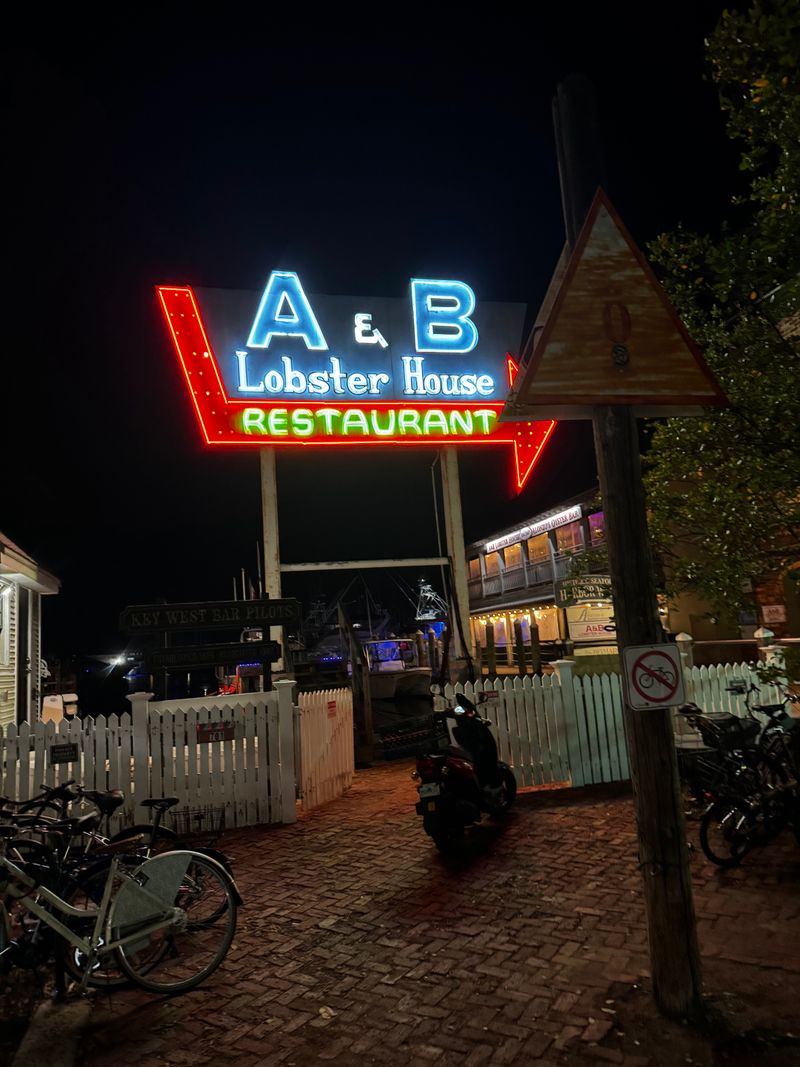
Perched right on Key West Harbor, this restaurant puts diners at the edge of the water where fishing boats unload their catches. The building has housed various seafood restaurants since the early 1900s, evolving with the times while maintaining its essential character as a working waterfront eatery.
Sunset views across the harbor provide natural entertainment as the sky explodes in tropical colors.
Lobster arrives multiple ways, from traditional boiled to stuffed and baked, all featuring meat so fresh it was swimming that morning. Conch fritters and stone crab claws showcase other local specialties.
The upstairs dining room offers the best vantage point for watching harbor activity while enjoying your meal.
Ships of all sizes pass by during dinner, from massive cruise vessels to tiny fishing skiffs. The restaurant balances tourist appeal with local authenticity, a difficult combination many places attempt but few achieve successfully.
History lives in the location itself, where generations have gathered to eat seafood and watch the endless parade of boats navigating these legendary waters.