
This Historic New York Restaurant Still Sets The Standard For Fine Dining, Even In 2026
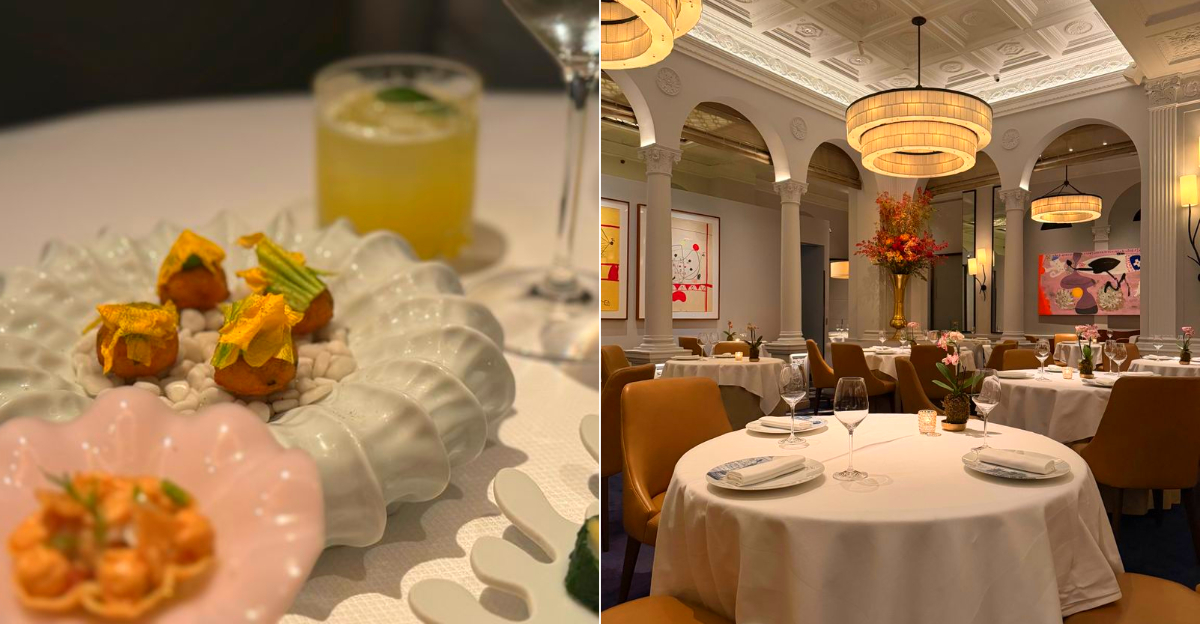
New York has no shortage of fancy restaurants, but every now and then, you stumble across one that makes you sit up straighter, sip your drink slower, and suddenly feel like you should’ve dressed slightly better. This historic New York dining legend has been quietly showing everyone how fine dining is done for generations, and somehow, it still feels just as exciting in 2026.
Walking in feels a bit like stepping into a glamorous time machine, except the food is better than anything your great-grandparents ever bragged about. The service is so polished you might briefly wonder if they can read minds.
If you’ve ever wanted a meal that feels equal parts celebration, history lesson, and “wow, I need to tell someone about this immediately,” this New York place delivers.
A Timeless Welcome On East 65th

First impressions begin outside with a calm stretch of the Upper East Side, where the glow from the awning makes the entrance easy to spot without flash. Restaurant Daniel is located at 60 E 65th St, New York, NY 10065, inside a gracious corner space that feels both formal and inviting.
A doorman offers a steady hand with the door, and the lobby hush softens the switch from street to dining room.
Hosts move with unhurried rhythm, guiding arrivals to the lounge or table depending on the reservation. Jackets are appreciated for the main room, and a friendly reminder helps set the tone without pressure or fuss.
Arriving a few minutes early allows time to settle into the lighting, which is bright enough to read a menu yet gentle on the eyes.
The soundscape stays measured, with a low murmur that keeps conversations comfortable. Seating has balanced cushioning and proper table height, so posture feels natural and relaxed throughout a long meal.
From the start, service cues are clear and considerate, making the welcome feel smooth and reassuring.
Inside The Dining Room
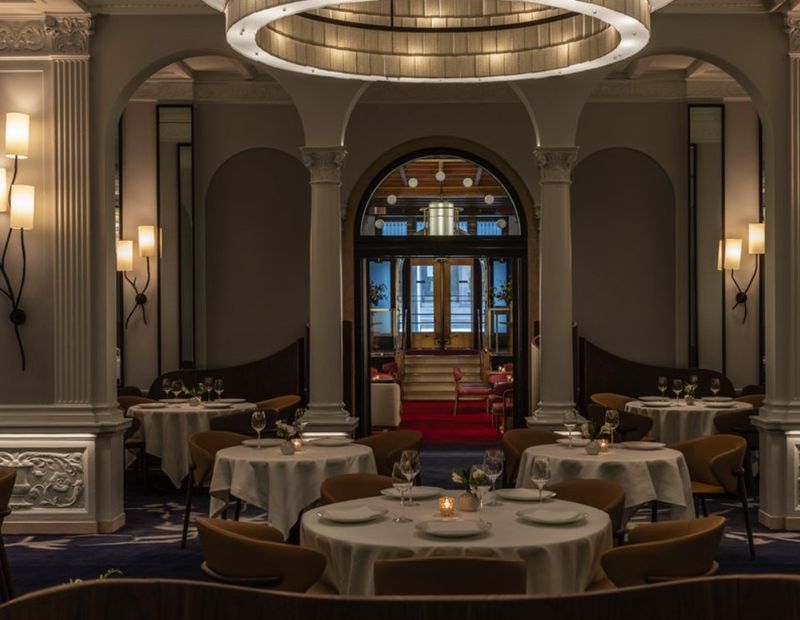
The dining room opens with high ceilings, gentle chandeliers, and white tablecloths that set a steady visual rhythm. Soft spotlights frame each place setting, and the neutral palette lets the plates stand out without distraction.
Servers glide through generous aisles, so there is space to move without chairs brushing nearby tables.
Chairs support the lower back, and banquettes offer stable cushioning rather than sink-in softness. Conversation carries at a low volume, and the room’s drapery keeps echoes in check for easier hearing across the table.
The atmosphere feels ceremonial, but the timing stays human, allowing breathers between courses rather than piling plates too close together.
Menus arrive already aligned and easy to navigate, with clear fonts and steady descriptions. Guests often choose between a seasonal tasting and a prix fixe, each moving at a measured pace.
Lighting stays consistent from first bite to mignardises, so photos read clearly and the final moments never feel rushed.
Service Rhythm And Comfort
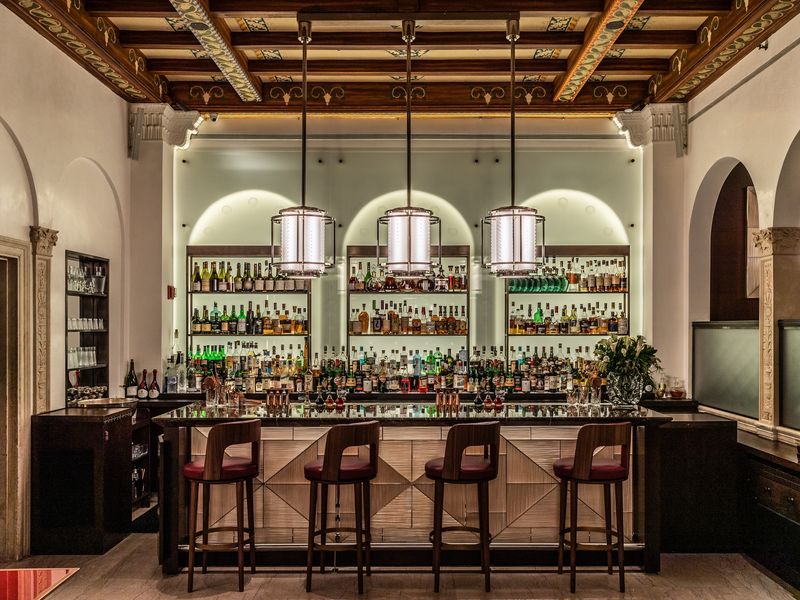
Service at Daniel follows a quiet choreography that keeps attention on the table rather than on ceremony. Captains guide the flow while servers present and clear with controlled, even motions that reduce clatter.
Napkins are reset without intrusion, and water refills arrive before the need to ask.
The pacing adapts to conversation, slowing slightly during longer chats and tightening when courses finish quickly. Questions about allergies and preferences are handled with clarity and notes are relayed across the team, so follow-through stays consistent.
If a course feels out of step, a discreet check-in offers a thoughtful adjustment without pressure.
Coat check, kitchen tours when offered, and a warm farewell bookend the evening with the same steady tone as the welcome. Gratuity is not automatically added, and receipts come organized with itemization for easier review.
By the time petit fours appear, comfort remains intact, and the final details land with calm precision.
Menus And Seasonal Structure
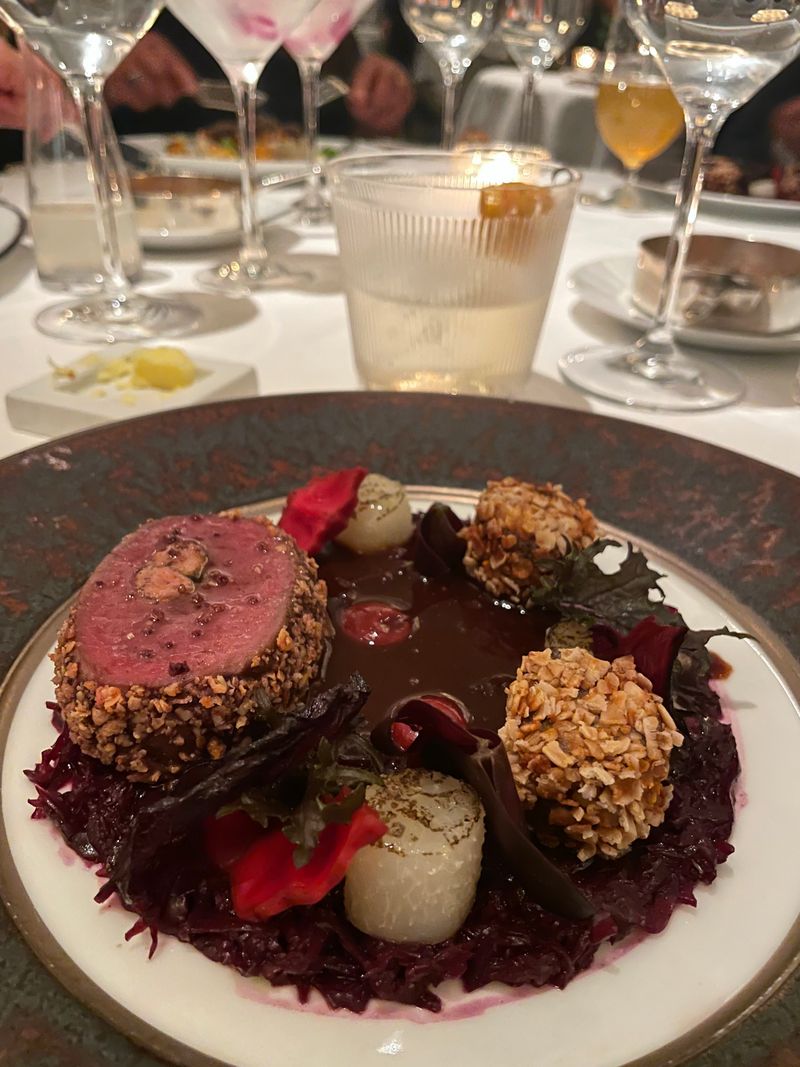
Daniel’s menus center on seasonal French technique, with tasting formats that emphasize balance and clean transitions. Courses progress from lighter seafood to richer meats, finishing with composed desserts and a small flourish of mignardises.
The descriptions read spare and direct, leaving room for the plate to speak first.
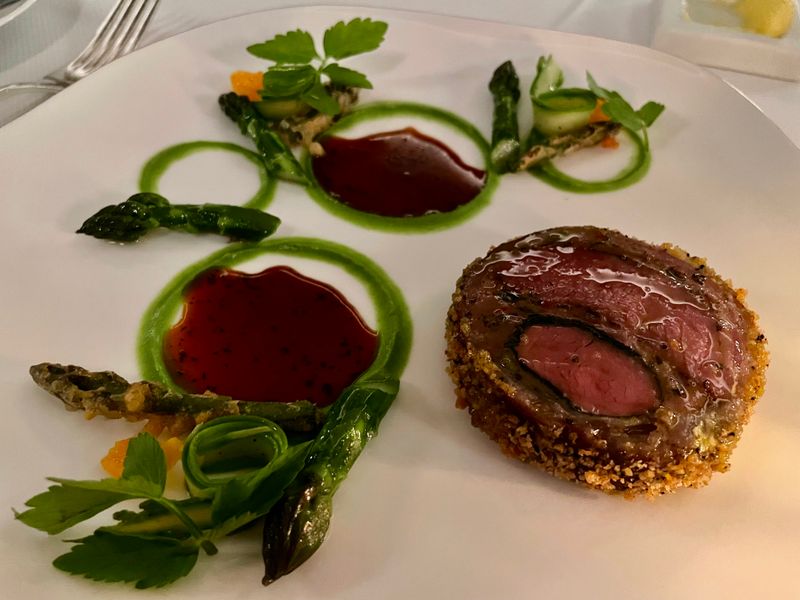
A typical evening may include Maine sea scallops or black cod, followed by a precise duck course with careful carving and tempered sauces. Vegetarian needs or shellfish allergies are handled with advance notice, and the kitchen adjusts textures without overcompensating with sweetness or salt.
Portions feel measured, so appetite stays steady through the final plate.
Pricing reflects the setting and level of craft, and reservations help secure the main room rather than the lounge when a slower pace is preferred. Staff offers simple guidance on order of bites and temperature, and there is no rush to finish any course.
The arc of the menu favors clarity and restraint over spectacle, which keeps the experience grounded.
Dietary Care And Communication
Thoughtful communication shapes a stress-free meal, especially for guests with dietary needs. Advance emails or a quick call allow the team to log restrictions and confirm safe approaches before the visit.
On arrival, a calm recap at the table reinforces trust without drawing attention.
The kitchen’s adjustments favor integrity of texture, shifting garnishes and sauces while retaining the menu’s structure. Cross-contact concerns are taken seriously, with clear notes passed from host to captain to station, which reduces last-minute confusion.
Time between courses allows room for extra checks, so the pace remains steady instead of stop-start.
Service language stays straightforward and warm, outlining substitutions without dramatic framing. If uncertainty arises, captains return with precise answers rather than approximations, and that candor feels reassuring.
The result is a meal that keeps flavor and safety aligned, letting focus return to conversation and comfort.
Best Times To Visit
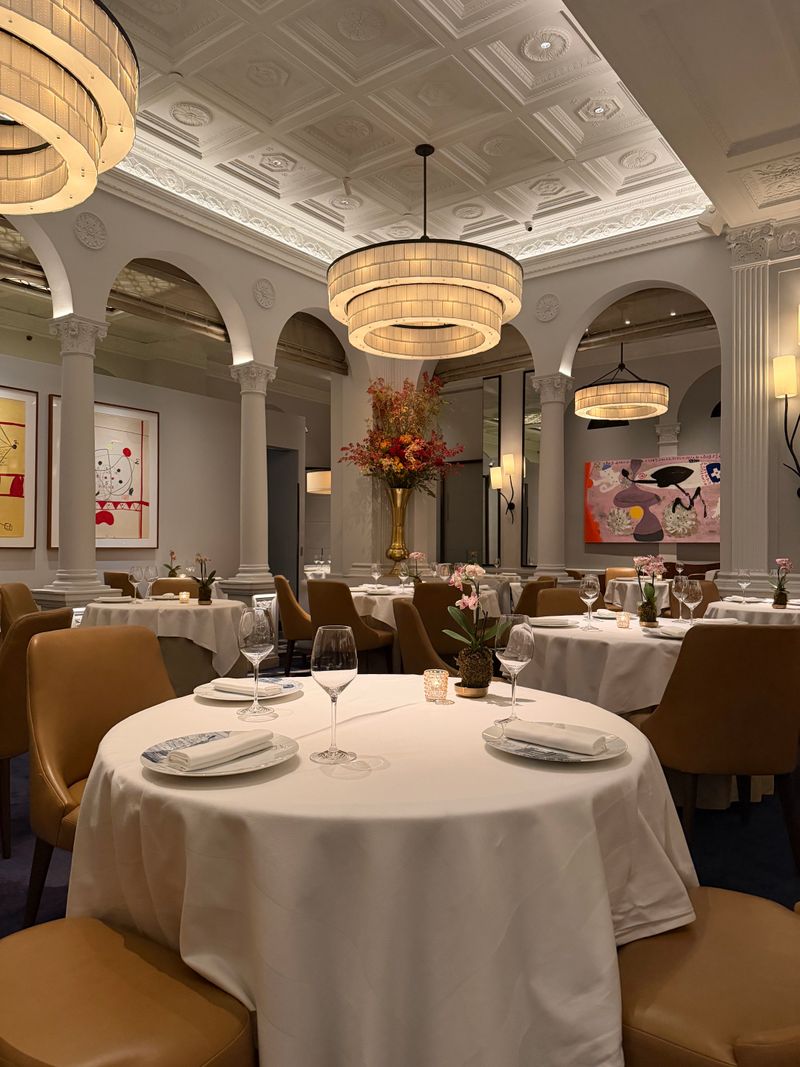
Planning the visit shapes both comfort and pace. Early evening seatings at opening time offer a quieter room and slightly wider spacing between courses, which suits longer conversations.
Later seatings bring a fuller hum that feels celebratory without hitting a shout.
Weeknights often deliver steadier flow than weekends, with captains having a touch more time to answer questions in detail. For celebrations, booking well ahead secures the main dining room, while the lounge offers flexibility when the book is full.
Checking hours matters, since the restaurant operates dinner service from Tuesday through Sunday.
Arriving on time prevents a compressed cadence, and allowing a two to three hour window keeps the experience unhurried. A brief look at the menu online clarifies expectations and lets the table focus on textures and pacing rather than quick decisions.
Departing after mignardises feels natural, closing the evening on a composed, relaxed note.
Lounge Comfort And Flexibility
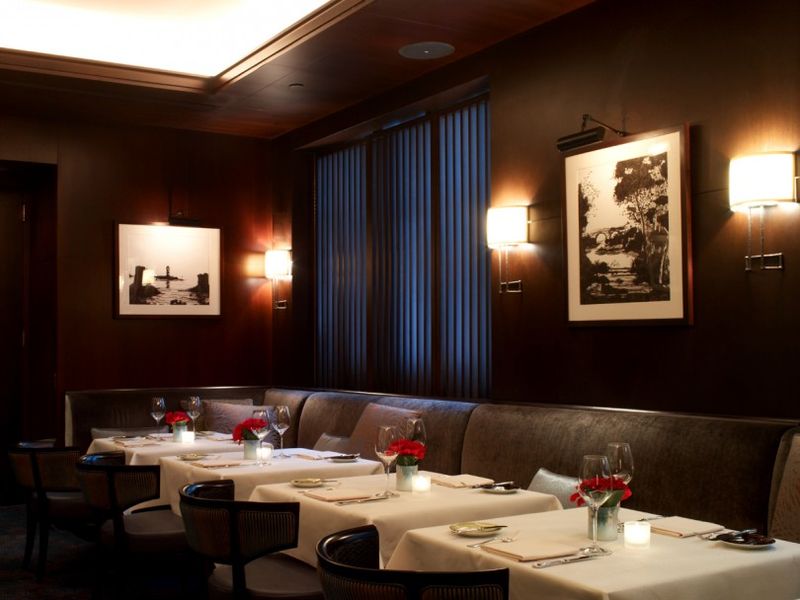
The lounge provides a softer landing when the dining room is fully booked or when a shorter visit feels right. Lighting runs a touch dimmer than the main room, and seating mixes small tables with comfortable chairs that keep posture upright.
Sound remains moderate, so conversations stay clear without leaning in.
Menus in the lounge feature selections that echo the dining room’s restraint with a shorter arc and simpler cadence. Service remains attentive, and staff can guide whether to extend the experience with additional courses.
For guests testing the waters, this space offers an approachable way to learn the style before a longer tasting.
While the room feels relaxed, details like warmed plates, polished cutlery, and clean course transitions still hold. Timing remains smooth even during busier peaks, and dishes arrive with the same attention to temperature and finish.
Exits are easy, making it a considerate choice for earlier evenings or midweek plans.
Cellar Selections And Pairing Poise
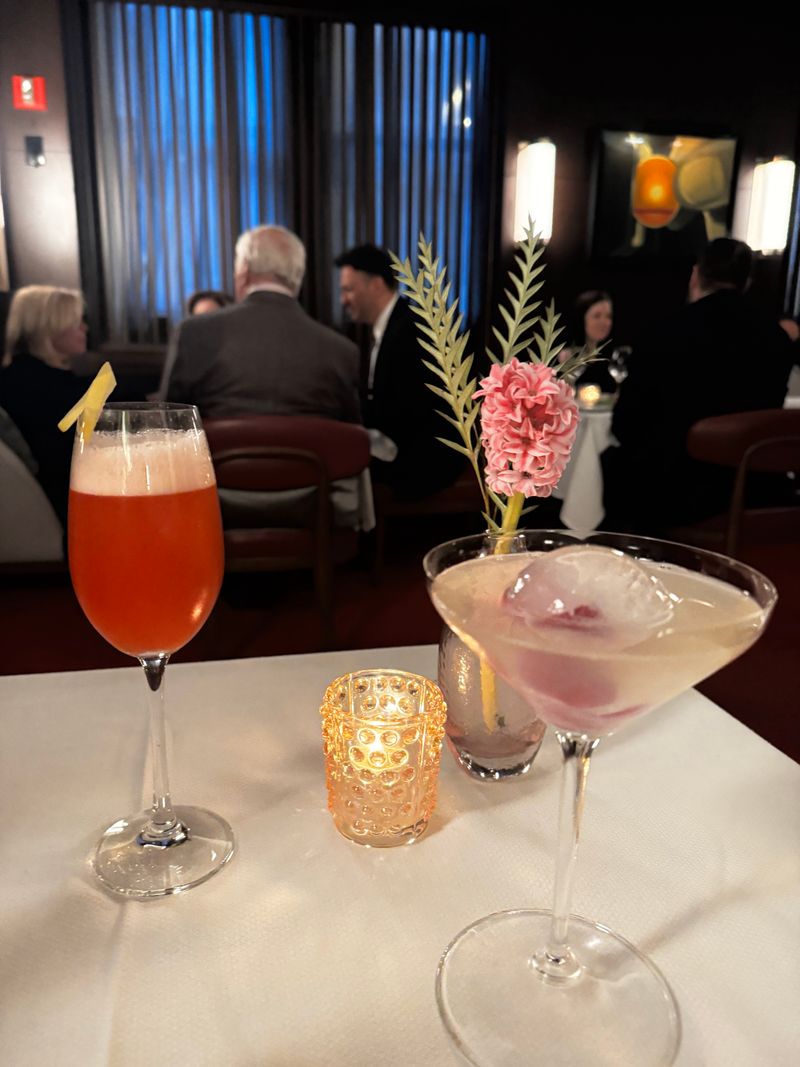
The drink list reads like a map of patience, with verticals that let you taste time, not just labels. A sommelier approaches without hurry, asks how you like to feel rather than what you want to spend, and begins to translate.
Glassware arrives polished, cool to the touch, and poured at a pace that keeps conversation flowing.
Pairings match texture before flavor, so sauces meet their echo and aromatics find lift. You might start with a lighter choice that cushions the first bite, then a precise Riesling that cleans the palate.
Reds are decanted only when necessary, never for show, always to serve the moment.
Kitchen Craft And Quiet Theater
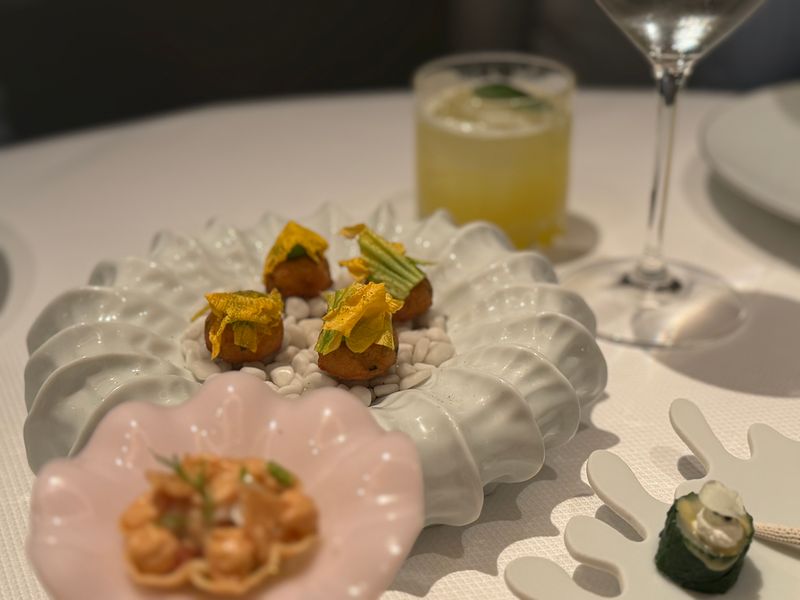
From the pass, plates move like small performances, quietly rehearsed and never rushed. Sauces find the center with clean lines, while garnishes land with intention, not fuss.
Heat, chill, and timing meet where the servers glide in, so courses arrive warm, level, and ready for their first photographless bite.
Seasonality shows in color and restraint, with richness balanced by acidity you notice only after the last forkful. Proteins are cooked to the edge of tenderness, then stopped on a dime.
The kitchen speaks softly through consistency, and you feel it most when you forget to check the clock.
Finishing Touches And Farewell

The end of the meal arrives with a gentle cadence rather than a hard stop. Mignardises appear neatly arranged, and warm madeleines may leave a light citrus aroma that lingers without overpowering coffee or tea.
The table is cleared with quiet precision, and the final check arrives organized and easy to read.
Staff often offers a brief tour of the kitchen when workflow permits, adding context to the care seen at the table. Farewells feel personal but never prolonged, and coats are returned promptly without a scramble at the door.
The room’s lighting holds steady so the transition back to the street does not feel abrupt.
Stepping outside, there is a sense of time well kept, with appetite satisfied and senses steady. The address anchors the memory as much as the dishes, thanks to consistent pacing and considerate service.
The standard here rests on comfort, clarity, and craft carried all the way through the last bite.