
This Massive New York Museum Filled With Over 170 Rare And Classic American Cars Is Worth Visiting This Year
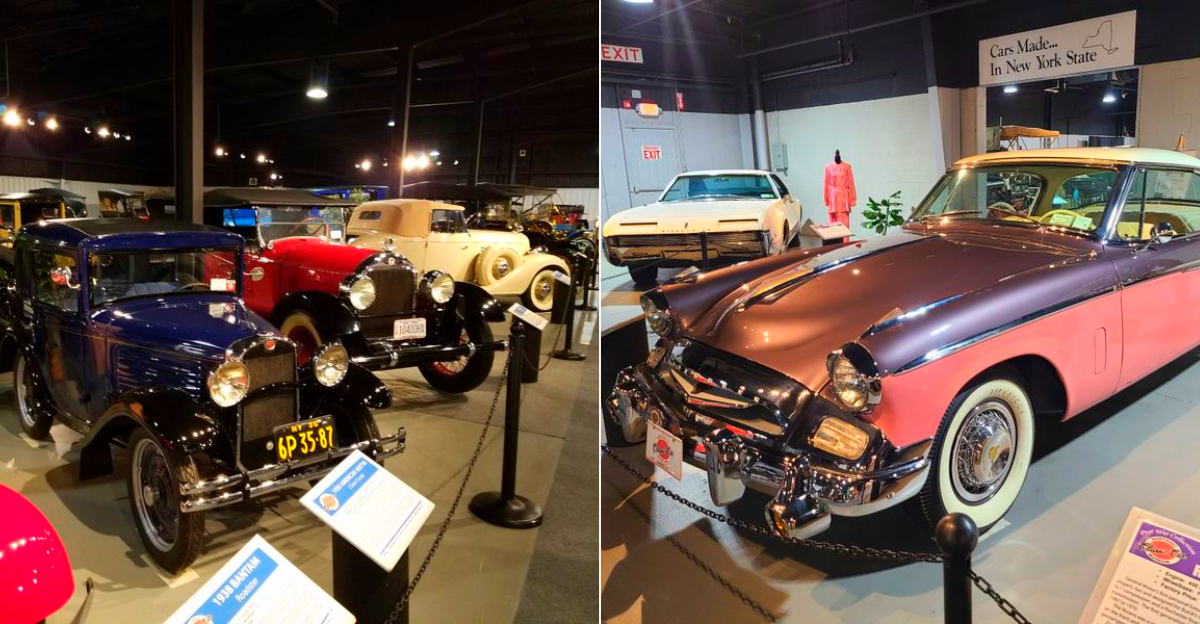
Shiny fenders, polished dashboards, and the gentle nostalgia of classic road trips greet visitors stepping into this remarkable automotive treasure trove in New York.
You’ll see row after row of beautifully preserved vehicles captures the evolution of American design, engineering, and cultural identity across decades.
Enthusiasts and casual visitors alike find themselves slowing down to admire vintage craftsmanship and surprising historical stories attached to each model.
This New York Car Museum gradually emerges as a destination where history and innovation meet under one roof for curious travelers seeking timeless inspiration. So, why not take a look? You’ll be surprised with how fun old cars can be!
Why This Museum Is So Special
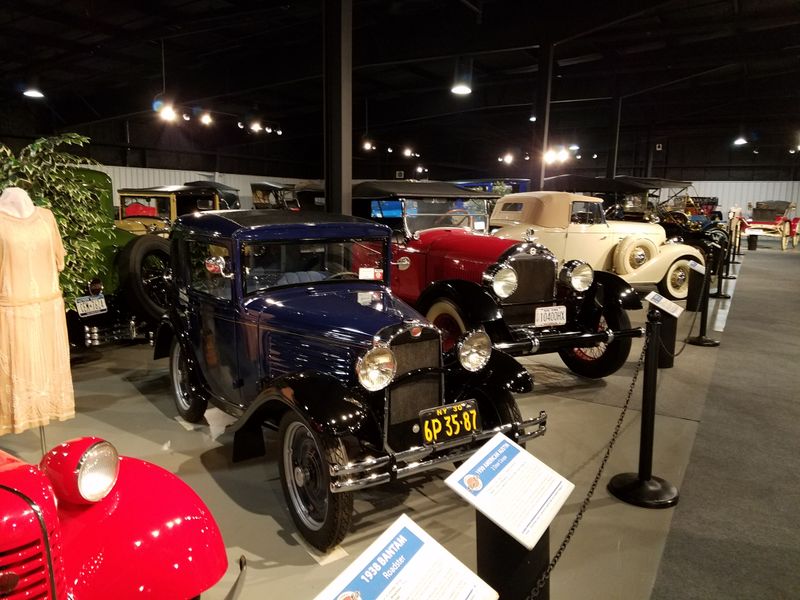
Everything, from first impressions to the exhibitions themselves speaks volumes. First impressions at 24 Rexford Street set the tone with an easy check-in, a tidy gift shop, and a lobby that favors welcome over spectacle.
Staff greet you with steady good humor and precise directions, pointing you toward the first gallery like ushers at a quiet matinee. The map shows five climate-controlled buildings, which immediately suggests pace and patience rather than a sprint.
Crossing the threshold into the collection, you notice how sightlines are planned, not improvised, and how polished floors frame each car like a careful stage. Placards are informative without fuss, balancing key dates, price when new, and bits of context that help you connect the dots.
Volunteers add color when asked, then step back so the machinery can speak.
Movement feels natural as eras blend gently, and temperature stays steady enough that you barely think about it. Benches appear where they should, perfect for a minute of quiet looking or settling a small debate about grilles and trim.
Before you realize it, you have adjusted your stride to the museum’s cadence, slow enough to notice coachlines, fast enough to keep curiosity awake.
Made In New York, Built With Nerve
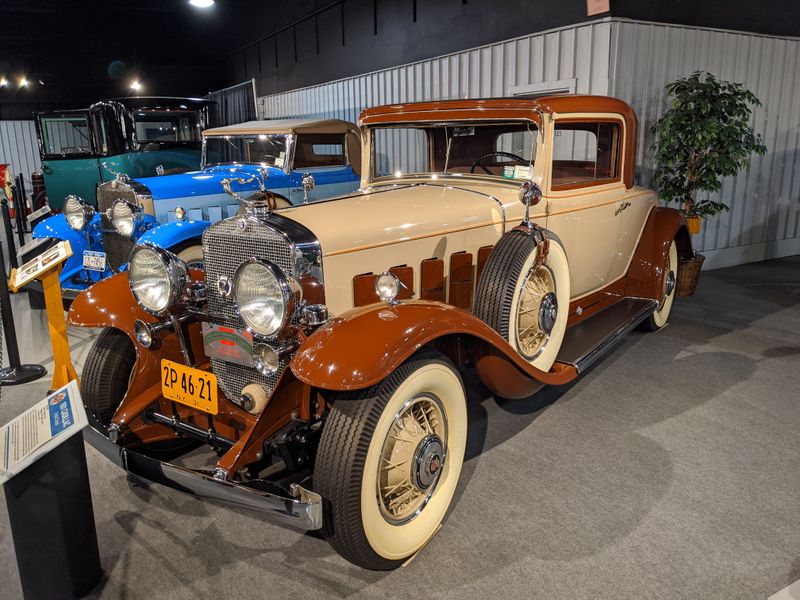
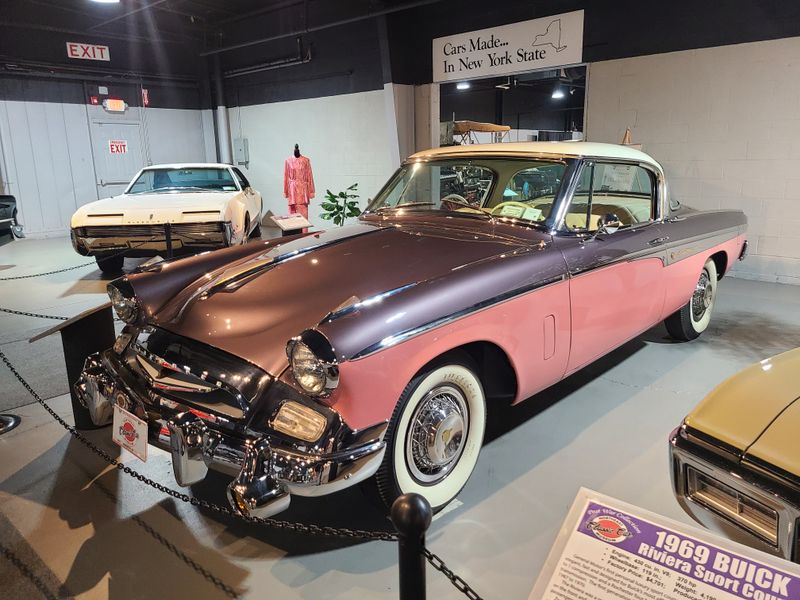
The Made in New York gallery folds regional pride into sound storytelling, placing Pierce-Arrow and Maxwell beside lesser-known badges with steady respect. A spare state map on the wall ties factories to towns, showing how workshops and rail lines fed each other.
Display cards anchor the context with labor, patents, and price, not just names and dates.
What stands out is the variety, from formal touring cars to practical runabouts that kept summer roads honest. Chrome may attract the eye, but fit and finish make the better argument, and the museum lets those details breathe.
You begin to see New York not only as a destination but as a workshop humming with resolve.
Visitors linger here, tracing lineage and tracing routes, then trading small stories about family cars and local roads. The tone is low-key and generous, letting curiosity set the pace.
Leaving this room, you carry a clear sense that innovation once traveled on familiar streets and ordinary mornings.
Pre-War Foundations And Early Ingenuity
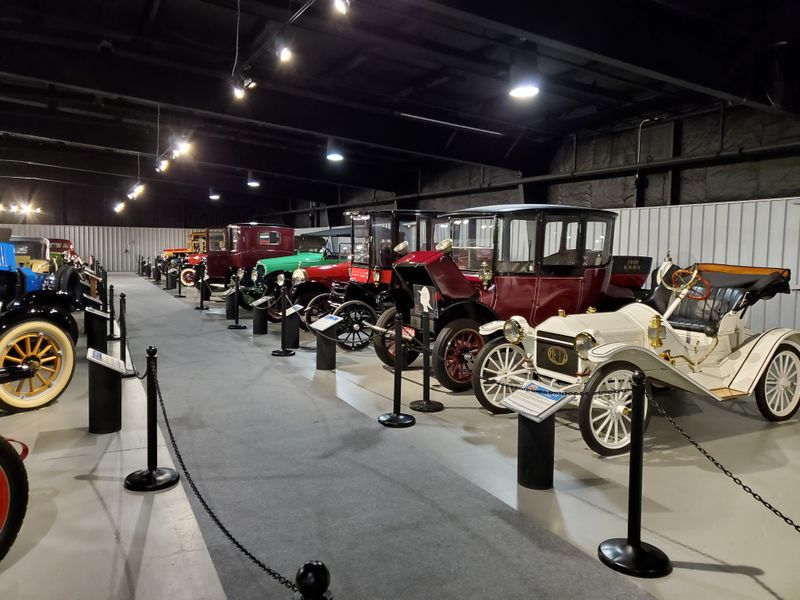
The pre-war collection draws you in with quiet authority, where brass glints under soft lights and engines wear their innovation without swagger. Early 1900s runabouts sit near 1920s tourers, bridging the restless dawn of motoring with the steadier confidence of established roads.
Bodywork looks upright and honest, and you can almost feel the handshake between carriage and car.
Placards explain engineering choices with clarity, noting lubricants, cooling strategies, and evolving gearboxes. You learn how coachbuilders negotiated weight and elegance, and how drivers managed comfort with curtains and clever vents.
The gallery uses period backdrops sparingly, enough to cue the era without crowding the cars.
What holds attention is the practicality of these pioneers, from acetylene lamps to hand-crank rituals that demanded a careful wrist. Wheels stand tall, tires thin, and seating rises a bit like a front porch, inviting and slightly formal.
Standing between them, you sense the distance covered by simple improvements, each tick forward earned by trial, error, and uncommon patience.
Post-War Lines And The Art Of Confidence
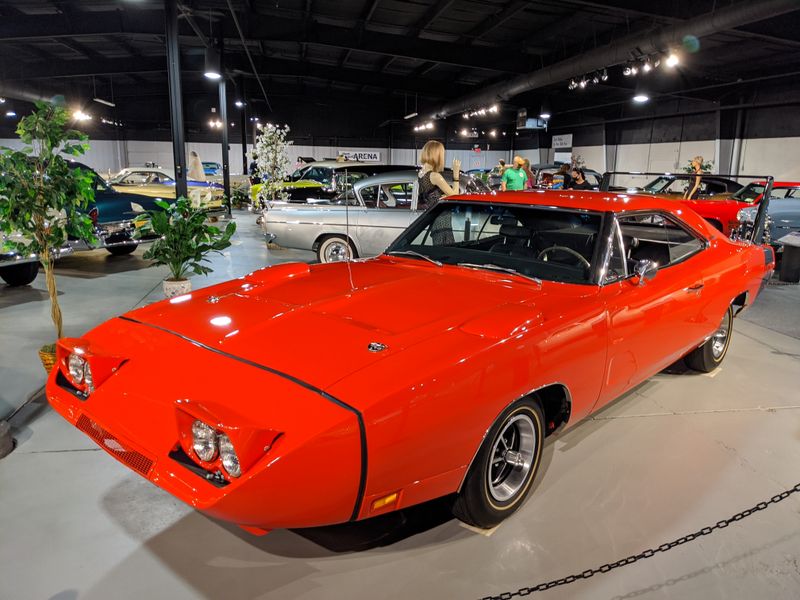
Stepping into the post-war rooms of the Northeast Classic Car Museum, you feel the mood change from caution to confidence as paint gleams and chrome relaxes into long, sure lines. The 1950s deliver generous curves and broad grilles, while the 1960s sharpen the stance with cleaner profiles and quieter trim.
Designers seem to stretch their legs at last, and the cars show it.
Displays focus on advances that reshaped daily driving, from automatic transmissions to power steering and safer glass. You learn about assembly techniques and how marketing nudged taste toward convenience, color, and weekend travel.
The exhibit respects nostalgia without letting it blur the engineering underneath.
Among the standouts, mid-century dashboards balance clarity with flourish, and seats feel plush even from a distance. There is room here for muscle, economy, and family haulers, each making a case for its moment.
Walking the row, you sense a country getting comfortable with speed, comfort, and the small rituals of the open road.
Fabulous Franklins And Air-Cooled Resolve
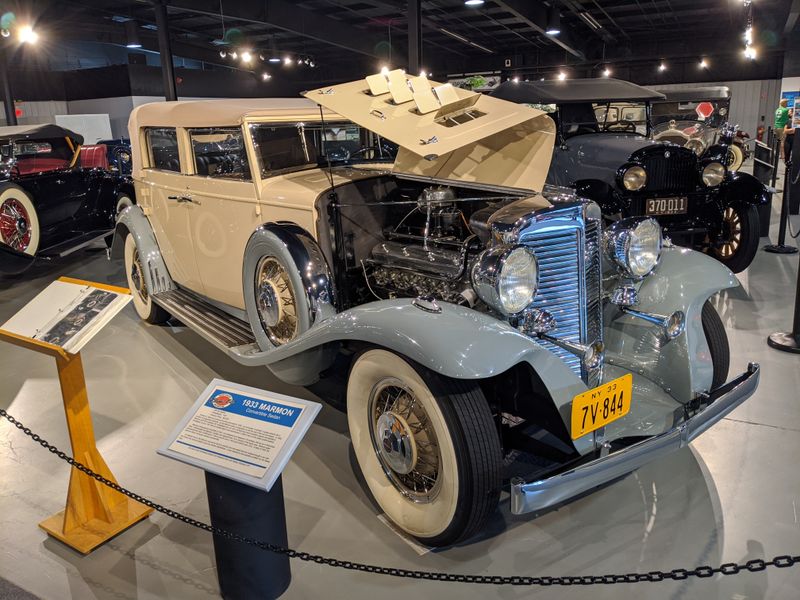
The Franklin gallery earns its reputation with range and depth, showing an air-cooled lineage that resisted the crowd and proved its point. Hoods lift to reveal tidy engines that traded radiators for clever ducting and lightweight logic.
Materials and weight were treated as first principles, not afterthoughts, and the cars carry themselves with serious composure.
Interpretive panels trace the company’s arc from promise to closure, placing each model within a timeline that respects both ambition and headwinds. You can study engineering cutaways, examine aluminum use, and see how marketing explained a cooling system that sounded unusual to many buyers.
The tone remains even, grateful to the technology rather than sentimental about it.
Standing close, you pick up on thoughtful ergonomics and cabin restraint that still feels modern. The collection’s scale lets you compare solutions across years and price points, sharpening appreciation one detail at a time.
By the exit, air-cooled confidence no longer feels eccentric, just assured, measured, and impressively consistent.
Motorcycles, Airplane Engines, And The Quiet Extras
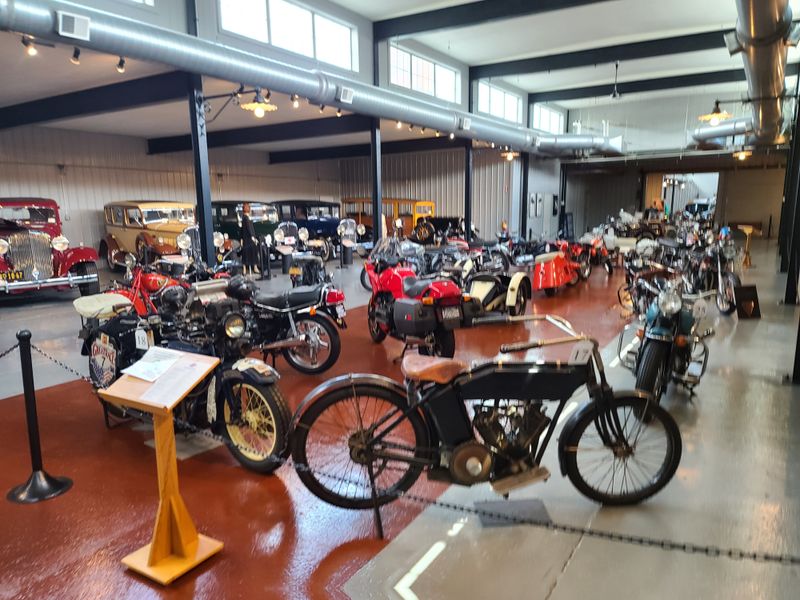
The motorcycle corner, sometimes called the Hog Pen, widens the picture with lean silhouettes and honest hardware. Bikes line up with a mechanic’s neatness, and placards favor useful facts over slogans.
You track how frames slim down, brakes improve, and seating adapts from upright errands to longer rides.
Nearby, the World War era engines draw a smaller crowd and reward the patient with knurled fittings, safety wire, and machining that speaks softly. These powerplants remind you that mobility spreads its bets across air and road, and that engineering thrives on constraint.
The display avoids drama and lets the workmanship hold center.
Before stepping out, you notice a rental room for events and a few seasonal rotations that keep the floor lively by June. Hours run 9 AM to 4:30 PM daily, a practical window that suits a measured visit.
If you plan well, two hours flow easily, and a third leaves space for quick returns to favorites.
Design Studios And Clay To Chrome
In the quieter wing, the mood shifts from horsepower to pencil lines. Drafting tables sit under soft lamps, strewn with vellum, wood bucks, and a few clay forms that still hold fingerprints.
You can almost hear the pencils scratching, designers tugging lines into graceful arcs.
Placards trace how a sketch grows into a show car, then a showroom sedan, with compromises that feel almost noble. Color chips carry names that taste like summer.
You linger at a wireframe body, its shadows cleaner than paint.
The gallery whispers a truth: before chrome, there was clay, and hands that worked slow.
Chrome, Cloth, And The Sunday Drive
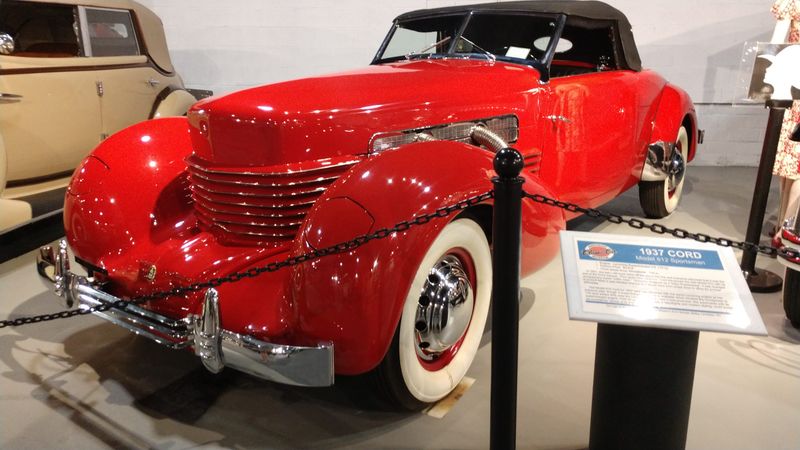
The last gallery feels like a Sunday afternoon bottled. Convertibles sit with their tops folded like crisp linen, and sedans wear two tone paint that turns floors into lakes.
Whitewalls circle quietly, the kind of detail you appreciate after the noise fades.
Inside, you find wool and vinyl stitched with care that never begged for attention. Radios glow with stations meant for long roads and short goodbyes.
A picnic set waits in a trunk that swallows time.
You do not rush here. You match your breath to the slow tick of a cooling engine and let the weekend last.
Steel, Wood, And The Coachbuilt Pause
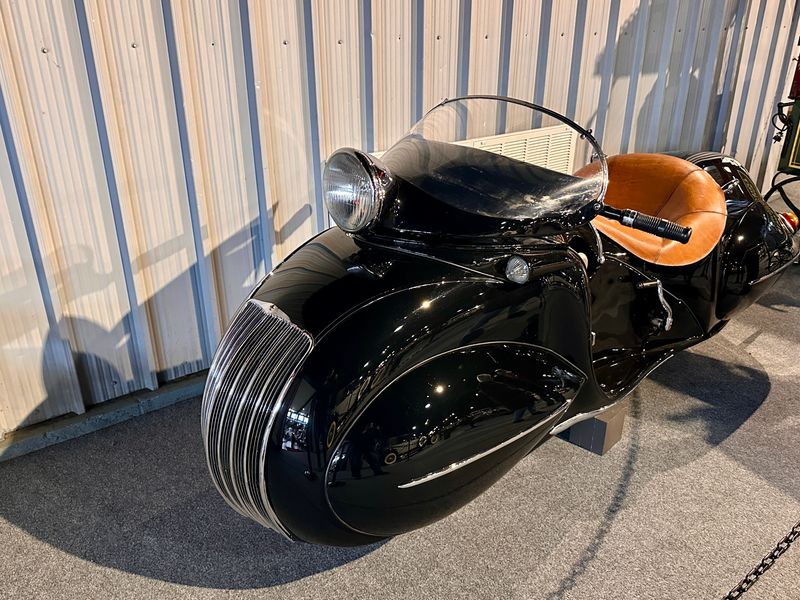
The coachbuilt room leans quiet and deliberate, where custom bodies sit like tailored suits on sturdy frames. You read small placards about firms that shaped metal with patient hands and bucked forms made from ash and oak.
Doors close with a hushed click that feels closer to furniture than factory.
Lines taper without hurry, and paint looks deep enough to swim in. You spot exposed hinges, folded roof irons, and leather tool rolls tucked behind seats.
The message lands gently. Luxury once meant collaboration, not volume, and the cars wear that truth like a signature stitched inside a lapel.
Racing Corners And Garage Guts
Turn left and the floor tightens like a chicane. A sprint car crouches low, nose chipped with old grit, while a stocker leans nearby wearing half its numbers and all its scars.
Tools rest on pegboards in neat rows that still suggest midnight thrash.
Track maps snake across the wall, lap times pinned to years when courage outran technology. A cutaway gearbox shows teeth polished thin by hope.
You can stand over a jack, feel your calves tense like you are listening for the flag.
Here, speed is memory, and memory smells faintly of hot brake dust.