
This Unique Florida Elephant Ranch Lets You Meet Gentle Giants Up Close
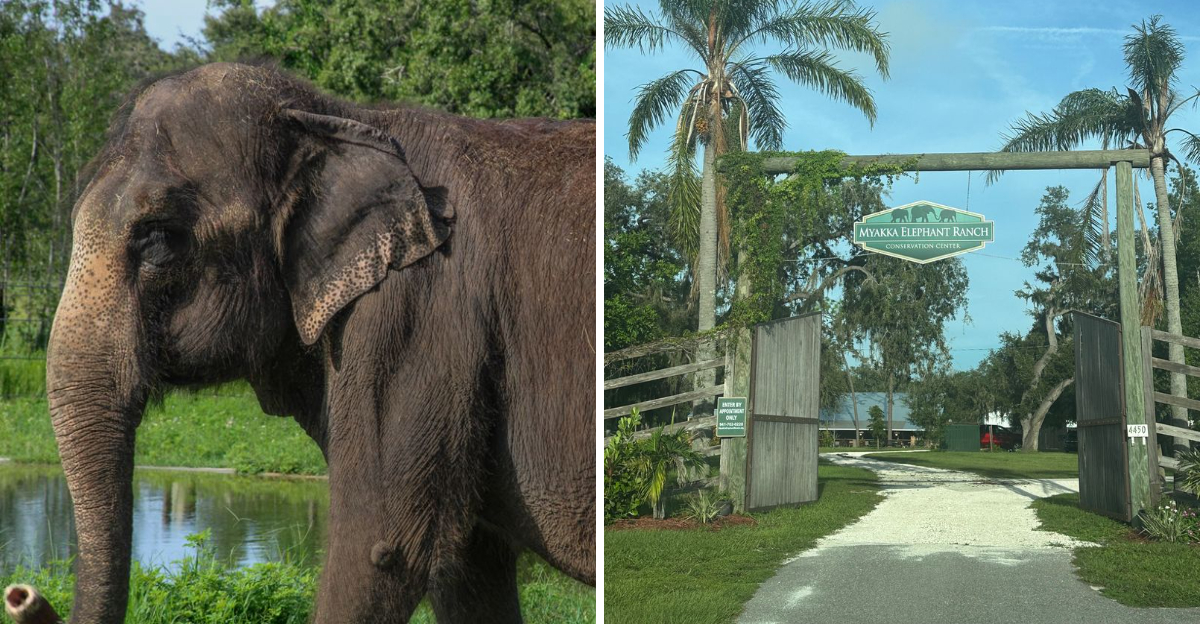
There’s something unforgettable about standing just a few feet from an elephant and realising how gentle something so powerful can be. In Myakka City, a conservation sanctuary invites visitors to do exactly that, meet these remarkable animals up close, hear their stories, and take part in their daily care.
Myakka Elephant Ranch operates as a nonprofit dedicated to education and welfare, offering small, guided encounters that feel far more personal than a typical zoo experience. It’s the kind of place where curiosity turns into connection, and a simple visit becomes a lasting memory.
A Non-Profit Ranch Dedicated To Elephant Conservation
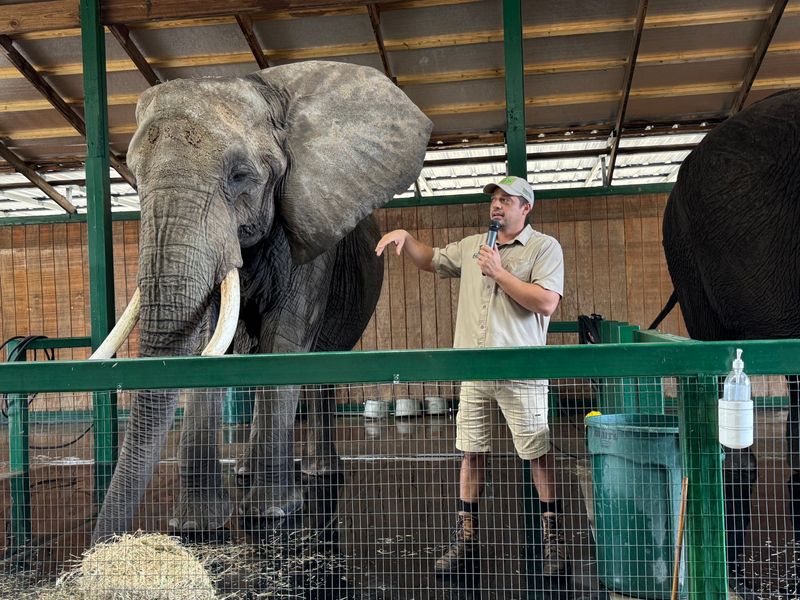
The ranch operates with a clear mission centered on elephant welfare and education. Every dollar collected through visitor experiences goes directly back into the care of the animals and the expansion of their habitat.
This financial model allows the facility to provide excellent veterinary care, proper nutrition, and enrichment activities for the elephants.
Founders established the center after years of working with elephants in various capacities. Their combined expertise in animal husbandry and conservation science shaped the ranch into what it is today.
The property at 4450 Verna Bethany Road provides ample space for the elephants to roam and socialize.
Guests often comment on the visible dedication of staff members. Each caretaker demonstrates deep knowledge of elephant behavior and individual personalities.
The nonprofit status means visitors contribute to a cause rather than simply purchasing entertainment, which adds meaning to every interaction.
Visitors Can Book Private, Reservation-Only Encounters
Walk-in visits do not exist at this facility. Every encounter requires advance booking, which ensures each elephant receives appropriate rest between sessions and prevents overcrowding.
The reservation system also allows staff to prepare properly for each group and tailor the experience to visitor interests.
Multiple experience types fill the schedule throughout the week. Morning sessions often prove most popular, as elephants tend to be most active during cooler hours.
The limited availability creates high demand, so booking several weeks ahead is advisable, particularly during winter months when seasonal visitors flood the region.
This approach contrasts sharply with traditional zoo settings. Instead of viewing animals from a distance through barriers, guests enter the elephant space under careful supervision.
The intimate setting allows for genuine connection and observation of natural behaviors that large crowds would otherwise disturb.
Bathing Experiences Let Guests Help Care For The Elephants
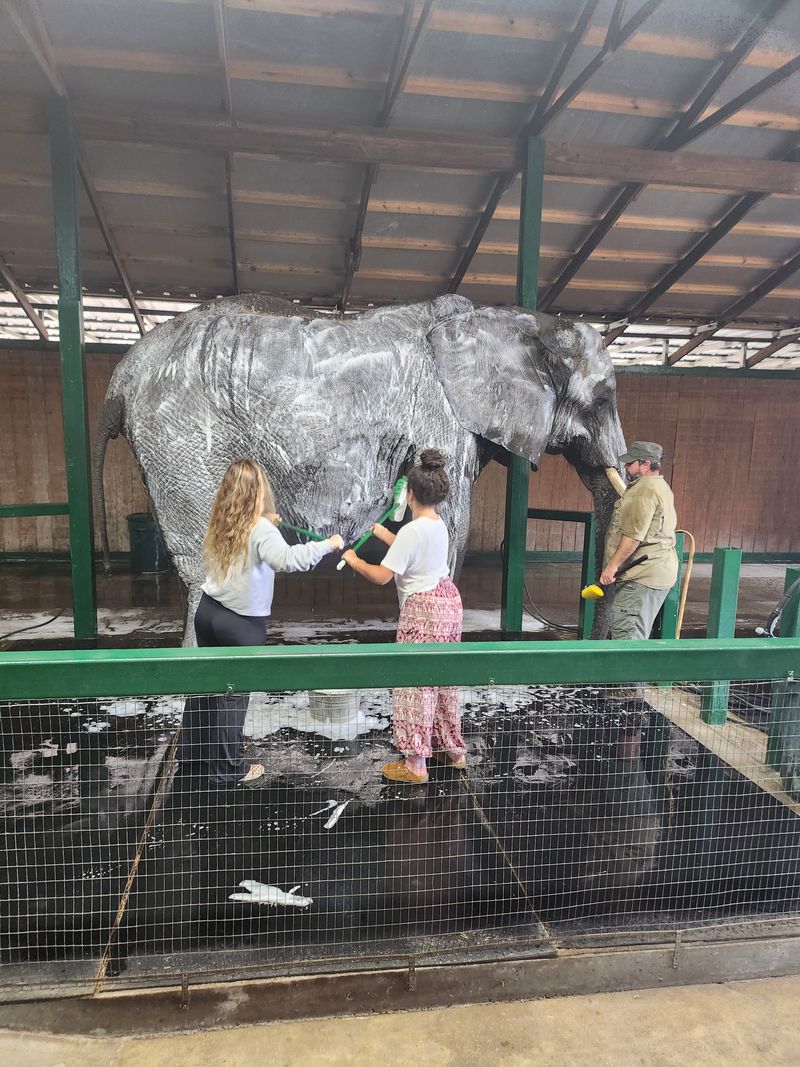
The spa experience transforms guests into temporary caretakers. Armed with brushes, hoses, and gentle soap, visitors scrub elephant hide while learning about proper skin care.
Elephants require regular bathing to maintain healthy skin and remove parasites, making this activity both enjoyable and essential to their wellbeing.
Each elephant reacts differently to bath time. Some lean into the scrubbing, clearly relishing the attention, while others remain more stoic.
Staff members guide guests to areas that need extra attention, such as behind the ears or along the legs. The physical work involved surprises many visitors, as elephant skin requires firm pressure to clean effectively.
Water play often becomes the highlight, with elephants occasionally using their trunks to spray participants. The ranch provides this experience during morning hours when temperatures suit outdoor water activities.
Guests should expect to get wet and dress accordingly.
Guests Can Feed Elephants By Hand
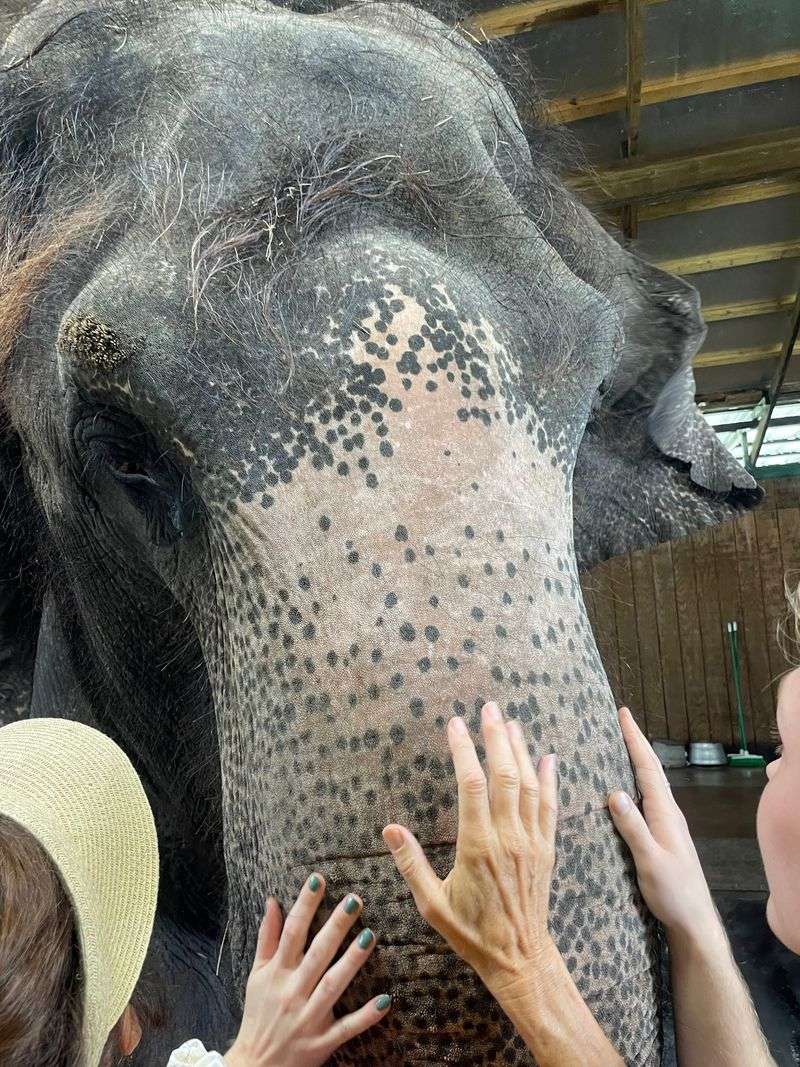
Standing inches from an elephant as it gently takes food from your palm creates an unforgettable moment. The ranch provides appropriate treats for each animal, taking into account dietary needs and preferences.
Elephants at the facility show distinct personalities during feeding time, with some approaching eagerly and others taking a more cautious approach.
Staff members demonstrate proper hand positioning before guests attempt feeding. Keeping fingers flat and palms open prevents accidental nips, though the elephants show remarkable gentleness.
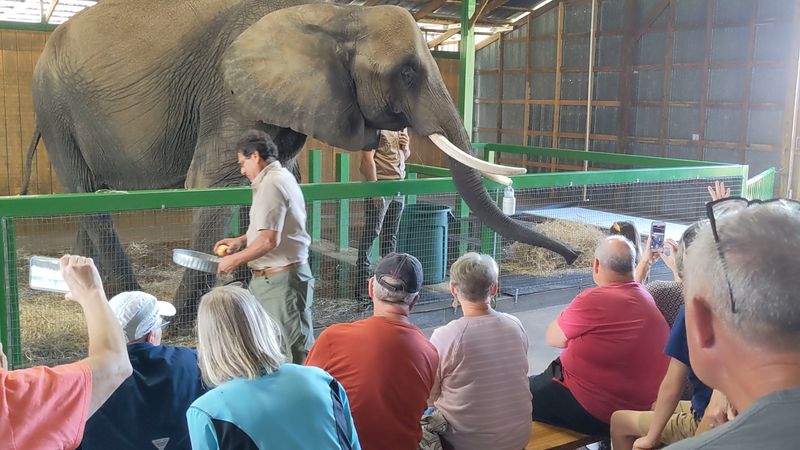
Their trunks work with surprising precision, selecting individual pieces of fruit or vegetables with delicate movements.
Children particularly enjoy this activity, though adults often express equal excitement. The tactile experience of an elephant trunk brushing against your hand provides a sensory memory that photographs cannot capture.
Many visitors report this as their favorite part of the entire visit.
Both African And Asian Elephants Call The Ranch Home
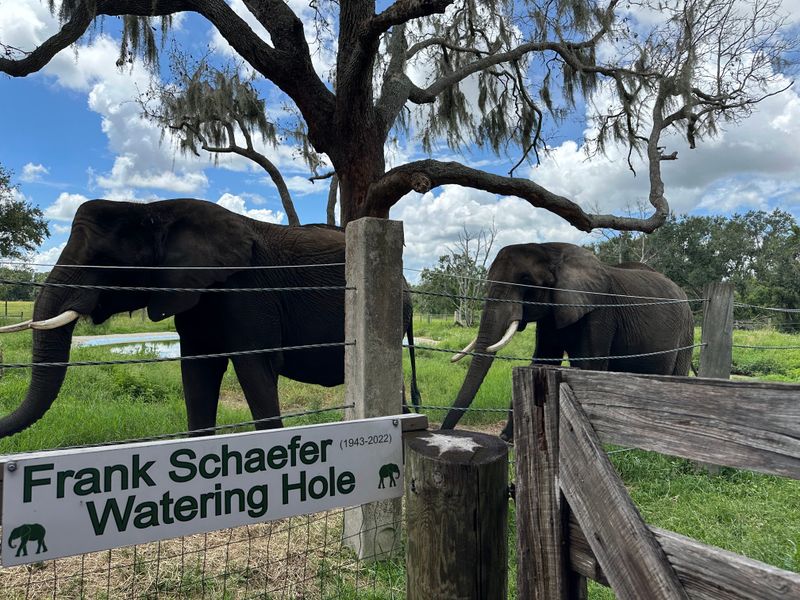
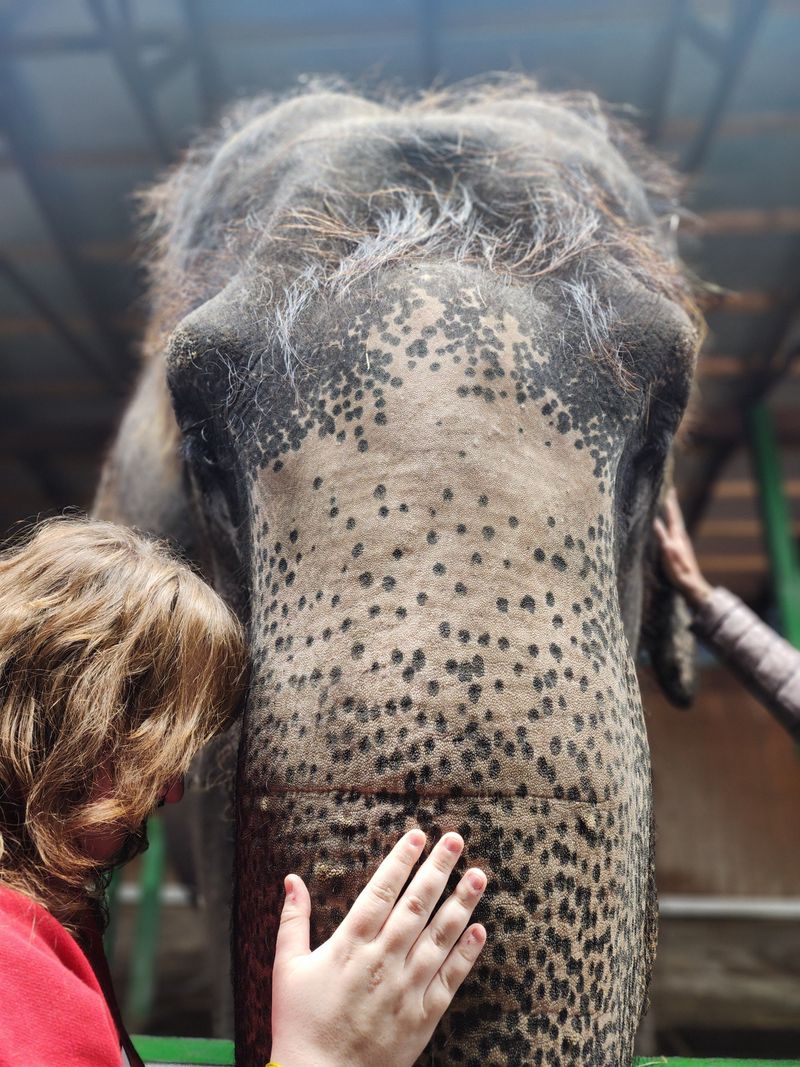
The facility houses representatives from both elephant species, allowing visitors to observe their differences firsthand. African elephants display larger ears, shaped somewhat like the African continent, while Asian elephants have smaller, rounded ears.
Body size, head shape, and tusk presence also vary between the two groups.
Each elephant arrived at the ranch with a unique backstory. Some came from circuses after retirement, others from facilities that closed or could no longer provide adequate care.
The staff shares these histories during encounters, helping guests understand the importance of sanctuaries in providing permanent homes for displaced animals.
Behavioral differences between species become apparent during observation. African elephants tend toward more independent personalities, while Asian elephants often show greater interest in human interaction.
These generalizations do not apply universally, as individual temperament plays a significant role in each animal’s behavior patterns.
Education Is A Core Part Of Every Visit
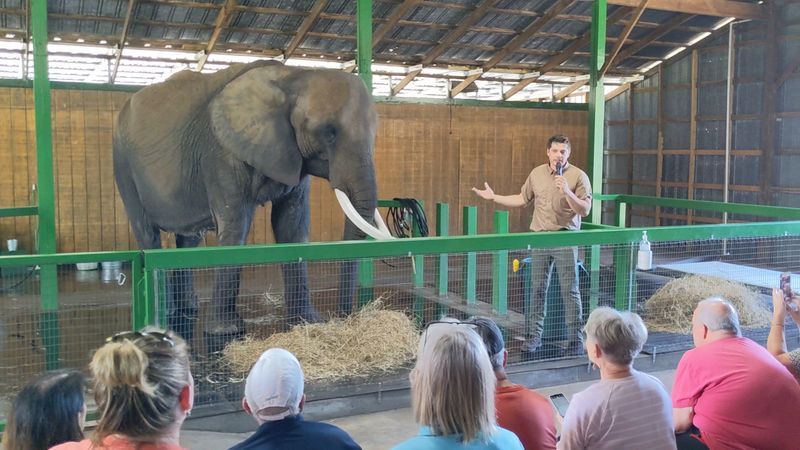
Every encounter includes substantial learning components. Staff members discuss elephant biology, social structures, communication methods, and conservation challenges facing wild populations.
The information delivery happens naturally throughout the experience rather than through formal lectures, making it accessible to all ages.
Guests learn about the threats elephants face in their native habitats. Poaching, habitat loss, and human-wildlife conflict continue to reduce wild populations.
The ranch emphasizes how individual actions, from consumer choices to supporting conservation organizations, can make tangible differences.
Children receive information at their comprehension level, while adults appreciate the depth of knowledge staff members possess. Many visitors leave with a changed perspective on elephant intelligence and emotional capacity.
The educational aspect transforms a fun outing into a meaningful experience that often inspires continued learning and support for conservation efforts.
The Ranch Offers Expansive Open Space For Elephant Welfare
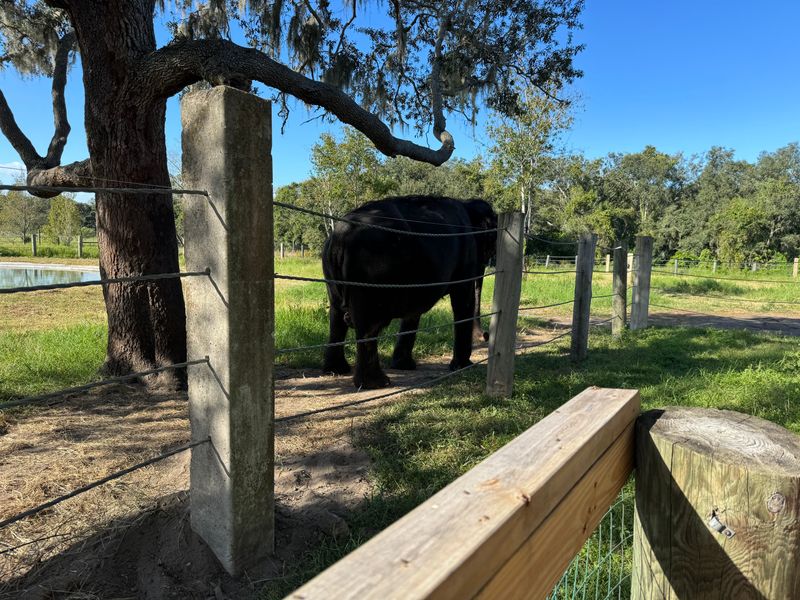
The property spans considerable acreage, providing elephants with room to move naturally. Open pastures allow for walking, grazing, and social interaction without the cramped conditions found in many captive settings.
The ranch continues acquiring adjacent land to expand available space as resources allow.
Natural vegetation covers much of the property, offering shade and enrichment opportunities. Elephants spend significant time outdoors, weather permitting, which supports their physical and mental health.
The Florida climate suits elephant needs well, requiring minimal artificial heating even during cooler months.
Facilities include specialized barns for shelter and medical care. These structures meet modern standards for elephant housing, with appropriate flooring, ventilation, and space.
The combination of indoor and outdoor areas allows staff to manage elephant comfort throughout varying weather conditions while maintaining high welfare standards.
Small Group Sizes Make The Experience Personal
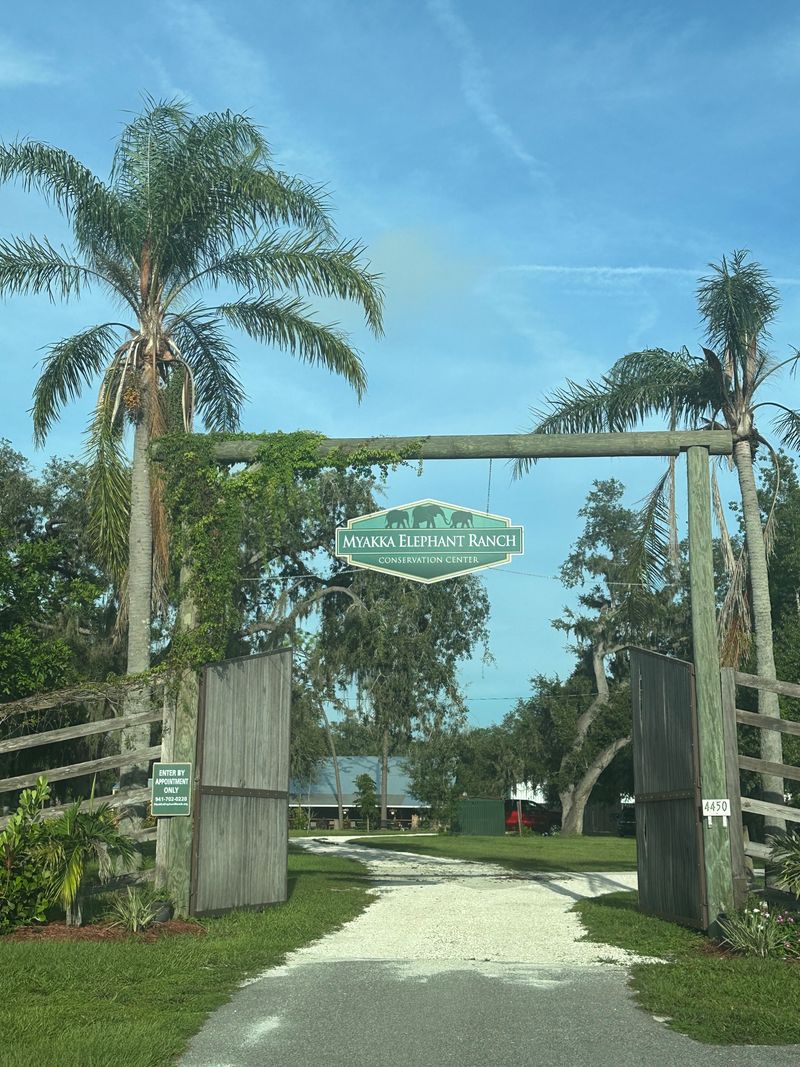
Groups never exceed ten participants during most experiences. This cap ensures every person receives individual attention and ample time with the elephants.
Larger groups would stress the animals and diminish the quality of interaction for guests, so the ranch maintains strict limits.
The intimate setting encourages questions and conversation. Staff members can address individual interests and concerns rather than delivering generic information to crowds.
Shy visitors feel more comfortable participating, and photographers can capture images without fighting through masses of people.
Solo travelers find the small groups particularly welcoming. The shared experience often sparks conversations among participants, creating temporary bonds over mutual elephant appreciation.
Families appreciate the ability to stay together throughout the encounter rather than getting separated in larger crowds. The personal approach defines the ranch experience and separates it from commercial animal attractions.
The Ranch Was Founded Out Of A Passion For Elephant Care
The facility emerged from genuine devotion to elephant welfare rather than commercial ambition. Founders spent years working with elephants before establishing the ranch, accumulating expertise that informs every operational decision.
Their hands-on approach continues today, as ownership remains actively involved in daily care and visitor interactions.
Early days involved significant challenges, from securing appropriate land to meeting regulatory requirements for exotic animal facilities. The founders persevered through financial strain and logistical obstacles because they believed in creating a model sanctuary.
Their commitment to doing things properly rather than quickly established the ranch’s reputation.
This origin story resonates with visitors who value authentic passion over profit-driven enterprises. Staff members often share anecdotes about individual elephants and the journey to bring them to the ranch.
The personal investment shows in every aspect of the operation, from facility maintenance to the quality of educational content provided during encounters.
Photography Opportunities Are Built Into The Experience
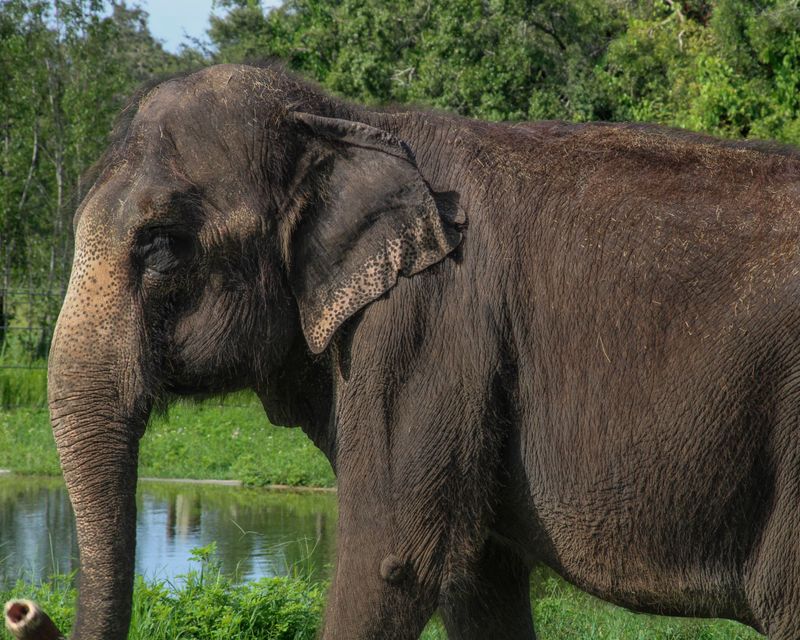
The ranch recognizes that guests want to document their experience. Rather than restricting cameras, staff members actively facilitate photography throughout encounters.
They pause at key moments, position elephants for optimal shots, and offer to take group photos so everyone appears in images.
Natural lighting and uncluttered backgrounds create ideal conditions for memorable photographs. The lack of cages or barriers means nothing obstructs the view between camera and elephant.
Many visitors capture professional-quality images despite using only smartphones.
Staff members provide photography tips for those interested, suggesting angles and timing for best results. The relaxed pace allows guests to balance participation with documentation rather than forcing a choice between experiencing the moment and recording it.
Social media feeds fill with images from the ranch, providing organic promotion while giving visitors shareable memories of their encounter.
Special Experiences Include Caretaker-For-A-Day Programs
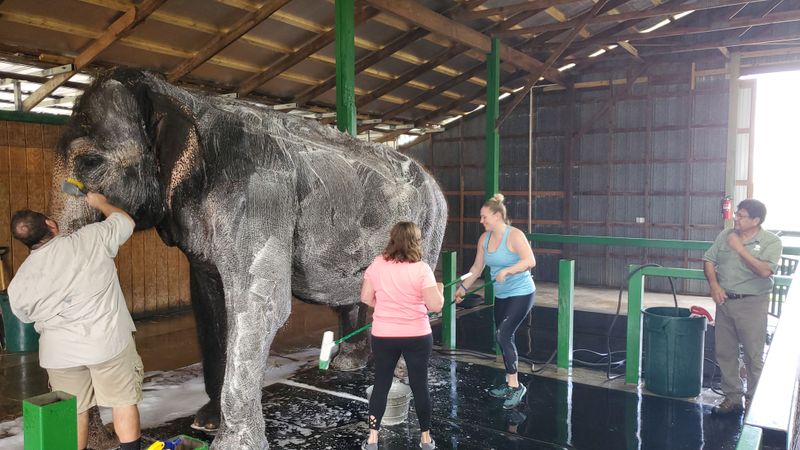
Extended programs allow dedicated elephant enthusiasts to spend several hours working alongside professional caretakers. Participants engage in feeding preparation, enclosure maintenance, bathing, and enrichment activities.
These intensive experiences provide deep insight into the daily realities of elephant care.
The Rise and Shine Caretaker program begins early in the morning when elephants are most active. Guests assist with breakfast routines, observe training sessions, and learn about medical care protocols.
The extended time frame allows for meaningful work rather than brief interactions, appealing to those seeking substance over novelty.
These programs fill quickly and command premium pricing, reflecting their comprehensive nature. Participants leave with profound respect for the physical demands and expertise required in professional elephant care.
Many return for repeat visits or become long-term supporters of the ranch after completing caretaker experiences.
The Ranch Emphasises Responsible, Respectful Interaction
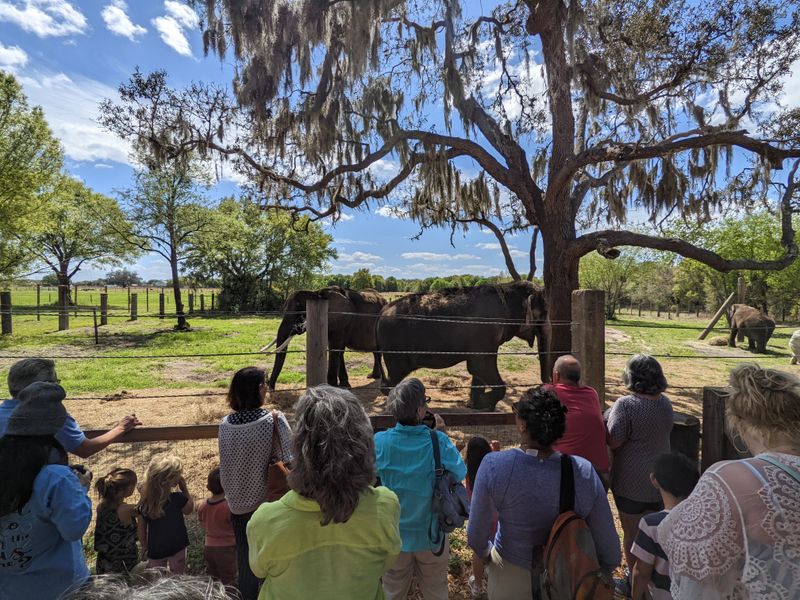
Every rule and guideline serves elephant welfare first. Staff members explain the reasoning behind restrictions, helping guests understand that limitations protect animal wellbeing rather than simply asserting authority.
Visitors must follow instructions precisely, particularly regarding positioning and noise levels around the elephants.
The ranch rejects practices common at some facilities, such as elephant riding or forced performances. Animals engage with guests on their own terms, with freedom to move away if uncomfortable.
This approach sometimes means shorter interactions with particular elephants, but it maintains ethical standards that define the facility.
Education about responsible tourism extends beyond the ranch gates. Staff members encourage guests to research facilities carefully before visiting elephant attractions elsewhere, particularly in countries where regulations remain weak.
The ranch models how commercial operations can coexist with genuine conservation values, proving that ethical treatment and visitor satisfaction need not conflict.