
The Fascinating Ghost Town Remains In New York You’ve Probably Never Heard Of
Okay, so you know how everyone thinks they’ve seen everything New York has to offer? Skyscrapers, bagels, Broadway, the whole lot.
But what if I told you there’s a ghost town hiding in plain sight that barely anyone talks about? Not the spooky, jump-scare kind, don’t worry.
More like the “how is this real and why am I just hearing about it?” kind.
This fascinating abandoned spot feels frozen in time, with crumbling buildings, quiet roads, and stories that practically echo off the walls. Walking through it is oddly peaceful, a little eerie, and completely unforgettable.
It’s the sort of place that makes you whisper even when no one’s around. Trust me, once you hear about this New York town, you’ll definitely want to see it for yourself.
Why This Is A Special Place
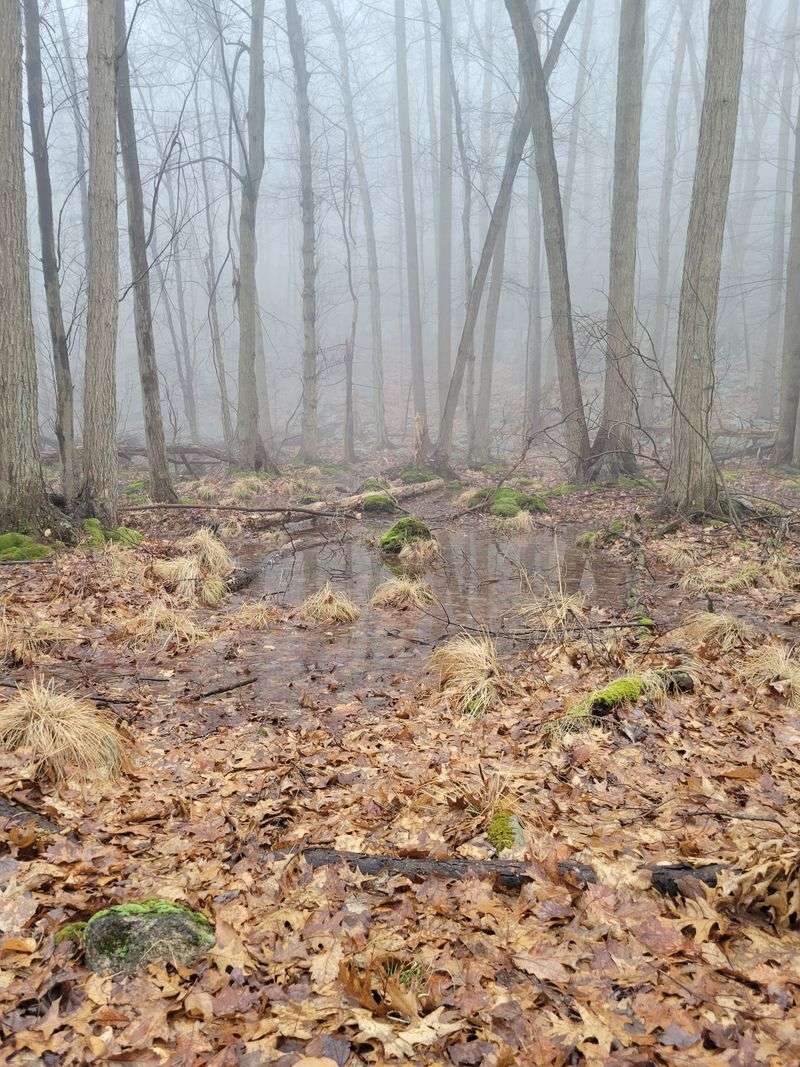
Let’s get this out of the way. What’s left of this town is mostly forest and rubble, but that gives the entire Silent Hill feeling we so deeply love.
First impressions in this little town arrives on a hush, as if the trees have agreed to speak only in footnotes. Stone walls drift in and out of the undergrowth, tracing yards and boundaries with the care of faded ink.
You follow a lane that was once a main street, noting cellar holes like open pages in a book. The land feels settled, not abandoned, and that distinction guides your pace.
Local history places the hamlet within Stony Point, its former homes purchased by the Palisades Interstate Park Commission during the 1960s. Families moved, but their daily patterns linger as foundations, lilac bushes, and orchard ghosts.
Wayfinding signs give names back to gardens and kitchens, inviting you to imagine wash lines and winter chores. It is gentle, unforced storytelling, made sturdy by granite and lichen.
Walking here does not feel like trespassing, only visiting. Birdsong handles the narration, while the grade of the road suggests deliveries and Sunday shoes.
Every curve brings another modest clue, a hint at how lightly a place can persist. You leave each alcove certain that memory can live without spectacle and that quiet places argue their case best.
Finding The Old Roads Beneath Your Feet
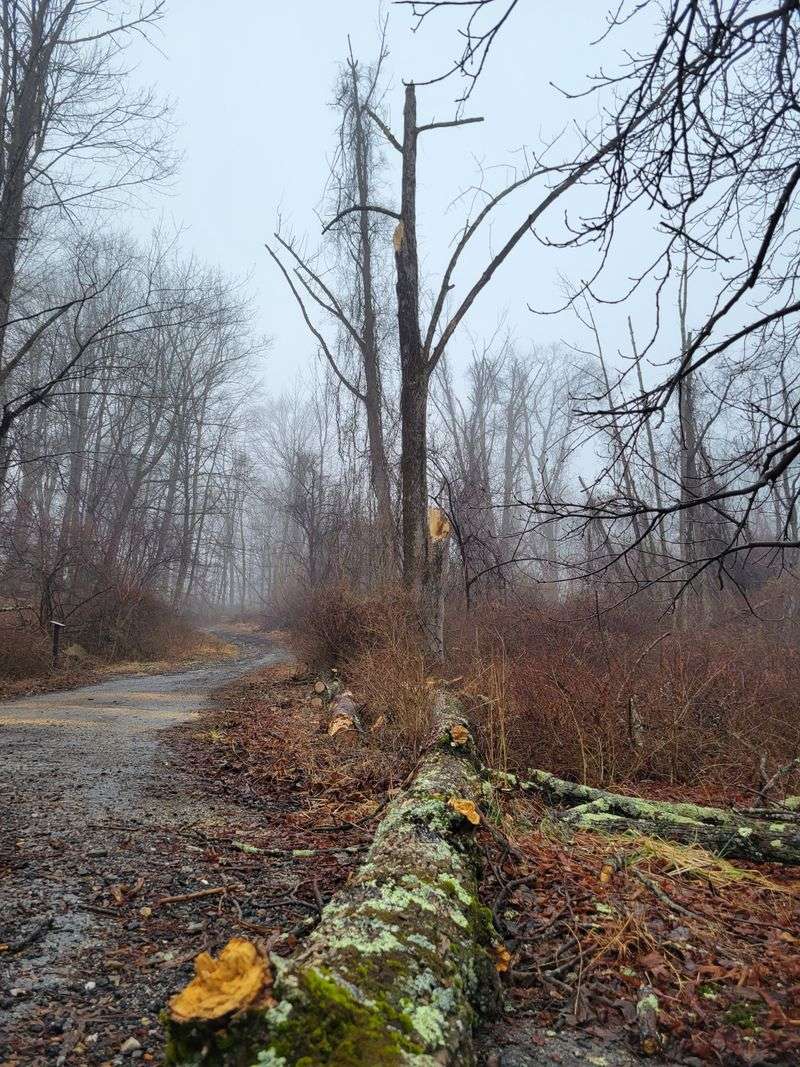
Old roads run through and through. You recognize them by the evenness of grade, the way water is managed by stone culverts, and the patient line of trees keeping pace.
Gravel has softened into loam, but the route still holds its purpose. Your feet fall into a rhythm that feels inherited rather than learned.
Maps help, of course, and the park signage matches intersections with former household names. A jog to the left identifies a school site, while a straighter path once led to chores and millwork.
The surface underfoot shifts slightly where wagons turned and where foot traffic thinned. By watching those changes, you begin to read the ground.
Navigation becomes an act of attention rather than technology. Instead of a ping, there is a sparrow crossing the path, and instead of coordinates, a poured step tucked into a hill.
The satisfaction is quietly persuasive. You think less about getting somewhere and more about how people once did, one measured step at a time.
Stones That Still Hold A House Together
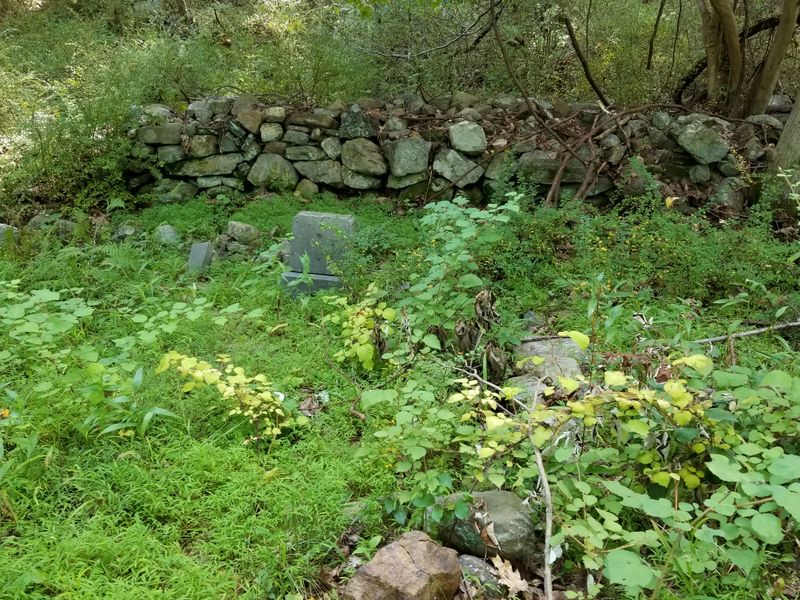
Foundations in Doodletown are low, neat, and stubbornly square. They outline parlors and kitchens with an economy that feels trustworthy.
Moss underscores each joint, and a few steps climb nowhere except into your imagination. The effect is not dramatic, but it is deeply legible.
Reading a footprint, you picture a stove along the inner wall, a window catching winter sun, maybe a chair by the door to cool evening air. The stones fit with care, suggesting hands that did not rush the work.
Sunlight slips along the edges, making every seam a small archive. Even the gaps tell you something about weather, repair, and long patience.
It is tempting to embellish, but restraint serves the site better. Let the measurements do the talking, and the hints of paint in the soil carry the tune.
Your own presence becomes a quiet pencil mark in the margin. You leave a foundation having understood the house exactly as much as it allows.
Where The School Bell Stopped Ringing
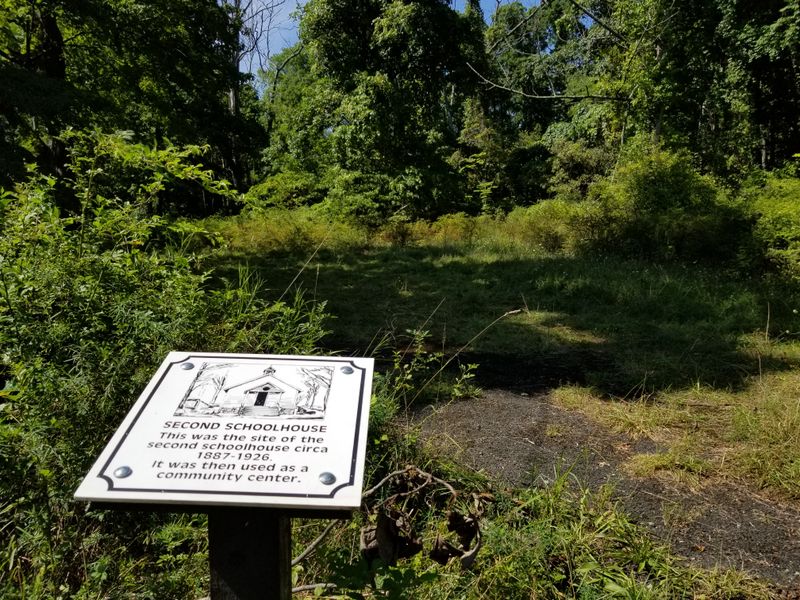
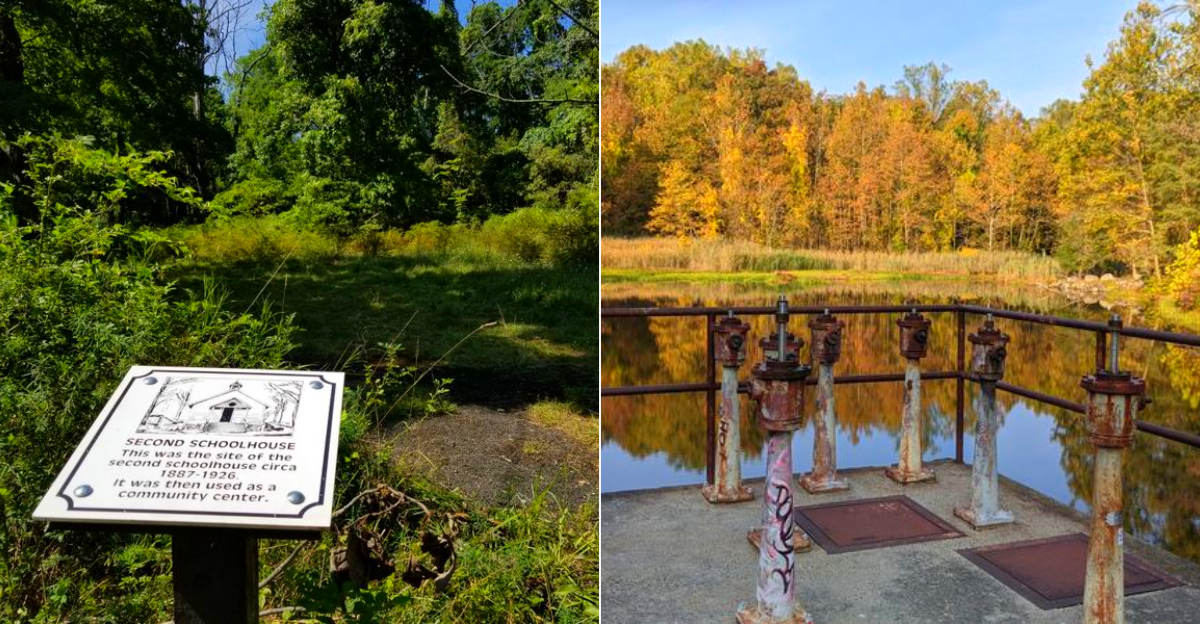
The site of Doodletown’s school sits on a gentle rise, as if learning needed a small stage. A clearing marks the footprint, and the sign fills in the names the wind cannot remember.
You pause and picture book satchels, snow boots drying by a stove, and a teacher’s tidy ledger. The silence now feels studious, not empty.
Records place the school at the community’s center, tying families together through lessons and winter gatherings. The building is gone, but its geometry remains in the lawn’s practiced squareness.
A route from the south suggests short legs and careful strides on muddy days. You follow it without intending to and immediately understand its convenience.
Education in a place like this had a practical grace. Children learned what they needed and used it before dusk.
The bell no longer rings, yet birds catch the rhythm and keep time in their own way. You step back onto the trail, a little quieter for having listened.
Springs, Brooks, And The Work Of Water
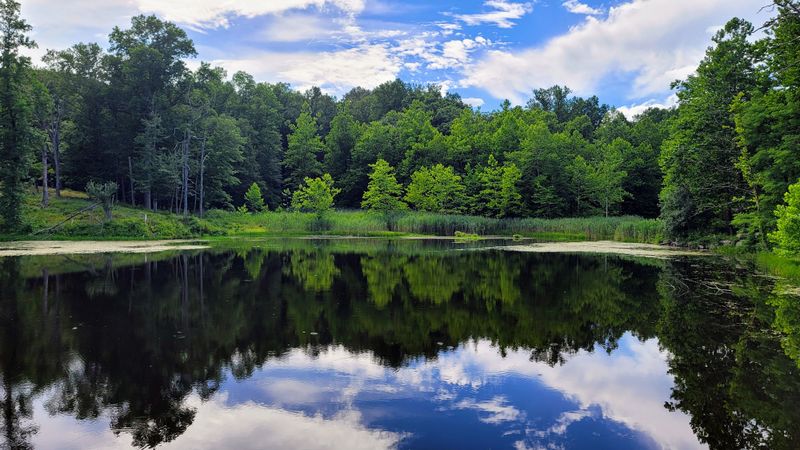
Water structures daily life, even when the houses have stepped away. Brooks braid through Doodletown, sometimes protected by low stonework that kept hooves dry and kitchens supplied.
A spring burbles beside the trail, wearing a groove older than any hiker here today. You lean in and hear the steady arithmetic of drops counting time.
Practical engineering shows up in culverts, troughs, and wellheads that have retired with dignity. Their placement explains yards, gardens, and the reach of laundry lines.
What is left proves both sturdy and modest, which suits the setting. An old wetland nearby tells a quieter story of mosquitoes, patience, and crops that liked their feet damp.
Following the brook, you realize how much a community obeys its water. Every chore schedules around it, every shortcut negotiates with it.
Your own pace starts to match the current’s temper. When the path climbs again, you miss the sound sooner than expected.
A Garden That Refuses To Vanish
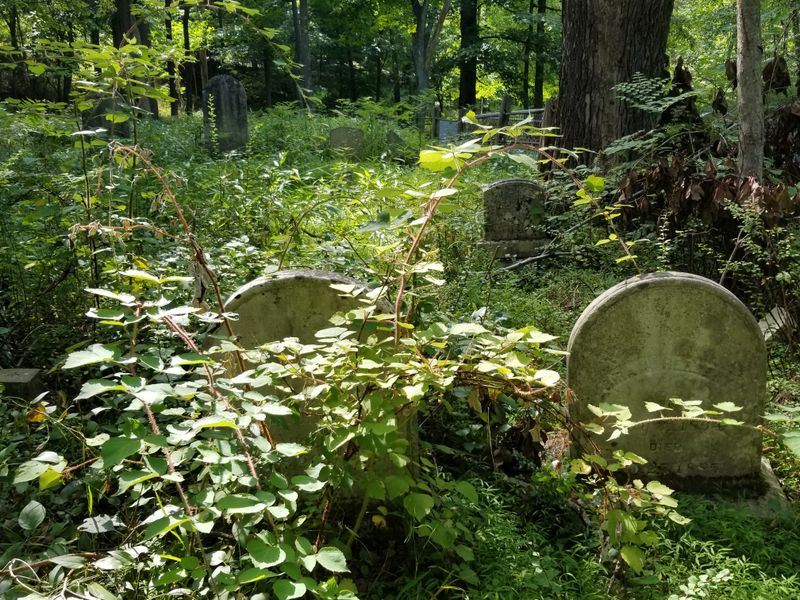
Old plantings give Doodletown its most generous clues. A lilac hedge keeps a faded border, and a gnarled apple leans like a neighbor who stayed to lock up.
These survivors outlast maps and deeds, telling you where porches were and how front yards greeted spring. Even in leaf fall, their forms hold their ground.
Botanists love this, but you do not need a field guide to catch the message. Roots preserve addresses after mail stops arriving.
The stone wall behind a thicket lines up too neatly to be wild chance. It frames a view that someone once prized for sunsets and laundry breezes.
Season decides the mood. Spring feels like a reunion, while late autumn carries a sensible calm.
You walk on with a light, practical gratitude. When a petal brushes your sleeve, it feels like a handshake from a house that remembers you.
Reading The Landscape With Good Maps
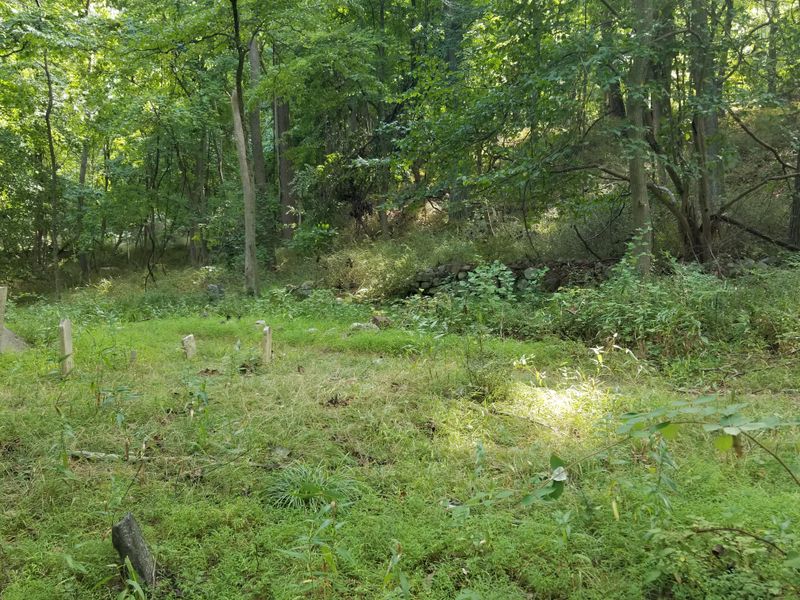
A good map does more than prevent wrong turns here. It stitches time together, pairing modern trails with the hamlet’s original grid.
Contour lines explain why homes gathered in shelves along the slope, avoiding the steepest pitches. Your fingers trace the old road names, and the forest answers with familiar curves.
Bear Mountain State Park provides handy trail markers, while historical overlays add the missing pieces. You compare a bend on paper with the lay of stones at your feet and feel the small click of confirmation.
The exercise is both satisfying and oddly companionable. It is like walking with someone who points without talking too much.
With the address listed as Stony Point, NY 10986, the map also ties Doodletown to the larger county web. That reminder keeps the place real, not myth.
Armed with routes and reference points, you move with quiet confidence. The day opens at the pace of a page turning.
Birdsong Over The Old Cellar Holes
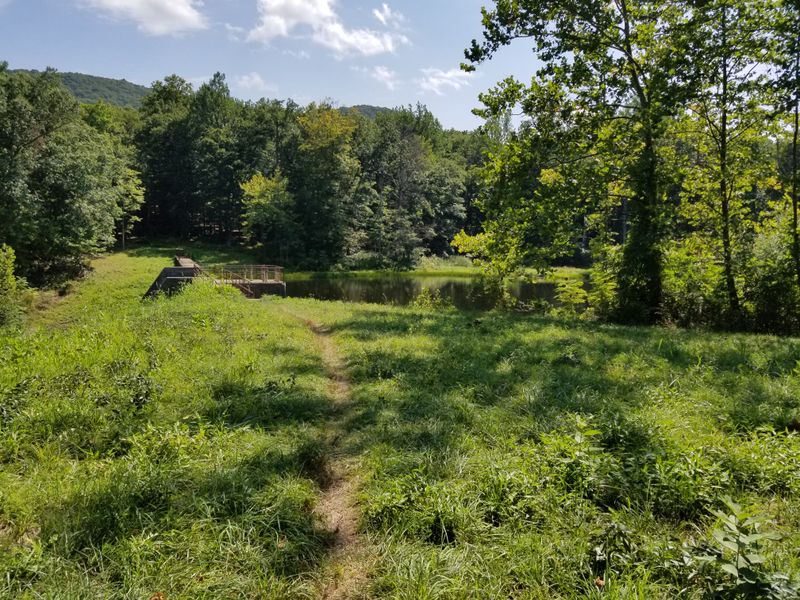
Spring in Doodletown draws birders with the promise of warblers that seem to write their own punctuation. The ruins become comfortable perches, and the canopy turns into a polite commotion.
You follow the trills like breadcrumb notes, grateful for shade and the excuse to stand still. Patience pays off in flashes of yellow and olive.
The hamlet’s varied edges create the kind of habitat guidebooks quietly celebrate. Stream margins, second-growth trees, and small clearings cooperate better than they probably did in any town meeting.
You listen and learn, and your eyes sharpen at the pace of a chorus. Even a beginner feels welcome under this syllabus.
Birdsong suits the place, offering a daily ceremony without a schedule. It lifts what could feel solemn into something brisk and lively.
When the trail bends away, the chatter fades to a courteous murmur. You promise yourself a return during peak migration.
Tracing Revolutionary Footsteps With Care
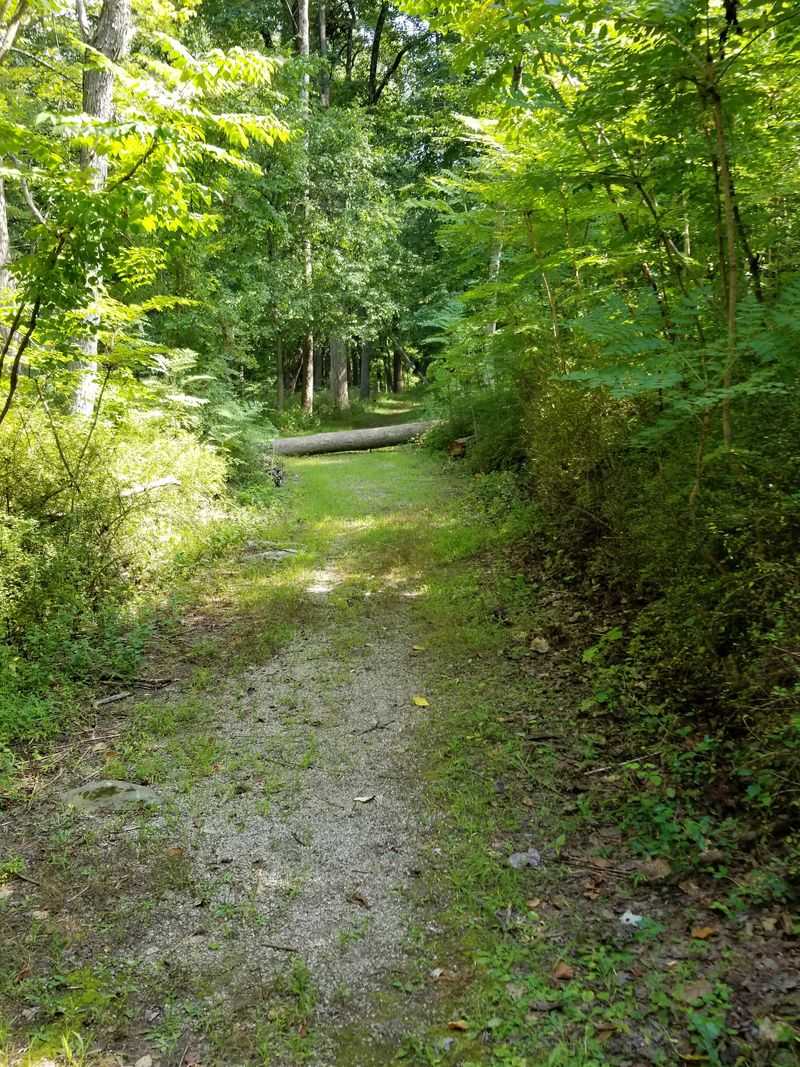
Doodletown sits near routes that mattered during the Revolutionary War, and the ground still carries that seriousness. Trails thread toward Bear Mountain and the Hudson Highlands, where movement once had consequences.
Signs anchor the broader story without grandstanding. You read them and feel the landscape assemble around the facts.
No cannons or reenactments crowd the experience, which suits a thoughtful visit. Instead, there are roads that kept quiet counsel with armies and messengers.
The hamlet later returned to its chores, but the pathways kept their double life. Even now, a ridge seems to look both ways before proceeding.
Respect grows in the ordinary details. A turn in the road hints at caution, a vantage at practical vigilance.
You walk on with that understated awareness. History here prefers a level voice, and the forest honors the tone.
Quiet Etiquette For A Living Ruin
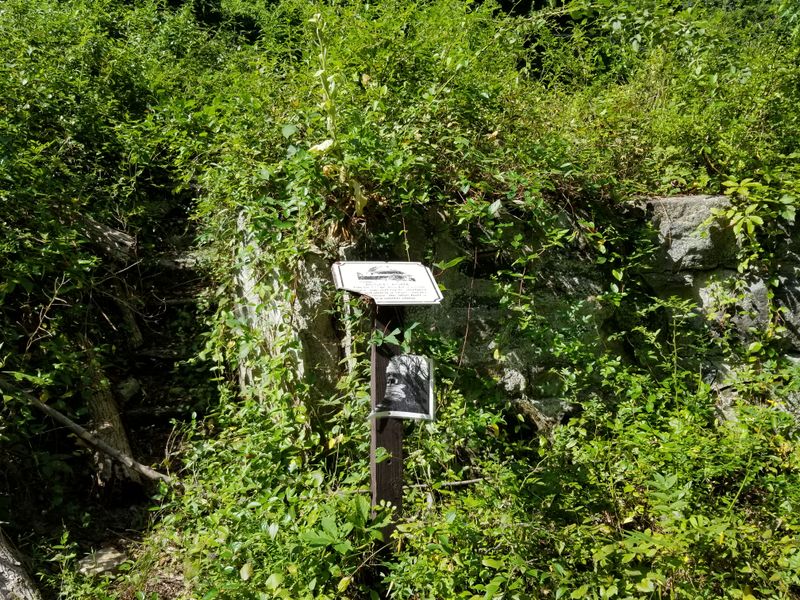
Places like Doodletown do their best work when visitors practice restraint. Staying on paths protects fragile foundations, and leaving flowers in place preserves the soft handwriting of the site.
A small sign asks for courtesy, and the woods back it up with steady composure. Even conversation lowers its voice without being told.
Hikers pass each other with nods instead of narratives. Dogs on leashes learn the route as quickly as anyone.
Lunch tastes better when the wrappers make the return trip. None of this feels like scolding, only neighborly sense applied to an old neighborhood.
There is humor in how quickly politeness improves the view. The forest seems to step closer, as if encouraged.
You carry out the last crumb of your apple and feel oddly proud of the detail. Good manners, it turns out, leave the finest footprints.
Seasonal Moods Along The Hillside
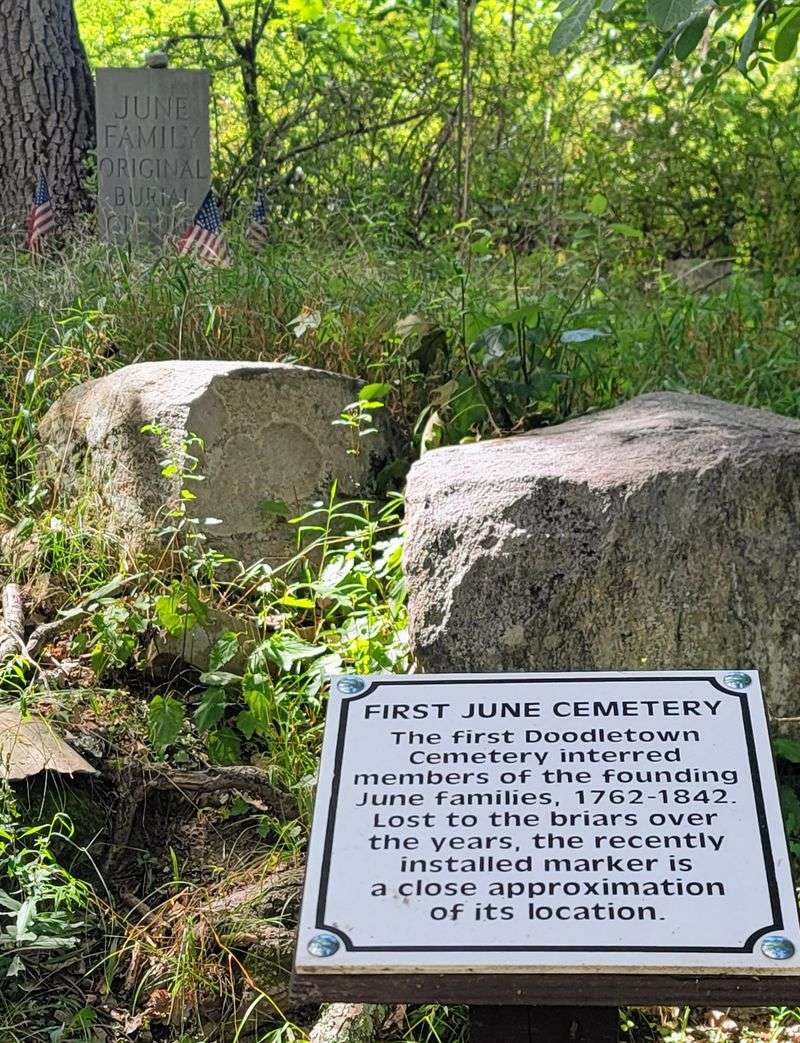
Each season edits Doodletown with a confident pencil. Spring wakes the lilacs and wets the roads with honest puddles.
Summer deepens the shade until the midafternoon trail feels like a cool hallway. Autumn rations color to the walls and lets acorns keep time underfoot.
Winter, on the right day, pairs clarity with a thin line of snow that sketches everything back into plan view. Footprints crisscross where doorways once invited company.
The quiet turns almost architectural, and you see the hamlet’s shape with satisfying exactness. A thermos becomes good company, standing in for a long-gone stove.
Planning a visit means choosing a temperament as much as a date. If you want birds, take May; for structure, pick January.
Every option makes an argument worth hearing. You listen, then follow whichever voice best fits your boots.
Getting There Without Losing The Thread
Approaching Doodletown is part of the education. Trailheads sit within Bear Mountain State Park, and parking is modest by design.
You arrive early, not from urgency but from respect for small places. The address lines up within Stony Point, NY 10986, which helps a map behave.
From the start, signage points you along former roads reused as trails. Grades are reasonable, though the land does not flatter laziness.
Water, decent shoes, and a sense of unhurried purpose make the best kit. If cell service falters, the woods seem pleased rather than offended.
Leaving is a slow process because the site resists conclusions. You take one last look at a wall that refuses drama and does not need it.
The car feels loud for a minute and then reenters regular time. You promise to return when the light changes, which is often.