
9 Unique Outdoor Adventures In Colorado’s Rocky Mountains Worth The Trip
Most visitors come to Colorado’s Rocky Mountains for the predictable classics, powder days and postcard hikes, then leave without realizing they barely scratched the surface. The real magic starts when you swap the usual trail map for something unexpected.
Think frozen waterfalls you can actually climb, towering dunes you can ride like waves, and heart-pounding adventures that don’t show up on standard itineraries. If you’re craving something that feels less ordinary and more unforgettable, these nine experiences turn a simple mountain trip into a story you’ll be retelling for years.
Ice Climbing At Ouray Ice Park – Ouray
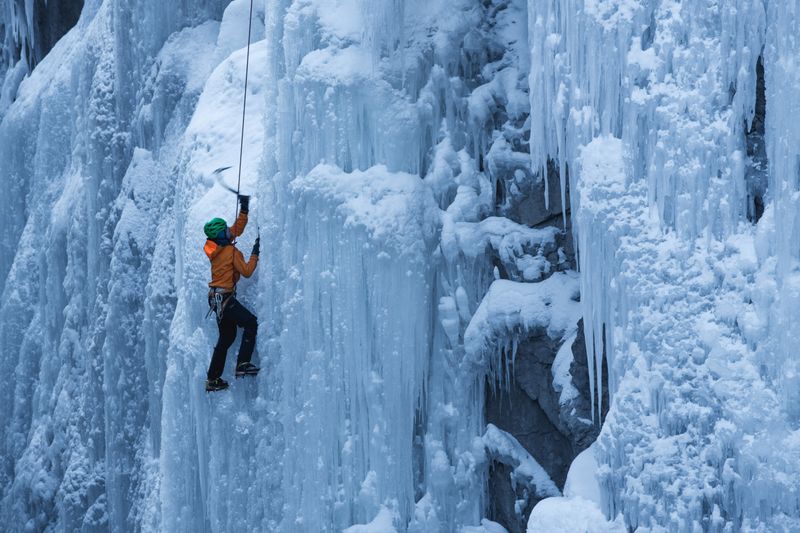
Imagine gripping ice axes and kicking crampons into a towering wall of frozen water while the winter sun glints off the canyon walls around you. Ouray Ice Park is the world’s first public ice climbing park, and it’s completely free to use.
Located in a stunning box canyon, the park features more than 200 ice and mixed climbing routes that get refreshed by sprinkler systems throughout the season.
You don’t need to be an expert to try this thrilling sport. Local guide services offer beginner courses where you’ll learn proper techniques, safety protocols, and how to trust your gear on vertical ice.
The park operates from mid-December through early March, when temperatures keep the ice formations solid and climbable.
Even if you’re not ready to climb, watching experienced climbers tackle the massive ice pillars is entertainment enough. The town of Ouray itself is worth exploring, with natural hot springs perfect for soaking tired muscles after a day on the ice.
Pack warm layers, waterproof gloves, and an adventurous spirit for this unforgettable Rocky Mountain experience that combines athleticism with breathtaking winter scenery.
Telluride Via Ferrata – Telluride
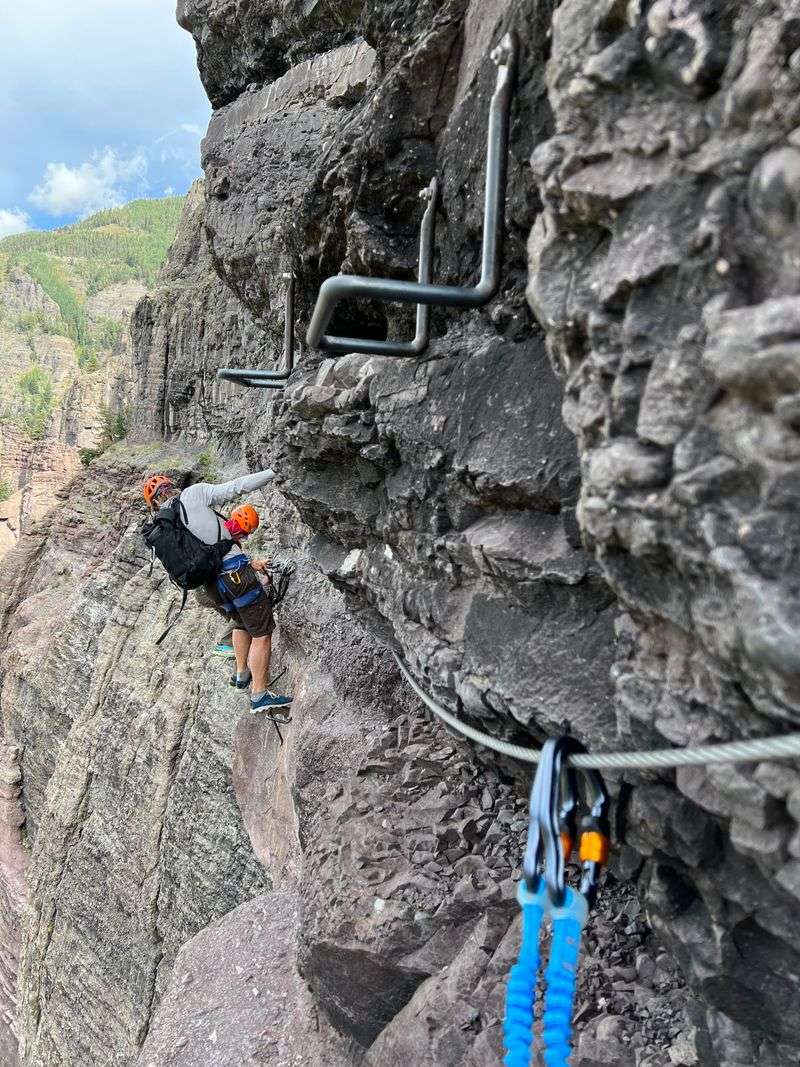
High above Telluride’s historic mining town, a via ferrata route lets you experience extreme mountain exposure without needing advanced climbing skills. This Italian-style “iron road” features steel cables, iron rungs, and suspension bridges bolted directly into the rock face.
You’ll clip into a safety system that protects you while you scramble across vertical cliff sections and cross swaying bridges hundreds of feet above the valley floor.
The route takes about four hours to complete and includes sections that will definitely get your adrenaline pumping. You’ll traverse narrow ledges, climb ladder-like rungs, and cross a 100-foot suspension bridge that bounces with every step.
The views of the San Juan Mountains are absolutely spectacular, making every heart-pounding moment worth it.
Guides provide all necessary equipment including helmets, harnesses, and specialized lanyards with shock absorbers. They’ll teach you the clipping techniques and stay with your group throughout the entire route.
No prior climbing experience is required, but you should be comfortable with heights and have decent physical fitness. This adventure perfectly blends safety with serious thrills in one of Colorado’s most beautiful mountain settings.
Sandboarding At Great Sand Dunes National Park – Mosca
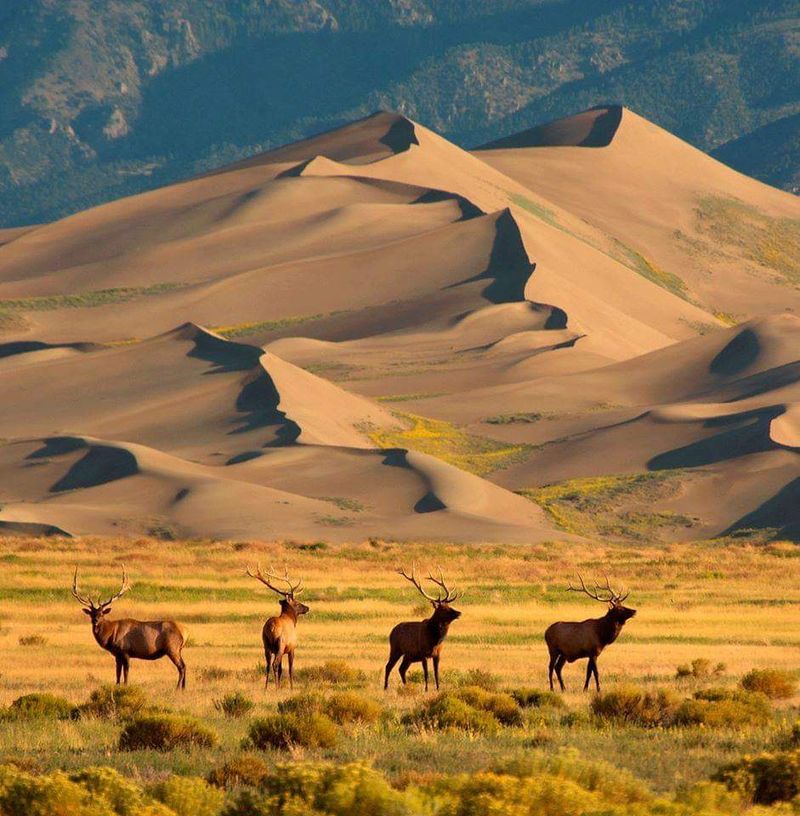
Finding North America’s tallest sand dunes nestled against the Rocky Mountains seems almost impossible until you see it with your own eyes. Great Sand Dunes National Park features 30 square miles of sand piled up to 750 feet high, creating a surreal desert landscape backed by snow-capped peaks.
Sandboarding down these massive dunes offers the rush of snowboarding without the cold weather or ski lift tickets.
You can rent sandboards or sand sleds from shops near the park entrance. The boards work similarly to snowboards but with a slicker base designed for sand.
Climbing up the dunes takes serious effort in the soft sand, but the ride down makes every step worthwhile as you carve turns or go straight for maximum speed.
Spring and fall offer the best conditions when sand temperatures stay comfortable and winds are calmer. Summer sand can get scorching hot, sometimes reaching 150 degrees, so early morning visits work best.
Bring plenty of water, sunscreen, and prepare for a workout since hiking up sandy slopes is exhausting. The park also offers hiking, creek wading, and stargazing opportunities that make this bizarre landscape even more memorable.
Whitewater Rafting On Clear Creek – Idaho Springs
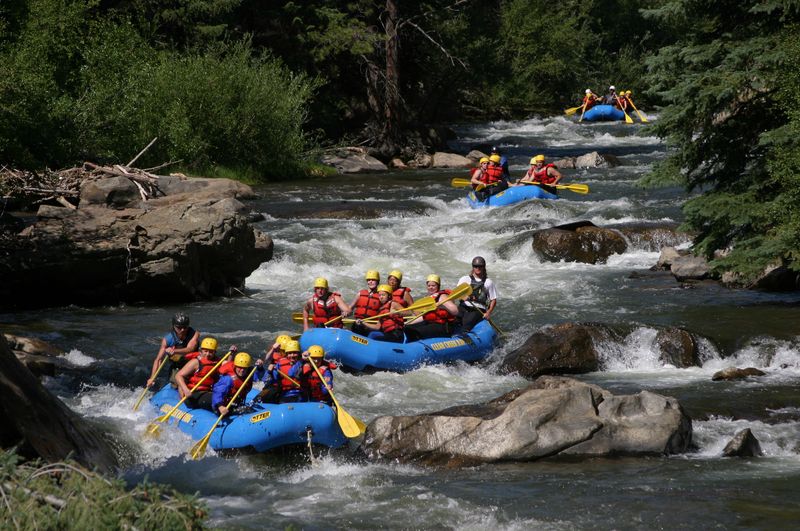
Clear Creek cuts through a narrow canyon just 30 minutes west of Denver, creating some of Colorado’s most accessible and exciting whitewater rapids. The creek’s proximity to the city means you can experience serious Class III and IV rapids without spending hours driving into remote wilderness.
Spring snowmelt transforms this waterway into a churning roller coaster that demands teamwork and quick paddle reactions.
Several rafting companies operate along the creek, offering trips ranging from family-friendly floats to advanced technical runs. The most popular section runs from Idaho Springs to Golden, featuring rapids with names like Screaming Left Turn and Nomad that hint at the wild ride ahead.
You’ll bounce through wave trains, navigate tight chutes between boulders, and probably get completely soaked in the process.
Guides handle the heavy steering while teaching your group when to paddle hard and when to hold on tight. Wetsuits are usually necessary since Rocky Mountain snowmelt keeps the water frigid even in summer.
The season runs from May through August, with peak flows in June when the rapids reach their most intense levels. This adventure delivers maximum thrills with minimal travel time, making it perfect for visitors with limited schedules.
Browns Canyon National Monument Rafting – Buena Vista
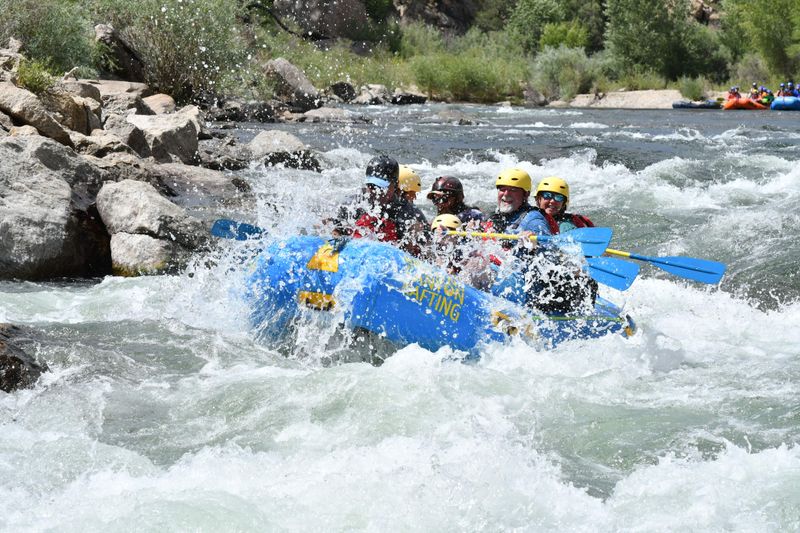
Browns Canyon became a national monument in 2015, protecting 21,000 acres of rugged terrain along the Arkansas River. Rafting through this canyon combines moderate whitewater action with incredible scenery as you float between 1,000-foot granite walls teeming with bighorn sheep, golden eagles, and other wildlife.
The river here offers a more relaxed pace than Clear Creek, making it ideal for families and first-time rafters who still want some excitement.
The rapids in Browns Canyon rate mostly Class II and III, providing splashy fun without the intense technical challenges of bigger water. Between rapid sections, you’ll have time to admire the towering rock formations, spot wildlife on the slopes, and even jump in for a swim during calm stretches.
Half-day and full-day trips are available, with longer excursions including riverside lunch stops.
Buena Vista serves as the basecamp for Browns Canyon adventures, with numerous outfitters offering guided trips from May through September. The area’s high elevation means cooler temperatures even in summer, and the scenery shifts dramatically with the seasons.
Bring a waterproof camera to capture the stunning canyon views, and don’t be surprised if you spot bighorn sheep watching your raft from rocky perches above the river.
Cave Of The Winds Mountain Park – Manitou Springs
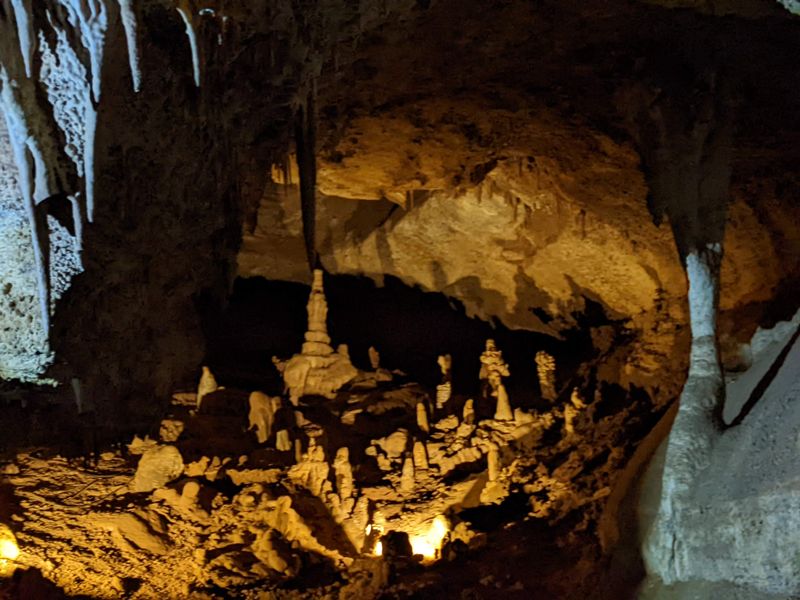
Deep beneath the mountains near Colorado Springs, an underground wonderland of limestone formations has been growing for millions of years. Cave of the Winds takes you through rooms filled with stalactites, stalagmites, and delicate crystal formations that sparkle in the tour lights.
But the real adventure comes from the Lantern Tour, where you explore undeveloped cave sections by candlelight, squeezing through tight passages and crawling into chambers few visitors ever see.
The standard Discovery Tour walks you through well-lit pathways past fascinating geological features with names like the Silent Splendor room and the Valley of Dreams. Guides explain how water and minerals created these underground sculptures over countless centuries.
For serious adventure seekers, the Caving 101 experience provides helmets, headlamps, and knee pads for crawling through muddy passages in wild cave sections.
Above ground, the park offers the Bat-A-Pult ride that launches you 150 feet into the air and the Terror-Dactyl swing that sends riders soaring over Williams Canyon at 100 miles per hour. The cave maintains a constant 54-degree temperature year-round, so bring a jacket even on hot summer days.
This attraction perfectly combines natural wonder with heart-pounding thrills in a unique Rocky Mountain setting.
Trestle Bike Park – Winter Park
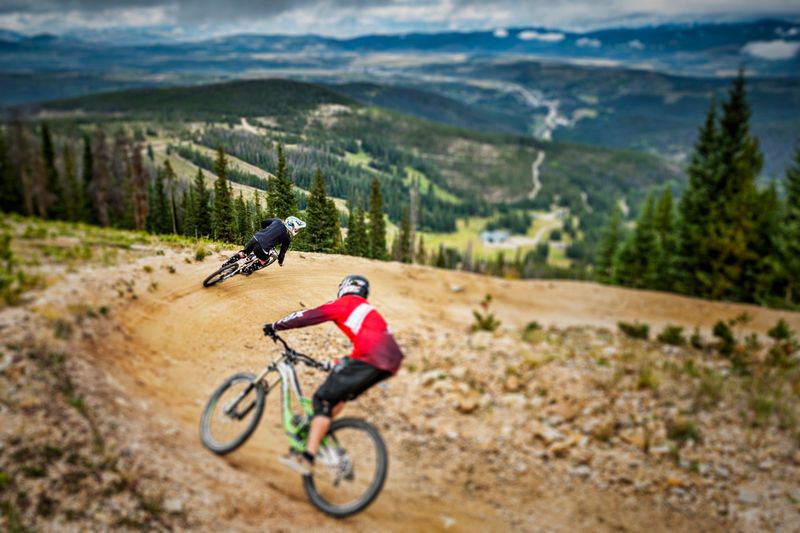
When winter snow melts away, Winter Park Resort transforms into one of North America’s premier mountain biking destinations. Trestle Bike Park features 40 miles of lift-served downhill trails that let you focus entirely on the ride down without the exhausting climb up.
Trails range from smooth flow routes perfect for beginners to technical rock gardens and jump lines that challenge expert riders.
The park’s signature feature is its progressive trail design, where you can gradually build skills on easier paths before attempting more difficult terrain. Green circle trails offer wide berms and gentle grades, while black diamond routes throw in steep chutes, root sections, and gap jumps.
You’ll ride through aspen groves, across alpine meadows, and down mountainsides with stunning Continental Divide views.
Lift tickets include unlimited gondola rides, so you can lap your favorite trails all day without worrying about pedaling uphill. The park operates from late June through early September, with mid-summer offering the driest trail conditions.
Bike rentals and protective gear are available at the base, and instructors offer lessons for riders wanting to improve their downhill skills. This gravity-fed playground turns the Rockies into a mountain biker’s paradise where every run feels like flying.
Dog Sledding In The Swan River Valley – Breckenridge
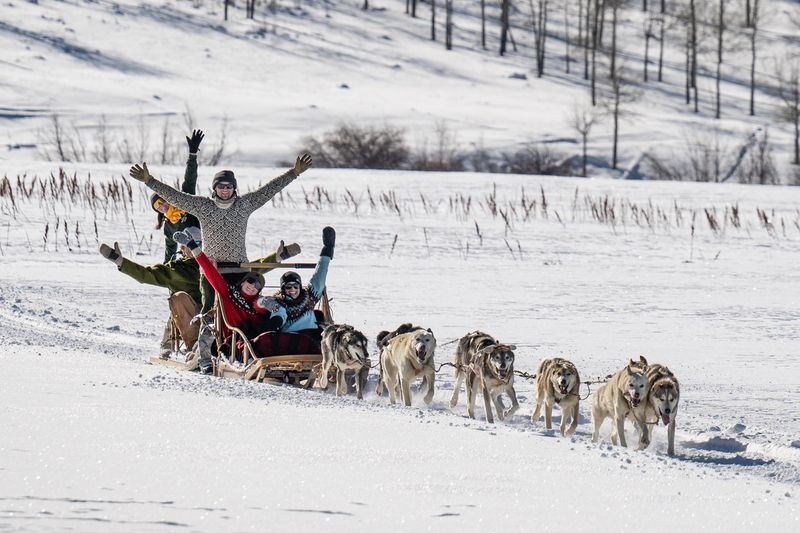
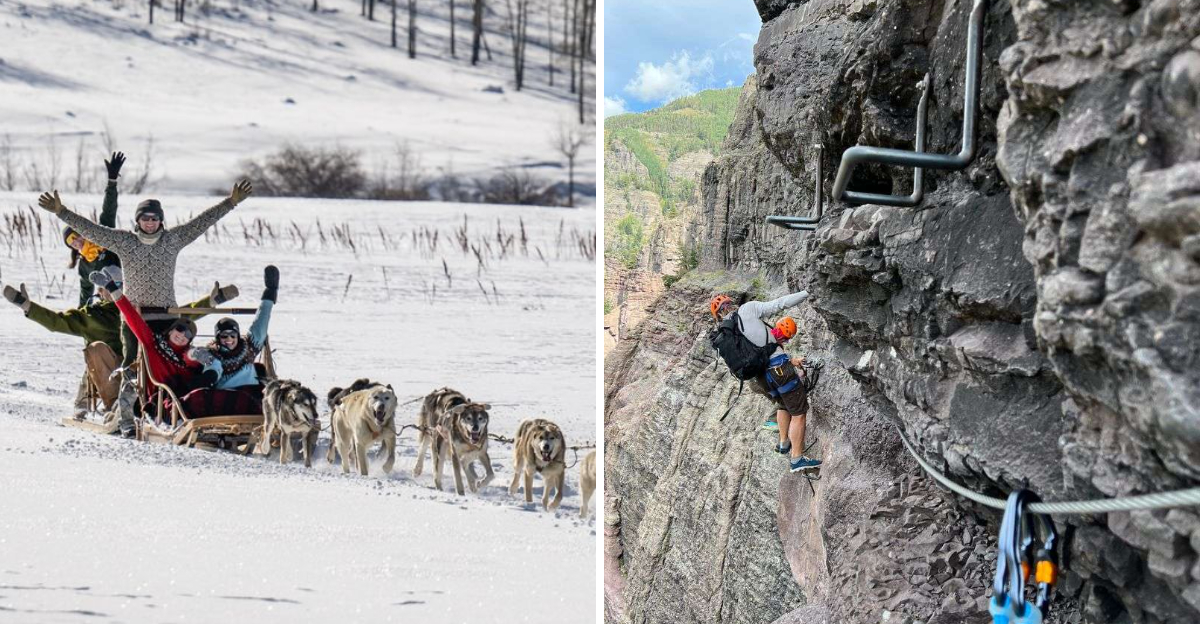
Few experiences capture the magic of a Colorado winter like gliding through snow-covered forests behind a team of enthusiastic sled dogs. In the Swan River Valley near Breckenridge, professional mushers introduce visitors to this traditional arctic sport that feels both thrilling and peaceful at the same time.
The dogs absolutely love running, and their excitement is contagious as they bark and jump in anticipation before each run.
Tours typically last one to two hours, taking you through pristine backcountry where the only sounds are paws padding on snow and runners hissing across the trail. You’ll ride in a sled while the musher drives from behind, navigating through aspen groves and open meadows with mountain views all around.
Many operations let visitors help harness the dogs and even try driving the sled under supervision.
The dogs themselves become the stars of the show, with each team member having distinct personalities that mushers love sharing. After the run, you’ll usually get time to meet and pet these incredible athletes who can run for hours in freezing temperatures.
Tours operate from December through March when snow conditions are best. Dress in serious winter layers since you’ll be sitting still while the dogs do all the work, generating less body heat than active skiing or snowshoeing.
Hanging Lake Trail – Glenwood Canyon
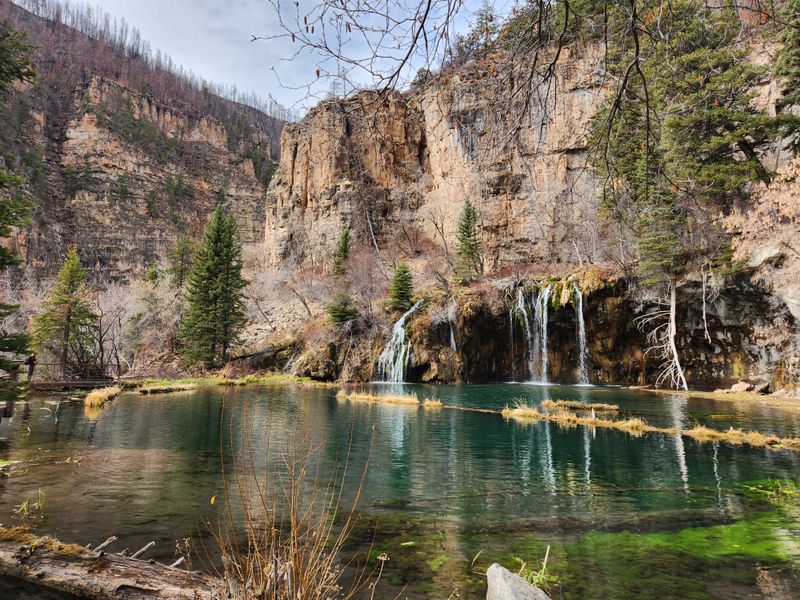
Hanging Lake ranks among Colorado’s most photographed natural wonders, and one look at its impossibly turquoise water explains why. This fragile alpine lake perches on a cliff ledge in Glenwood Canyon, fed by waterfalls that cascade over travertine formations creating an almost tropical appearance in the heart of the Rockies.
Getting there requires earning it though, with a steep 1.2-mile trail that gains 1,000 feet in elevation.
The hike challenges even fit hikers with its relentless uphill grade and rocky terrain. You’ll cross wooden bridges over Deadhorse Creek and climb through sections of loose rock before finally reaching the lake overlook.
The reward makes every burning leg muscle worthwhile as you gaze at water so clear and blue it hardly seems real, surrounded by hanging gardens of moss and wildflowers.
Reservation permits are required year-round to protect this delicate ecosystem, and rules prohibit touching the water or stepping off designated paths. Visit early morning or late afternoon to avoid crowds and catch the best lighting for photos.
The trail can be treacherous when icy, so summer through early fall offers the safest conditions. This bucket-list hike proves that some of Colorado’s most beautiful places demand effort, making the experience even more special when you finally arrive.