
11 Calm And Charming Georgia Towns Ideal For A Quiet Life
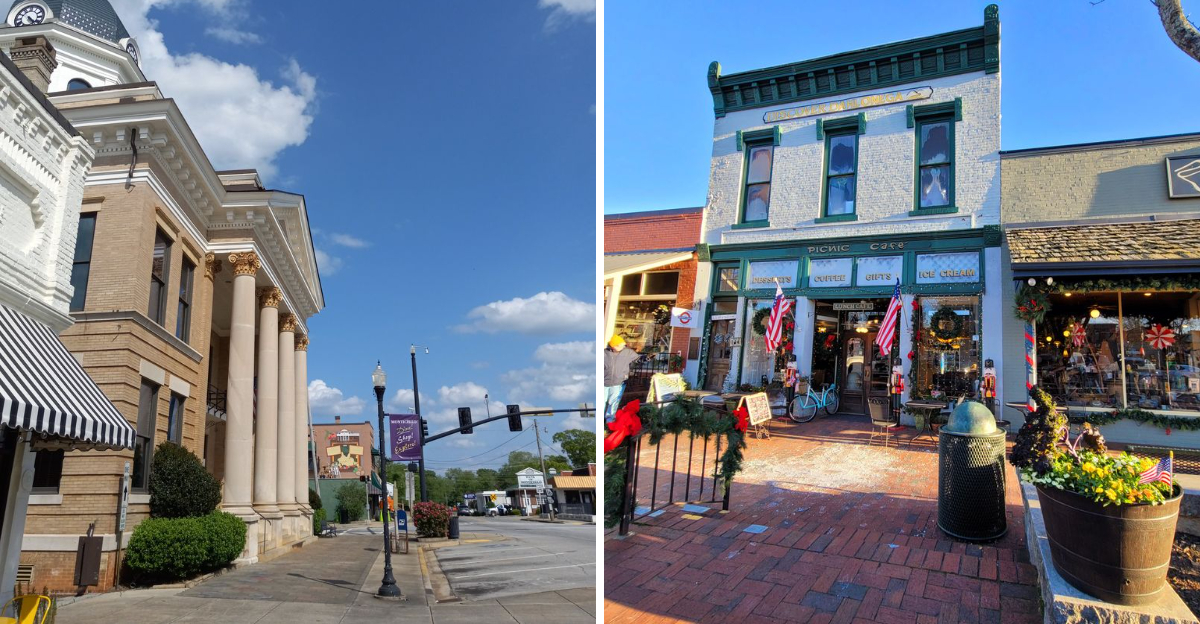
Georgia isn’t just peaches and bustling Atlanta traffic. Between the mountains and the coast lie small towns where life slows down, neighbours wave from their porches, and the loudest sound at dusk might just be crickets.
If you’ve been dreaming of trading honking horns for bird songs and finding a place where everyone knows your name, these eleven Georgia gems offer exactly that kind of peace. Let me take you on a tour of towns that prove the best life might just be the quietest one.
1. Madison
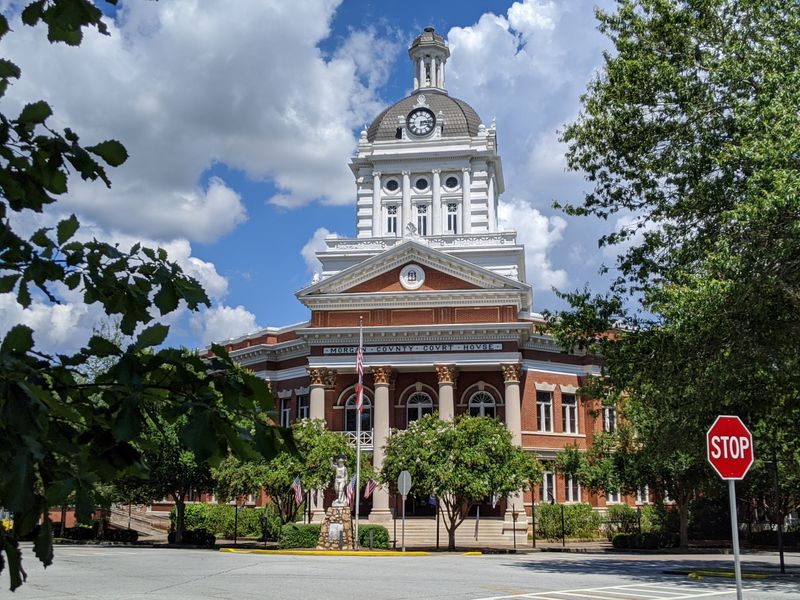
Picture a town so charming that General Sherman himself couldn’t bring himself to burn it during the Civil War. That’s Madison for you.
Walking down Main Street feels like stepping onto a movie set, except these antebellum homes are the real deal, complete with columns that touch the sky and gardens that bloom year-round.
The town square buzzes gently with locally-owned shops selling everything from handmade quilts to artisan chocolates. You’ll find folks sipping sweet tea on café patios, chatting about the upcoming town festival or last week’s church potluck.
Life here moves at a pace that lets you actually taste your morning coffee.
What really makes Madison special is how it balances preservation with progress. Sure, there’s history everywhere you look, but you’ll also find a thriving arts scene, farm-to-table restaurants, and a community that welcomes newcomers with genuine warmth.
The cost of living won’t break the bank either, and you’re just an hour from Atlanta when you need a city fix.
2. Blue Ridge
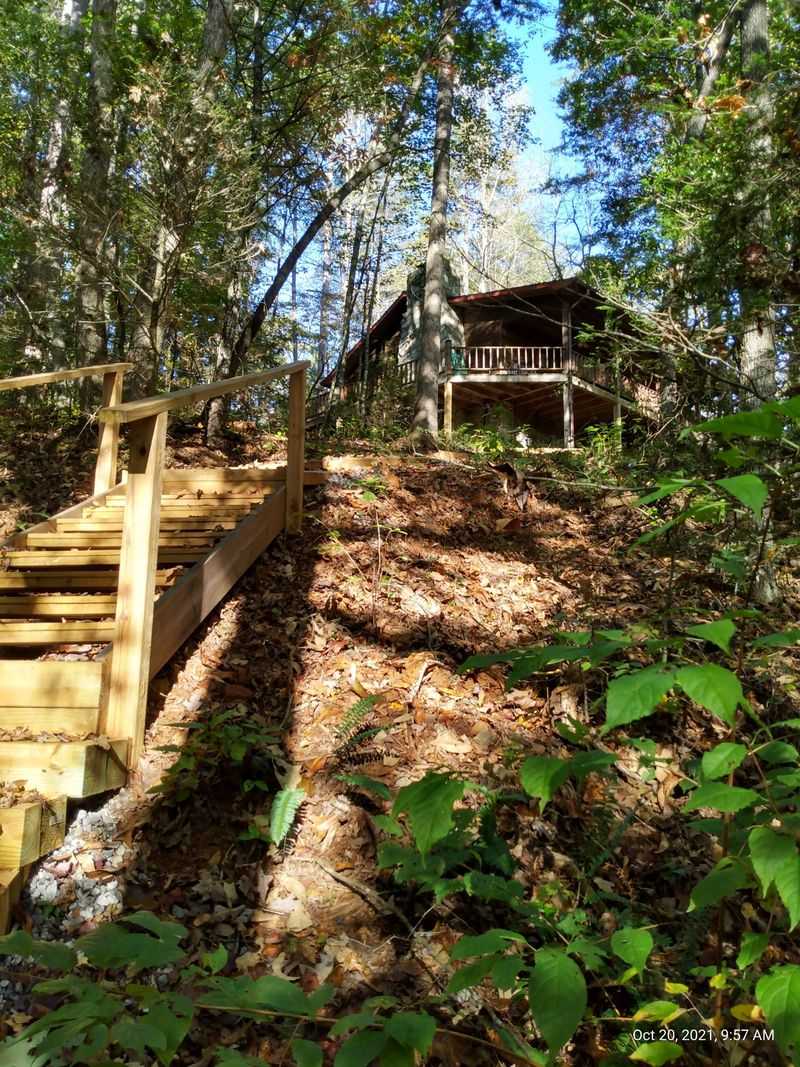
Nestled in the North Georgia mountains, Blue Ridge wraps around you like a cozy blanket on a chilly evening. The air up here tastes different—cleaner somehow, with a hint of pine and mountain laurel.
When fog rolls through the valleys at dawn, you’ll understand why people leave everything behind to call this place home.
Downtown is a delightful mix of antique stores, art galleries, and mom-and-pop eateries where the waitress remembers how you like your eggs. The historic train depot still runs scenic railway trips that wind through tunnels and over trestles, offering views that’ll steal your breath.
Weekends bring bluegrass music drifting from outdoor stages, and locals gather like it’s the most natural thing in the world.
The Toccoa River runs right through town, perfect for lazy afternoons of fishing or tubing when summer heat settles in. Housing ranges from mountain cabins to newer subdivisions, all surrounded by trails and waterfalls waiting to be explored.
Blue Ridge gives you four distinct seasons and a community that actually celebrates each one together.
3. Dahlonega
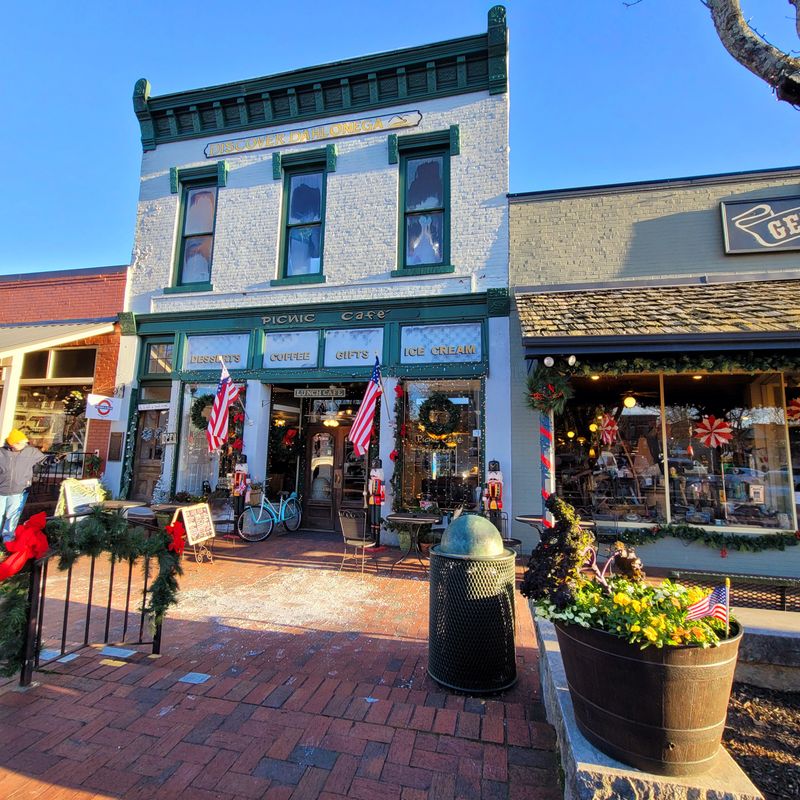
America’s first major gold rush happened right here in 1828, decades before California got all the glory. Today, Dahlonega still sparkles, though now it’s the genuine warmth of the people that feels like striking gold.
The town square centers around a stunning courthouse topped with actual gold leaf, a reminder of those glittering days gone by.
What started as a mining town has transformed into a haven for wine lovers and outdoor enthusiasts. The surrounding hills host over a dozen wineries where you can sip locally-produced vintages while gazing at mountain views that change with every season.
Fall brings leaf-peepers by the thousands, but locals know the real magic happens on quiet weekday mornings when fog hugs the valleys.
The University of North Georgia adds youthful energy without overwhelming the town’s peaceful character. Students and retirees share hiking trails, attend the same community theater productions, and shop at farmers markets where everything’s grown within twenty miles.
Housing stays affordable compared to metro areas, and you’re genuinely surrounded by people who chose simplicity over speed.
4. Ellijay
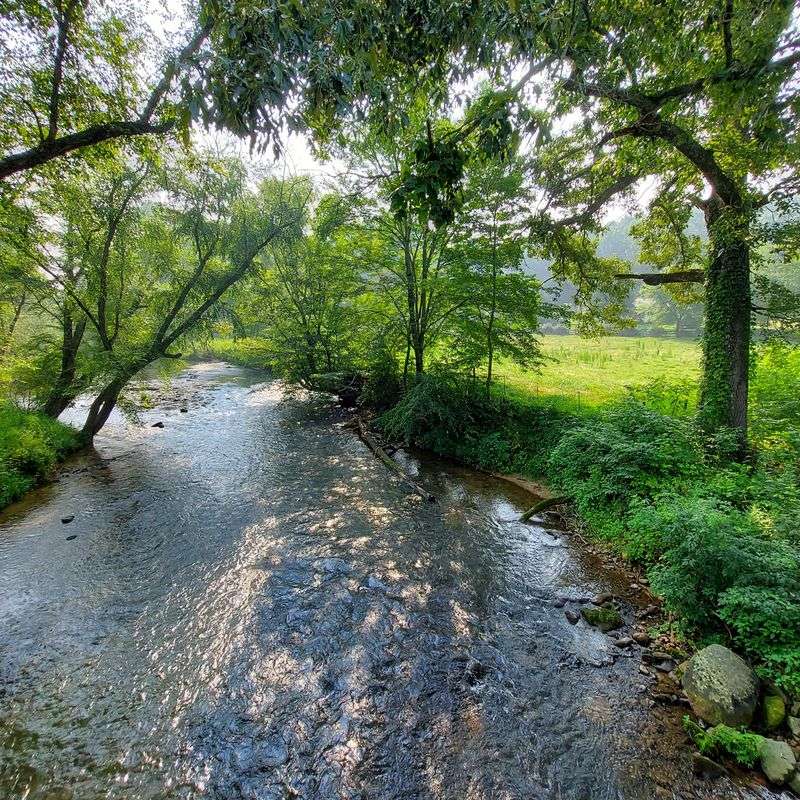
When autumn arrives, Ellijay transforms into Georgia’s unofficial apple capital, with orchards stretching across rolling hills like something from a storybook. But don’t let the seasonal fame fool you—this mountain town offers year-round tranquility that apple festival crowds never see.
Once the tourists leave, you get the real Ellijay, where neighbors help harvest each other’s crops and Friday nights mean high school football under the lights.
The downtown feels authentically small-town America, with hardware stores that still mix paint by hand and diners serving biscuits so fluffy they practically float off the plate. River Street runs parallel to the Ellijay River, offering prime spots for dropping a fishing line or just watching the water tumble over smooth stones.
Local shops sell handmade crafts and preserves made from those famous apples.
What makes Ellijay particularly appealing for quiet living is its isolation without loneliness. You’re far enough from major highways to avoid traffic and noise, yet close enough to Chattanooga and Atlanta for occasional city visits.
The community rallies around local events, schools, and churches, creating connections that urban life rarely provides anymore.
5. Clayton
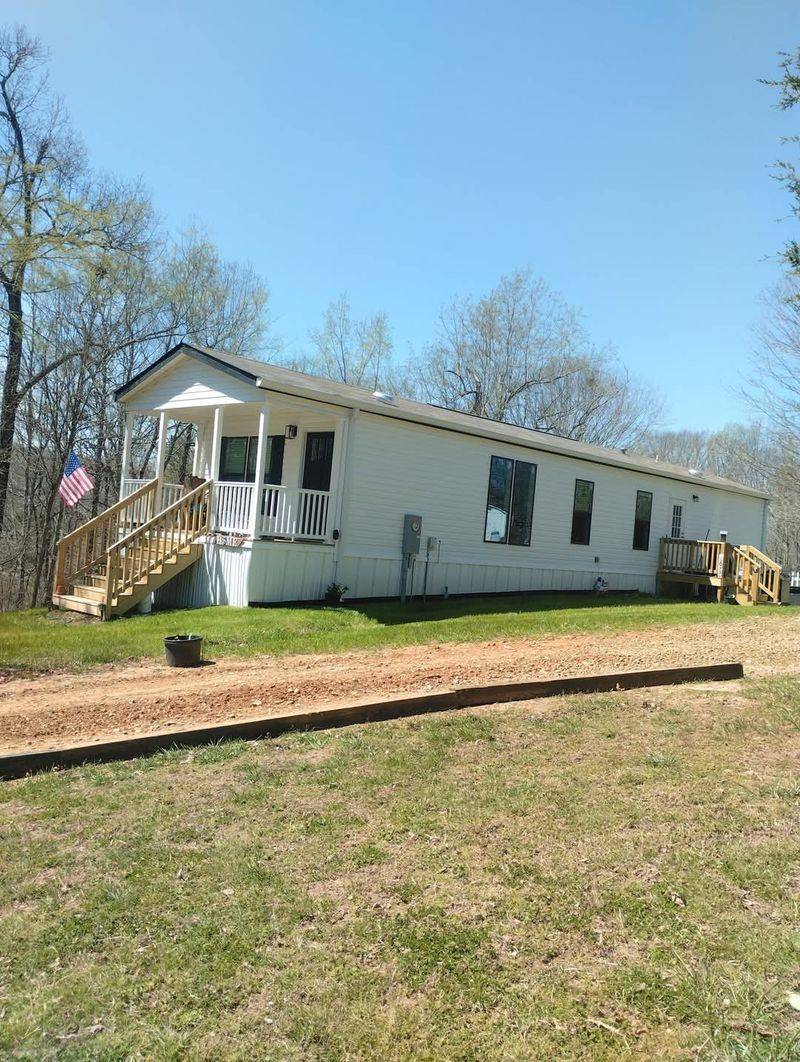
Perched at over 1,900 feet elevation, Clayton serves as the gateway to some of Georgia’s most spectacular mountain scenery. Main Street slopes gently upward, lined with outfitters ready to equip your next waterfall hike and cafés where locals argue good-naturedly about the best fishing spots.
The Chattooga River, made famous by the movie Deliverance, rushes nearby, though the town itself flows at a decidedly gentler pace.
Clayton strikes a beautiful balance between mountain adventure and small-town comfort. You can spend mornings hiking to waterfalls with names like Panther Creek and Minnehaha, then afternoons browsing antique shops or catching up with friends at the local ice cream parlor.
Summer brings cool mountain breezes that make air conditioning almost unnecessary, while winter occasionally dusts the peaks with snow.
The community here runs deep, with families who’ve lived in these mountains for generations welcoming newcomers who respect the land and lifestyle. Housing options range from historic homes in town to secluded mountain properties where your nearest neighbor might be a mile away.
Clayton gives you wilderness at your doorstep while keeping civilization comfortably close.
6. Watkinsville
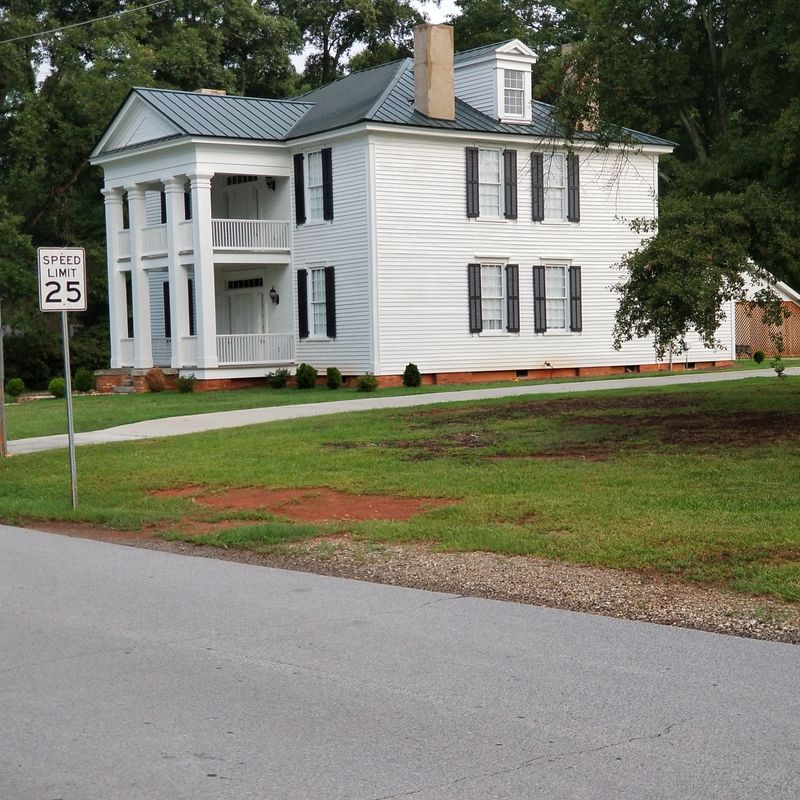
Just eight miles from Athens, Watkinsville manages to feel worlds away from its university-town neighbor. The town square centers around the Eagle Tavern, a stagecoach stop dating back to 1801 that now serves as a museum filled with stories of travelers past.
Oak trees older than Georgia itself shade sidewalks where art galleries and studios outnumber chain stores by a comfortable margin.
Artists discovered Watkinsville decades ago, drawn by affordable spaces and inspiring landscapes. Today, the creative community thrives without the pretension you might find elsewhere.
Potters, painters, and sculptors open their studios during monthly art crawls, chatting easily about techniques while visitors browse. The local library hosts readings, the community center offers everything from yoga to quilting, and somehow everyone seems to know everyone else’s business in the kindest possible way.
What really sells Watkinsville is its accessibility to culture without sacrificing peace. You can attend University of Georgia concerts and sporting events, then retreat to your quiet neighborhood where the only traffic is neighbors walking dogs.
Housing stays more affordable than Athens proper, and you’re surrounded by farms, forests, and winding country roads perfect for evening drives.
7. Greensboro
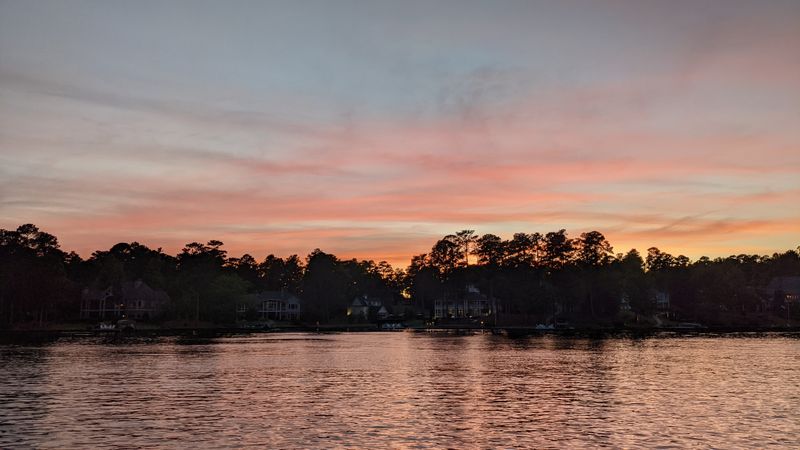
Greensboro wears its history gracefully, with a downtown that looks remarkably similar to photographs from a century ago. The difference?
Now those historic buildings house farm-to-table restaurants, boutiques selling local crafts, and coffee shops where retirees and young families mingle over lattes. Being the county seat of Greene County gives Greensboro just enough activity to feel alive without ever feeling rushed.
Lake Oconee laps at the county’s edges, bringing recreational opportunities and a surprising number of transplants who discovered the area on vacation and never left. But Greensboro itself maintains its small-town character, with tree-lined streets, front porch swings, and a pace that encourages conversation over speed.
The town hosts festivals celebrating everything from heritage to harvest, events that bring the whole community together.
Housing here offers remarkable value, especially considering you’re only an hour from Atlanta. Victorian homes with original details sell for prices that would barely buy a condo in the city.
The school system earns solid marks, the crime rate stays refreshingly low, and there’s a genuine sense that people look out for each other. Greensboro proves you don’t need to sacrifice community for tranquility.
8. Washington
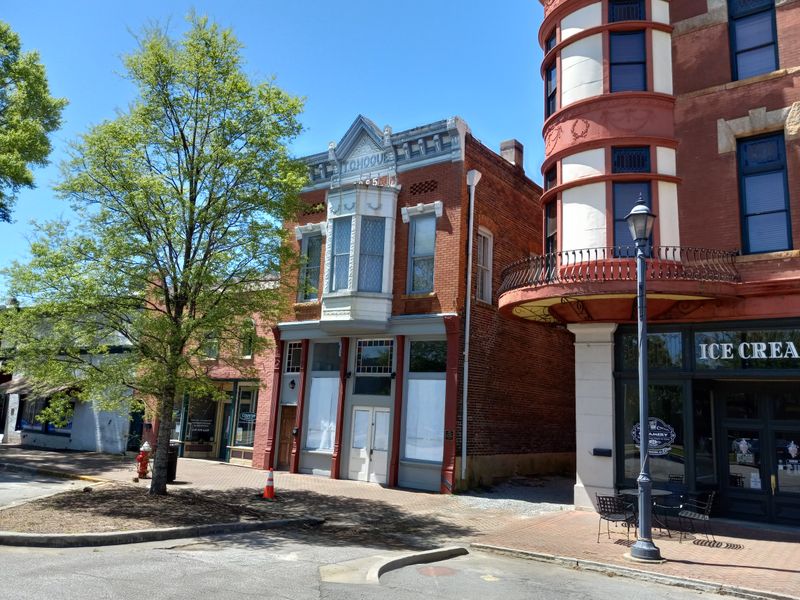
They say the Confederacy breathed its last in Washington when Jefferson Davis held his final cabinet meeting here in 1865. Today, the town lives on as a remarkably preserved time capsule where thirty-four buildings wear National Register plaques like badges of honor.
Walking these streets feels like a history lesson, except instead of dusty textbooks, you’re surrounded by living, breathing architecture that people actually call home.
The town stretches along a ridge, with massive oaks forming tunnels over residential streets where homes sport wraparound porches and gingerbread trim. Downtown businesses occupy buildings that have served the community for over a century, their brick facades and tall windows unchanged by modern trends.
Locals gather at the hardware store, the café, and the annual tours that invite visitors into private historic homes.
Washington attracts a particular kind of person—those who value preservation, quiet dignity, and connections that run deeper than superficial friendliness. The population hovers around 4,000, small enough that the grocery store clerk asks about your family by name.
You’re close to Augusta and Athens for urban amenities, but Washington itself offers something increasingly rare: genuine peace and a sense that history matters.
9. Monticello
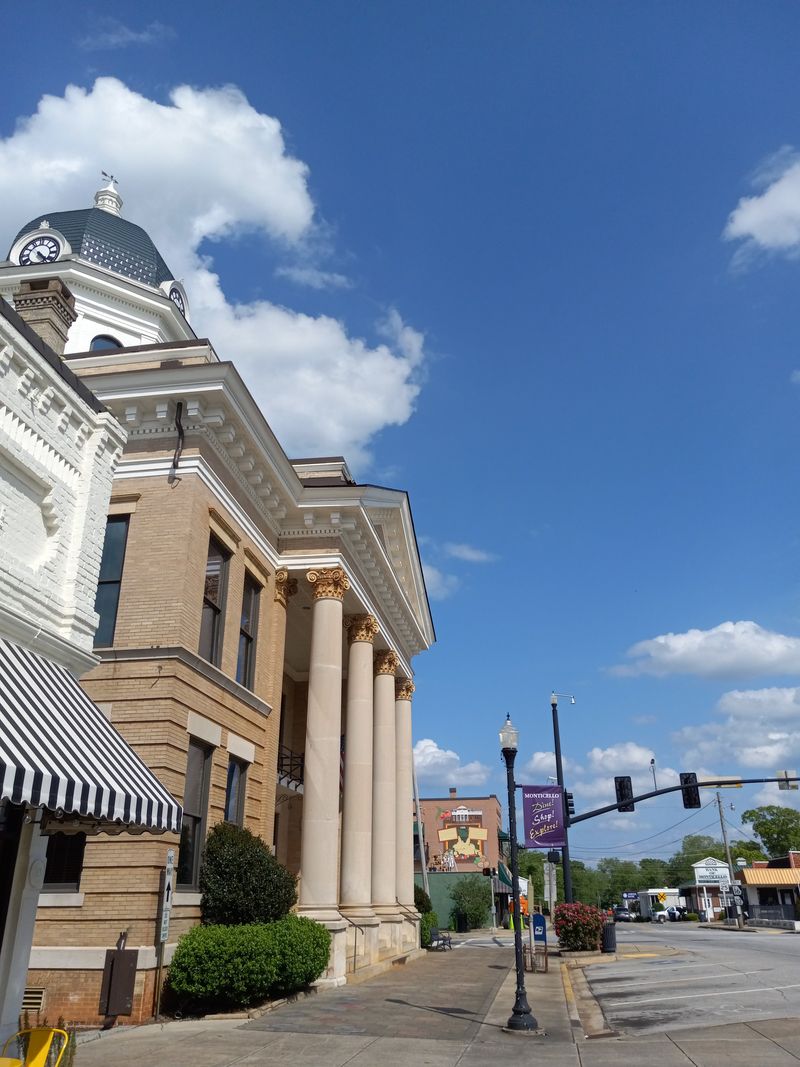
Monticello circles around a courthouse square so picturesque it could illustrate a dictionary definition of small-town America. The Jasper County Courthouse, built in 1907, anchors downtown with its clock tower watching over oak-shaded streets where pickup trucks park at comfortable angles and nobody rushes anywhere.
This is a town where the bank president waves to the mechanic, and both stop to chat about fishing conditions.
Being close to Lake Oconee brings economic benefits without the tourist chaos that plagues some lakeside communities. Monticello maintains its agricultural roots and small-town values while enjoying the stability that nearby development provides.
The town hosts regular festivals and a farmers market where you’ll find produce picked that morning and honey harvested from local hives. Friday night lights at the high school stadium draw crowds that actually care about the score.
Real estate here remains remarkably affordable, with charming older homes and newer subdivisions both offering good value. The community takes pride in its schools, churches, and civic organizations that form the backbone of social life.
Monticello gives you proximity to Atlanta and Athens without their noise, crowds, or cost, making it perfect for anyone seeking authentic small-town living.
10. St. Marys
Where Georgia meets the Atlantic, St. Marys offers something the mountain towns can’t—salt air, waterfront sunsets, and the sound of boats rocking gently in their slips. This coastal gem serves as the gateway to Cumberland Island, but locals know the real treasure is the town itself.
Live oaks dripping with Spanish moss line streets where historic homes face the St. Marys River, their porches perfectly positioned for watching shrimp boats return with the day’s catch.
The downtown waterfront district combines maritime heritage with modern amenities, offering restaurants serving seafood caught that morning and shops selling everything from nautical antiques to local art. The nearby Naval Submarine Base Kings Bay provides economic stability without overwhelming the town’s character.
You’ll find military families and longtime locals coexisting peacefully, united by their love of this special place.
St. Marys delivers year-round mild weather that makes northern winters seem like a bad dream. You can kayak through marshes, fish from the riverbank, or catch the ferry to explore Cumberland Island’s wild beaches and feral horses.
Housing costs less than you’d expect for waterfront living, and the community maintains a welcoming atmosphere that embraces newcomers seeking coastal tranquility.
11. Darien
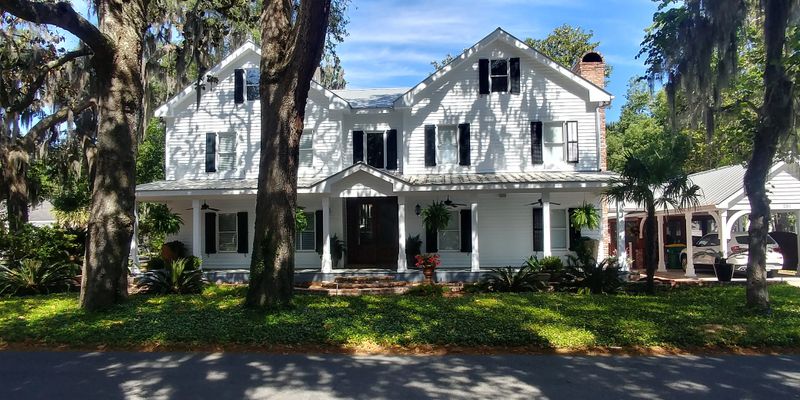
Georgia’s second-oldest city still earns its living from the sea, with shrimp boats tied up at docks where pelicans wait hopefully for scraps. Darien stretches along the Darien River, its historic district preserving buildings that witnessed centuries of coastal history.
The smell of salt marsh and pluff mud—oddly pleasant once you adjust—reminds you constantly that you’re living where land meets ocean in an ancient dance.
What makes Darien special is its authenticity. This isn’t a town reinvented for tourists; it’s a working waterfront community where third-generation shrimpers still head out before dawn and return with Georgia white shrimp that restaurants across the state covet.
Downtown shops sell practical fishing gear alongside souvenirs, and locals far outnumber visitors even during peak season. The pace here follows tidal rhythms rather than clock time.
Fort King George, the oldest English fort remaining on Georgia’s coast, offers tangible connections to the past. Nearby Sapelo Island and the Altamaha River provide endless opportunities for nature lovers.
Housing ranges from historic homes in town to waterfront properties with private docks. Darien gives you coastal living with character, community, and a cost of living that won’t sink your budget like a leaky boat.