
12 Scenic Alabama Mountain Towns Most Travellers Drive Right Past
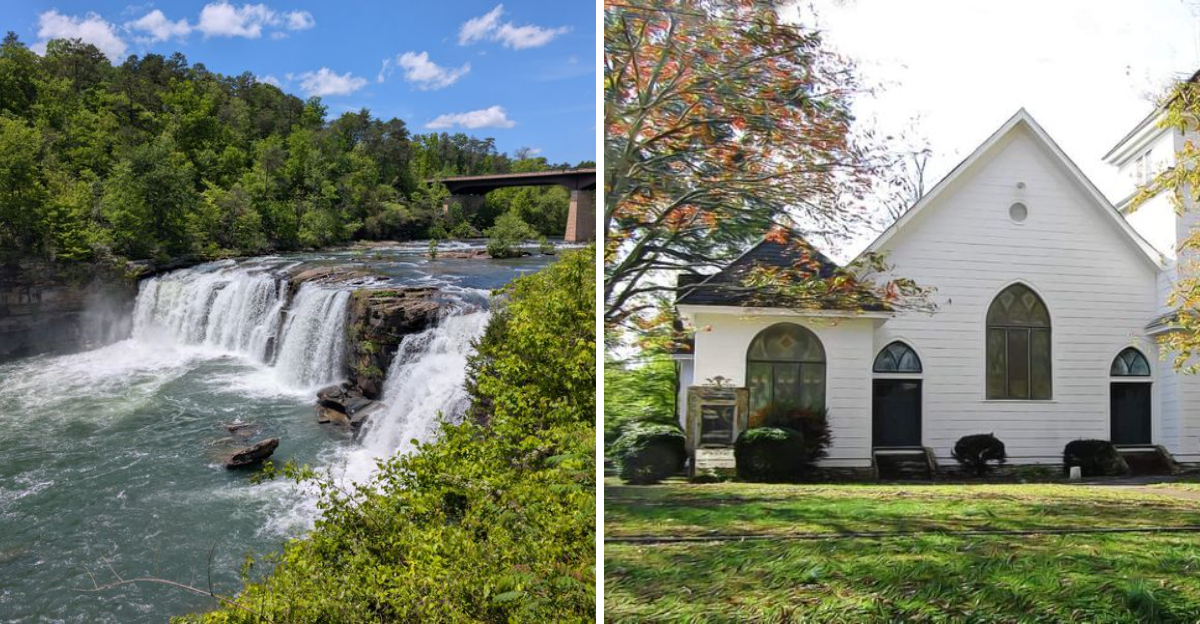
Alabama’s mountain region holds secrets that most road trippers miss completely. Travelers zoom past these charming towns on their way to bigger destinations, never realizing what incredible scenery and local character they’re leaving behind.
These places offer waterfalls, historic downtowns, mountain views, and authentic Southern hospitality without the tourist crowds. I’m taking you through twelve spots that deserve a place on your travel map, each one worth slowing down for and exploring on foot.
1. Mentone
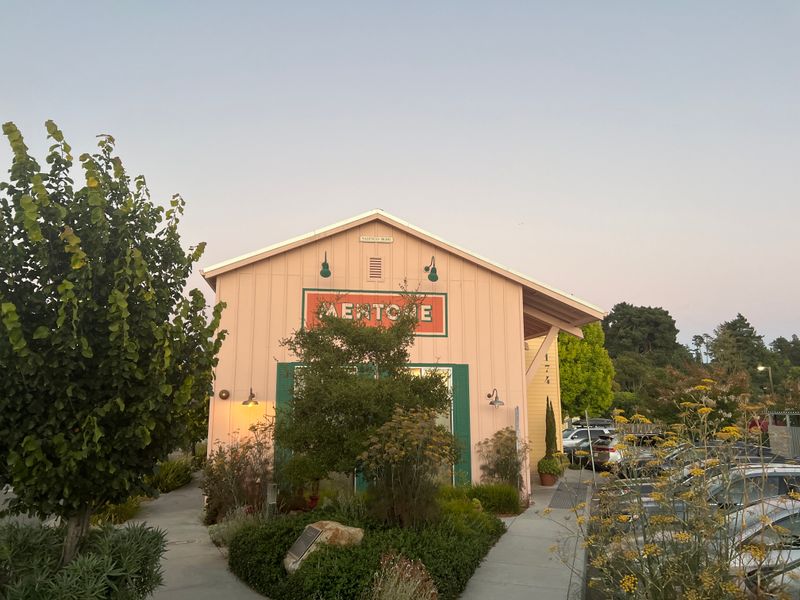
Perched on Lookout Mountain’s western brow, Mentone sits at Alabama’s highest elevation and feels like stepping into a storybook. The air up here stays cooler than the valleys below, making it a favorite summer escape since the 1800s.
Log cabins and stone cottages line quiet streets where you can actually hear birds singing instead of traffic humming.
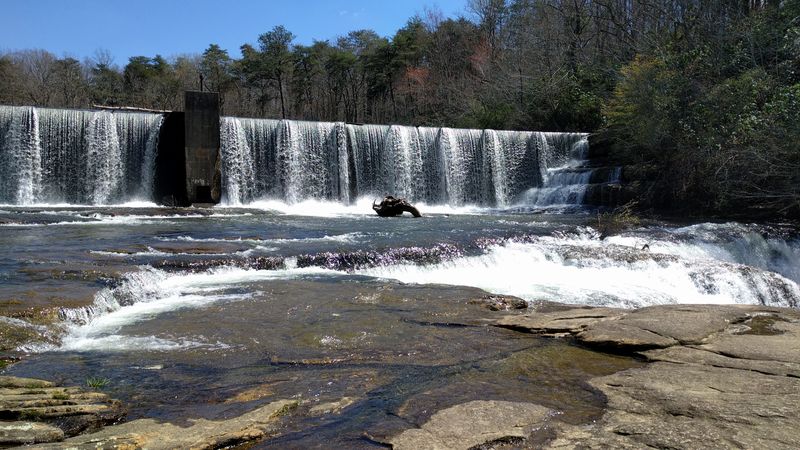
DeSoto Falls crashes down rock faces just minutes from town, creating one of the most photographed spots in northeast Alabama. The falls drop over 100 feet in stages, and the hiking trails around them wind through forests that explode with color every autumn.
Spring brings wildflowers that carpet the forest floor in purples and yellows.
Downtown Mentone consists of a few blocks packed with artisan shops, a general store that’s been operating since 1930, and restaurants serving home-cooked meals. The Mentone Inn has welcomed guests for over a century, and its wraparound porches offer views that stretch for miles.
This town moves at yesterday’s pace, and that’s exactly its charm.
2. Fort Payne
Fort Payne calls itself the Sock Capital of the World, which might not sound glamorous until you learn this town once produced more socks than anywhere else on Earth. But there’s way more to discover here than hosiery history.
The town sits in a valley surrounded by mountains, with Lookout Mountain creating a dramatic eastern backdrop that catches fire with sunset colors.
Little River Canyon National Preserve lies just outside town, offering some of the deepest gorges east of the Mississippi River. You can drive the rim road for spectacular overlooks or hike down to the river itself, where water flows over smooth boulders.
The canyon stretches for miles, and most sections feel completely untouched by development.
Downtown Fort Payne features murals celebrating local history, including tributes to the band Alabama, who got their start here. The old opera house still stands as a reminder of the town’s prosperous past, and several antique shops let you browse through decades of Southern treasures.
Main Street feels authentic rather than manufactured for tourists.
3. Oneonta
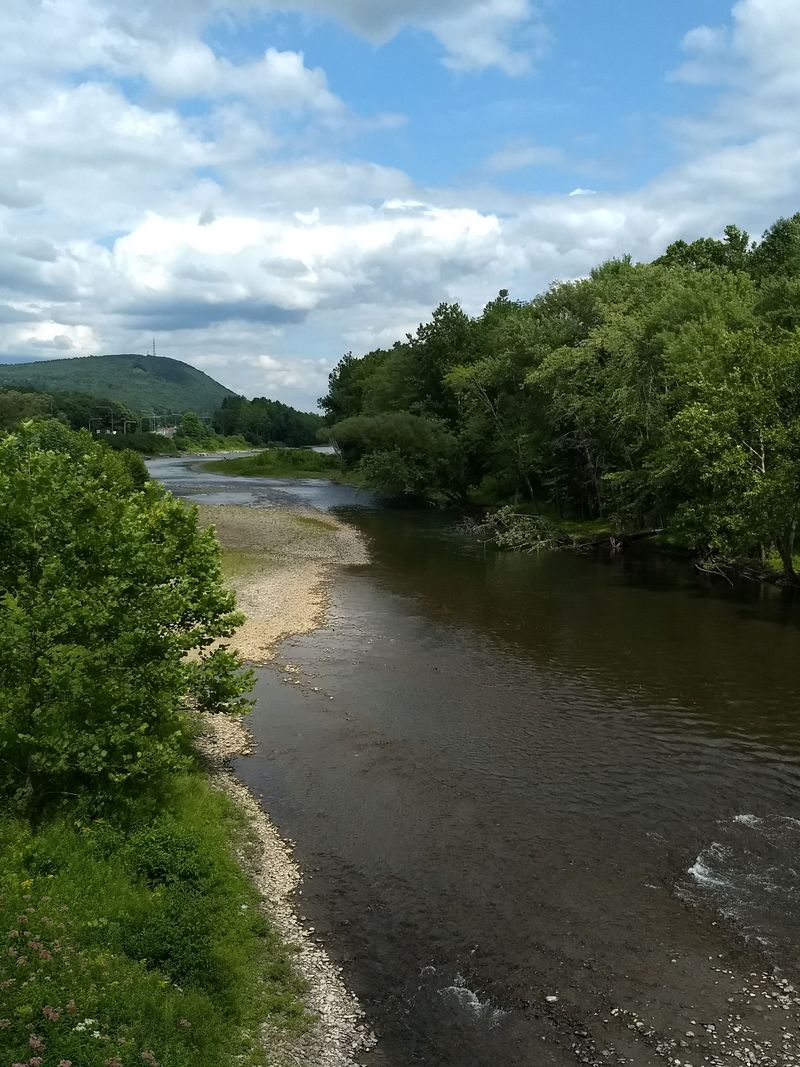
Covered bridges aren’t just for New England postcards. Oneonta claims three of Alabama’s historic covered bridges within its county limits, each one spanning clear creeks that reflect surrounding forests.
Horton Mill Bridge stands as the highest covered bridge in the United States, perched 70 feet above the water and still open for careful drivers to cross.
The town itself wraps around a traditional courthouse square where locals still gather for community events and festivals. Small businesses line the streets, from hardware stores that have served generations to cafes where regulars know each other by name.
This isn’t a place trying to become something else; it’s comfortable in its own skin.
Blount County’s natural beauty surrounds Oneonta on all sides, with the Appalachian foothills creating gentle rises and valleys. Palisades Park offers hiking trails that lead to rock formations and overlooks where you can see for miles across forested ridges.
The Locust Fork River runs nearby, popular with kayakers who appreciate its clear water and moderate rapids that don’t require expert skills.
4. Cullman
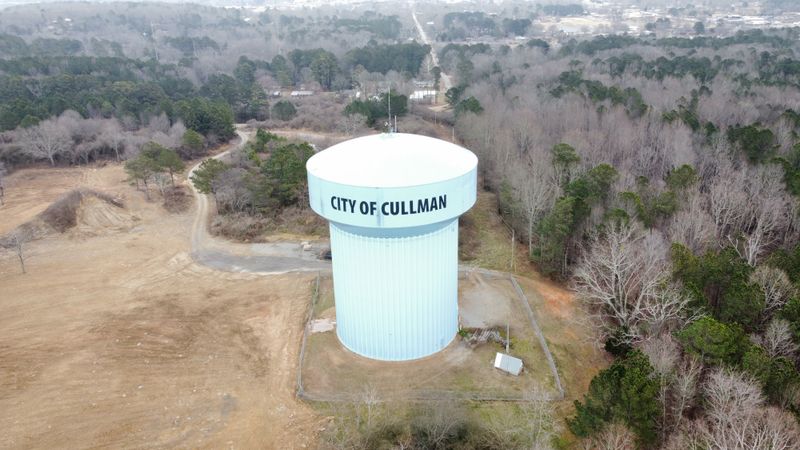
A German monk named Brother Joseph spent decades creating miniature reproductions of famous religious structures, and his work fills Ave Maria Grotto in Cullman. Over 125 tiny buildings cover the hillside, each one crafted from materials like broken glass, costume jewelry, and cold cream jars.
The detail in these miniatures stops visitors in their tracks, and the peaceful gardens surrounding them invite quiet reflection.
Cullman’s German heritage shows up everywhere, from the architecture downtown to the recipes served in local restaurants. The town was founded by German immigrants in 1873, and that influence never faded.
Smith Lake lies just south of town, offering 500 miles of shoreline where the water stays so clear you can see fish swimming twenty feet down.
Downtown Cullman has experienced a revival in recent years, with new restaurants and shops opening in historic buildings that showcase the town’s original character. The farmers market brings crowds on Saturday mornings, with vendors selling everything from fresh produce to handmade crafts.
Hurricane Creek Park provides hiking trails and swimming holes just minutes from downtown.
5. Scottsboro
Unclaimed baggage from airlines across America ends up in Scottsboro, creating one of the most unusual shopping experiences you’ll find anywhere. The Unclaimed Baggage Center sprawls across a massive building where you can browse through items that travelers lost or left behind.
You never know what you’ll discover, from designer clothes to electronics to truly bizarre items that make you wonder about their original owners.
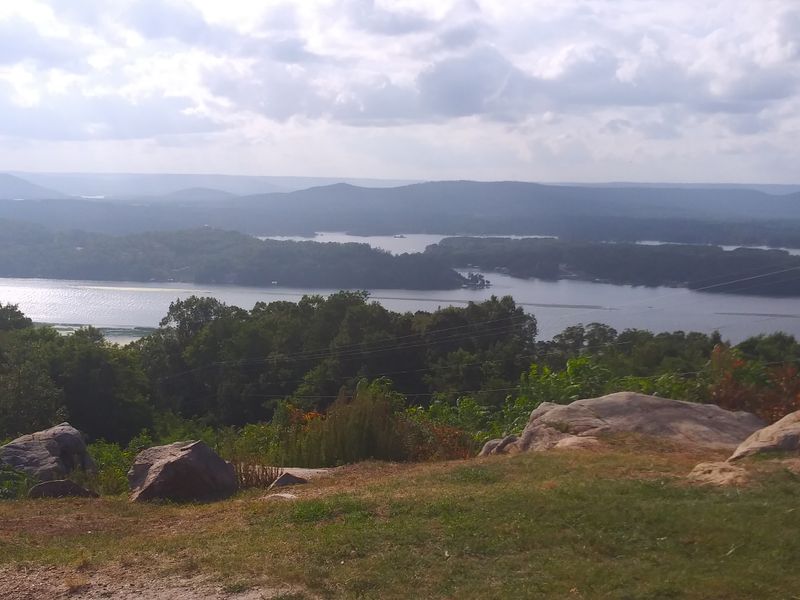
Beyond the shopping oddity, Scottsboro sits right on Lake Guntersville’s northern end, where the Tennessee River widens into one of the South’s premier fishing destinations. The town’s waterfront park offers boat launches, walking trails, and picnic areas with mountain views across the water.
Goose Pond Colony Resort provides championship golf and lakeside dining without the resort prices you’d pay in more touristy areas.
Cathedral Caverns State Park lies just outside town, featuring one of the largest cave openings in the world. Inside, massive stalagmites rise like frozen waterfalls, and the formations create rooms big enough to hold entire buildings.
Guided tours take you deep underground where the temperature stays comfortable year-round.
6. Guntersville
Eagles winter in Guntersville by the hundreds, turning the skies above the lake into a raptor paradise from January through February. You can watch these massive birds soar and dive for fish from viewing platforms along the shore, and local guides offer boat tours that get you even closer to the action.
The annual eagle awareness weekends draw birders from across the country who want to witness this natural spectacle.
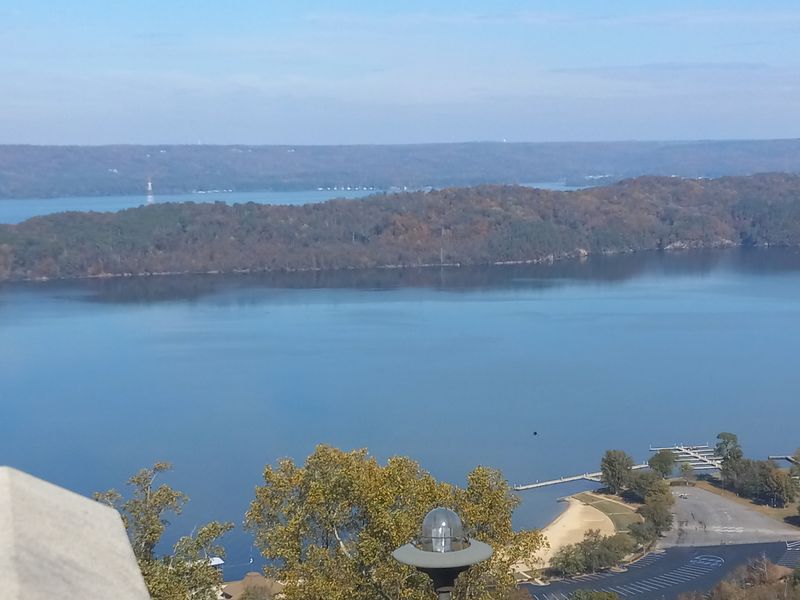
Lake Guntersville State Park commands one of the most beautiful settings in Alabama’s park system, with a lodge perched on a peninsula surrounded by water on three sides. The park offers over 36 miles of hiking trails that wind through forests and along ridgelines with panoramic lake views.
Mountain bikers consider these trails among the best in the Southeast for technical challenges and scenic rewards.
Downtown Guntersville hugs the lakeshore, with restaurants and shops offering water views and easy access to the marina. The town has embraced its position as a fishing destination without becoming tacky or overdeveloped.
Local eateries serve fresh catfish and Southern comfort food, and the pace stays relaxed even during peak season.
7. Delta
Alabama’s highest point, Cheaha Mountain, rises just outside Delta, but the town itself remains one of those places that most maps barely acknowledge. Only a few hundred people call Delta home, and the town consists of little more than a handful of buildings along the highway.
But what it lacks in size, it makes up for in proximity to some of the state’s best natural areas.
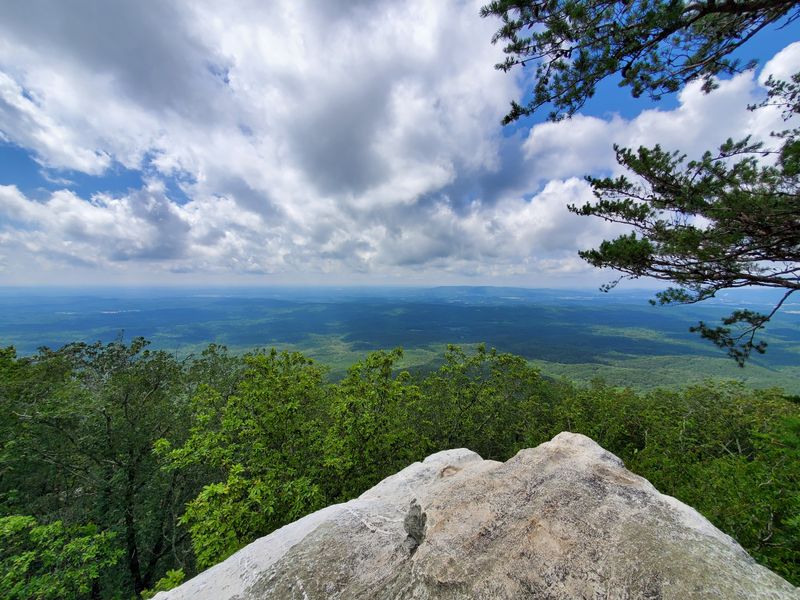
Cheaha State Park sits at 2,407 feet above sea level, offering views that stretch across multiple counties on clear days. The observation tower at the summit provides 360-degree panoramas of forested ridges that fade into blue haze at the horizon.
Hiking trails range from easy walks to challenging climbs, including sections of the Pinhoti Trail that eventually connects to the Appalachian Trail.
The surrounding Talladega National Forest contains over 400,000 acres of protected wilderness, with waterfalls, swimming holes, and camping spots that see far fewer visitors than more famous destinations. Delta serves as a quiet base camp for exploring this region, with none of the tourist infrastructure that clutters other mountain towns.
8. Lineville
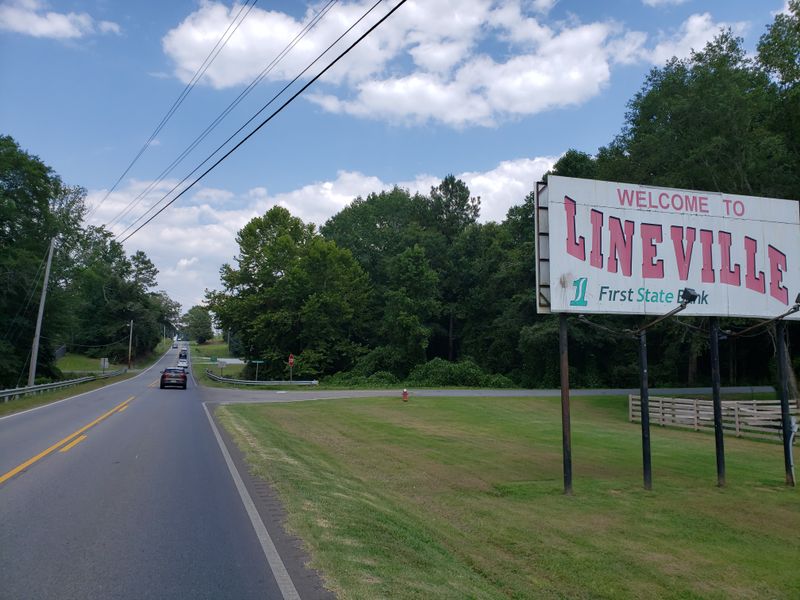
Gold once drew prospectors to the hills around Lineville, and you can still find traces of old mining operations if you know where to look. The gold rush never reached California proportions here, but it left behind stories and a few families who stayed after the easy pickings disappeared.
Today, the town serves as a gateway to the Talladega National Forest’s southern sections, where the landscape rolls in gentle mountains covered with pine and hardwood.
Coleman Lake sits right in town, offering fishing and a walking trail that circles the water. It’s not a large lake, but it provides a peaceful spot where locals gather for evening walks and weekend picnics.
The surrounding forest creates a buffer from the modern world, and you can easily forget you’re in the 21st century when walking these trails.
Lineville’s downtown still features original storefronts from its early days, though many now house different businesses than they did a century ago. The pace here runs slow, and that’s exactly how residents like it.
This isn’t a destination for those seeking entertainment and dining options; it’s a place for people who appreciate quiet and natural beauty.
9. Piedmont
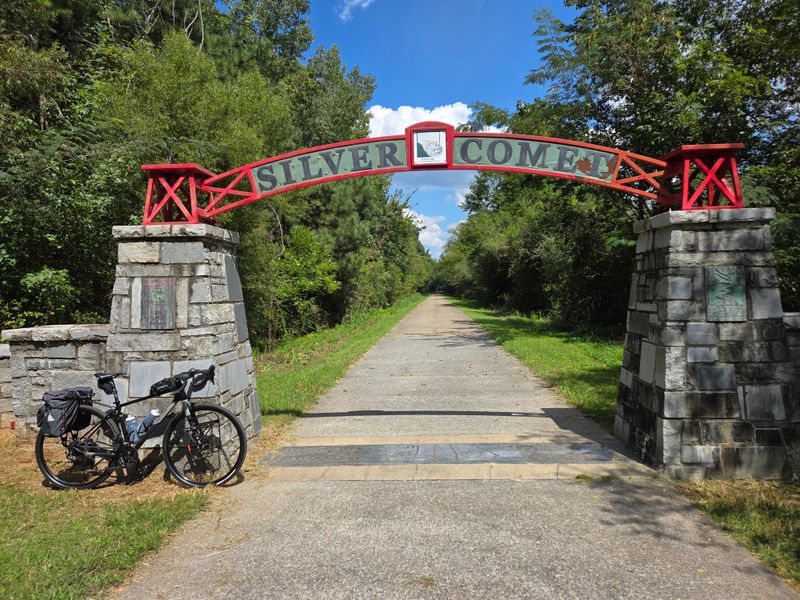
The Chief Ladiga Trail starts in Piedmont and stretches 33 miles through northeast Alabama, following an old railroad bed that’s been converted into one of the region’s finest rail trails. You can bike, walk, or run the entire length, passing through small towns and countryside that looks much like it did fifty years ago.
The trail surface stays smooth and mostly flat, making it accessible for all skill levels.
Piedmont grew up around textile mills that once employed most of the town’s residents. Those mills have closed, but the historic buildings remain, and some have found new life as shops and community spaces.
The town has that authentic working-class character that you can’t fake or manufacture for tourists.
Surrounding countryside offers fishing in farm ponds, hiking in the Talladega National Forest’s northern reaches, and back roads perfect for scenic drives. Piedmont doesn’t try to be something it’s not, and visitors who appreciate small-town Alabama find plenty to enjoy here.
The local folks are friendly without being overly curious, and the cost of everything from meals to lodging stays reasonable compared to more touristy destinations.
10. Jacksonville
Jacksonville State University brings energy and youth to this mountain town, creating a blend of college-town vibrancy and small-town Southern charm. The campus spreads across the hillsides with buildings that range from historic to modern, and students fill the coffee shops and restaurants around the square.
But Jacksonville never loses its mountain-town character despite the university presence.
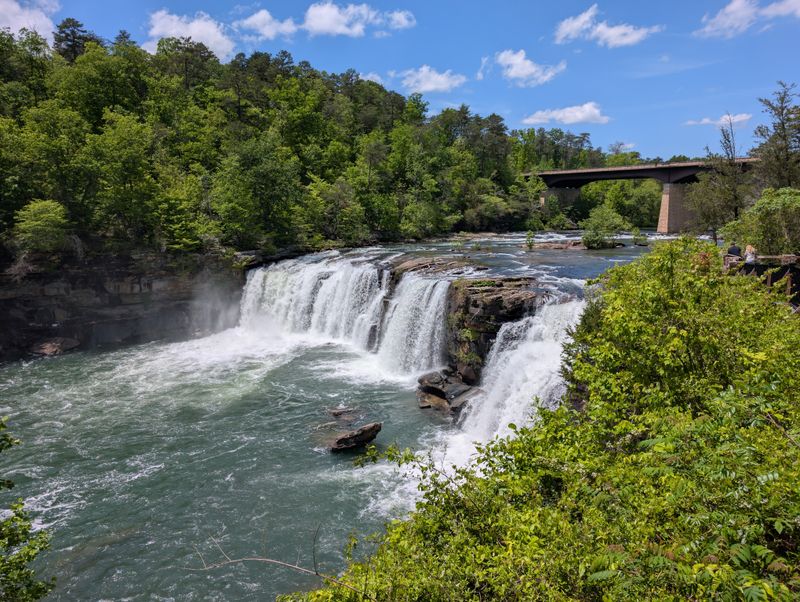
The Little River Canyon National Preserve lies just minutes away, offering some of the most dramatic scenery in Alabama. River overlooks provide views down into the canyon where water cuts through sandstone layers that took millions of years to form.
The preserve protects 15,000 acres of canyons, forests, and waterfalls that remain largely undeveloped and unspoiled.
Downtown Jacksonville features a traditional square with the courthouse at the center, surrounded by local businesses and restaurants. The town hosts festivals throughout the year that draw crowds from surrounding communities, and the energy level picks up considerably when school is in session.
Mountain biking trails in the area attract riders from across the region, with routes that challenge experienced cyclists while offering options for beginners too.
11. Arab
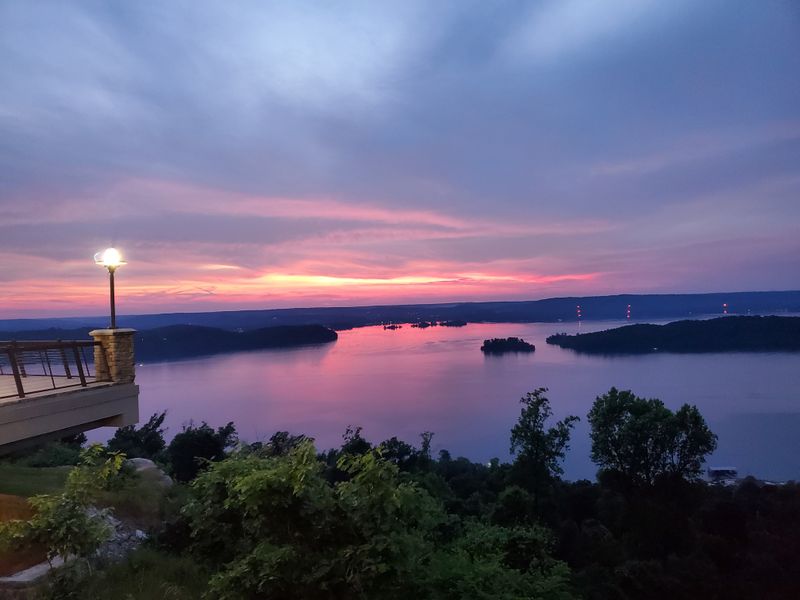
Arab sits in the foothills where the mountains start their rise from the Tennessee Valley, giving the town a transition-zone feel between flatlands and peaks. The name causes confusion for first-time visitors who pronounce it like the ethnic group, but locals say it like “AY-rab” with the emphasis on the first syllable.
The town got its name from a railroad worker’s son, not from any Middle Eastern connection.
Lake Guntersville’s northern end provides Arab residents with easy water access for fishing, boating, and lakeside recreation. The town serves as a bedroom community for Huntsville workers who want more space and a slower pace than city life offers.
That proximity to Huntsville means Arab has better services and amenities than many small towns its size.
The downtown area maintains its small-town character with local businesses and a few restaurants serving home-cooked meals. Arab doesn’t attract many tourists, which means you’ll experience authentic local life rather than a version created for visitors.
The surrounding countryside offers farms, forests, and back roads perfect for exploring, with mountain views appearing on the horizon in every direction you look.
12. Valley Head
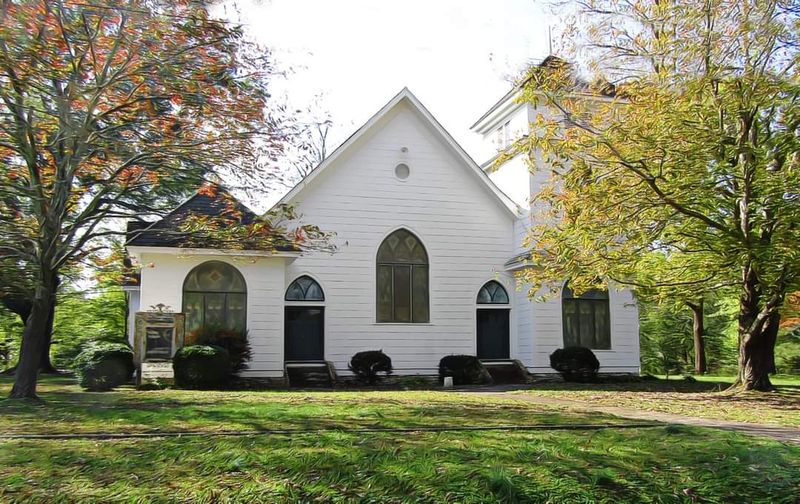
Valley Head’s historic train depot still stands as a reminder of when railroads connected these mountain communities to the wider world. The depot now serves as a museum and visitor center, with displays about the town’s railroad heritage and the role trains played in developing this region.
You can almost hear the whistle of steam engines when standing on the old platform.
Lookout Mountain looms over the town, and several trails lead up its slopes to overlooks and natural features. Sequoyah Caverns sits just outside town, offering underground tours through rooms filled with formations that sparkle in the artificial lighting.
The caverns maintain a constant cool temperature, making them a popular escape during Alabama’s hot summers.
Winston Place, a historic plantation home, operates as a bed and breakfast where you can sleep in rooms that have hosted guests for over 150 years. The town itself consists of just a few streets, but the surrounding valley offers scenic beauty that changes with the seasons.
Fall brings spectacular color to the mountainsides, while spring covers everything in green so bright it almost hurts your eyes. Valley Head moves slowly, and that’s exactly what makes it special.