
This Florida Garden Is Home To The State’s Most Impressive Butterfly House And Maze
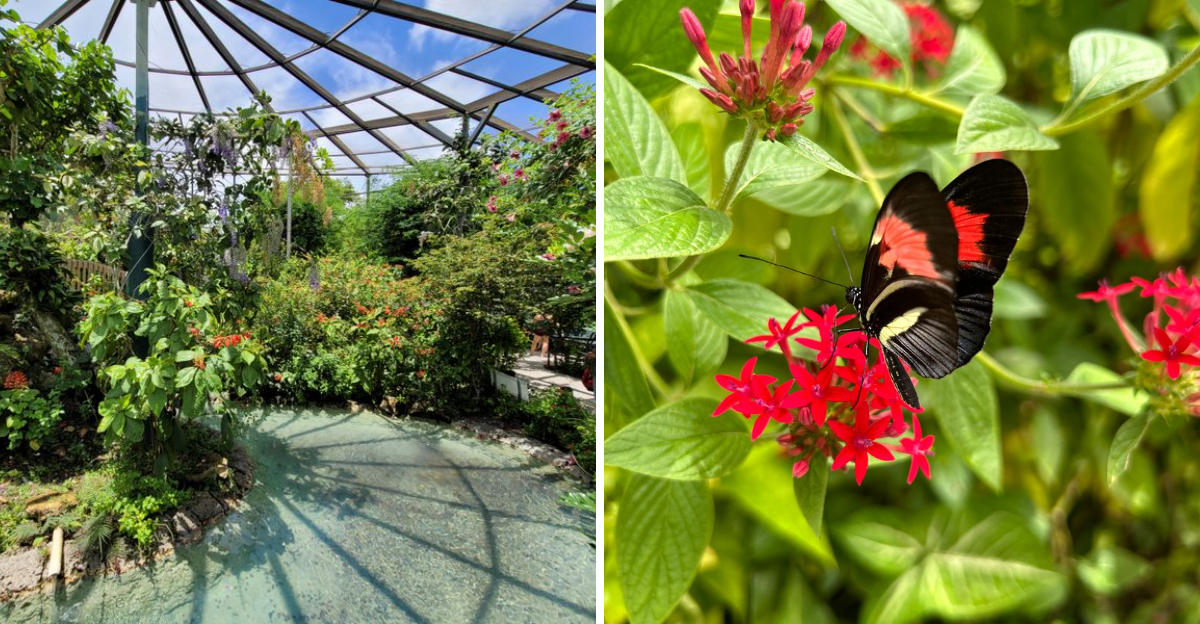
You don’t just look at the butterflies here, you walk right through their world. At Butterfly World in Coconut Creek, thousands of vibrant wings flutter freely through lush tropical aviaries, surrounding visitors in colour and motion.
Sunlight filters through the greenery as delicate butterflies drift past at eye level, creating a truly immersive wildlife experience. Thoughtfully designed yet wonderfully natural, the park blends winding garden paths, a passionflower maze and climate-controlled conservatories into a setting that feels both magical and inviting at every turn.
Home To The Largest Butterfly Park In The Western Hemisphere
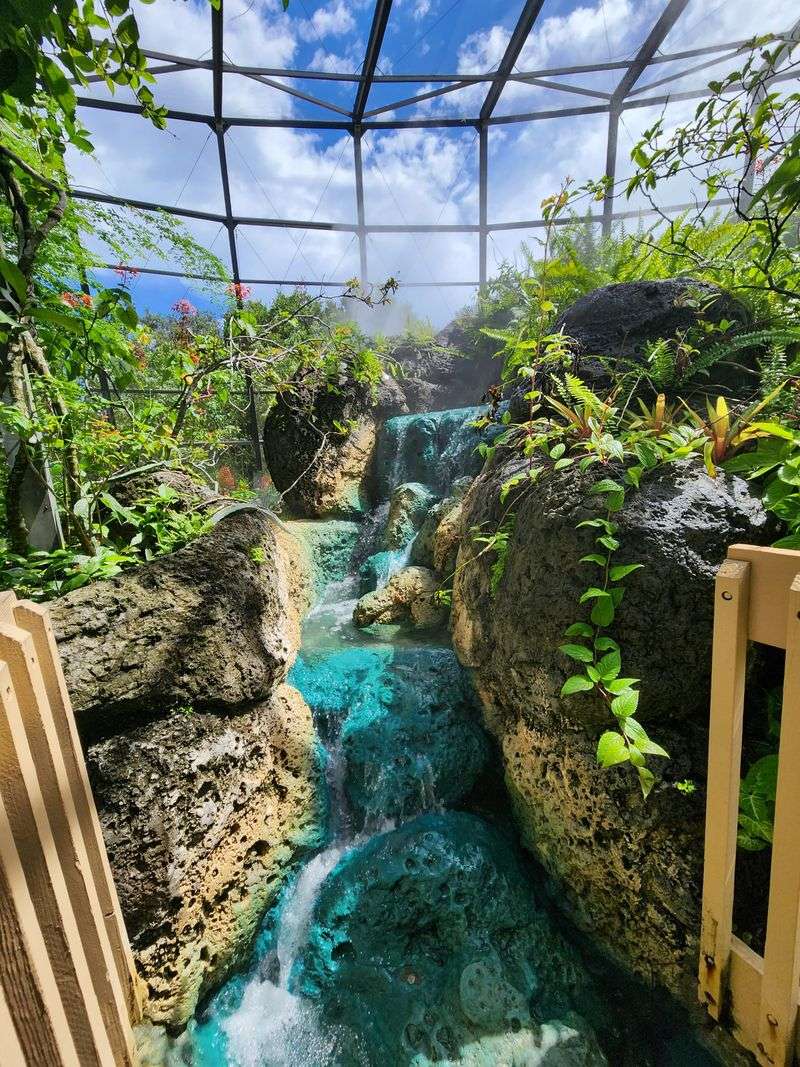
Butterfly World claims the title of the largest butterfly park across the Western Hemisphere, and the scale becomes clear the moment you step inside. The facility stretches across multiple acres within Tradewinds Park, housing aviaries that tower overhead and gardens that wind through carefully planned landscapes.
Visitors often spend hours wandering through the different zones without retracing their steps.
The park opened in 1988 and has expanded steadily since then, adding new aviaries and garden sections as its reputation grew. What began as a modest attraction has become a destination that draws visitors from across the country and beyond.
The sheer size allows for diverse habitats, each tailored to different butterfly species and their specific needs.
Walking through the park feels less like touring a zoo and more like exploring a living ecosystem. Butterflies land on shoulders, flowers, and benches without hesitation.
The expansive layout gives each species room to thrive while keeping the experience intimate and accessible for guests of all ages.
More Than 20,000 Butterflies Flutter Through Its Aviaries
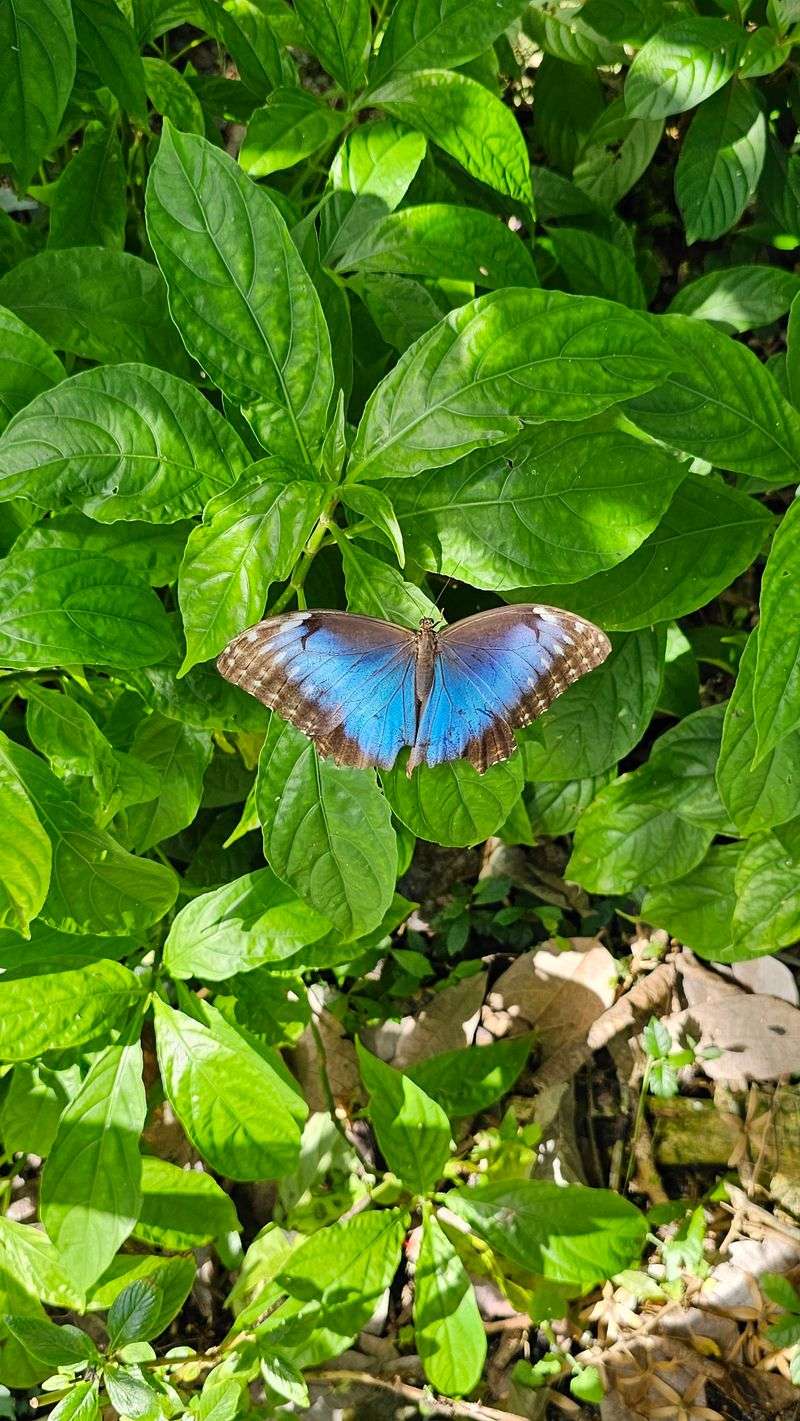
At any given time, more than 20,000 butterflies call Butterfly World home. That number represents hundreds of species from around the globe, each with distinct colors, patterns, and flight behaviors.
The density of butterflies varies by aviary, but certain sections feel almost dreamlike as dozens of wings pass by in a single moment.
Staff members work daily to maintain healthy populations, carefully monitoring breeding cycles and habitat conditions. The park operates its own breeding facility where butterflies complete their life cycles from egg to adult.
This approach ensures a steady population and allows visitors to observe chrysalises hanging from branches and newly emerged butterflies drying their wings.
The constant presence of so many butterflies creates an immersive experience that photographs struggle to capture. Blue morphos glide past at eye level while tiny orange and yellow species dart between flowers.
The variety keeps every visit fresh, as different species become more active depending on the season and time of day.
The Tropical Gardens Feel Like A Lush Rainforest Escape
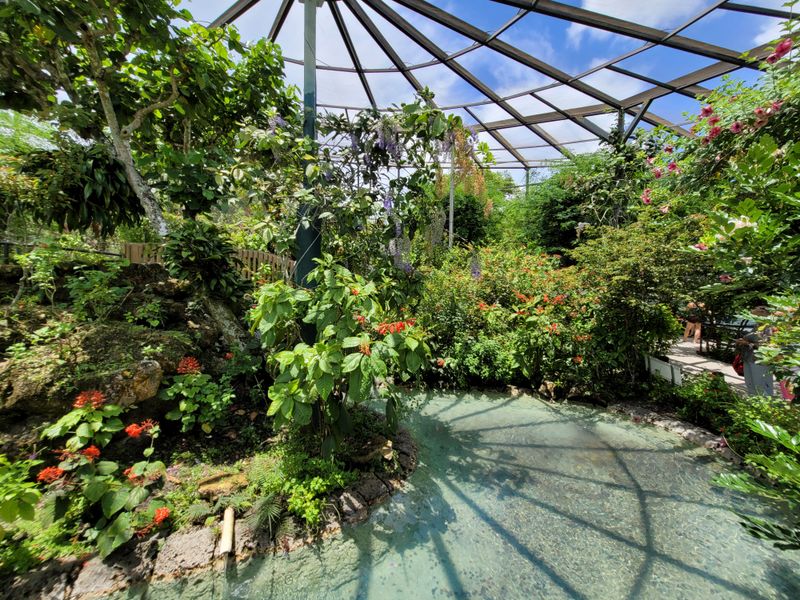
The gardens at Butterfly World recreate the humidity and density of a tropical rainforest without requiring international travel. Palms arch overhead, bromeliads cluster on tree trunks, and flowering vines climb every available surface.
The air feels thick and warm, particularly during summer months when the natural Florida heat amplifies the tropical atmosphere.
Landscape designers have layered plants at different heights to mimic natural forest structure. Tall canopy trees provide shade while mid-level shrubs and ground covers create a sense of enclosure.
Water features trickle throughout, adding sound and moisture that butterflies need to thrive. Koi ponds and small waterfalls appear around corners, offering quiet spots to pause and watch butterflies drink from wet stones.
The plantings serve both aesthetic and practical purposes. Many species provide nectar sources or host plants where butterflies lay eggs.
Staff members label plants throughout the gardens, turning casual strolls into informal botany lessons. The combination of education and beauty makes the gardens as compelling as the butterflies themselves.
The Passionflower Maze Is One Of The Park’s Most Unique Features
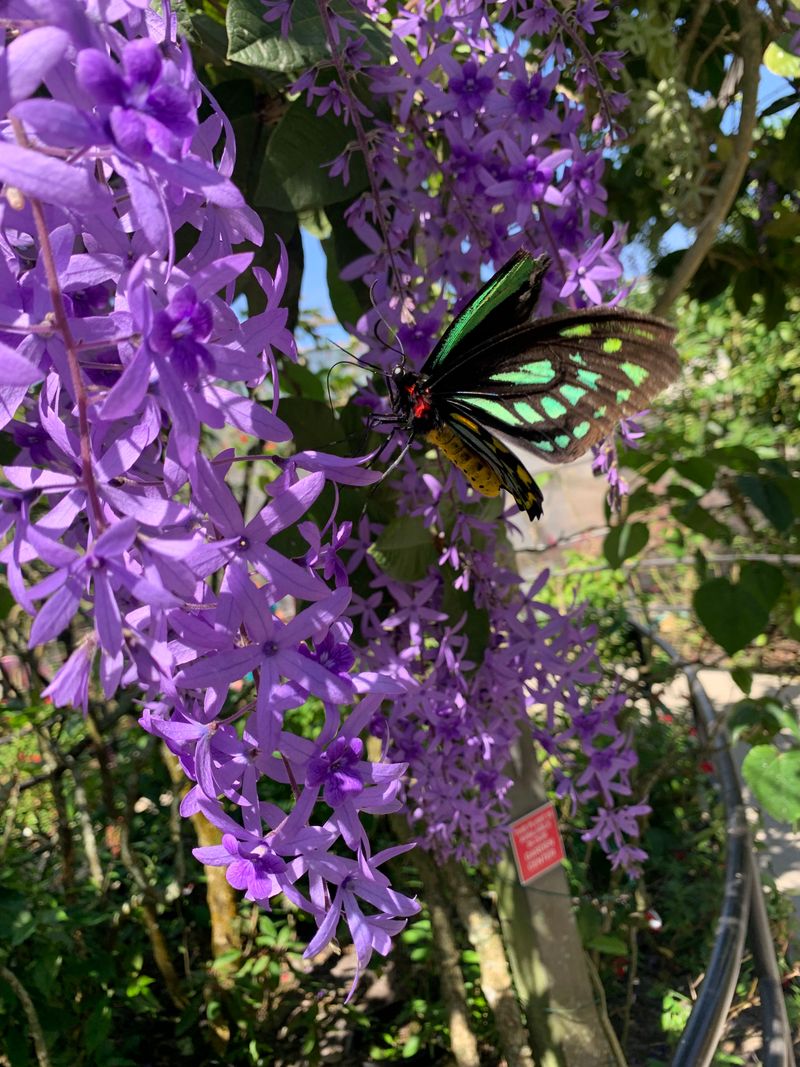
A living maze constructed entirely from passionflower vines stands as one of Butterfly World’s most unusual attractions. The vines grow dense and tall, creating walls that block sight lines and force visitors to navigate by trial and error.
Purple and white passionflowers bloom along the hedges, attracting butterflies that use the plants as both food sources and nurseries for their caterpillars.
The maze covers a substantial area and takes most people at least fifteen minutes to solve. Children particularly enjoy the challenge, racing ahead while adults follow behind.
The structure changes slightly as the vines grow, meaning repeat visitors might find the paths feel different from previous trips.
Beyond the novelty, the maze serves an ecological purpose. Passionflowers act as host plants for several butterfly species, including the gulf fritillary and zebra longwing.
Caterpillars feed on the leaves while adult butterflies sip nectar from the blooms. Walking through the maze offers close views of this relationship, with caterpillars often visible on the foliage just inches from the path.
Multiple Screened Aviaries Let You Walk Among Exotic Species
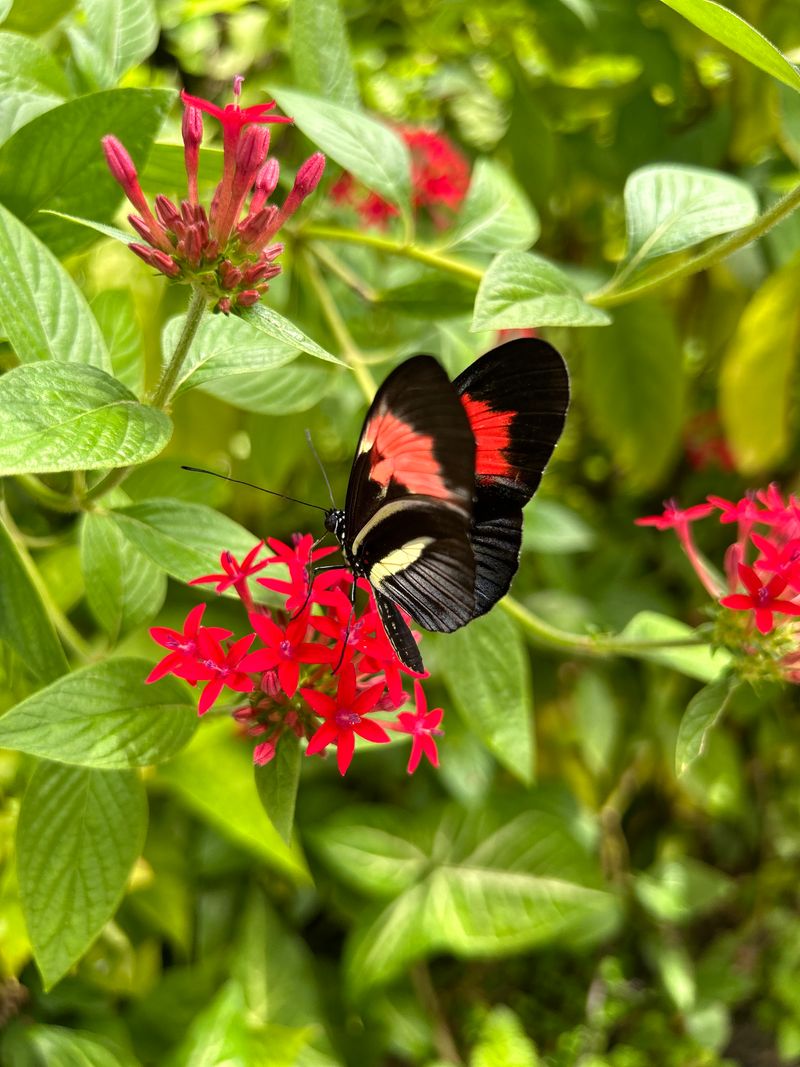
Butterfly World divides its collection across several screened aviaries, each designed to accommodate different species and temperature requirements. The screens rise several stories high, creating spaces that feel open and airy despite the enclosures.
Paths wind through each aviary, bringing visitors within arm’s reach of feeding stations and favorite perching spots.
Some aviaries focus on Central and South American species while others showcase butterflies from Asia or Africa. The geographic separation helps maintain appropriate conditions and prevents cross-breeding between species that would never meet in nature.
Signs at each entrance explain which butterflies live inside and what behaviors to watch for.
The experience of walking through these spaces differs markedly from viewing butterflies behind glass. Butterflies land on clothing, hair, and outstretched hands without fear.
They fly at face level, revealing details of wing patterns and body structure that remain invisible from a distance. The aviaries eliminate barriers between observer and subject, creating encounters that feel spontaneous and personal rather than staged or artificial.
The Climate-Controlled Conservatories Keep Butterflies Active Year-Round
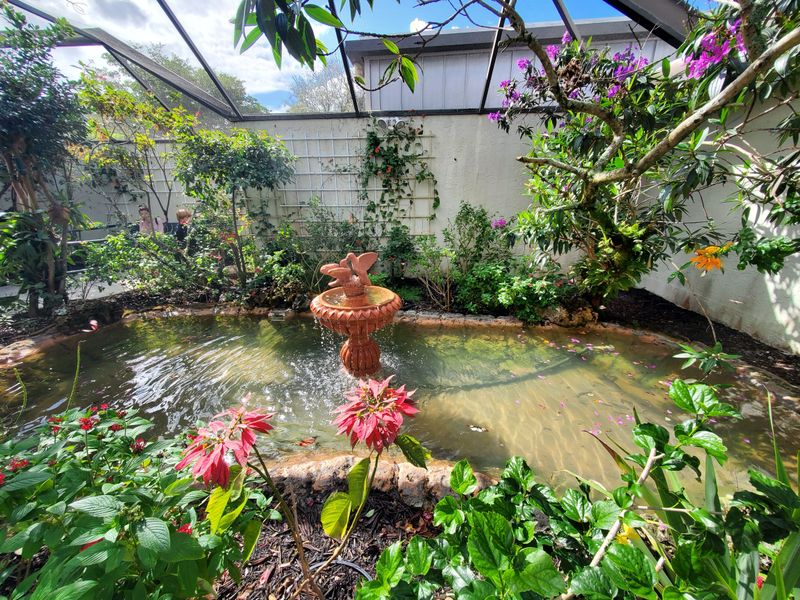
While Florida’s climate suits many tropical butterflies, Butterfly World maintains several climate-controlled conservatories to ensure optimal conditions throughout the year. These structures regulate temperature and humidity with precision, creating stable environments even when outside conditions fluctuate.
The technology allows the park to house species that would struggle during Florida’s occasional cold snaps or dry spells.
Visitors notice the difference immediately upon entering. The air feels consistently warm and moist, and butterflies remain active regardless of the weather outside.
During winter months when outdoor gardens go dormant, the conservatories burst with color and movement. Misting systems activate periodically, creating brief showers that butterflies use for drinking and bathing.
The conservatories also extend operating hours for butterfly activity. While wild butterflies typically rest during the hottest part of the day, controlled temperatures keep the park’s residents flying steadily from morning until closing.
This consistency benefits visitors who arrive during afternoon hours and still find butterflies feeding, mating, and displaying their full range of behaviors.
A Butterfly Museum Adds An Educational Element To The Visit
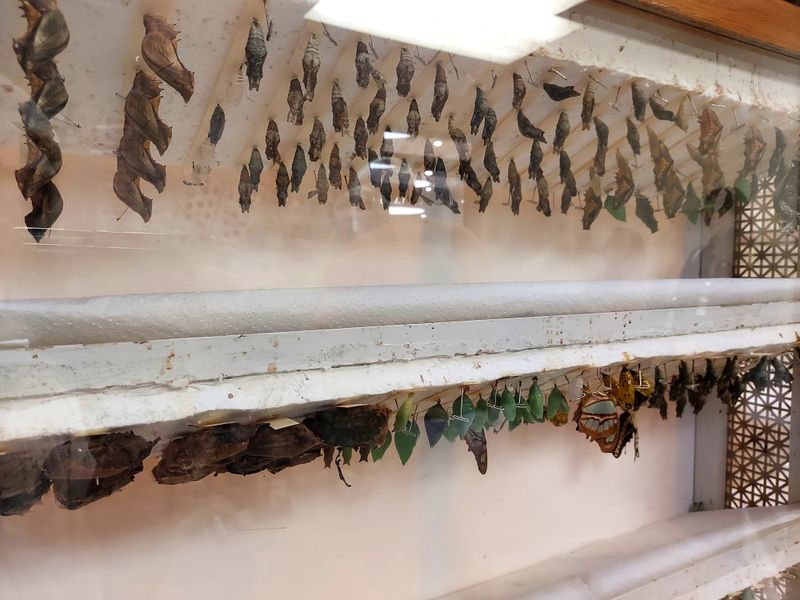
Beyond the live exhibits, Butterfly World operates a museum dedicated to butterfly biology, evolution, and diversity. Display cases hold mounted specimens from around the world, arranged by family and geographic origin.
The collection includes rare species and extinct varieties, offering context that enhances the experience of seeing living butterflies in the aviaries.
Interactive exhibits explain metamorphosis, migration patterns, and the ecological roles butterflies play in their native habitats. Touch screens allow visitors to explore butterfly anatomy in detail, zooming in on wing scales and antennae structures.
Models show chrysalis formation and the stages of development from caterpillar to adult.
The museum appeals particularly to school groups and families seeking more than just visual entertainment. Teachers bring students to connect classroom lessons about life cycles with real-world observation.
Adults appreciate the depth of information available, discovering details about butterfly behavior and biology that make watching live specimens more meaningful. The museum transforms a casual outing into a genuine learning experience without feeling academic or dry.
Tropical Birds And Lorikeets Share The Garden Spaces
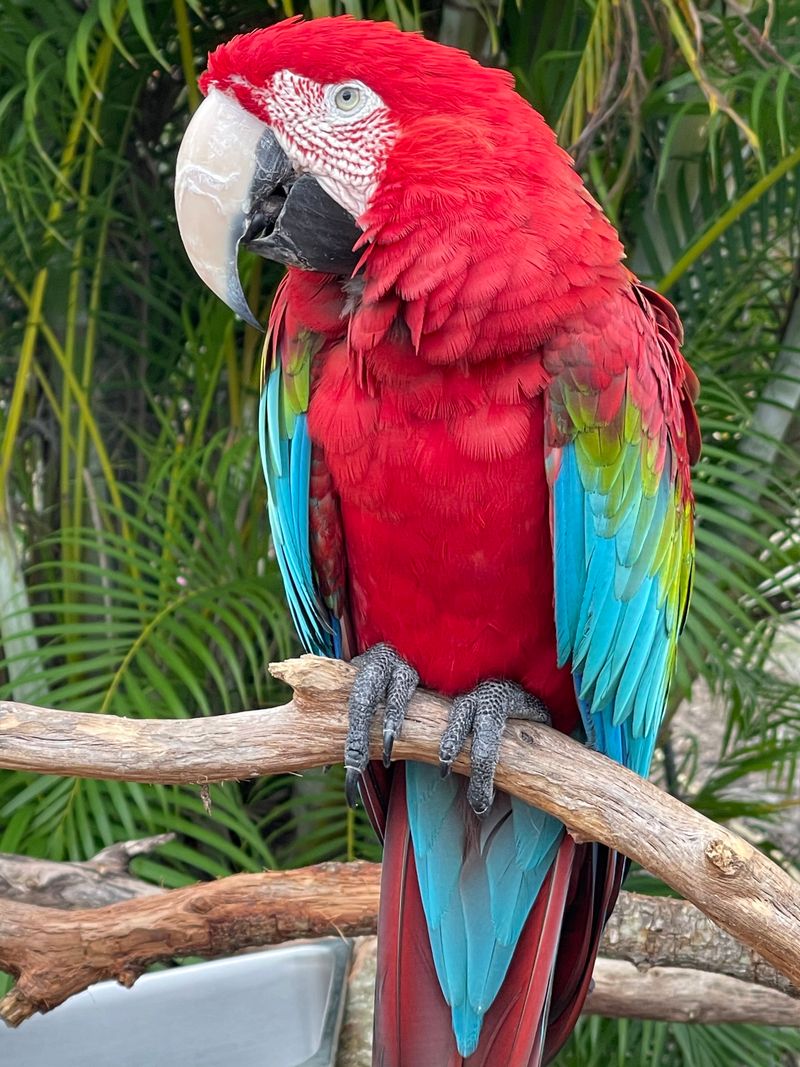
Butterflies share their habitat with dozens of tropical bird species at Butterfly World. Lorikeets prove particularly popular, their bright plumage and bold personalities making them favorite subjects for photographs.
The birds fly freely through certain aviaries, landing on visitors who purchase nectar cups to feed them. Their cheerful squawks and acrobatic flights add energy to spaces that might otherwise feel too quiet.
Flamingos wade in shallow pools near the entrance, while macaws perch on stands throughout the gardens. The bird collection complements rather than competes with the butterflies, offering variety without overwhelming the primary attraction.
Staff members train the birds to interact gently with guests, ensuring encounters remain safe and enjoyable.
The presence of birds creates a more complete tropical ecosystem. In nature, butterflies and birds occupy the same spaces, feeding on similar flowers and navigating the same forest layers.
Butterfly World replicates this relationship, showing visitors how these creatures coexist. The birds also provide entertainment during moments when butterflies rest or feed out of sight.
It Sits Inside Tradewinds Park In Coconut Creek
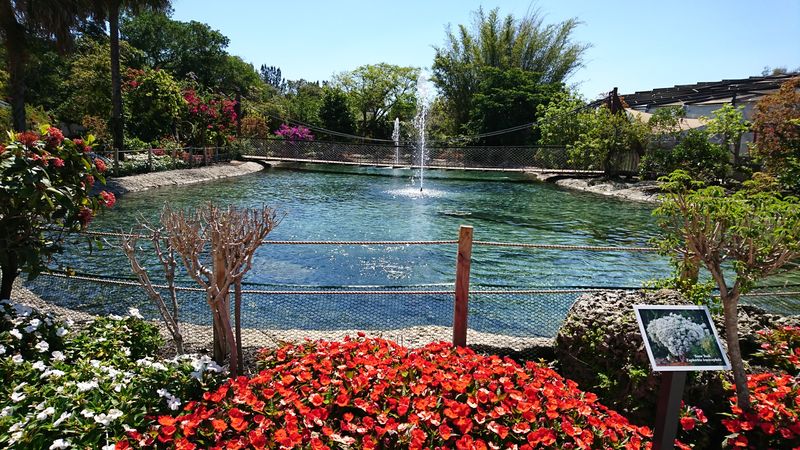
Butterfly World operates within the larger Tradewinds Park complex at 3600 West Sample Road in Coconut Creek. The location provides ample parking and easy access from major highways, making it convenient for both local residents and tourists.
Tradewinds Park itself offers additional amenities including sports fields, walking trails, and picnic areas, allowing families to extend their visit beyond the butterfly exhibits.
The park setting gives Butterfly World a more relaxed atmosphere than a standalone attraction might have. Trees shade the parking areas, and the surrounding greenspace creates a buffer from nearby commercial development.
Visitors can arrive early, tour the butterflies, and then spend additional time exploring the broader park grounds.
Operating hours run from 9 AM to 5 PM most days, with Sunday hours starting at 11 AM. The schedule remains consistent throughout the year, though butterfly activity peaks during warmer months.
Admission prices stay reasonable compared to other South Florida attractions, and annual passes offer value for frequent visitors who live nearby.
Photographers Love The Close-Up Butterfly Encounters
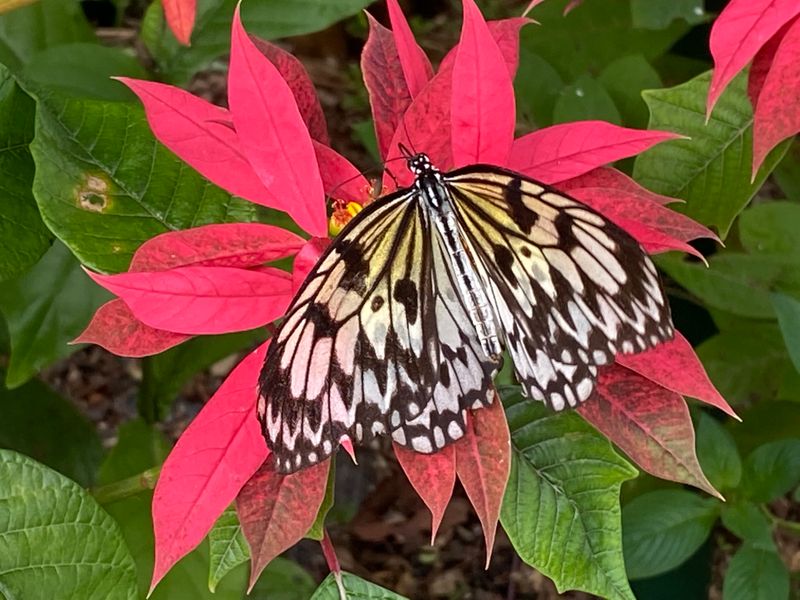
Butterfly World has earned a devoted following among photographers who appreciate the rare opportunity to capture butterflies at close range. The aviaries allow unobstructed views without glass or barriers, and butterflies frequently land within inches of camera lenses.
Natural lighting filters through the screens, creating soft illumination that flatters both subjects and backgrounds.
Macro photographers particularly prize the venue, spending hours waiting for perfect moments when butterflies open their wings or feed from flowers. The variety of species ensures fresh subjects throughout the day, and the controlled environment eliminates many variables that complicate outdoor butterfly photography.
Staff members tolerate patient photographers who settle into spots and wait for butterflies to approach.
The park has become a popular location for photography workshops and meetups. Professional photographers lead groups through the aviaries, teaching techniques for capturing wing detail and freezing motion.
Social media feeds regularly feature images tagged at Butterfly World, their vibrant colors and sharp details testament to the access the venue provides. For anyone serious about nature photography, the park offers practice opportunities that rival field expeditions.