
12 Overlooked Historical Sites In Ohio Worth Adding To Your 2026 Travel List
Ohio holds more history than most people realize, with ancient earthworks, presidential homes, and Revolutionary War forts scattered across the state. Many travelers rush past these incredible sites on their way to bigger cities, missing out on stories that shaped America.
From mysterious serpent-shaped mounds built over 2,000 years ago to villages where early settlers carved out new lives, these places offer a chance to step back in time and experience history firsthand. If you’re planning your 2026 adventures, these twelve hidden gems deserve a spot on your itinerary.
1. Serpent Mound
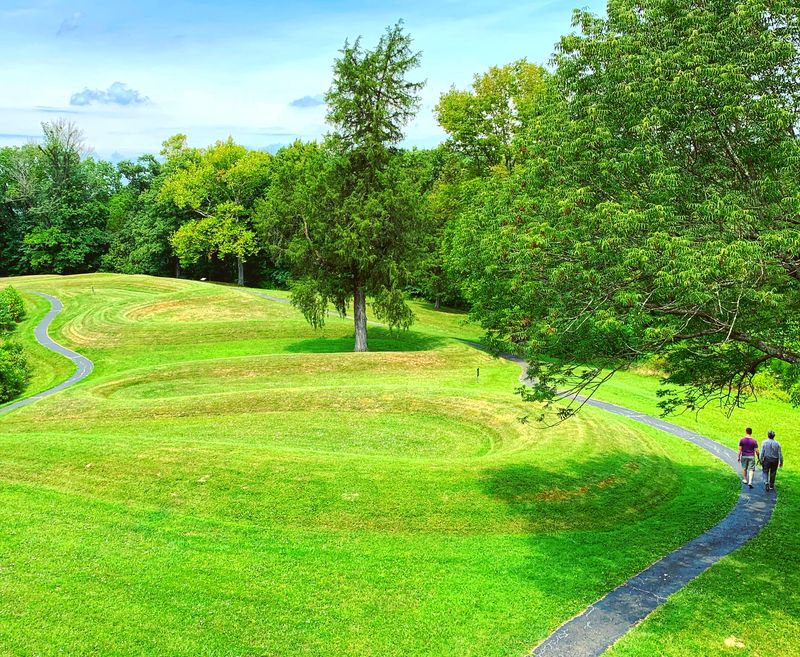
Picture a giant snake frozen in earth, stretching over 1,300 feet through the Ohio countryside. That’s exactly what you’ll find at this incredible prehistoric site, where ancient peoples shaped the land into a massive serpent around 1,000 years ago.
Walking the path around this effigy mound feels surreal, especially when you realize the builders had no aerial view to guide their work.
The curves and coils align with astronomical events, suggesting the creators possessed sophisticated knowledge of the cosmos. A small museum on-site explains the theories behind its construction, though much remains mysterious.
Spring and fall offer the best visiting conditions, with mild weather perfect for exploring the trails.
You can climb an observation tower for the full serpent view, which really drives home the scale of this ancient achievement. Entry fees are minimal, and the peaceful setting makes it ideal for contemplative walks.
Bring a camera because this place photographs beautifully from every angle.
2. Fort Ancient Earthworks And Nature Preserve
Massive earthen walls rise from the ground here, enclosing 100 acres of hilltop that indigenous peoples fortified over 2,000 years ago. Fort Ancient isn’t actually a fort in the traditional sense but rather a ceremonial complex built by the Hopewell culture.
Walking along the three-and-a-half miles of earthworks gives you a workout while immersing you in pre-Columbian engineering.
The museum houses artifacts that paint vivid pictures of daily life for the people who called this area home. Interactive exhibits help kids understand ancient technologies, making this a fantastic family destination.
Trails wind through the preserve, offering chances to spot wildlife and native plants.
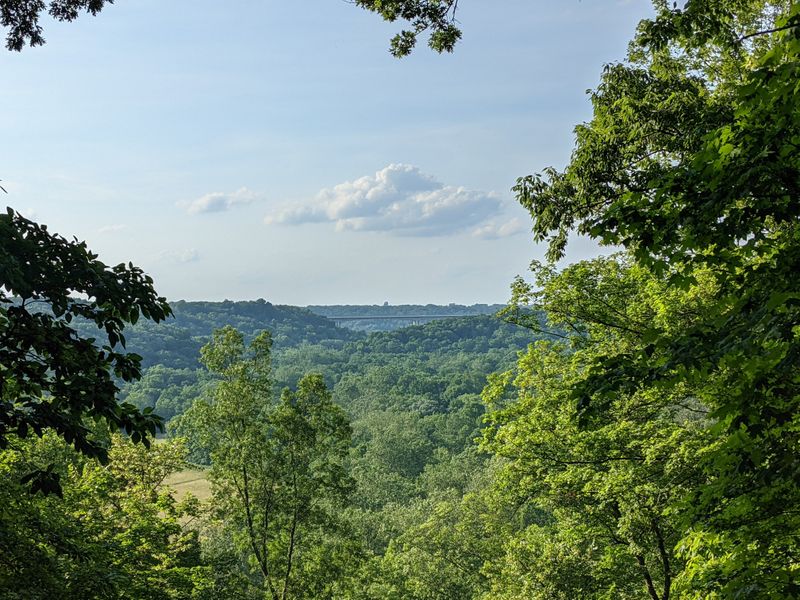
Special events throughout the year include archaeology demonstrations and cultural programs. The site sits above the Little Miami River, providing stunning valley views that explain why ancient peoples chose this location.
Pack water and snacks since facilities are limited once you’re out on the trails.
3. Flint Ridge Ancient Quarries And Nature Preserve
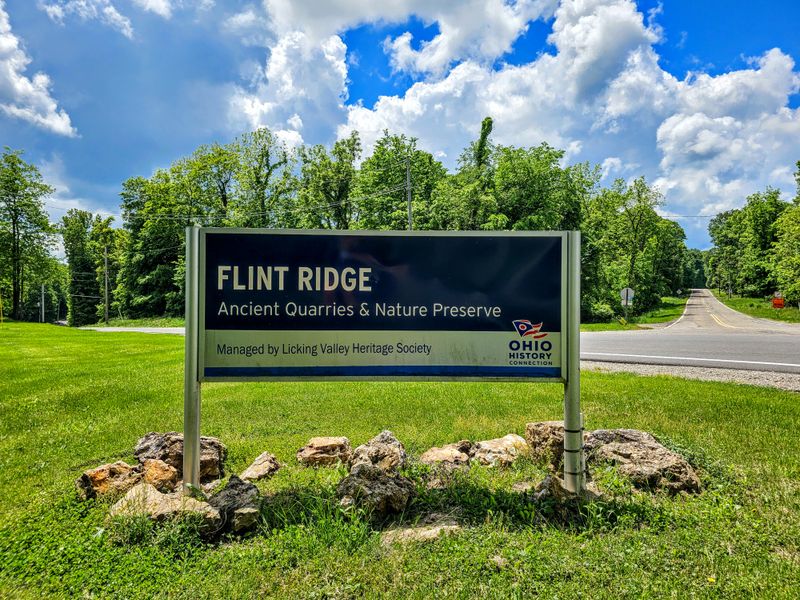
Rainbow-colored stones peek through the earth at this ancient quarry where Native Americans mined flint for over 10,000 years. The flint from this ridge was so prized that it traveled across North America through trade networks, found in archaeological sites as far as the Gulf Coast.
You can still see the extraction pits where ancient miners chipped away at the precious stone.
A museum displays stunning flint specimens in every color imaginable, from deep purple to honey gold. Rangers offer guided walks that explain how people identified good stone and the techniques they used for mining.
The preserve includes hiking trails through forests where you might spot chunks of flint still embedded in the ground.
Spring wildflowers add extra beauty to your visit, carpeting the forest floor in color. The site feels remote and peaceful, rarely crowded even on weekends.
Educational programs run regularly, perfect for anyone curious about prehistoric technology and geology.
4. John Rankin House
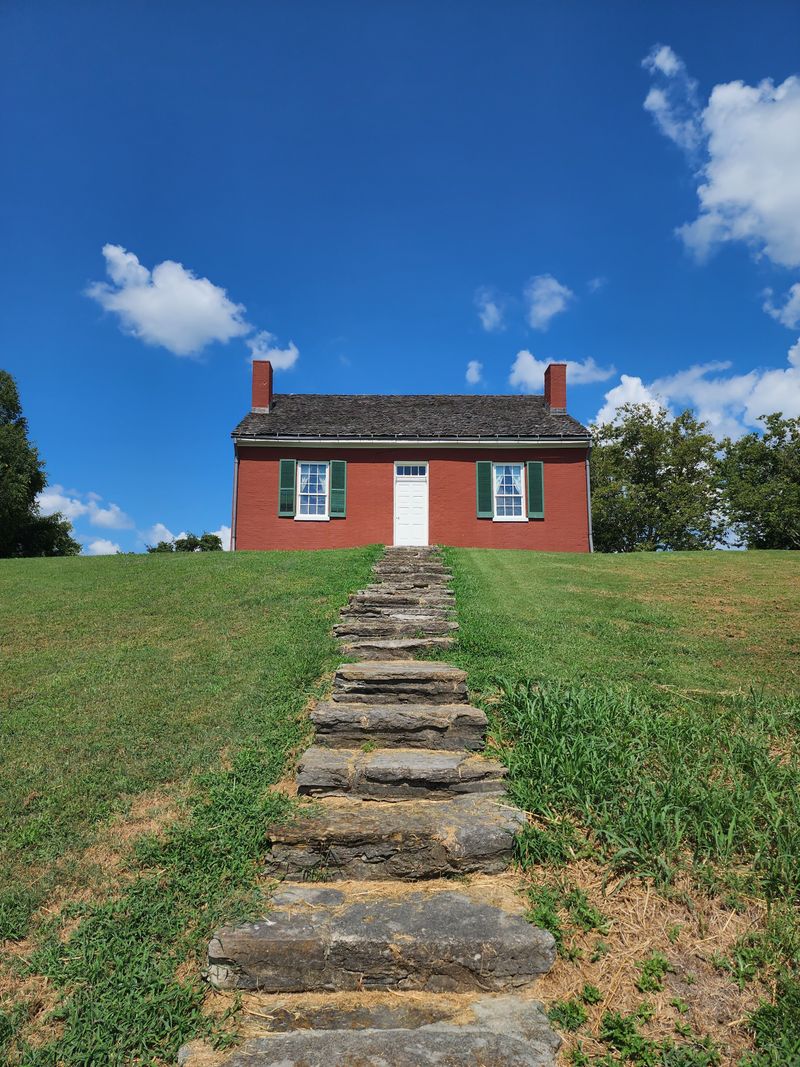
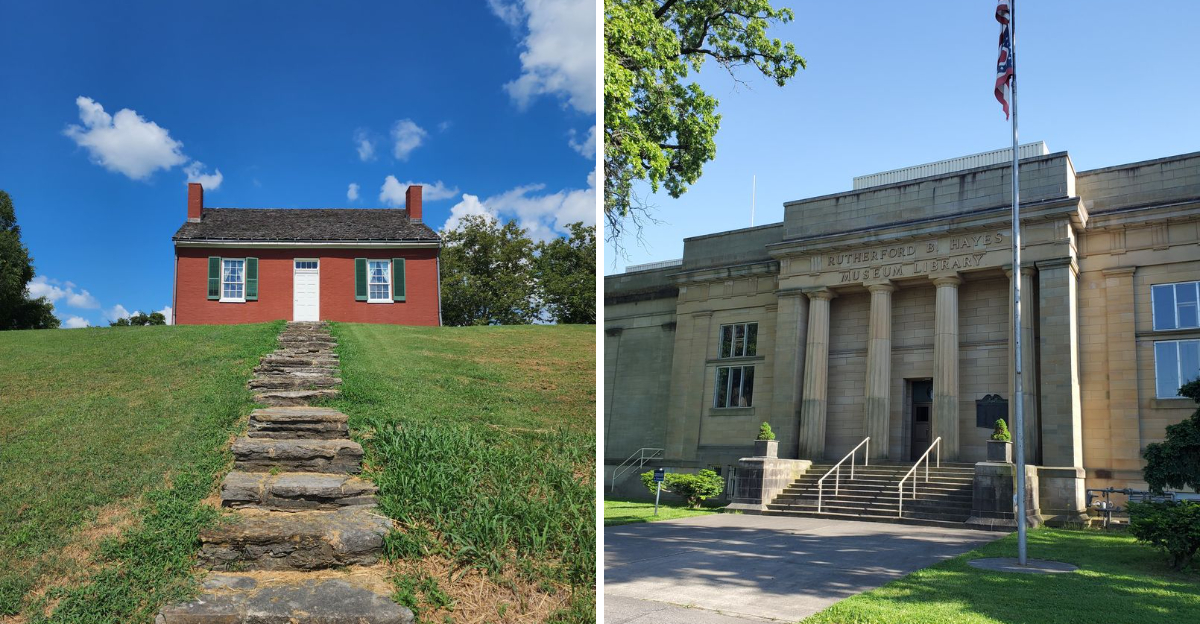
Perched on a hill overlooking the Ohio River, this modest house served as a beacon of hope for enslaved people seeking freedom. Reverend John Rankin and his family helped over 2,000 freedom seekers escape to safety between 1825 and 1865.
The location was strategic—a light in the window could be seen from across the river in Kentucky, signaling safety to those brave enough to cross.
Tours guide you through rooms where families hid in secret spaces, waiting for darkness to continue their journey north. The stories shared by guides are powerful and moving, bringing history to life in ways textbooks never could.
Original furnishings and period details help you imagine the risks the Rankin family took daily.
The view from the hilltop is breathtaking, making it clear why this spot worked so well for the Underground Railroad. Visiting here connects you directly to America’s struggle for freedom and justice.
Allow at least an hour to fully absorb the experience.
5. Schoenbrunn Village
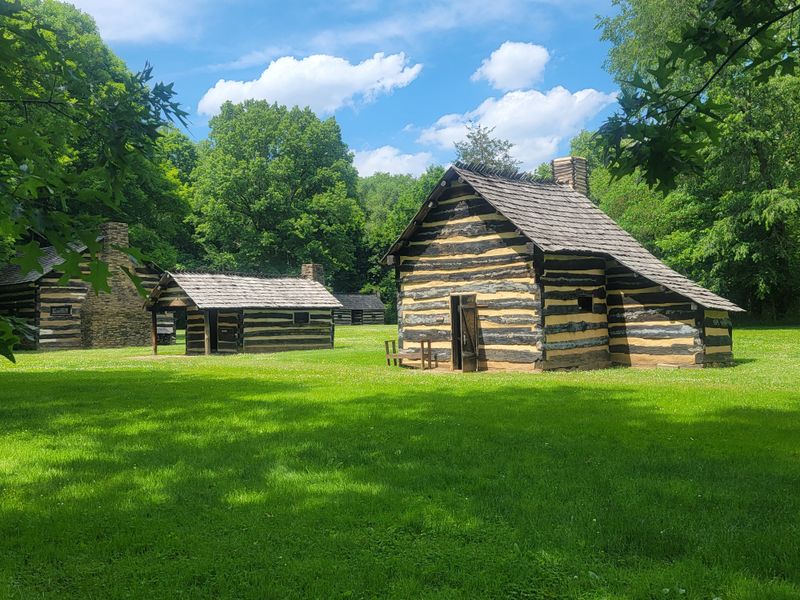
Step into 1772 at this reconstructed Moravian missionary village where European settlers and Native Americans lived together in remarkable harmony. Schoenbrunn was Ohio’s first settlement and home to the state’s first schoolhouse and Christian church.
Costumed interpreters demonstrate daily tasks like candle making, gardening, and carpentry using authentic 18th-century methods.
The village layout follows the original plan, with log cabins arranged around a central square and church. Gardens grow heritage vegetables and herbs that settlers would have cultivated for food and medicine.
A museum tells the bittersweet story of how this peaceful experiment ended during the Revolutionary War.
Seasonal events bring extra excitement, from harvest festivals to candlelight tours during the holidays. The cemetery holds graves of early settlers, adding a somber reminder of frontier hardships.
Kids love the hands-on activities and seeing how people lived without modern conveniences. Budget a couple of hours to explore everything thoroughly and chat with the knowledgeable interpreters.
6. Fort Meigs Historic Site
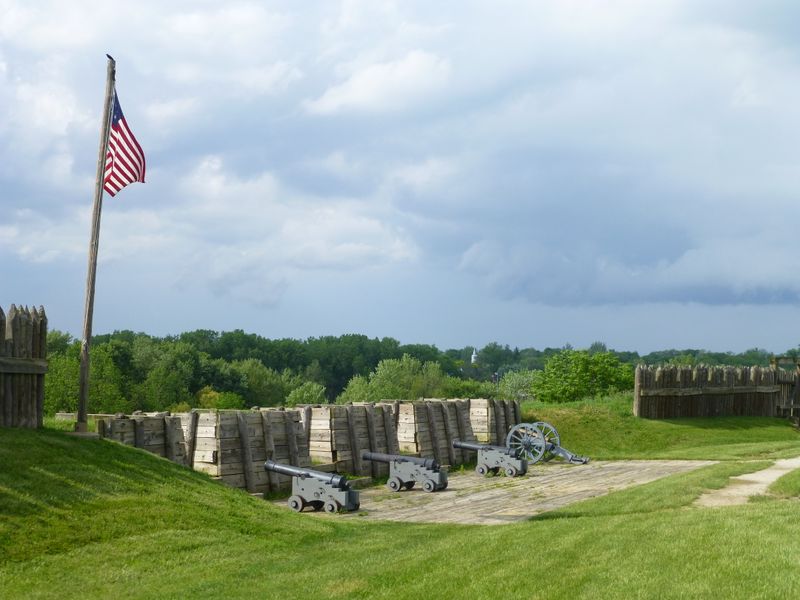
Cannons boom during special demonstrations at this reconstructed War of 1812 fortress, the largest wooden-walled fortification in North America. General William Henry Harrison built Fort Meigs in 1813 to defend against British and Native American forces during a crucial period of the war.
Walking through the massive gates transports you to a time when this frontier outpost determined the fate of the Northwest Territory.
Seven blockhouses stand guard around the perimeter, connected by wooden palisade walls you can walk along. Inside, reconstructed barracks show where soldiers lived during the sieges, cramped and cold but relatively safe.
Interpreters in period military uniforms explain battle tactics and demonstrate weapons firing.
The visitor center features artifacts recovered from the site and interactive exhibits about the War of 1812. Battle reenactments occur several times yearly, with hundreds of participants recreating historic engagements.
The grounds overlook the Maumee River, offering scenic views alongside the history lessons.
7. Fort Laurens
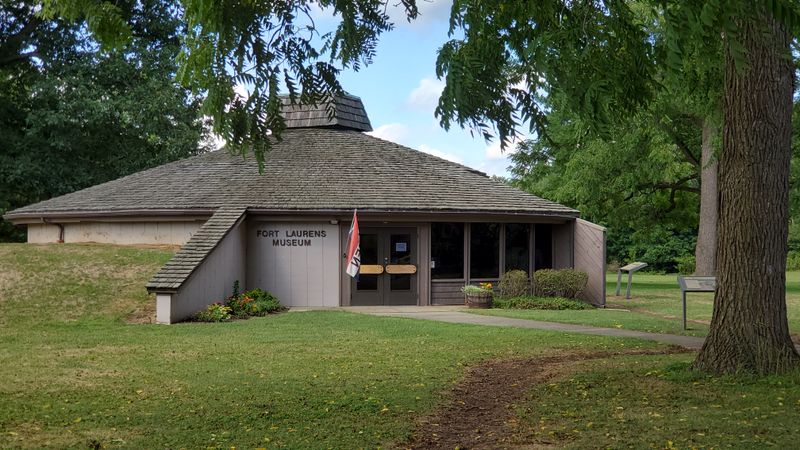
Ohio’s only Revolutionary War fort sits quietly in the countryside, often overlooked despite its significance in American independence. Continental Army soldiers built Fort Laurens in 1778 as a staging point for attacks against British-held Detroit.
The harsh winter and isolation made life brutally difficult, and many soldiers died from cold, starvation, and disease rather than battle.
A museum houses artifacts excavated from the site, including military buttons, tools, and personal items that humanize the soldiers’ experience. The tomb of the unknown patriot honors those who died here, a sobering memorial to sacrifice.
Archaeological markers show where buildings once stood within the fort’s earthen walls.
Walking trails circle the site, passing through woods where soldiers once stood watch. The peaceful setting contrasts sharply with the hardship stories you’ll learn inside.
Educational programs focus on frontier military life and the Revolutionary War’s western campaigns. This smaller site offers a more intimate historical experience than crowded tourist destinations.
8. Historic Zoar Village
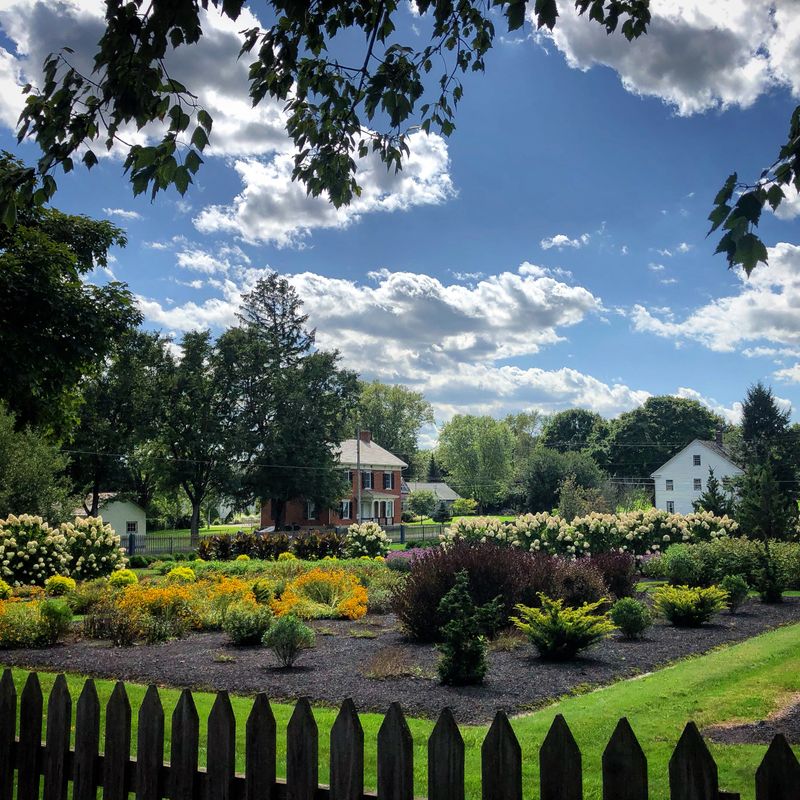
German religious separatists created a utopian community here in 1817, building a self-sufficient society that thrived for over 80 years. Zoar Village operated as a communal society where members shared property, labor, and profits equally.
Ten restored buildings now operate as museums, showing everything from the communal kitchen to the elegant leader’s home.
The village layout follows a unique plan based on biblical symbolism, with gardens representing the Garden of Eden. Original furnishings, tools, and household items fill the buildings, preserved remarkably well.
Guides share fascinating details about daily life, religious practices, and the economic systems that kept Zoar prosperous.
The bakery still produces traditional German breads using historic recipes and methods. Seasonal events celebrate German heritage with music, food, and craft demonstrations.
The village sits along the Ohio and Erie Canal, adding another layer of history to explore. You could easily spend half a day wandering the streets and imagining communal life in the 1800s.
9. Rutherford B. Hayes Presidential Library And Museums
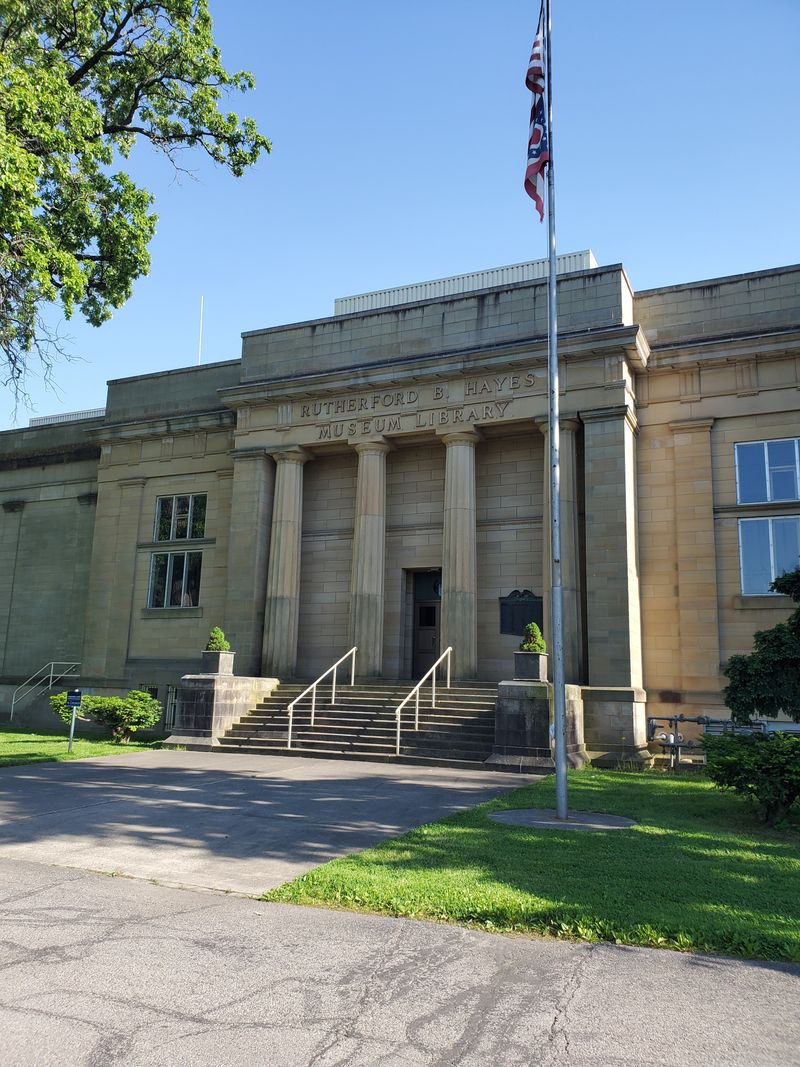
America’s first presidential library sits on a gorgeous 25-acre estate called Spiegel Grove, home to President Rutherford B. Hayes and his family.
The Victorian mansion contains original furnishings, family portraits, and personal items that reveal the private lives behind the public service. Hayes’s story includes military heroism during the Civil War and a contested presidential election that still sparks historical debate.
The museum building houses extensive exhibits on the Gilded Age, including a fascinating collection of presidential campaign memorabilia. His wife Lucy was a strong advocate for social causes, and exhibits highlight her influence and progressive views.
The library contains thousands of manuscripts, letters, and documents available for research.
Wooded walking trails wind through the grounds, passing the family cemetery where Hayes and Lucy are buried. The estate feels more personal than grander presidential sites, offering genuine insights into 19th-century life.
Special programs throughout the year focus on different aspects of Hayes’s presidency and era.
10. Campus Martius Museum
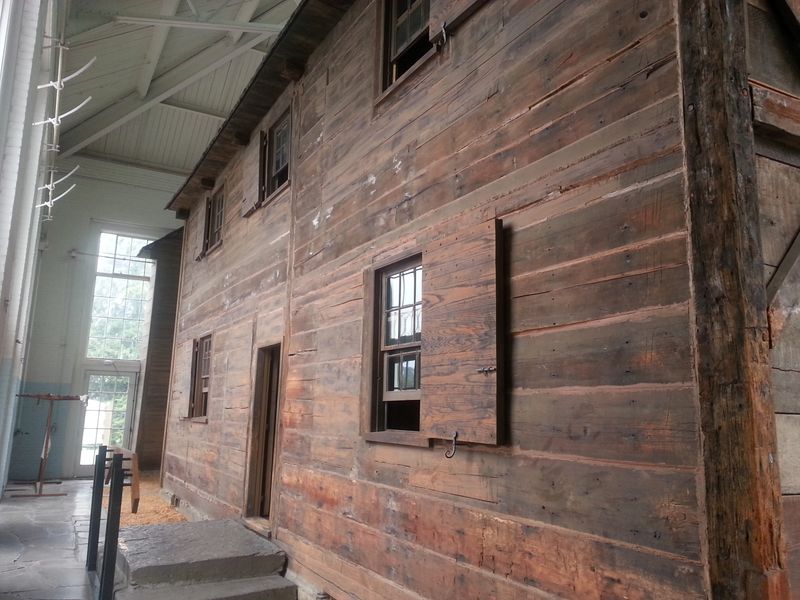
Ohio’s settlement story begins here at Campus Martius, the fortified home built by the first organized group of American pioneers in the Northwest Territory. Constructed in 1788, the original building still stands inside the museum, remarkably preserved with period furnishings intact.
Walking through rooms where Rufus Putnam and other founders lived brings the frontier experience into sharp focus.
Exhibits trace the transformation from wilderness to statehood, showcasing Native American artifacts alongside pioneer tools. A full-size keelboat demonstrates how early settlers traveled down the Ohio River to reach this region.
Interactive displays let you try pioneer activities like writing with quill pens or grinding corn.
The location at the confluence of the Muskingum and Ohio Rivers explains why settlers chose this spot for their new community. Knowledgeable staff answer questions and provide context for the exhibits.
The museum combines archaeological finds with historical records to paint a complete picture of early Ohio. Plan for at least ninety minutes to appreciate everything offered here.
11. William Howard Taft National Historic Site
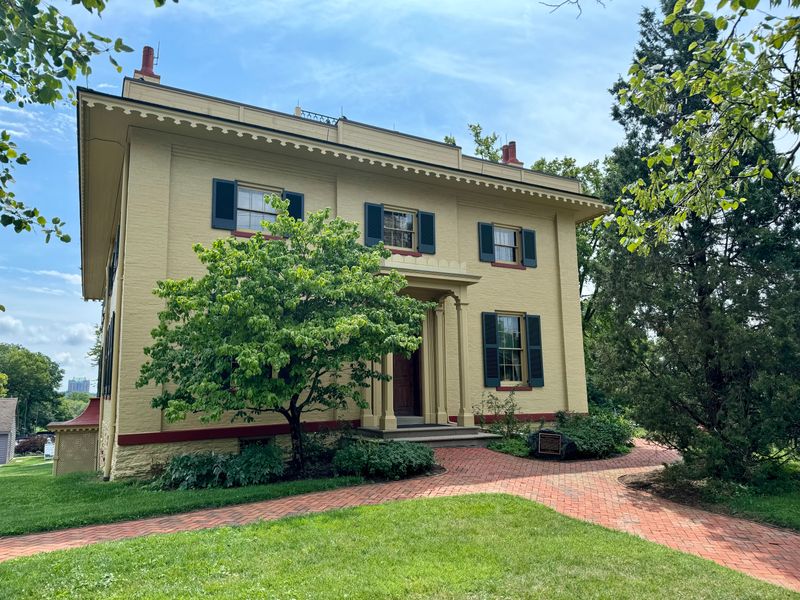
Cincinnati’s Mount Auburn neighborhood holds the birthplace of America’s 27th president and 10th chief justice, the only person to serve in both roles. The modest two-story brick house where William Howard Taft was born in 1857 has been restored to its Victorian-era appearance.
Four period rooms show how middle-class families lived in mid-19th century Cincinnati.
Exhibits chronicle Taft’s remarkable career, from solicitor general to Supreme Court chief justice, his true passion. His presidency often gets overshadowed by Theodore Roosevelt’s larger-than-life personality, but displays here reveal Taft’s significant accomplishments.
The site also explores his family’s influence, particularly his ambitious wife Nellie.
Rangers offer guided tours filled with entertaining anecdotes about Taft’s life and times. The small scale makes this site feel intimate and manageable, perfect for a quick historical stop.
Educational programs dive deeper into Progressive Era politics and constitutional law. Admission is free, making it an accessible option for budget-conscious travelers exploring Cincinnati’s history.
12. James A. Garfield National Historic Site
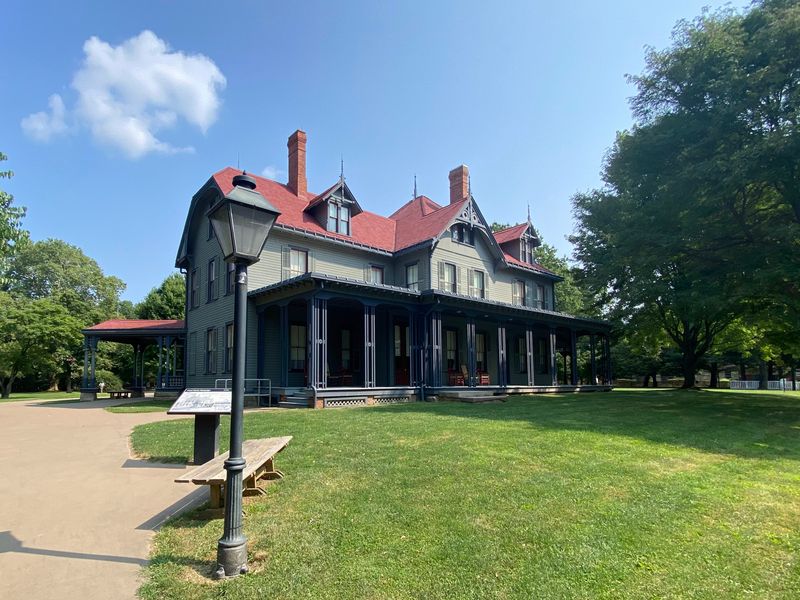
President James Garfield’s estate, called Lawnfield, sits in Mentor as a testament to a brilliant life cut tragically short by assassination. Garfield conducted the first successful front-porch campaign from this house in 1880, greeting thousands of supporters on his lawn.
The Victorian mansion contains family furnishings, personal belongings, and the library where Garfield spent countless hours reading in multiple languages.
His story is compelling—rising from poverty to become a Civil War general, congressman, and president, only to be shot just four months into his term. The house tour reveals details about his family life, intellectual pursuits, and the medical tragedy that followed his shooting.
A separate visitor center provides context about his presidency and the political era.
The grounds include beautiful gardens and the carriage house where Garfield kept his horses. Seasonal programs explore different aspects of his life and the Gilded Age.
The site feels peaceful and reflective, appropriate for contemplating a life of achievement and promise unfulfilled.