
The Undiscovered Michigan Small Town Where Old-School Charm Still Reigns
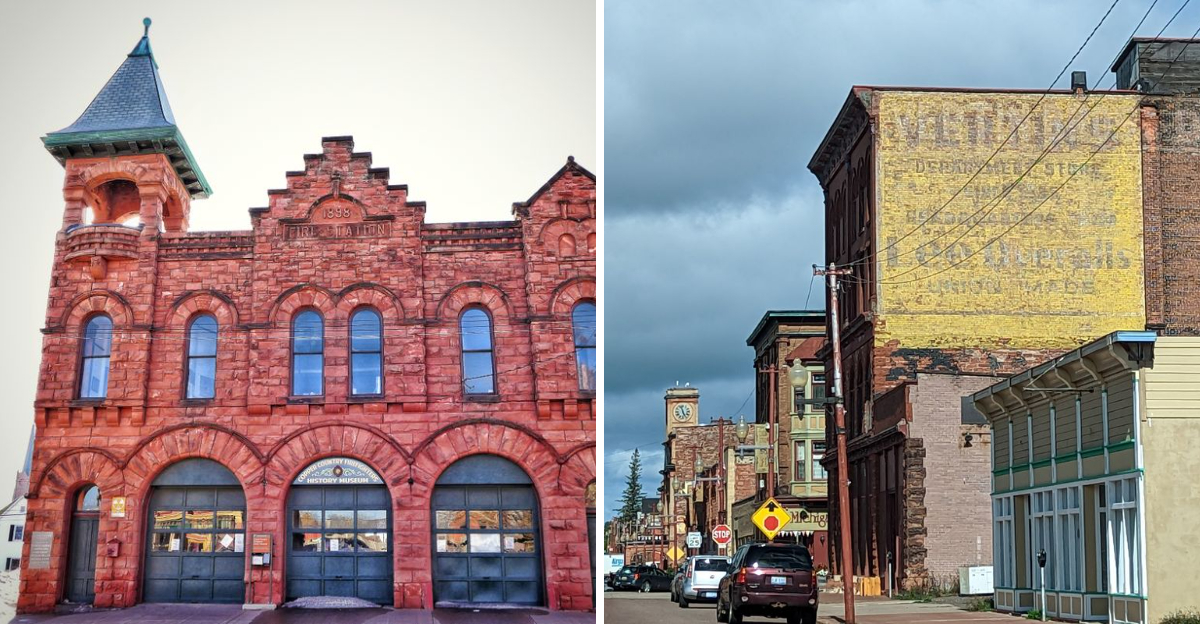
Calumet sits quietly in Michigan’s Upper Peninsula, a place most travelers miss on their way to somewhere else. Once the beating heart of America’s copper mining industry, this village of just over 600 people has held onto its past with remarkable grace.
The red sandstone buildings still stand tall along the streets, the old theater still opens its doors, and the sense of stepping into another era feels genuine rather than manufactured. For those seeking an authentic glimpse of small-town Michigan life, Calumet offers something increasingly rare: a community that honors its history without turning it into a theme park.
A Step Back In Time: Calumet’s Historic Copper Mining Legacy
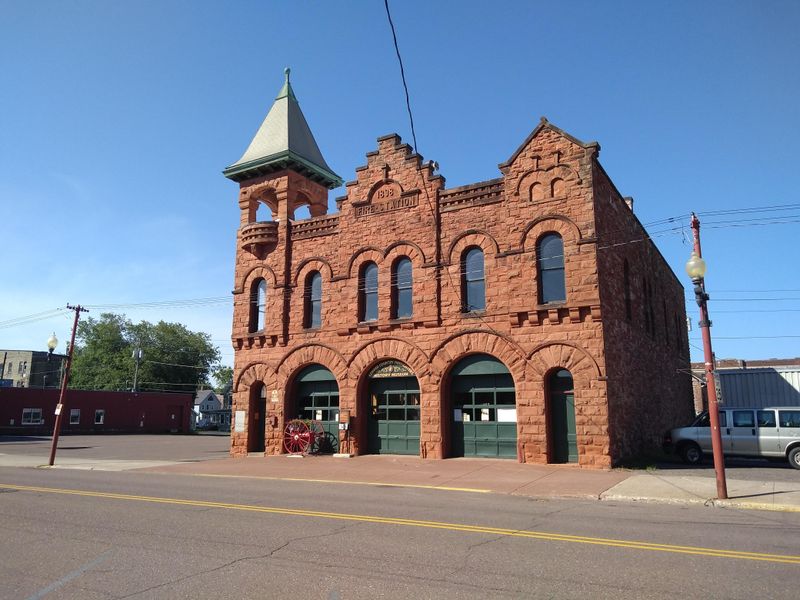
Copper built Calumet, and the evidence of that relationship covers nearly every corner of the village. From the 1860s through the early 1900s, the Calumet and Hecla Mining Company extracted more copper from this ground than almost anywhere else in the world.
The wealth that flowed from those mines transformed a wilderness outpost into a sophisticated community with opera houses, electric streetlights, and buildings that would impress visitors from Detroit or Chicago.
Walking through Calumet today means encountering the physical remnants of that prosperity at every turn. The mining company’s stamp sand piles still rise along the shoreline.
Old shaft houses mark where men descended into the earth. The scale of the operation becomes clear when you understand that miles of tunnels run beneath the streets where people now park their cars.
The National Park Service recognized this significance by establishing Keweenaw National Historical Park, with much of its interpretive focus centered on Calumet and the surrounding Copper Country. Visitors can explore the surface remains and learn how this industry shaped not just a town but an entire region’s identity and economy.
Victorian Architecture That Still Tells Calumet’s Story
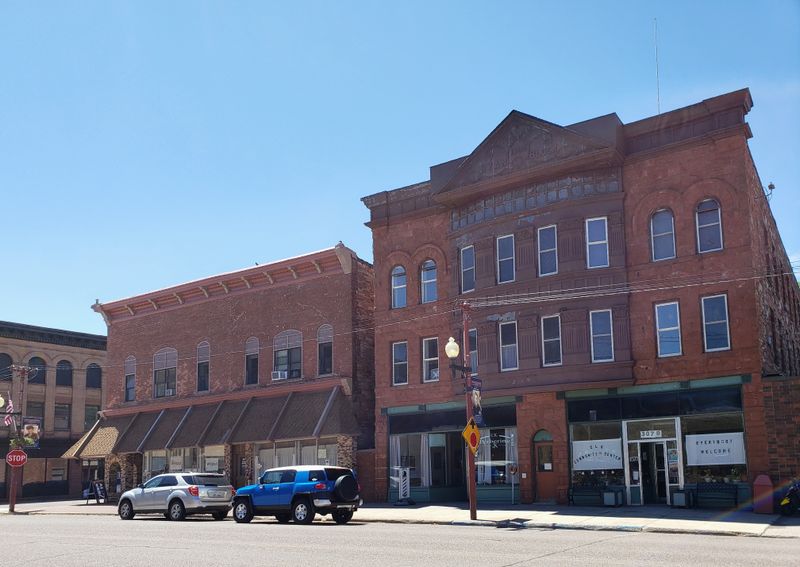
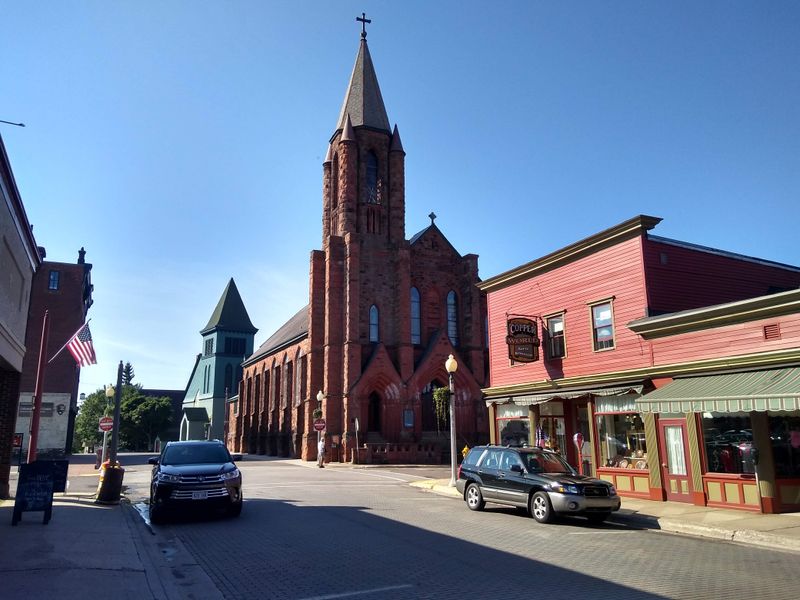
The buildings in Calumet speak a language of ambition and permanence that feels almost defiant given the village’s current size. During the copper boom, architects designed structures meant to last centuries, using red Jacobsville sandstone quarried from nearby cliffs.
The result is a streetscape that looks more like a prosperous city from 1900 than a small village in 2024.
Fifth Street displays this architectural confidence most dramatically. Three and four-story commercial buildings line the road, their facades decorated with carved stone details and large storefront windows that once displayed goods for miners and their families.
Many of these structures remain in use, housing shops, restaurants, and offices that serve the community today.
The residential neighborhoods reveal similar attention to design and craftsmanship. Mine captains and company officials built substantial homes with wraparound porches, decorative trim, and rooms sized for entertaining.
Even the workers’ housing, though more modest, was built with quality materials and proper foundations.
This architectural legacy gives Calumet a visual weight and dignity that most towns its size simply cannot match.
A Town That Feels Frozen In The Past — In The Best Way
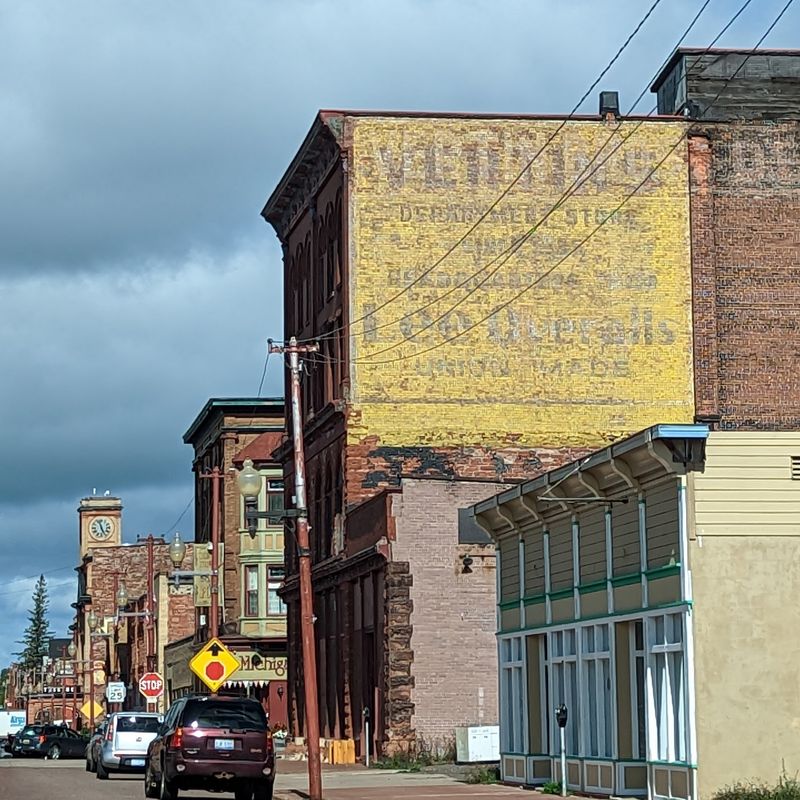
Time moves differently in Calumet, or perhaps it just moves more honestly. The village has avoided the aggressive modernization that often strips small towns of their character.
There are no chain restaurants, no big box stores, no developments of identical houses spreading across former farmland. What you see is what has been here for decades, sometimes more than a century.
This preservation happened partly by design and partly by circumstance. When the mines closed, Calumet’s population dropped sharply, removing the economic pressure to tear down and rebuild.
The buildings that survived did so because no one had the money or motivation to replace them. Later, as people began recognizing the value of this intact historic environment, preservation became intentional rather than accidental.
The effect creates an unusual experience for visitors. You can stand on a street corner and see essentially the same view a person would have seen in 1920.
The scale remains human. The pace stays slow.
The sense of community feels tangible rather than performed.
Calumet offers something increasingly precious: authenticity without artifice.
Exploring The Historic Calumet Theatre — A Cultural Gem
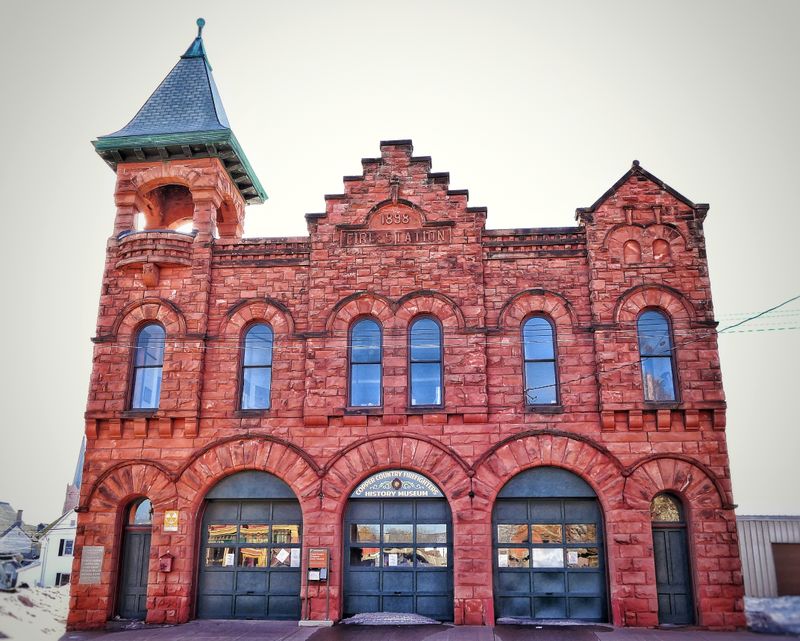
The Calumet Theatre opened in 1900 as the first municipally owned theater in the United States, a distinction that hints at the community’s unusual civic pride and financial resources during the copper boom. The building cost $70,000 to construct, an enormous sum for a small town, but Calumet was not a typical small town at the time.
The theater was designed to compete with the finest performance venues in major cities.
The interior preserves much of its original grandeur. Red velvet seats face a proper proscenium stage.
Balconies rise on three levels. The acoustics work as well today as they did when opera companies and theatrical troupes traveled from New York and Chicago to perform here.
Major performers of the early twentieth century played this stage, drawn by generous fees and the knowledge that Calumet audiences were sophisticated and appreciative.
The theater still operates year-round, hosting performances, films, and community events. You can take guided tours that explain both the building’s architecture and its role in Calumet’s cultural life.
Standing in the auditorium, it becomes easier to imagine the town at its peak, when nearly 50,000 people lived in the immediate area.
The Charm Of Main Street: Calumet’s Heartbeat
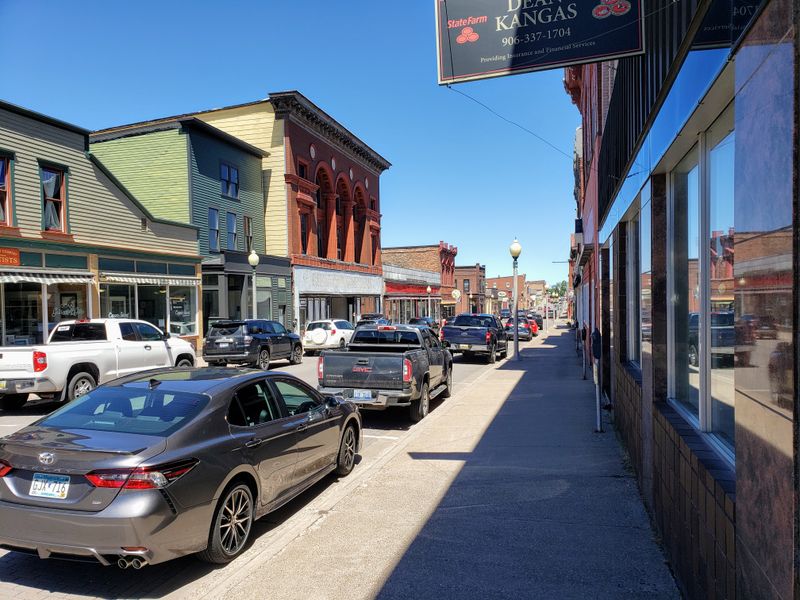
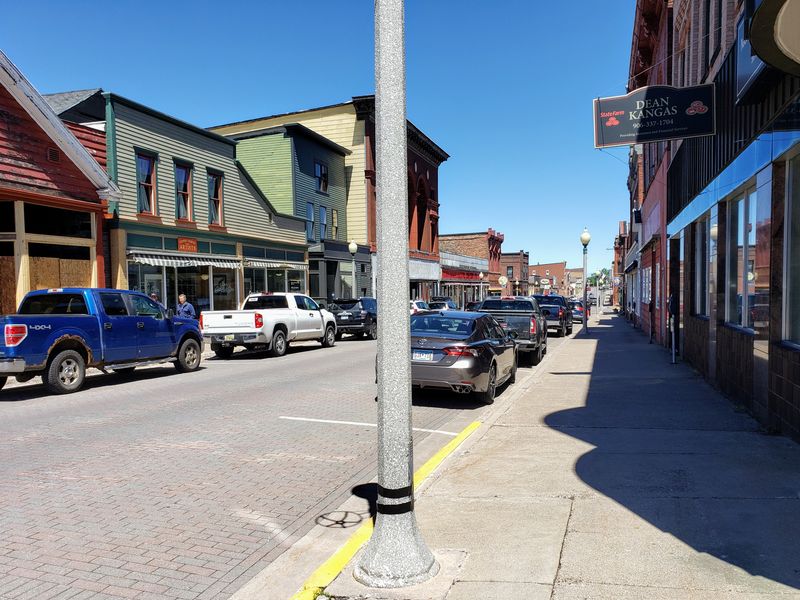
Fifth Street functions as Calumet’s main commercial corridor, though calling it busy would stretch the definition considerably. The street is wide enough for diagonal parking on both sides, a remnant from the days when far more people shopped and worked here.
Today, the width creates an almost plaza-like feeling, with plenty of space for pedestrians to wander without dodging traffic.
The businesses that operate along Fifth Street tend toward the practical and local. You will find a hardware store, a bakery, a pizza place, and shops selling antiques or local crafts.
These are not boutiques staged for tourists but actual businesses serving actual residents. The lack of calculated charm makes the real charm more apparent.
Several buildings have been restored with care, their sandstone facades cleaned and their storefronts returned to something approaching their original appearance. Others show their age more plainly, with weathered signs and windows that could use attention.
This mix of restored and original, polished and worn, gives the street an honest character.
You sense that people care about this place without trying to turn it into something it is not.
Outdoor Adventures In The Keweenaw Peninsula’s Natural Beauty
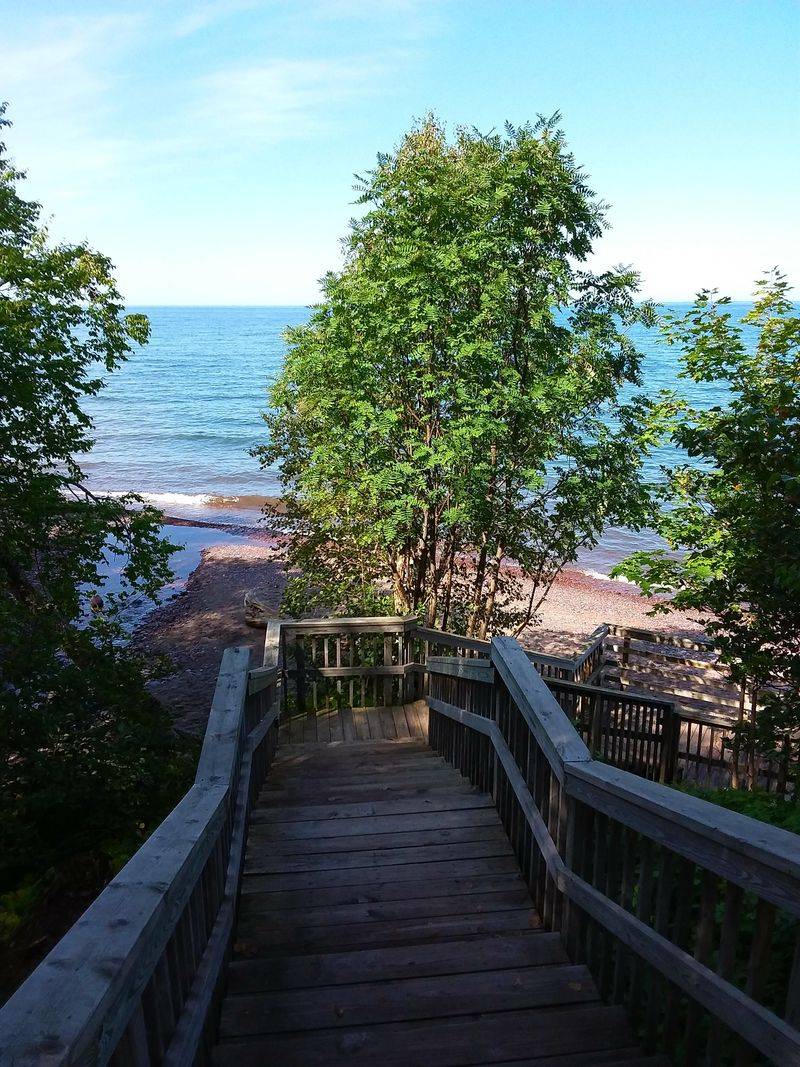
Calumet sits near the center of the Keweenaw Peninsula, a finger of land jutting into Lake Superior that offers outdoor recreation in nearly every direction. The landscape here combines northern hardwood forests, rocky shorelines, and terrain shaped by both glaciers and mining activity.
The result is geography that rewards exploration.
Hiking trails range from easy walks to challenging routes that climb to ridge tops with views across the peninsula. The Keweenaw Water Trail attracts kayakers to paddle along the Lake Superior coast, where you can explore sea caves and remote beaches accessible only from the water.
In winter, the region receives prodigious snowfall that supports cross-country skiing, snowshoeing, and snowmobiling on hundreds of miles of trails.
The proximity of wilderness to Calumet means you can walk from a Victorian commercial building to a forest trailhead in less than ten minutes. Lake Superior beaches lie just a few miles away.
This combination of cultural history and natural access makes the area appealing to people who want both human interest and outdoor activity during their visit.
The landscape feels vast and uncrowded, offering space and quiet increasingly difficult to find.
Calumet’s Role In Michigan’s Copper Country: A Living History
Copper Country refers to the collection of communities in the Keweenaw Peninsula that developed around mining operations, and Calumet served as the unofficial capital of this region. The Calumet and Hecla Mining Company was not just the largest employer but effectively the organizing force for the entire area, building infrastructure, funding schools, and shaping how people lived and worked.
Understanding this history requires recognizing how completely mining dominated life here. The work was dangerous, the hours were long, and the company controlled most aspects of daily existence.
Labor conflicts, including a bitter strike in 1913, revealed tensions between workers and management that sometimes turned violent. The 1913 Italian Hall disaster, where 73 people died in a crush during a Christmas party, remains a dark chapter in the region’s story.
Today, Calumet functions as a gateway for visitors trying to understand this complex history. Museums, historic sites, and interpretive programs help explain both the industrial achievement and the human cost of copper extraction.
The landscape itself serves as evidence, with mine rock piles, abandoned structures, and altered terrain visible throughout the area.
This is history that remains present rather than safely contained in the past.
The Best Of Old-School Dining: Classic Michigan Eats In Calumet
Calumet’s dining options reflect the town’s practical character and its ethnic heritage. The copper mines attracted immigrants from Finland, Italy, Croatia, and other parts of Europe, and their culinary traditions left marks that persist today.
You can still find pasties, the meat and vegetable hand pies that Finnish miners carried underground for lunch. Several restaurants and bakeries make them fresh daily, using recipes passed down through generations.
The restaurants tend toward the unpretentious and hearty. Expect substantial portions, reasonable prices, and menus that favor comfort over innovation.
Pizza places serve pies with thick crusts and generous toppings. Diners offer breakfast all day and coffee that arrives quickly.
The atmosphere in these establishments feels genuinely local, with regulars occupying their usual tables and conversations flowing between kitchen and dining room.
A few places have gained reputations beyond Calumet, drawing visitors who make the trip specifically for a particular dish or baking specialty. These spots succeed not through marketing but through consistency and quality, the old-fashioned way of building a reputation.
The dining experience in Calumet will not surprise you with molecular gastronomy, but it will feed you well and honestly.
Preserving The Past: How Locals Are Keeping Calumet’s History Alive
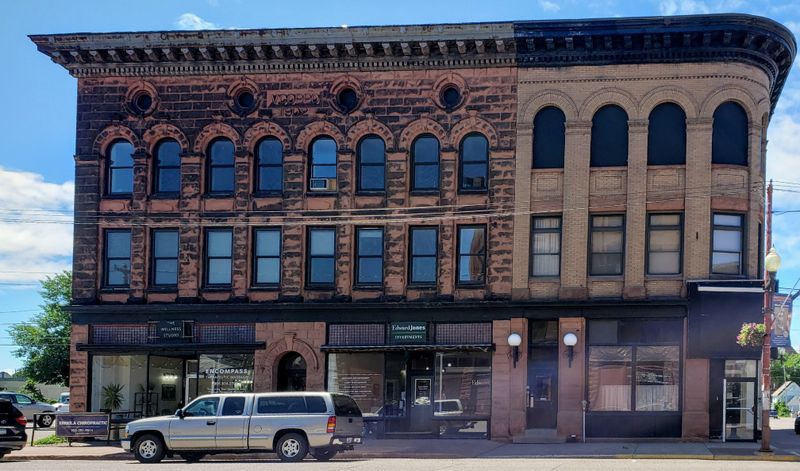
Preservation in Calumet happens through a combination of official programs and individual determination. The National Park Service provides resources and expertise through Keweenaw National Historical Park.
Local historical societies maintain archives and operate small museums. Individual property owners invest their own time and money into maintaining historic buildings, often with limited financial return.
This work requires both passion and pragmatism. Many of the historic structures need significant repairs.
Finding contractors familiar with century-old construction techniques can be difficult. Modern building codes sometimes conflict with historical accuracy.
Despite these challenges, progress continues. Buildings that seemed destined for collapse have been stabilized.
Facades have been restored. Interiors have been adapted for new uses while respecting their original character.
The preservation effort extends beyond buildings to include traditions, stories, and cultural practices. Oral history projects record the memories of longtime residents.
Archives collect photographs, documents, and artifacts. Community events celebrate ethnic heritage and mining history.
This multi-layered approach recognizes that preserving Calumet means maintaining both the physical environment and the living culture that gives it meaning.
The work continues because people believe their history deserves protection and respect.
Quiet, Peaceful Living With Small-Town Michigan Hospitality
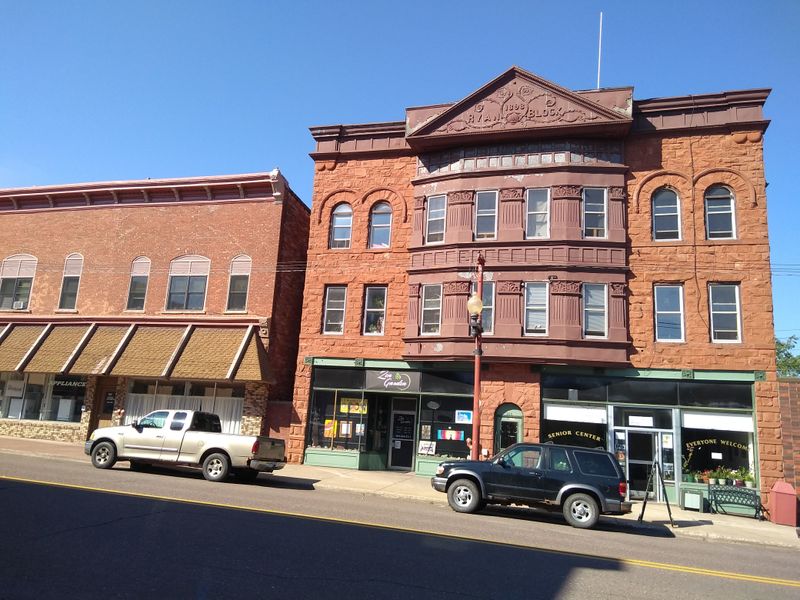
Life in Calumet operates at a pace that can feel jarring to visitors accustomed to urban schedules and constant stimulation. The village is genuinely quiet.
Traffic is minimal. Sidewalks empty early in the evening.
The lack of noise and activity creates space for conversation, observation, and the kind of unhurried existence that has become rare in American life.
The people who live here tend to be friendly without being intrusive, helpful without being overbearing. Small-town hospitality in Calumet feels authentic because it emerges from genuine community connections rather than tourism industry training.
People know their neighbors. They look after each other.
Strangers receive directions, recommendations, and sometimes stories about local history or family connections to the mining era.
This quality of life attracts certain types of people: those who value quiet over convenience, history over novelty, community over anonymity. The trade-offs are real.
Shopping options are limited. Entertainment requires creativity or travel.
Winter brings serious cold and deep snow. But for those who find modern life too loud, too fast, and too disconnected, Calumet offers an alternative worth considering.
The peace here feels earned rather than manufactured.