
Arizona’s Most Underrated State Park That Hardly Anyone Talks About
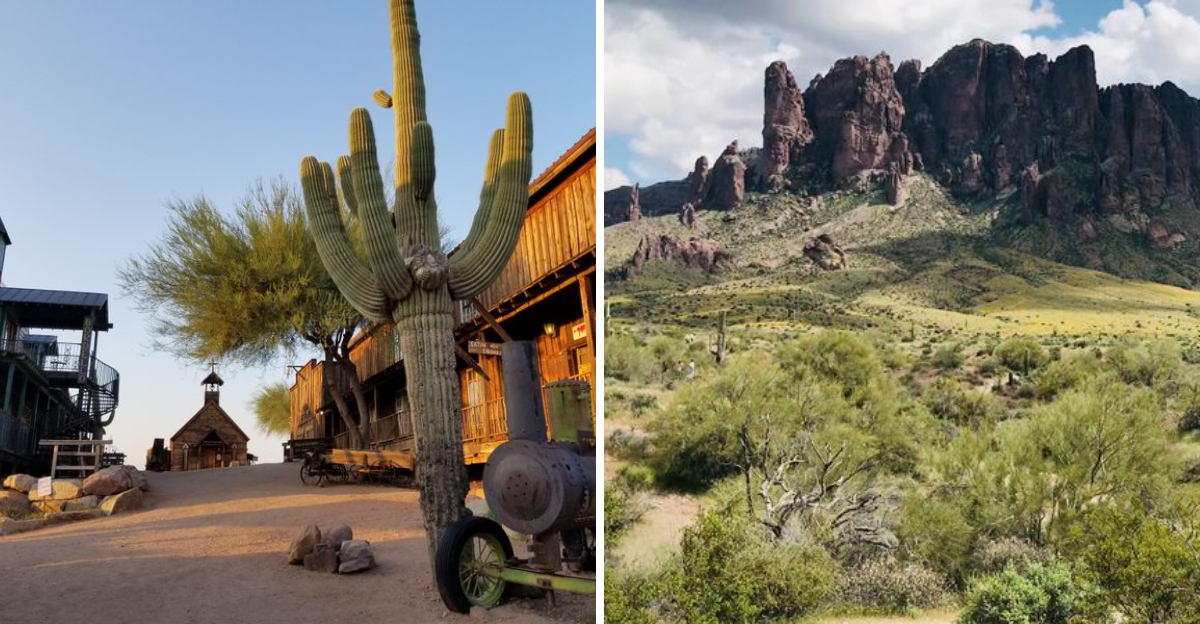
Most travelers racing through Arizona stick to the famous spots and miss something truly special. Lost Dutchman State Park sits quietly at the base of the Superstition Mountains, offering dramatic desert scenery without the overwhelming crowds.
With its legendary history, outstanding hiking trails, and some of the most photogenic sunsets in the state, this park is a hidden treasure. But what makes it even more remarkable, and why should it be at the top of your Arizona bucket list?
Keep reading to discover what sets Lost Dutchman apart from the usual tourist hotspots.
A Desert Gem At The Foot Of The Superstition Mountains
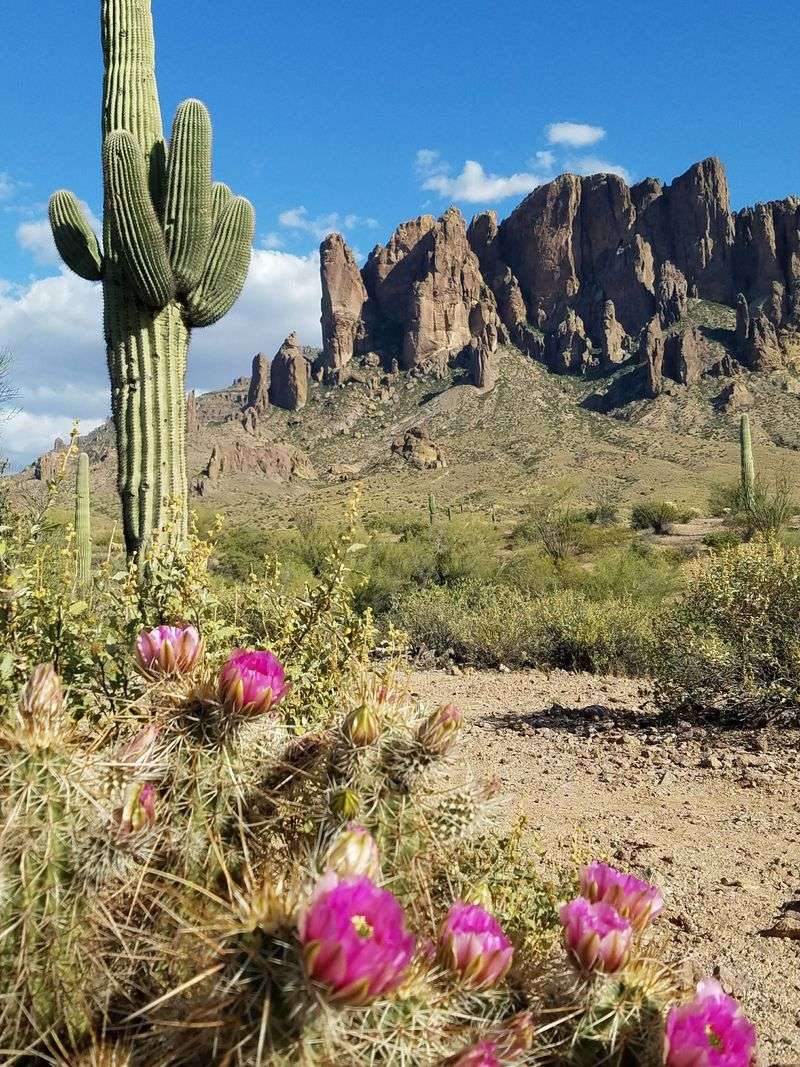
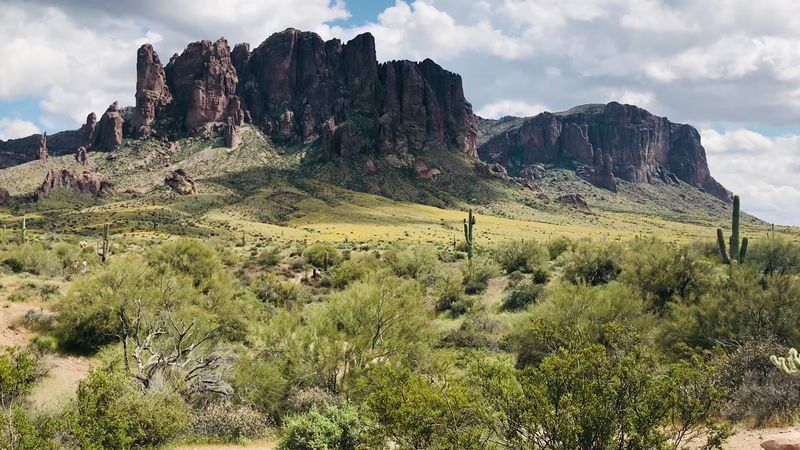
The Superstition Mountains rise like jagged teeth against the Arizona sky, creating a backdrop so striking that first-time visitors often stop mid-sentence. Lost Dutchman State Park spreads across the desert floor at 6109 N Apache Trail in Apache Junction, positioned perfectly to showcase these ancient volcanic formations.
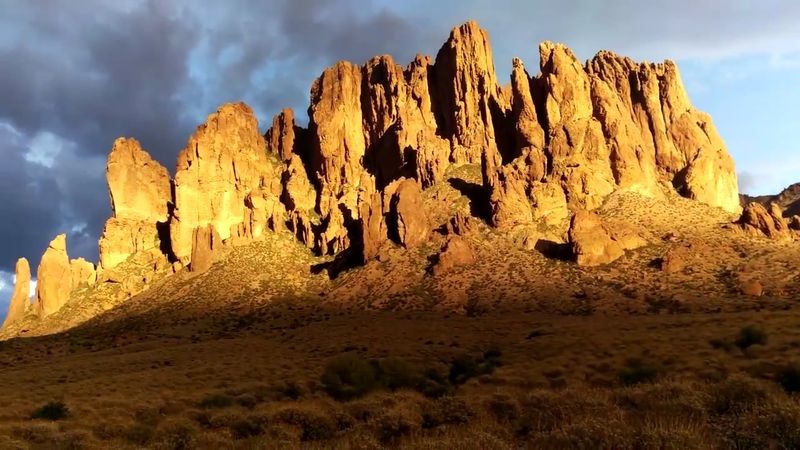
The mountains shift color throughout the day, moving from soft purple at dawn to blazing orange at sunset.
Saguaro cacti stand like sentries across the landscape, some reaching heights of forty feet after centuries of slow growth. The park covers enough ground to feel expansive without becoming overwhelming, making it manageable for families and solo adventurers alike.
Desert vegetation thrives here in surprising density, with palo verde trees providing scattered shade and ocotillo plants reaching skyward with their spiny arms.
Visitors consistently rate the park at 4.7 stars, praising its combination of accessibility and natural beauty. The ten-dollar day use fee grants access to trails, picnic areas, and views that rival any postcard.
The Mysterious Legacy Of The Lost Dutchman’s Gold Mine
Gold fever gripped Arizona in the 1800s, and nowhere did it burn hotter than in the Superstition Mountains. Jacob Waltz, a German immigrant known as the Dutchman, supposedly discovered a mine so rich it could make a person wealthy beyond imagination.
He died in 1891 without revealing its exact location, spawning over a century of treasure hunts and tall tales.
The park takes its name from this enduring mystery, though rangers will tell you the real treasure lies in the landscape itself. Dozens of prospectors have lost their lives searching these mountains, some from exposure and others under circumstances that remain unexplained.
The legend adds an intriguing layer to any hike, making every shadowed canyon feel like it might hide something extraordinary.
Modern visitors come for the scenery rather than gold, but the story persists in local culture. Gift shops in nearby Apache Junction sell maps and books about the mine, keeping the legend alive for new generations of dreamers.
A Hiker’s Paradise: Trails Offering Breathtaking Views
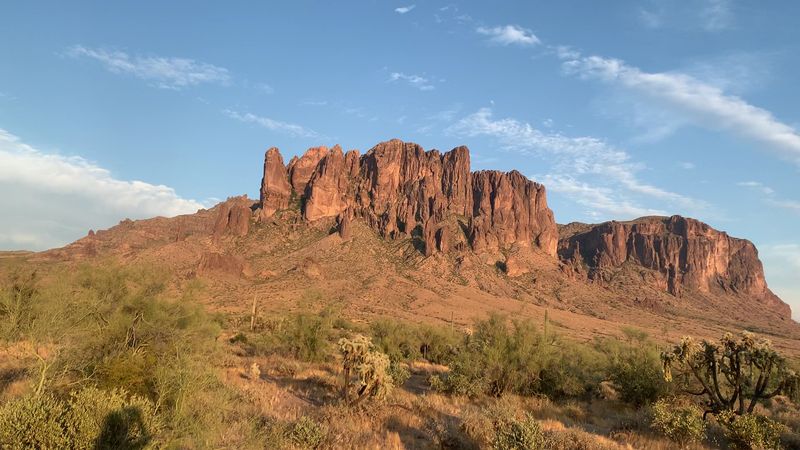
Trail options at Lost Dutchman range from easy loops to challenging climbs that test even experienced hikers. The Treasure Loop Trail stretches 2.3 miles with a steady incline, offering panoramic views without requiring technical climbing skills.
Visitors recommend tackling it clockwise to manage the elevation more comfortably, though going the opposite direction provides a different perspective on the landscape.
Flatiron Trail represents the park’s most demanding route, rewarding those who complete it with views that make leg fatigue feel worthwhile. The climb requires stamina and proper preparation, but the summit delivers vistas across the entire valley.
Trail maintenance stays consistent, with clear markers preventing confusion at junctions.
Summer temperatures can become extreme by nine in the morning, making early starts essential during warmer months. Rangers emphasize bringing more water than seems necessary, as the desert climate deceives visitors into underestimating their hydration needs.
Every turn presents another photograph opportunity, with rock formations and mountain views constantly shifting as elevation changes.
Wildlife Watching In The Heart Of The Arizona Desert
Bighorn sheep occasionally appear on the rocky slopes above the trails, their sure-footed movements across steep terrain appearing almost effortless. Patient observers spot them most often during early morning hours when the animals venture down from higher elevations.
Their presence adds excitement to any hike, though sightings remain unpredictable enough to feel special when they occur.
Cottontail rabbits dart between desert shrubs throughout the park, their quick movements catching peripheral vision before they vanish into cover. Birdwatchers bring binoculars to identify the numerous species that call this desert home, from tiny hummingbirds to larger raptors circling overhead.
The variety surprises people who assume deserts support limited wildlife.
Rattlesnakes inhabit the area and deserve respectful distance when encountered on trails. They typically avoid confrontation and will move away if given space and time.
Spring brings increased snake activity as temperatures warm, making trail awareness particularly important during that season. Most wildlife remains more interested in avoiding humans than interacting with them.
Camping Under The Stars: A True Desert Escape
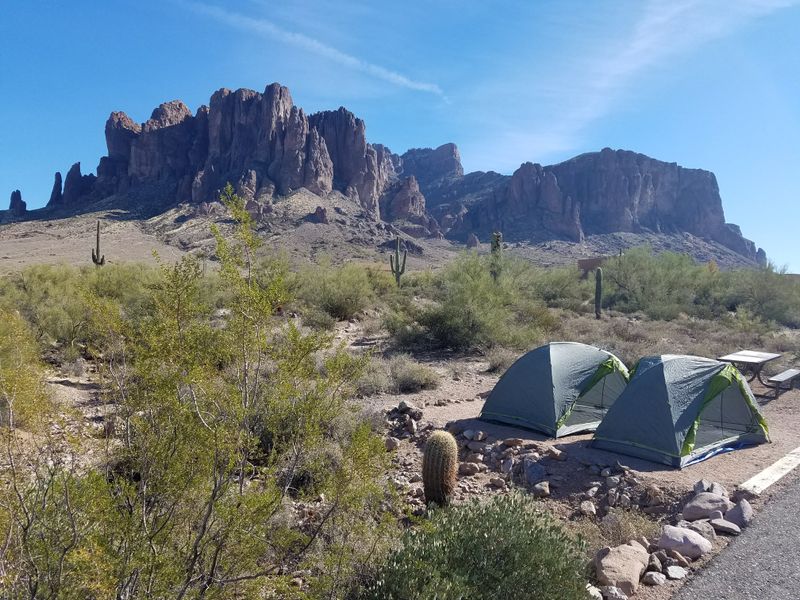
Over one hundred campsites spread across the park, offering both RV hookups and tent camping options. Sites in the lower numbered loops provide closer access to restrooms and better cell reception, while higher numbered spots trade convenience for additional privacy.
The fifty-dollar nightly rate includes water and electric connections but not sewer hookups, with a dump station available near the exit.
Shower facilities receive mixed reviews, with some campers noting they could use more frequent cleaning despite recent price increases. Generator hours stay limited to specific times, encouraging campers to invest in solar panels or battery systems for off-hour power needs.
The campground layout accommodates large RVs, though the 75-104 loop presents tighter turns that challenge bigger rigs.
Night skies at Lost Dutchman reveal stars in quantities that urban dwellers rarely see, with the Milky Way stretching overhead during moonless nights. East Valley lights twinkle in the distance without creating significant light pollution.
Desert temperatures drop considerably after sunset, making campfires comfortable even during warmer months.
The Best Sunsets In Arizona: Capturing The Magic Of The Desert Sky
Sunset transforms the Superstition Mountains into something approaching the supernatural, with colors shifting from gold to crimson to deep purple within minutes. Photographers arrive hours early to claim prime spots, knowing the light show justifies the wait.
The mountains catch the last rays and seem to glow from within, creating an effect that cameras struggle to capture fully.
Cloud formations add drama when present, scattering light into unexpected patterns across the sky. Even cloudless evenings deliver spectacular color as the sun drops toward the western horizon.
Visitors mention these sunsets specifically in reviews, often calling them the highlight of their entire Arizona trip.
The park stays open until ten in the evening, giving sunset watchers plenty of time to pack up and exit without rushing. A few unfortunate souls have arrived at 10:03 to find gates locked and no access code available, so timing matters.
Bringing a blanket and snacks turns sunset viewing into a proper event, allowing full appreciation of the changing light without distraction.
A Hidden Spot For Photographers: Nature, History, And Majestic Views
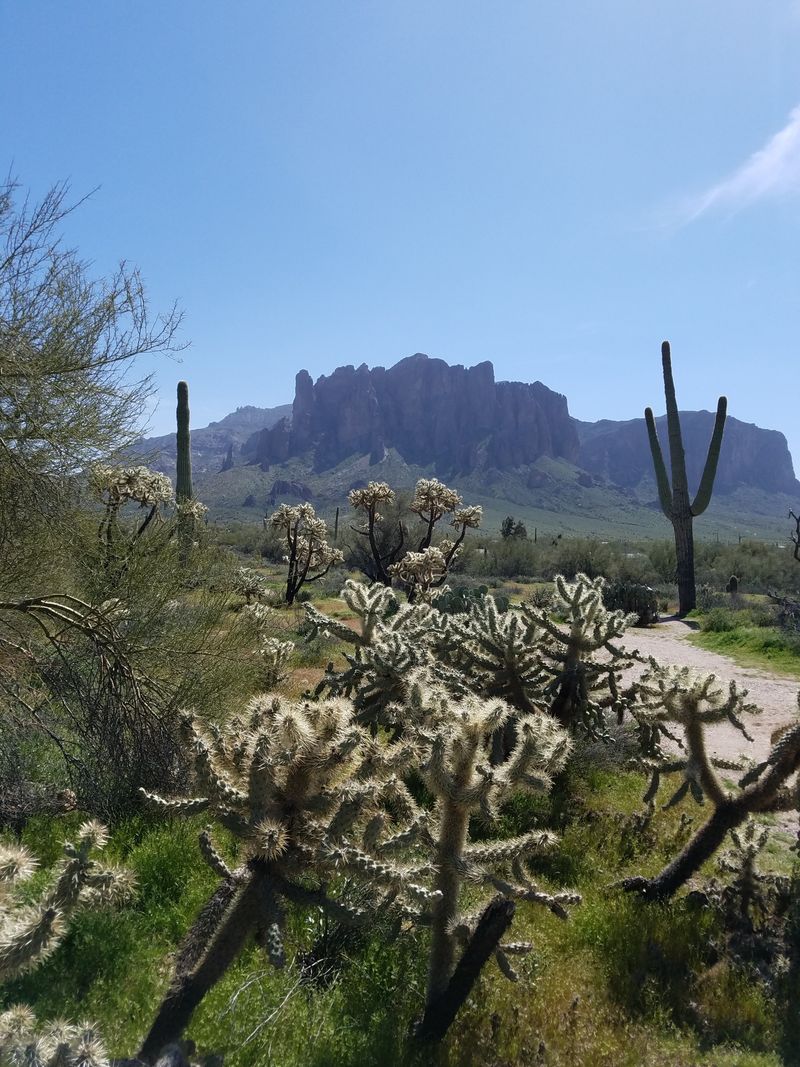
Every trail intersection presents another composition opportunity, with foreground cacti framing distant mountain peaks in ways that seem almost arranged. The park attracts serious photographers who understand how desert light behaves differently than forest or coastal environments.
Morning light arrives cool and blue, gradually warming as the sun climbs higher.
Rock textures and desert plant details reward macro photography enthusiasts willing to look closely at smaller subjects. The combination of geological features, diverse vegetation, and dramatic mountains provides variety that keeps photographers returning across multiple seasons.
Each visit reveals different conditions and lighting situations worth documenting.
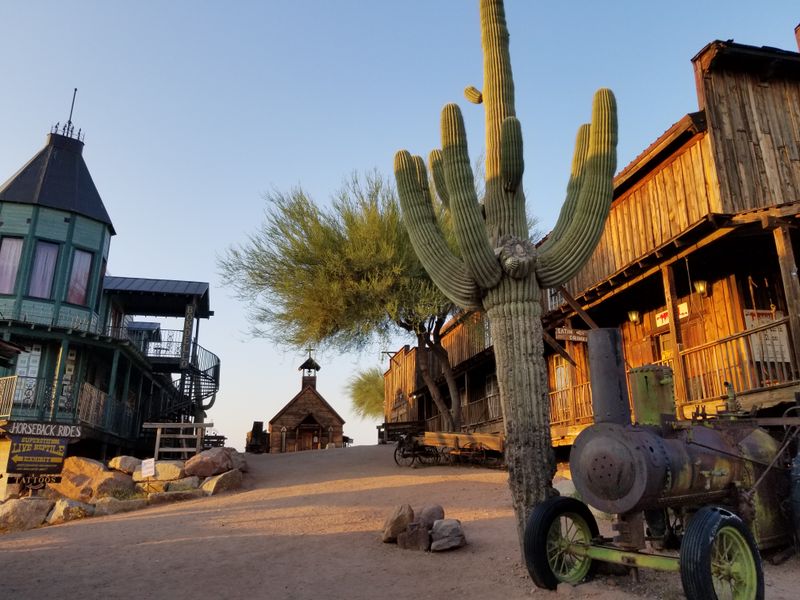
Goldfield Ghost Town sits just across Apache Trail, adding historical architecture to potential photography subjects without requiring additional driving. The abandoned buildings and old mining equipment create atmospheric shots that contrast nicely with natural landscape images.
Many visitors combine both locations into single photography outings, maximizing their creative opportunities.
Sunrise shoots require arriving before the park officially opens, though rangers generally accommodate photographers who call ahead to explain their plans.
The Park’s Rich History And Cultural Significance
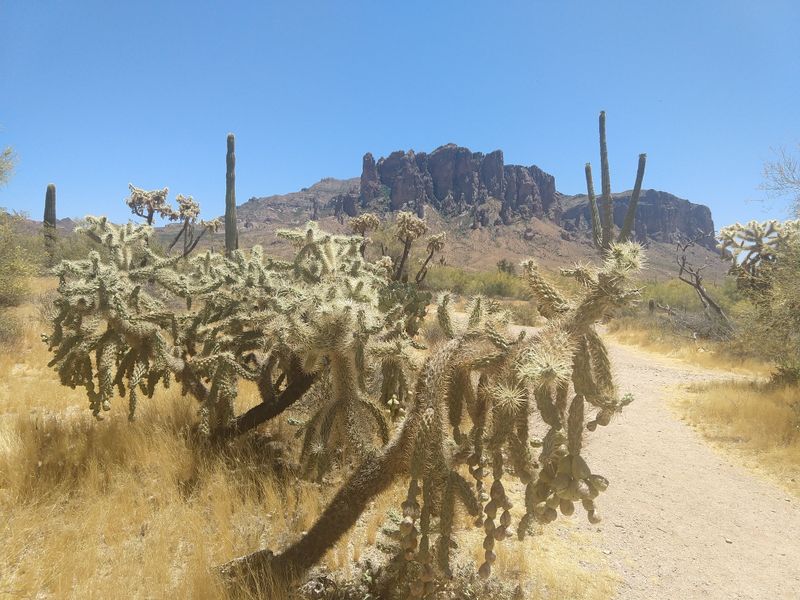
Apache peoples lived in these mountains long before European settlers arrived chasing mineral wealth. The Superstitions held spiritual significance in their culture, with certain peaks and canyons considered sacred spaces.
Modern visitors walk trails that follow routes indigenous people used for centuries, though few stop to consider that history while admiring views.
Mining operations scarred portions of the surrounding wilderness during Arizona’s territorial period, leaving behind equipment and structures that now serve as historical curiosities. The state park preserves a portion of this landscape in relatively natural condition, protecting it from the development pressure affecting much of the Phoenix metropolitan area.
Its establishment recognized both natural and cultural value worth maintaining for future generations.
The park name itself connects to Euro-American frontier mythology, though that represents only one thin layer of the area’s deeper story. Educational materials available at the visitor center provide context about various groups who shaped this landscape over millennia.
Understanding that background adds dimension to any visit beyond simple recreation.
Less Crowded Than The Nearby Superstition Wilderness
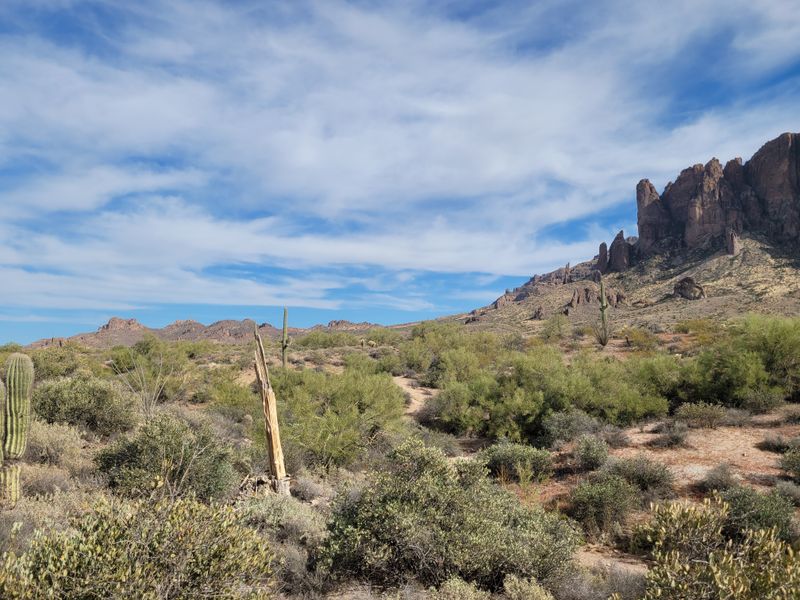
The adjacent Superstition Wilderness Area draws serious backcountry enthusiasts seeking multi-day adventures away from civilization. Lost Dutchman offers similar scenery with substantially better facilities and easier access, making it perfect for people wanting desert experiences without committing to wilderness camping.
The trade-off between amenities and solitude works favorably here, providing comfort without sacrificing natural beauty.
Parking lots rarely fill completely outside major holiday weekends, even during the pleasant winter months when desert parks see peak visitation. Trails accommodate steady use without feeling congested, allowing hikers to maintain personal space and quiet contemplation.
This balance proves difficult to find at more famous Arizona destinations where crowds diminish the experience.
Families with young children appreciate the park’s manageable scale and clear trail markers that prevent anyone from getting seriously lost. The combination of accessibility and relative emptiness makes Lost Dutchman ideal for introducing people to desert hiking without overwhelming them.
Experienced outdoor enthusiasts enjoy it as a convenient basecamp for exploring the broader Superstition region.
Year-Round Accessibility: The Park’s Appeal In All Seasons
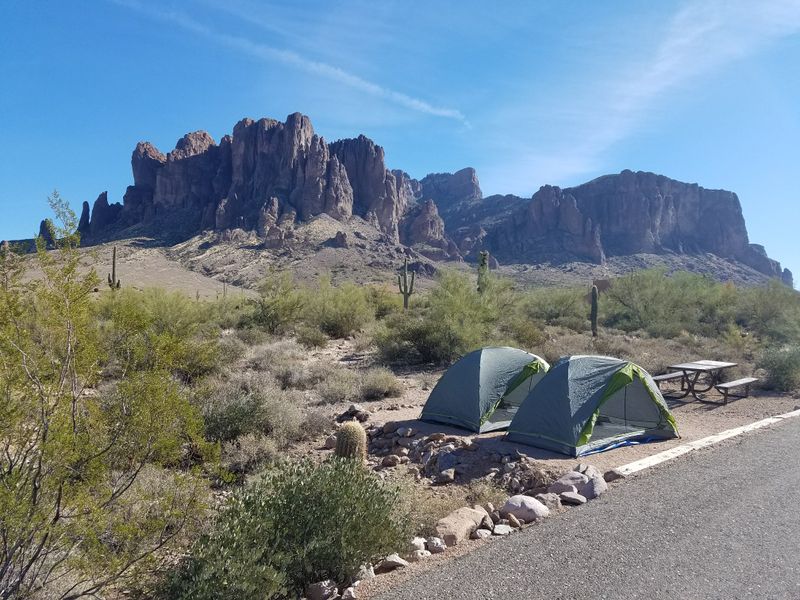
Winter brings perfect hiking weather to Lost Dutchman, with daytime temperatures in the sixties and seventies making physical activity comfortable. Snowbirds fill campgrounds during these months, escaping harsher climates to enjoy Arizona’s mild season.
Reservations become essential between November and March as sites book weeks in advance.
Spring wildflowers emerge after sufficient winter rainfall, carpeting the desert floor in unexpected colors that contrast beautifully with the rocky terrain. Brittlebush blooms bright yellow while poppies add orange accents throughout the landscape.
This season offers the best combination of moderate temperatures and visual interest, though it also sees the highest visitation numbers.
Summer heat becomes genuinely dangerous for unprepared visitors, with temperatures exceeding one hundred degrees by mid-morning. Those who venture out during these months start hikes before dawn and return to shade or air conditioning by nine.
Fall gradually cools into comfortable conditions again, with September and October providing excellent hiking weather without winter crowds. The park never closes, adapting its appeal to match seasonal conditions rather than shutting down during challenging months.