
The Little-Known Gemstone Museum Corner In New York That’s Totally Worth The Drive This Year
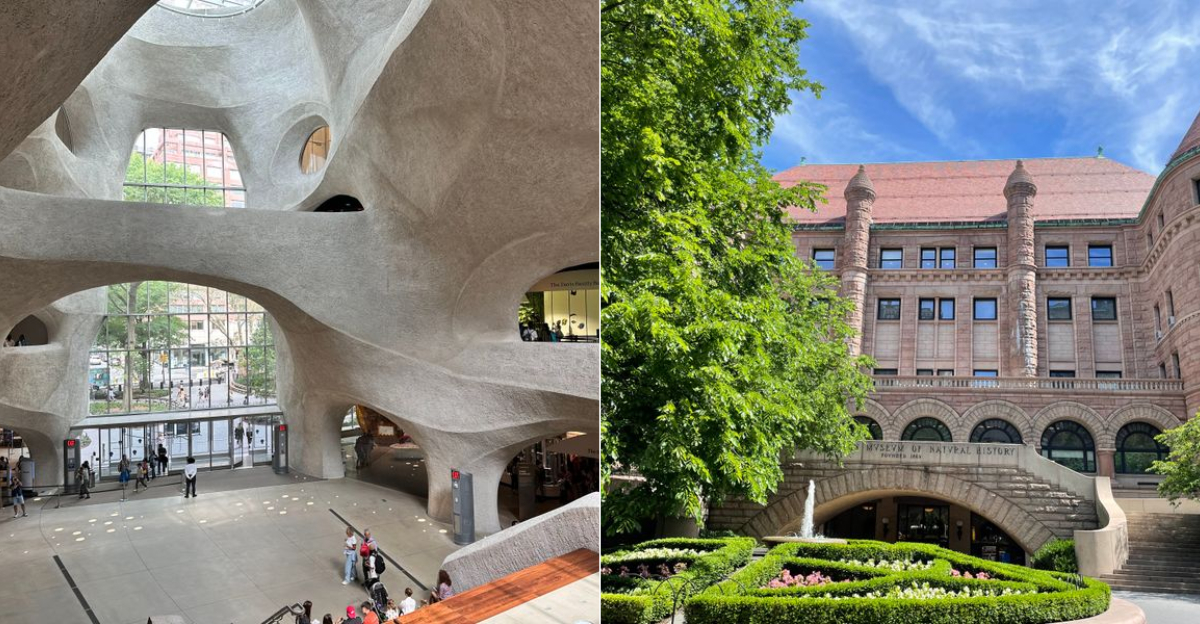
You wouldn’t expect to find something this sparkly in the middle of a regular day out, but here we are. This little-known New York museum is basically a treasure chest with walls. Glass cases shimmer.
Stones catch the light and refuse to be ignored. You lean in closer without even meaning to.
It’s calm, a bit quirky, and surprisingly fascinating. One minute you’re admiring deep blues and fiery reds, the next you’re pretending you suddenly know everything about rare minerals. No judgement.
We all do it. And somehow, New York is hiding a gemstone museum this cool that barely anyone talks about.
Go curious. Leave slightly obsessed with shiny things.
A Threshold Of Light And Stone
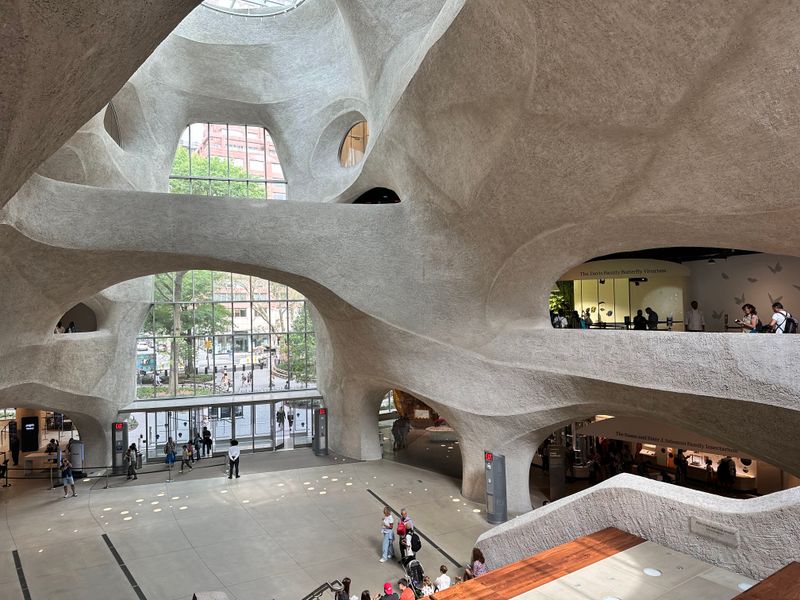
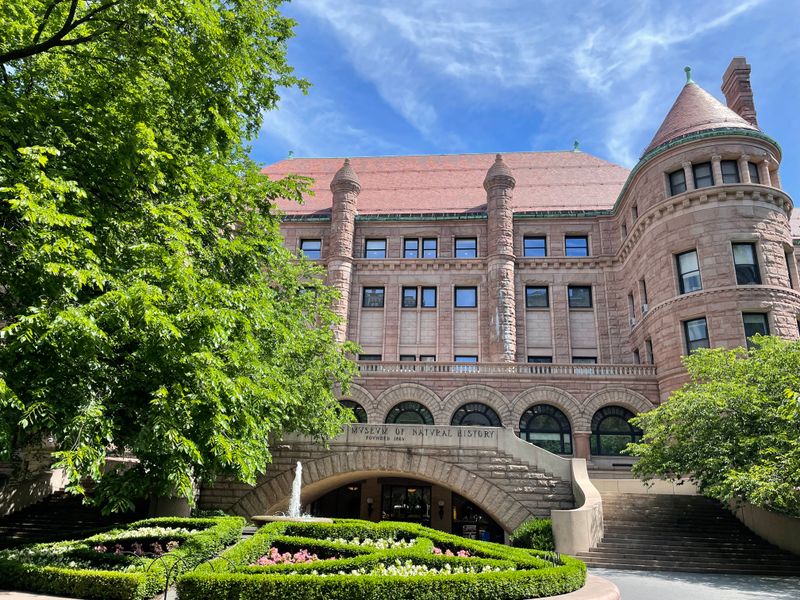
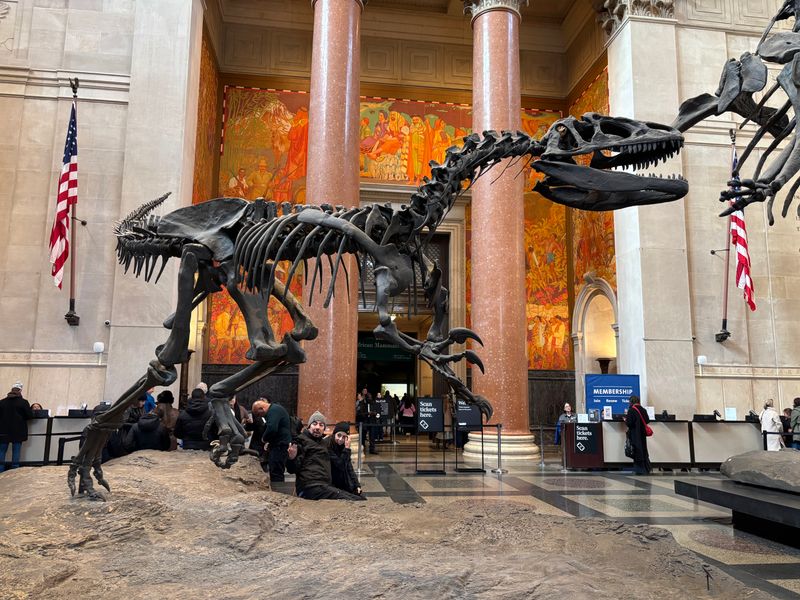
Here is the deal: the place it is located in is not a little known place, but the exhibition itself is. Most people skip over the gemstones and go for the dinosaurs, but that is why I am here – to give you a new perspective on your Museum approach.
First impressions in the these halls begin with a hush that feels purposeful, almost like a library. Soft lighting guides your pace, and the first cases outline how minerals form from heat, pressure, and time. Clear labels favor crisp explanations over spectacle, so your eye settles before your mind begins to roam.
There is a sense of editorial restraint here, the kind that wins over skeptics who do not think they like rocks. If patience is a virtue, these halls make an elegant case for it.
Early displays introduce crystal systems with tidy models and lucid diagrams. Cubic, hexagonal, monoclinic, and the rest become legible when placed near confident specimens that wear their geometry plainly. You start to recognize patterns you did not know you knew, like the way symmetry calms the gaze.
It feels surprisingly personal when you catch yourself predicting edges and planes. The designers seem to trust you to do more than stare.
Practical details arrive quietly, and they help. Benches appear exactly where a person might want to linger, and pathways allow a comfortable flow even during busy hours. The address, 200 Central Park West, sounds grand, yet these rooms never hard sell their location.
Instead, they deliver New York’s rarest commodity: space to focus. By the time you reach the first large geode, the hall has already tuned your attention, making the reveal both measured and memorable.
The Giant Amethyst Geodes That Stop Conversations
Nothing in the halls gathers a crowd faster than the monumental amethyst geodes. They stand like open vaults lined with saturated purple, each crystal catching light with a tidy discipline. You edge closer and notice gradients from inky violet to pale lilac, a slow fade that reads like weather across a landscape.
Nearby text explains cavities in volcanic rock, silica-rich fluids, and slow growth. The science steadies the drama, which is exactly what the room does best.
Scale can overwhelm, yet the geodes avoid feeling like props. The lighting is firm but not flashy, minimizing glare while keeping the interior alive. You can track crystal habit, growth zoning, and subtle fractures that tell small stories about pressure and patience.
Children point out “sparkle caves,” adults pretend not to be charmed, and everyone lingers. It is tourism-proof wonder, built on clarity rather than hype.
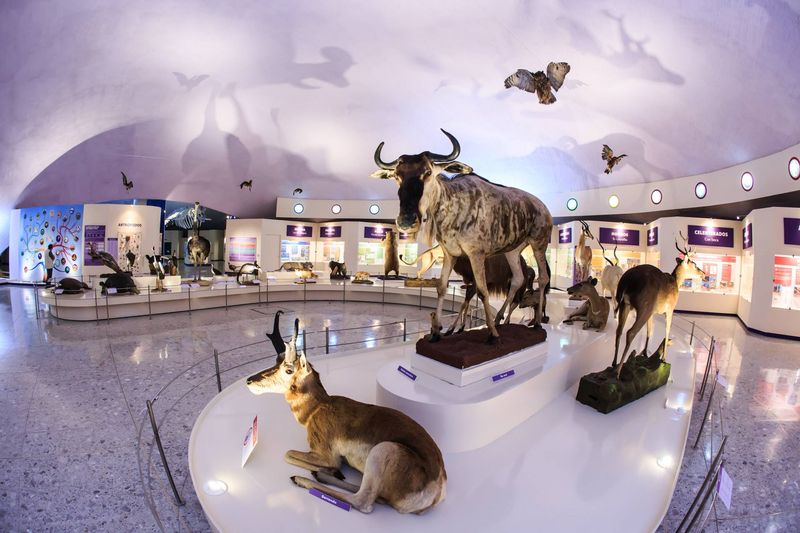
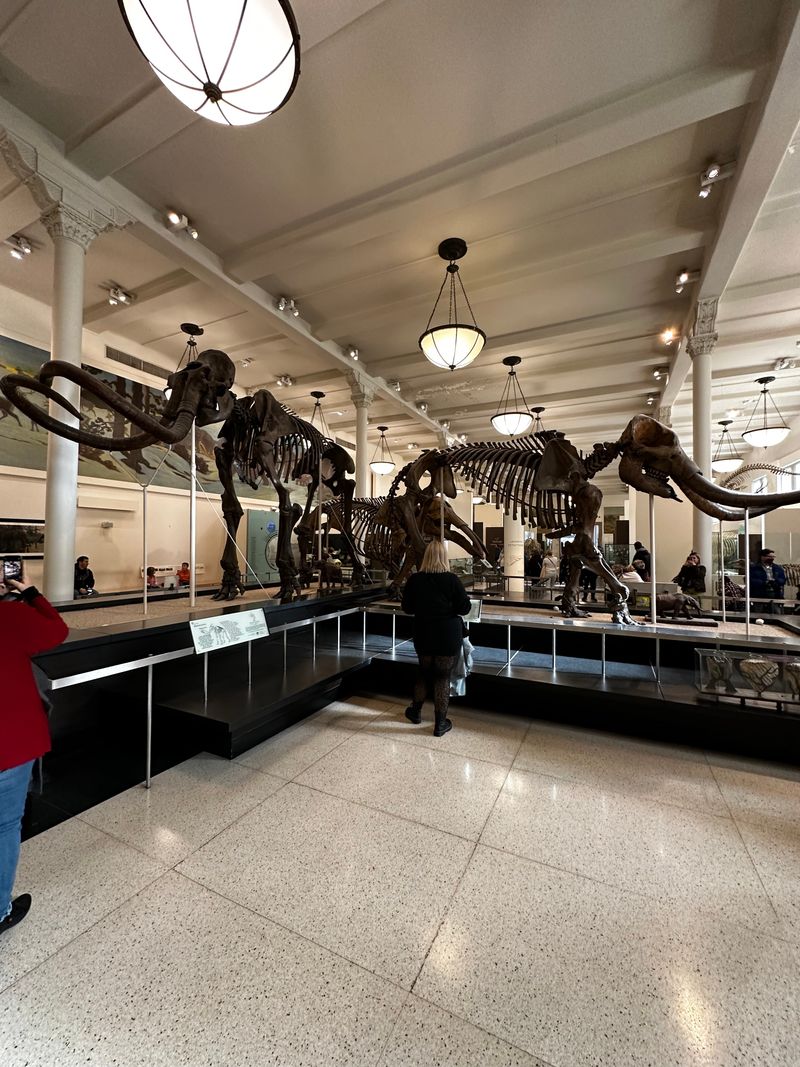
Photos feel inevitable, though the experience lands strongest in person, and in the case of the gallery here, they aren’t even fully allowed. That is why we show the photos of the other museum exhibits instead. A quick glance becomes a study of edges, and then a puzzle about time.
You may notice how the cut lines are clean and respectful, revealing structure without turning the piece into a trophy. Staff keep the flow gentle, which helps the mood. If you came for spectacle, this is it, but it also sneaks in a quiet lesson about how crowded beauty can still make room for thought.
A World Map Written In Minerals
One gallery pulls you toward a wall-spanning map that links minerals to the countries they come from. Pins of color thread across oceans, binding Brazil to Madagascar, Pakistan to the United States. The effect is tidy cartography with real weight, because the specimens nearby wear their origins proudly.
You grasp the idea quickly: geology is local and global at once. Supply chains and histories begin to flicker behind the glass.
Labels list mines, regions, and formations without sermonizing. The writing respects your curiosity while avoiding the kind of boosterism that can sour a museum visit. A pocket of mica from Connecticut sits near aquamarine from Minas Gerais, and the pairing feels conversational rather than forced.
You start reading textures instead of place names, and then you step back to see patterns. The room teaches without announcing itself as a classroom.
Conversations among visitors become part of the exhibit. Someone mentions a family trip to Sri Lanka; another talks about a lapidary workshop in Arizona. The hall absorbs these threads without losing its quiet.
It helps that the cases stay low enough for children but high enough to dignify the objects. By the time you leave, the world looks less like a flat map and more like a layered puzzle of plates, faults, and deep-water chemistry.
Systems Made Understandable
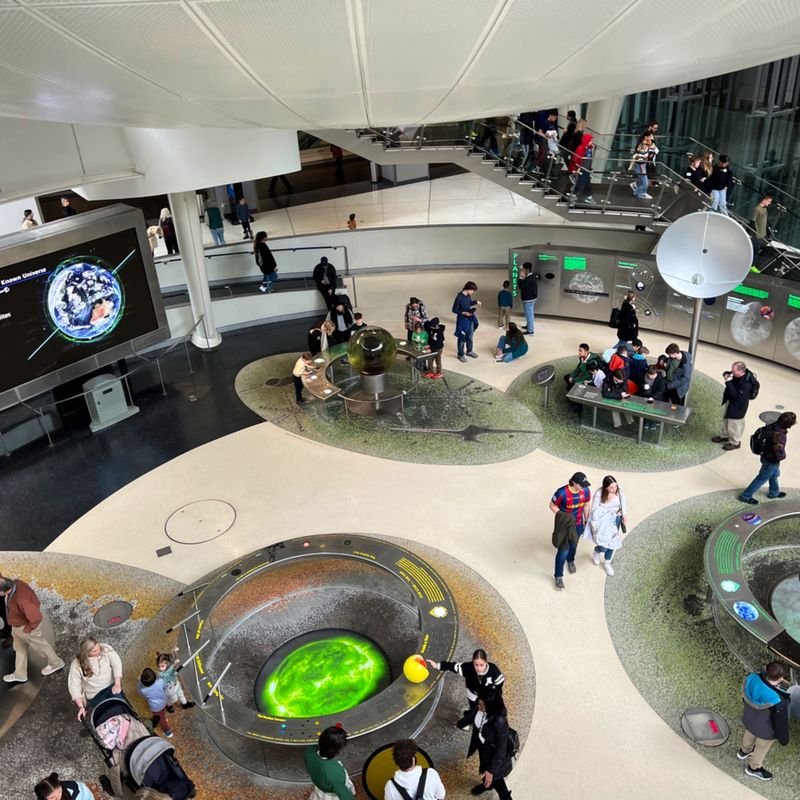
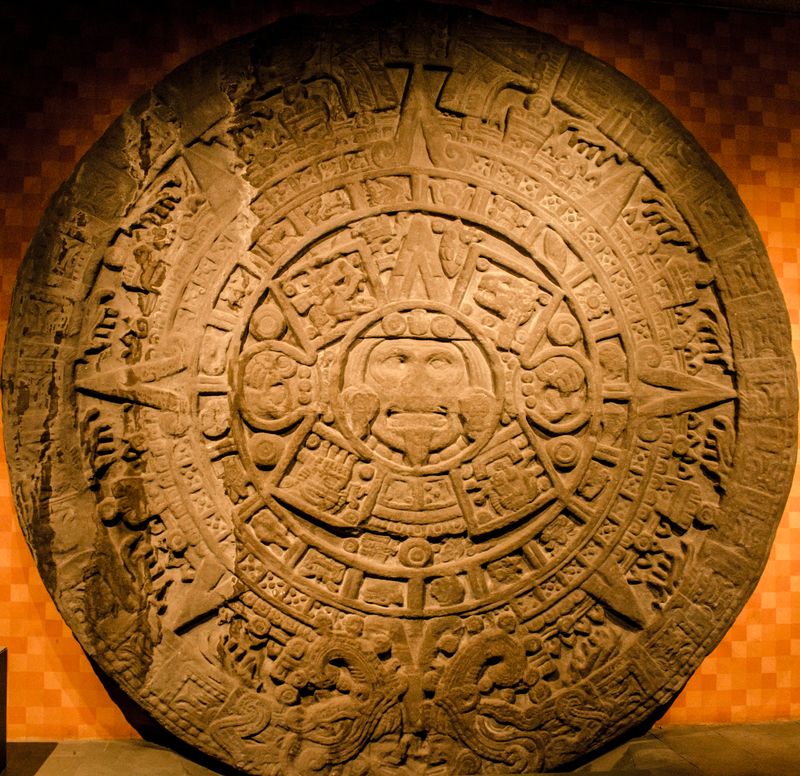
Here is the thing. As a part of the American Natural Museum, gems aren’t the only ones you’ll find here. You’ll find many other things worth exploring.
Clarity arrives in the form of geometric models that make crystal systems feel approachable. Wireframe cubes, hexagonal prisms, and angular companions sit beside specimens that wear the same shapes in the wild. Fluorite plays the cube with calm confidence, while beryl holds that steadfast hexagonal line.
The pairing is as persuasive as a good diagram, only shinier. You feel your eyes learning while your hands stay respectfully at your sides.
Interpretive text sticks to clean definitions and leaves room for your own noticing. No one insists on awe, which oddly invites it. You start guessing a specimen’s system before reading the label, a privately satisfying game that the room clearly anticipates.
Kids treat it like a scavenger hunt, adults pretend they are verifying, not guessing. The mood stays collegial and a little studious.
The cases balance repetition and variety with mature restraint. Similar forms sit near contrasts so the differences stay crisp, and sightlines help you hold a few examples in mind at once. Seating nearby encourages a slower pace, which suits the content.
After ten minutes, symmetry stops feeling academic and starts feeling like grammar. When you later meet a showpiece tourmaline, you can see the rules it follows, and that recognition makes the color stronger, not less mysterious.
The Story Of Pressure, Heat, And Time
Geology’s backbone unfolds in a concise sequence about formation. A compact diagram maps igneous, sedimentary, and metamorphic processes without turning into a classroom slide. Arrows show heat and pressure doing their unsentimental work, while photographs of mines and outcrops anchor the theory to place.
The neighboring specimens make the lesson tactile. Garnet carries metamorphism like a badge, while quartz veins strike through host rock with efficient certainty.
The tone throughout is clear-eyed and almost conversational. No melodrama about volcanoes, just a respectful nod to deep time and patient chemistry. You can trace a mineral’s life like a sober travel itinerary: melt, cool, compress, shift, and fracture.
The economy of the design deserves credit as well. Everything you need is present, and nothing begs for attention.
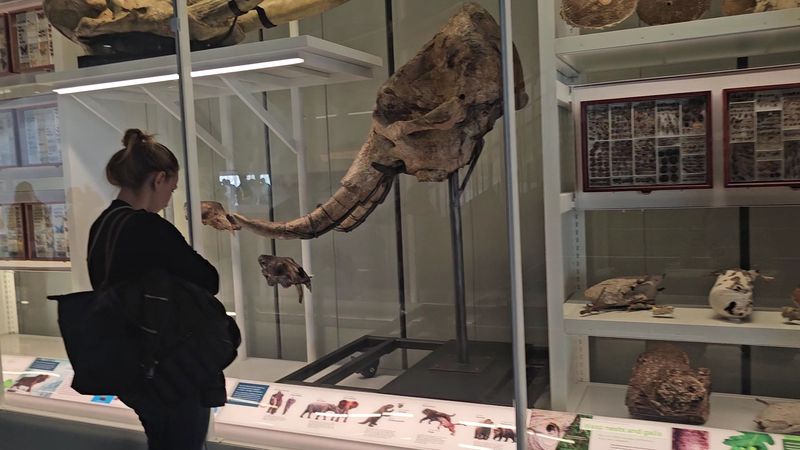
And guess what? Pressure, heat and time do not only influence the view we get of the gems themselves. They are why we are here, but they aren’t the end-all-be-all.
Those three factors create fossils, too; all of which you can see within the same building.
Visitors tend to lean in, and the posture fits. There is a quiet pleasure in learning how something beautiful earned its edges. Short videos add movement without hijacking the room, and the pacing never rushes you along.
By the time you reach the section on hydrothermal fluids, you have the tools to read the specimens on your own terms. That kind of confidence is a lasting souvenir, the kind that follows you long after the gift shop.
New York Stories Beneath The Surface
Regional pride shows up quietly in a section devoted to New York’s mineral character. Clear quartz from the state sits with clean faces and believable stories, a reminder that excellence does not require distance. A wall map points to formations and fault lines with measured confidence, making geology feel like neighborhood knowledge.
The effect is neighborly rather than boosterish. You can sense the curators editing with care.
Context matters here, and the labels provide it without fuss. Industrial uses find room beside aesthetic value, which keeps the tone honest. Photographs of quarries and outcrops ground the narrative in place, and the selection favors specimens that teach as well as sparkle.
Visitors compare notes about day trips and road cuts. It turns into a low-key conversation about where beauty hides.
This is also where the halls nod to the city outside their doors. Central Park feels close, and the subway is a short walk away, yet the displays ask you to picture bedrock and groundwater working in slow cooperation. That framing encourages a gentler pace.
You leave feeling that New York is not only skyline and noise, but also structure and time, layered underfoot and waiting patiently to be read.
Exhibitions Of Gems And Beyond
The birthstone section could have slipped into gift-shop territory, yet it does the opposite. Each month’s gem arrives with tidy context about mineral species, historical associations, and sources. The stones are large enough to study without squinting, and the mounts keep reflections under control.
You realize quickly that a calendar can be a framework for geology rather than sentiment. The room holds the line on taste.
March’s aquamarine shows steady color and clean crystal habit, while January’s garnet leans into its sturdier geometry. October keeps the conversation lively with opal’s shifting fire, which the lighting supports without overplaying. Notes on treatments and synthetics add welcome clarity.
The honesty feels almost refreshing in a display that could have gone glossy.
Visitors compare months with friendly competitiveness, but the content stays grounded. You might find yourself making mental lists of mines and regions rather than birthdays. It is a neat trick, this pivot from novelty to substance.
The section also works as a pacing element, a moment to regroup before heavier science. When you leave, the calendar remains useful, though now it carries a small library of structure, chemistry, and place.
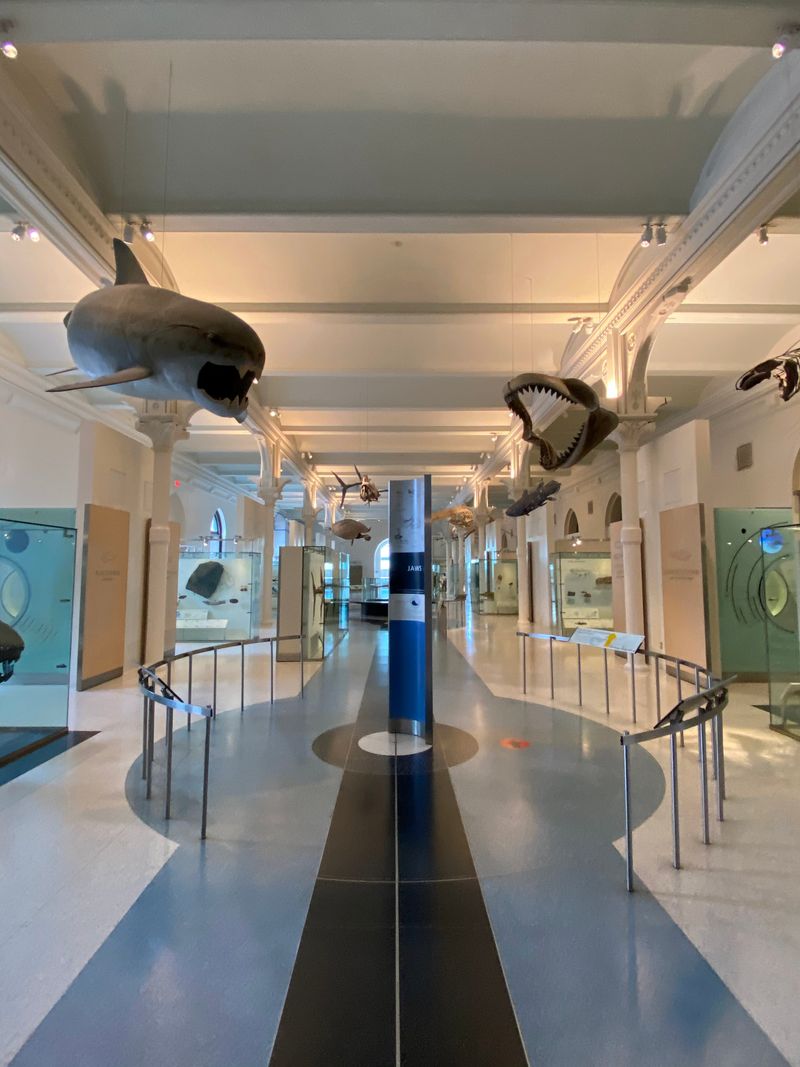
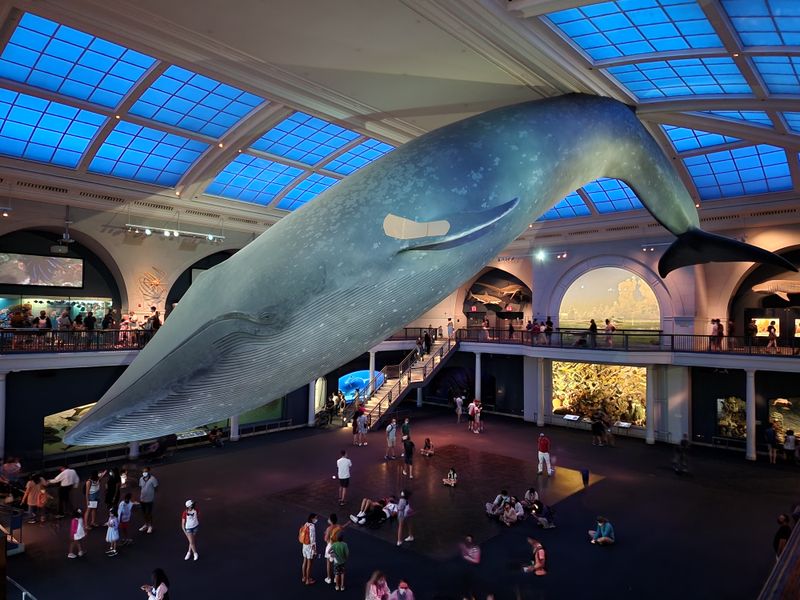
But there are other “gems” within the museum as well, like the propped up animals, fossils, skeletons and beyond. Don’t be shy to give them a visit or two.
Meteorites And Minerals From Space
Not all treasures in the halls come from Earth. A compact section on meteorites brings iron slices etched with Widmanstätten patterns, geometric lattices that hold your gaze. Nearby, chondrites show tidy little spheres like frozen rain, humble and astonishing at once.
The labels step carefully, offering origin stories without drifting into grandiosity. Space, in this room, feels close to hand.
The cases respect both spectacle and scale. You can see the nickel-iron shimmer without fighting glare, and the cross-sections are polished to a sober sheen. A few handling pieces invite touch, which feels rare in a gallery of glass and light.
The gesture succeeds because it is controlled. People clearly appreciate being trusted.
Context ties the room back to the broader museum. You are a short walk from the Rose Center, yet this corner stands on its own merits. The narrative does not need a planetarium to make a point about origins.
After ten minutes with these visitors from elsewhere, the gems down the hall read differently, grounded by a wider stage. You exit more alert, aware that beauty is not only a local talent.
Craft, Cutting, And The Human Hand
A thoughtful gallery traces how human choices shape a stone’s final voice. Rough crystals sit beside cut gems, and the progression never feels like a before-and-after gimmick. Brilliant, step, and cabochon cuts each make their case with calm authority.
You study how facets direct light, and the geometry starts to feel practical rather than abstract. The curators let workmanship speak without leaning on superlatives.
Tools, both historical and modern, appear with modesty. A wheel, a dop stick, a slurry of grit, and patience do the heavy lifting, which is satisfying to see acknowledged. The language in the labels is frank about trade-offs.
Depth of color, durability, yield, and market taste have their say. Craft lives in those compromises, and the gallery honors that truth.
People tend to slow down here, and the room rewards it. Small mirrors and controlled lights reveal how a pavilion angle changes the return. Children test a light box, then drag adults over to compare.
It becomes a wholesome kind of persuasion, the sort that grows from evidence. You leave with a sharper eye, newly aware that every spark is the sum of structure, labor, and judgment.
Design, Lighting, And The Art Of Restraint
The design of these halls keeps stealing the show without trying. Dark walls recede so the specimens can carry the frame, and the cases hover at a height that respects different bodies. Typography stays calm and legible, inviting reading rather than grazing.
The quietest flourish is the lighting, angled to avoid glare while revealing edges and depth. It feels like a pact between curators and visitors to keep noise low and attention high.
Movement through the space happens at a civil pace. Pathways leave room for conversation without creating bottlenecks, and sightlines help you hold several cases in view at once. The result is a rhythm that suits the subject.
Rocks do not need urgency. They need time and respectful angles.
Even the benches feel considered. They appear where the eye naturally pauses, not as afterthoughts. The restraint extends to color, which lets specimens set the palette.
In a city trained to shout, this room’s best joke is that it whispers and still fills up. By the exit, you may find your voice has matched its volume, which seems exactly right.
Planning Your Visit With Quiet Confidence
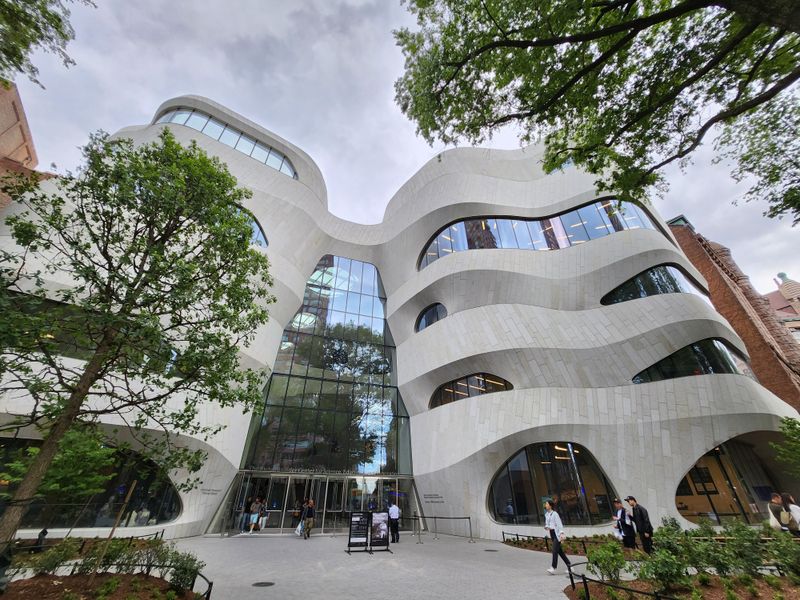
Practicalities at the American Museum of Natural History are straightforward if you plan ahead. The Mignone Halls sit on the museum’s first floor, a comfortable reach from the main entrance at 200 Central Park West. Crowds thin in the late afternoon, though the light remains kind to the exhibits.
Purchasing timed tickets helps, and a map solves most navigational puzzles. The halls reward unhurried visits, so give yourself at least an hour.
A calm start pays dividends. Begin with formation and crystal systems before tackling the showpieces, and you will see more in the sparkly sections later. Benches invite sensible pauses, and nearby restrooms reduce tactical detours.
If you are traveling with children, the identification corner offers a satisfying first stop. Everyone wins when curiosity has structure.
Leaving the halls, you are close to other museum landmarks, yet it is worth stepping outside for a few minutes of fresh air. Central Park sits just beyond the doors, an easy loop before reentry. The contrast resets your attention so you can return for another pass.
Visits gain depth when taken in stages, and this collection rewards that patience. You will walk out with steadier eyes and a quieter kind of excitement.