
8 Abandoned Spots In Tennessee Every Explorer Needs To Visit In 2026
There is something undeniably fascinating about places time seems to have forgotten. Across Tennessee, abandoned structures and long-silent sites stand as reminders of past industries, communities, and stories that shaped the state.
Peeling paint, weathered brick, and empty corridors create an atmosphere that draws in photographers, history lovers, and curious explorers alike.
These locations are not about thrill-seeking; they are about preservation, perspective, and understanding what once was. Each spot carries its own history, offering a quiet glimpse into different eras of Tennessee life.
Exploring responsibly is essential, as safety and respect for property always come first. For those who appreciate forgotten architecture and layered stories, these abandoned sites offer a compelling look at the past in 2026.
1. Old Train Depot, Nashville

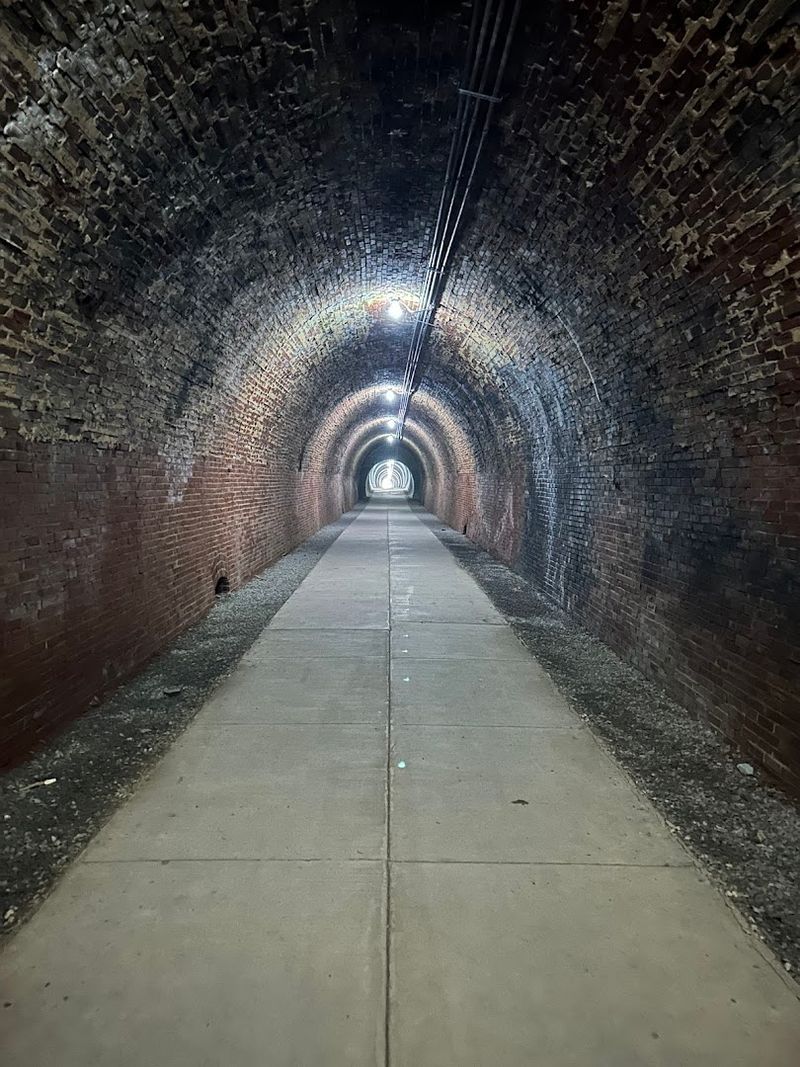
Standing at the edge of Nashville’s busy streets, the Old Train Depot feels like a portal to another era. Back when railroads ruled American travel, this station buzzed with passengers, porters, and the roar of steam engines rolling through Tennessee.
Today, it stands quietly, its bones still strong, whispering stories of a time when the whole city revolved around the railroad.
Walking through what remains of the depot, you can still spot incredible architectural details. Look for original ironwork, aged timber beams, and faded signage that somehow survived decades of neglect.
Every crack in the wall tells a story, and every rusted bolt is a tiny piece of living history that no museum exhibit can fully replicate.
Nashville’s rail history shaped the city’s economy, culture, and growth in ways most people overlook today. Visiting this spot gives you a grounded, real-world connection to that legacy.
Bring a wide-angle camera lens because the scale of the structure is genuinely impressive. Go early in the morning when the light is soft and golden, and you will get photos that look like they belong in a history book.
Always respect posted boundaries and observe safely from accessible areas.
2. Mill Ruins, Leiper’s Fork Area
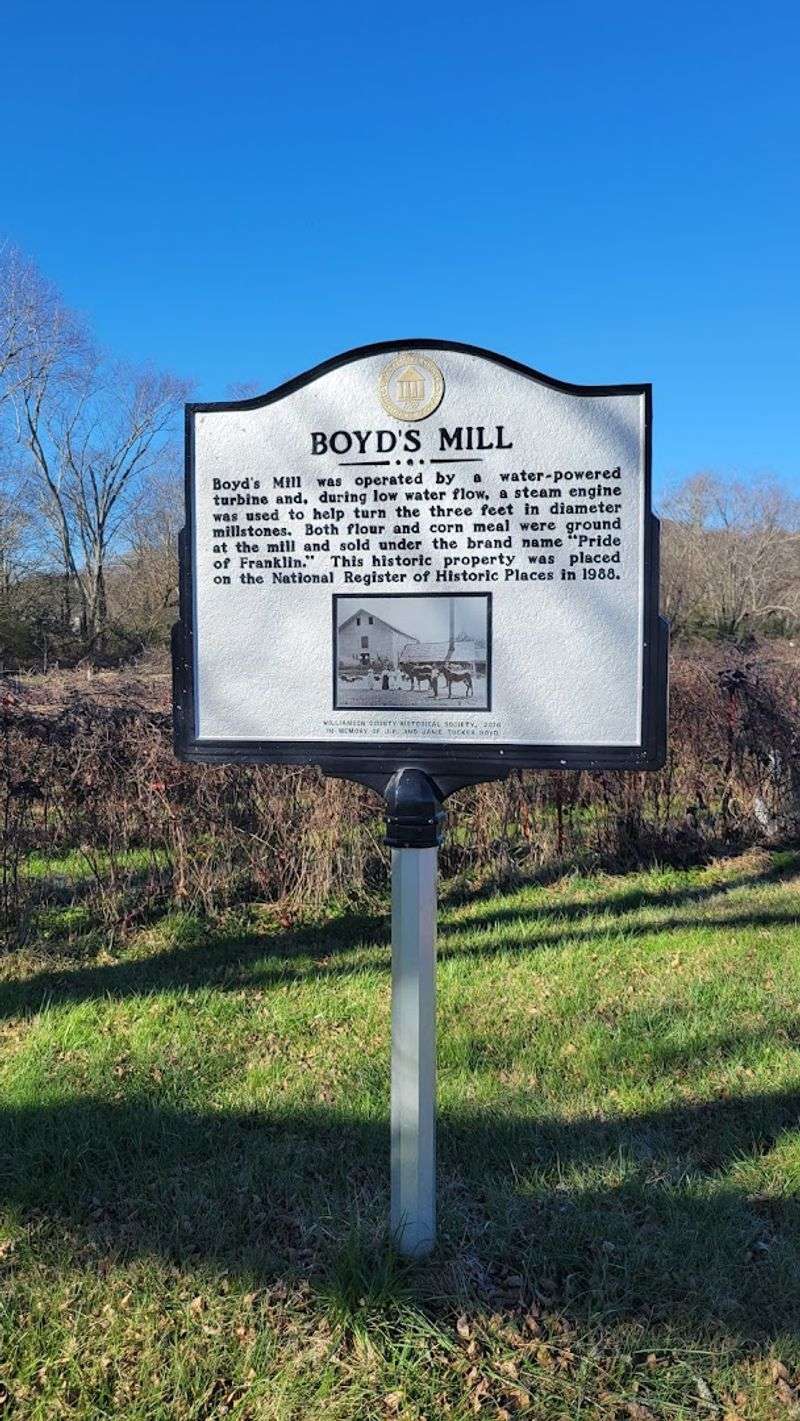
There is something deeply peaceful about the mill ruins out near Leiper’s Fork, and once you see them, you will understand why people keep coming back. Old stone foundations rise from the earth like ancient puzzle pieces, half-swallowed by vines and wildflowers.
The nearby creek still flows just as it did when millers ground grain here over a century ago, making the whole scene feel wonderfully alive despite the decay.
Leiper’s Fork itself is one of Tennessee’s most charming small communities, full of art galleries, local restaurants, and friendly faces. Pairing a visit to the mill ruins with an afternoon stroll through the village makes for a genuinely satisfying day trip.
The countryside around here is scenic year-round, but fall is absolutely spectacular when the leaves turn gold and red against the gray stone.
Practical tip: wear sturdy shoes because the ground around the ruins can be uneven and slippery near the water. The walking paths in the area are well-traveled and generally easy to navigate, making this a good spot even for beginners.
Kids love exploring the old stonework, and it is a natural conversation starter about how communities once relied on water-powered mills for everyday survival. Keep your eyes open for local wildlife along the creek banks too.
3. Cumberland Gap Tunnel Construction Site (Old Roadway)
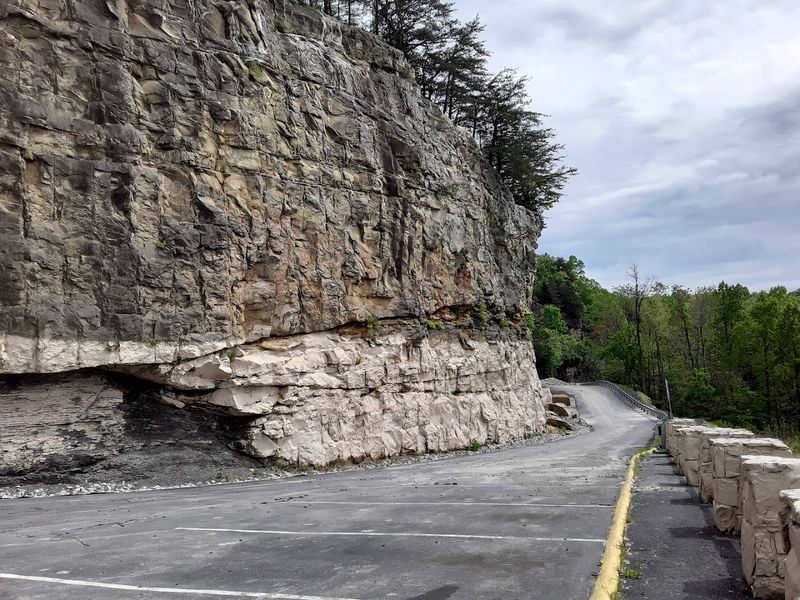
Few places in American history carry the same weight as Cumberland Gap, the legendary mountain pass that served as a gateway for westward expansion. When the modern tunnel was completed in 1996, the old highway approach through the gap was closed and left to nature.
What remains today is a hauntingly beautiful stretch of cracked asphalt and crumbling infrastructure slowly being reclaimed by the Appalachian forest.
Visiting the old roadway section near Cumberland Gap feels like walking through a time capsule. The mountain views from this area are extraordinary, with ridgelines rolling endlessly into the distance on clear days.
History literally surrounds you here, from Civil War earthworks to Native American trail markers, making every step feel loaded with significance.
Cumberland Gap National Historical Park manages much of the surrounding land and offers excellent visitor resources, including ranger-led programs and well-marked trails. The old roadway remnants are accessible and make a fascinating addition to a park visit.
Bring water, sunscreen, and a good pair of hiking boots because the terrain can be demanding. Fall and spring are the best seasons to visit when temperatures are comfortable and the foliage is either blazing with color or fresh and green.
This is one of those spots that rewards slow, attentive exploration rather than a quick drive-through visit.
4. Old Coal Mining Town Ruins, Cumberland Plateau
The Cumberland Plateau holds some of Tennessee’s most powerful and sobering history, and nowhere is that more visible than in the ruins of its old coal mining communities. Towns that once housed hundreds of families, complete with company stores, churches, and schools, have been swallowed almost entirely by the forest.
What remains are stone foundations, collapsed walls, and the occasional rusted piece of mining equipment peeking through the underbrush.
Coal mining shaped the entire culture of this region during the late 1800s and early 1900s. Miners and their families lived hard, close-knit lives in these communities, and many of them fought bravely for safer working conditions in a dangerous industry.
Exploring these ruins is not just a thrill-seeking adventure; it is a genuine act of remembrance for people whose stories rarely make it into mainstream history books.
Several state parks and natural areas on the Cumberland Plateau provide access to former mining sites. Fall Creek Falls State Park and Frozen Head State Park are great starting points for anyone wanting to explore the region.
Trail difficulty varies widely, so check conditions before heading out. Bring a field guide to local history or download some background reading beforehand so the ruins make more sense in context.
Photographing these sites at dawn or dusk creates a moody, atmospheric quality that captures the weight of the place beautifully.
5. Abandoned Barns & Homesteads, Smoky Mountains Foothills
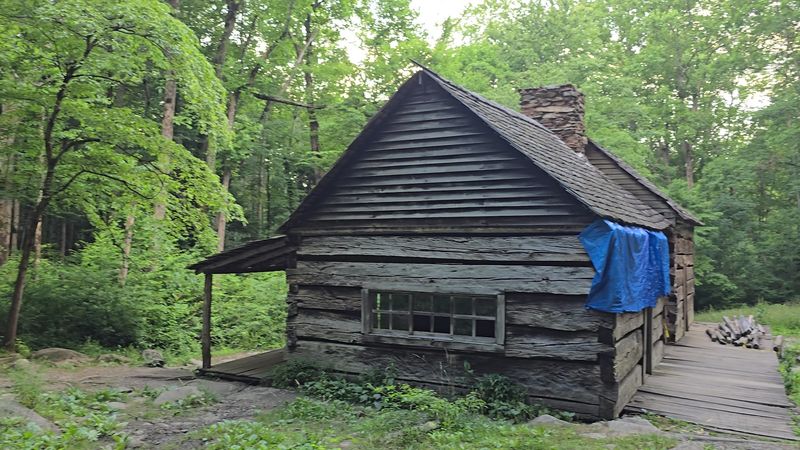
Driving through the foothills of the Great Smoky Mountains, you will notice them standing at the edges of fields and along winding back roads: old barns, sagging and silver-gray, leaning slightly as if tired from a century of hard work. These structures are more than just pretty subjects for photography.
They represent the farming families who carved lives out of this rugged, beautiful landscape before the national park changed everything.
Many of these barns and homesteads date back to the early 1900s or even earlier. When Great Smoky Mountains National Park was established in the 1930s, thousands of families were relocated, and their farms were left behind.
Some structures were preserved within the park itself, but many outside the boundaries have simply aged in place, slowly returning to the earth on their own schedule.
You do not need to trespass to appreciate these beauties. Plenty of them are visible from public roads and established trails throughout Sevier, Blount, and Swain counties.
The Cades Cove loop road inside the national park is a particularly rich destination for historic farm structures that have been stabilized for public viewing. Early morning light turns the weathered wood into something almost golden, and a light mist rolling in from the mountains completes the picture perfectly.
Bring a telephoto lens to capture details without getting too close.
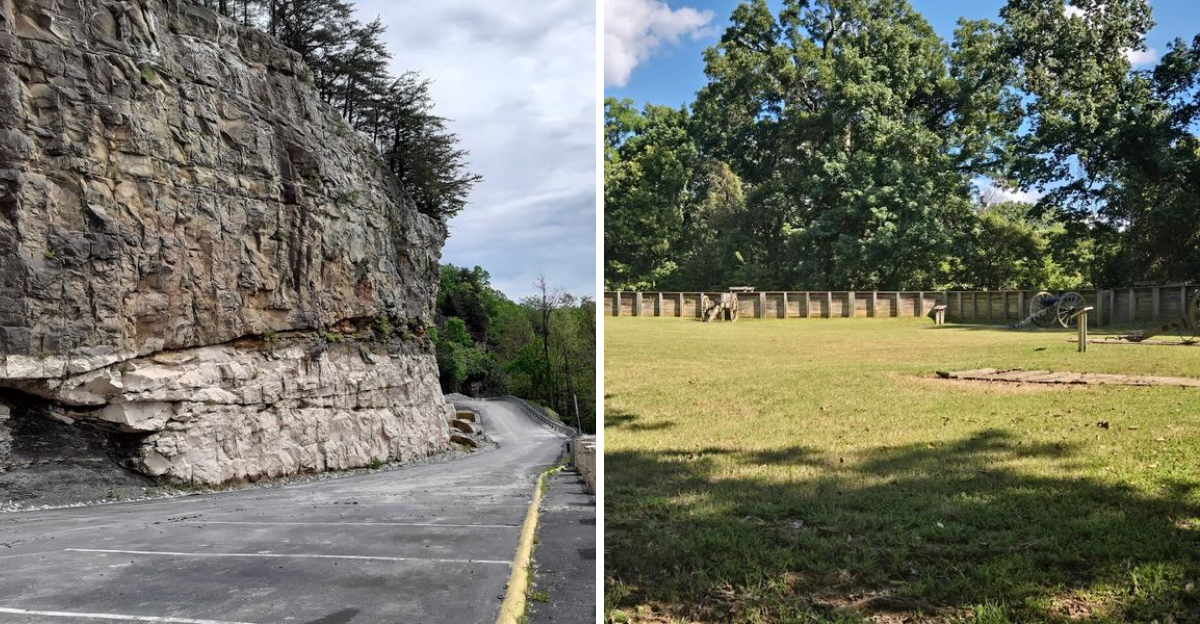
6. Fort Pillow Park (Earthworks & Ruins)
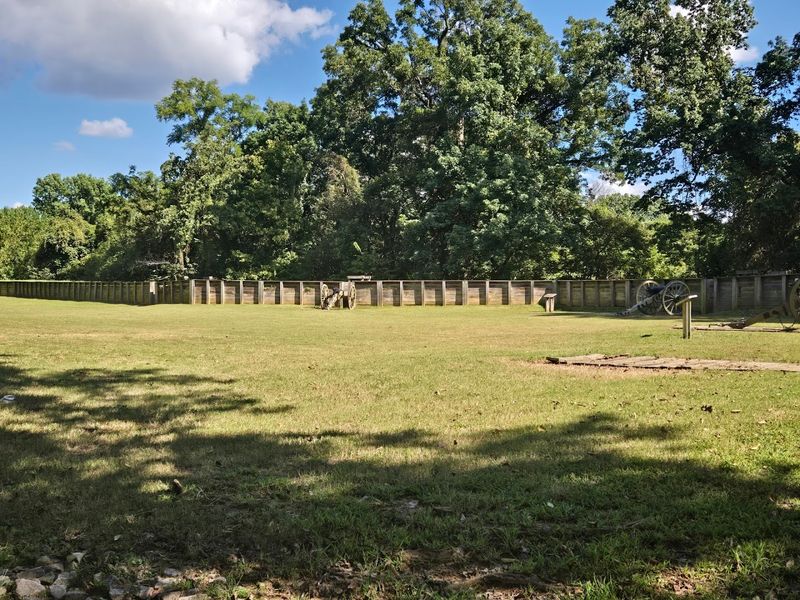
Fort Pillow is one of those places that stops you cold the moment you understand what happened there. Perched above the Mississippi River on a dramatic bluff in Lauderdale County, this Civil War site witnessed one of the war’s most controversial and tragic events in April 1864.
Confederate forces attacked the Union-held fort, and the battle ended in a massacre of Black Union soldiers, a moment that still resonates deeply in American history.
The earthworks at Fort Pillow are remarkably well-preserved, and walking along them gives you an immediate, physical sense of the battle’s geography. The bluffs overlook the river with commanding views, making it easy to understand why both sides considered this position so strategically valuable.
Interpretive markers throughout the park do an excellent job of laying out the full story without sugarcoating the difficult parts.
Fort Pillow State Historic Park offers camping, fishing, hiking trails, and lake access in addition to the historic site, making it a genuinely full-featured destination. The park is open year-round, though spring and fall offer the most comfortable weather for exploring the earthworks trails.
History enthusiasts will want to spend at least half a day here to really absorb the significance of the site. Pack a lunch, read up on the battle beforehand, and come ready to reflect on a chapter of American history that deserves far more attention than it typically receives.
7. Abandoned Schoolhouse, Rural Middle Tennessee
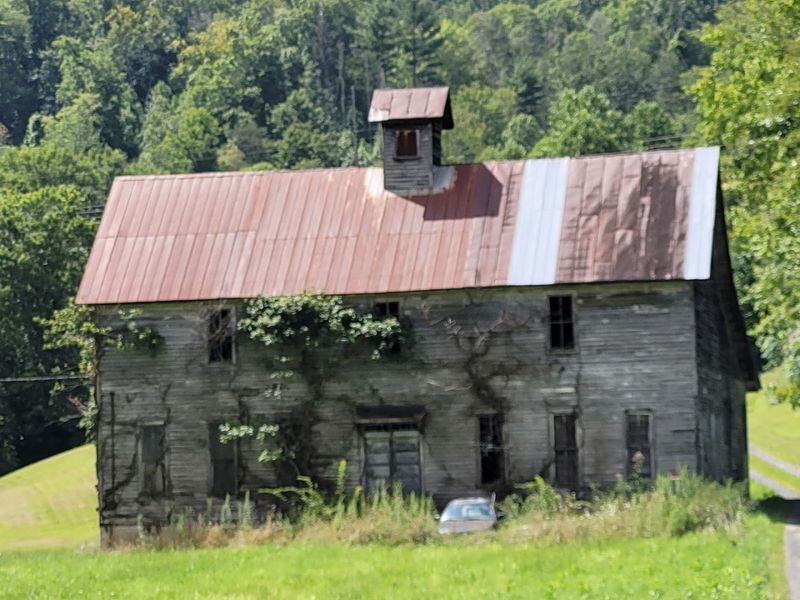
Somewhere along a quiet gravel road in Middle Tennessee, a one-room schoolhouse still stands, barely, with its paint peeling and its porch sagging under the weight of decades. These little buildings were the heartbeat of rural communities throughout the 1800s and early 1900s, places where kids of all ages learned together in a single room with a single teacher and a single wood-burning stove.
Finding one intact enough to photograph feels like discovering buried treasure.
One-room schoolhouses were remarkably common across Tennessee before school consolidation began in the mid-20th century. Many communities had their own schoolhouse within walking distance for farm kids who could not travel far.
The teachers who worked in them were often barely older than their oldest students, and they were responsible for everything from reading lessons to discipline to keeping the fire going in winter.
Spotting these schoolhouses requires a little research and a willingness to take the slow road. Local historical societies in counties like Maury, Marshall, and Lawrence often have records or maps pointing to surviving structures.
Always ask permission before approaching buildings on private land, and view from the road when in doubt. The real reward here is not just the photo opportunity but the quiet, almost meditative experience of standing near a place where so much ordinary, important life once happened.
Bring a journal and write something down while you are there.
8. Old Wartime Factory Buildings, Memphis Industrial Area

Memphis has always been a working city, and its industrial waterfront and surrounding neighborhoods still carry the marks of that identity in their bones. Among the most compelling relics are the old wartime factory buildings, massive brick structures built or repurposed during World War II to support the American war effort.
From the outside, these buildings are architectural powerhouses with their thick walls, arched windows, and faded painted logos still ghosting across the brick.
During the 1940s, Memphis played a meaningful role in wartime production, processing goods, manufacturing supplies, and moving materials along the Mississippi River corridor. The factory buildings that survive from this era are tangible connections to that chapter of American history, and they carry a certain gravity that newer construction simply cannot replicate.
Some have been partially repurposed into lofts and creative spaces, while others remain empty and slowly deteriorating.
Exploring Memphis’s industrial areas is best done from public streets and sidewalks, where you can photograph the exteriors legally and safely. The South Main Arts District and the Edge District nearby offer excellent walking opportunities where old and new Memphis sit side by side in fascinating contrast.
Pair your industrial exploration with a stop at the National Civil Rights Museum or a stroll along the Mississippi Riverfront to round out the day. Memphis rewards curious visitors who look beyond the tourist trail and pay attention to what the city’s walls are quietly saying.