
11 Quiet Florida Coastal Towns Tourists Rarely Discover
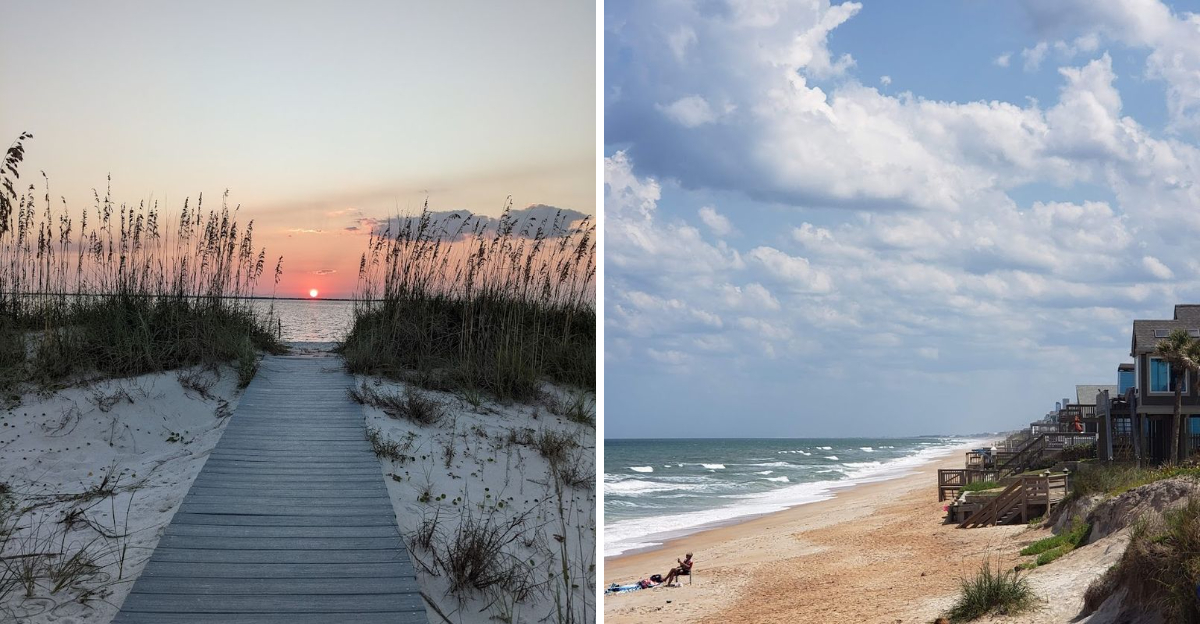
Florida is famous for Miami’s neon lights, Disney’s magic, and the packed sands of Clearwater Beach. But if you’re willing to look past the big names, you’ll find a completely different side of the Sunshine State, one that feels like a secret the locals are trying to keep to themselves.
These under-the-radar coastal towns offer wild beauty, fresh seafood, and the kind of peace that popular destinations can’t even come close to matching. Pack your sunscreen and a good attitude, because we’re heading somewhere most tourists never think to go.
1. Cedar Key
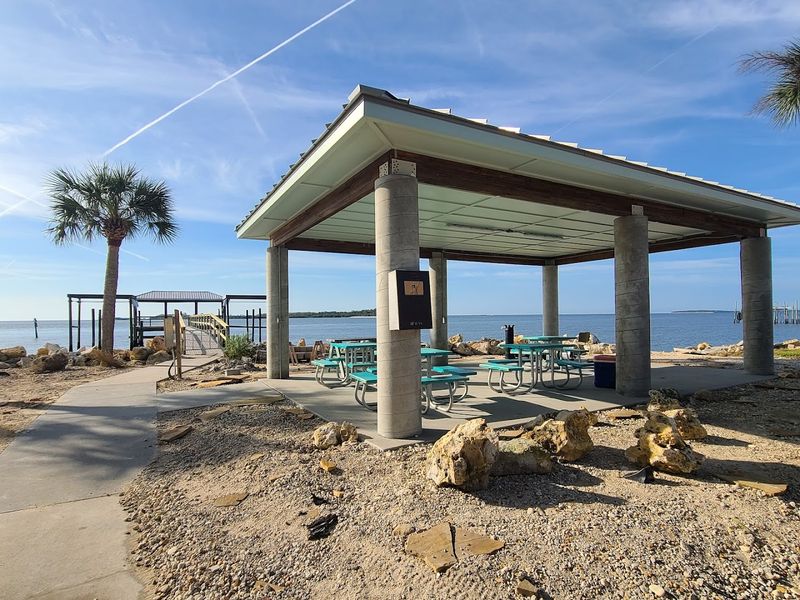
Picture a tiny island town that time forgot, sitting quietly on Florida’s Nature Coast like a well-kept secret between the pines and the Gulf. Cedar Key is exactly that kind of place, and the moment you roll across the bridge onto the island, something in your shoulders just drops.
The traffic disappears, the noise fades, and suddenly all you hear are seagulls and the occasional clang of a boat rigging.
This town has been a working fishing community since the 1800s, and its clam aquaculture industry is still thriving today. You can grab a plate of fresh clams at a waterfront restaurant and know they were pulled from the water just miles away.
The Cedar Keys National Wildlife Refuge is right offshore, making kayaking through mangrove tunnels an absolute must-do for any visitor.
Fewer than 900 people live here year-round, which means the beaches stay uncrowded and the vibe stays wonderfully chill. The annual Seafood Festival draws a crowd each fall, but even then it never feels overwhelming.
Cedar Key is proof that the best Florida experiences often come without a theme park in sight.
2. Steinhatchee (Big Bend)
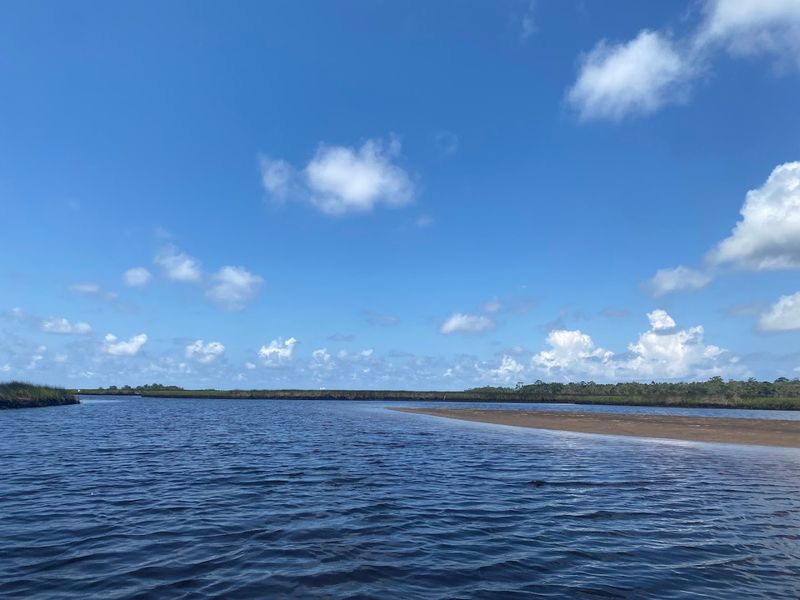
Scalloping season turns this tiny Big Bend town into the most exciting place in Florida, and almost nobody outside of the state even knows it exists. Every summer, families and friends pile into boats and wade through the shallow, crystal-clear waters of Steinhatchee to hunt for bay scallops by hand.
It’s one of those rare, joyful experiences that feels more like a game than an actual activity.
Outside of scallop season, the town settles back into its quiet rhythm of fishing charters, kayaking, and doing absolutely nothing at a very comfortable pace. The Steinhatchee River winds its way through old-growth cypress and oak before meeting the Gulf, and paddling along it feels like stepping into a nature documentary.
Bald eagles, ospreys, and manatees are regular sightings here, no tour guide required.
The town’s main drag has a handful of casual seafood spots, bait shops, and river lodges that cater to anglers who return year after year. Steinhatchee is not a place that tries to impress you with flashy attractions.
Instead, it earns your loyalty slowly, through sunsets over the river and coolers full of fresh catch that you caught yourself.
3. Keaton Beach
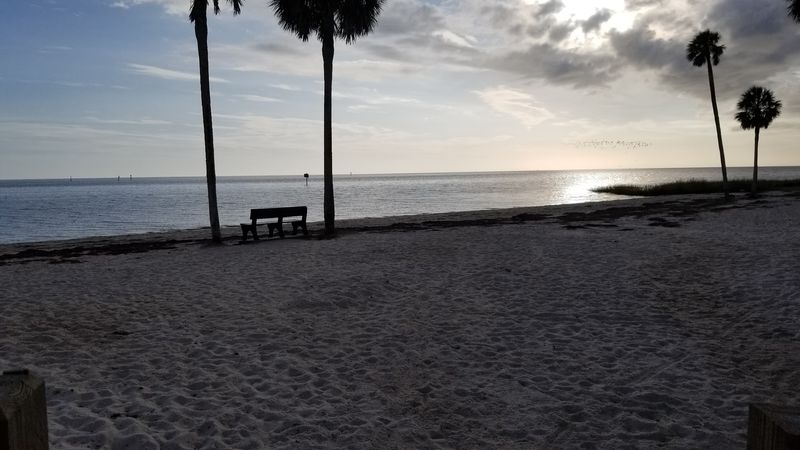
Most people have never heard of Keaton Beach, and honestly, the locals seem perfectly fine keeping it that way. Located in Taylor County along Florida’s Big Bend, this laid-back community is so quiet that the biggest decision you’ll make all day is whether to fish from the pier or wade out into the impossibly clear, shallow water.
Both options are excellent, by the way.
The Gulf here is extraordinarily shallow for a long stretch, which makes it one of the safest and most fun spots for kids to splash around without a care in the world. The water stays warm well into the fall, and because development has been minimal, the shoreline still looks the way Florida did decades ago.
There are no high-rise condos blocking the sunset here, just open sky and soft Gulf breezes.
A small marina and boat ramp give anglers easy access to some of the best inshore fishing on the Nature Coast. Redfish, trout, and flounder are common catches in these waters.
If you want a beach experience with zero crowds and maximum authenticity, Keaton Beach delivers in a way that most of Florida’s more famous spots simply cannot anymore.
4. Apalachicola
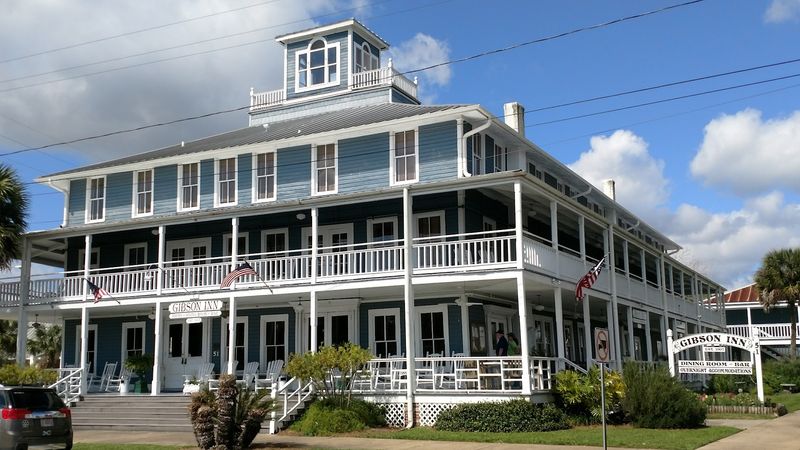
Apalachicola wears its history like a comfortable old jacket, and walking through its downtown streets feels like flipping through a beautifully illustrated history book. The town was once one of the largest cotton ports in the South, and its collection of 19th-century Victorian homes and brick storefronts has been remarkably well preserved.
Every building here has a story, and the locals love sharing them.
Of course, no visit to Apalachicola is complete without eating the oysters. The bay has long been considered one of the finest oyster-producing waters in the entire country, though the industry has faced challenges in recent years.
Chefs and food lovers still make pilgrimages here specifically to taste what many call the best oysters in the world, served raw, grilled, or Rockefeller-style at waterfront restaurants.
Beyond the food, the town offers a thriving arts scene, independent boutiques, and the John Gorrie Museum, which honors the local physician who invented an early form of air conditioning in the 1840s. The Apalachicola National Estuarine Research Reserve surrounds much of the area, keeping the landscape wild and breathtaking.
Apalachicola is charming in the truest sense, the kind of place that gets under your skin in the best possible way.
5. Carrabelle
Carrabelle holds a claim to fame so delightfully odd that it instantly makes you want to visit. The town is home to what was once recognized as the World’s Smallest Police Station, a single-line phone booth that served as the official police dispatch for years.
That kind of quirky, unpretentious character is woven into every corner of this small Forgotten Coast fishing town.
The working shrimp boats you see docked at the marina are not decoration. Carrabelle is a genuine fishing community where the seafood on your plate was likely caught the same morning by someone who grew up right here.
Sitting on a dock with a basket of peel-and-eat shrimp while watching the boats come in is one of those simple pleasures that reminds you why slow travel is the best kind.
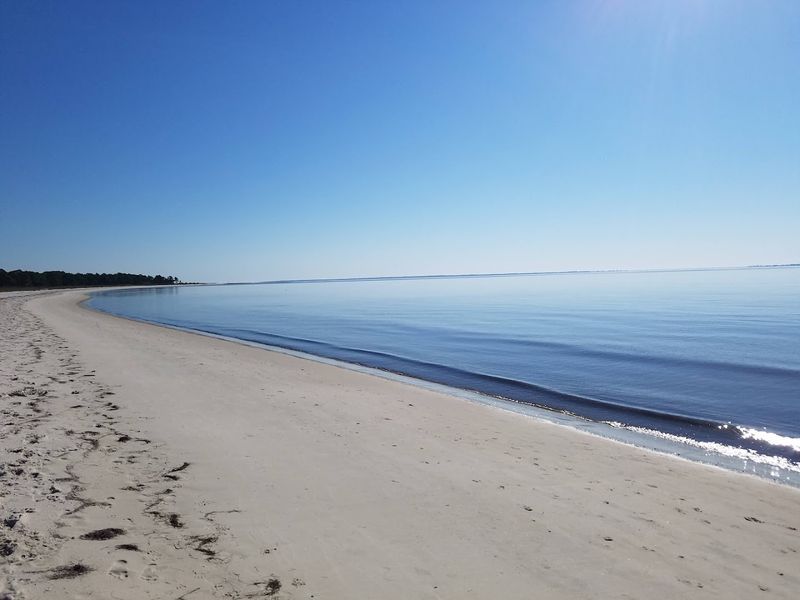
Carrabelle Beach, just east of town, is a low-key gem with soft sand and gentle surf that rarely sees more than a handful of visitors at a time. The nearby Tate’s Hell State Forest offers hiking, paddling, and wildlife viewing for those who want to explore beyond the shoreline.
Carrabelle doesn’t try to be anything other than exactly what it is, and that refreshing honesty is what makes it so magnetic.
6. St. George Island
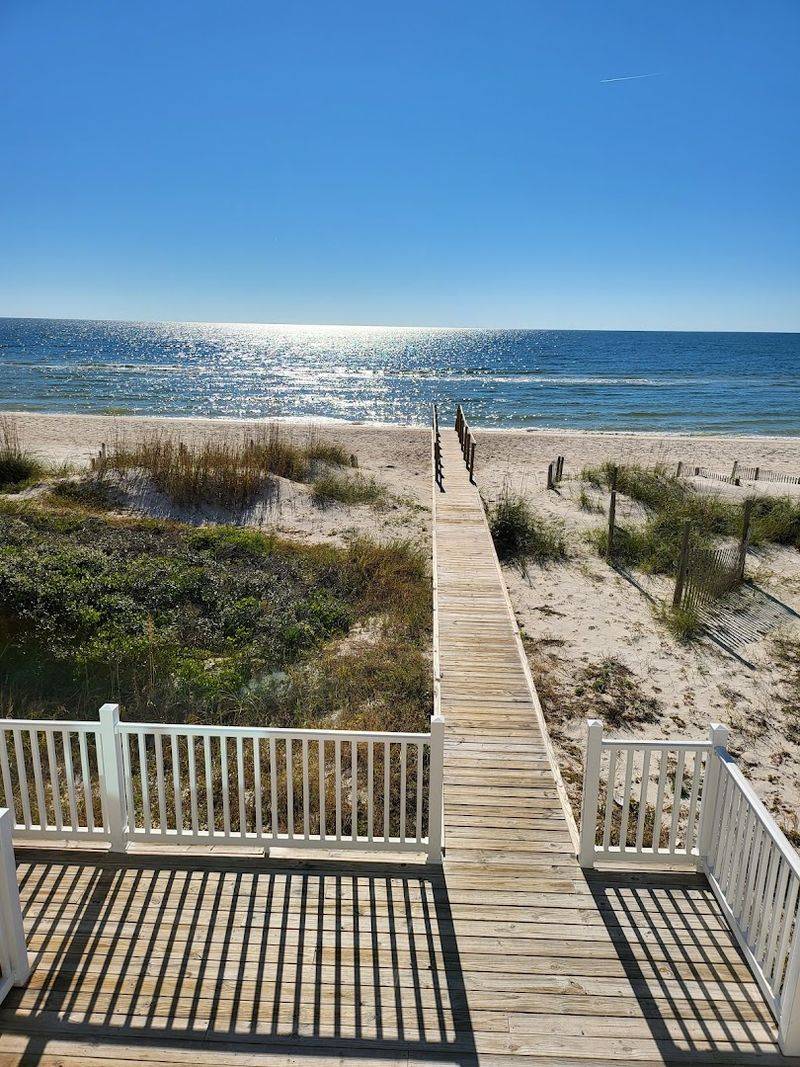
Some beaches make you feel like you’re competing for space. St. George Island makes you feel like you’ve been handed a private stretch of paradise and told to enjoy it at your own pace.
Connected to the mainland by a single bridge, this barrier island in Franklin County has strict development limits that keep it from ever becoming another overdeveloped resort destination. That restraint is its greatest gift.
Dr. Julian G. Bruce St. George Island State Park covers the eastern tip of the island and protects some of the most spectacular undeveloped beach in the entire Southeast.
Miles of white sugar sand backed by rolling dunes and sea oats stretch out in front of you, with nothing but the sound of waves and shorebirds to fill the air. Loggerhead sea turtles nest here each summer, and the park offers ranger-led programs to learn about their conservation.
The small village at the island’s center has a few casual restaurants, a market, and vacation rental cottages that book up fast during summer. Fishing from the island’s pier is a beloved local pastime, with flounder, redfish, and pompano being the most prized catches.
St. George Island rewards visitors who appreciate beauty without bells and whistles attached.
7. Port St. Joe
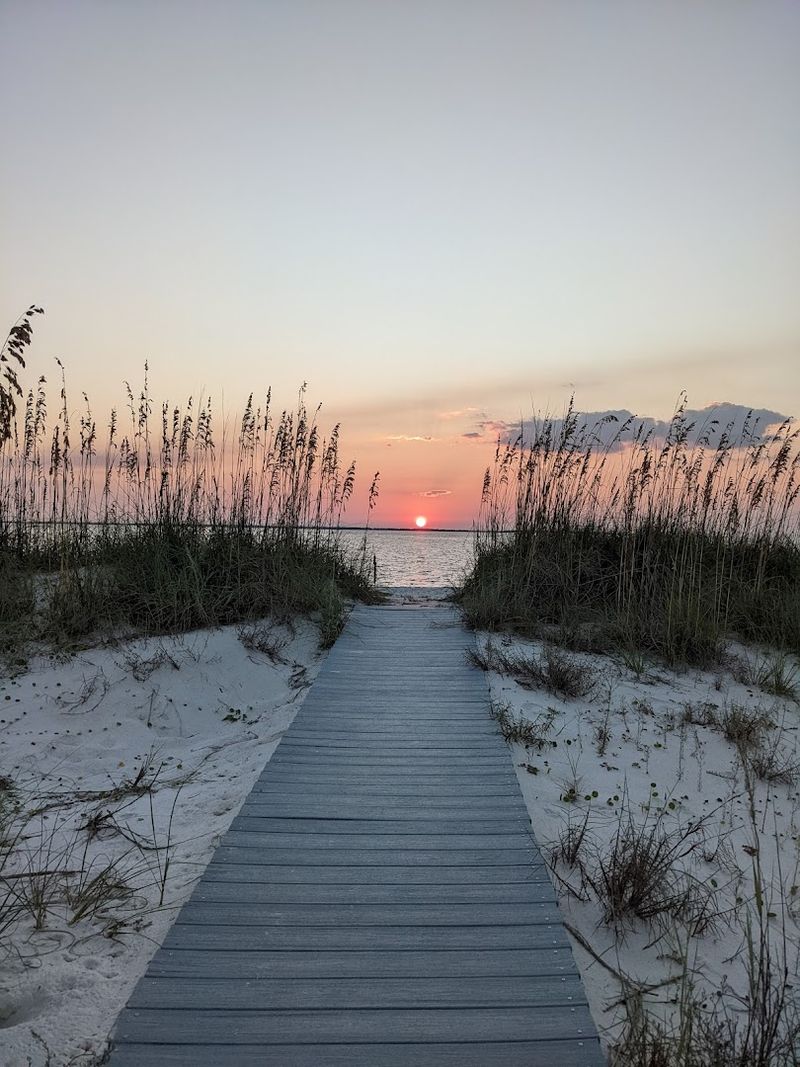
Port St. Joe bounced back from Hurricane Michael in 2018 with the kind of stubborn, community-driven spirit that makes a town genuinely admirable. The Category 5 storm devastated much of the Panhandle, but Port St. Joe rebuilt, and many locals say the town came back stronger and more unified than before.
Visiting now feels like witnessing a real comeback story, and that energy is absolutely contagious.
The town sits on a gorgeous stretch of Gulf County coastline, with St. Joseph Bay forming a protected, crystal-clear body of water that is famous for its scalloping opportunities in summer. The bay’s sea grass beds are thriving, which supports everything from spotted eagle rays to manatees cruising through in search of warm, shallow water.
Kayaking through the bay feels otherworldly on a calm morning.
Downtown Port St. Joe has a growing collection of local restaurants, coffee shops, and boutiques that give the main street a lively, community-centered feel without losing its small-town soul. The Cape San Blas peninsula is just a short drive away, giving you easy access to even more spectacular Gulf scenery.
Port St. Joe is the kind of town that earns your respect the more time you spend in it.
8. Mexico Beach
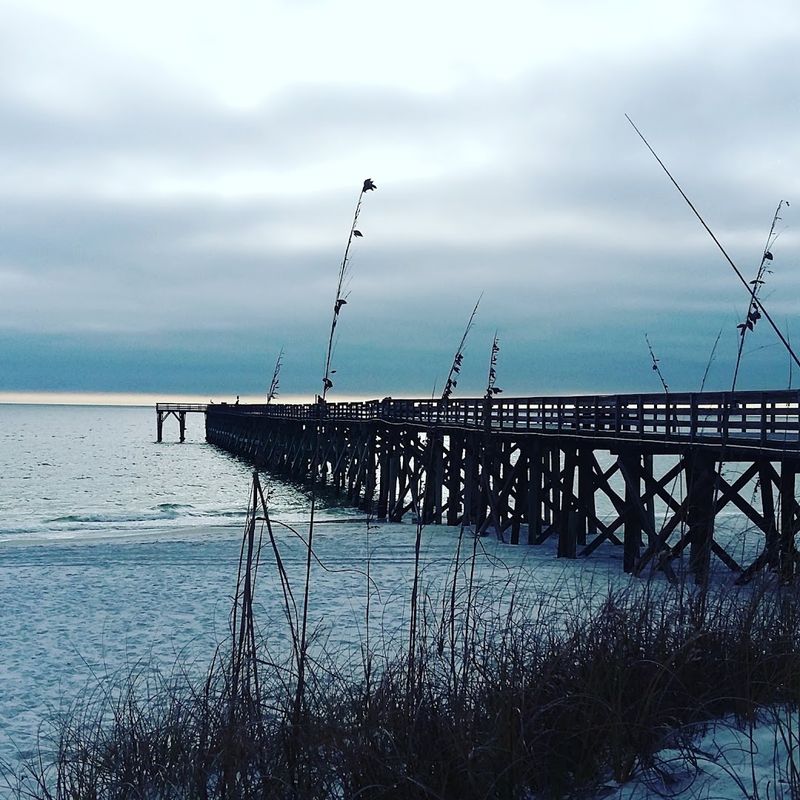
Before Hurricane Michael tore through in October 2018, Mexico Beach was already one of the Panhandle’s best-kept secrets. The storm was catastrophic, but the community’s response was extraordinary.
Residents and business owners came back and rebuilt with a determination that turned this small beach town into a symbol of resilience that the entire state could be proud of.
What makes Mexico Beach special even beyond its comeback story is the way it has stubbornly refused to become a commercialized vacation machine. You won’t find chain restaurants dominating the strip or souvenir shops on every corner.
Instead, the town offers a genuine, old-Florida beach experience with emerald green water, white sand, and a pace of life that feels like it belongs to a different, slower era.
The fishing pier is a local gathering spot where anglers of all ages try their luck with everything from Spanish mackerel to king fish. The beach itself stays refreshingly uncrowded even in peak summer, because the crowds haven’t fully caught on yet.
Sunsets here are absolutely stunning, painting the sky in shades of orange and pink that reflect off the glassy Gulf water. Mexico Beach is a place you fall for slowly and then miss immediately when you leave.
9. Cape San Blas
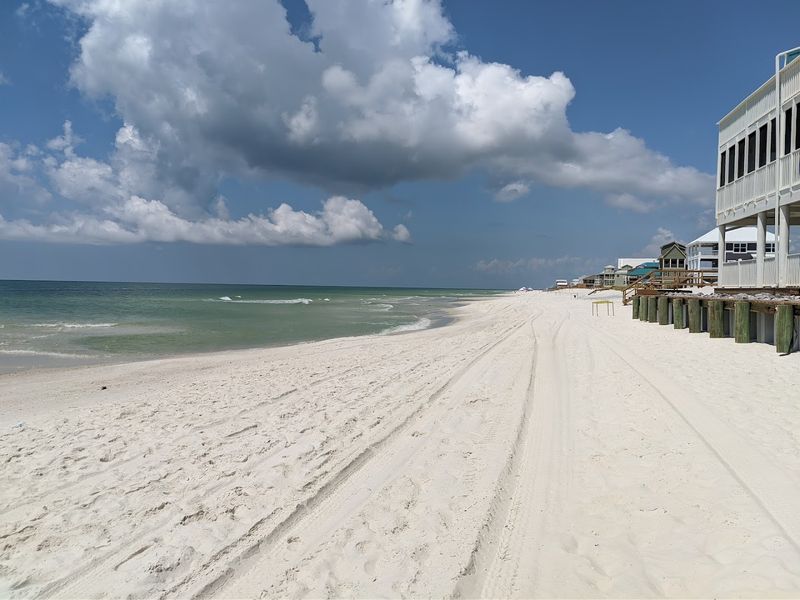
Cape San Blas is a narrow peninsula that juts out into the Gulf of Mexico like it’s trying to get as close to the water as possible, and honestly, you’ll feel the same way the moment you arrive. The beaches here are consistently ranked among the most beautiful in the country, with powdery white sand and Gulf water so clear you can watch fish swimming around your feet without needing a snorkel.
St. Joseph Peninsula State Park occupies the tip of the cape and is one of Florida’s true crown jewels. The park offers camping right on the beach, which means you can fall asleep to the sound of waves and wake up to a sunrise that looks like something out of a painting.
Birding is exceptional here too, especially during migration season when the peninsula becomes a rest stop for hundreds of species moving along the coast.
The cape has no traffic lights and very few commercial businesses, which is either a feature or a bug depending on what you’re looking for in a vacation. Bring your own groceries, your kayak, and a good book.
The lack of distractions is exactly the point. Cape San Blas exists to remind you that the most beautiful things in Florida are often the ones that haven’t been paved over yet.
10. Vilano Beach (St. Augustine Area)
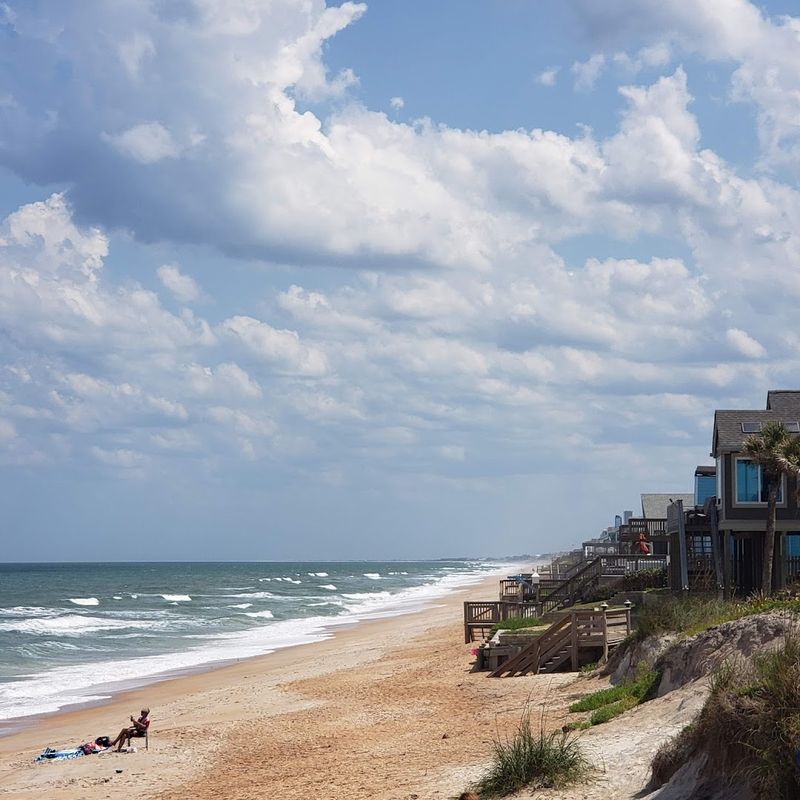
Everyone flocks to St. Augustine for the history and the packed beach scene, but very few visitors bother to cross the bridge to Vilano Beach, which sits just north of the historic city and operates at a completely different frequency. The beach here is wide, relatively uncrowded, and framed by the kind of low-key coastal neighborhood that reminds you of what Florida beach towns looked like before the boom years changed everything.
Vilano Beach has its own small collection of restaurants and shops along Vilano Road that have a genuine local character. The Reef restaurant sits right on the water and has been a neighborhood staple for years, drawing regulars who come as much for the casual atmosphere as for the food.
Watching pelicans dive into the surf from the outdoor deck while eating fresh fish tacos is a simple pleasure that never gets old.
The beach itself is excellent for surfing when the Atlantic swells cooperate, and it draws a loyal crew of local surfers who appreciate having a break that doesn’t attract massive crowds. The nearby Guana Tolomato Matanzas National Estuarine Research Reserve adds a wild backdrop of marshes and coastal scrub.
Vilano Beach is the kind of open secret that St. Augustine locals guard pretty carefully, and after one visit, you’ll understand exactly why.
11. Matlacha
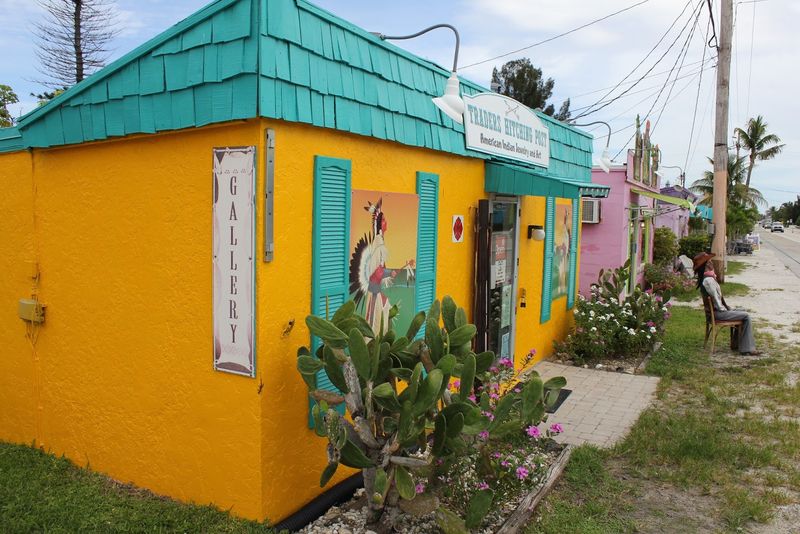
Matlacha, pronounced mat-la-SHAY, is one of those places that immediately makes you feel like you’ve stumbled onto a movie set, except everything here is completely, wonderfully real. The tiny fishing village sits on a thin strip of land between Pine Island Sound and Matlacha Pass, and its collection of brightly painted cottages, art galleries, and bait shops gives it a visual personality unlike anywhere else in Florida.
Every building seems to compete for the title of most colorful.
The town has long attracted artists drawn to its vivid light, calm waters, and the kind of creative freedom that comes from living somewhere that never took itself too seriously. Galleries line the main road, showcasing everything from watercolor seascapes to bold, abstract sculptures, and most of the artists are actually on-site and happy to chat about their work.
It’s a refreshingly human experience in an era of online shopping and anonymous transactions.
Fishing remains central to Matlacha’s identity, and the bridge that runs through the village is considered one of the best snook fishing spots in all of Southwest Florida. Kayak rentals are available for exploring the surrounding mangrove islands and shallow flats.
Matlacha is small enough to walk in an afternoon but layered enough to keep you coming back every single year without ever running out of new things to discover.