
The Giant Antique Emporium In New York Where You’ll Find Thousands Of Rare Collectibles And Treasures
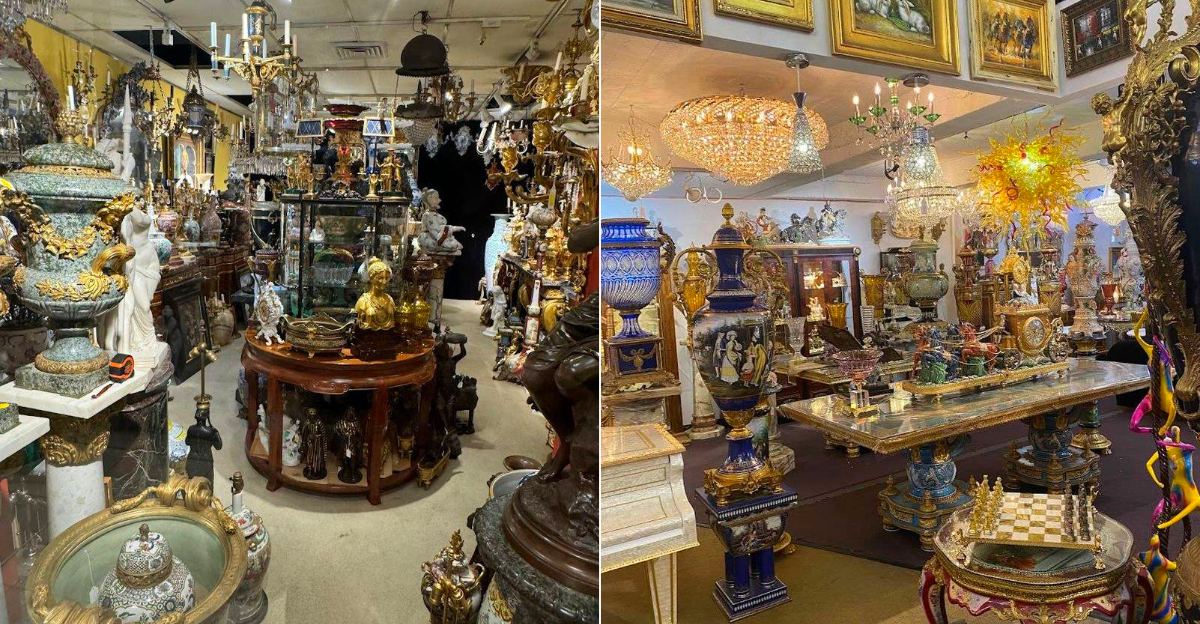
This is not the place you visit with a “quick look” mindset. New York already knows that, which is why people walk in calm and leave slightly overwhelmed in the best way. It’s big.
Like, lose-your-friends-for-an-hour big. The kind of space where you blink and suddenly you’re deep in a corner full of things you didn’t even know existed.
Every aisle is doing something different. One minute it’s vintage jewellery catching the light, the next it’s old-school records, then furniture that looks like it has opinions. You keep saying, “okay, last section,” and then immediately lie to yourself.
In New York, where everything moves fast, this place slows you down on purpose.
Somewhere between “I’m just browsing” and “how am I getting this home,” you realise this isn’t shopping, it’s a full personality experience.
A Place So Packed With Treasure, You Will Forget It Is Not A Museum
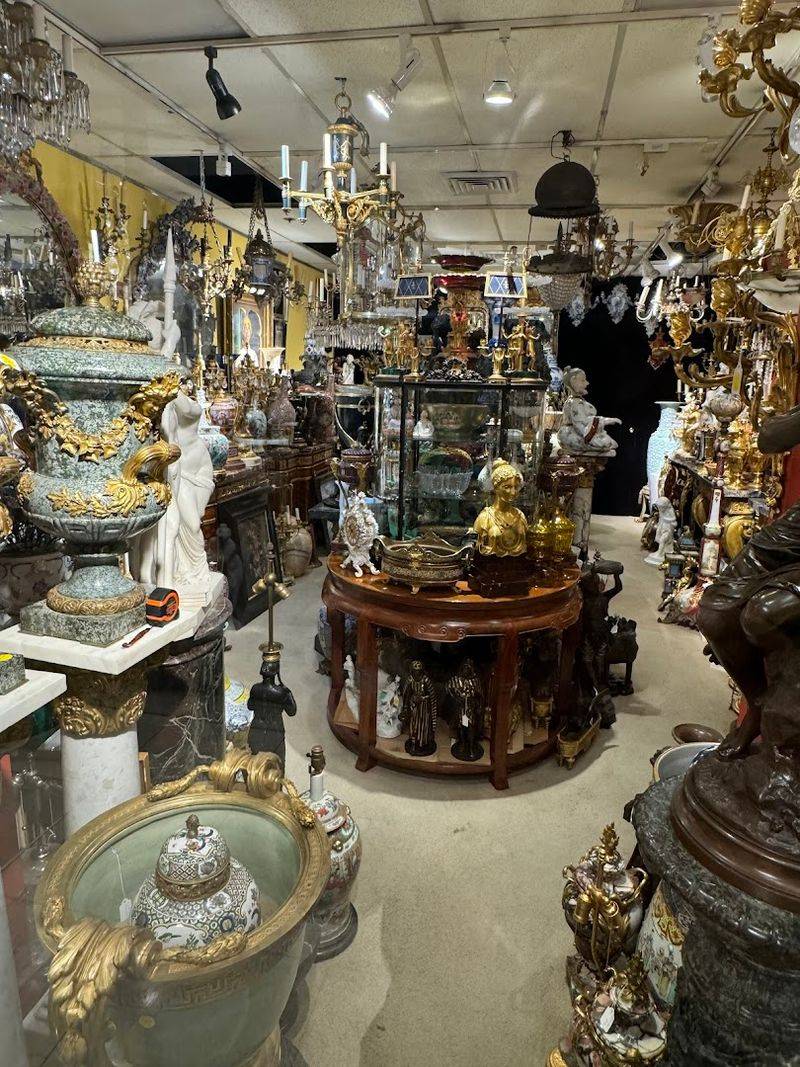
Someone once reviewed this place by calling it one of the best museums in Manhattan, then quickly added, almost apologetically, that you can actually shop there. That single observation captures the spirit of this place better than any brochure ever could. Walking through its entrance feels less like entering a store and more like stepping into a carefully curated archive of human history.
The center spans three levels connected by a spiral staircase, and each floor holds a collection of independent galleries that operate as their own distinct worlds. One gallery might specialize in antique clocks, while the next offers fine European paintings or intricately carved furniture from the Far East. The variety is genuinely staggering, and the quality of the pieces on display would not look out of place in a well-funded institution.
Visitors who come purely to browse are welcomed without pressure, and many leave having spent hours without realizing it. The atmosphere is calm, the lighting is considered, and the overall effect is one of unhurried immersion. For anyone with even a passing interest in art, history, or beautifully made objects, this is a destination worth clearing your afternoon for.
Dozens Of Independent Galleries Under One Roof
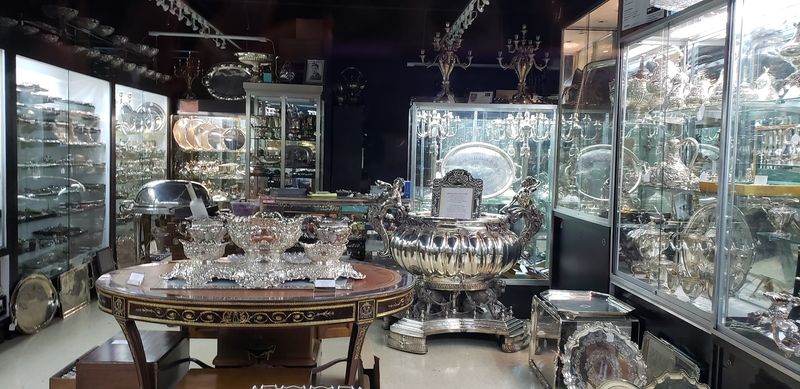
One of the most distinctive features of this Antiques Center is its structure. Rather than functioning as a single unified store, the building houses dozens of independent dealers, each operating their own gallery with its own specialty, personality, and price range. This arrangement creates an experience that feels closer to wandering through a small, sophisticated village than browsing a conventional retail space.
Each dealer brings a focused expertise to their corner of the building. Some concentrate on silver and metalwork, others on antiquarian books, Judaica, tapestries, sculpture, or lighting. There are galleries dedicated to Chinese export porcelain, European decorative arts, antique jewelry, and fine rugs.
The breadth of specialization means that collectors with very specific interests are just as likely to find something meaningful here as casual visitors with no particular agenda.
Because each gallery is independently operated, hours can vary. Weekday afternoons tend to offer the fullest experience, with the greatest number of dealers present and available for conversation. Some of the most rewarding moments at this center come from speaking directly with the specialists behind the counters, people who have spent decades acquiring knowledge about their chosen fields.
A quick conversation with the right dealer can turn a browsing visit into a genuinely educational afternoon, full of context and stories that no price tag could ever convey.
The Kinds Of Collectibles That Make Your Jaw Drop A Little
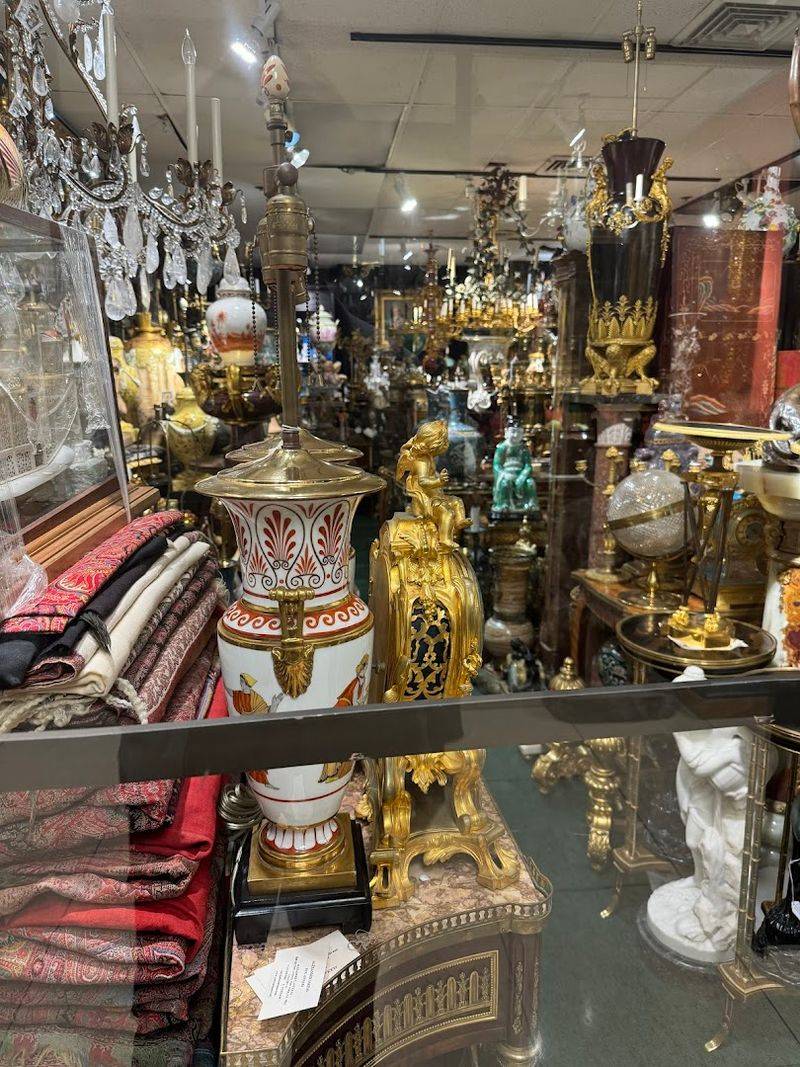
Antique Chinese Kangxi blue and white porcelain plates. Imperial Russian works of art. Antique silver pieces that a knowledgeable dealer will happily explain for twenty minutes if you show the slightest curiosity.
The collectibles found within the Manhattan Art & Antiques Center span centuries and continents, and the sheer variety makes every visit feel genuinely unpredictable.Located at 1050 Second Avenue in New York, the center is open seven days a week, making it accessible to both locals and travelers passing through.
One visitor recalled being stopped in their tracks by a piece of Chinese export porcelain, its glaze still vivid after three centuries of existence. Another described the silver gallery in particular, where an enthusiastic dealer shared facts about hallmarks, manufacturing techniques, and provenance that transformed a display case into something resembling a living history lesson. These are the kinds of encounters that distinguish this center from a standard antique shop.
The collectibles here are not arranged by era or geography in any strict sense. Instead, each gallery follows its own curatorial logic, which means that unexpected juxtapositions appear around nearly every corner. A Japanese lacquer box might sit beside a French enamel piece; a set of Victorian silverware might occupy the same room as a Ming dynasty vase.
For collectors who appreciate the dialogue between objects from different cultures and periods, this layered environment offers a richness that is difficult to replicate anywhere else in the city.
Fine Art That Belongs In A Conversation, Not Just On A Wall
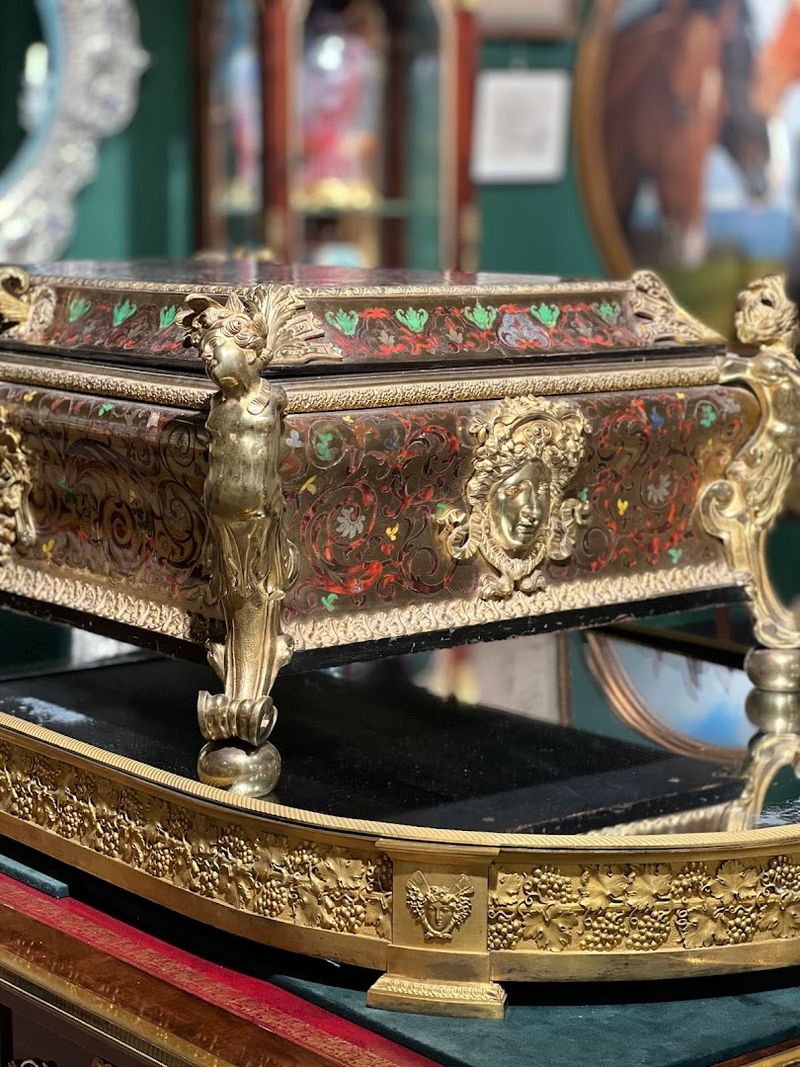
Paintings at the Manhattan Art & Antiques Center are not simply decorative objects propped up to fill wall space. Many of the works available through the center’s galleries carry documented provenance, and the dealers who specialize in fine art tend to be among the most knowledgeable people in the building. Asking about a particular painting rarely results in a quick sales pitch; it more often results in a genuine discussion about the artist, the period, and the context in which the work was created.
The range of paintings available covers European old masters, American landscapes, portraiture from various centuries, and works from Asian artistic traditions. Quality varies across galleries, as it does in any multi-dealer environment, but the overall standard is notably high. Visitors who have toured auction houses and dedicated art galleries in other cities often remark that the center holds its own in terms of the caliber of works on offer.
For those who are not in the market to purchase, the paintings alone justify a visit. Viewing a well-preserved seventeenth-century oil painting up close, without the formality of a museum or the velvet rope that keeps you at a distance, is a rare experience. The ability to stand within arm’s reach of genuinely historic works and ask questions freely is one of the quiet pleasures that makes this center so memorable for art lovers of all backgrounds.
Jewelry That Has Outlasted Empires
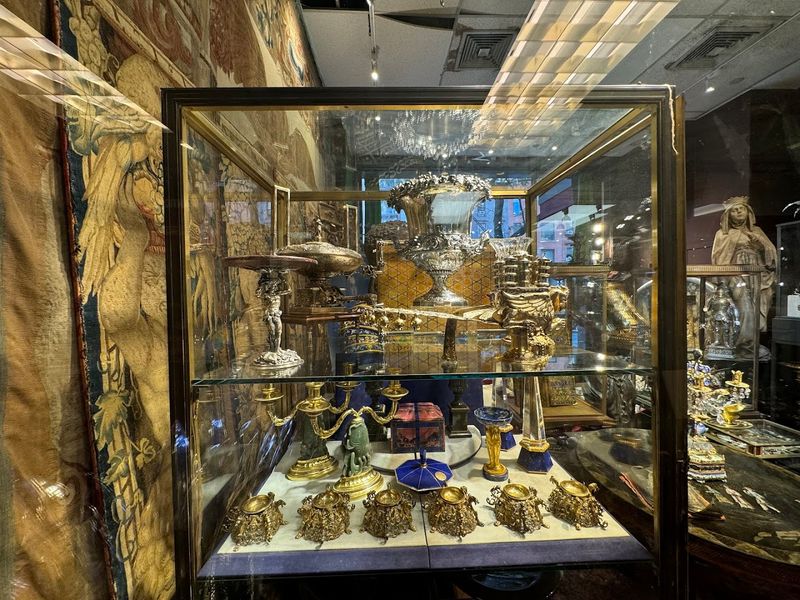
There is something quietly extraordinary about holding a piece of jewelry that was crafted before the country you are standing in existed. The jewelry galleries within the Manhattan Art & Antiques Center offer exactly that kind of temporal vertigo, presenting antique and estate pieces from periods ranging from the Georgian era to the mid-twentieth century. The craftsmanship on display reflects techniques and materials that are rarely encountered in contemporary retail settings.
Pieces include antique brooches set with old-cut diamonds, Victorian mourning jewelry made from jet and hair, Art Nouveau pendants with enamel detailing, and estate rings from the Edwardian period. Each gallery approaches its inventory with a distinct sensibility, so the experience of moving from one jewelry dealer to another feels more like a survey of jewelry history than a shopping trip.
Prices vary considerably, and while many pieces are priced for serious collectors, visitors have noted that genuinely affordable items do exist if you are patient and willing to look carefully. A few reviewers specifically mentioned finding gift-appropriate pieces without spending a fortune, which suggests that the center is not exclusively the domain of deep-pocketed buyers. For anyone who appreciates fine craftsmanship and the stories embedded in old objects, the jewelry offerings here represent one of the most compelling reasons to make the journey across town.
Furniture That Carries The Weight Of History
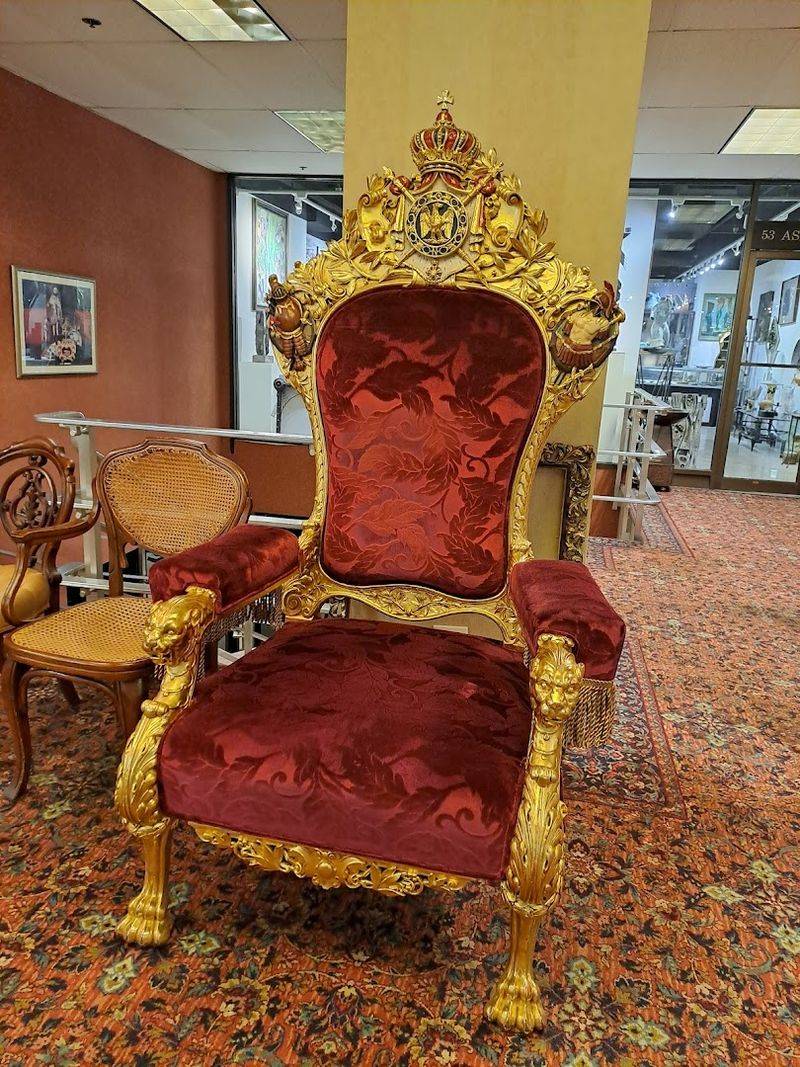
Furniture at the Manhattan Art & Antiques Center is not the kind you pick up on a whim and fit into your hatchback. Much of what fills the larger galleries consists of substantial pieces, carved cabinets, inlaid writing desks, gilt-wood chairs, lacquered screens, and marquetry commodes that were built to last centuries and have managed to do exactly that. The scale of some pieces is theatrical, and moving through a gallery stocked with eighteenth-century European furniture produces a distinct shift in one’s sense of proportion.
Dealers specializing in furniture tend to have strong opinions about their inventory, which makes conversation with them particularly rewarding. One regular visitor described a dealer on the lower level who could speak at length about the construction methods used in different regional furniture traditions, distinguishing between English, French, and Dutch cabinetmaking with the ease of someone who had spent a lifetime studying the subject.
For buyers with the space and the budget, the furniture available here represents a genuine alternative to auction houses, where bidding pressure can distort the experience of acquisition. At the center, there is time to look carefully, ask questions, and return more than once before making a decision. Even for visitors with no intention of purchasing, the furniture galleries offer an immersive encounter with material culture that photography and museum labels rarely manage to convey with the same immediacy.
The Multi-Level Layout That Rewards Patient Exploration
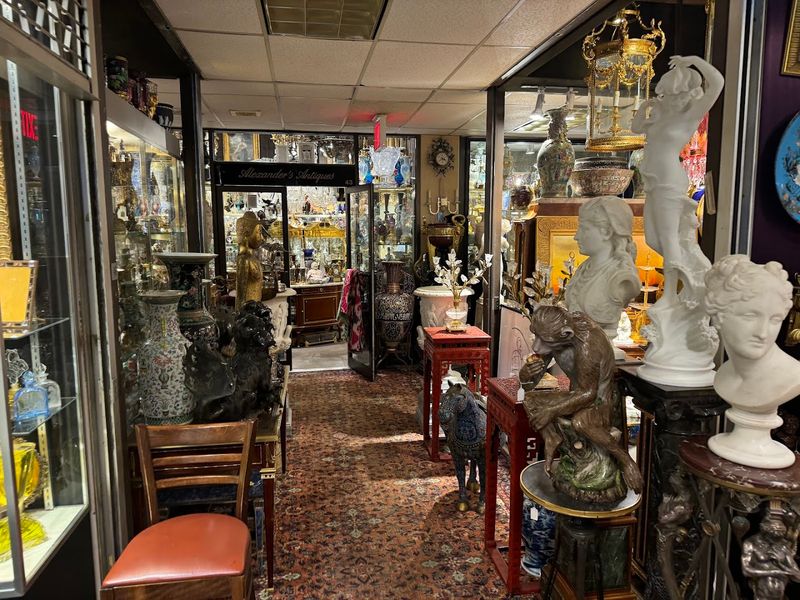
The physical layout of the Manhattan Art & Antiques Center is itself part of the experience. Three floors of galleries are connected by a spiral staircase that has become something of a landmark within the building, mentioned by numerous visitors as a defining architectural feature. Descending or ascending between levels, you pass display cases and framed works that line the walls of the stairwell, so the browsing never truly pauses even in transit.
Each level has its own character. The lower level tends to house some of the more specialist dealers, including those focused on Chinese export pieces and European decorative arts. The upper floors carry a broader mix, with jewelry, paintings, books, and furniture appearing in various configurations depending on which galleries are active on a given day.
The arrangement encourages a kind of unhurried wandering that feels increasingly rare in a city that tends to reward speed over contemplation.
First-time visitors sometimes feel mildly disoriented by the layout, which is part of its charm. The center does not have the clean sightlines of a modern retail environment, and galleries open onto one another in ways that can make you feel pleasantly lost. That sense of unpredictable discovery is precisely what keeps regular visitors returning.
Weekday afternoons, when more dealers are present and foot traffic is lighter, offer the best conditions for this kind of slow, attentive exploration.
What The Dealers Know That You Probably Do Not
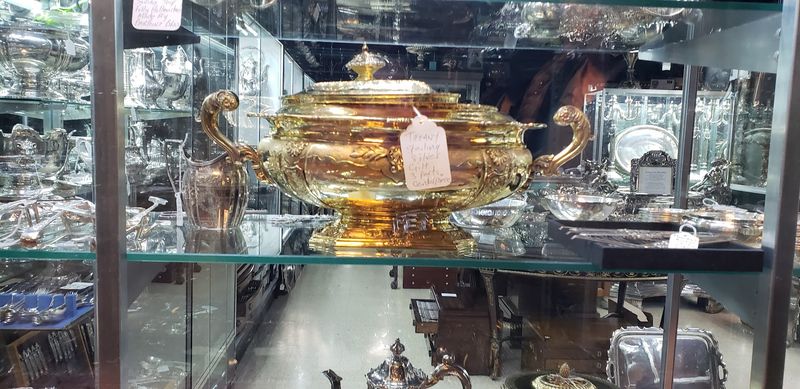
One of the most underappreciated aspects of visiting the Manhattan Art & Antiques Center is the access it provides to genuine expertise. The dealers here are not generalists filling shelf space with whatever arrives at an estate sale. Most have spent years, sometimes decades, developing deep knowledge of a specific category of objects, and they are often willing to share that knowledge freely with anyone who asks a sincere question.
A review from several years ago described an encounter with a silver specialist on the lower level who delivered an impromptu lecture on hallmarks, silver grades, and historical manufacturing centers that left the visitor far better informed than they had been an hour earlier. Another visitor praised David Meyers, a dealer on the lower level known for his expertise in Chinese export porcelain and European antiques, describing him as articulate, approachable, and genuinely invested in educating his customers.
This culture of expertise is not incidental to the center’s appeal; it is central to it. In an era when most product information is filtered through marketing copy and algorithm-driven recommendations, having a direct conversation with someone who has spent thirty years studying a particular category of objects is a genuinely unusual experience. Visitors are encouraged to ask questions, even if they have no intention of buying, because the knowledge shared in those conversations tends to enrich the entire visit considerably.
Rugs, Books, Sculpture, And Things You Cannot Easily Name
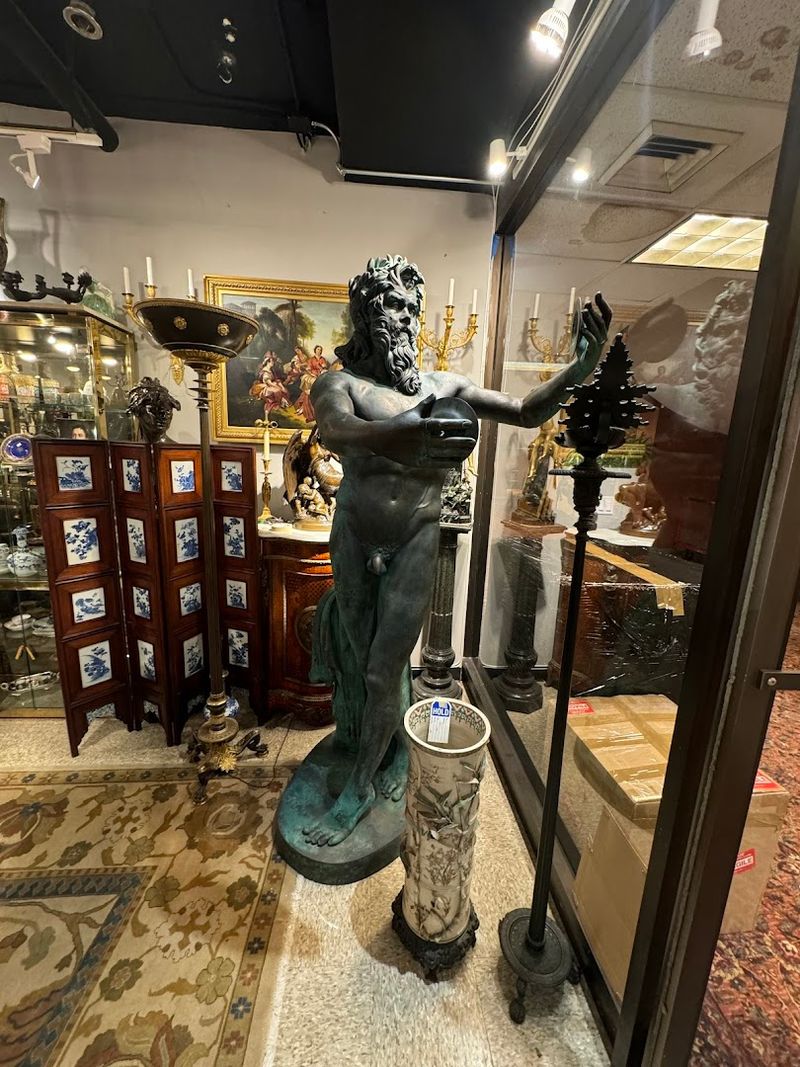
Beyond the categories that tend to dominate antique center conversations, the Manhattan Art & Antiques Center harbors a satisfying range of objects that resist easy classification. Antiquarian books sit beside decorative lighting fixtures. Sculptural bronzes share floor space with fine rugs.
Judaica, tapestries, crystal, and china appear in galleries that feel like small, self-contained worlds, each one reflecting the particular passions of the dealer who assembled it.
The rugs deserve special mention, as the quality of antique textile offerings in New York can vary enormously from venue to venue. At this center, dealers specializing in rugs tend to carry pieces with genuine age and character, including examples from Persian, Turkish, and Central Asian weaving traditions that represent significant craft heritage. The condition of individual pieces varies, but the overall standard is consistent with a center that positions itself at the upper end of the antique market.
For book collectors, the presence of antiquarian volumes adds an entirely different dimension to the browsing experience. Old maps, illustrated natural history texts, first editions, and leather-bound sets appear with enough regularity to make the center worth checking for bibliophiles making the rounds of the city’s specialist dealers. The sculpture and lighting galleries round out an inventory that covers more ground than most visitors anticipate on their first arrival, making repeat visits almost inevitable for those who develop a genuine affinity for the place.
Visiting As A Browser, Leaving As A Convert
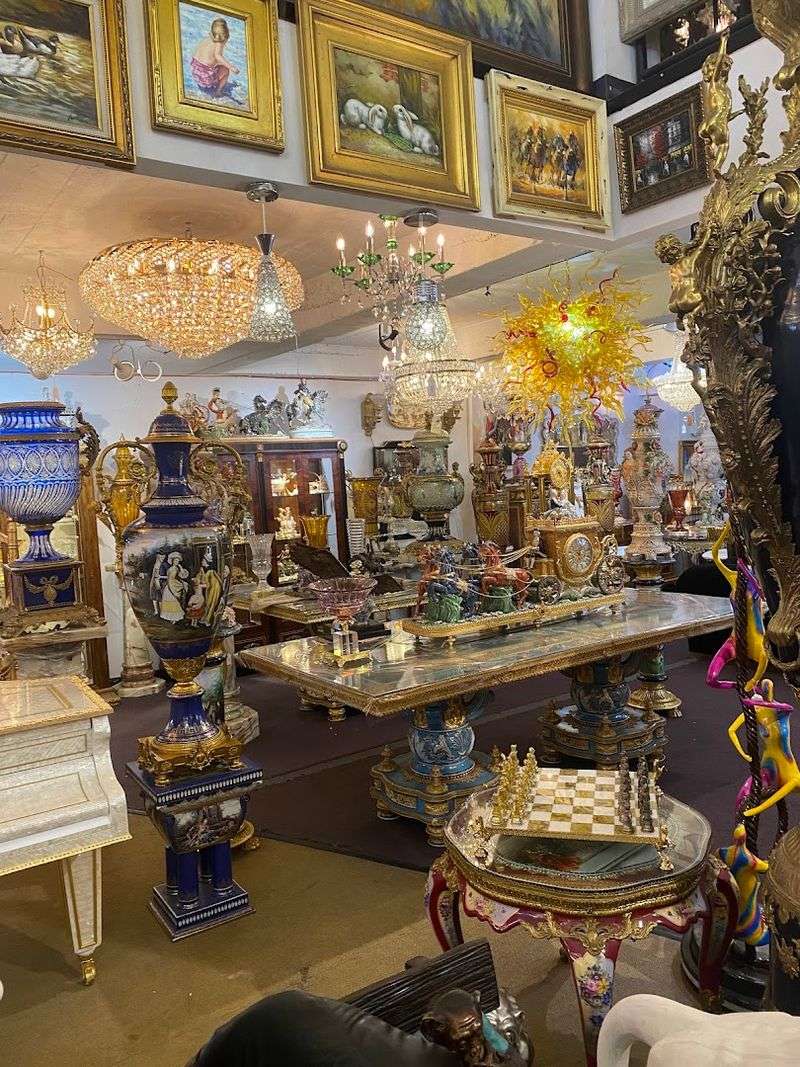
Not everyone who walks into the Manhattan Art & Antiques Center arrives with a shopping list. A significant number of visitors come simply to look, drawn by curiosity or a recommendation from someone who insisted the place was worth an hour of their time. What tends to happen is that the hour stretches into two, and those visitors leave with a different relationship to antiques than the one they arrived with.
The center has a way of making the past feel accessible rather than remote. When you can stand directly in front of a three-hundred-year-old piece of furniture and examine its joinery without a velvet rope between you and the object, history stops being abstract. The objects here were made by specific people, used by specific households, and carried across oceans and decades before arriving in a gallery on Second Avenue.
That chain of custody is part of what makes them interesting, even to visitors who would never describe themselves as collectors.
Several reviewers with no intention of purchasing described their visits as among the most enjoyable afternoons they had spent in the city. The absence of aggressive sales pressure makes the environment genuinely comfortable for casual browsers, and the density of interesting objects means that attention rarely flags. For first-time visitors, the practical advice is simple: arrive without a fixed agenda, wear comfortable shoes, and allow considerably more time than you think you will need.
Practical Details That Make The Visit Smoother
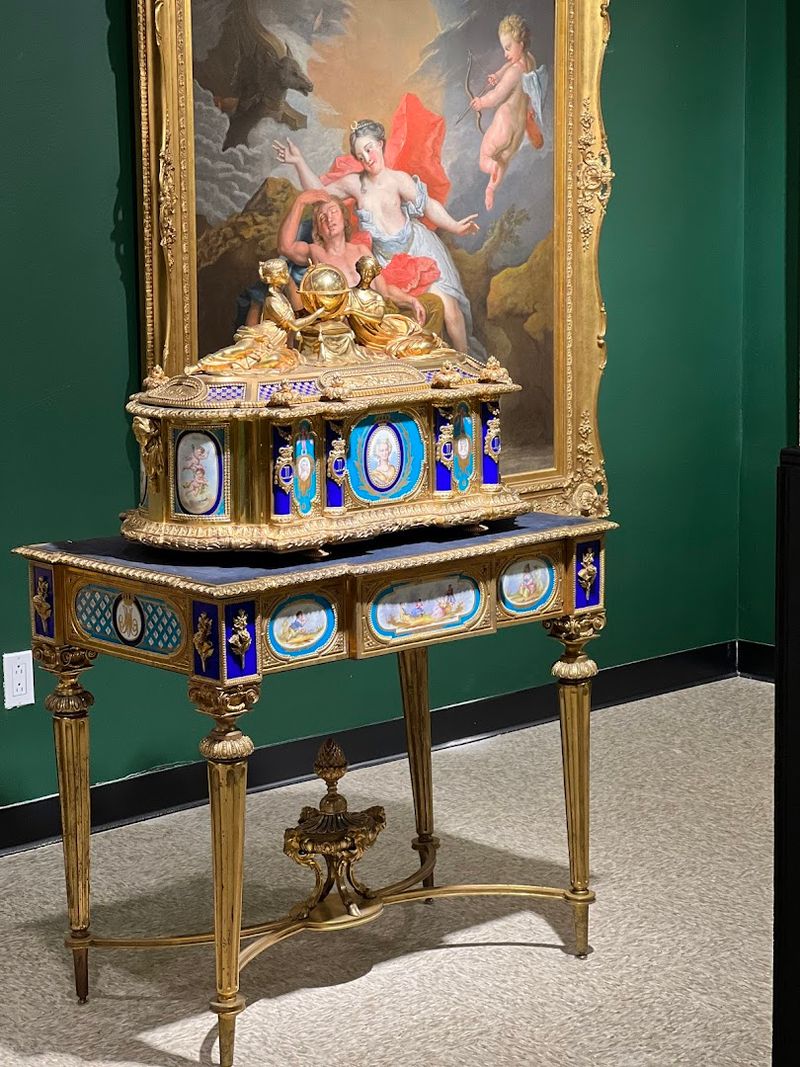
The Manhattan Art & Antiques Center is open seven days a week, which is genuinely useful in a city where many specialist dealers keep limited hours. Monday through Saturday, galleries begin opening at 10:30 in the morning and remain accessible until six in the evening. On Sundays, the center opens at noon and closes at six, making it a reasonable option for visitors whose weekend mornings are already spoken for.
Because the center houses independent dealers rather than a single unified operation, individual gallery hours can differ from the building’s posted hours. Some dealers are consistently present during the week but closed on weekends, while others maintain the opposite schedule. The most reliable advice, repeated across multiple visitor reviews, is to visit on a weekday afternoon if you want the maximum number of galleries open and staffed.
Weekend visits are still worthwhile, but some sections of the building may be quieter than expected.
The center’s phone number is listed as 212-355-4400, and the official website at the-maac.com provides additional information about the galleries and their specialties. Security staff are described in reviews as friendly and helpful, and the building itself is maintained in clean, professional condition. Parking in Midtown Manhattan is predictably challenging, so arriving by subway is the most practical option for most visitors.
The nearest transit options along Second Avenue make the center straightforward to reach from most parts of the city.
Why This Place Still Matters In A City Full Of Options
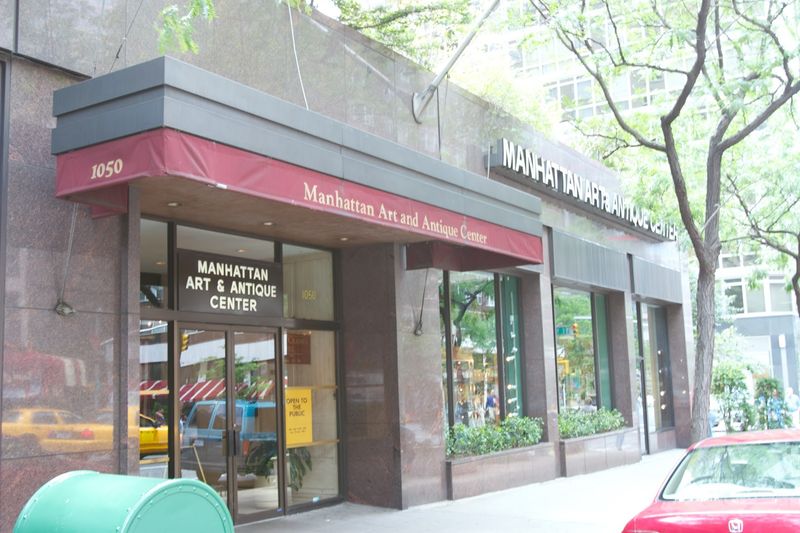
New York City has no shortage of places to find antiques. Flea markets, auction houses, dedicated dealers, and estate sale operations all compete for the attention of collectors and curious visitors alike. What the Manhattan Art & Antiques Center offers that most of those alternatives cannot match is concentration: the density of high-quality material gathered under a single roof, curated by specialists who have spent their careers developing genuine expertise in their fields.
The center has been operating long enough to have built a reputation that extends well beyond the city. Visitors from London, Amsterdam, and Antwerp, cities with their own strong antique traditions, have noted that the center holds its own against comparable venues abroad. That is not a small observation, given how seriously those cities take their antique markets.
The range of specializations represented here, from European furniture to Asian ceramics to antique Judaica to fine jewelry, gives the center a breadth that few comparable venues can claim.
For collectors, the center remains one of the most reliable places in the country to encounter genuine antiques rather than reproductions or decorative approximations. For casual visitors, it offers a kind of cultural richness that no amount of online browsing can replicate. Objects have weight, texture, and presence that photographs cannot communicate, and the Manhattan Art & Antiques Center understands this better than most.
That understanding is precisely why, decades after its founding, it continues to draw visitors who leave wanting to return.