
10 Stunning New York Hikes That Reveal Hidden Ruins And Legends
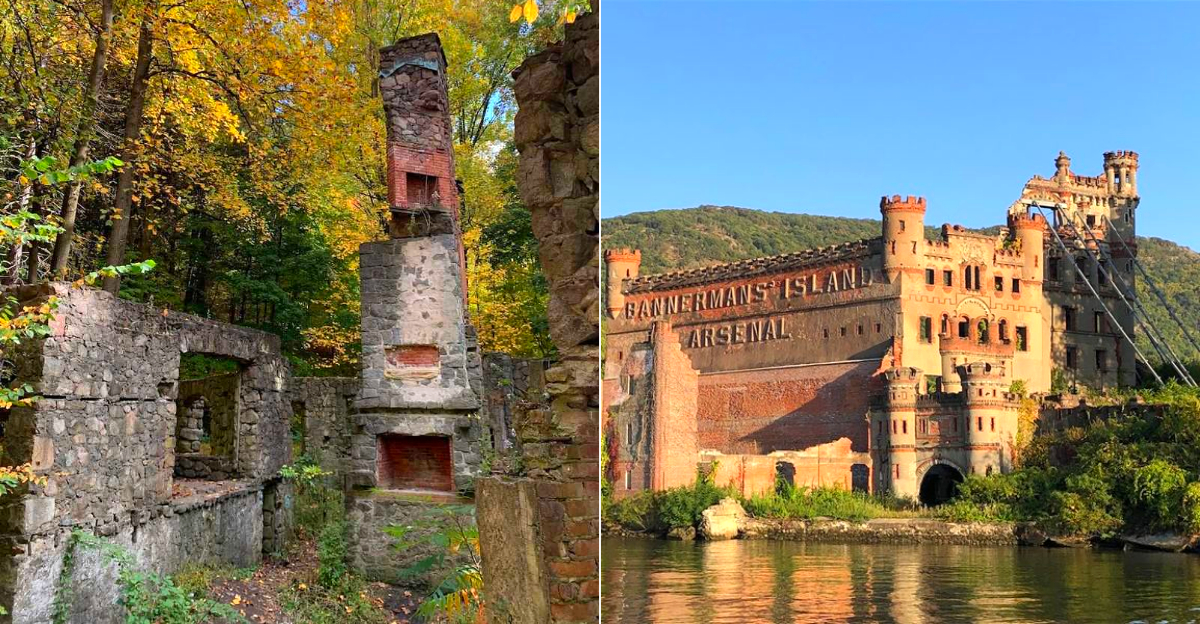
Not every hike in New York is just about the view, some of them come with a full backstory. You head out expecting trees, fresh air, maybe a nice overlook, and then suddenly there’s a crumbling wall, an old foundation, or something that makes you stop and go, wait… what was here? That’s when it gets interesting.
These trails feel a little bit like a treasure hunt. Moss-covered ruins. Forgotten structures.
Local legends that make you glance around just a little more than usual. In New York, where history hides in plain sight, these hikes give you something extra to think about between the views.
You’re still getting the scenery, don’t worry. But now there’s mystery, a bit of curiosity, and just enough “that’s kind of eerie” to make the whole walk feel way more memorable.
1. Breakneck Ridge – Hudson Highlands State Park
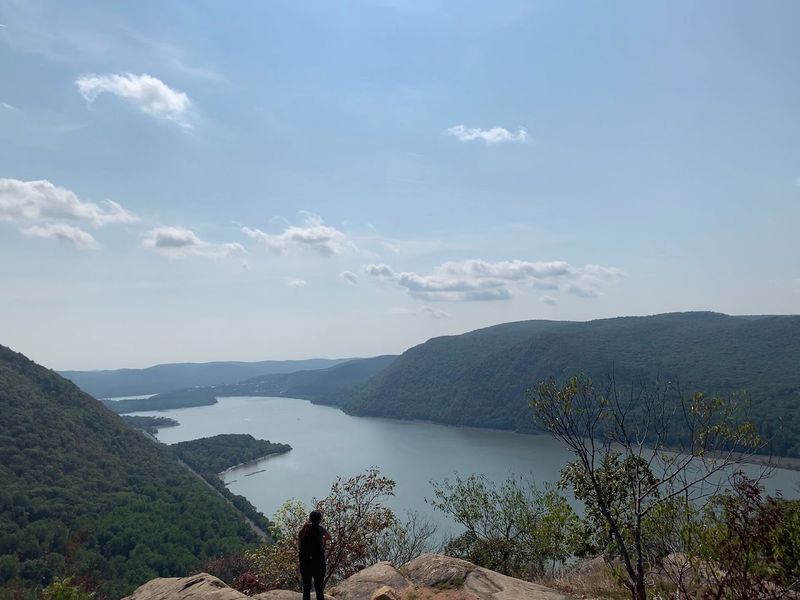
Right off the bat, Breakneck Ridge doesn’t mess around. This trail practically launches you straight up a rock face within minutes of leaving the parking lot. Your quads will be screaming, but the Hudson River views sprawling below make every burning muscle worth it.
The real treasure here isn’t just the stunning scenery. Hidden among the ridges are the eerie remains of the Cornish Estate, often called the Burned Mansion. Fire destroyed this once-grand home decades ago, leaving behind haunting stone walls and chimneys that nature slowly reclaims.
Getting there early is smart because this trail gets absolutely packed on weekends. The scramble up involves actual rock climbing moves in spots, so wear shoes with serious grip. Gloves aren’t a bad idea either for grabbing onto those boulders.
The ruins sit slightly off the main path, so keep your eyes peeled for side trails leading into the woods. Exploring these remnants feels like discovering a secret, especially when mist rolls through the valley. The combination of physical challenge, breathtaking vistas, and mysterious ruins makes this one of New York’s most unforgettable hikes.
Just remember to download a trail map beforehand because cell service up there is basically nonexistent. And seriously, bring way more water than you think you need.
A little disclaimer for this one. Right now, there is construction going on in the area, which means that this one will be closed off until around mid-2027, so keep yourself updated on their trail website before you make the trip.
2. Bull Hill (Mount Taurus) – Hudson Highlands
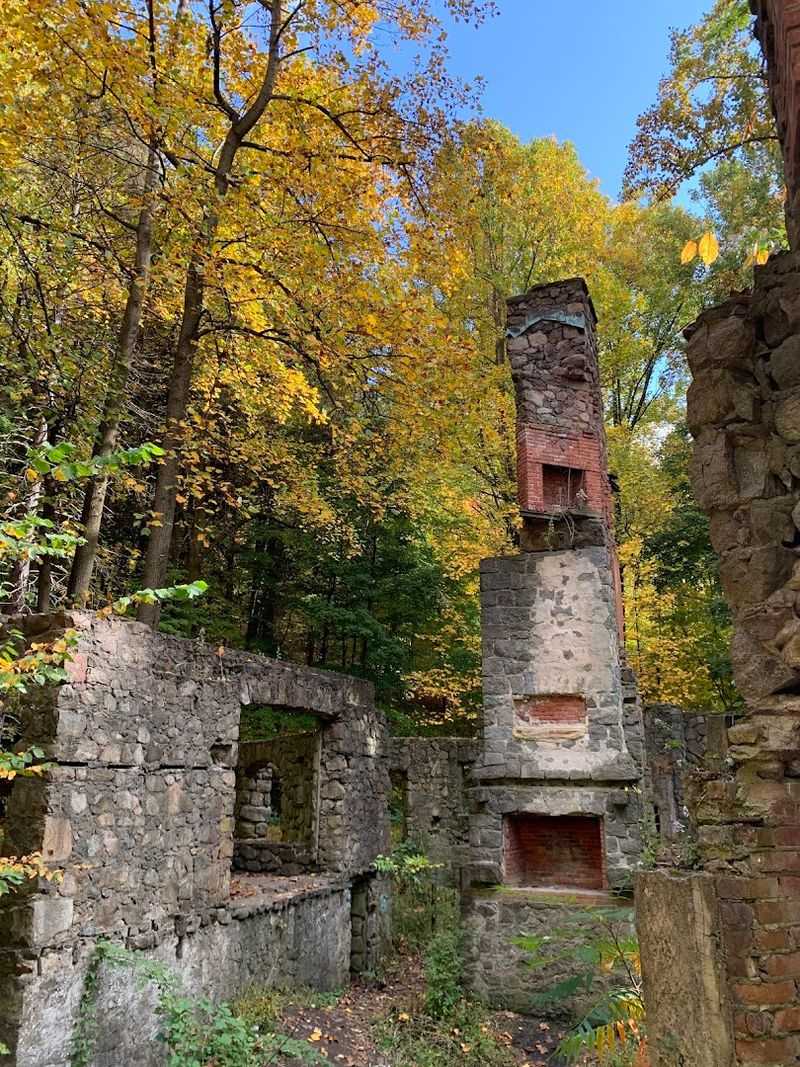
Bull Hill offers everything Breakneck Ridge does but with slightly less chaos and way more ruins to explore. Starting from the same Cold Spring area, this trail takes you past the complete Cornish Estate ruins rather than just glimpses. Stone foundations, crumbling walls, and old staircases emerge from the forest floor like something out of a fantasy novel.
The climb is steep but more manageable than its neighbor. You’ll wind through dense woods before breaking out onto open rock with views that rival anything in the Hudson Valley. On clear days, you can see for miles in every direction.
What makes Bull Hill special is how the ruins feel integrated into the hike itself. You’re not just passing by historical remnants but walking through rooms that once held furniture, conversations, and lives. Moss-covered stonework and trees growing through foundations create this beautiful collision of human history and natural reclamation.
The abandoned stonework foundations scattered throughout add an extra layer of mystery. Who built these structures? What happened to the people who lived here?
The forest keeps those secrets while inviting you to imagine.
Pack a lunch and plan to spend time at the summit. The views combined with the historical exploration make rushing through this hike a crime. This trail proves that sometimes the road less traveled really does make all the difference.
3. Overlook Mountain Trail
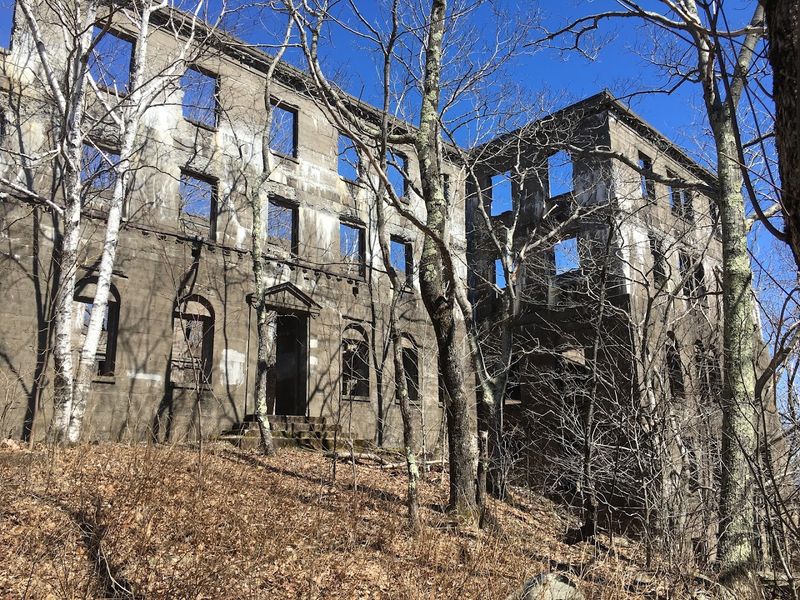
Woodstock isn’t just about music festivals and hippie vibes. The Overlook Mountain Trail leads you to one of the most photogenic ruins in New York, the skeletal remains of the Overlook Mountain House. This massive hotel once hosted wealthy guests seeking mountain air and luxury, but fire reduced it to a concrete shell that now looks straight out of a post-apocalyptic movie.
The 3.5-mile round trip gains serious elevation, so pace yourself. Your reward is wandering through the hotel’s hollow corridors, peering into empty rooms, and imagining the grand staircases that once swept through the space. Graffiti artists have added colorful murals to some walls, creating an unexpected art gallery vibe.
Beyond the ruins, continue to the historic fire tower for sweeping Catskill views that’ll take whatever breath you have left. Climbing the tower adds another perspective, literally putting you above the treetops. The combination of ruins and tower makes this a two-for-one historical adventure.
Spring and fall offer the best hiking conditions here. Summer gets buggy, and winter turns the trail into an icy challenge. Bring your camera because the ruins photograph beautifully in any light, especially during golden hour when the sun streams through those empty window frames.
This hike perfectly captures that melancholic beauty of abandoned places, reminding us that nothing lasts forever but nature always wins in the end.
4. Mount Beacon Fire Tower Trail
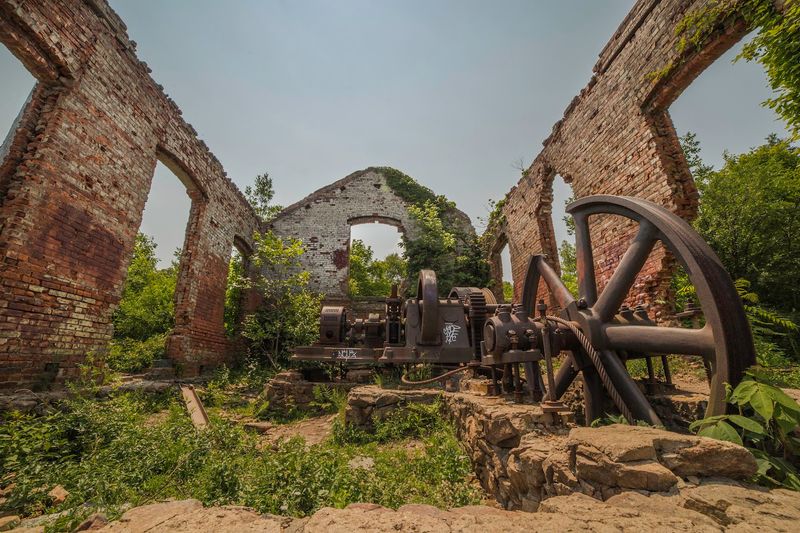
Mount Beacon used to be party central back in the early 1900s. An incline railway hauled visitors up to a casino and resort complex where they danced, gambled, and enjoyed views that are still absolutely killer today. Now the railway lies in ruins, and the casino exists only in old photographs, but the trail up reveals fascinating remnants of that glamorous era.
The hike is moderately challenging with steady elevation gain. Along the way, you’ll spot pieces of the old railway infrastructure, rusted metal, concrete foundations, and mysterious structures overtaken by vegetation. Each discovery feels like finding buried treasure, even if that treasure is just old industrial equipment.
The fire tower at the summit stands as a monument to a different era of fire prevention. Climbing it rewards you with 360-degree views of the Hudson Valley, including the river, surrounding mountains, and the town of Beacon far below. On clear days, you can see five states from up there, which is pretty wild.
What’s fascinating is how this mountain served different purposes over the decades, from entertainment destination to fire lookout point. The layers of history stack up like geological strata, each telling a different story about how humans used this landscape.
Beacon has great restaurants and shops, so make a day of it. Hike in the morning, then reward yourself with food and local craft beer. Your legs will thank you for the rest.
5. Tiorati Brook Trail To Claudius Smith’s Den
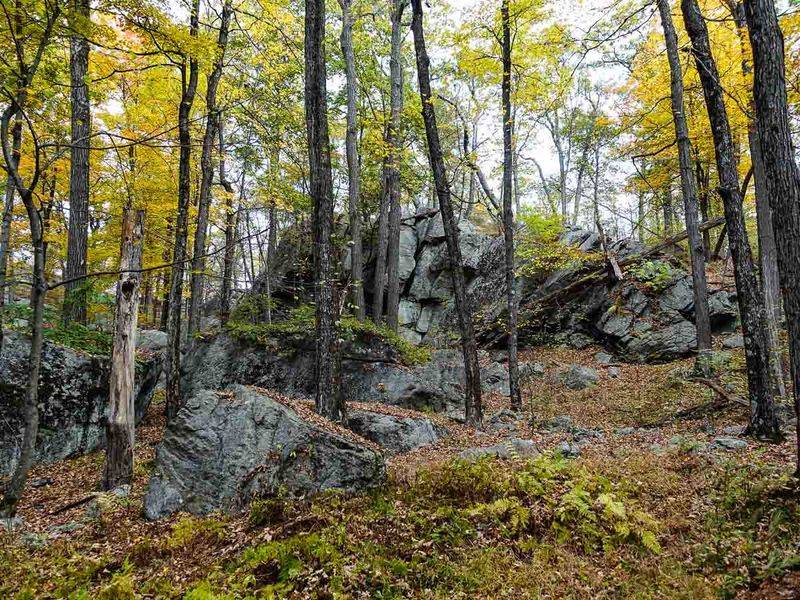
Claudius Smith was basically New York’s Revolutionary War version of Robin Hood, except he probably kept more for himself and definitely had a cooler hideout. This rocky den in Harriman State Park served as his base for raiding operations against colonial forces. Legend says he and his gang stashed stolen goods in these caves while evading capture.
The Tiorati Brook Trail leads you through beautiful forest before reaching the den itself, a natural rock formation that provided perfect cover for outlaws on the run. Standing inside, you can almost hear horses approaching and imagine the tension of hiding from pursuers. The acoustics are surprisingly good, probably helpful for hearing enemies coming.
Smith eventually got caught and hanged, but his legend lives on in local folklore. Some say his ghost still haunts these woods, protecting his hidden treasure. Whether you believe in ghosts or not, the den definitely has an eerie atmosphere, especially on foggy days.
The trail itself is moderate, following the brook for much of the journey. Water sounds accompany your hike, and the forest feels thick and wild. It’s easy to understand why outlaws chose this remote area for their hideout.
Bring a flashlight if you want to explore the deeper recesses of the den. The rocks can be slippery, so watch your footing. This hike combines natural beauty with outlaw history, making you feel like an adventurer uncovering secrets from centuries past.
6. Doodletown Loop
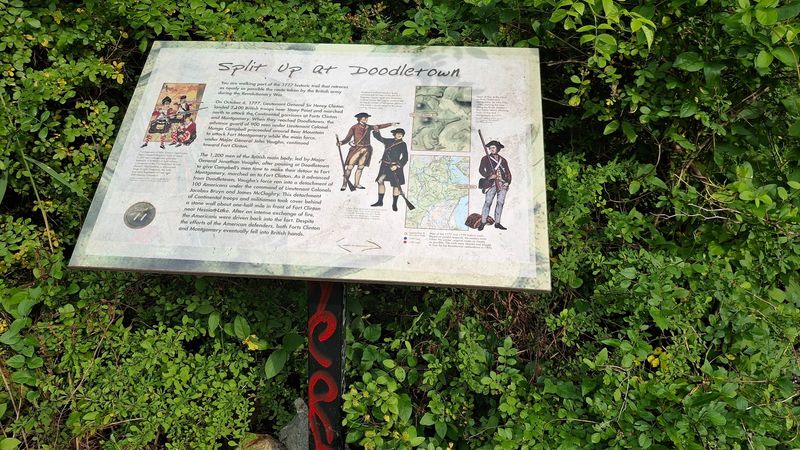
Entire villages don’t just vanish, except when they do. Doodletown was a thriving community until the 1960s when the state bought out residents to expand parkland. Now this loop trail takes you through a ghost town where foundations, cemeteries, and old roads tell stories of families who once called this place home.
Walking through Doodletown feels deeply strange. You’ll spot stone walls marking property lines, cellar holes where houses stood, and fruit trees still producing apples decades after the orchards were abandoned. Nature reclaims everything slowly but surely, wrapping the human past in green vegetation.
The cemeteries are particularly moving. Headstones mark graves of people who lived, loved, and died here, their descendants scattered who knows where. Reading the dates and names connects you to real individuals, not just abstract history.
Some graves date back to the 1700s, showing how long humans occupied this valley.
The loop is relatively easy, making it accessible for families and casual hikers. Spring brings wildflowers that carpet the old homesites, while fall colors make the ruins even more photogenic. Winter reveals structures hidden by summer foliage, offering a different perspective on the village layout.
Bring respect when visiting Doodletown. This isn’t just ruins but the remnants of a real community. The melancholy beauty of abandoned places reminds us that all our bustling lives will someday be just memories and moss-covered foundations.
7. Bannerman Island (Via Guided Tours)
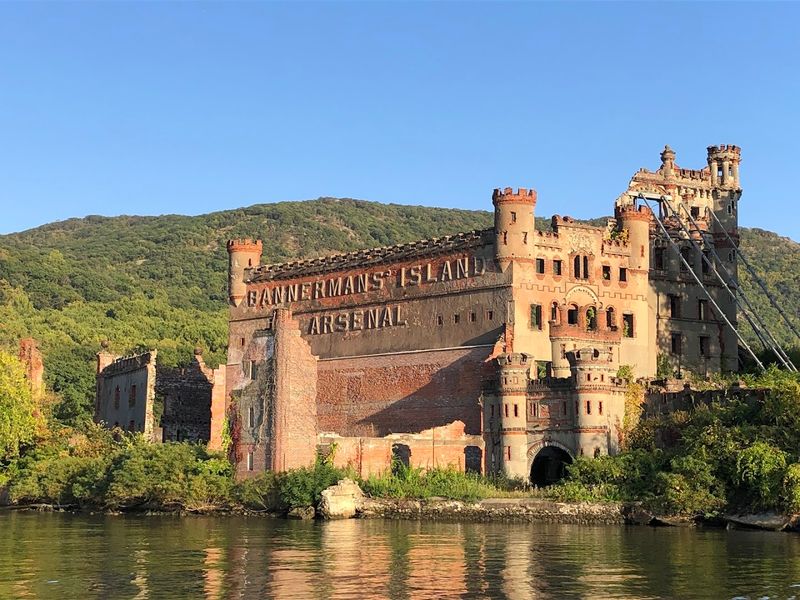
Okay, so this isn’t technically a hike, but come on, you can’t write about New York ruins without mentioning Bannerman’s Castle. This crumbling fortress sits on a tiny island in the Hudson River, looking like something transplanted from Scotland. Francis Bannerman built it as a military surplus warehouse in the early 1900s, and it’s been slowly collapsing ever since.
Getting there requires joining a guided tour, which includes a boat ride and walking exploration of the island. The castle’s dramatic silhouette dominates the landscape, visible from Metro-North trains that run along the river. Up close, it’s even more impressive and slightly terrifying, with walls leaning at alarming angles and vegetation growing through windows.
The history is fascinating. Bannerman dealt in military surplus, everything from Civil War cannons to Spanish-American War rifles. He needed somewhere to store this dangerous inventory, so he bought an island and built a castle because why not?
Explosions and fires damaged the structure over the decades, leaving the romantic ruins we see today.
Tours operate seasonally, so plan ahead and book early because they fill up fast. The guides share amazing stories about Bannerman himself, the castle’s construction, and the ongoing stabilization efforts. Photography opportunities are endless, especially during golden hour when the setting sun lights up those ancient-looking walls.
The island experience combines history, architecture, and stunning river views into one unforgettable adventure that feels more like exploring European ruins than hiking in New York.
8. Mount Jo – Heart Lake
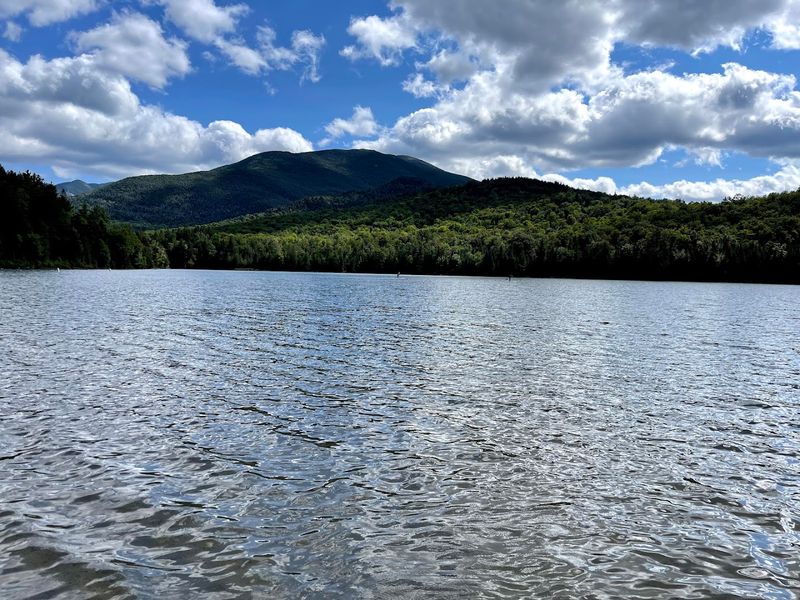
Mount Jo proves that good things come in small packages. This short Adirondack hike packs stunning views and historical connections into just 2.3 miles round trip. Perfect for families or anyone wanting mountain summit glory without the usual suffering, Mount Jo delivers big rewards for modest effort.
The trail climbs steadily through beautiful forest before popping out onto a rocky summit with views of Heart Lake and the High Peaks beyond. On clear days, the panorama stretches for miles, showcasing the Adirondacks in all their glory. The lake below looks like a mirror reflecting the sky.
Nearby are remnants of early Adirondack Great Camp history, those elaborate wilderness retreats where wealthy families escaped city life. Conservation-era structures dot the landscape, reminding hikers how this region transformed from exclusive playground to public treasure. The Adirondack Mountain Club’s facilities at Heart Lake continue that tradition of mountain hospitality.
The short distance makes this hike accessible for kids and beginners, but don’t underestimate the climb. It’s steep in sections, and the rocky summit requires careful footing. Two trail options exist, one slightly easier than the other, giving you flexibility based on your group’s abilities.
Visit in fall for spectacular foliage or summer for swimming in Heart Lake after your hike. Winter transforms Mount Jo into a snowshoe adventure with crystalline views. This little mountain offers year-round appeal and proves that you don’t need to bag a High Peak for an authentic Adirondack experience.
9. Rockefeller Preserve – Swan Lake Area
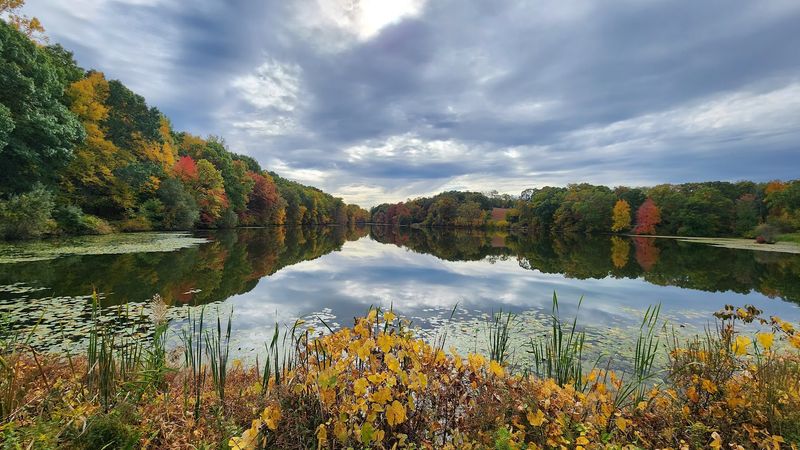
The Rockefeller family knew how to do wealth right, at least when it came to preserving beautiful landscapes for public enjoyment. Their Westchester County estate includes miles of carriage roads, historic stone barns, and preserved architecture that transport you to an era of grand country living. The Swan Lake area showcases this legacy beautifully.
Walking these well-maintained paths feels like stepping onto a movie set. Stone bridges arch over streams, carefully constructed walls line the roads, and those barns look like they belong in architectural magazines. Everything reflects the meticulous attention to detail that unlimited resources and good taste can achieve.
The carriage roads make for easy, pleasant hiking suitable for all ages and fitness levels. You can push strollers, ride bikes, or just stroll while admiring the scenery. Unlike rugged wilderness trails, these paths were designed for leisurely enjoyment, and that purpose still shines through.
Estate-era architecture dots the landscape, each structure telling stories about how the wealthy lived and how they shaped the land around them. The Rockefellers practiced early conservation, setting aside property that might otherwise have been developed. Their vision created the green spaces we enjoy today.
Spring brings wildflowers and migrating birds, while fall transforms the preserve into a kaleidoscope of colors. Winter offers peaceful, snowy walks that feel magical. The preserve proves that hiking doesn’t always mean suffering up mountains; sometimes it means appreciating how humans and nature can coexist beautifully when people actually care about preservation.
10. Fort Montgomery Trail
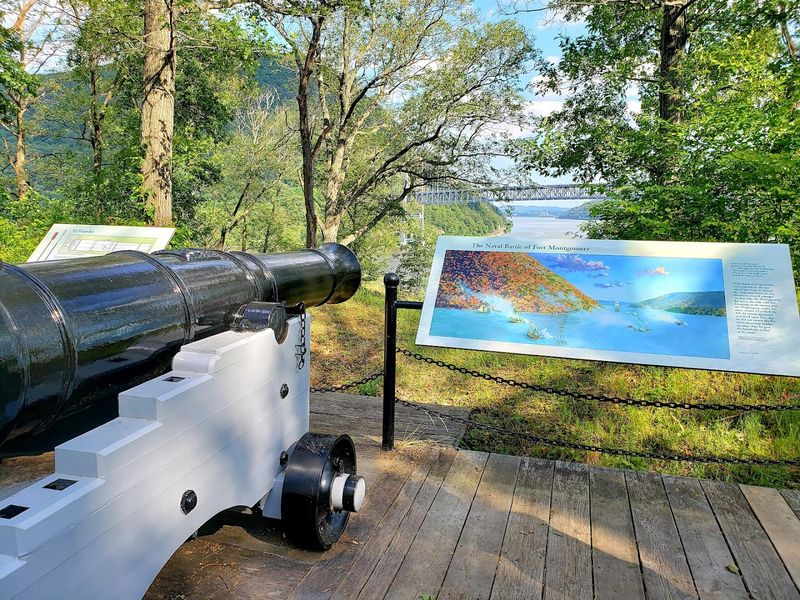
Fort Montgomery played a crucial role in Revolutionary War strategy, controlling access to the Hudson River and protecting the vital water route to Albany. British forces eventually captured and destroyed it, but the ruins remain as powerful reminders of the battles fought for American independence. Walking these grounds connects you directly to that pivotal moment in history.
The trail winds through the fort’s remains, where interpretive signs explain what happened here and why it mattered. Stone walls still stand in places, marking where soldiers positioned cannons and defended against attack. The layout becomes clear as you explore, revealing the fort’s strategic design and defensive capabilities.
Views of the Hudson River show exactly why this location mattered so much. Controlling this chokepoint meant controlling supply lines and troop movements. Standing where soldiers once stood, looking at the same river and mountains, makes history feel immediate and real rather than abstract dates in textbooks.
The trail is relatively easy, making it accessible for history buffs of all ages. Kids especially enjoy exploring the ruins and imagining Revolutionary War battles. The combination of outdoor activity and historical education creates a perfect family outing that’s actually educational without feeling like homework.
Visit during spring or fall for the best weather and colors. The fort area can get hot in summer with limited shade. Bring water and take time reading those interpretive signs because the stories they tell are absolutely fascinating.
This hike proves that New York’s trails offer more than just pretty views; they’re windows into the dramatic events that shaped our nation.