
This Florida Preserve Lets You Stand Face-To-Face With A Pack Of Wolves
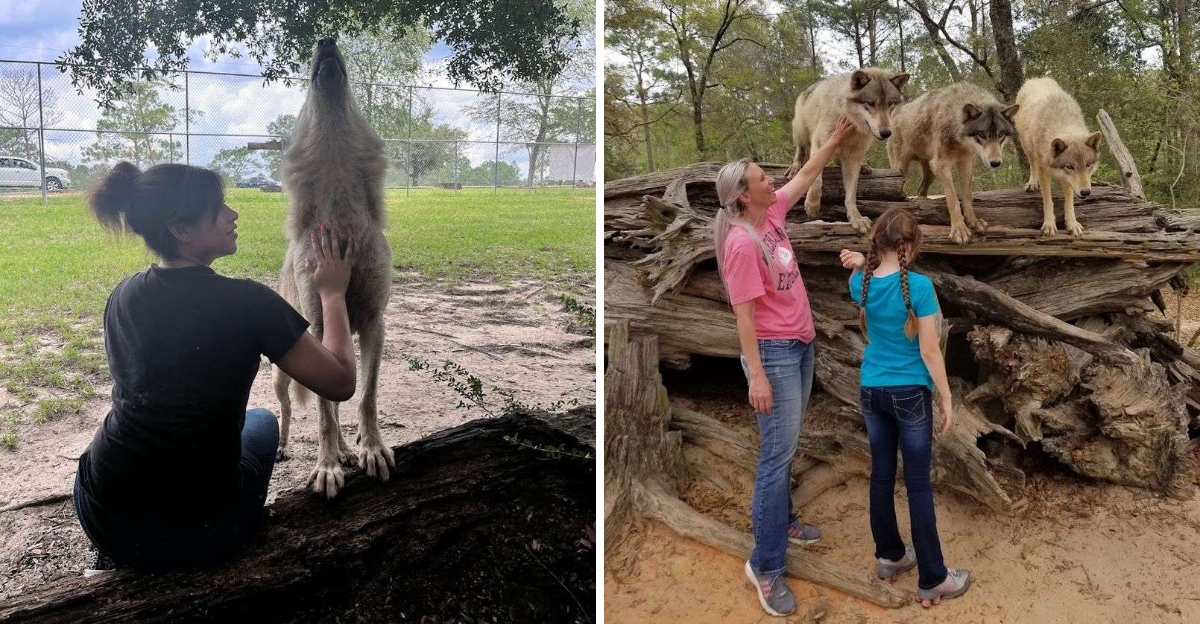
Deep in the Florida Panhandle, a unique sanctuary allows visitors to experience something most people only dream about: standing alongside wolves in their natural habitat. Seacrest Wolf Preserve in Chipley offers an extraordinary opportunity to interact with these misunderstood creatures while supporting conservation efforts that protect them.
For anyone fascinated by wildlife or seeking an adventure that goes beyond typical tourist attractions, this preserve delivers an unforgettable encounter that changes how you see these magnificent animals.
Stand Inside A Natural Wolf Habitat
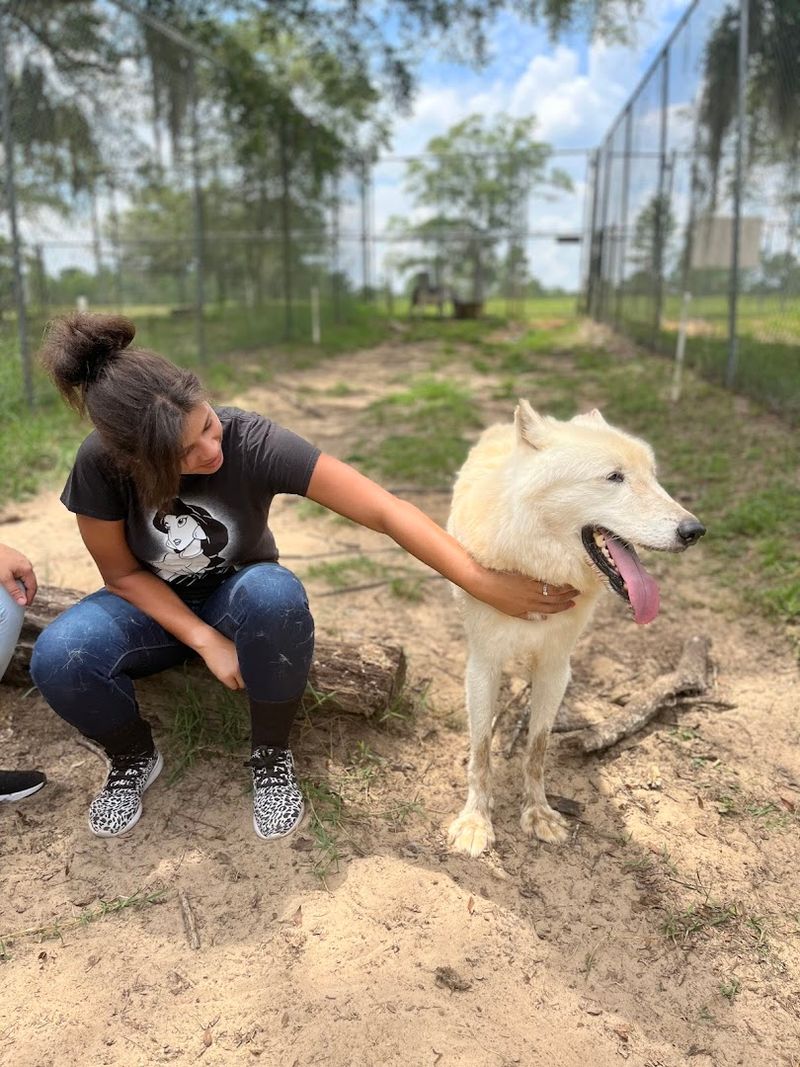
Walking through the gates of a wolf enclosure creates an immediate shift in perspective. The habitat sprawls across open ground dotted with vegetation and shaded areas where wolves roam freely, behaving as they would in the wild.
Visitors find themselves not observing from behind glass but sharing the same space with animals that command both respect and admiration.
The preserve maintains multiple enclosures designed to replicate natural environments. Each habitat provides wolves with room to move, explore, and express their instincts while allowing humans to witness their behavior up close.
The experience removes the barriers that typically separate people from wildlife, creating moments of genuine connection.
Guides monitor interactions carefully, ensuring both human and animal safety throughout the visit. The wolves respond to their surroundings with curiosity rather than aggression, often approaching visitors who remain calm and respectful.
This direct contact within their territory offers insights no documentary or zoo visit could provide, making the preserve’s approach both educational and deeply memorable for everyone who participates.
Home To Multiple Wolf Species
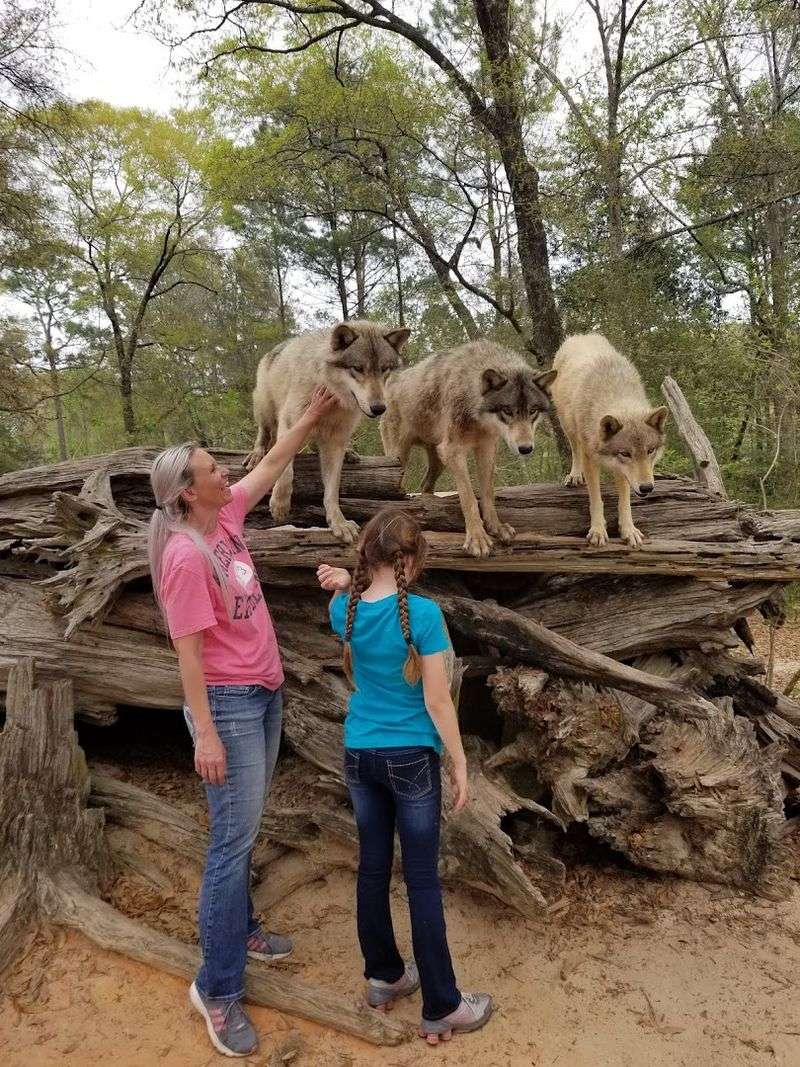
Seacrest Wolf Preserve houses several wolf species, each bringing distinct characteristics and personalities to the facility. Timber wolves, known for their impressive size and thick coats, represent one of the primary species visitors encounter during tours.
These animals display the classic wolf features many recognize from nature programs, though seeing them in person reveals details no screen can capture.
The preserve also cares for gray wolves and wolf hybrids, each group demonstrating different behavioral patterns and social structures. Staff members explain the subtle differences between species, pointing out variations in build, coloring, and temperament.
This diversity allows visitors to appreciate how wolf populations adapt to different environments and circumstances.
Every wolf at the preserve arrived through rescue or relocation, often from situations where they could not survive independently. The facility provides permanent homes for animals that cannot return to the wild, giving them safety and proper care.
By housing multiple species, Seacrest creates opportunities for education about wolf diversity while ensuring each animal receives specialized attention suited to its particular needs and background.
A Conservation And Education-Focused Mission
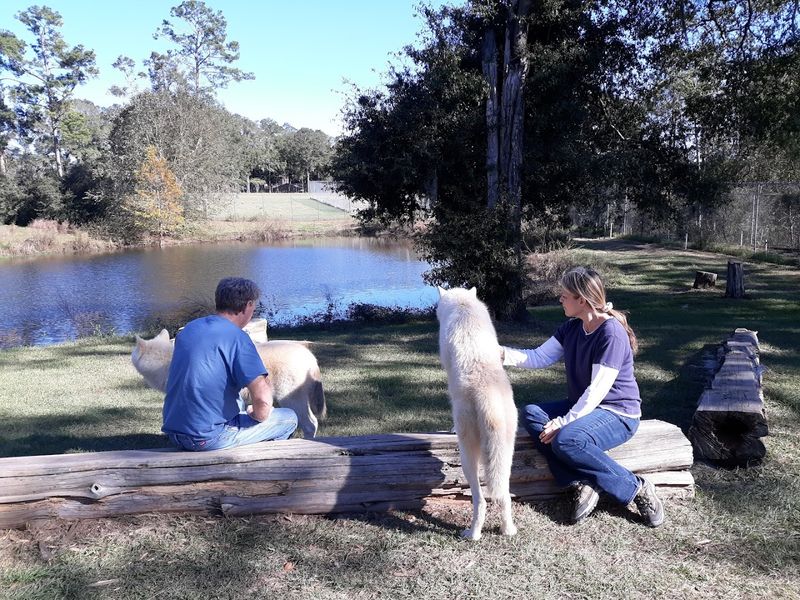
Conservation drives every decision at Seacrest Wolf Preserve, from habitat design to visitor programs. The organization operates as a nonprofit dedicated to protecting wolves through education and advocacy.
Staff members share information about the challenges wolves face in the wild, including habitat loss and misunderstanding about their role in ecosystems.
Educational programming forms the core of the preserve’s mission. Guides discuss wolf behavior, social structures, and ecological importance during tours, helping visitors understand why these animals deserve protection rather than fear.
The preserve challenges common misconceptions, replacing myths with facts based on observation and scientific research.
Financial support from tours and donations funds the care of resident wolves while supporting broader conservation initiatives. The preserve participates in efforts to educate the public about coexistence with wildlife and the importance of preserving natural predators.
Located at 3449 Bonnett Pond Road in Chipley, the facility welcomes visitors Tuesday through Saturday from 9 AM to 4 PM, providing accessible opportunities for people to learn while supporting meaningful conservation work that extends beyond Florida’s borders.
Guided Tours Led By Experienced Staff
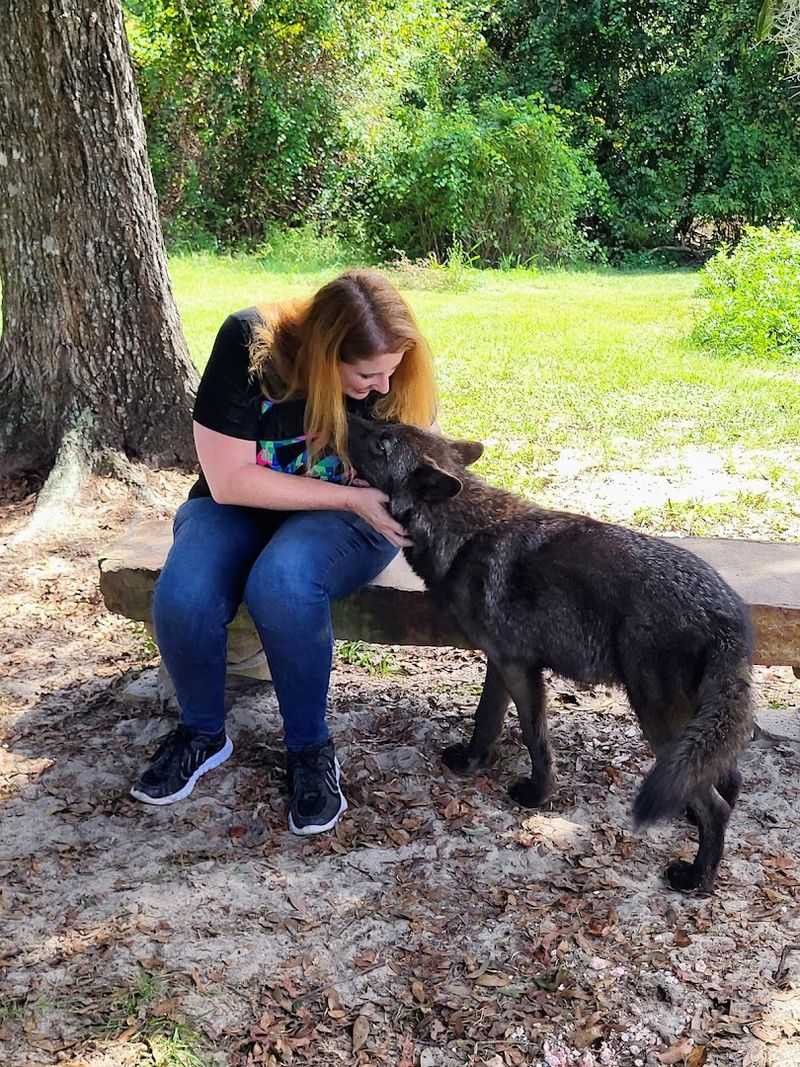
Every visitor experience at Seacrest begins with knowledgeable guides who bring years of experience working with wolves. These staff members know each animal by name and personality, sharing stories that reveal individual quirks and preferences.
Their expertise ensures safe interactions while creating an atmosphere where questions receive thoughtful, informed answers.
Guides explain proper behavior before entering enclosures, teaching visitors how to move and react around wolves. They read animal body language constantly, adjusting tours based on how wolves respond that particular day.
This attention to detail protects both species while maximizing opportunities for meaningful encounters.
The passion staff members demonstrate for their work becomes immediately apparent. They speak about wolves with genuine affection and respect, treating each animal as an individual worthy of dignity.
Their enthusiasm proves contagious, transforming casual visitors into advocates who leave with deeper appreciation for these creatures. Reviews consistently praise guides by name, highlighting how their knowledge and care elevate the experience beyond simple animal viewing into something transformative and educational.
Wolves Raised In Human Care
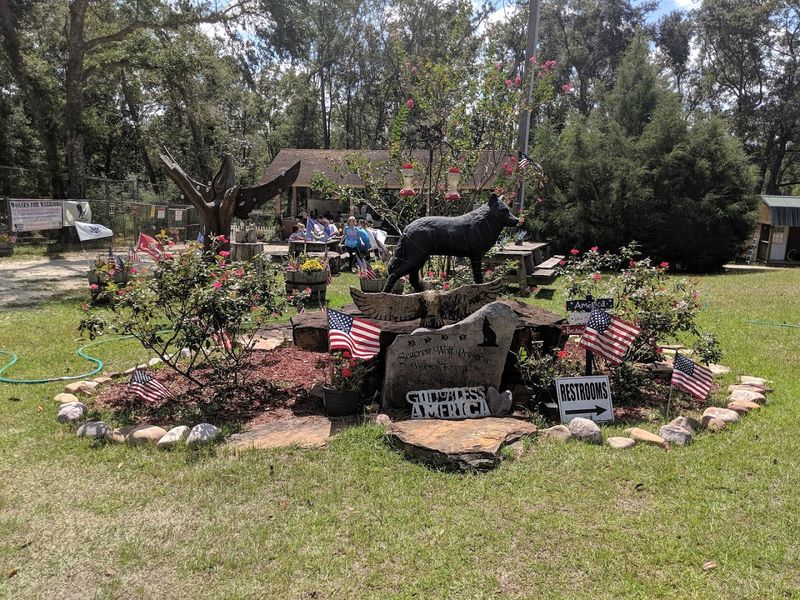
The wolves at Seacrest were raised in human care from early ages, creating animals comfortable with people while retaining their natural instincts. This socialization allows for safe interactions that would be impossible with wild wolves.
The animals recognize humans as non-threatening, often approaching visitors with curiosity and accepting affection willingly.
Handlers work with wolves daily, building trust through consistent, respectful interaction. This relationship enables the close contact visitors experience during tours, where wolves may solicit petting, offer gentle kisses, or simply rest nearby.
The animals demonstrate remarkable tolerance, allowing strangers into their space without stress or aggression.
Despite their comfort with people, these wolves cannot survive in the wild. They lack the wariness necessary for avoiding human-related dangers and have never learned to hunt independently.
The preserve provides permanent sanctuary for animals caught between two worlds, giving them quality lives while serving educational purposes. Their willingness to interact creates powerful teaching moments, showing visitors that wolves are not the dangerous villains portrayed in folklore but intelligent, social creatures deserving of protection and understanding.
Photography Opportunities In A Controlled Setting
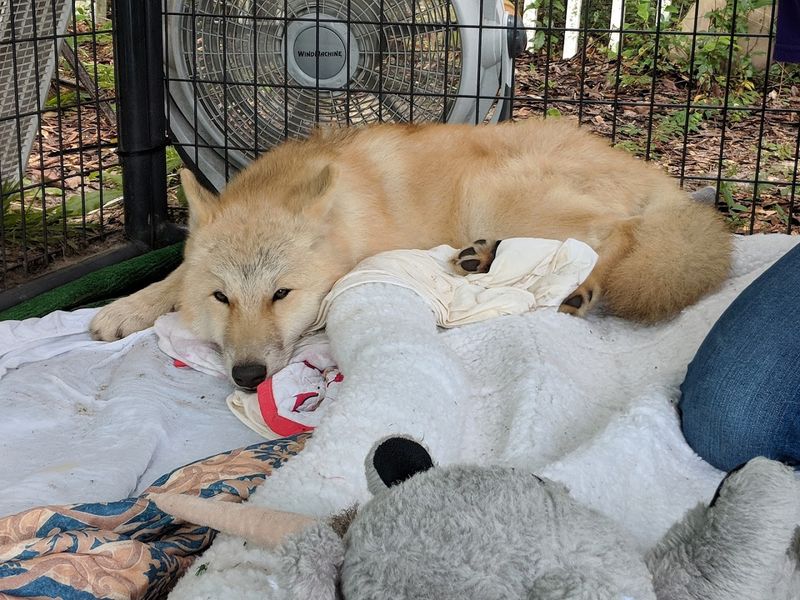
Photographers discover exceptional opportunities at Seacrest Wolf Preserve, capturing images impossible to obtain elsewhere. The controlled setting allows for close-range shots showing wolf expressions, textures in their coats, and intimate behavioral moments.
Natural lighting filters through the enclosures, creating conditions that enhance rather than hinder photography.
Staff members actively assist with photo opportunities, positioning themselves to capture visitors interacting with wolves. They understand flattering angles and wait for moments when wolves display particularly photogenic behavior.
Many guests leave with professional-quality images documenting their experience, visual proof of encounters that friends often find hard to believe.
The preserve encourages photography as part of the educational mission. Images shared on social media spread awareness about wolf conservation while showcasing the preserve’s work.
Visitors should bring cameras or smartphones, though they should also remember to put devices down periodically and simply experience the moment. The wolves themselves seem unbothered by cameras, continuing their natural behaviors regardless of how many lenses point their direction, making every visit a potential portfolio-building opportunity for wildlife photography enthusiasts.
A Rural Setting That Enhances The Experience
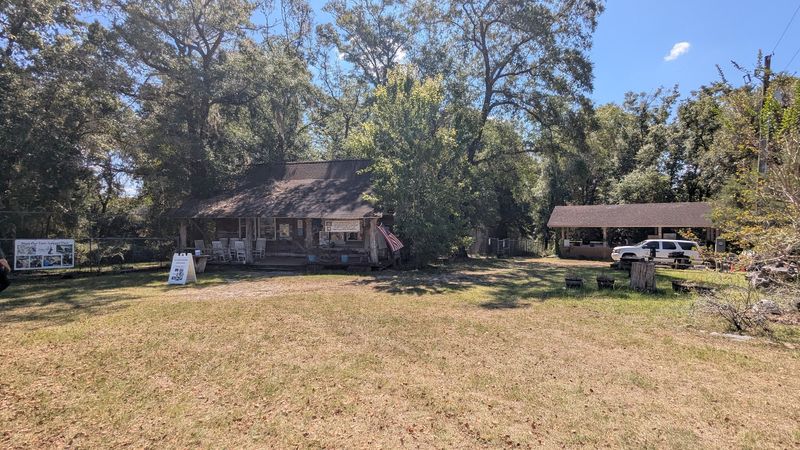
Chipley sits in the Florida Panhandle, far from the crowded theme parks and beach resorts that dominate the state’s tourism industry. The preserve occupies rural land where natural Florida still exists, complete with native vegetation and quiet that urban areas cannot offer.
This isolation enhances the wolf encounter, removing distractions that might diminish the experience.
The surrounding landscape reflects environments where wolves historically thrived before human expansion pushed them into smaller territories. Tall pines, sandy soil, and open spaces create scenery that feels appropriate for these animals.
The setting helps visitors imagine how wolves fit into ecosystems, demonstrating their place in nature rather than captivity.
Reaching the preserve requires deliberate travel, making the visit feel like a genuine expedition rather than a casual stop. The journey through rural Florida adds to the adventure, building anticipation as highways give way to country roads.
This remoteness also means fewer crowds, allowing for more intimate experiences with the wolves. The peaceful environment benefits both animals and visitors, creating conditions where meaningful connections can develop without the rush and noise that plague more accessible attractions.
An Emphasis On Respecting Wolf Behavior
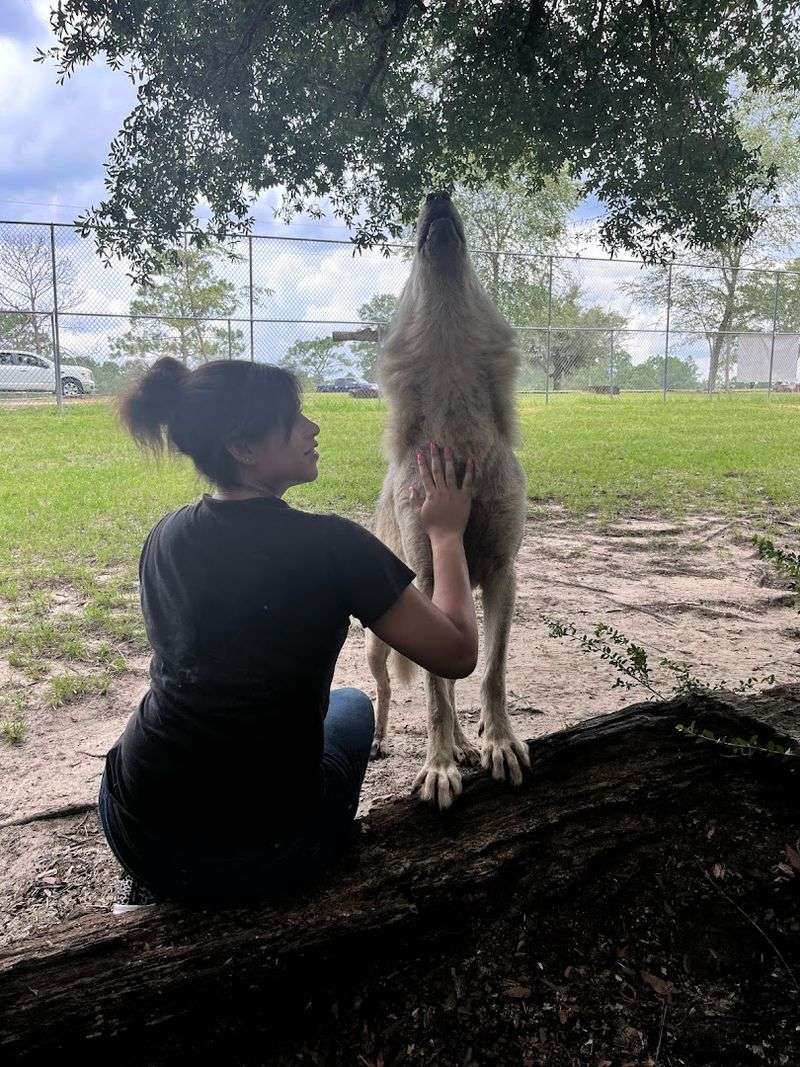
Respect forms the foundation of every interaction at Seacrest Wolf Preserve. Staff members teach visitors to recognize wolf communication signals, explaining what different postures and vocalizations mean.
This education ensures people respond appropriately to animal cues, maintaining safety while honoring the wolves’ autonomy to engage or retreat as they choose.
Guides never force interactions between wolves and visitors. If an animal seems uninterested in socializing on a particular day, tours adjust accordingly.
This approach prioritizes animal welfare over human expectations, demonstrating genuine care for the wolves’ emotional states. Visitors learn that wolves are individuals with preferences and moods, not performers obligated to entertain.
The emphasis on respect extends to discussions about wild wolf populations. Staff explain why wolves deserve protection and how human attitudes impact conservation efforts.
They address common fears with facts, helping visitors understand that respecting wolves means recognizing their ecological importance while maintaining appropriate boundaries. This philosophy creates an environment where education happens naturally, transforming casual observers into informed advocates who leave understanding that wolf conservation depends on changing how humans perceive and interact with these remarkable animals.
Reservations Required For Entry
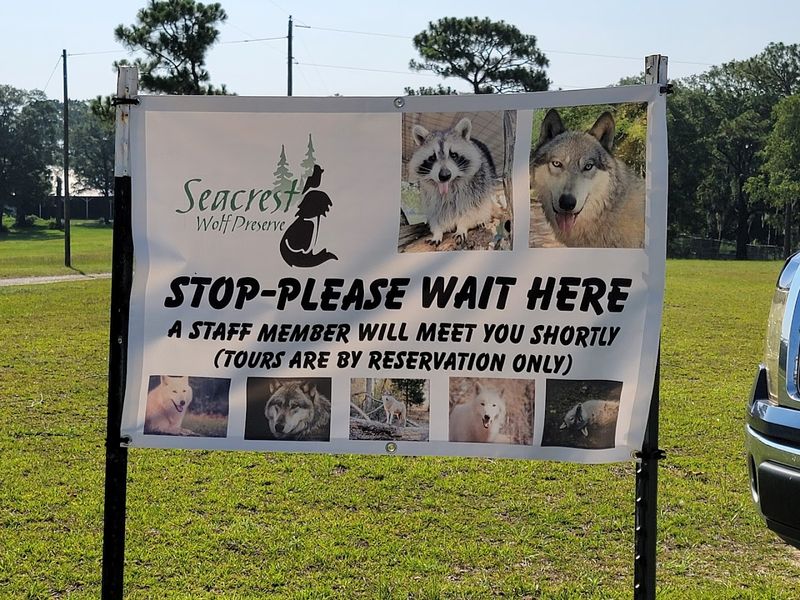
Seacrest Wolf Preserve operates by reservation only, ensuring controlled group sizes that benefit both visitors and animals. This system prevents overcrowding that could stress the wolves or diminish the quality of individual experiences.
Advance booking is essential, as tours fill quickly, particularly during peak seasons and weekends.
The reservation requirement allows staff to prepare appropriately for each group, tailoring experiences to visitor interests and needs. Private VIP tours offer more intimate encounters with wolves, while standard group tours provide excellent value for those seeking shared experiences.
Both options require booking through the preserve’s website or by calling their office.
Planning ahead ensures availability and allows visitors to select preferred dates and tour types. The preserve operates Tuesday through Saturday, closing Sundays and Mondays for animal care and staff rest.
Phone reservations can be made at 850-773-2897, where staff members answer questions about tour options and what to expect. The reservation system might seem inconvenient compared to spontaneous visits, but it serves critical purposes that protect animal welfare while guaranteeing that everyone who visits receives adequate attention and education during their time with the wolves.
Educational Programs For Groups And Students
Beyond individual tours, Seacrest Wolf Preserve offers specialized educational programs designed for school groups and organized parties. These programs align with educational standards while providing hands-on learning impossible in traditional classroom settings.
Students gain direct experience with wildlife conservation, observing animal behavior while learning about ecosystems and environmental stewardship.
Group programs can be customized to address specific educational goals or age-appropriate content. Teachers work with preserve staff to create experiences that complement curriculum requirements, making the visit both entertaining and academically valuable.
The interactive nature of these programs helps information stick, creating lasting impressions that textbooks alone cannot achieve.
Birthday parties and special events also benefit from the preserve’s educational approach. Children celebrate while learning about wolves, combining fun with meaningful content that expands their understanding of the natural world.
The preserve’s nonprofit status means that fees from group programs directly support animal care and conservation efforts. Organizations interested in booking group experiences should contact the preserve well in advance, as these specialized programs require additional planning and coordination to ensure successful outcomes for both participants and the resident wolf population.