
This Short Florida Trail Hides Sinkholes, Secret Caves, And Wild Scenery
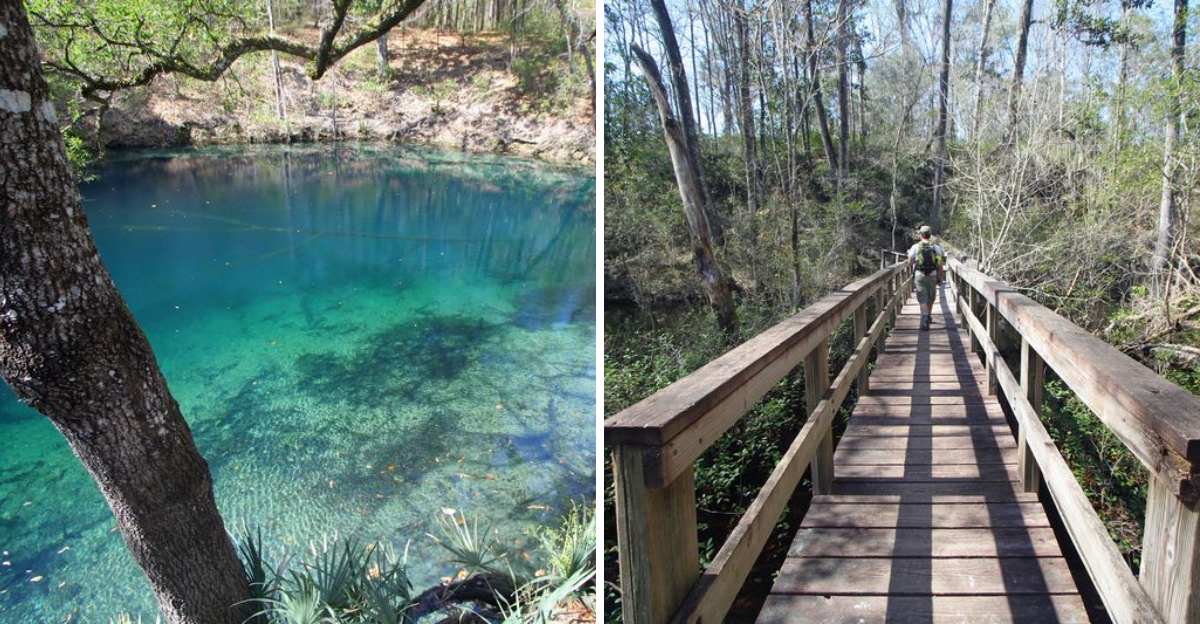
Most people don’t picture Florida as a place where the ground suddenly drops away into massive, shadowy sinkholes. Yet just minutes from the capital, a trail system reveals a landscape shaped by collapse, erosion, and time.
At Leon Sinks Geological Area, the earth opens up in dramatic fashion, exposing dry basins, water-filled depressions, and the limestone bones beneath the forest floor. A short drive south of Tallahassee along Crawfordville Road leads to this otherworldly stretch of terrain.
The trails wind through hardwood forest and along the edges of steep sinkholes, offering a rare look at Florida’s underground story without demanding extreme hiking skills.
A 2.9-Mile Loop Packed With Geological Surprises
The main Sinkhole Trail at Leon Sinks stretches roughly 2.9 miles through terrain that changes character with every bend. Some hikers extend their journey by adding the Gum Swamp Trail, pushing the total distance closer to five miles for those wanting a fuller exploration.
The path itself remains relatively flat by mountain standards, though roots and small elevation changes around the sink formations keep things interesting.
Markers guide visitors to specific geological features along the way, each numbered and accompanied by educational plaques that explain the science behind what you’re observing. The trail surface stays firm most of the year, making it accessible for families with children as young as two, according to visitor accounts.
Benches appear at regular intervals, providing rest spots that also serve as quiet observation points.
The $5 parking fee covers day use and goes toward maintaining the boardwalks and signage that make this area so visitor-friendly. Cash or check only at the entrance drop box, so plan accordingly before arriving at 6605 Crawfordville Road.
A Landscape Shaped By Florida’s Karst Terrain
Karst topography forms when slightly acidic water dissolves soluble bedrock, typically limestone, creating underground drainage systems that eventually collapse. Leon Sinks sits atop the Woodville Karst Plain, one of the most active karst regions in North America.
The limestone here dates back millions of years to when Florida sat beneath a warm, shallow sea.
Walking these trails means observing geology in action rather than reading about it in textbooks. The ground beneath your feet contains countless voids and channels where water continues its slow work of dissolution.
Some sinkholes formed recently in geological terms, while others have been swallowing surface water for thousands of years.
The area connects to the Floridan Aquifer, one of the largest and most productive aquifers in the world, which supplies drinking water to millions of residents. Understanding this landscape helps explain why protecting these areas matters beyond their recreational value.
Every sinkhole here serves as a window into the vast underground river system that defines North Florida’s hydrology and ecology.
Dozens Of Visible Sinkholes Along The Route
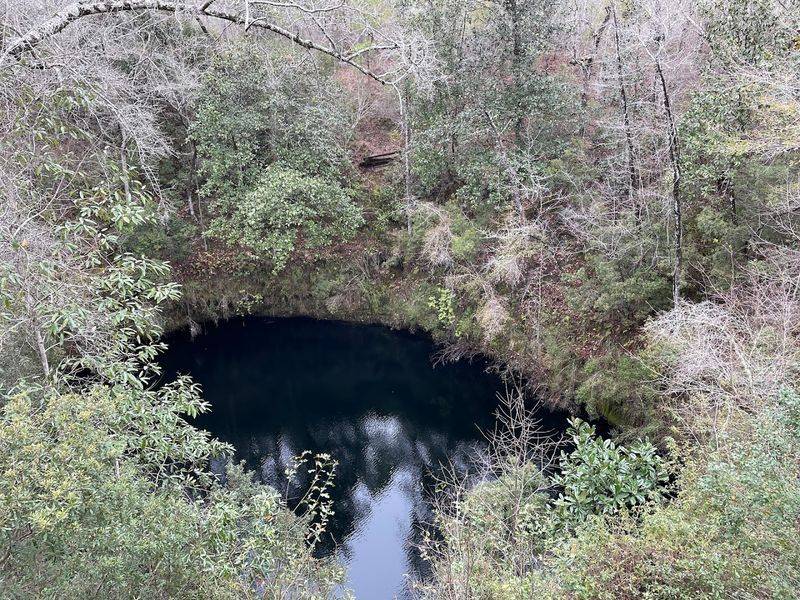
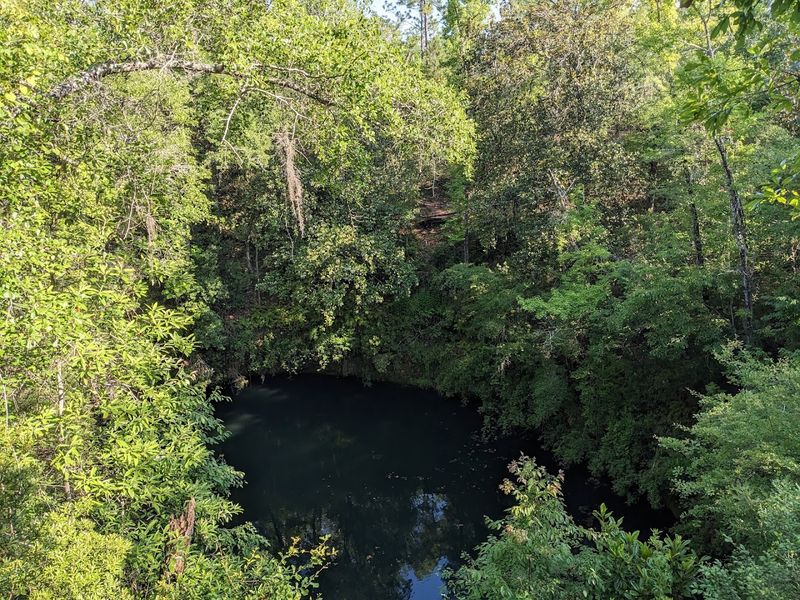
The trail passes more than a dozen named sinkholes, each with distinct characteristics that make them worth individual attention. Big Dismal Sink stands out as the most dramatic, a massive collapsed chamber that drops away into darkness.
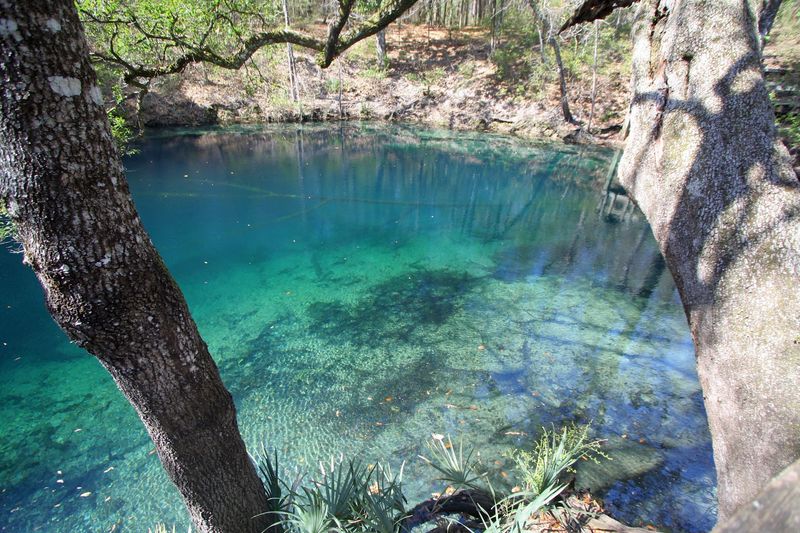
Hammock Sink sits just half a mile from the trailhead and offers that first breathtaking view of blue water filling a limestone bowl.
Gopher Hole Cave provides the closest encounter with an actual cave opening, located only 0.2 miles from the parking area. Visitors can peer directly into the entrance and sometimes spot white crayfish adapted to the lightless environment.
Other sinks remain dry, their floors covered in leaf litter and hosting their own ecosystems of ferns and shade-loving plants.
The variety keeps the hike from feeling repetitive despite the relatively short distance. Wet sinks change appearance throughout the year as water levels rise and fall, while dry sinks reveal their internal structure more clearly.
Educational signs at each major feature explain how that particular formation developed and what makes it geologically significant to researchers studying karst processes.
Seasonal Water Levels Transform The Scenery
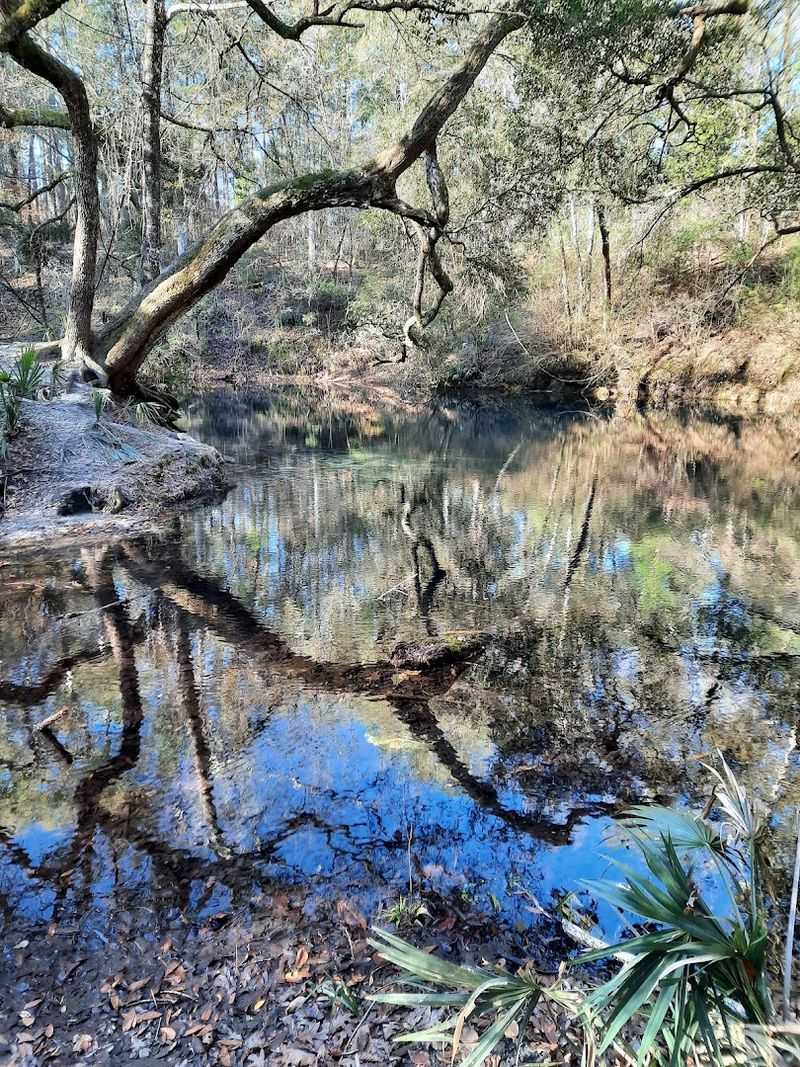
Rainfall patterns dictate how much water fills the various sinks throughout the year, creating a landscape that shifts between seasons. Summer typically brings higher water levels as afternoon thunderstorms dump rain across the region.
Winter and spring offer different perspectives, with some sinks partially or completely drained, exposing their rocky interiors.
The wet season transforms certain sinkholes into dark pools that reflect the forest canopy overhead, their surfaces occasionally rippling when turtles or fish break through. Dry periods reveal the true depth and structure of these formations, showing the layers of limestone and the organic debris that accumulates at their bottoms.
Photographers find both conditions appealing for different reasons.
Visitors who return multiple times throughout the year report that the trail never looks quite the same twice. Water levels affect which sections of the Gum Swamp Trail remain passable without wading, with some reviews mentioning flooded stretches during particularly wet periods.
The dynamic nature of the hydrology here means planning your visit around recent weather can significantly influence what you’ll encounter along the route.
Boardwalks That Bring You Close To The Edge
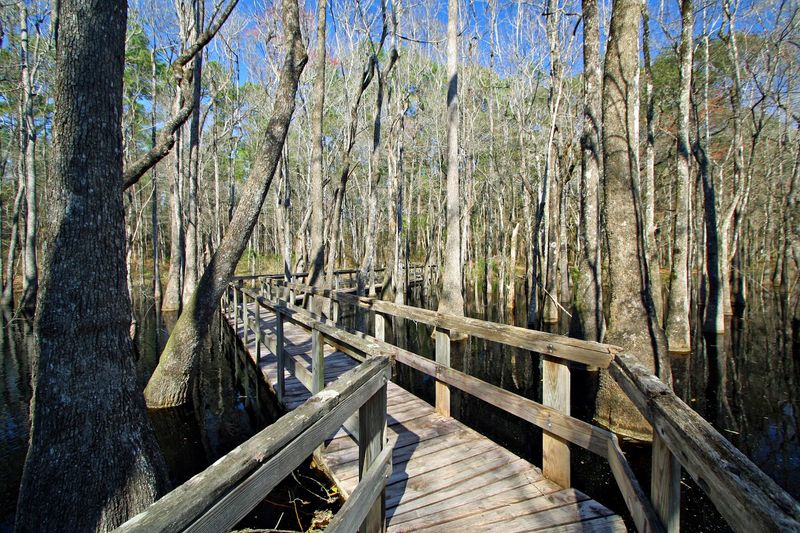
Constructed boardwalks and viewing platforms allow visitors to approach the edges of major sinkholes safely without contributing to erosion or risking a fall. These structures extend out over some of the deeper formations, providing perspectives that would otherwise require climbing equipment or accepting considerable danger.
The engineering remains unobtrusive, blending into the forest environment while serving its protective purpose.
Hammock Sink features one of the most impressive overlooks, where you can stand directly above blue water and peer down into the depths. The boardwalks also protect the fragile vegetation that clings to the limestone walls, plants adapted to the unique microclimate created by the sinks.
Maintenance crews keep these structures in good repair, though occasional closures for repairs do occur.
The platforms serve double duty as gathering spots where families pause to rest and take photographs. During busy weekends, you might wait briefly for your turn at the prime viewing positions, though the park rarely feels crowded.
These thoughtful additions make the geological features accessible to visitors who might struggle with scrambling over rocks or navigating steep slopes independently.
A Rare Look At Underground Cave Systems
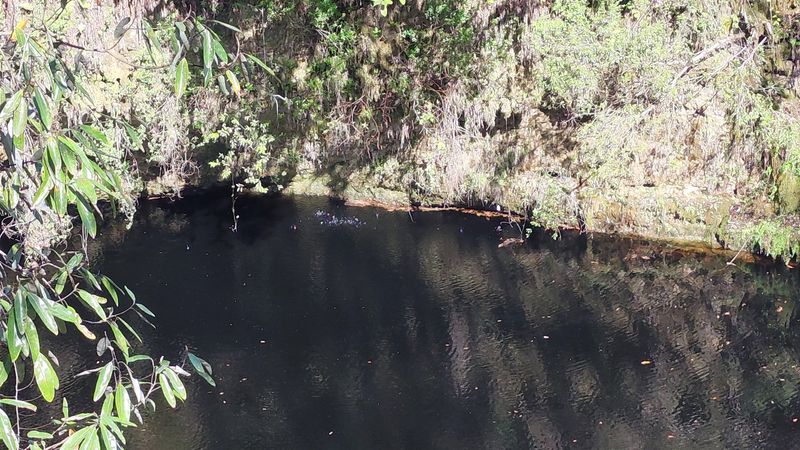
Gopher Hole Cave stands as the most accessible cave feature in the area, its entrance yawning open just minutes from where you park. The opening measures large enough to peer inside without any spelunking required, though entering the cave system requires proper equipment and experience.
Sunlight penetrates only the first few feet, beyond which darkness takes over completely.
The cave connects to a vast network of underground passages that extend throughout the Woodville Karst Plain, though most remain unexplored by casual visitors. Specialized cave divers have mapped portions of the underwater cave systems that link various sinks, revealing connections invisible from the surface.
These explorations help scientists understand groundwater flow patterns and aquifer recharge mechanisms.
Standing at the cave entrance on a summer day, you can feel cool air exhaling from the depths, several degrees colder than the forest temperature. The cave hosts populations of adapted organisms including blind crayfish and various invertebrates that have evolved without pigmentation or functional eyes.
Observing the entrance provides enough of a thrill for most hikers without requiring any underground navigation.
Wildlife Thrives In The Hardwood Forest
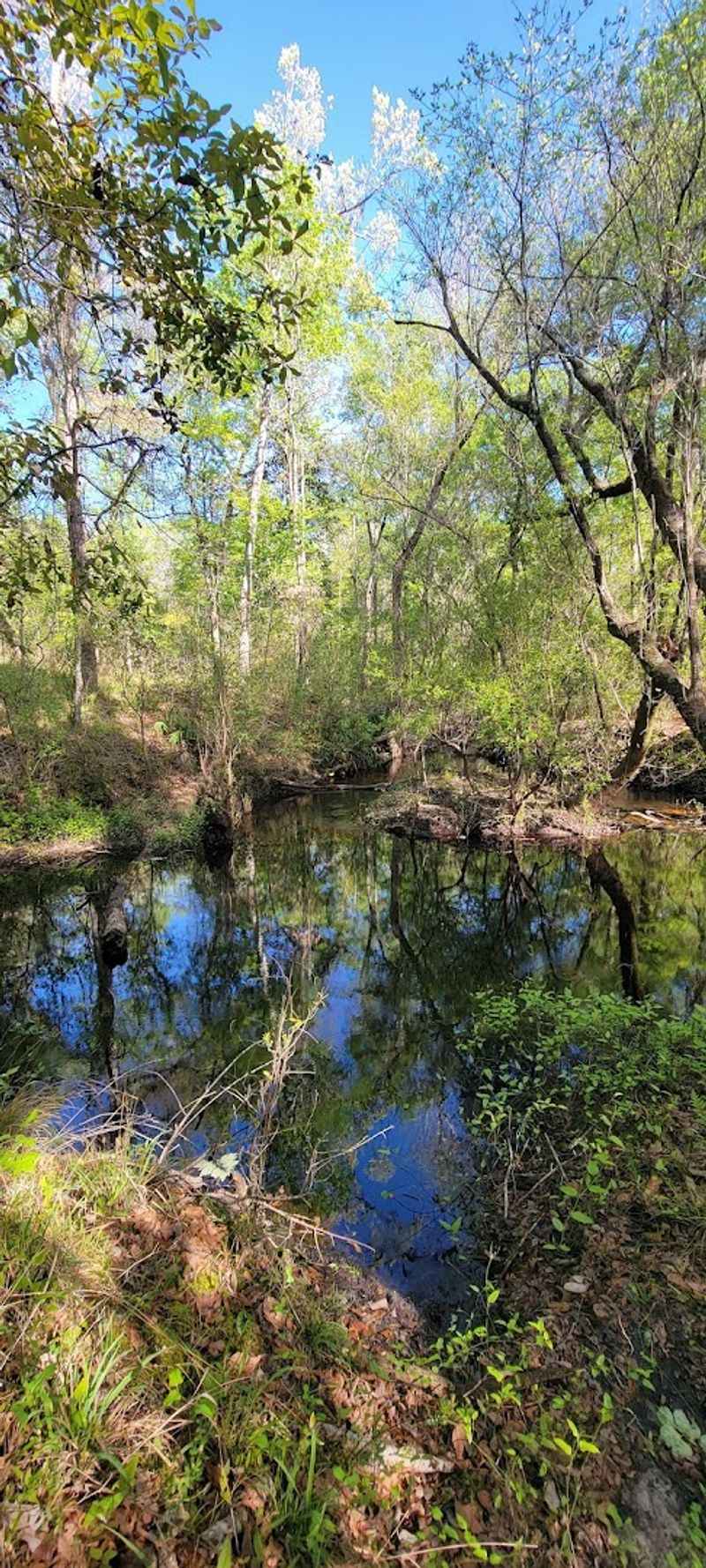
The hardwood forest surrounding the sinkholes supports populations of white-tailed deer, gray foxes, and numerous bird species that appreciate the mature canopy. Hikers frequently spot gopher tortoises, the species that gives Gopher Hole Cave its name, though the cave itself was formed by water rather than digging.
The forest composition includes southern magnolia, live oak, and various hickory species that provide food and shelter for wildlife.
Birdwatchers bring binoculars to catch glimpses of woodpeckers, including the impressive pileated variety, along with various warblers during migration seasons. The sinkholes themselves create unique habitats where moisture-loving species congregate, particularly around the wet sinks.
Turtles bask on logs in the water-filled formations, and occasionally alligators take up residence, though they tend to avoid areas with heavy foot traffic.
Insect life proves abundant, particularly during warmer months when ticks and spiders appear in force. Multiple reviews mention encounters with banana spiders, whose large webs span the trail in places.
Bug spray and long pants help manage these encounters, allowing you to appreciate the ecological richness without becoming a meal yourself.
Surprisingly Rugged Terrain For Florida
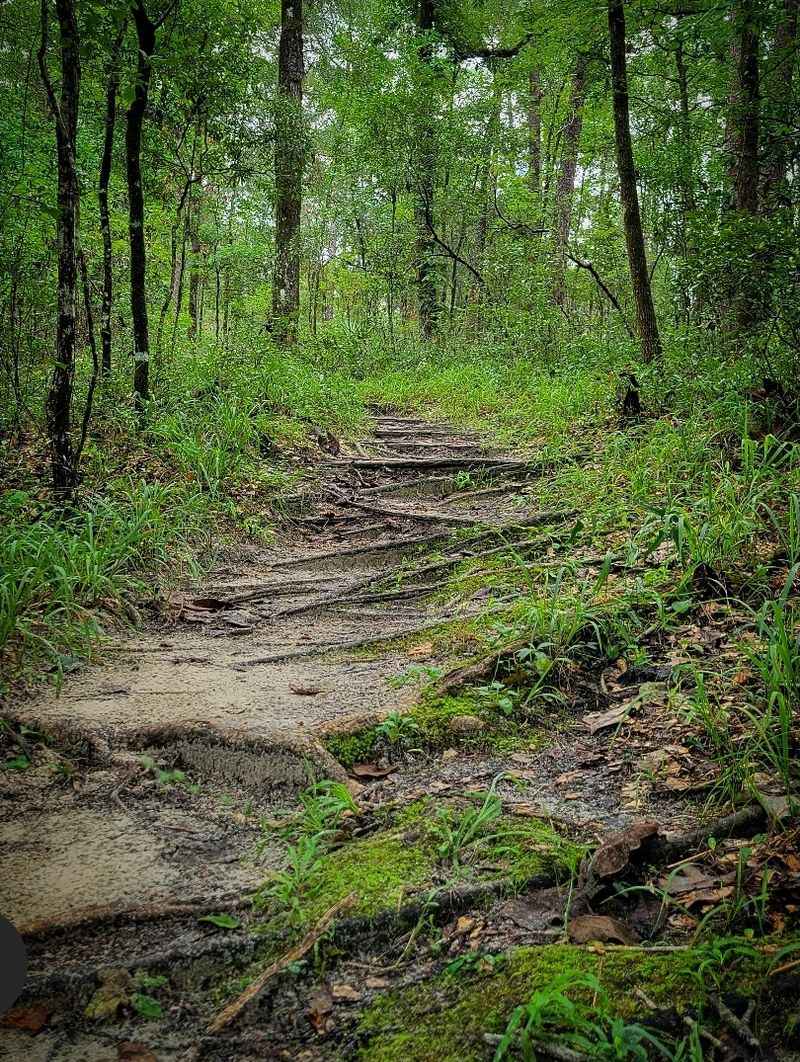
Florida trails typically run flat and sandy, making Leon Sinks something of an anomaly with its elevation changes and exposed limestone. The path climbs and descends around the sinkhole formations, creating modest hills that feel significant in a state known for its pancake topography.
Tree roots cross the trail in many sections, requiring attention to foot placement rather than the zoned-out walking possible on paved paths.
The terrain around the sink edges can become slippery after rain, with wet leaves covering limestone that offers little traction. Some sections require brief scrambles over rocks or careful navigation around muddy patches, particularly on the less-maintained portions of the Gum Swamp Trail.
This ruggedness adds to the adventure rather than detracting from it, making the hike feel more substantial than its mileage suggests.
Footwear matters here more than on typical Florida trails, with several reviewers recommending proper hiking shoes rather than sandals or casual sneakers. The varied terrain also means the trail takes longer to complete than you might expect based purely on distance, with most hikers reporting two to three hours for the full loop when stopping to examine the geological features.
A Quiet Escape Near Tallahassee
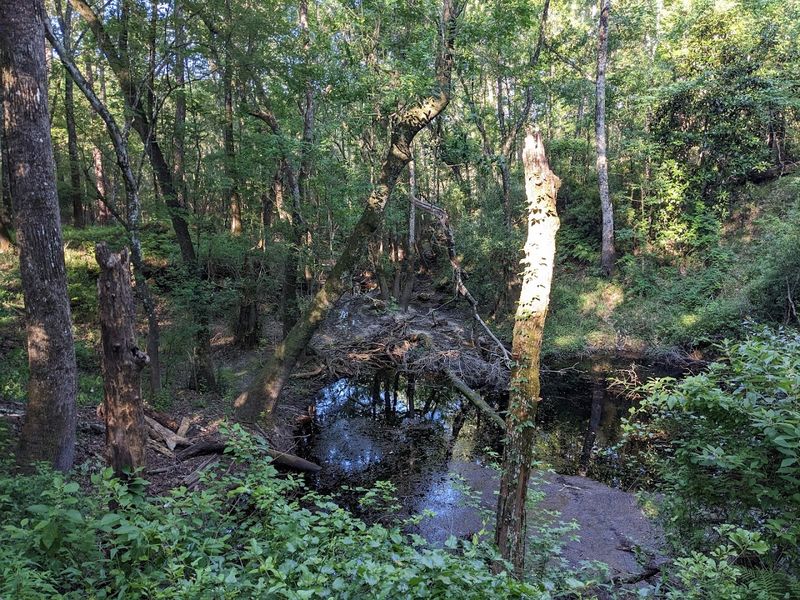
Leon Sinks sits just fifteen minutes south of Tallahassee on Highway 319, close enough for a quick escape from city noise but remote enough to feel genuinely isolated. The proximity makes it popular with locals seeking a midweek nature break, though weekdays often see few visitors beyond retirees and homeschooling families.
The parking lot accommodates RVs and buses in addition to regular vehicles, suggesting the area handles group visits without feeling overrun.
The forest canopy muffles sound effectively, creating pockets of quiet where bird calls and rustling leaves provide the only audio. Even on weekends when more cars fill the parking area, the trail system disperses people sufficiently that you might walk twenty minutes without encountering another soul.
This solitude enhances the experience of standing above a sinkhole, allowing contemplation of geological time without modern distractions.
The area belongs to Apalachicola National Forest, which means development pressures remain minimal and the land receives federal protection. A resident camp host maintains the facilities and occasionally shares knowledge about the formations with interested visitors, adding a personal touch to what could otherwise feel like an isolated experience.
Ideal For A Half-Day Adventure
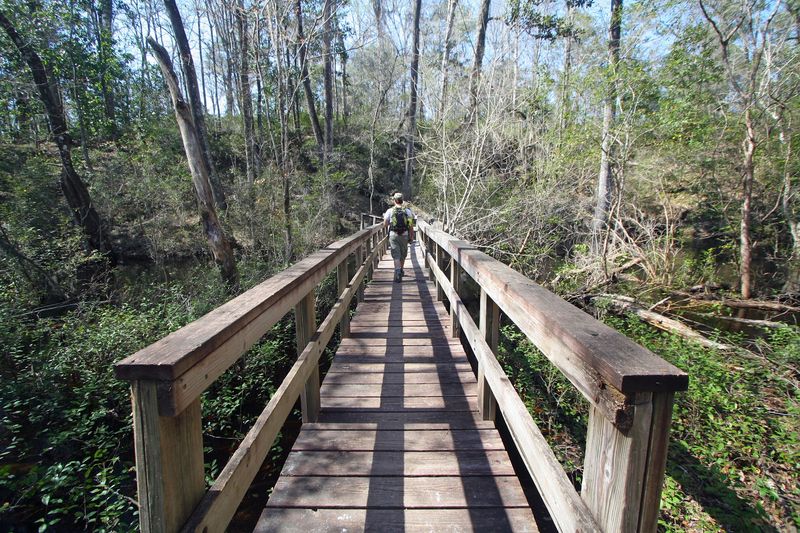
The trail system accommodates various time commitments, from the twenty-minute out-and-back to Gopher Hole Cave up to a three-hour exploration of both the Sinkhole Trail and Gum Swamp Trail. Most visitors find that two to three hours provides sufficient time to see the major features without rushing, leaving the rest of the day free for other activities.
The park opens at 8 AM and closes at 6 PM, giving plenty of daylight for a morning or afternoon visit.
Families with young children report successful outings here, with kids as young as two completing the main loop given enough snack breaks and time to explore. The educational plaques provide built-in stopping points where children can rest while learning something about the landscape.
Picnic tables near the parking area allow for a packed lunch before or after hiking.
The facility includes clean restrooms, though reviews warn they can get uncomfortably hot during summer months. Water fountains provide refills, eliminating the need to carry excessive amounts from home.
The combination of accessibility, moderate distance, and compelling features makes Leon Sinks an excellent introduction to Florida’s natural areas for visitors more familiar with beach vacations than forest exploration.