
This Texas City Makes Groceries, Gas, And Dining Out Feel Affordable Again

In many cities, everyday errands can feel like a financial workout. Then there’s Brownsville, where filling up the tank, stocking the fridge, and sitting down for a good meal don’t come with the same sting.
Life moves at a different pace here, and so do the prices. Set along the Rio Grande at the southern edge of Texas, Brownsville has managed to keep living costs surprisingly manageable even as other parts of the state grow more expensive.
Gas stations, grocery aisles, and neighbourhood restaurants still offer value that feels hard to find elsewhere. For residents and visitors alike, it’s a place where stretching your budget doesn’t mean settling for less.
One Of The Most Affordable Cities In The Country
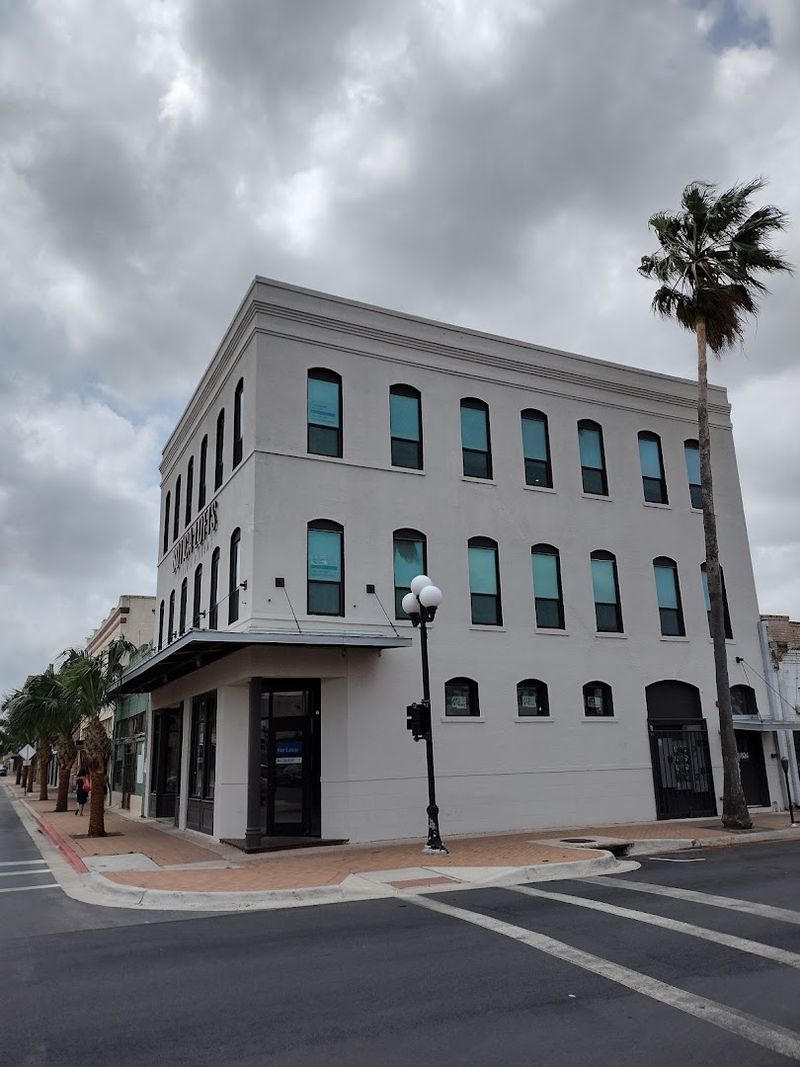
Brownsville consistently ranks among the most budget-friendly places to live in America, a distinction that becomes clear the moment you start comparing basic costs. The city’s location at the border creates unique economic conditions that help keep prices lower than in Austin, Houston, or Dallas.
Families moving here often discover they can afford a comfortable lifestyle that felt out of reach in larger metros.
Housing represents the most dramatic savings, but the affordability extends into nearly every category of household spending. Utilities run cheaper than the state average.
Property taxes remain manageable compared to urban centers experiencing rapid growth. Insurance premiums tend to reflect the lower cost of living rather than inflated metropolitan rates.
The overall economic environment allows residents to build savings or redirect funds toward experiences rather than survival. Young professionals starting careers find they can actually put money aside each month.
Retirees appreciate how their fixed incomes stretch considerably further here than in coastal cities or even mid-sized Texas towns facing development pressure.
Groceries That Cost Less Than In Major Texas Metros
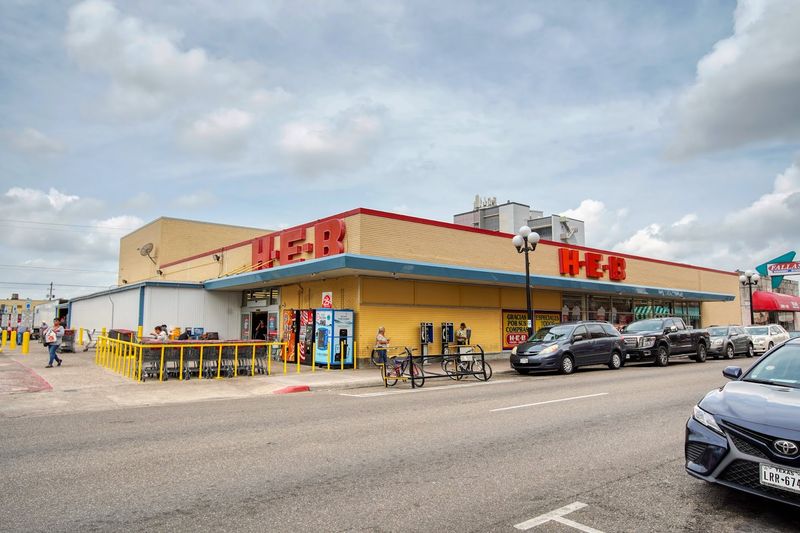
Walking through a Brownsville supermarket reveals price tags that make you do a double-take if you’ve been shopping in San Antonio or Fort Worth recently. Staple items like milk, bread, eggs, and chicken regularly ring up for noticeably less than what urbanites pay.
The difference adds up quickly when you’re feeding a family or simply trying to maintain a healthy diet without constant financial stress.
Multiple grocery chains compete for customers here, which helps keep prices competitive across the board. Local markets and smaller stores add to the mix, offering alternatives that sometimes beat the big retailers on specific items.
Smart shoppers learn which stores excel at produce versus packaged goods and adjust their routes accordingly.
The savings become particularly evident during monthly shopping trips when you compare receipts to what friends or relatives spend elsewhere. A cart full of basics that might cost two hundred dollars in a major metro often comes in thirty or forty dollars cheaper here.
Those differences accumulate over weeks and months into significant household savings.
Gas Prices That Stay Competitive
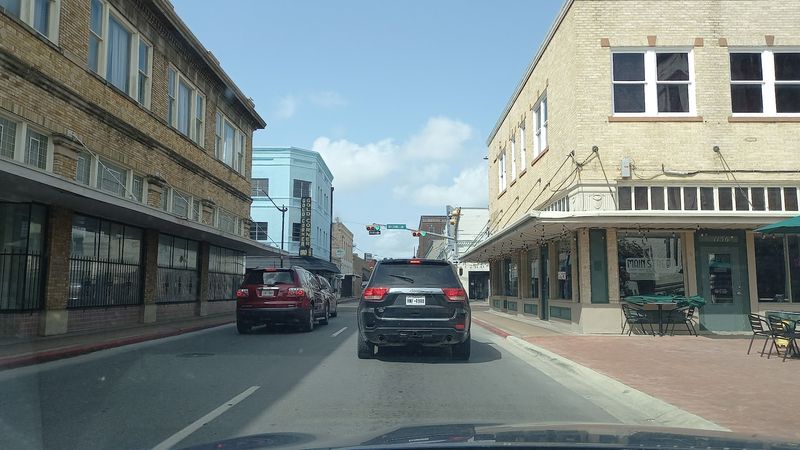
Fuel costs in Brownsville tend to hover below state averages, a welcome relief for anyone who remembers when filling a tank felt like a small mortgage payment. The city’s proximity to refineries and distribution networks along the Gulf Coast contributes to this pricing advantage.
Commuters and road-trippers alike benefit from rates that typically undercut what drivers pay in central and north Texas.
Several stations cluster near major intersections, creating healthy competition that keeps prices in check. Independent operators and major brands both vie for customers, leading to frequent price adjustments that favor consumers.
Loyalty programs and local discounts add another layer of savings for regular patrons who pay attention.
The difference might seem modest on a single fill-up, but it compounds quickly for households with multiple vehicles or long commutes. Families driving across the Rio Grande Valley for work or school appreciate how those few cents per gallon translate into real money over time.
Commercial drivers and small business owners operating fleets find the savings even more meaningful to their bottom lines.
Dining Out Without Sticker Shock
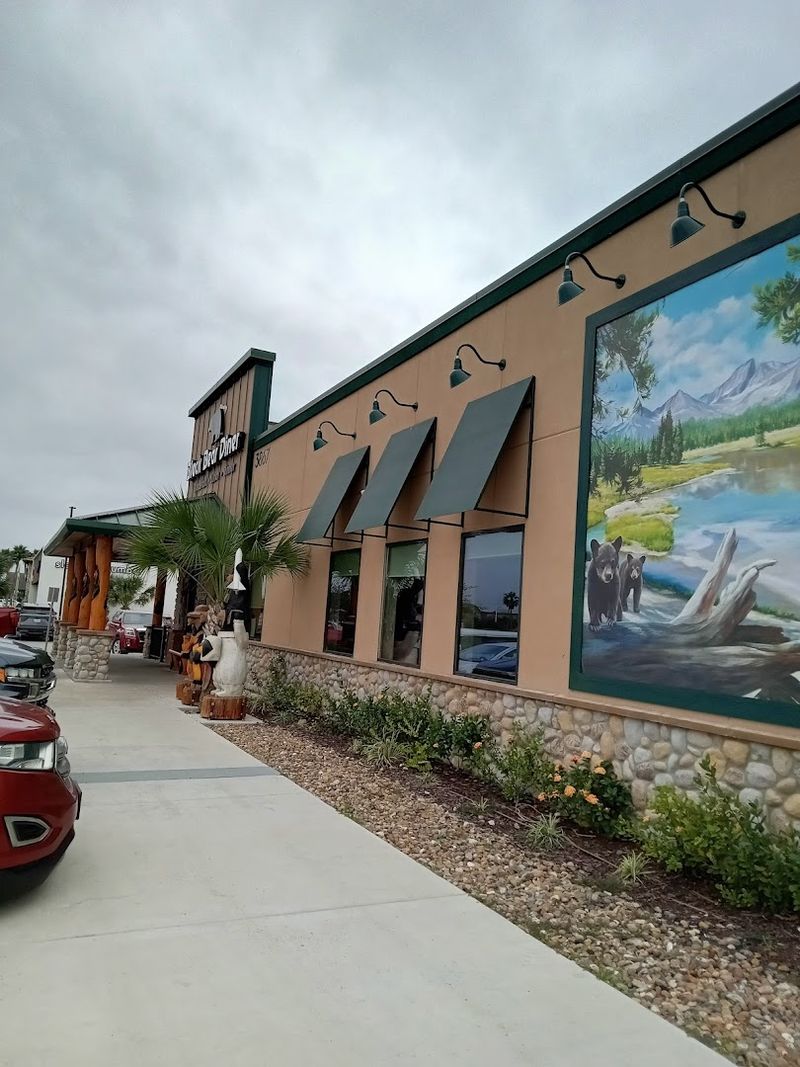
Restaurant menus in Brownsville offer a refreshing reminder that eating out doesn’t have to drain your wallet. A satisfying meal at a local establishment often costs what appetizers alone might run in trendier Texas cities.
The culinary scene here prioritizes substance and flavor over inflated prices designed to signal exclusivity or sophistication.
Authentic Mexican cuisine dominates many menus, reflecting the city’s cultural heritage and proximity to Matamoros across the border. Generous portions of expertly prepared tacos, enchiladas, and seafood dishes arrive at prices that feel almost quaint compared to urban restaurant tabs.
American comfort food, Asian fusion spots, and seafood houses round out the options with similarly reasonable pricing structures.
Families can actually afford to dine out regularly rather than treating restaurants as rare splurges. Date nights don’t require careful budget planning weeks in advance.
Groups of friends gathering for meals find they can order freely without anxiety about splitting an astronomical check. The experience shifts from financial stress to genuine enjoyment of good food and company.
A Strong Local Market And Small Business Scene
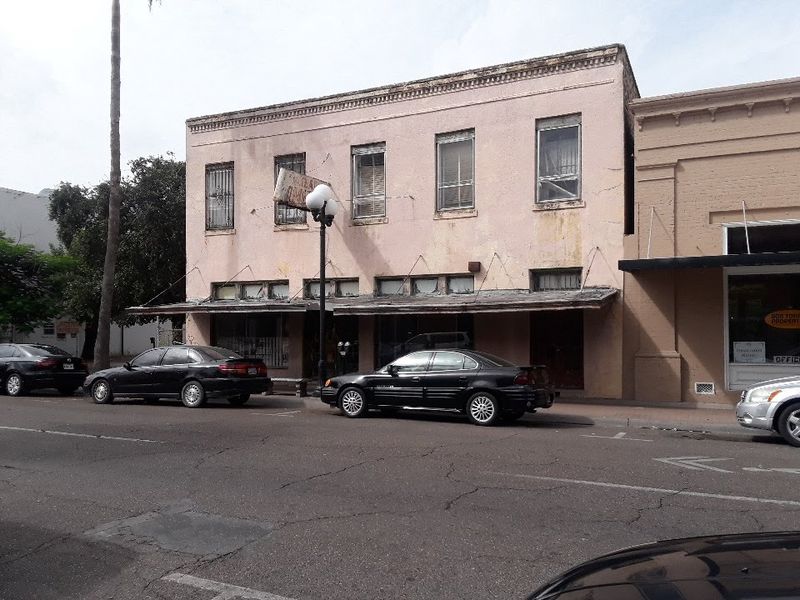
Small businesses and local markets form the backbone of Brownsville’s commercial landscape, creating an ecosystem where competition and community values keep prices fair. Family-owned shops that have served the area for generations understand their customers’ financial realities.
These establishments price goods and services to build loyalty rather than maximize every transaction.
Farmers markets and roadside stands offer direct access to regional produce without the markup that comes from lengthy supply chains. Artisans and craftspeople sell handmade goods at prices reflecting actual labor and materials rather than boutique branding premiums.
Service providers from mechanics to hair stylists charge rates that acknowledge local income levels instead of importing big-city pricing models.
The strong small business presence creates alternatives to national chains that might otherwise dominate the market and dictate prices. Residents can shop around and find quality goods or services at various price points that suit different budgets.
This diversity of options prevents any single business model from inflating costs across entire categories of products or services.
Lower Housing Costs Free Up Extra Spending Power
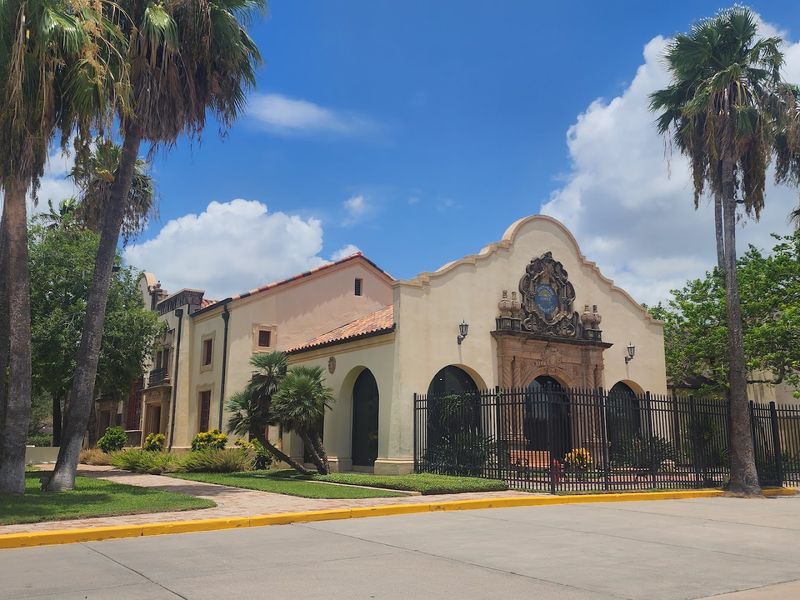
Housing expenses consume a smaller percentage of household income in Brownsville than in most American cities, fundamentally changing how families manage their finances. Mortgage or rent payments that might claim half of someone’s paycheck elsewhere often take a more reasonable thirty percent here.
That difference liberates hundreds of dollars monthly for other priorities or savings goals.
Homebuyers discover they can afford larger properties with actual yards rather than cramped condos or distant suburban compromises. Renters find decent apartments at rates that don’t force them into questionable neighborhoods or long commutes.
The reduced housing burden allows people to build emergency funds, invest in education, or simply enjoy life without constant financial anxiety.
The ripple effects extend throughout the local economy as residents have disposable income to support restaurants, shops, and entertainment venues. Young adults can move out on their own without requiring multiple roommates or parental subsidies.
Families upgrade vehicles, take vacations, or pursue hobbies that remain out of reach when housing costs dominate every budget conversation.
Border City Advantages Influence Pricing

Brownsville’s position as a border city creates unique economic dynamics that benefit consumers in ways that inland communities cannot replicate. Cross-border trade and cultural exchange foster competitive pricing as businesses recognize that customers have options on both sides of the Rio Grande.
This reality keeps local merchants honest about their rates and attentive to value propositions.
The constant flow of goods and people across international bridges introduces pricing pressures that work in favor of shoppers. Retailers know that residents can easily compare prices or make purchases across the border when American markups become excessive.
This competitive environment prevents the kind of pricing isolation that allows costs to drift upward unchecked in more geographically isolated markets.
Cultural norms around commerce also play a role, as many business owners maintain connections to Mexican traditions of fair dealing and customer relationships. The economic integration of the region means that labor markets, supply chains, and consumer expectations all reflect binational influences.
These factors combine to create a pricing environment distinctly different from interior Texas cities.
Fresh Produce At Accessible Prices

The Rio Grande Valley’s agricultural abundance translates directly into affordable fresh produce throughout Brownsville. Citrus groves, vegetable farms, and specialty crops thrive in the subtropical climate, reducing transportation costs and keeping prices low.
Shoppers can buy seasonal fruits and vegetables at rates that make healthy eating financially feasible rather than a luxury reserved for higher income brackets.
Local growers sell directly to consumers at markets and roadside stands, eliminating middlemen who add markups at each supply chain stage. The region’s long growing season means fresh options remain available year-round rather than forcing reliance on expensive imports during winter months.
Staples like tomatoes, peppers, onions, and leafy greens cost a fraction of what northern cities pay.
The availability of affordable produce influences eating habits throughout the community, making nutritious meals achievable on modest budgets. Families can fill their carts with colorful vegetables without watching every penny or resorting to processed alternatives.
The connection between local agriculture and consumer prices remains visible and immediate in ways that urban supermarket shoppers rarely experience.
Casual Dining That Feels Like A Value
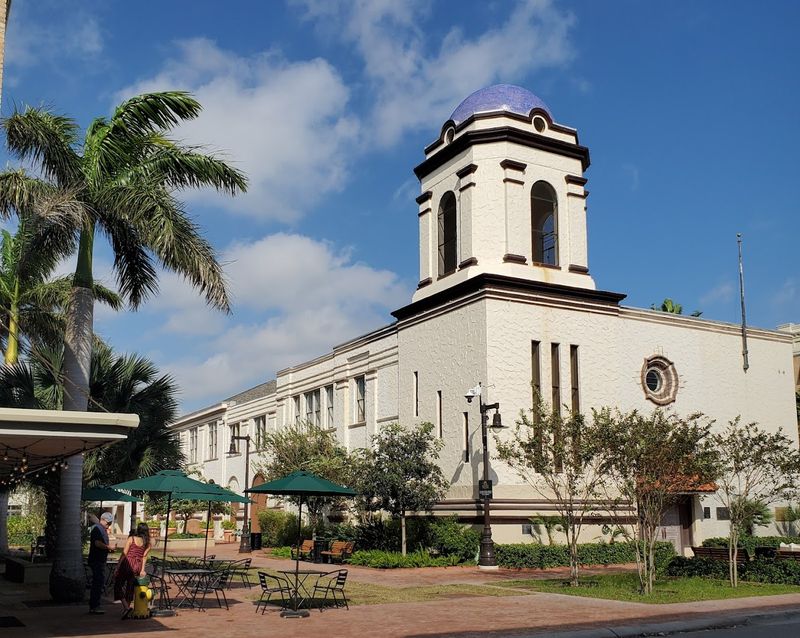
Casual eateries throughout Brownsville deliver quality meals at prices that remind you dining out used to be accessible entertainment rather than special occasion spending. Taquerias, burger joints, seafood shacks, and family restaurants serve generous portions that satisfy appetites without requiring careful menu navigation to avoid budget-busting entrees.
The atmosphere stays relaxed and welcoming rather than pretentious or calculated to justify inflated prices.
Many establishments have operated for decades under the same ownership, building reputations on consistent quality and fair pricing rather than trendy concepts or social media buzz. These restaurants understand their customers return because the food delivers value, not because of manufactured scarcity or artificial exclusivity.
Lunch specials and daily deals make midday meals affordable for working people grabbing quick bites.
The casual dining scene reflects genuine community gathering spaces where conversation and connection matter as much as the food itself. Servers often remember regular customers by name and preference.
The experience feels authentic rather than engineered, and the prices match that unpretentious approach to hospitality and nourishment.
Everyday Essentials That Don’t Strain The Budget

Basic household necessities from cleaning supplies to personal care products cost noticeably less in Brownsville than in metropolitan areas where even mundane purchases feel overpriced. The cumulative effect of saving a dollar here and two dollars there on toilet paper, detergent, shampoo, and similar items adds up to meaningful monthly savings.
Shopping for everyday essentials stops feeling like financial punishment and returns to simple household maintenance.
Discount retailers and dollar stores compete alongside traditional chains, creating multiple options for budget-conscious shoppers. Bulk buying becomes genuinely economical rather than requiring warehouse club memberships that offset savings.
Generic and store brands offer quality alternatives at prices that make brand loyalty feel optional rather than obligatory.
The ability to purchase household basics without budget stress removes a constant source of financial anxiety that many Americans have normalized. Families can stock up when sales appear rather than rationing supplies until the next paycheck.
Running out of soap or paper towels becomes a minor inconvenience rather than a budget crisis requiring careful consideration of competing priorities.