
The Peaceful Town In New York Where Neighbors Still Wave And Life Moves A Bit Slower, Even In 2026
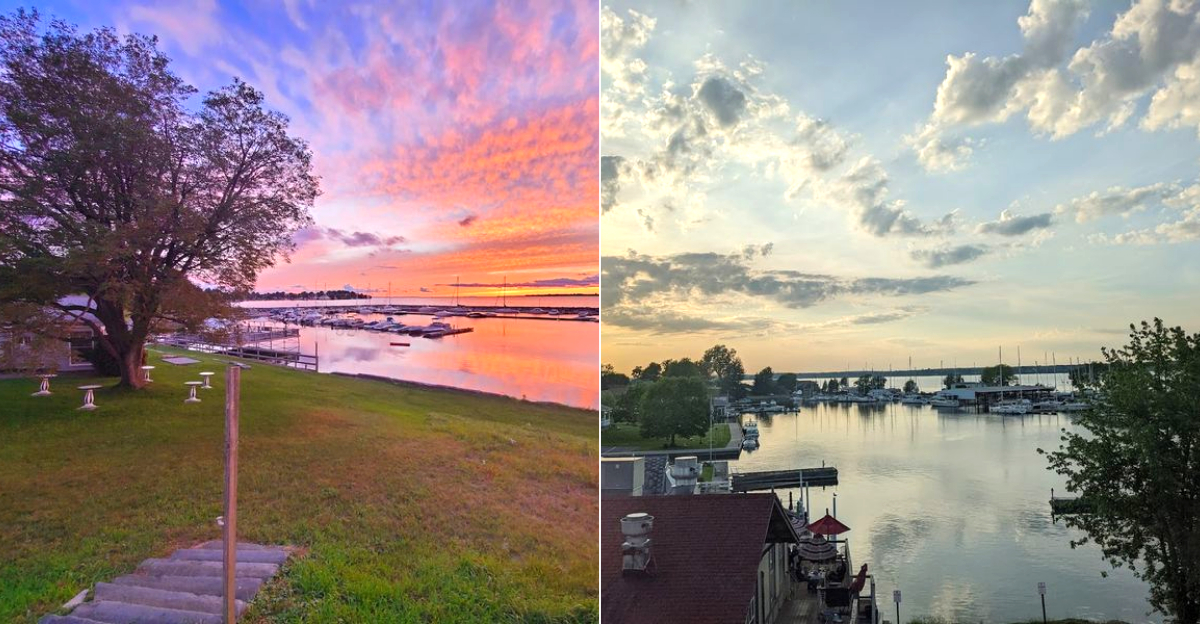
There’s a moment when you realise nobody’s in a rush here, and it feels almost suspicious at first. Cars slow down.
People make eye contact. Someone actually waves and you’re like… wait, are we doing this now? In New York, that kind of calm doesn’t show up everywhere, which is exactly why it stands out.
You walk around and things just feel easier. Small shops. Quiet streets. Conversations that don’t feel cut short. Time stretches a little in the nicest way. It’s not trying to impress anyone, it just is, and that’s what makes it work.
In a state known for its fast pace, this New York town leans into something softer, slower, and genuinely welcoming. And after a little while, you realise how nice that actually feels.
A Place Where Your Morning Coffee Comes With Conversation
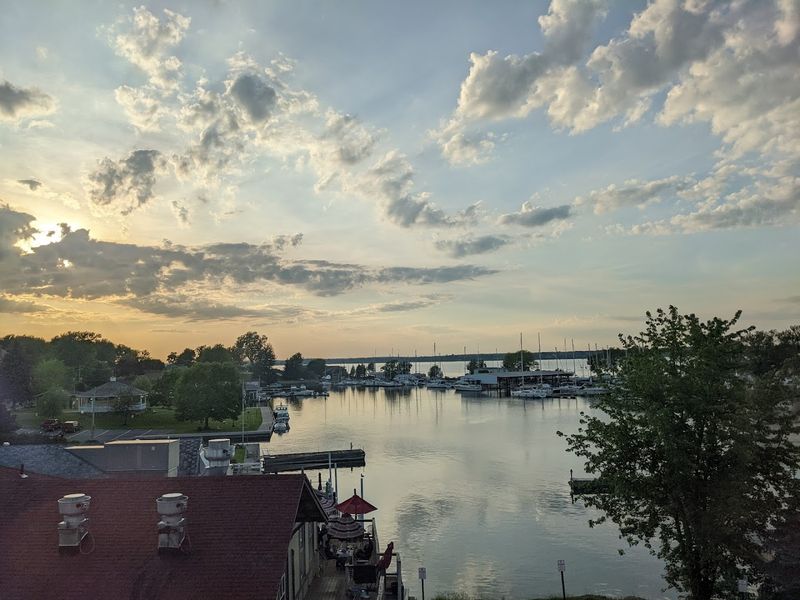
You know that feeling when you walk into a coffee shop and the barista actually remembers your name? Not because you’re special, but because you’re the seventh person through the door that morning and they’ve known your family for three generations.
That’s Sackets Harbor on a Tuesday. Or a Friday.
Or literally any day ending in Y.
The village operates on what I’ll call “porch time,” a measurement system completely divorced from digital clocks and productivity metrics. Conversations don’t wrap up because someone has to dash to their next obligation.
They end when they’re actually finished, which might be twenty minutes or two hours depending on whether someone’s cousin just got back from Florida or if the lake trout are biting.
Walking down Main Street feels like stepping into a place where social media never taught people to perform friendliness. The waves aren’t photo ops.
The hellos aren’t networking. Someone might stop their truck in the middle of the road to ask about your mother’s hip surgery, and the three cars behind them will wait without honking because they probably want to know too.
Where History Isn’t A Museum Exhibit But The Actual Scenery
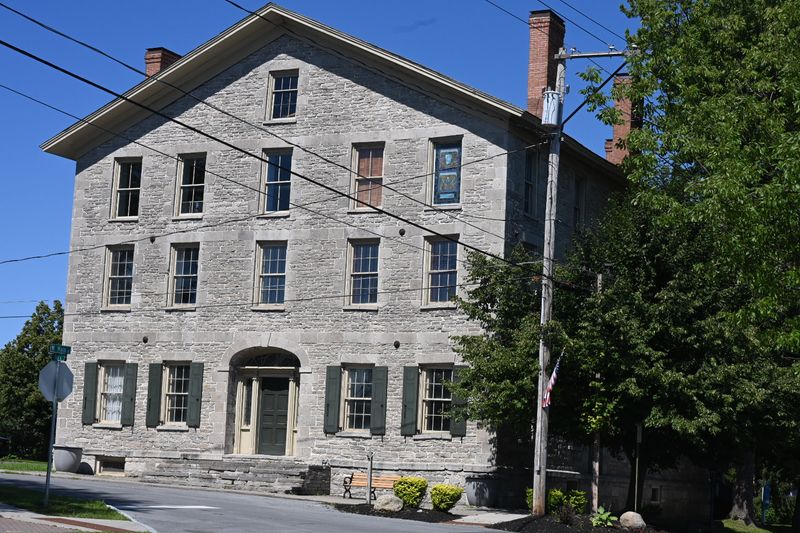
Sackets Harbor earned its place in American history books during the War of 1812, when it served as a crucial naval base and shipbuilding center. The British tried twice to capture it, and twice the village’s defenders sent them packing back across Lake Ontario with their pride considerably dented.
What makes this remarkable isn’t just the history itself but how it lives in the present landscape. The battlefield isn’t roped off behind velvet ropes with stern guards making sure you don’t touch anything.
It’s right there, integrated into the community fabric, where kids play and dogs get walked and the past coexists with ordinary life without requiring an admission fee.
The historic district centered around 505 West Main Street encompasses buildings that have weathered two centuries of winters without losing their character to vinyl siding and corporate rebranding. Stone structures built to withstand cannon fire now house shops and homes, their thick walls keeping interiors cool in summer through engineering that predates air conditioning by generations.
Walking these streets offers a masterclass in how communities can honor their heritage without becoming trapped in it, allowing history to inform the present rather than replace it.
The Lake That Sets The Pace For Everything
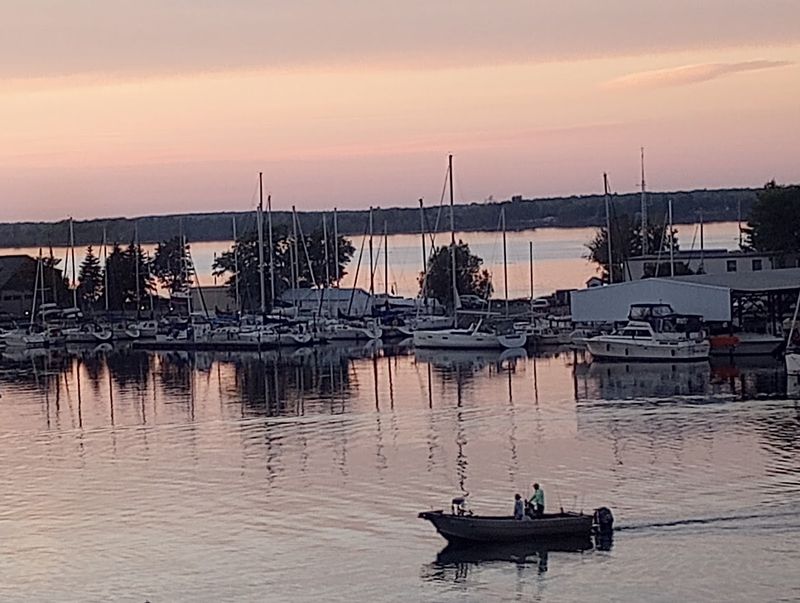
Lake Ontario doesn’t just provide Sackets Harbor with a picturesque backdrop. It fundamentally shapes how life unfolds here, dictating rhythms that have nothing to do with human schedules and everything to do with weather patterns, seasonal migrations, and water temperatures that couldn’t care less about your plans.
The harbor itself remains remarkably functional, not transformed into some sanitized tourist attraction with overpriced boat tours and novelty t-shirt shops. Real boats bob in real water, used by people who actually know the difference between port and starboard without Googling it.
Fishing happens here not as a quaint recreational activity but as something people do because they like eating fish they caught themselves.
Summer brings sailors who appreciate waters less crowded than the ocean coasts, where you can actually find solitude if you point your bow in the right direction. Winter transforms the landscape entirely, ice forming in patterns that look like abstract art created by a minimalist with unlimited canvas.
The lake’s moods inform daily conversations, weather observations replacing small talk about traffic or celebrity gossip, grounding community dialogue in shared environmental experience rather than manufactured controversy.
Small Town Dining Without The Ironic Food Truck
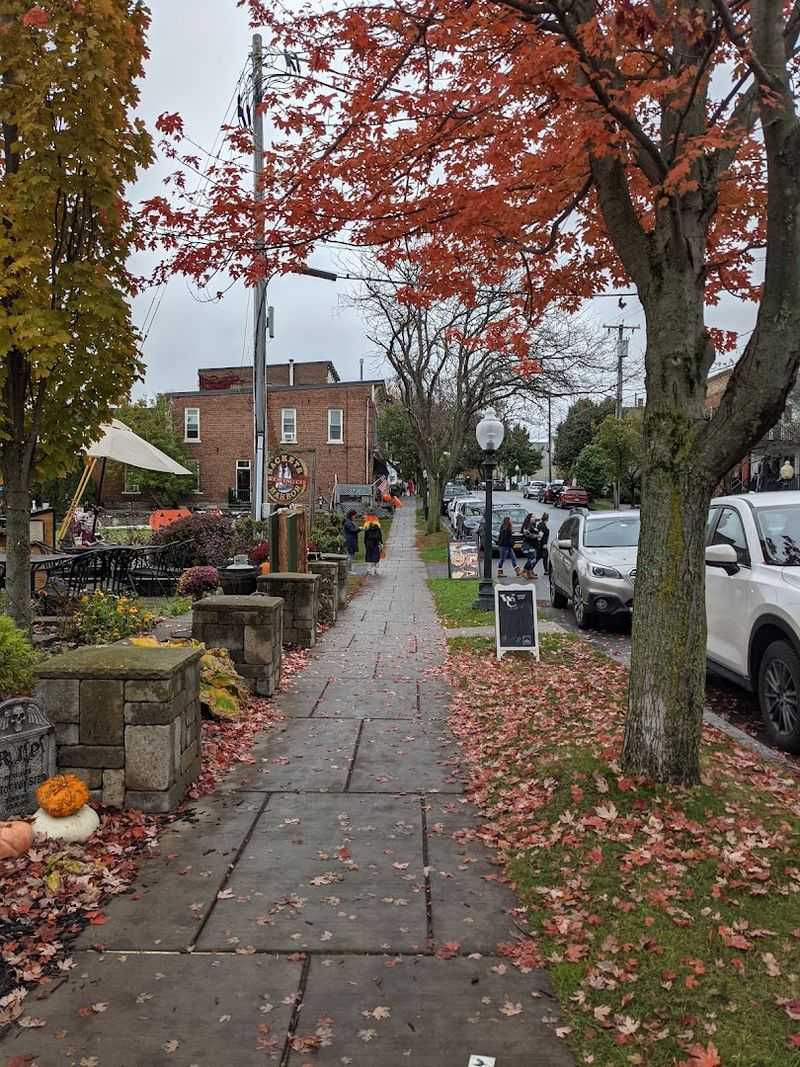
Eating in Sackets Harbor means accepting that your meal won’t arrive on a slate board or be described using words like “deconstructed” or “artisanal.” The restaurants here operate under the radical assumption that food should taste good and fill you up without requiring a culinary degree to decode the menu.
Local establishments serve the kind of cooking that grandmothers perfected over decades, recipes that survived because they worked rather than because they photographed well. Portions reflect an era when people burned calories through actual physical labor rather than expensive gym memberships.
Nobody apologizes for butter or salt or carbohydrates that haven’t been spiralized into vegetable imposters.
What strikes visitors most isn’t the food itself but the dining culture surrounding it. Meals happen slowly, stretched across conversation and laughter and the kind of storytelling that requires multiple tangents before circling back to the original point.
Servers know their customers by name and preference, remembering that Jim takes his coffee black and Susan can’t eat dairy without remembering to be told. The restaurant functions as community gathering space as much as commercial establishment, blurring lines between business transaction and social connection in ways that chain restaurants with their scripted greetings and timed table turns have completely forgotten.
Architecture That Survived Because Nobody Could Afford To Replace It
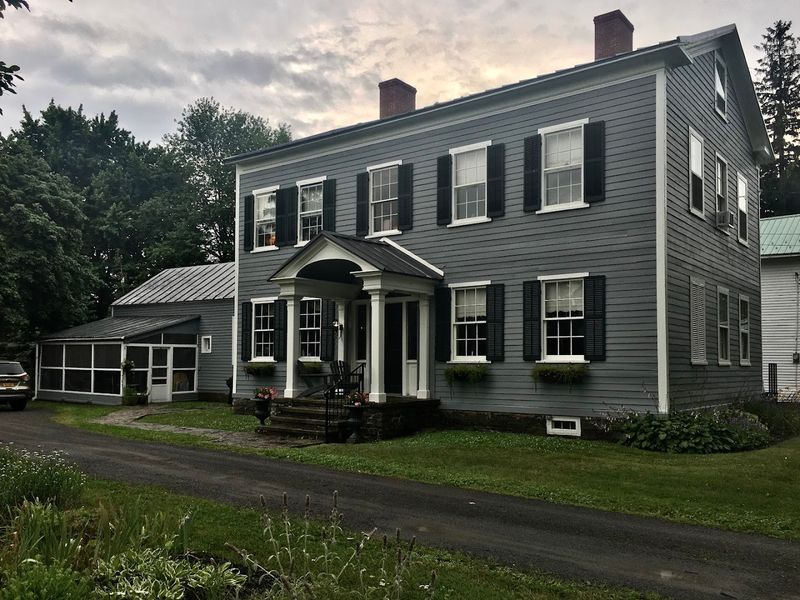
Economic booms often destroy more architectural heritage than economic busts, a counterintuitive truth perfectly illustrated in Sackets Harbor. When money floods into communities, old buildings get demolished to make room for whatever contemporary style currently dominates architectural magazines.
When money stays scarce, old buildings simply get maintained because replacement isn’t financially feasible.
Sackets Harbor’s building stock reflects this preservation through benign neglect turned intentional stewardship. Structures built when craftsmanship meant something beyond a marketing buzzword still stand because they were constructed to last centuries rather than decades.
Timber frames joined with actual joinery rather than nail guns. Stone foundations laid by masons who understood physics through practice rather than computer modeling.
The village avoided the aesthetic homogenization that plagues communities where every structure gets clad in identical vinyl siding purchased from the same big box store. Instead, buildings retain individual character, each reflecting the era of its construction and the preferences of its builders.
Walking through residential areas reveals architectural evolution spanning two centuries, a living timeline of American building traditions that hasn’t been bulldozed to make room for another strip mall or luxury condo development that looks identical to every other luxury condo development.
Where Kids Still Play Outside Without Helicopter Parents Hovering
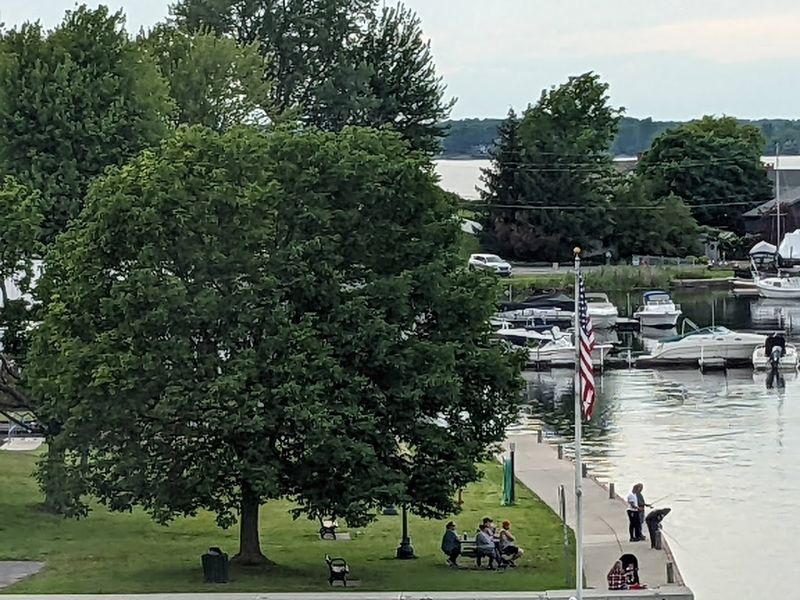
Childhood in Sackets Harbor resembles descriptions from books set in earlier decades, when kids disappeared after breakfast and returned at dinner without parents tracking their movements via smartphone apps. The village’s size and social structure create an environment where informal community supervision replaces paranoid oversight.
Everyone knows everyone, which sounds claustrophobic until you realize it creates accountability that electronic surveillance can’t replicate. Kids can’t get into too much trouble because Mrs. Henderson will mention it to their mother at the grocery store before they even get home.
This organic monitoring system allows freedom within boundaries, adventure within safety parameters established by community knowledge rather than parental anxiety.
The streets remain safe for bicycle riding not because of extensive bike lane infrastructure but because drivers actually watch for children and slow down in residential areas without requiring speed bumps every fifty feet. Parks and yards and the lakeshore become playgrounds where imagination matters more than expensive equipment, where boredom breeds creativity rather than screen time.
Kids learn navigation skills, social negotiation, conflict resolution, and independence through actual experience rather than structured activities designed by adults who read parenting books about fostering independence while never actually allowing any.
A Community Calendar Driven By Seasons Instead Of Sales Quarters
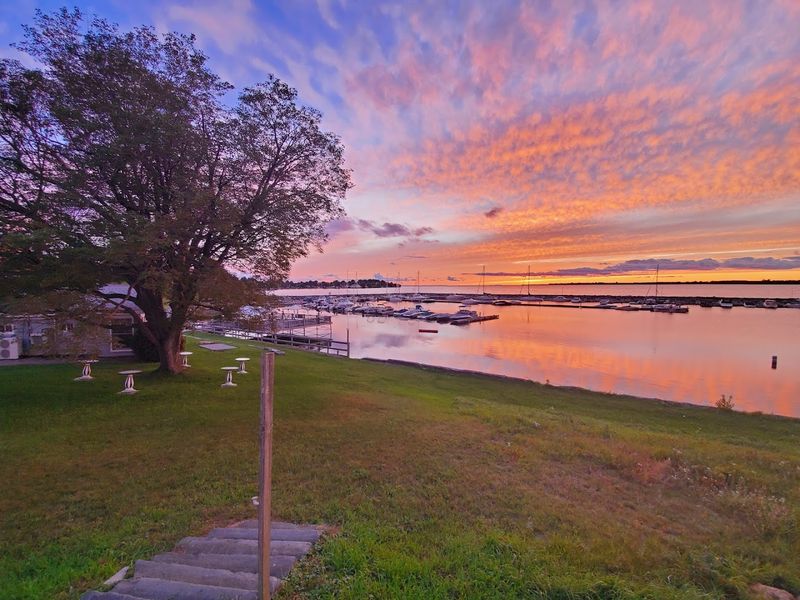
Corporate America divides the year into fiscal quarters and consumer holidays engineered to drive purchasing behavior. Sackets Harbor operates on a different calendar entirely, one dictated by Lake Ontario’s seasonal transformations and agricultural rhythms that predate quarterly earnings reports by millennia.
Spring means watching ice break up in the harbor, a process that varies annually and generates speculation and betting pools among residents who’ve observed the pattern for decades. Summer brings boating and fishing and the kind of outdoor living that requires no special equipment beyond willingness to be outside.
Fall transforms the surrounding landscape into color combinations that seem Photoshopped but aren’t, drawing leaf peepers who clog the roads before disappearing back to wherever leaf peepers come from.
Winter separates those who belong from those just visiting, as temperatures plummet and lake effect snow demonstrates why upstate New York earned its reputation. The village doesn’t shut down or hibernate but adapts, social life moving indoors to spaces heated by systems that actually work, unlike those temperamental units in newer construction.
Community events reflect seasonal realities rather than marketing campaigns, celebrations emerging from genuine tradition rather than commercial opportunity, creating a cultural calendar that feels authentic because it actually is.
The Economics Of Enough Instead Of More
Capitalism in Sackets Harbor operates at human scale, where business owners know their customers personally and success means comfortable living rather than exponential growth and eventual acquisition by private equity firms. The village economy lacks the dynamism that business publications celebrate, which turns out to be precisely its strength.
Shops and services exist to meet community needs rather than extract maximum profit from market inefficiencies. Prices reflect fair value rather than whatever algorithm determined people will pay.
Business relationships develop over years and decades, built on reputation and reliability rather than Yelp reviews and social media marketing campaigns.
This economic model frustrates people trained to believe growth equals success and stagnation equals failure. But Sackets Harbor demonstrates an alternative framework where stability creates value, where businesses surviving generations provide more community benefit than startups that burn bright and disappear.
The village won’t appear in articles about emerging markets or economic development success stories. It won’t attract venture capital or business accelerators or entrepreneurs seeking to disrupt industries.
Instead, it simply continues, year after year, providing residents with livelihoods sufficient for comfortable lives without the constant anxiety that accompanies precarious employment in more dynamic economies. Sometimes enough really is enough.