
12 Historic Towns In Tennessee That’ll Make You Feel Like You’re In A Timeless Postcard
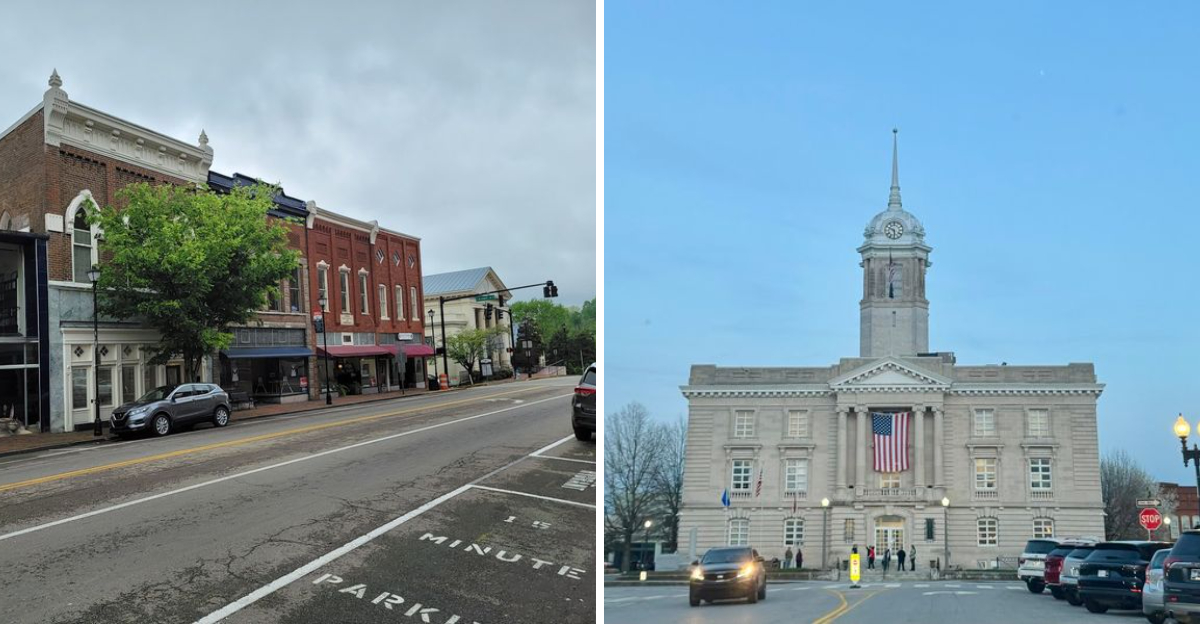
Not every destination needs big attractions to leave an impression, especially when history speaks for itself. Tennessee is filled with towns where brick storefronts, preserved homes, and quiet streets still reflect another era.
Walking through these places brings a slower rhythm, where courthouse squares and local shops create scenes that feel warm and familiar. Details like vintage signage, shaded sidewalks, and long-standing traditions give each town its own personality without losing that timeless charm.
Time spent here often feels unhurried, offering a chance to enjoy surroundings that still hold onto their past while continuing to welcome visitors with a genuine sense of character.
1. Jonesborough
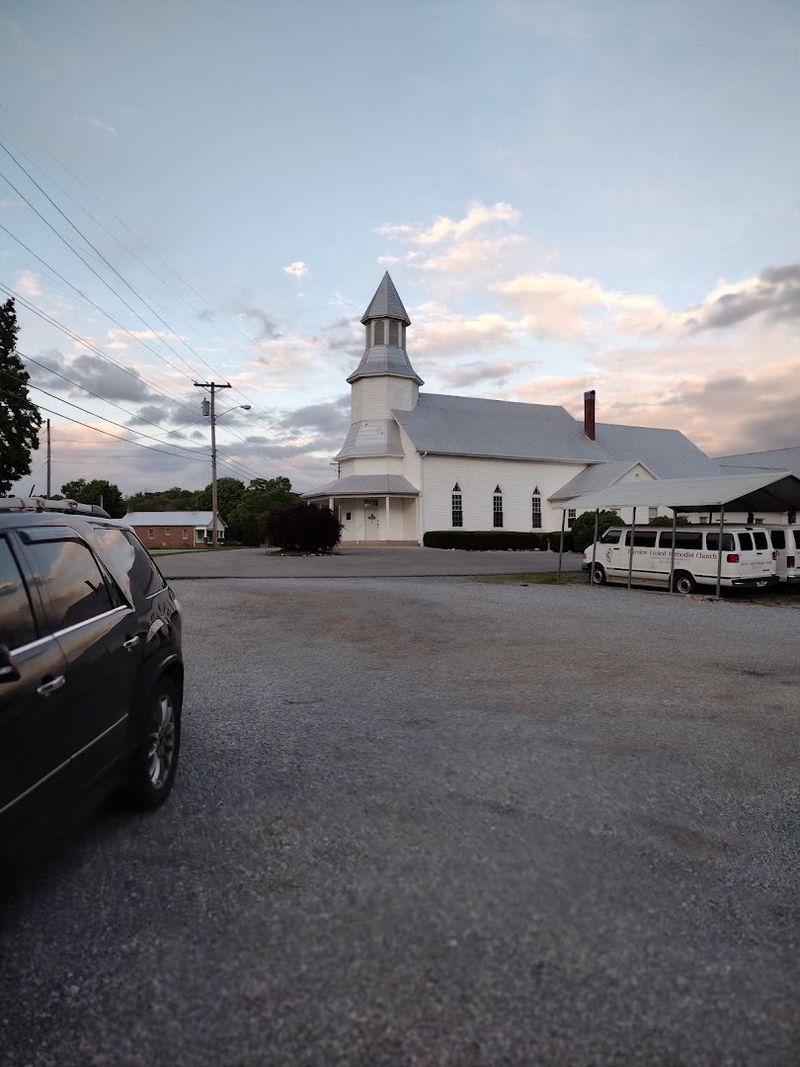
Standing on the main street of Jonesborough feels like stepping into a living history book. Founded in 1779, it holds the proud title of Tennessee’s oldest town, and every corner proves it.
The brick storefronts, wooden signs, and gas-style lampposts make you slow down without even trying.
Every October, the National Storytelling Festival transforms this small town into a magical gathering where storytellers from all over the world share tales under big tents. It’s one of the most beloved events in the entire state.
Even outside festival season, the town’s energy is warm and welcoming.
Walking the historic district is completely free and wildly rewarding. You’ll pass the Chester Inn, one of the oldest surviving frame structures in Tennessee, and feel genuine awe.
Jonesborough is proof that a town doesn’t need to be flashy to be absolutely unforgettable. Come once, and you’ll be planning your return before you even leave.
2. Franklin
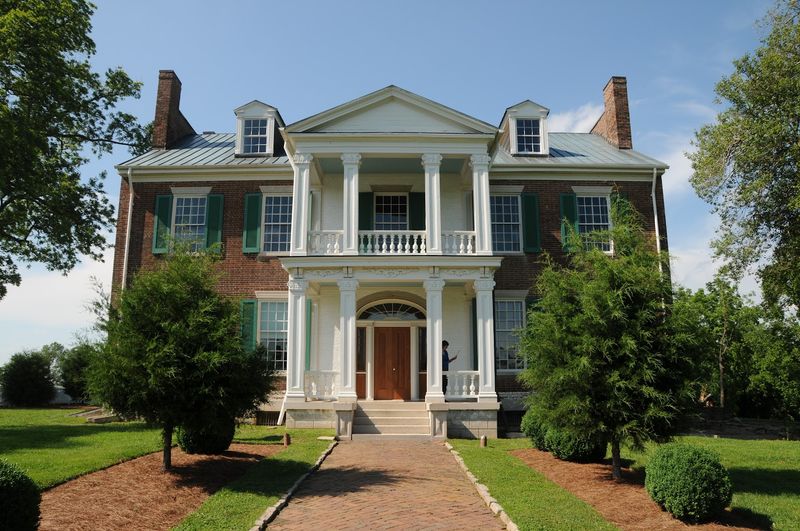
Franklin hits differently when you realize the ground you’re walking on witnessed one of the Civil War’s bloodiest battles. The Battle of Franklin took place in November 1864, and the scars of that day are honored thoughtfully throughout the town.
History here isn’t behind glass; it’s woven right into the sidewalks.
The downtown area is genuinely walkable and packed with charm. Boutique shops, farm-to-table restaurants, and beautifully restored homes line streets that feel both alive and deeply rooted in the past.
Carter House and Carnton Plantation are absolute must-visits for anyone who wants the full story.
What makes Franklin special is how seamlessly it blends the old with the present. You can grab a craft coffee, then walk two minutes to a Civil War museum.
The brick-lined Main Street looks like a movie set, but it’s completely real. Franklin rewards slow walkers, curious minds, and anyone who appreciates a town that takes its history seriously.
3. Leiper’s Fork
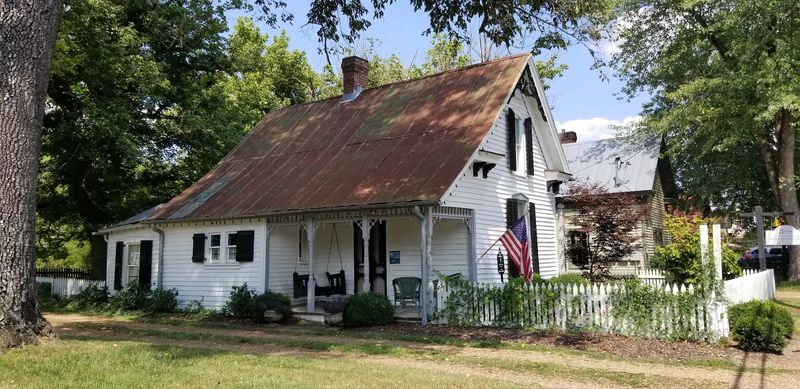
Blink and you might miss Leiper’s Fork, but that would be a serious mistake. This tiny village south of Nashville carries an outsized amount of soul.
Old structures that have stood for generations share space with local art galleries and laid-back eateries that feel like they’ve always been there.
The whole village has a population of just a few hundred people, yet it draws artists, musicians, and weekend wanderers from across the region. There’s a quiet magic here that’s hard to put into words but impossible to ignore once you feel it.
The porch-sitting culture is very much alive and very much encouraged.
Puckett’s Grocery, a beloved local institution, serves food and live music in equal measure. The surrounding countryside rolls out in green pastures and old fence lines that beg to be photographed.
Leiper’s Fork doesn’t try to impress you; it just does, effortlessly. It’s the kind of place that makes you genuinely reconsider your city life.
4. Bell Buckle
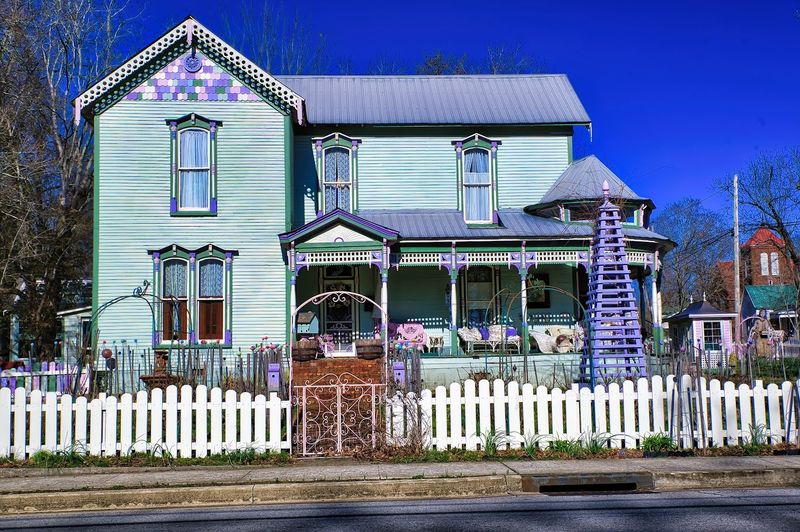
Bell Buckle has a name that sounds made up, but the town itself is delightfully, wonderfully real. With a population that hovers around just 500 people, this Victorian gem punches way above its weight when it comes to personality.
The storefronts look like they were designed specifically to be painted on canvas.
Antique lovers will feel like they’ve found their personal paradise here. Shop after shop lines the short main street, filled with vintage treasures, handmade goods, and quirky collectibles.
The whole town feels curated in the best possible way, like someone cared deeply about every single detail.
The RC Cola and MoonPie Festival, held every June, is one of the most joyfully absurd celebrations in Tennessee history. It’s been running for decades and draws thousands of happy visitors.
Bell Buckle also hosts the Webb School, a prestigious prep school founded in 1870 that adds an intellectual layer to the town’s already rich character. Come hungry, come curious, and come ready to smile.
5. Lynchburg
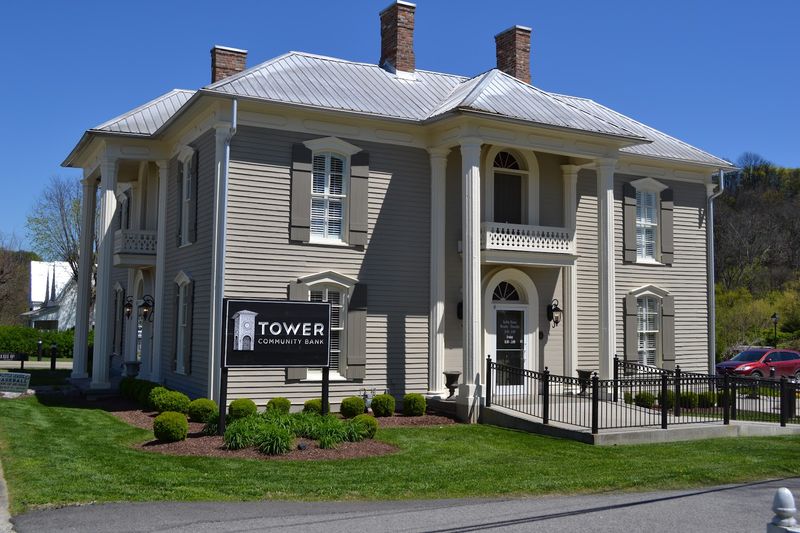
You probably already know Lynchburg because of a certain famous whiskey, but there’s so much more to this Moore County seat than the bottle. The courthouse square looks like it was frozen sometime in the early 1900s and simply never thawed out.
Rocking chairs on storefronts, hand-painted signs, and friendly locals complete the picture.
The Jack Daniel’s Distillery, founded in 1866, is the oldest registered distillery in the United States and sits just a short walk from the square. Tours are informative, entertaining, and genuinely fascinating even if you’re not a whiskey drinker.
The irony that Lynchburg sits in a dry county is one of those facts that makes you laugh every single time.
Miss Mary Bobo’s Boarding House serves up legendary Southern lunches in a setting that transports you straight to another era. Seating is communal, the food is incredible, and reservations fill up fast.
Lynchburg is small, slow, and absolutely perfect for anyone craving a day completely free from the noise of modern life.
6. Rogersville
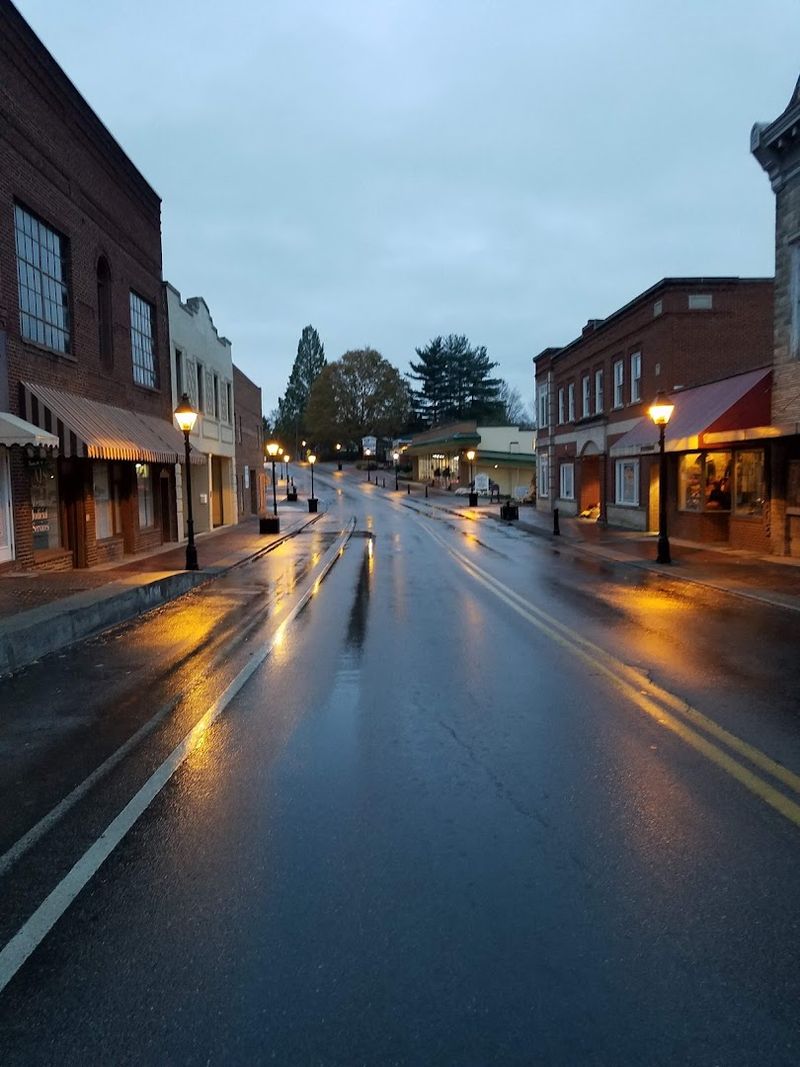
Rogersville holds a distinction that not many towns can claim: it’s the second-oldest town in Tennessee, founded in 1786. That kind of age comes with layers of stories, and the town wears them openly.
Historic cemeteries, preserved inns, and architecture that spans centuries make every block feel like a field trip.
The Hale Springs Inn, built around 1824, is one of the oldest continuously operating inns in the entire state. Three U.S. presidents reportedly stayed there, which is the kind of detail that makes your jaw drop mid-sip of sweet tea.
Staying overnight there is a genuinely memorable experience that connects you to a long, layered past.
Rogers Creek Presbyterian Church, established in the 1780s, still stands and still holds services. The downtown area has been carefully maintained, with classic storefronts and wide sidewalks that invite slow, thoughtful strolling.
Rogersville rewards the curious traveler who takes the time to look closely. Every building here has a story, and most of them are worth hearing.
7. Granville
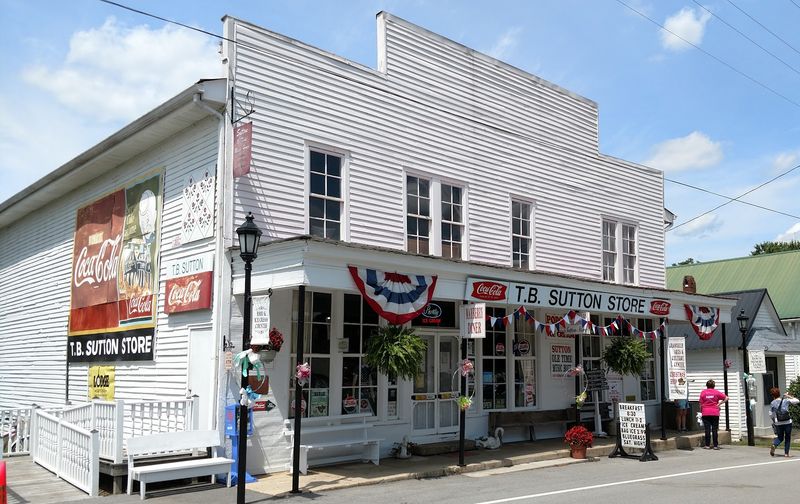
Granville sits along the Cordell Hull Lake in Jackson County, and the combination of water, history, and small-town pride creates something genuinely special. With fewer than 200 residents, it’s one of Tennessee’s tiniest towns, but it shows up big when it comes to preserving heritage and celebrating local culture.
The Granville Museum is a true highlight, packed with artifacts and exhibits that tell the story of rural Tennessee life across generations. Antique stores and heritage shops line the small main street, offering everything from old farm tools to handmade quilts.
The whole town feels like a love letter to a slower, more intentional way of living.
Fishing along the lake is popular among visitors who want to pair their history fix with some fresh air. The Sutton General Store, a beloved local landmark, has been serving the community for well over a century.
Granville proves that size has absolutely nothing to do with significance. Small towns like this one carry the truest versions of Tennessee’s heart and spirit.
8. Columbia
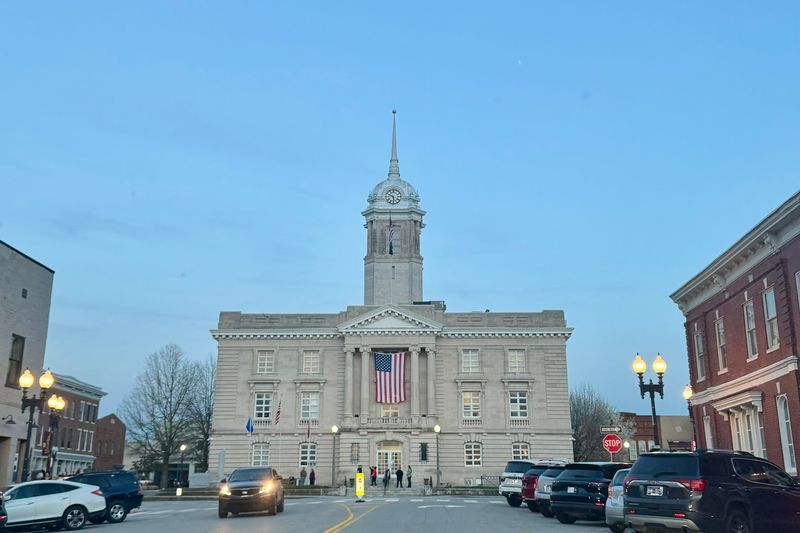
Columbia carries itself with the quiet confidence of a town that knows its own worth. As the seat of Maury County, it boasts some of the most impressive antebellum architecture in all of Middle Tennessee.
Wide porches, tall columns, and stately brick facades line streets that feel both elegant and deeply lived-in.
President James K. Polk grew up here, and his ancestral home is preserved as a museum that draws history buffs from across the country.
Polk Place offers a fascinating look at the early life of the 11th president and the world he came from. It’s the kind of stop that makes American history feel personal and close.
The downtown square hosts a lively mix of local restaurants, boutiques, and community events that keep things fresh year-round. Mule Day, an annual spring festival celebrating the town’s historic mule trade, is one of the most uniquely Tennessee events you’ll ever attend.
Columbia is charming, proud, and full of the kind of substance that makes a town genuinely worth visiting more than once.
9. Paris
Yes, Paris, Tennessee has its very own Eiffel Tower, and yes, it is absolutely as delightful as it sounds. Standing 70 feet tall, the replica wears a pink hard hat every October in honor of Breast Cancer Awareness Month, which makes it both quirky and genuinely touching.
It’s become the town’s most photographed landmark by a wide margin.
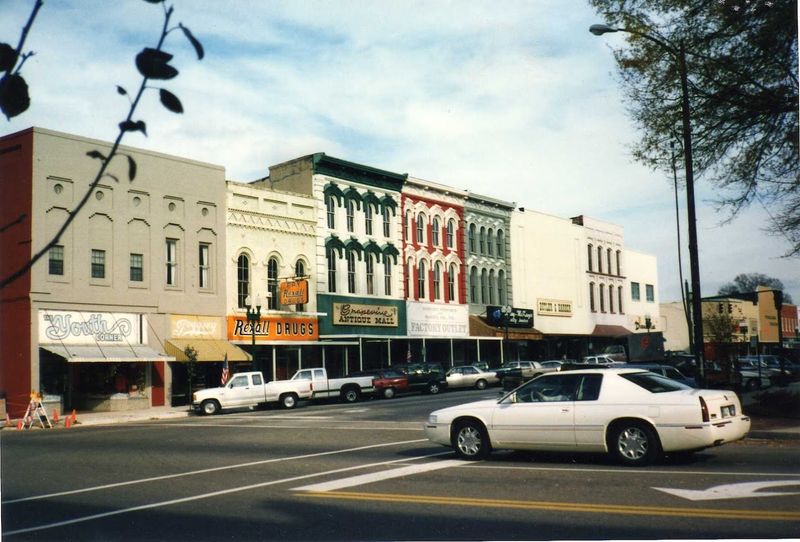
Beyond the tower, Paris has a charming historic downtown that holds its own without any gimmicks. The courthouse square is lined with classic storefronts, locally owned restaurants, and friendly faces that make you feel welcome immediately.
Henry County’s history runs deep here, with roots going back to the early 1800s.
Paris Landing State Park sits nearby, offering stunning views of Kentucky Lake and plenty of outdoor recreation for visitors who want to mix history with nature. The town also hosts the World’s Biggest Fish Fry every April, drawing crowds and catfish enthusiasts from multiple states.
Paris is proof that a town can be both historically rich and wonderfully, unapologetically fun at the same time.
10. Pulaski
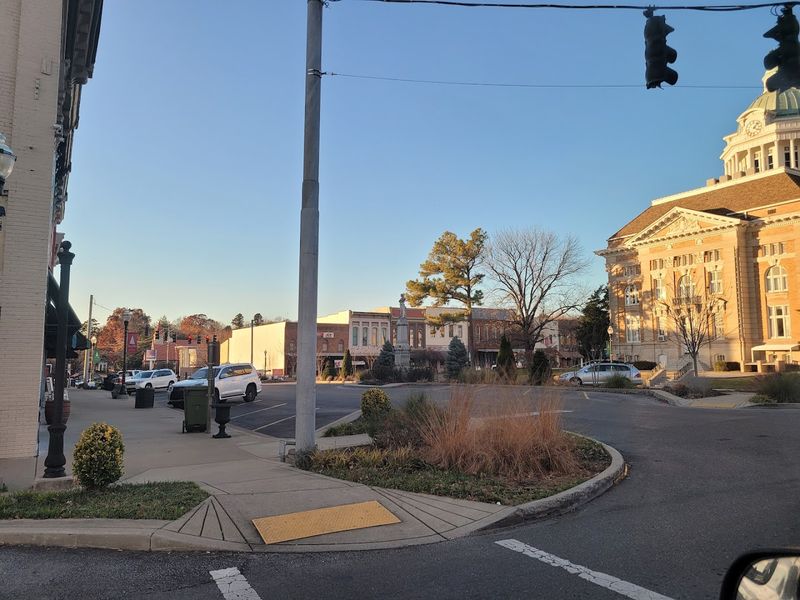
Pulaski is the kind of Southern town square that photographers dream about. The Giles County seat sits in south-central Tennessee and carries the dignified look of a place that has always taken pride in its appearance.
Classic brick buildings, a central courthouse, and wide shaded sidewalks create a scene straight out of a regional history textbook.
Sam Davis, known as the Boy Hero of the Confederacy, was born in this county, and his story is remembered at local sites throughout the area. The town also holds the distinction of being where the Ku Klux Klan was founded in 1865, a dark chapter that the community has worked hard to confront and move beyond with honest dialogue and education.
The historic district features beautifully maintained 19th-century architecture that rewards anyone who takes the time to walk slowly and look up. Local shops and diners around the square serve up genuine Southern hospitality without any performance.
Pulaski is a town with complicated history and real character, the kind of place that makes you think as much as it makes you admire.
11. Dandridge
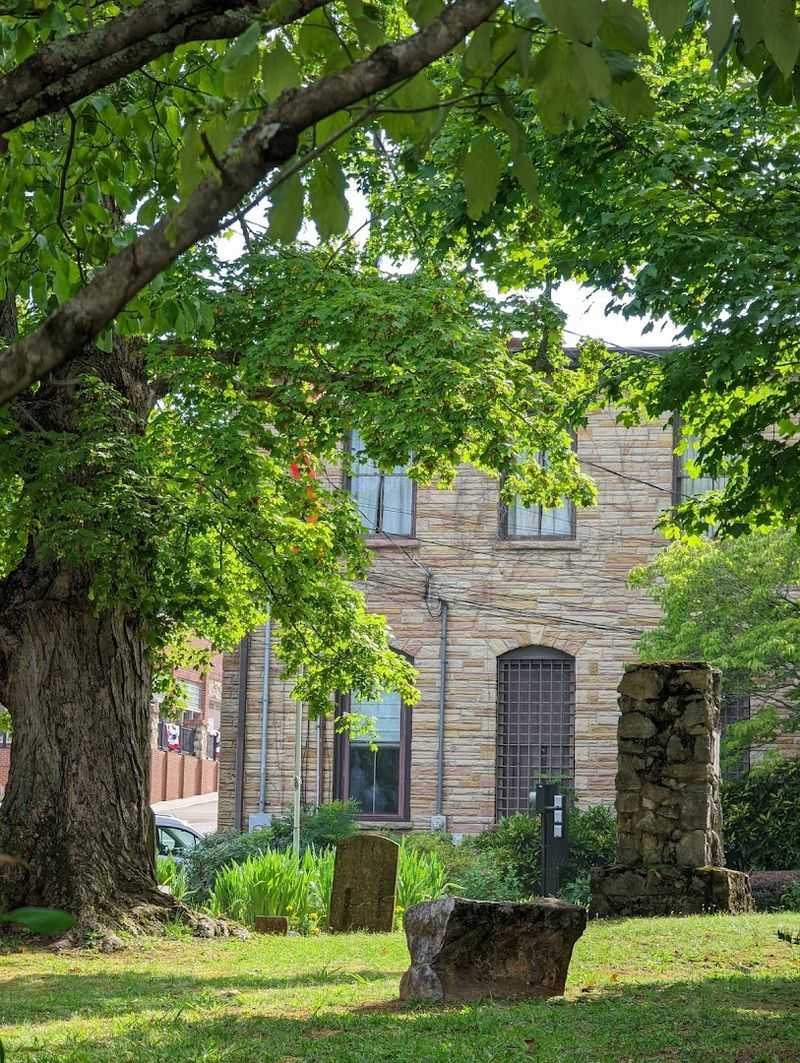
Dandridge holds the impressive title of Tennessee’s second-oldest town, incorporated in 1793. Sitting along the shores of Douglas Lake in Jefferson County, it offers a combination of history and natural beauty that very few places can match.
The town was actually named after Martha Dandridge Washington, making it the only American town named after the first First Lady.
The Jefferson County Courthouse, built in the 1840s, is one of the oldest courthouses still in active use in the entire state. It anchors the small but well-preserved downtown with a sense of permanence and authority.
Walking around the courthouse square feels like moving through time in the most pleasant way possible.
Douglas Lake wraps around part of the town, and the waterfront views add a painterly quality to the whole experience. Fishing, boating, and simply sitting by the water are popular ways to extend a visit.
Dandridge doesn’t shout for attention, but once you arrive, it holds yours completely. It’s a genuine gem hiding in plain sight in East Tennessee.
12. Greeneville
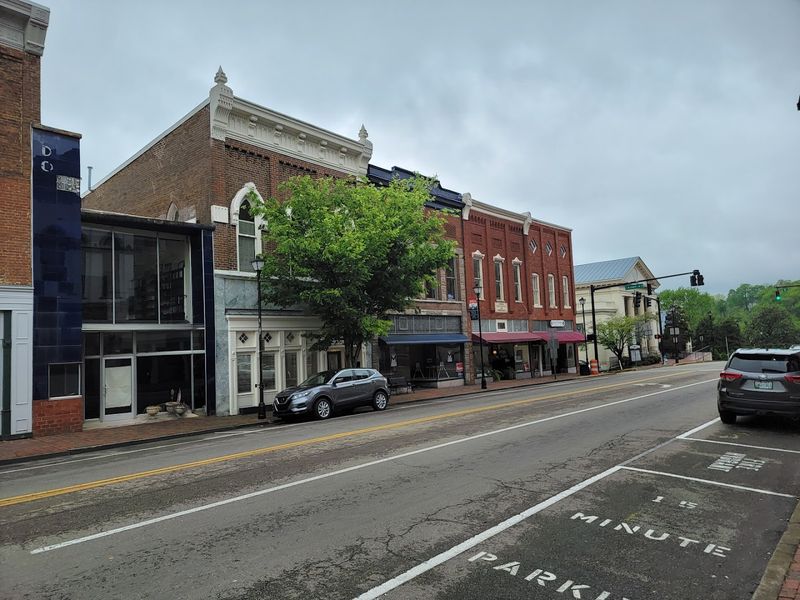
Greeneville is a town that wears its presidential history like a badge of honor, and rightfully so. Andrew Johnson, the 17th President of the United States, called this Greene County town home for most of his life.
His tailor shop, homestead, and burial site are all preserved as part of the Andrew Johnson National Historic Site, managed by the National Park Service.
Beyond the presidential connection, Greeneville’s historic district is packed with 19th-century architecture that tells a broader story of Appalachian Tennessee life. The streets feel unhurried and genuine, with local shops and community spaces that haven’t been polished into tourist traps.
That authenticity is genuinely refreshing.
The Dickson-Williams Mansion and other historic properties add more layers to an already rich architectural landscape. Greeneville also played a significant role during the Civil War, as the town was divided in its loyalties, which gives its history an extra dimension of complexity.
Come ready to learn, come ready to walk, and come ready to be surprised by just how much this small Appalachian town has quietly witnessed and preserved.