
This Roadside Soup Sanctuary In New York Will Warm Your Soul And Delight Your Palate This Year
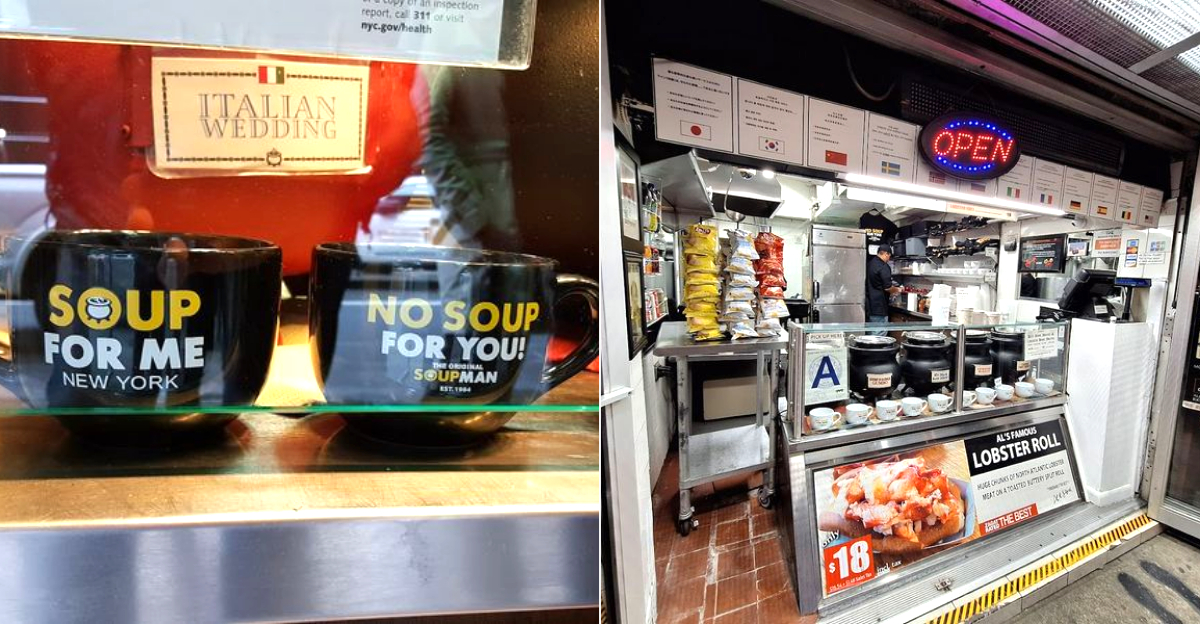
This is the kind of roadside stop in New York that turns a simple drive into a full emotional experience. You pull over thinking it’ll be a quick break, stretch your legs, grab something warm… and then the smell hits.
Rich, comforting, slightly unfair to every other meal you’ve had that day.
The place itself feels calm and welcoming, like it’s been quietly taking care of people for years. Bowls come out steaming, packed with flavour, the kind you don’t rush through.
You take a spoonful and suddenly everything slows down a bit. It’s cosy in that proper, “stay a while” way.
In New York, where everything moves fast, this little soup spot feels like a pause button you didn’t know you needed. And honestly, it hits exactly right.
A Midtown Legend That Earned Its Stripes Long Before The Cameras Arrived
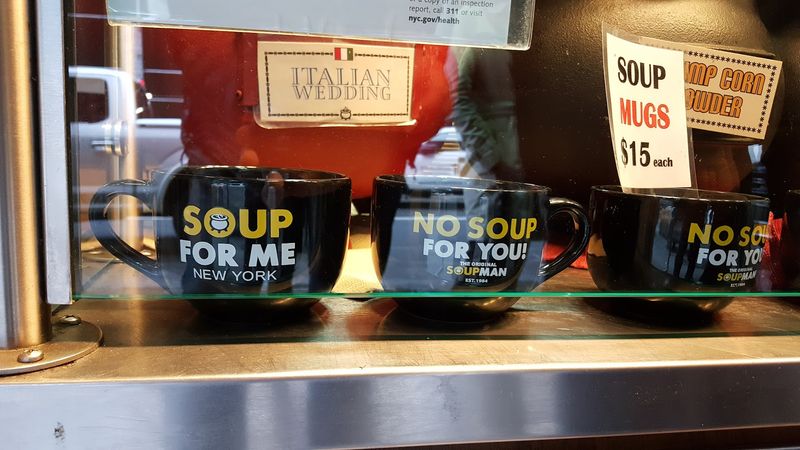
This spot sits at a takeout window that has outlasted countless trendy restaurants, celebrity chef ventures, and food fads that burned bright and fizzled fast. This spot opened its doors in 1984, back when the neighborhood looked considerably grittier and a bowl of soup cost less than a subway token.
What started as a straightforward concept serving quality soups to office workers and theater patrons gradually built a devoted following through sheer consistency and flavor.
Long before a certain television show catapulted the place into international fame, regulars already knew the drill. You study the menu board while waiting, decide quickly when your turn arrives, and move along with military precision so the next person can order.
This system wasn’t invented for comedy, it emerged from necessity during lunch rushes when lines stretched down the block.
What keeps people returning decades later isn’t nostalgia alone. The soups genuinely deliver on their promise, made fresh daily with ingredients that taste like someone actually cares about what goes into the pot.
Recipes change with the seasons, but certain classics appear regularly enough that devoted fans plan their visits accordingly. The lobster bisque arrives thick and luxurious, the kind of soup that coats your spoon and warms you from the inside out on days when the wind whips through Manhattan canyons with particular cruelty.
Television Fame That Could Have Ruined Everything But Somehow Didn’t
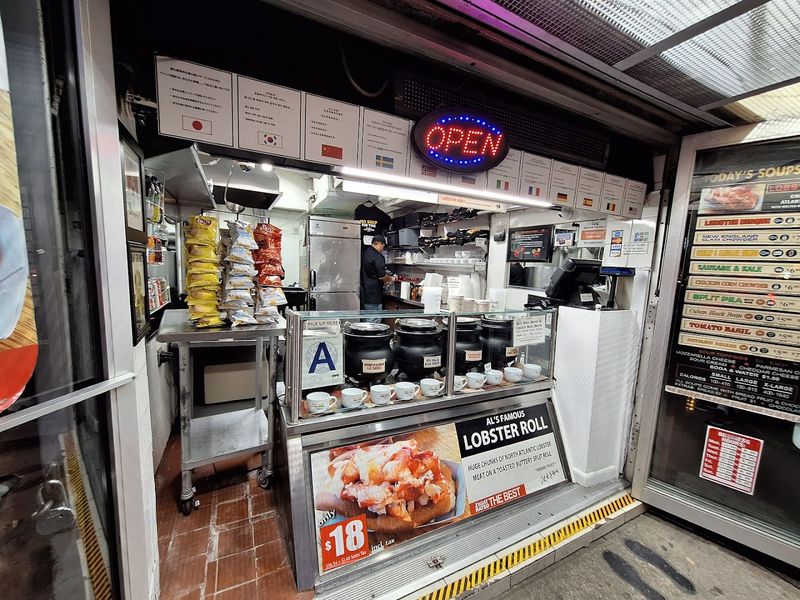
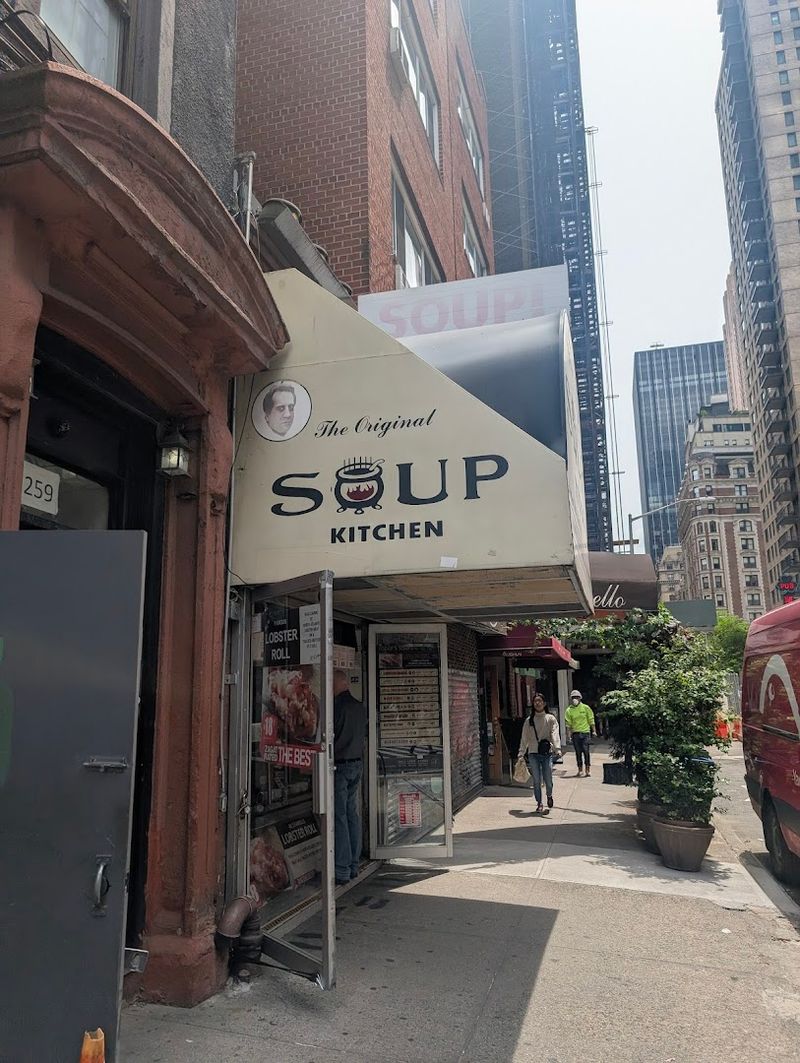
When Seinfeld aired its infamous episode in November 1995, the show transformed a neighborhood lunch spot into an international destination practically overnight. The episode coined a phrase that entered the cultural lexicon and sent tourists flooding to West 55th Street armed with cameras and expectations shaped by comedy writers.
Many businesses would have crumbled under that pressure or cynically exploited the attention with overpriced merchandise and dumbed-down food. The Original Soup Kitchen did neither.
Instead, the place doubled down on what made it work in the first place: excellent soup, reasonable prices, and no-nonsense service. Sure, you can buy a mug referencing the show, but the focus remains squarely on the product.
The staff maintains the brisk efficiency that inspired the television portrayal, though without the theatrical hostility that made for good comedy. They’re friendly in that distinctly New York way where friendliness means competence and respect for everyone’s time rather than forced cheerfulness.
Walking in today, you’ll find tourists snapping photos alongside construction workers grabbing lunch, Broadway performers fueling up between shows, and longtime regulars who remember when nobody outside a three-block radius had heard of the place. The menu board lists a rotating selection of soups that changes daily, ranging from classic chicken noodle to more adventurous options like jambalaya or mulligatawny.
Prices hover around seven to nine dollars depending on size, which qualifies as borderline miraculous given Manhattan’s cost of living and the location’s fame.
The Lobster Bisque That Justifies Every Bit Of Hype And Then Some
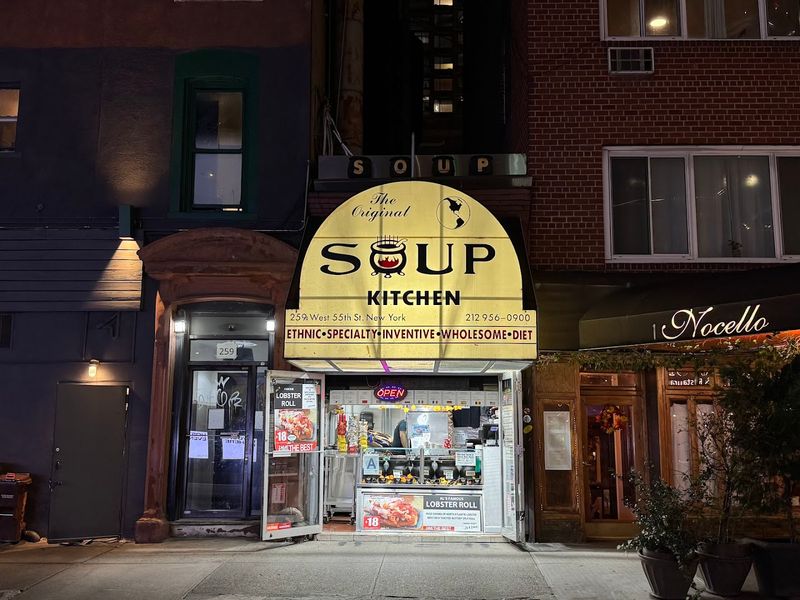
Among the rotating cast of soups that appear throughout the week, one stands as the undisputed champion, the reason some people plan their entire lunch break around this particular takeout window. The lobster bisque arrives in your cup thick enough to stand a spoon in, loaded with actual chunks of lobster meat rather than the microscopic traces many restaurants try to pass off as seafood.
Cubed potatoes, shredded carrots, and chopped celery add texture and substance, transforming what could be a simple cream soup into something approaching a complete meal.
The richness hits you immediately, that unmistakable taste of real cream and proper stock rather than flour-thickened shortcuts. Pieces of fish join the lobster, adding depth and making each spoonful slightly different from the last.
On a frigid January afternoon when the wind cuts through your coat like you’re wearing tissue paper, this soup performs actual magic, warming you so thoroughly you might forget you’re standing on a street corner eating from a paper cup.
Reviews consistently praise the bisque’s quality, with customers noting it tastes like someone’s grandmother runs the kitchen, which might be the highest compliment possible for comfort food. At around nine dollars for a small serving, it costs more than the simpler soups but remains shockingly reasonable given the ingredient quality and Manhattan real estate prices.
The portion size leans generous enough that ordering small rarely leaves you hungry, though regulars often kick themselves for not upgrading to large because the soup really is that good.
Complimentary Touches That Transform A Transaction Into An Experience
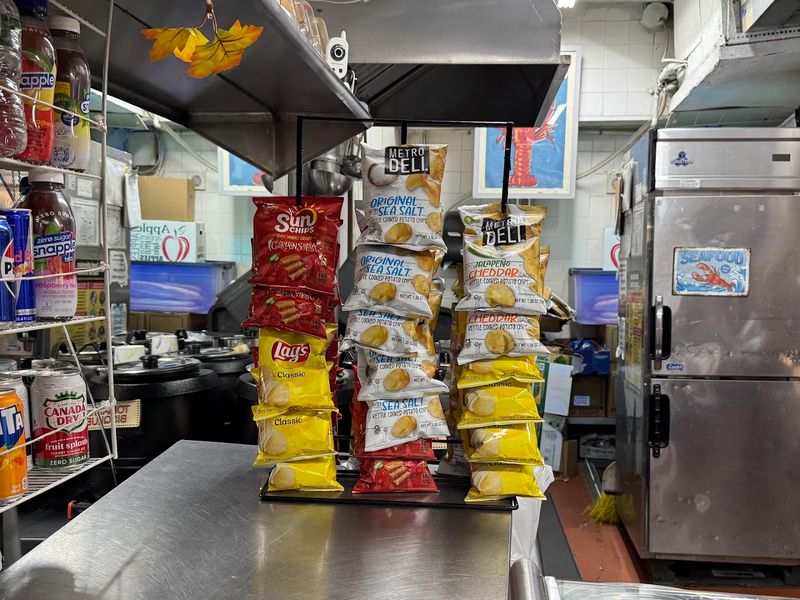
In a city where restaurants charge separately for every conceivable addition and nickel-and-dime customers with service fees that require advanced mathematics to decode, The Original Soup Kitchen includes something increasingly rare: actual generosity. Every soup order, regardless of size, comes with a fresh piece of bread perfect for soaking up the last drops from your cup.
The bread arrives soft and substantial, the kind that actually complements soup rather than serving as an afterthought tossed in a basket.
But the place doesn’t stop there. Each order also includes a small piece of chocolate, usually an Andes mint, and a piece of fresh fruit, typically an apple, banana, or pear depending on the season.
These additions cost the business money and require extra effort, yet they continue appearing with every order because they represent a philosophy about hospitality that refuses to die even in an era of profit margin optimization and cost-cutting corporate efficiency.
Customers consistently mention these extras in reviews, often with genuine surprise and delight that feels almost sad given how rare such gestures have become. One regular noted that these old-school touches make the entire experience feel less like a transaction and more like someone actually cares whether you enjoy your lunch.
The chocolate provides a sweet finish, the fruit offers a healthy counterpoint to the richness of cream-based soups, and the bread serves its intended purpose while demonstrating that someone thought through the entire eating experience rather than just slopping soup in a container and calling it done.
A Menu That Changes Daily Because Seasons Actually Matter
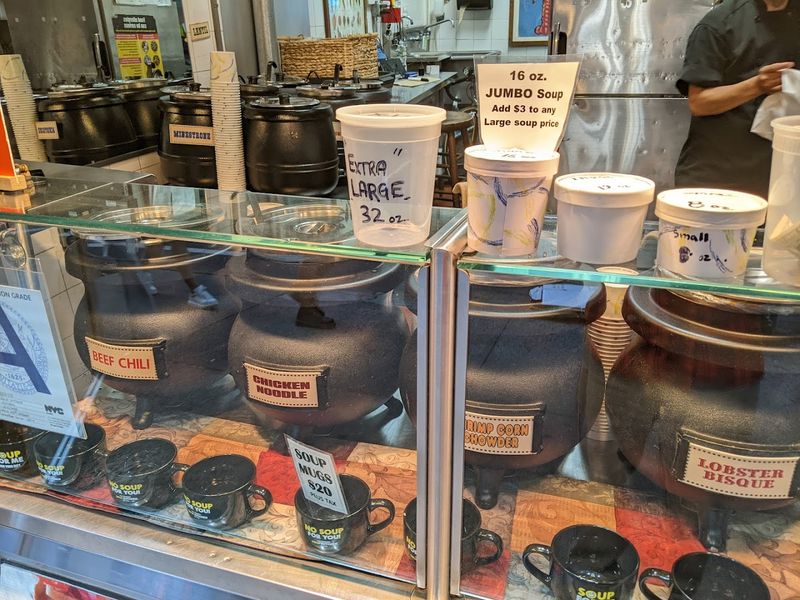
Unlike chain restaurants serving identical food whether you visit in July or January, whether you’re in Manhattan or Minneapolis, The Original Soup Kitchen operates on the radical premise that food should reflect what’s available and appropriate for the current season. The menu board changes daily, listing anywhere from six to ten different soups depending on what’s been prepared that morning.
This means you can’t always get your favorite on demand, which initially frustrates some visitors but ultimately rewards those who embrace the variety.
Winter brings heartier options loaded with root vegetables, beans, and meat that stick to your ribs when temperatures plummet. The chicken noodle arrives properly made with actual chicken pieces and vegetables rather than the watery impostor versions served at most casual restaurants.
Jambalaya shows up regularly, packed with rice, sausage, and enough spice to make things interesting without punishing those who prefer milder flavors. Spring and summer see lighter options appearing more frequently, though the kitchen never fully abandons comfort food because New York office buildings crank their air conditioning to arctic levels regardless of outdoor weather.
The rotating menu encourages exploration and prevents the boredom that sets in when you eat the same lunch every week. Regulars develop their favorites but also discover unexpected winners when their usual choice isn’t available.
The vegetable soup earns particular praise for tasting like an actual human made it rather than opening industrial-sized cans, while the New England clam chowder competes respectably with versions served at considerably fancier establishments charging three times the price.
Efficiency Elevated To Art Form Without Sacrificing Basic Human Decency
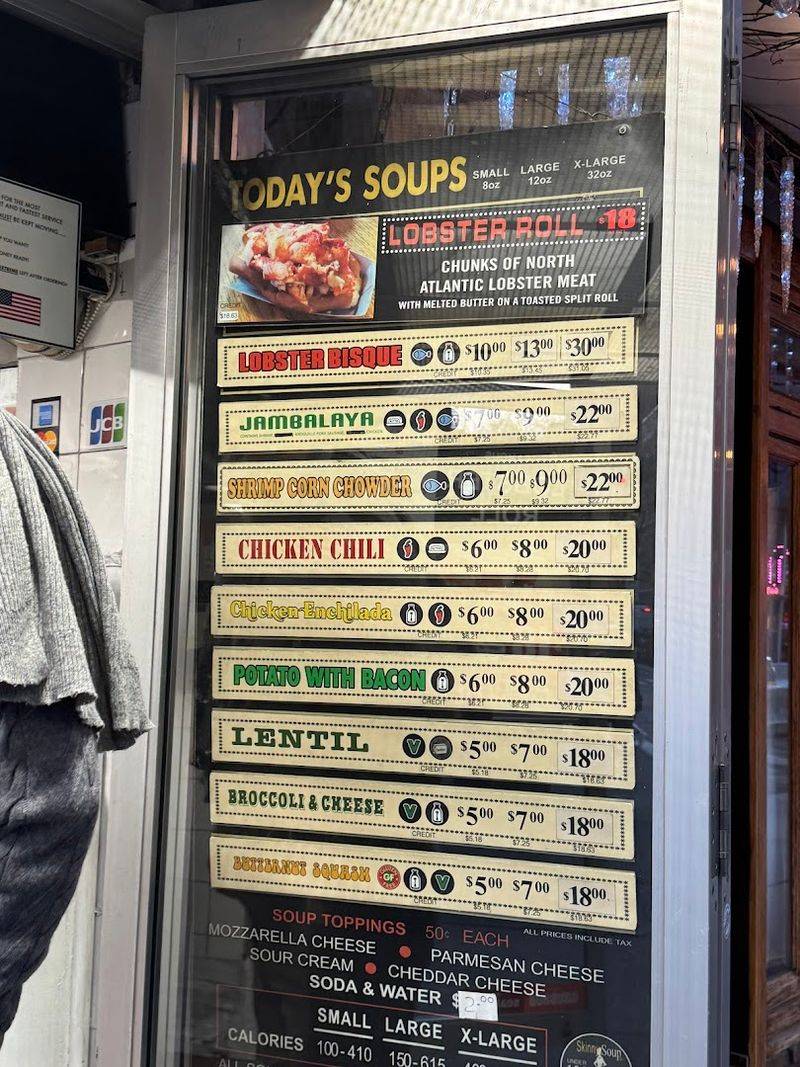
The ordering process at The Original Soup Kitchen moves with choreographed precision that would impress a Swiss watchmaker. You join the line, study the menu board while waiting, and have your decision locked in before reaching the counter.
The staff takes your order, ladles your soup, adds the complimentary items, processes payment, and sends you on your way in under two minutes per customer. During peak lunch hours when the line stretches down the sidewalk, this efficiency means the difference between eating and going hungry.
What could feel brusque or impersonal instead comes across as respectful, an acknowledgment that everyone’s time matters and nobody wants to spend their entire lunch break waiting. The staff maintains friendly professionalism, answering questions about ingredients and making recommendations without the fake enthusiasm that plagues chain restaurants where workers are forced to recite scripted greetings.
They’re competent, knowledgeable about the products, and genuinely seem to care that you get what you want rather than just processing transactions robotically.
First-time visitors sometimes feel intimidated by the pace, worried they’ll commit some ordering faux pas and face public humiliation. Those fears prove unfounded.
The staff shows patience with tourists and newcomers while maintaining the flow that keeps regulars happy. Multiple reviews mention the warm smiles and helpful attitudes, particularly praising the cashier whose genuine friendliness brightens what could otherwise be a purely functional interaction.
This balance between efficiency and humanity represents increasingly rare skill in modern service industries.
Value That Defies Manhattan Economics And Basic Restaurant Math
Eating in Manhattan typically requires either significant disposable income or willingness to compromise on quality, quantity, or both. A decent lunch in Midtown easily runs fifteen to twenty dollars before tip, while genuinely good food often costs considerably more.
The Original Soup Kitchen somehow operates in a parallel economic universe where seven to nine dollars buys you a filling, delicious meal made with quality ingredients, plus bread, chocolate, and fruit. The math simply shouldn’t work, yet here we are.
A small soup costs around seven dollars and genuinely satisfies most appetites, particularly when you factor in the bread for soaking up every last drop. Upgrading to a medium or large adds a couple dollars and transforms lunch into enough food to power through an entire afternoon of work.
Even the pricier options like lobster bisque remain shockingly reasonable compared to what similar quality would cost at a sit-down restaurant, where the same bisque might run twenty dollars as an appetizer.
This value proposition explains why construction workers and Broadway performers eat alongside tourists hunting Instagram opportunities. Everyone recognizes a legitimate deal when they see one, especially in a neighborhood where most meals cost substantially more for substantially less.
The pricing feels like a holdover from an earlier era when restaurants focused on feeding people rather than maximizing revenue per square foot. Multiple reviewers express almost disbelief at the quality-to-price ratio, noting that even accounting for New York’s inflated costs, The Original Soup Kitchen delivers exceptional value that makes it worth visiting repeatedly rather than treating as a one-time novelty.