
The Secluded Montana Mountain Town That Stays Peaceful Year-Round
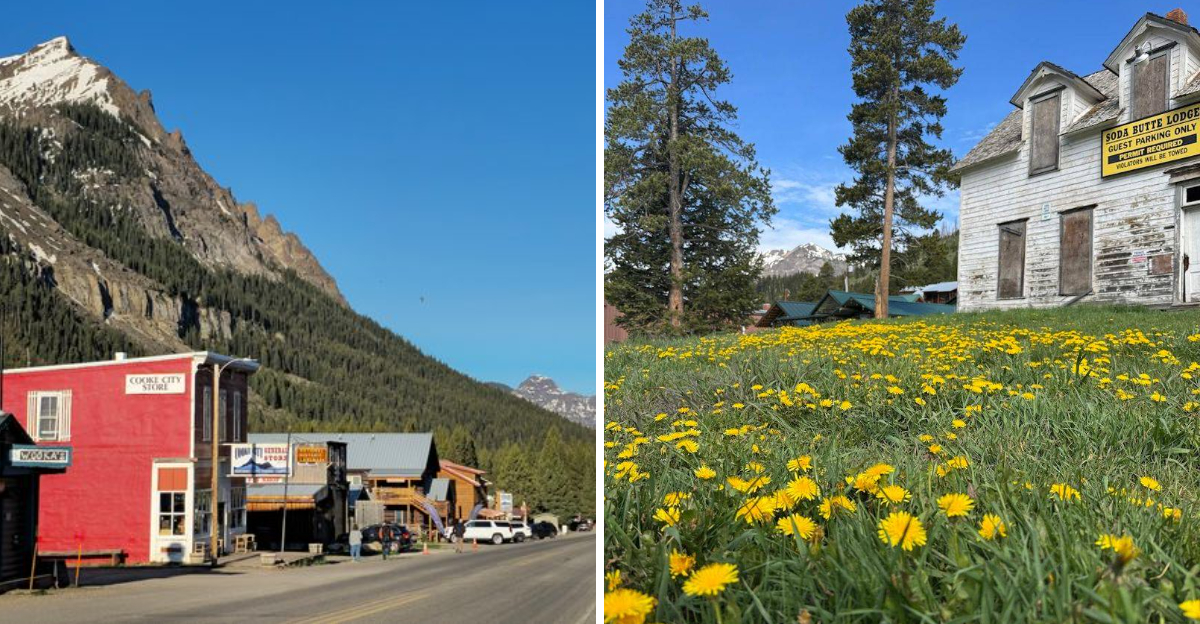
At the edge of vast wilderness, Cooke City feels worlds away from crowded resort towns and busy highways. Home to just a few dozen year-round residents, this remote Montana community offers something increasingly rare in the modern West: genuine quiet, even in the height of summer.
Its rugged mountain setting and distance from major cities naturally filter out heavy tourism, leaving behind open skies and unhurried days. Snow-covered in winter and framed by wildflowers in summer, this small town near Yellowstone’s northeast entrance holds onto its peaceful rhythm through every season.
A Tiny Mountain Town Tucked Near Yellowstone’s Northeast Gate
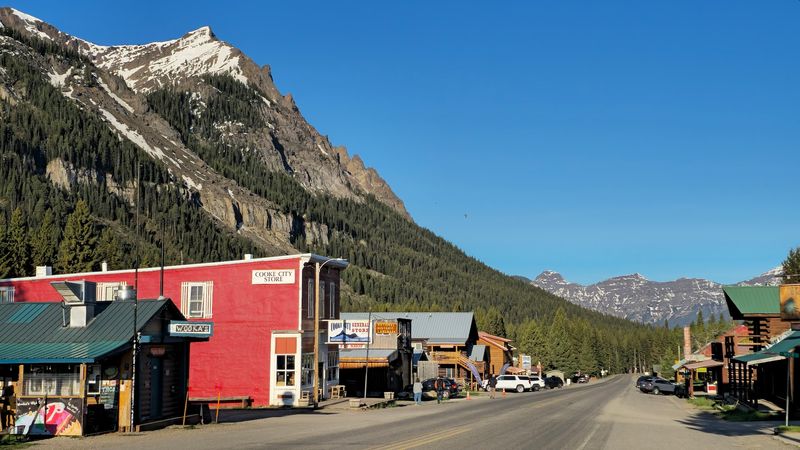
Cooke City stands just miles from Yellowstone National Park’s northeast entrance, positioned at the threshold between civilization and wild country. The town serves as a final outpost before travelers enter one of America’s most famous natural preserves.
Park visitors often pass through without stopping, treating it as merely a waypoint rather than a destination worth exploring.
This proximity to Yellowstone shapes the town’s character without overwhelming it. Local businesses cater to park-bound travelers while maintaining their authentic mountain identity.
The relationship feels balanced rather than dependent.
Geography dictates much of Cooke City’s isolation. Mountains rise steeply on all sides, and the Beartooth Highway closes each winter, leaving only the park road as a seasonal connection to the outside world.
This enforced seclusion preserves the town’s unhurried pace and keeps development minimal.
One Of Montana’s Highest Elevation Communities
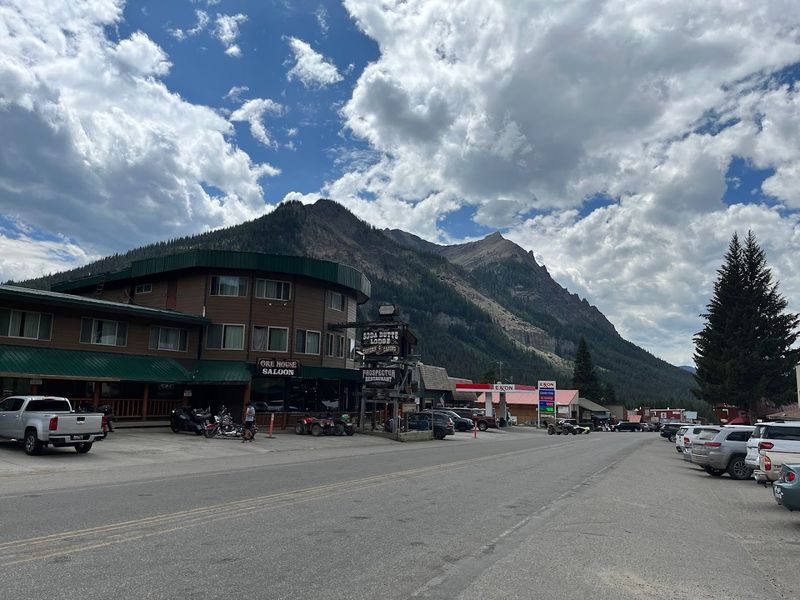
At 7,600 feet above sea level, Cooke City ranks among Montana’s highest year-round communities. The altitude brings noticeable changes to daily life, from thinner air that takes newcomers a few days to adjust to, to weather patterns that shift rapidly throughout any given day.
Visitors accustomed to lower elevations sometimes feel winded after simple walks through town.
This elevation creates a climate distinct from lower Montana valleys. Summers remain comfortably cool while winters bring substantial snowfall that can persist into late spring.
The growing season barely exists, which explains the absence of gardens and the town’s reliance on imported goods.
High altitude also means spectacular views in every direction. Mountain peaks rise another 3,000 feet above town, creating a landscape of dramatic proportions.
The air feels crisp and clear, especially after storms pass through and leave behind that particular alpine clarity found only at elevation.
Where The Beartooth Highway Begins Its Legendary Climb
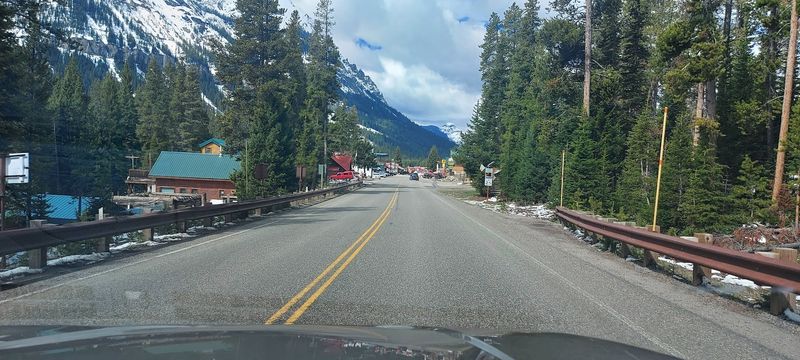
The Beartooth Highway launches its famous ascent from Cooke City, climbing toward 10,947 feet through some of the most dramatic mountain terrain in the Lower 48. This National Scenic Byway draws motorcyclists and driving enthusiasts from around the world, yet the town itself remains surprisingly calm even when the road fills with summer traffic.
Most travelers focus on the drive rather than the starting point.
Charles Kuralt once called this route the most beautiful drive in America, and that designation brings steady visitors from Memorial Day through September. The highway closes each year by mid-October and doesn’t reopen until late May, a seasonal rhythm that defines life in Cooke City.
Winter isolation follows autumn’s last travelers.
Standing at the western terminus, you can watch vehicles begin their journey upward through alpine switchbacks. The contrast between the quiet town and the celebrated highway creates an interesting dynamic where fame touches the community without transforming it.
A Population So Small It Feels Like A Private Escape
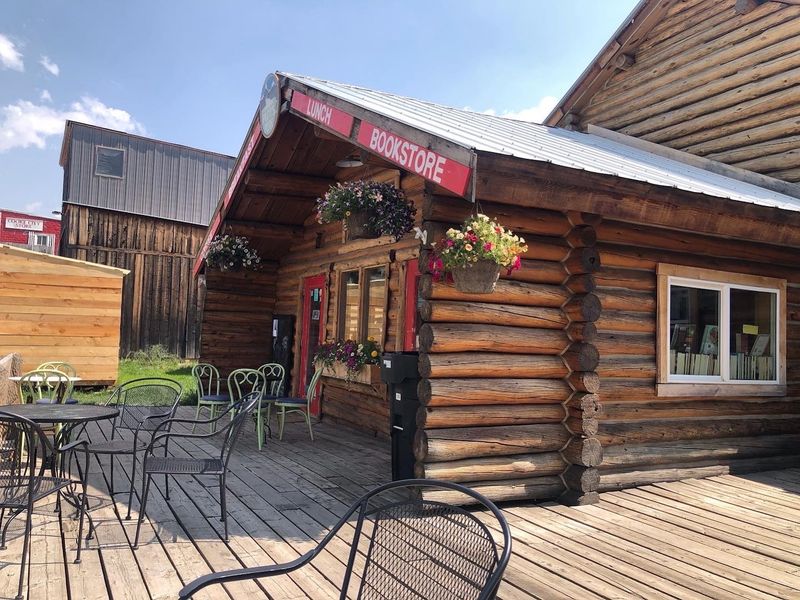
Seventy-seven permanent residents call Cooke City home according to the 2020 census, a number small enough that everyone knows their neighbors by name. This tiny population creates an atmosphere more akin to a private mountain camp than a conventional town.
Walking the main street, you might encounter more wildlife than people on any given morning.
The small community means limited services but also limited intrusion. No traffic lights regulate flow because there’s no flow to regulate.
No chain stores interrupt the streetscape because corporations don’t bother with markets this small. The scale feels human and manageable.
Seasonal workers and summer visitors temporarily swell the population, but even at peak capacity Cooke City never approaches crowded. The surrounding wilderness absorbs people quickly, and the town’s compact footprint means there’s simply not much space for crowds to gather.
Privacy comes naturally when so few people share the landscape.
Snowy Winters That Keep The Crowds Away
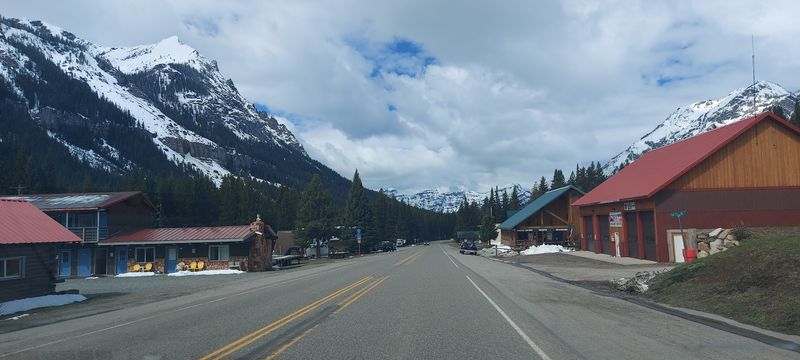
Winter transforms Cooke City into one of Montana’s most isolated communities. Snow accumulates in staggering amounts, sometimes burying first-floor windows and creating tunnels through drifts that line the streets.
The Beartooth Highway closes completely, leaving only the route through Yellowstone as a connection to the outside world, and even that road can close temporarily during severe storms.
This seasonal isolation appeals to a particular type of visitor. Snowmobilers arrive in significant numbers, drawn by hundreds of miles of backcountry terrain and powder conditions that last well into spring.
The town’s few winter-open businesses cater to this crowd while maintaining their low-key atmosphere.
Most tourists avoid Cooke City entirely from November through April, which suits the locals perfectly. Winter population drops even further as some seasonal residents migrate to warmer climates.
The quiet becomes profound, broken only by snowmobile engines and the occasional plow clearing streets after yet another storm dumps fresh snow.
Summer Wildflowers And Quiet Alpine Trails
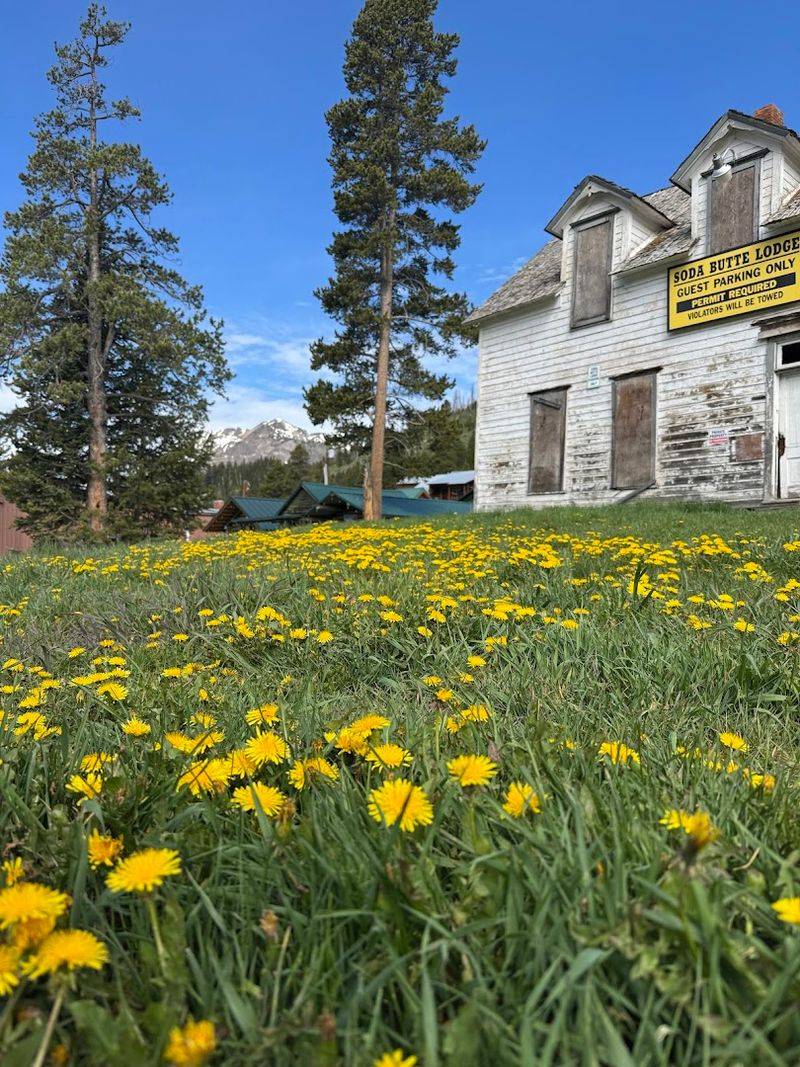
Summer brings brief but spectacular wildflower displays to the meadows and hillsides surrounding Cooke City. Lupine, Indian paintbrush, and alpine forget-me-nots carpet the high country from late June through August, creating color against the green forests and gray peaks.
The short growing season concentrates blooms into a compressed window that feels particularly vibrant because of its brevity.
Trails leading into the surrounding mountains see modest use compared to more famous Montana destinations. You can hike for hours without encountering another person, even on weekends when other areas grow congested.
The trailheads lack the parking lot chaos common near national parks.
This combination of spectacular scenery and limited crowds makes summer the ideal season for those who want mountain beauty without the accompanying throngs. The altitude keeps temperatures comfortable even during July heat waves.
Afternoons often bring brief thunderstorms that clear quickly, leaving fresh air and dramatic skies in their wake.
Wildlife Sightings Right Outside Town
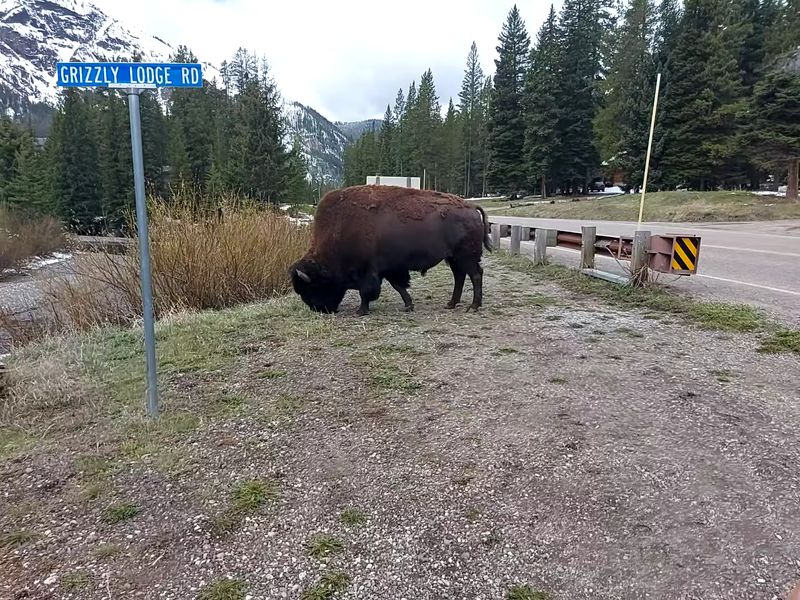
Grizzly bears, moose, and wolves move through Cooke City with surprising regularity, treating the town as just another part of their territory. Bears sometimes investigate dumpsters behind businesses, while moose browse willows along the creek that runs through town.
This proximity to megafauna requires residents and visitors to practice constant awareness and proper food storage.
The town sits within the Greater Yellowstone Ecosystem, one of the last intact predator-prey systems in the Lower 48. This means genuine wilderness conditions extend right to the edge of development.
You don’t need to venture far into the backcountry to experience wild country because the wild country comes to you.
Early mornings offer the best wildlife viewing opportunities. Elk often graze in meadows visible from town, and occasionally a wolf pack passes through following migrating ungulates.
The encounters feel authentic rather than staged, a reminder that humans occupy a small space within a much larger natural system.
A Historic Mining Past That Still Shapes Its Character
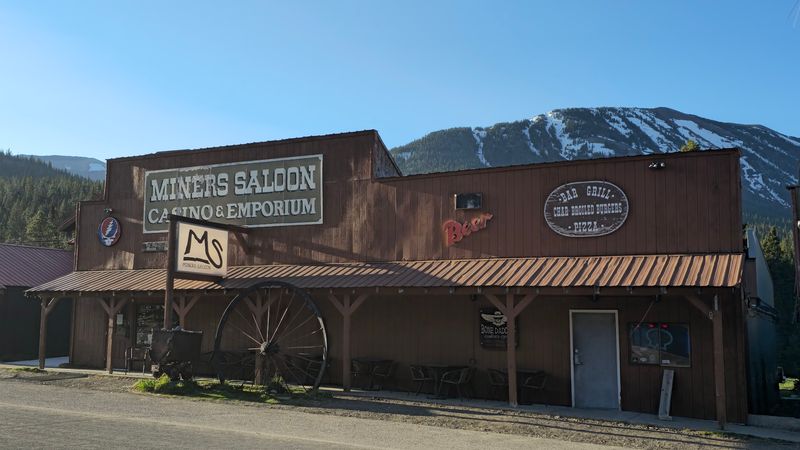
Gold and silver prospectors established Cooke City in the 1870s, naming it after Northern Pacific Railway financier Jay Cooke in hopes of attracting railroad investment. The railroad never came, but miners stayed, working claims in the surrounding mountains through boom and bust cycles that defined early Montana settlement.
Some mines operated sporadically into the 20th century before finally closing for good.
Evidence of this mining heritage remains visible in abandoned structures scattered through the nearby forest and in the town’s no-nonsense architecture. Buildings were constructed for function rather than aesthetics, a practical approach that persists today.
The mining mentality of self-reliance and toughness still influences local culture.
Modern Cooke City has moved beyond resource extraction, but the mining past created the infrastructure that allows year-round habitation in this challenging environment. Those early prospectors chose the location for its mineral wealth, inadvertently founding a community that would eventually attract people seeking a different kind of treasure: solitude and unspoiled wilderness.
Log Cabins, Rustic Lodges, And Old-West Charm
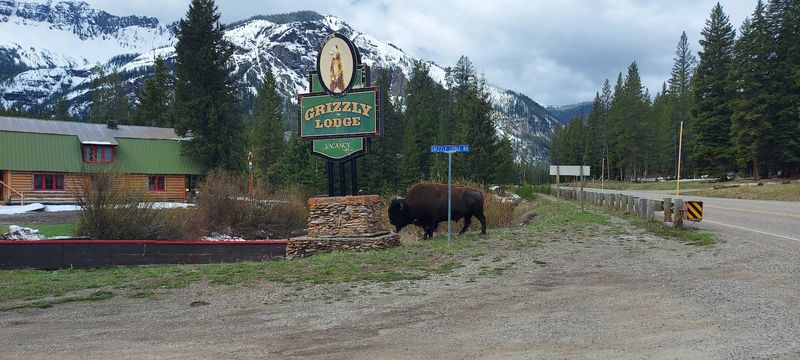
Log construction dominates Cooke City’s architecture, giving the town an authentic frontier appearance that wasn’t manufactured for tourists. These buildings were built from local timber using methods that date back generations, and they continue to function as intended.
The aesthetic feels genuine because it is genuine, born from practical necessity rather than nostalgic recreation.
Several lodges offer accommodation in structures that have housed travelers for decades. The interiors maintain their rustic character with wood paneling, stone fireplaces, and minimal modern intrusion.
Comfort exists without luxury, which suits the town’s overall personality. Visitors seeking resort amenities should look elsewhere.
This commitment to maintaining original character means Cooke City looks much as it did fifty years ago. No modern glass and steel structures interrupt the streetscape.
No franchise architecture dilutes the visual consistency. The result feels cohesive and unpretentious, a town that knows what it is and feels no need to become something else.
A Gateway To The Absaroka-Beartooth Wilderness
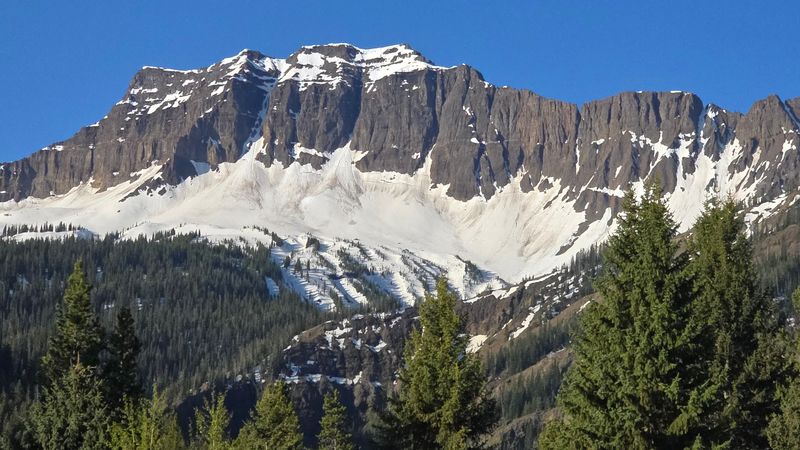
The Absaroka-Beartooth Wilderness extends for nearly a million acres south and east of Cooke City, representing some of the most rugged and pristine backcountry in the continental United States. This designated wilderness prohibits motorized travel and commercial development, preserving the landscape in its natural state.
Cooke City serves as a primary access point for those venturing into this vast protected area.
Granite peaks, alpine lakes, and glacial valleys characterize the terrain. The wilderness sees relatively light use despite its spectacular scenery, partly because accessing it requires significant effort and preparation.
No easy trails penetrate deep into the interior, which filters out casual hikers and maintains the area’s wild character.
This proximity to serious wilderness defines much of Cooke City’s appeal. The town functions as a base camp where adventurers can resupply and rest before returning to the backcountry.
The relationship between settlement and wilderness feels appropriate here, with the town remaining small enough that it doesn’t compromise the wild lands surrounding it.
Why Even Peak Season Feels Surprisingly Calm
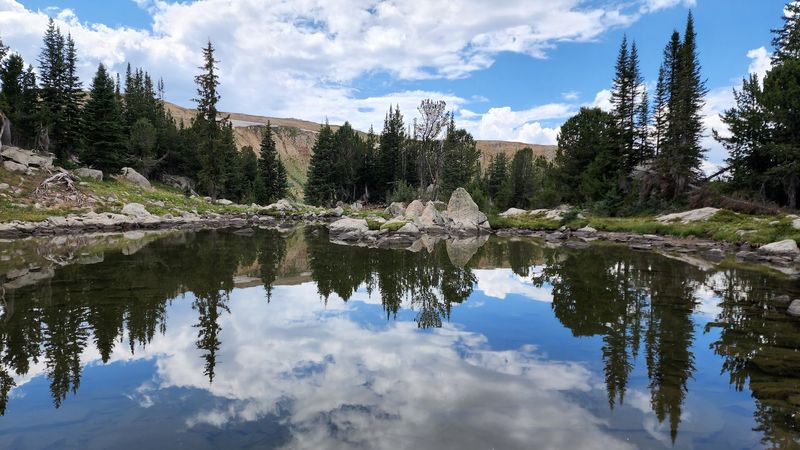
Peak summer months bring more visitors to Cooke City, but the town never experiences the overwhelming crowds that plague other mountain destinations. Several factors contribute to this continued tranquility.
The remote location filters out casual tourists who prefer easier access. Limited lodging capacity physically restricts how many people can stay overnight.
The lack of major attractions beyond wilderness access means those who come genuinely want what the town offers: quiet and nature.
Most Yellowstone tourists stick to the park’s more famous features rather than exploring the northeast corner. Those who do reach Cooke City often treat it as a quick fuel stop rather than a destination.
This pattern keeps traffic moving through rather than accumulating.
The town has resisted development pressure that might bring more visitors. No major marketing campaigns promote Cooke City, and locals seem content with modest tourism numbers.
This restraint preserves the peaceful atmosphere even when the Beartooth Highway sees heavy traffic just outside town.