
Nevada’s Forgotten Desert Towns Waiting To Be Explored
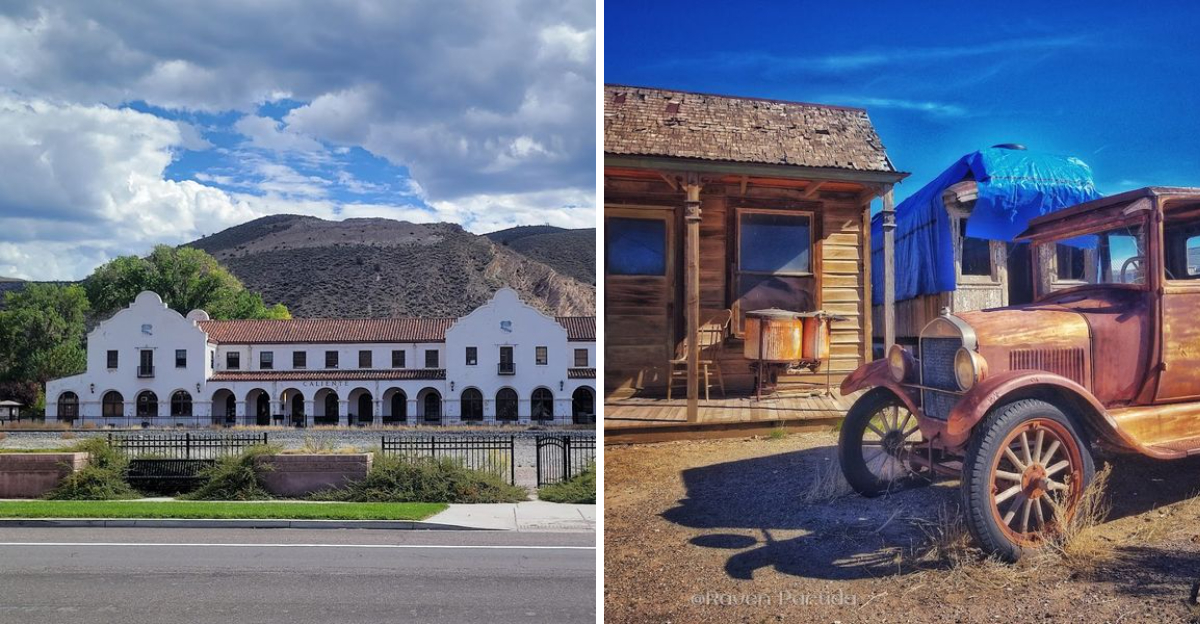
The bright lights get all the attention, but the real stories live far beyond the Strip. Scattered across Nevada’s wide-open desert are small towns where wooden boardwalks creak, historic saloons still stand, and the echoes of silver rush dreams linger in the dust.
These forgotten-feeling places tell tales of boom and bust, railroad ambition, and stubborn frontier grit. Sun-bleached buildings line quiet streets, while vast desert horizons stretch under impossibly big skies. It’s a side of Nevada that feels raw, cinematic, and wonderfully untouched by the modern rush.
1. Pioche
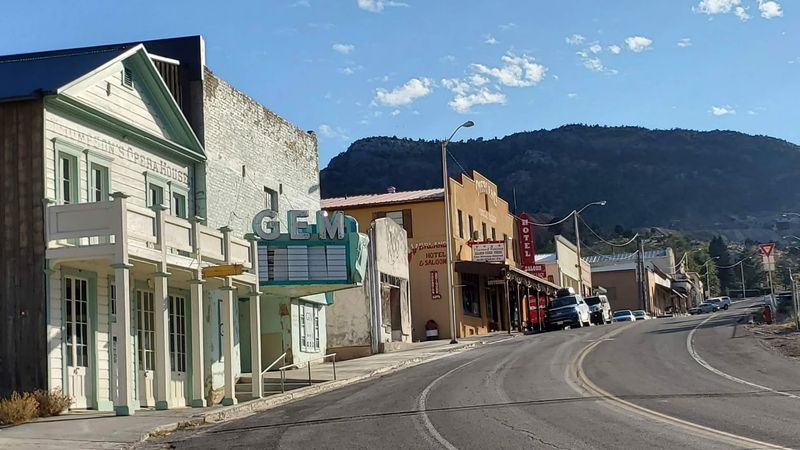
Violence and silver defined Pioche during its wildest years in the 1870s. This mining town earned a reputation as one of Nevada’s roughest settlements, where 72 people died before anyone passed away from natural causes.
The Boot Hill cemetery tells these stories through weathered headstones and historical markers that detail the town’s lawless past.
Main Street climbs steeply up the mountainside, lined with buildings that cling to the hillside at dramatic angles. The Million Dollar Courthouse stands as a monument to government excess, costing far more than its name suggests due to corruption and mismanagement.
Its story alone makes the visit worthwhile for history buffs.
Active mines still operate in the surrounding hills, though on a much smaller scale than the glory days. The Thompson Opera House and other historic structures await restoration, offering glimpses into Victorian-era entertainment.
Walking these streets feels like stepping onto a movie set, except everything is authentically aged and weathered.
About 1,000 people call Pioche home today, maintaining its mining heritage with pride. The town hosts mining heritage events and maintains several museums showcasing artifacts from its colorful past.
Photographers find endless subjects in the tilting buildings and mountain vistas that surround this remarkable survivor of Nevada’s silver rush.
2. Caliente
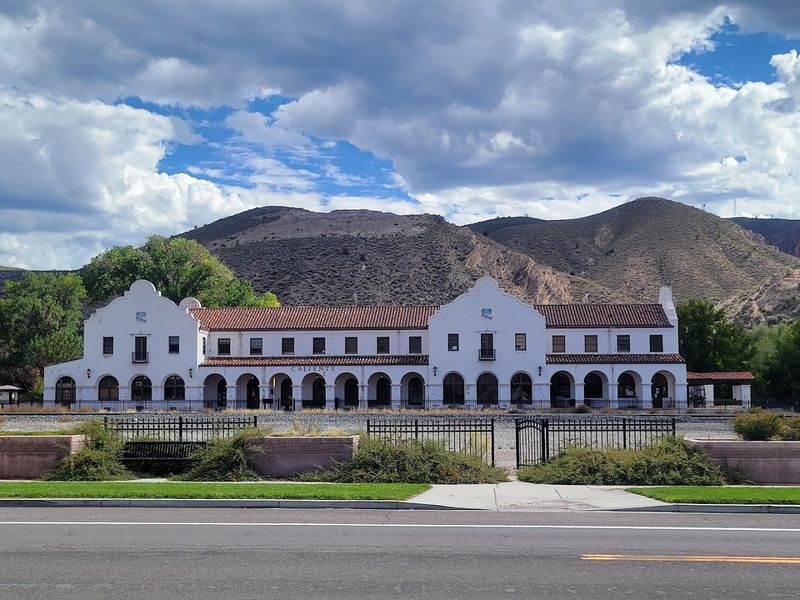
Railroad history comes alive in Caliente, a town born from the Union Pacific Railroad’s expansion in 1901. The stunning Mission Revival-style depot stands as the crown jewel, its red tile roof and white stucco walls contrasting beautifully against the rugged Nevada desert backdrop.
This architectural gem once served thousands of passengers and now houses a city hall and museum.
Rainbow Canyon provides outdoor enthusiasts with hiking trails that wind through colorful rock formations. The nearby Kershaw-Ryan State Park offers shaded picnic areas and walking paths along a small creek, a rare desert oasis.
These natural attractions make Caliente more than just a historical stop.
Main Street preserves several early 20th-century buildings that transport visitors back to the railroad boom era. Local shops and cafes occupy these vintage structures, maintaining their original character while serving modern travelers.
The town sits perfectly positioned between Las Vegas and Great Basin National Park, making it an ideal rest stop.
Population hovers around 1,100 residents who take pride in their railroad heritage. Annual events celebrate this history, drawing visitors interested in authentic Western culture.
Caliente proves that small desert towns can offer big experiences for those willing to explore off the beaten path.
3. Goldfield
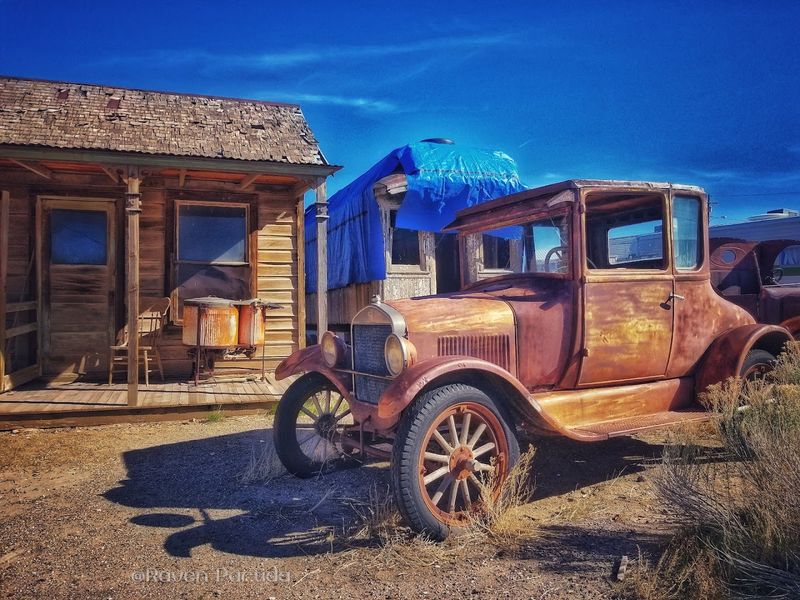
Gold fever gripped Goldfield in 1902, transforming empty desert into Nevada’s largest city within just a few years. At its peak, over 20,000 people crowded the streets, and the town boasted electric lights, telephones, and even an automobile dealership.
The Goldfield Hotel still dominates the skyline, a four-story testament to the wealth that once flowed through these dusty streets.
Today, the population barely reaches 250, but the bones of grandeur remain everywhere you look. Crumbling brick buildings line the main drag, their empty windows staring out at the desert like hollow eyes.
The high school, once serving hundreds of students, now stands silent and deteriorating, a popular subject for urban explorers and photographers.
The International Car Forest displays dozens of vehicles half-buried in the desert, transformed into art installations. This quirky attraction adds a surreal element to an already otherworldly landscape.
Visitors can walk among the painted cars and contemplate the intersection of abandonment and creativity.
Several mining operations continue nearby, keeping Goldfield from becoming a complete ghost town. The annual Goldfield Days celebration brings former residents and curious travelers together each August.
Standing on these streets, you can almost hear the echoes of a boom that shook the entire state before fading into desert silence.
4. Rhyolite
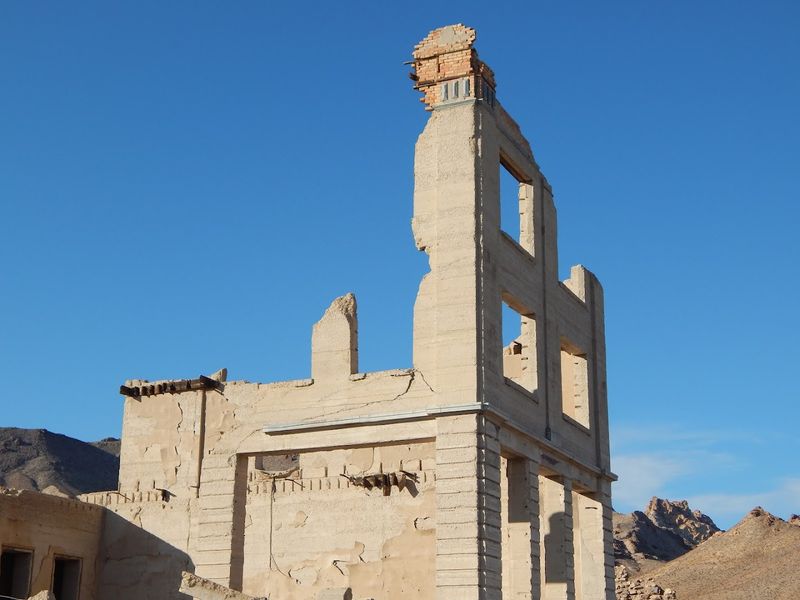
Concrete skeletons mark where Rhyolite once thrived as a genuine boomtown between 1905 and 1910. The three-story bank building remains the most photographed ruin, its walls and vault still standing despite decades of desert weather.
This town rose faster than almost any in Nevada history and collapsed just as quickly when the mines failed to deliver on their golden promises.
Around 5,000 people lived here at the peak, supporting an opera house, stock exchange, and even an ice cream parlor. The Bottle House, constructed entirely from glass bottles, still stands as a quirky monument to frontier ingenuity and resourcefulness.
Its walls shimmer in the desert sun, creating an almost magical effect that draws photographers from around the world.
Walking among these ruins feels profoundly different from visiting a museum. Wind whistles through empty doorframes, and the silence stretches for miles in every direction.
The nearby Goldwell Open Air Museum adds contemporary art installations to the ghost town experience, creating an unusual blend of past and present.
Located just outside Death Valley National Park, Rhyolite attracts thousands of visitors annually. The ruins require no entrance fee and remain accessible year-round, though summer temperatures can be brutal.
This ghost town represents the ultimate boom-and-bust cycle that defined Nevada’s mining era.
5. Virginia City
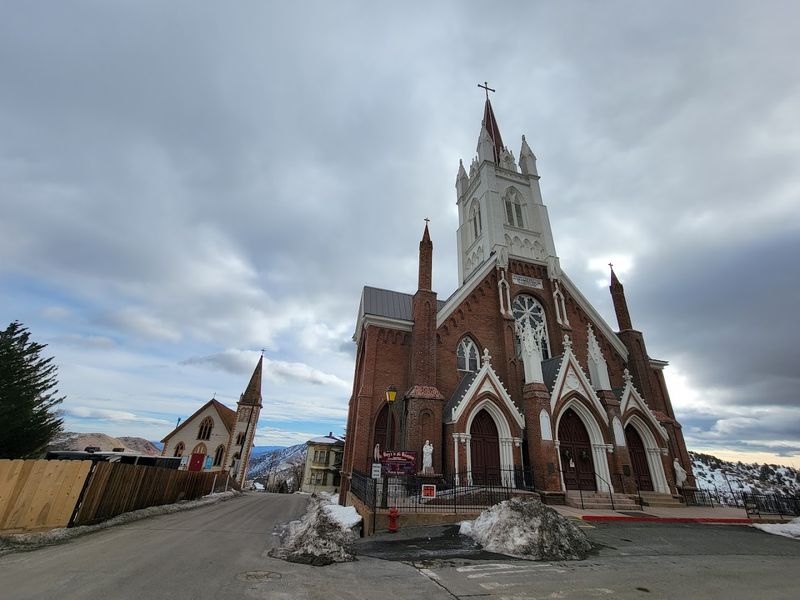
Silver from the Comstock Lode built Virginia City into one of the richest towns in America during the 1860s and 1870s. Mark Twain worked here as a journalist, and the money extracted from these mines helped finance the Union during the Civil War.
Today, the entire town functions as a living museum where history meets tourism in surprisingly authentic ways.
Wooden boardwalks line C Street, where saloons, shops, and museums occupy buildings that actually date from the mining boom. The Fourth Ward School stands as a magnificent example of Victorian architecture, its bell tower visible from miles away.
Underground mine tours take visitors deep into the earth where miners once toiled in dangerous conditions for silver ore.
Unlike many ghost towns, Virginia City maintains a year-round population of about 850 residents who embrace their heritage. Weekend visitors can watch gunfight reenactments, ride a historic steam train, or explore numerous museums dedicated to mining history.
The saloons still serve drinks, though the clientele now includes tourists rather than rough miners.
Special events throughout the year celebrate everything from camel races to Victorian Christmas traditions. The town successfully balances preservation with commercial tourism, creating an experience that educates while entertaining.
Standing on these historic streets, you understand why Virginia City remains Nevada’s most famous mining town.
6. Eureka
Silver and lead ore made Eureka prosperous starting in 1864, earning it the nickname “The Pittsburgh of the West” due to numerous smelters. The stunning courthouse, built in 1879, dominates the town center with its elegant brick construction and clock tower.
This National Historic Landmark still functions as the county seat, a rare example of a 19th-century government building remaining in active use.
About 500 people live in Eureka today, maintaining a genuine small-town atmosphere without heavy tourist commercialization. The Eureka Opera House underwent careful restoration and now hosts performances and community events throughout the year.
Walking down Main Street reveals dozens of historic buildings, many still serving their original purposes as shops, offices, and residences.
The Eureka Sentinel Museum preserves the town’s newspaper office exactly as it appeared in the 1880s. Antique printing presses and typesetting equipment fill the space, offering insights into frontier journalism.
Other museums showcase mining equipment, pioneer artifacts, and photographs documenting the town’s evolution through boom and quieter times.
Eureka sits along the Loneliest Road in America (Highway 50), making it a natural stopping point for cross-country travelers. The surrounding mountains offer hiking, rockhounding, and wildlife viewing opportunities.
This town proves that preservation and modern life can coexist, creating a living connection to Nevada’s mining heritage that feels authentic rather than staged.
7. Austin
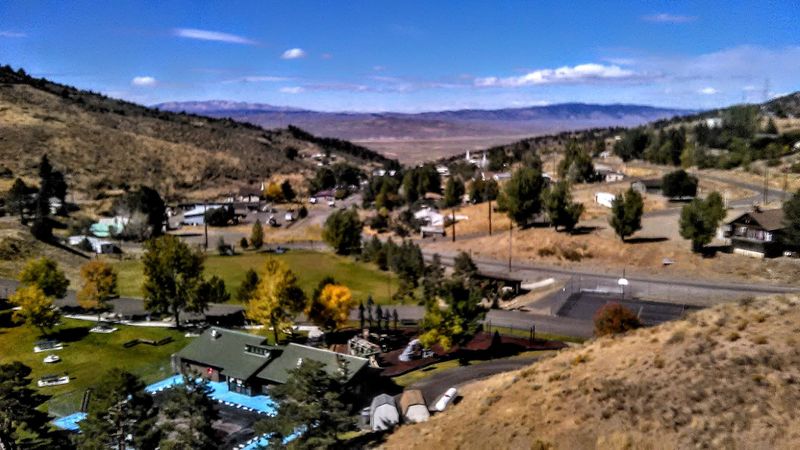
Perched on the side of the Toiyabe Range, Austin clings to steep slopes that offer stunning views across the Reese River Valley. Silver discoveries in 1862 sparked a rush that brought thousands to this remote location.
The town’s vertical layout creates a unique atmosphere, with buildings stacked up the mountainside and streets that climb at challenging angles.
Stokes Castle rises three stories from a nearby hillside, a granite tower built in 1897 as a summer home for a mining magnate. This unexpected structure resembles a European fortress and stands as one of Nevada’s most unusual historic sites.
The short hike to reach it rewards visitors with both architectural intrigue and panoramic desert vistas.
Main Street preserves numerous 19th-century buildings, including several churches with distinctive steeples that punctuate the skyline. The population of roughly 200 residents maintains a strong sense of community and historical pride.
Small museums and antique shops occupy vintage structures, offering treasures for collectors and history enthusiasts.
Austin serves as the Lander County seat, keeping government offices in buildings that date from territorial days. The Gridley Store, one of the oldest commercial buildings still standing, operated continuously for over a century.
Driving through Austin requires careful attention due to steep grades and narrow streets, but the effort reveals a town that refuses to fade into complete obscurity despite its remote location.
8. Winnemucca
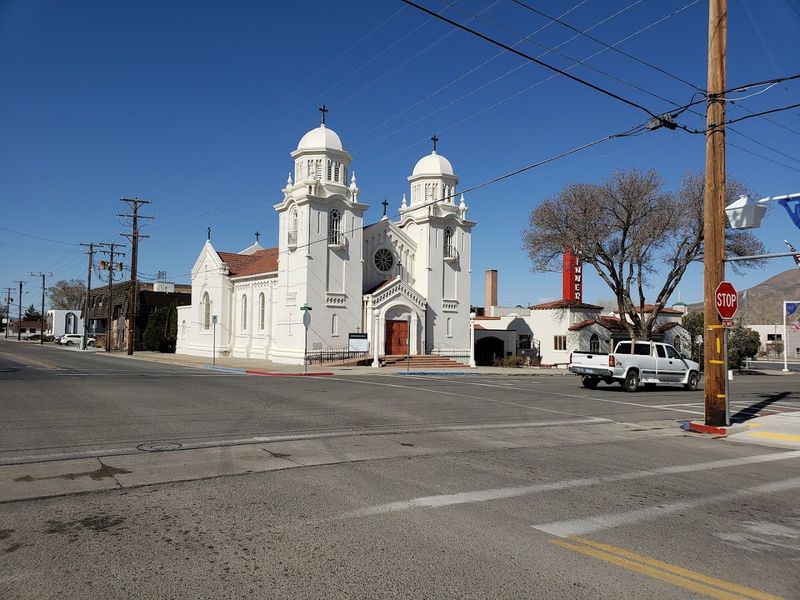
Named after a respected Northern Paiute chief, Winnemucca began as a trading post and grew into a ranching and railroad center. The town gained notoriety when Butch Cassidy robbed the First National Bank in 1900, escaping with over $32,000.
Today, about 8,000 people call Winnemucca home, making it significantly larger than other towns on this list but still maintaining its frontier character.
The Humboldt Museum showcases an impressive collection of Basque cultural artifacts, reflecting the significant Basque population that settled here. Pioneer-era wagons, Native American artifacts, and mining equipment fill the museum, telling the diverse stories of those who shaped this region.
The building itself, a former church, adds architectural interest to the collection.
Downtown preserves several historic buildings along Bridge Street, though modern businesses now occupy many of them. The Martin Hotel, established in 1898, continues operating and serves authentic Basque family-style dinners that attract diners from across the state.
This culinary tradition connects visitors to the immigrant communities that helped build Nevada.
Interstate 80 runs through Winnemucca, making it accessible for travelers crossing the state. Annual events like the Basque Festival and Ranch Hand Rodeo celebrate the town’s ranching heritage and cultural diversity.
While less abandoned than other forgotten towns, Winnemucca offers authentic Western culture without the heavy commercialization found in larger Nevada cities.
9. Tonopah
Jim Butler’s burro allegedly wandered off one night in 1900, leading to the discovery of silver ore that created Tonopah. This last great silver strike in Nevada brought prosperity that lasted longer than most boom towns experienced.
The mines produced over $150 million in silver and gold before operations wound down, leaving behind a town that never completely emptied.
Around 2,500 residents live in Tonopah today, supporting a surprising array of services for such a remote location. The Mizpah Hotel, restored to its 1907 glory, offers luxurious accommodations and reportedly hosts several friendly ghosts.
The historic district features dozens of buildings from the mining era, many still in daily use for businesses and residences.
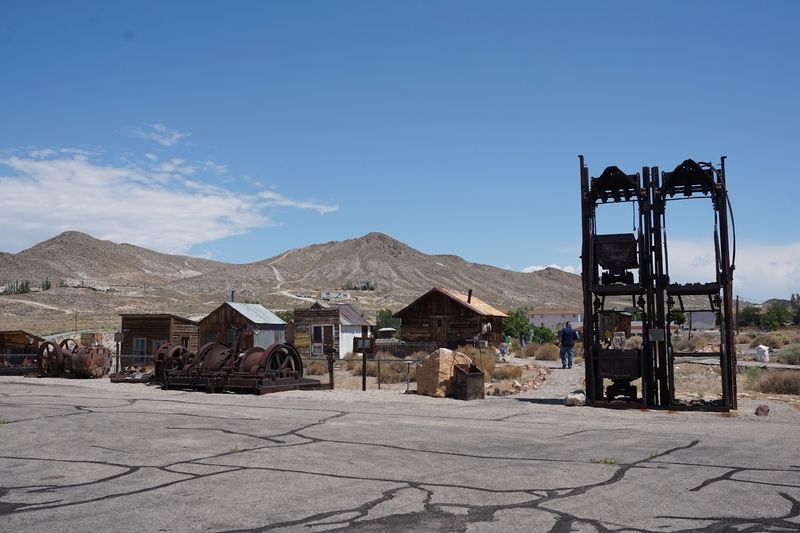
The Central Nevada Museum preserves mining equipment, vintage vehicles, and historical photographs documenting the silver boom. Outside, restored mining structures and equipment create an open-air exhibit.
The Tonopah Historic Mining Park allows visitors to explore actual mine sites and processing facilities on the edge of town.
Stargazers flock to Tonopah for its exceptionally dark skies, among the darkest in the continental United States. The town embraces this asset, promoting astro-tourism alongside its mining heritage.
Located at the junction of Highways 95 and 6, Tonopah serves as a gateway to numerous ghost towns and historic sites scattered across central Nevada’s vast desert expanses.