
13 Surprisingly Quiet Places In Georgia You Should Visit Before They’re Discovered
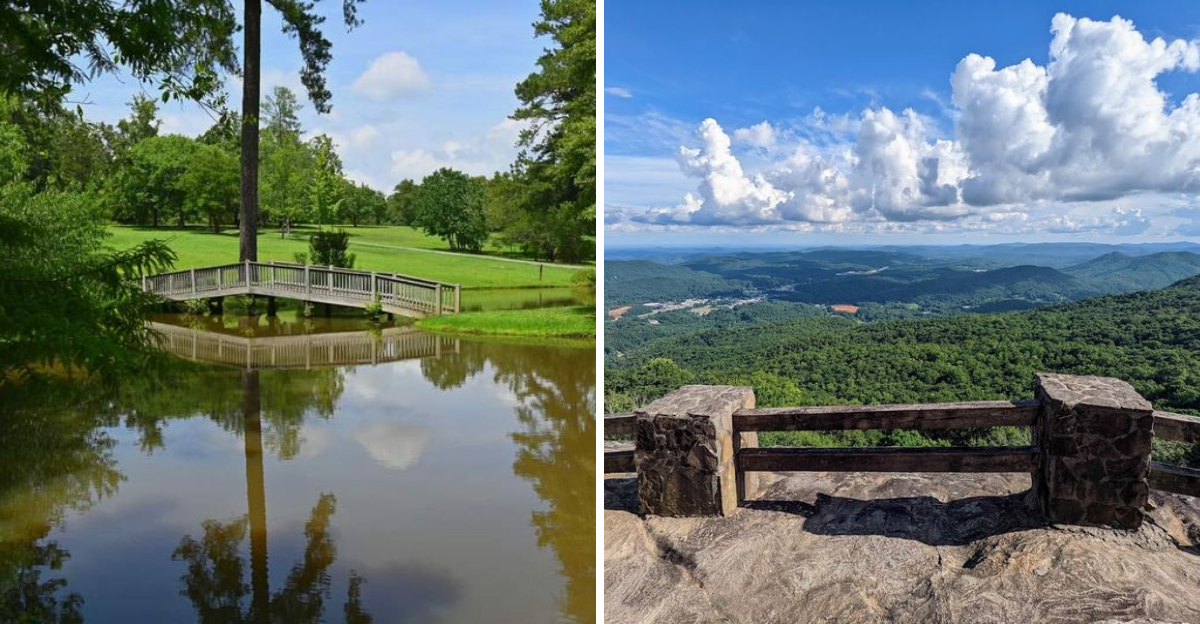
Georgia is filled with hidden gems waiting to be discovered, places where nature, history, and tranquility take center stage. Beyond the well-trodden paths of Atlanta and Savannah, you’ll find quiet swamps, ancient Native American sites, and serene landscapes that remain under the radar.
These peaceful escapes offer a chance to connect with Georgia’s rich past and unspoiled beauty, all while avoiding the crowds and chaos. So, pack your bags and your curiosity, Georgia’s best-kept secrets are waiting for you to explore.
1. Cumberland Island National Seashore
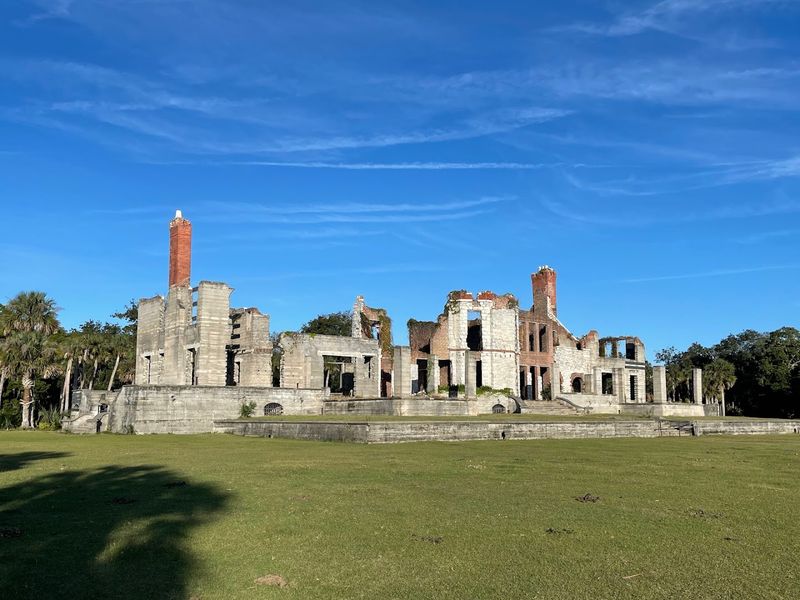
Wild horses roam free along miles of untouched beaches here, and you won’t find a single hotel or restaurant on the entire island. Getting there requires a ferry ride, which automatically keeps the crowds thin.
Once you step onto the sand, it feels like you’ve traveled back in time to a Georgia before development took over.
The ruins of old mansions peek through jungle-like vegetation, telling stories of wealthy families who once called this place home. You can hike through maritime forests where live oaks drape Spanish moss like curtains.
Dolphins often play in the waves just offshore while you search for shells that wash up by the thousands.
Camping overnight means falling asleep to nothing but ocean waves and waking up to sunrise over the Atlantic without another soul in sight.
2. Providence Canyon State Park
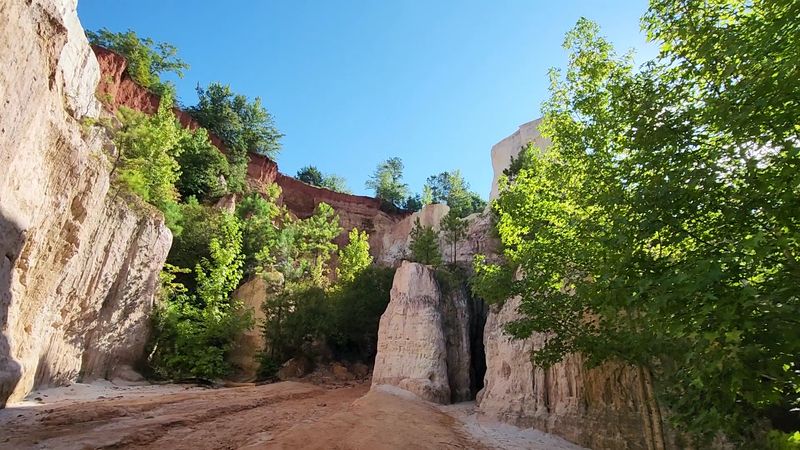
People call this Georgia’s Little Grand Canyon, and honestly, the nickname fits perfectly. Erosion carved these stunning gullies over 150 years, creating walls that glow in shades of pink, orange, red, and purple.
Walking through the canyon floor feels surreal because you don’t expect to find desert-like landscapes in the middle of Georgia.
Most visitors stick to the rim trail and snap a few photos before leaving. That means the canyon floor trails stay blissfully empty most days.
You can spend hours exploring the maze of passages, each turn revealing new color combinations in the soil layers.
Summer brings intense heat, so spring and fall visits work best. Bring plenty of water and wear sturdy shoes because the sandy soil can be tricky to navigate.
3. Okefenokee National Wildlife Refuge
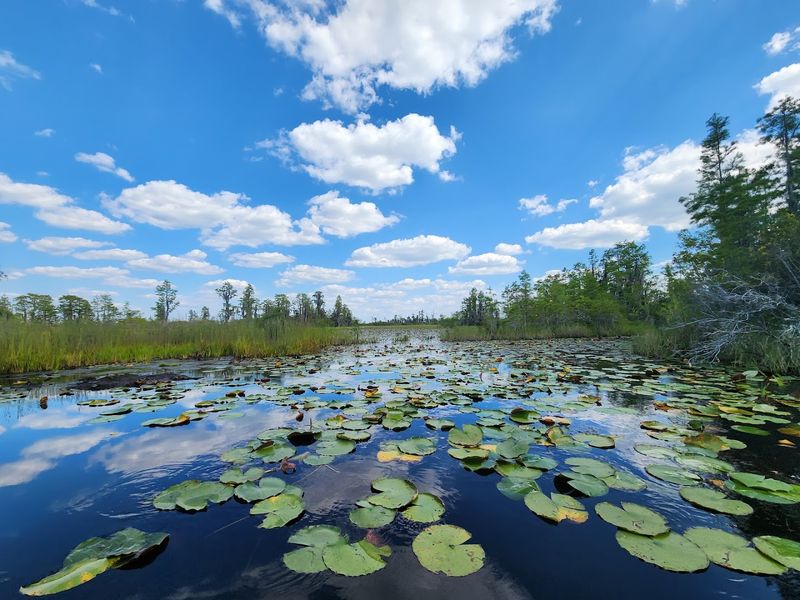
Alligators sunbathe on logs while herons fish in shallow waters throughout this massive swamp that spans nearly 440,000 acres. Most people think swamps are creepy or boring, but Okefenokee proves them wrong with every paddle stroke.
The water reflects the sky like a giant mirror, and cypress trees create natural tunnels that make you feel tiny.
Renting a canoe or kayak lets you glide silently through channels where wildlife doesn’t even notice you’re there. You might spot black bears, otters, or even the occasional bobcat along the banks.
The refuge stays surprisingly quiet because it takes real effort to explore properly.
No cell service exists out here, which actually becomes a blessing after the first hour. Overnight camping on wooden platforms deep in the swamp offers an experience you’ll never forget.
4. East Palisades Trail (Bamboo Forest)
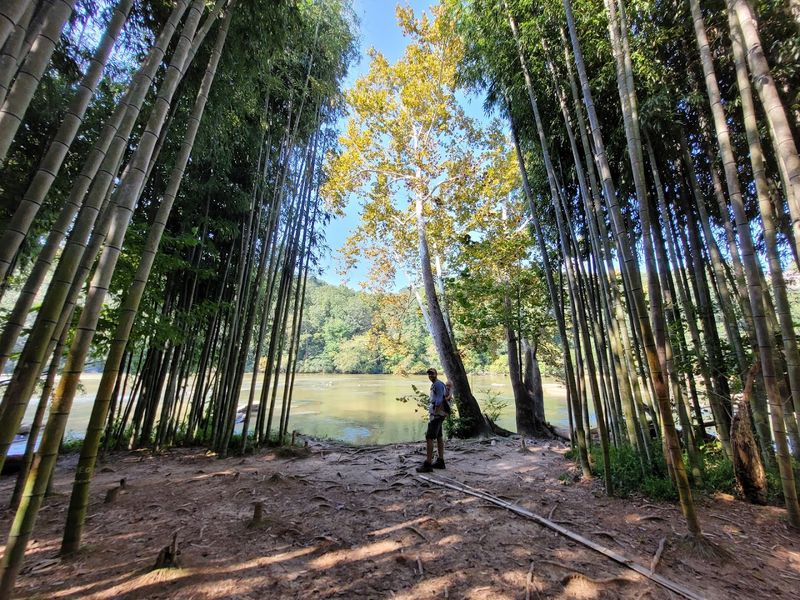
Bamboo towers overhead in thick groves that make you forget you’re still technically inside Atlanta’s city limits. The stalks creak and clack in the breeze, creating music that drowns out any traffic noise from nearby roads.
This section of the Chattahoochee River National Recreation Area feels more like Southeast Asia than the American South.
Trails wind along the river where you can spot kingfishers diving for fish and turtles sunning themselves on rocks. The bamboo sections provide shade even on the hottest summer days.
Rock outcrops offer perfect spots for sitting and watching the river flow past.
Early morning visits reward you with mist rising off the water and deer browsing near the trail. The parking lot fills up on weekends, but arrive before 9 AM and you’ll have the bamboo forest mostly to yourself.
5. Kolomoki Mounds State Historic Park
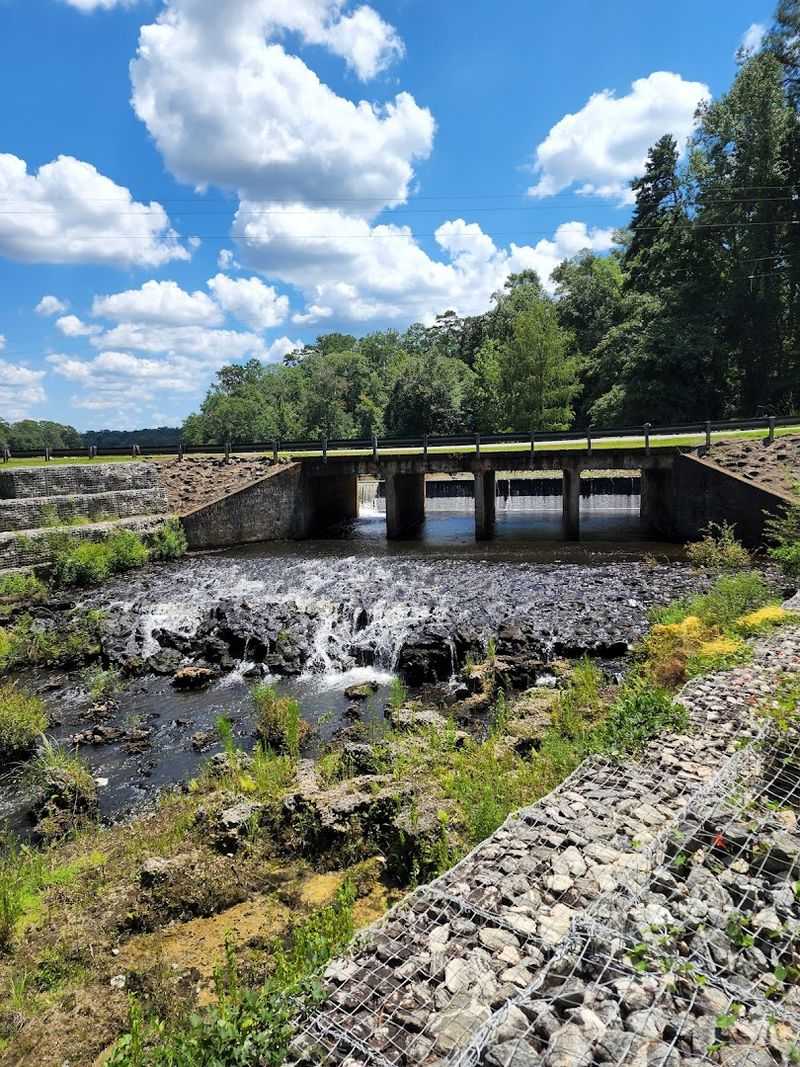
Seven massive earthen mounds rise from the forest floor here, built by Native Americans over 1,500 years ago. Standing atop the Great Temple Mound, you can imagine the ceremonies and daily life that once filled this village of thousands.
The site ranks as one of the largest and oldest Woodland Indian settlements in the Southeast.
A small museum displays actual excavated artifacts and explains how these ancient people lived. Walking the trails between mounds, you’ll probably have the entire park to yourself on weekdays.
The peaceful setting makes it easy to spend hours contemplating the hands that moved millions of basketfuls of earth to create these monuments.
Camping facilities exist if you want to stay overnight, and a lake offers fishing opportunities. Very few people know about this place, which keeps it wonderfully quiet and contemplative.
6. Lockerly Arboretum (Milledgeville)
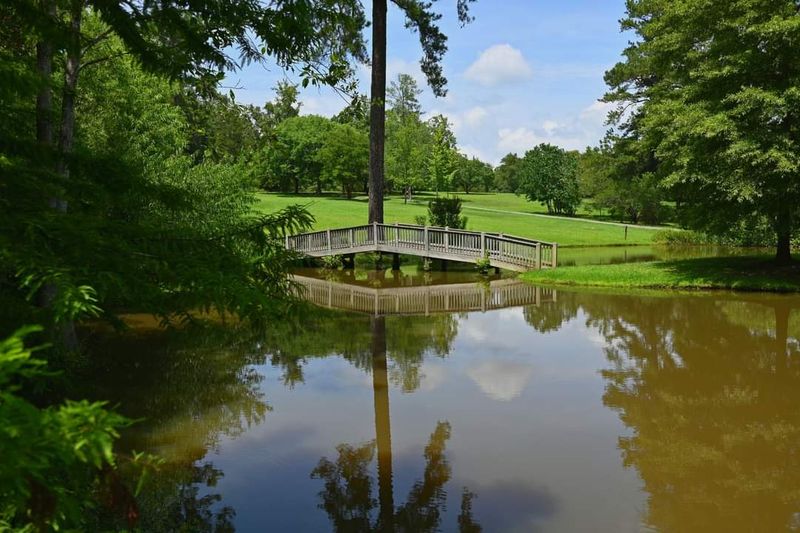
Fifty acres of native plants and themed gardens create a living museum that celebrates Georgia’s botanical diversity. Unlike busy Atlanta botanical gardens, Lockerly maintains an intimate, almost secret feel.
Paths meander through pine forests, past ponds, and into specialized gardens showcasing everything from ferns to rare native azaleas.
The grounds once belonged to a private estate, and that heritage shows in the careful attention to design and plant selection. Benches appear at perfect spots for sitting and birdwatching.
Educational programs happen regularly, but they never overwhelm the peaceful atmosphere.
Spring brings explosive blooms of native wildflowers and flowering trees. Fall colors rival anything you’ll find in North Georgia mountains.
Admission costs very little, yet most Georgians have never heard of this gem tucked away in the old capital city.
7. Pettyjohn Cave
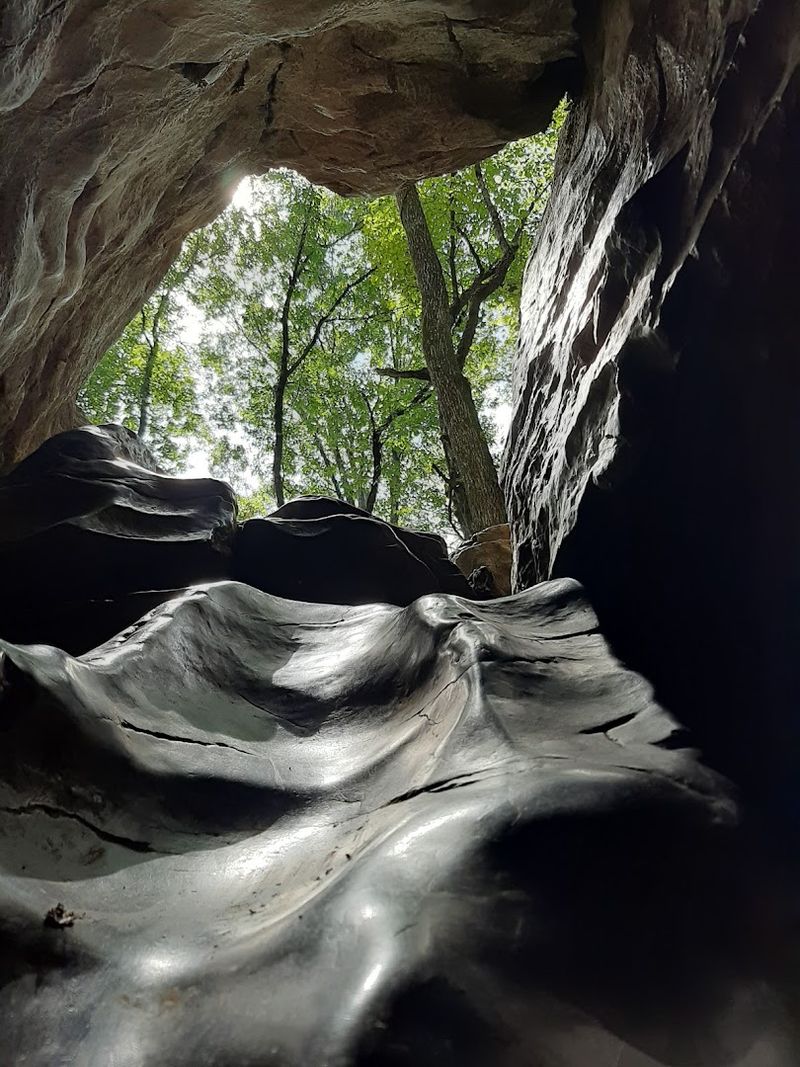
Crawling through narrow passages and squeezing past rock formations makes you earn every view inside this wild cave system. Unlike commercial caves with paved walkways and lights, Pettyjohn requires headlamps, old clothes, and a sense of adventure.
The cave stretches over a mile underground with multiple levels to explore.
Rock formations create natural sculptures that took millions of years to form. Underground streams trickle through chambers where the temperature stays constant year-round.
You’ll need to join a guided group or go with experienced cavers because getting lost is a real possibility.
The physical challenge keeps casual tourists away, meaning only dedicated explorers make the journey. Mud, tight squeezes, and darkness aren’t for everyone, but those who push through discover an underground world few Georgians ever see.
Always check regulations before visiting because access sometimes closes to protect the cave.
8. Sautee Nacoochee & Rabun Gap
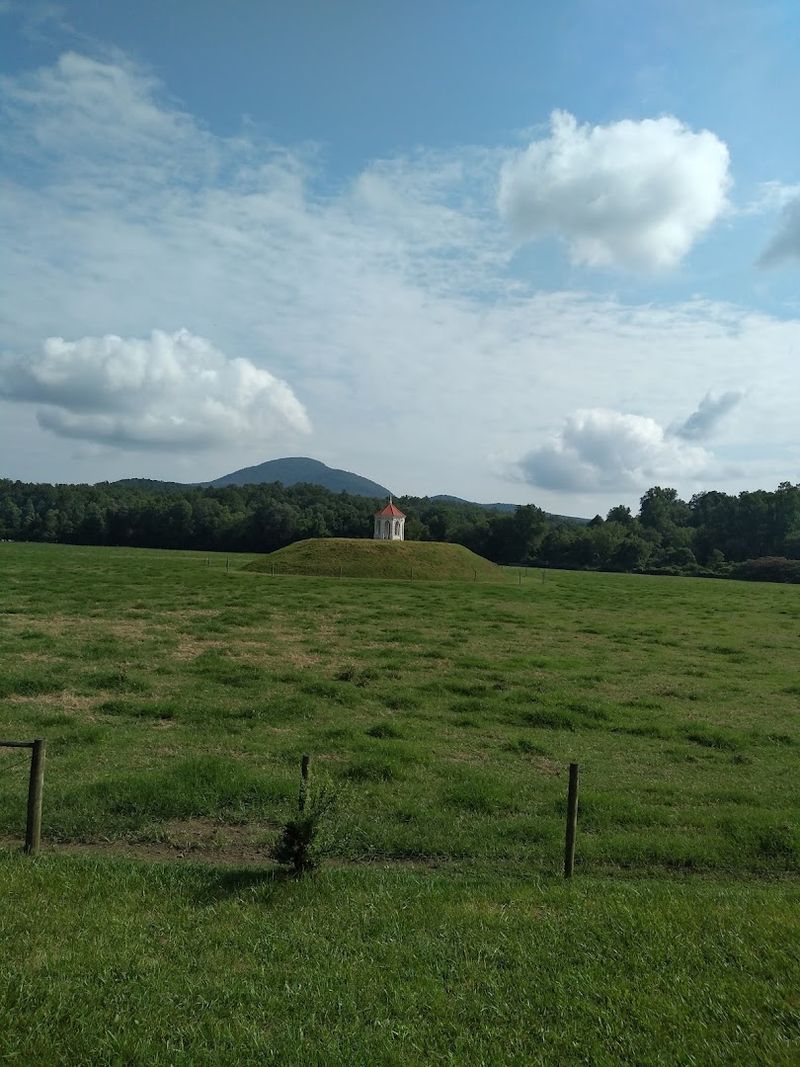
This mountain valley captures what North Georgia looked like before tourist towns took over. A distinctive Native American mound sits in the middle of farmland with mountains rising on all sides.
Small art galleries and craft shops dot the area, but they maintain a low-key vibe that respects the valley’s natural beauty.
Rabun Gap nearby offers even more solitude with hiking trails that see a fraction of the traffic compared to popular spots. Old homesteads and historic buildings tell stories of Appalachian life.
You can drive the scenic roads for hours, stopping at roadside waterfalls and overlooks that tour buses can’t reach.
Local restaurants serve genuine mountain cooking without the crowds found in Helen or Blue Ridge. The entire area feels like stepping back to a simpler time when tourism meant quiet appreciation rather than theme park attractions.
9. Tugaloo State Park
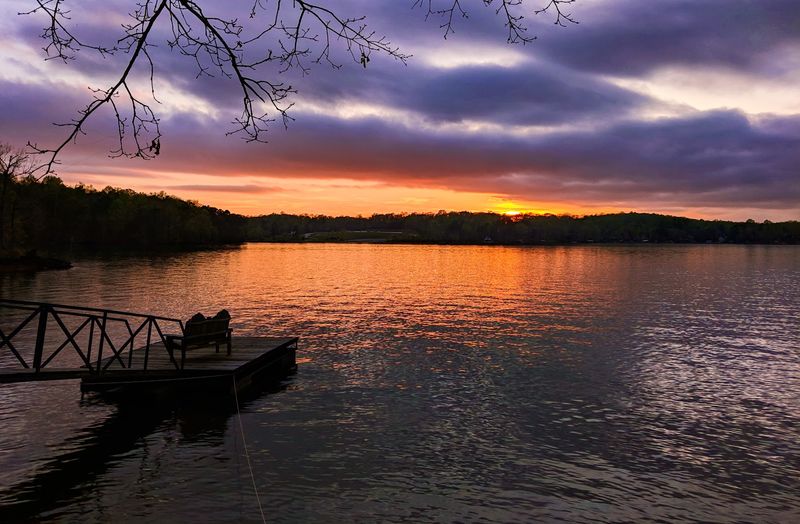
Tucked against the South Carolina border, this state park sits on a peninsula jutting into Lake Hartwell. Somehow it escaped the development frenzy that hit other Georgia lakes.
Camping sites spread out enough that you won’t hear your neighbors, and the swimming beach rarely gets crowded even on summer weekends.
Fishing from the shore or a boat produces bass, catfish, and crappie throughout the year. Hiking trails wind through woods where wildflowers bloom in spring and leaves explode with color each fall.
The miniature golf course and playground keep families happy without creating a carnival atmosphere.
Sunset views across the lake rival anything you’ll find at more famous destinations. Because it’s slightly off the beaten path, Tugaloo maintains a locals-only feel even though anyone can visit.
Cabin rentals offer a comfortable alternative to camping.
10. Clarks Hill Lake (Lake Thurmond)
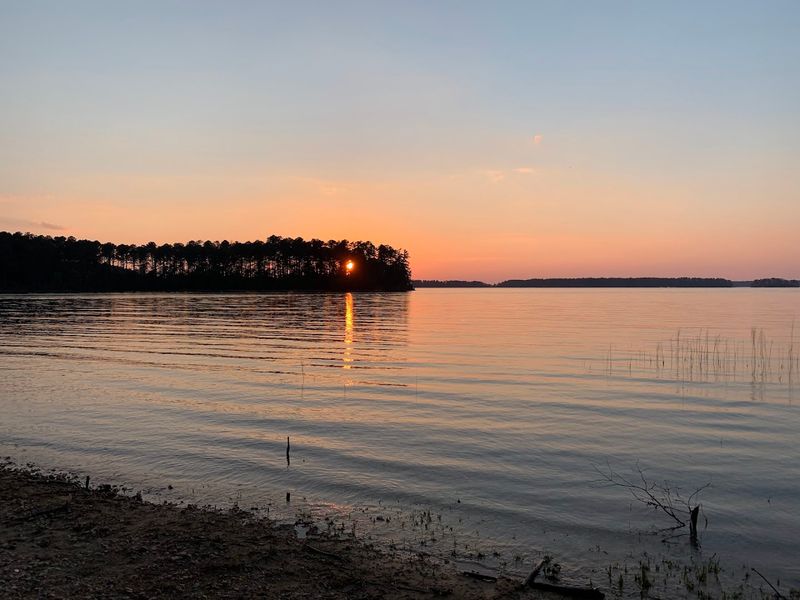
Stretching across 71,000 acres, this massive reservoir somehow stays under the radar compared to Lake Lanier. The sheer size means you can find your own private cove even on holiday weekends.
Multiple public access points dot the shoreline, offering boat launches, fishing spots, and picnic areas.
Islands scattered throughout the lake create endless opportunities for exploration by kayak or boat. Bass fishing tournaments happen regularly because the lake produces trophy-sized catches.
Camping options range from primitive sites to full-service campgrounds with modern amenities.
The Army Corps of Engineers manages the area, keeping development minimal and natural beauty intact. You can spend entire days on the water without seeing the same cove twice.
Wildlife thrives along the undeveloped shoreline where eagles nest and deer come to drink at dawn.
11. Pine Mountain Recreation Area
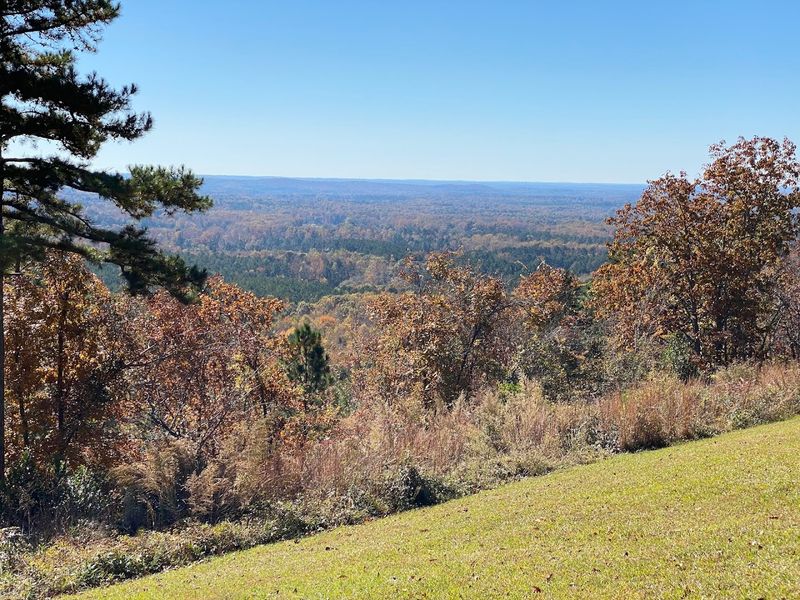
Mountains rise unexpectedly from the Piedmont plateau here, creating an island of elevation in otherwise flat terrain. The recreation area protects over 23,000 acres of forest where trails range from easy walks to challenging climbs.
Views from the ridgetops stretch for miles across West Georgia countryside.
Roosevelt State Park anchors the area with facilities built by the Civilian Conservation Corps during the 1930s. Stone cabins and picnic shelters showcase Depression-era craftsmanship.
The nearby town of Pine Mountain offers small-town charm without the tourist trap atmosphere found in mountain towns farther north.
Waterfalls, streams, and swimming holes appear along trails that rarely see crowds. Mountain biking opportunities abound on designated paths.
Fall foliage here peaks later than North Georgia, giving you a second chance to catch autumn colors if you missed them elsewhere.
12. Black Rock Mountain State Park
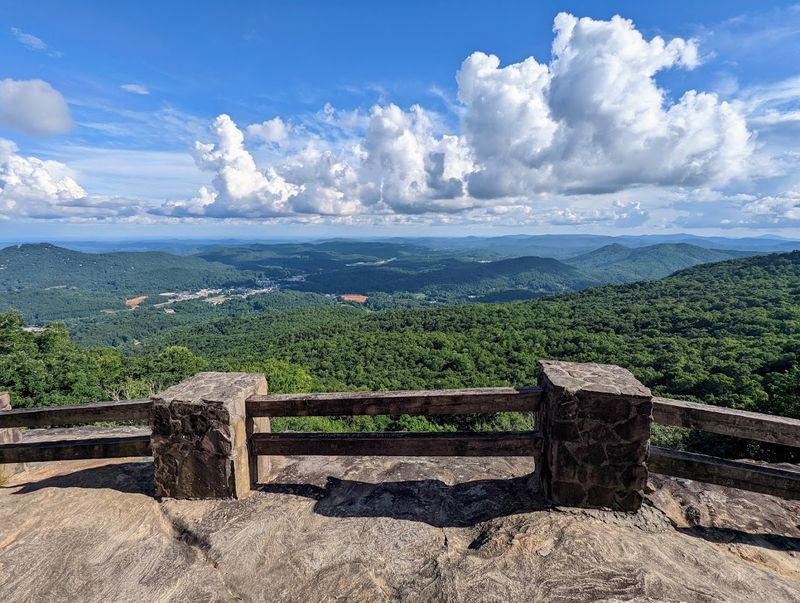
Georgia’s highest state park sits atop a 3,640-foot peak where temperatures run ten degrees cooler than the valleys below. Overlooks provide 180-degree views across mountain ridges that fade into the distance like blue waves.
The park’s remote location in Rabun County means fewer visitors compared to parks closer to Atlanta.
Hiking trails lead to waterfalls, through old-growth forests, and along ridgelines where hawks ride thermal currents. Seventeen acres of lake offer fishing and non-motorized boating in a pristine setting.
Camping facilities include both tent sites and cozy cabins with fireplaces.
Winter sometimes brings snow to the summit, transforming the landscape into a wonderland. Wildflowers carpet the forest floor each spring before the tree canopy fills in.
The park feels like a secret hideaway even though it’s been protecting this mountaintop since 1952.
13. Chattahoochee National Forest
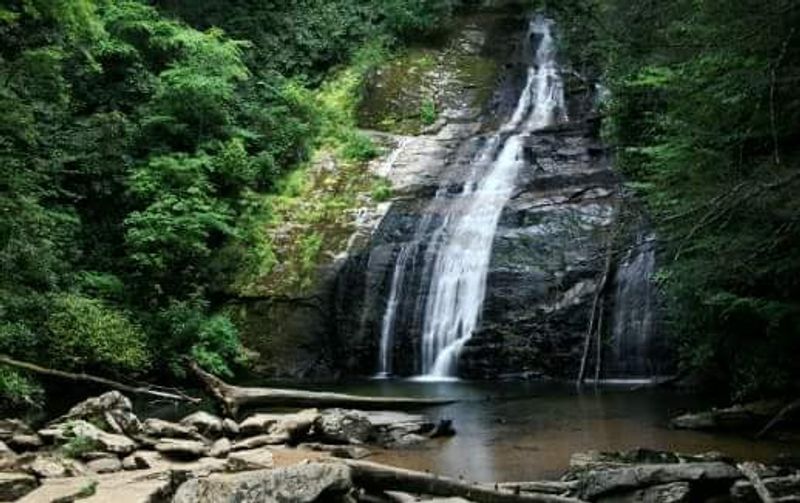
Spanning nearly 750,000 acres across North Georgia mountains, this national forest contains countless quiet corners that most hikers never discover. Everyone flocks to Blood Mountain and Anna Ruby Falls, but hundreds of other trails lead to waterfalls, swimming holes, and viewpoints that see maybe a dozen visitors per week.
Old logging roads converted to trails create excellent opportunities for mountain biking and horseback riding. Wilderness areas like the Cohutta protect rugged terrain where you can backpack for days without crossing a road.
Trout streams tumble through valleys where fly fishing becomes meditation.
Free dispersed camping along forest roads lets you set up camp wherever you find a good spot. The forest’s vastness means you can always find solitude if you’re willing to drive down gravel roads and hike beyond the first mile.
Each season brings different reasons to explore these mountains.