
The Underrated Oregon Coastal Town You’ve Probably Never Heard Of
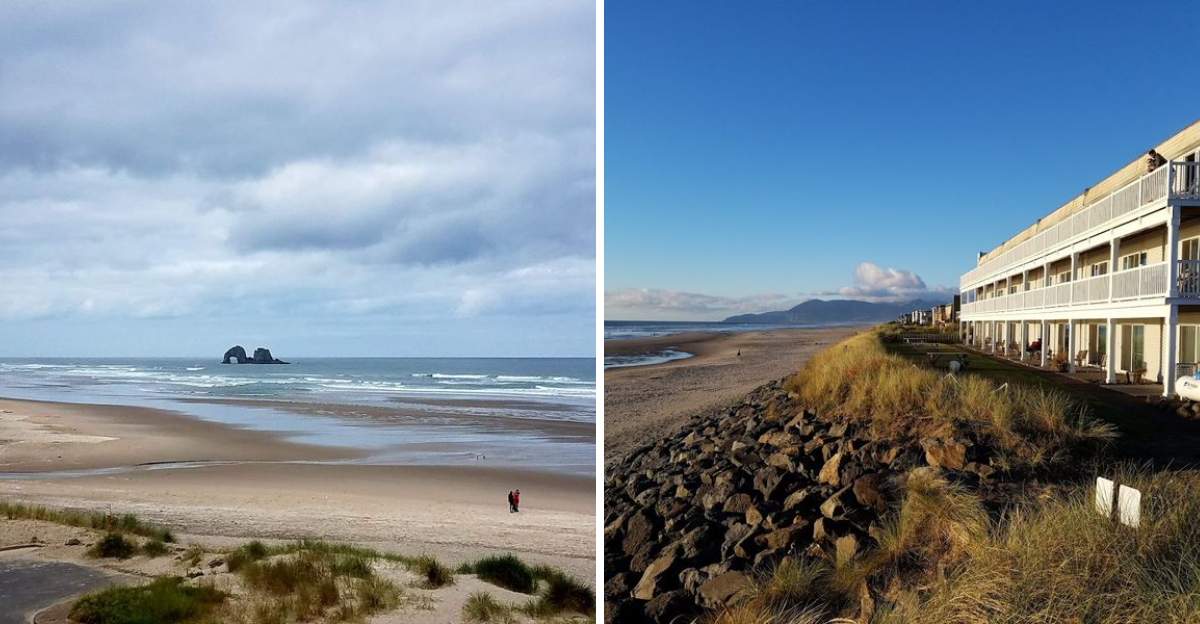
Most people speeding down Highway 101 barely give Rockaway Beach a second thought, focused on bigger, more crowded destinations. But those who skip it are missing out.
This quiet stretch of Oregon coastline offers something increasingly rare: a laid-back beach town where the hustle of tourism never takes over. With seven miles of untouched shoreline, it’s the kind of place that lets you breathe easy and enjoy the ocean without the summer crowds.
In Rockaway Beach, the pace stays slow, and the beach stays open just for you.
A Seven-Mile Stretch Of Quiet, Walkable Beach
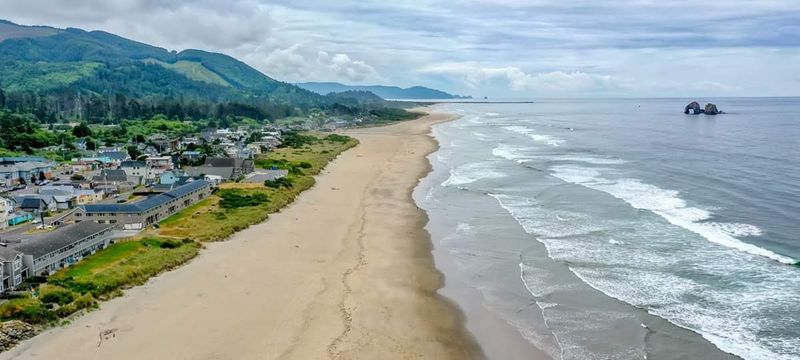
Rockaway Beach unfurls along the Pacific in a long, unbroken ribbon of sand that invites walking more than any other activity. The shore runs flat and firm underfoot, wide enough that even weekend crowds feel dispersed.
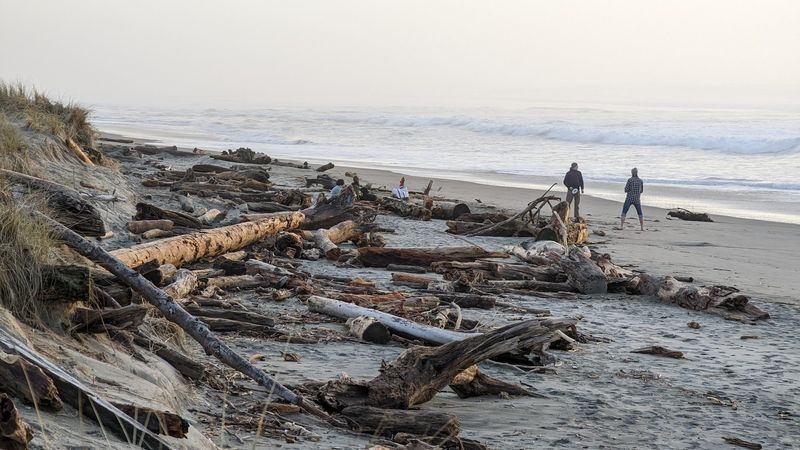
Driftwood logs mark the high-tide line, and the surf rolls in with a steady, unhurried rhythm.
You can walk the entire length without encountering a single parking meter or vendor cart. The beach belongs to beachcombers, kite fliers, and dogs chasing tennis balls into the foam.
Tide pools appear at the north end near low tide, holding small crabs and anemones.
The openness feels deliberate, as if the town decided early on to let the beach remain the main attraction. No boardwalk interrupts the view.
The sand simply meets the grass, then the road, then the modest storefronts that line Highway 101 through town.
Home Of The Original Pronto Pup Corn Dog
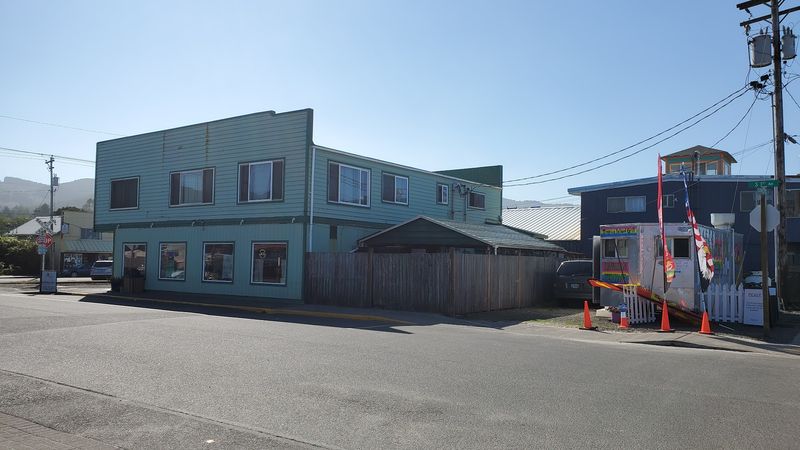
Rockaway Beach stakes a claim most people associate with state fairs: the birthplace of the Pronto Pup. In 1939, George and Versa Boyington invented the corn dog here, dipping hot dogs in batter and frying them on sticks.
Their original stand still operates near the center of town, serving the same recipe to beachgoers who line up on summer afternoons.
The batter crisps up golden and slightly sweet, less cakey than modern carnival versions. Locals will tell you the difference lies in the flour blend and frying temperature, though the family guards the exact formula.
You eat them standing outside, watching gulls circle overhead.
Other Pronto Pup stands have opened across the country, but this one carries the weight of origin. The building itself looks unassuming, a small shack with painted signs and a walk-up window.
On busy days, the smell of frying batter drifts down the block.
Small-Town Coastal Charm With Around 1,400 Residents
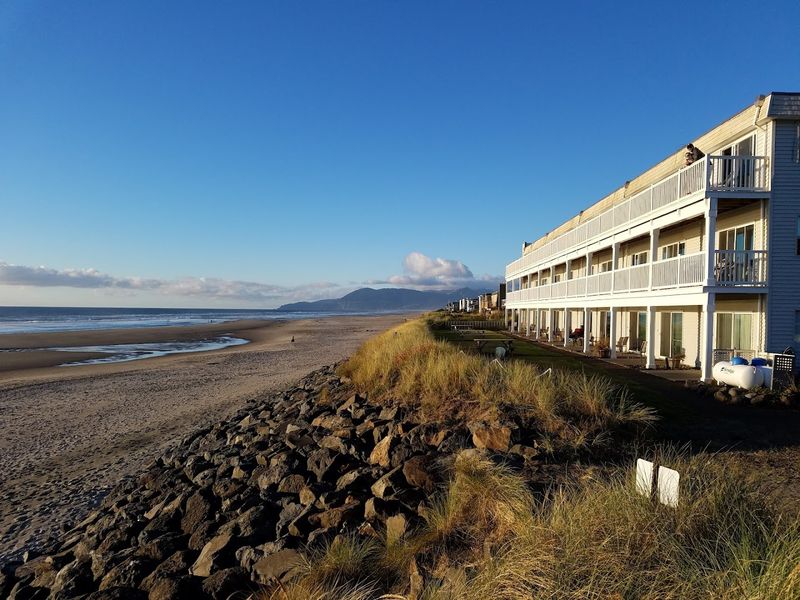
Rockaway Beach holds steady at around 1,400 residents, a population that swells modestly in summer but never overwhelms the town’s infrastructure. The main drag runs along Highway 101, lined with family-owned shops, a handful of motels, and cafes that close by early evening.
Everyone seems to know everyone, or at least recognizes the regulars.
The scale feels right for a place that wants to stay functional without becoming a resort. There are no chain hotels or franchise restaurants crowding the waterfront.
The hardware store sells fishing gear alongside paint supplies, and the grocery store stocks what locals need rather than what tourists expect.
Walking through town takes about fifteen minutes if you keep a steady pace. Most people do not.
They stop to chat on corners or linger outside the bakery. The rhythm of life here moves with the tides, not the traffic, and the size of the community keeps that rhythm intact.
Twin Rocks Rising Just Offshore
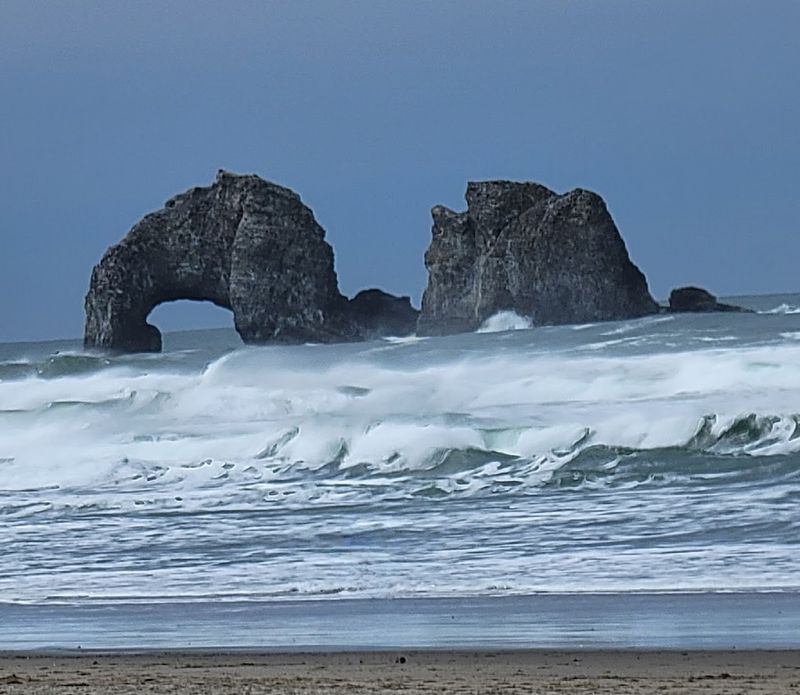
Just south of town, two massive rock formations rise from the surf like sentinels. Twin Rocks stand close together, their dark basalt surfaces streaked white with bird droppings and weathered by centuries of waves.
At low tide, you can walk out near their bases, though the footing turns slippery on the exposed rocks.
Seabirds nest on the upper ledges, and their calls echo across the water throughout the day. The rocks create a natural landmark, visible from miles up and down the coast.
Locals use them as a meeting point or reference when giving directions.
Photographers favor the early morning light, when fog softens the horizon and the rocks emerge from the mist like shapes from an older world. The formations appear on postcards and tourism brochures, but seeing them in person carries more weight.
They anchor the coastline, giving Rockaway Beach a visual signature that distinguishes it from other Oregon shore towns.
A Scenic Stop Along The Oregon Coast Scenic Railroad
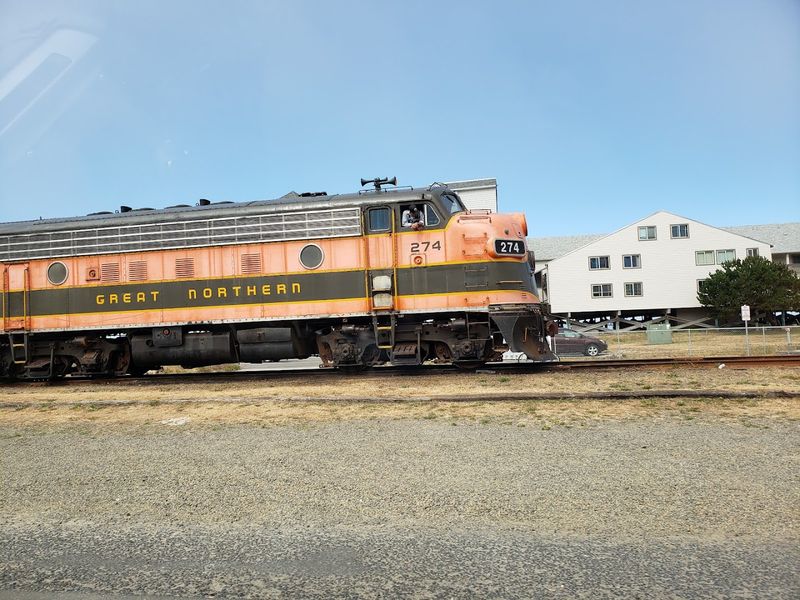
The Oregon Coast Scenic Railroad runs a vintage passenger train between Garibaldi and Rockaway Beach, following tracks that hug the shoreline and offer views most drivers miss. The journey takes about an hour and a half, passing through wetlands, alongside Tillamook Bay, and directly behind beach dunes where the surf crashes just yards from the rails.
The train itself consists of restored passenger cars from the mid-20th century, complete with wooden seats and large windows. Conductors narrate the route, pointing out wildlife and local landmarks.
The pace stays slow, allowing passengers to absorb the scenery without the rush of highway travel.
Rockaway Beach serves as one terminus, where visitors can disembark and explore the town before catching a return trip. The station sits near the center of town, a short walk from the beach.
Riding the train offers a perspective on the coast that feels both nostalgic and practical, a reminder that rail travel once connected these small towns before highways took over.
Storm Watching Without The Big-Crowd Energy
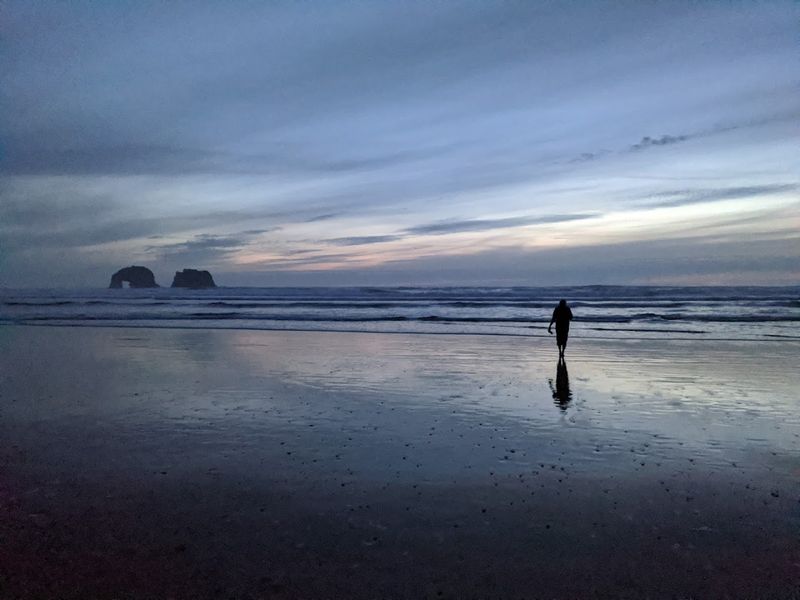
Winter storms roll into Rockaway Beach with impressive force, sending waves high up the beach and filling the air with salt spray. Unlike the more famous storm-watching spots farther south, this stretch of coast draws smaller crowds, even when the weather turns dramatic.
You can watch the Pacific flex its power without jostling for a view.
The best vantage points sit right along the beach access paths, where driftwood logs provide makeshift seating. Wind whips across the sand, and rain comes sideways, but the spectacle rewards those willing to endure the weather.
Waves explode against offshore rocks, sending plumes of white water into the gray sky.
Local motels advertise storm-watching packages, offering rooms with ocean views and hot coffee. The experience feels raw and unfiltered, more about witnessing natural power than collecting photos.
After the storm passes, the beach transforms, littered with fresh driftwood, shells, and sometimes glass floats carried in by the tide.
Crabbing And Clamming In Nearby Nehalem Bay
Nehalem Bay sits just minutes south of Rockaway Beach, offering calm waters ideal for crabbing and clamming. The bay opens to the ocean through a narrow channel, but inside, the water stays protected and shallow.
Locals drop crab pots from docks or small boats, checking them after a few hours to haul in Dungeness crabs.
Clamming happens at low tide, when mudflats emerge along the bay’s edges. Razor clams bury themselves in the sand, and finding them requires a quick hand and a clam shovel.
The work feels meditative, wading through shallow water while watching for the telltale dimples that mark a clam’s location.
Fishing licenses and shellfish permits are required, and regulations change seasonally to protect populations. Most visitors rent equipment from shops in town or bring their own.
The bay provides a hands-on way to engage with the coast, and the reward is fresh seafood cooked the same evening.
Laid-Back Cafés And Family-Owned Seafood Spots
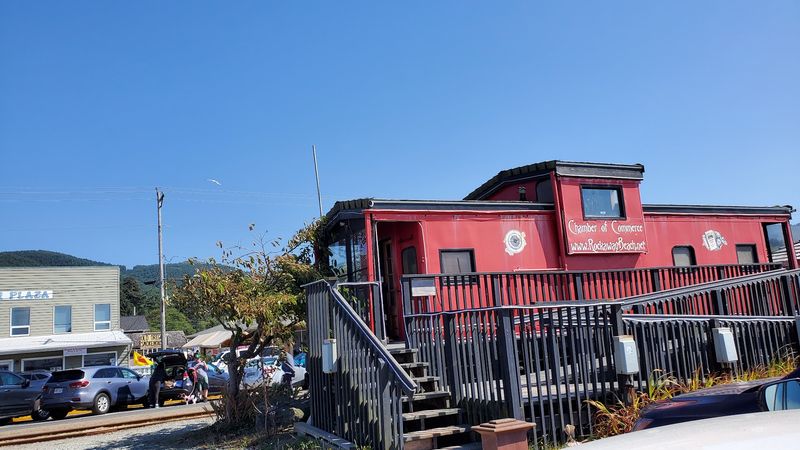
Rockaway Beach dining leans toward the practical and unpretentious. Family-owned seafood restaurants serve fish and chips, clam chowder, and grilled salmon without much fuss.
The menus stay simple, focusing on fresh catch rather than elaborate preparations. You order at the counter, take a number, and wait for your meal to arrive on a plastic tray.
Cafes open early to serve fishermen and beachcombers, pouring strong coffee and serving hearty breakfasts. The atmosphere stays casual, with locals claiming their regular tables and visitors fitting in wherever space allows.
No one rushes you out the door, even when the lunch crowd arrives.
Most establishments close by eight or nine in the evening, reflecting the town’s early-to-bed rhythm. The lack of trendy brunch spots or craft cocktail bars might disappoint some visitors, but it keeps the dining scene authentic.
You eat well here without spending much, and the view often includes the ocean just across the street.
Easy Access To Neahkahnie Mountain Views
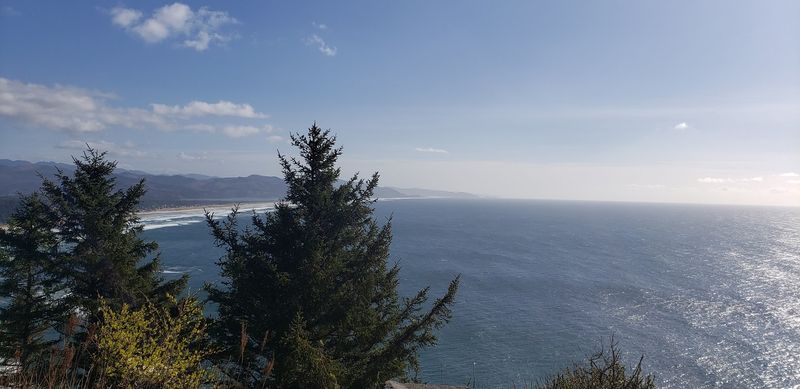
Neahkahnie Mountain rises just south of Rockaway Beach, its forested slopes climbing steeply from the shoreline. Highway 101 winds across its flank, offering pullouts where drivers can stop and absorb the view.
The mountain reaches 1,600 feet at its summit, high enough to provide sweeping perspectives of the coastline in both directions.
A hiking trail leads to the top, gaining elevation quickly through dense Sitka spruce and hemlock. The climb takes about an hour, and the payoff includes unobstructed views of Nehalem Bay, Manzanita, and the Pacific stretching westward.
On clear days, you can see for miles along the coast.
Legend claims Spanish treasure lies buried somewhere on the mountain, a story that adds romance to the landscape but remains unproven. Most visitors come for the views rather than the treasure hunt.
The mountain provides a dramatic counterpoint to the flat beach below, reminding you that Oregon’s coast holds more than sand and surf.
A Beach Town That Still Feels Unhurried
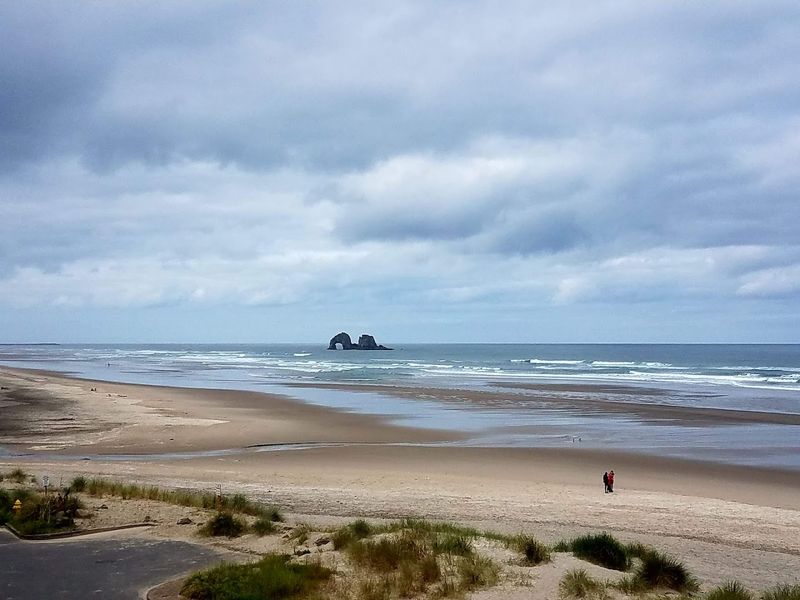
Rockaway Beach operates at a pace that feels increasingly rare along developed coastlines. Traffic moves slowly through town, and pedestrians cross the street without much concern.
The rhythm here follows natural cycles rather than commercial demands, with businesses opening when they open and closing when the day winds down.
You notice the difference in small ways: the lack of parking stress, the absence of amplified music spilling from bars, the ease of finding a spot on the beach without negotiating crowds. The town accommodates visitors without catering to them, maintaining a balance that preserves its character.
This unhurried quality might frustrate those seeking constant entertainment or nightlife, but it suits people looking to decompress. You can spend days here doing very little beyond walking the beach, reading on a driftwood log, and eating simple meals.
The town does not push you toward activities or experiences. It simply offers space and time, commodities that feel increasingly valuable.