
This Scenic 18-Mile Highway In New York Is One Of America’s Most Spectacular Drives
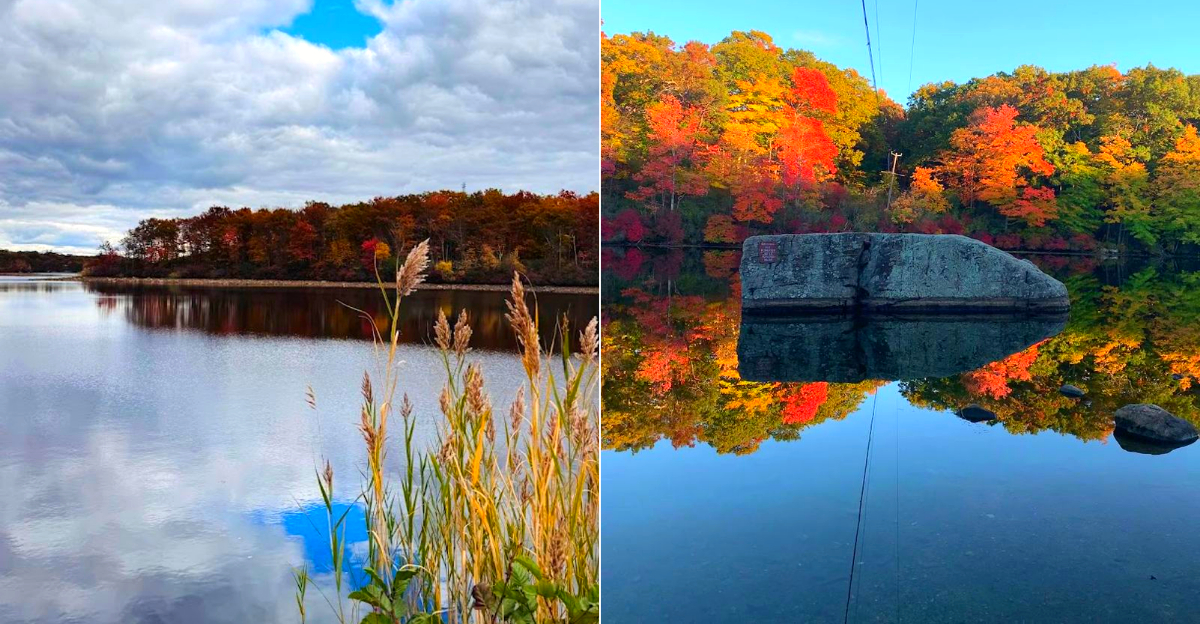
Some drives are just about getting somewhere. This one is the reason you go.
Eighteen miles might not sound like much, but on this stretch of road in New York, every curve feels like it was designed to show off.
New York is home to one of America’s most spectacular drives, and this highway proves it mile after mile.
The views shift constantly, from sweeping overlooks to dramatic rock formations and wide open skies. It’s the kind of road where you actually want to slow down, roll the windows down, and take it all in.
Cameras come out. Playlists get turned up.
Plans get pushed back.
This scenic 18-mile highway in New York turns an ordinary drive into something you’ll remember long after you’ve parked the car.
A Road That Feels Like A Secret Even Though Everyone Knows About It
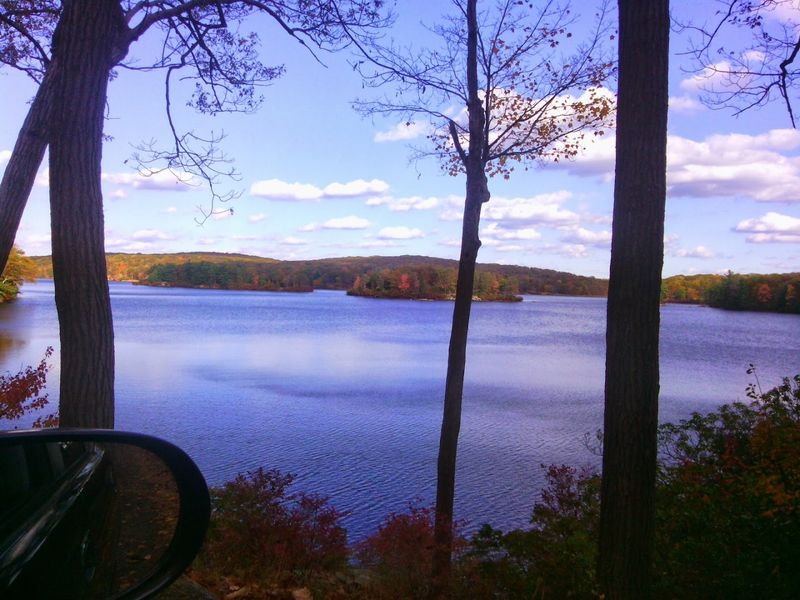
Can you just imagine it? You’re driving along and suddenly the trees part just enough to reveal a lake so calm it looks like someone Photoshopped it into existence.
Then another curve, another lake, and you start wondering if you accidentally drove into a screensaver from 2003. Seven Lakes Drive doesn’t announce itself with billboards or tourist traps.
It just quietly delivers one stunning view after another, like a friend who keeps pulling amazing snacks out of their bag without making a big deal about it. The road itself feels almost conspiratorial in how it reveals its treasures, never giving you the full picture until you’ve committed to the journey.
What makes this drive genuinely special isn’t just the scenery. It’s the fact that you can experience legitimate wilderness without needing a survival guide or bear spray.
The pavement stays smooth, the curves stay manageable, and yet somehow you feel like you’ve escaped civilization entirely.
Families pack picnic baskets, photographers arrive before dawn, and couples who normally argue about directions find themselves actually enjoying the ride. The route manages to be both accessible and wild, which is a rare combination.
You don’t need to be an outdoors expert to appreciate what’s happening outside your windshield, and that democratic quality makes it remarkable.
Quick Snapshot
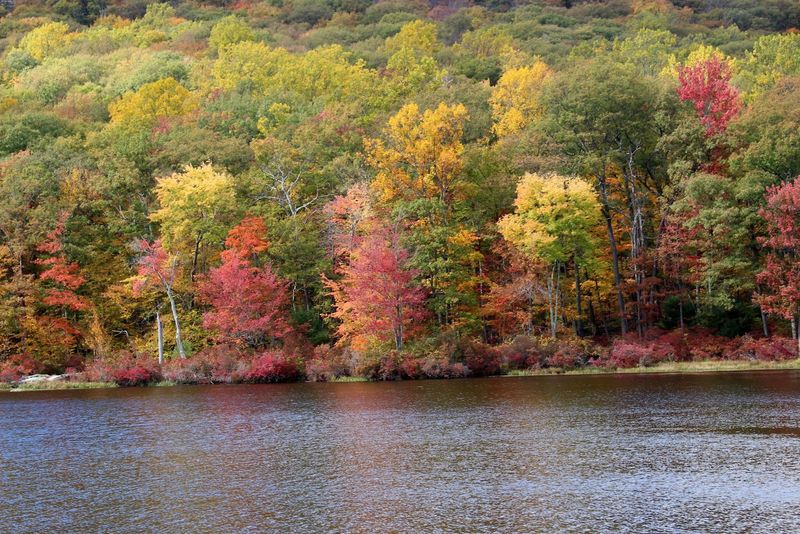
Name: Seven Lakes Drive
Type: Scenic highway connecting two of New York’s established state parks
Setting: Winding, 18-mile route passing multiple lakes, forests, and viewpoints; combination of bustling and secluded areas depending on lake and season
Location: Sloatsburg to the area between Doodletown and Fort Clinton, New York
Arrival: Open year-round (except for temporary closures due to heavy snow); vehicle fee during summer months; best to arrive before 9 AM on weekends during peak foliage season to secure parking
Highlights: Passes Lake Sebago, Lake Kanawauke, Lake Skannatati, Lake Askoti, Lake Tiorati, Silver Mine Lake, and Queensboro Lake; some lakes have swimming areas and boat launches, while others remain hidden and tranquil
Duration: About 45 minutes without stops; at least 3 hours recommended to explore viewpoints, lakes, and hiking opportunities
Why October Turns This Drive Into A Pilgrimage
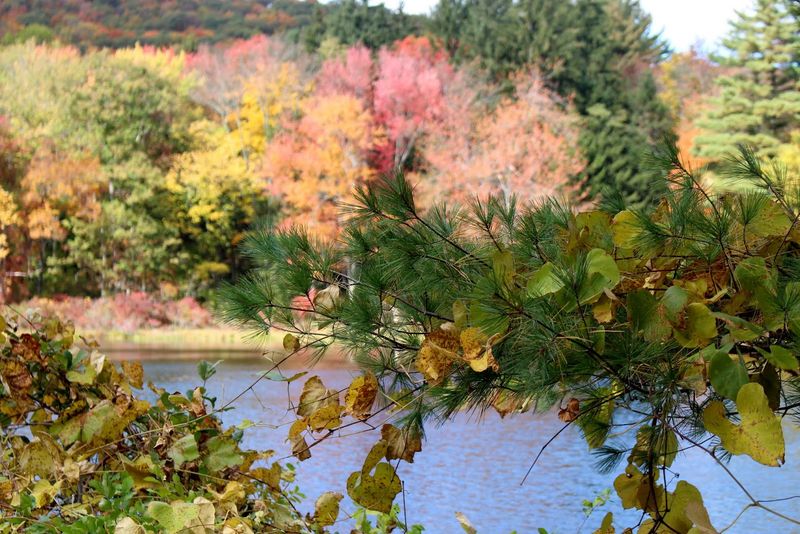
Fall foliage season transforms Seven Lakes Drive from a pleasant scenic route into something people plan vacations around. The sugar maples explode into shades of orange and red that seem almost aggressive in their brightness, while oak trees contribute deeper burgundy tones that anchor the palette.
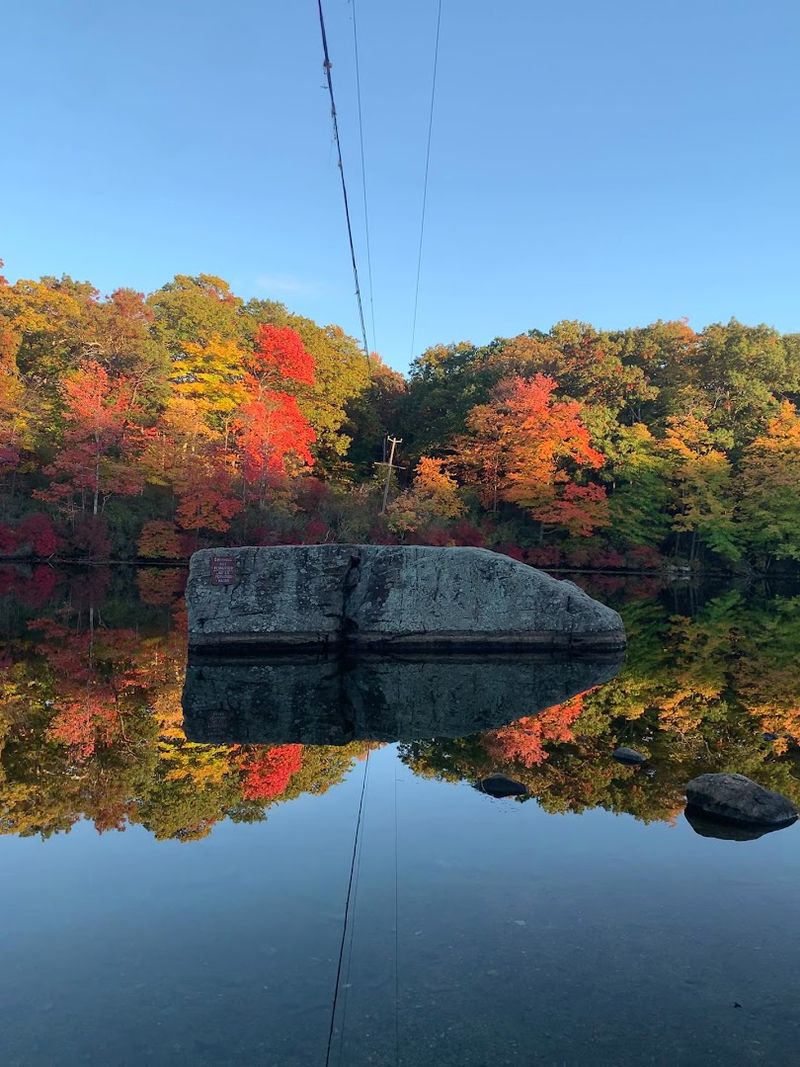
Birches add splashes of yellow that catch the afternoon light, and the whole production reflects off the lake surfaces like nature decided to show off.
Pro tip: Timing your visit requires some strategic thinking. Foliage prediction websites help narrow down the peak window, but conditions shift based on temperature and rainfall patterns.
Generally, the third week of October hits the sweet spot, though some years peak earlier or later by a week.
Weekdays offer significantly better experiences than weekends during this period, with fewer cars competing for pullouts and parking areas. The light matters too.
Morning visits catch mist rising off the lakes, while late afternoon delivers that golden hour glow that makes even amateur photographers look competent.
Beyond the visual spectacle, autumn brings cooler temperatures perfect for hiking without overheating, and the reduced humidity means clearer views across the water. The experience feels both expansive and intimate, grand enough to impress but contained enough to feel personal rather than overwhelming.
The Lakes Themselves And What Makes Each One Different
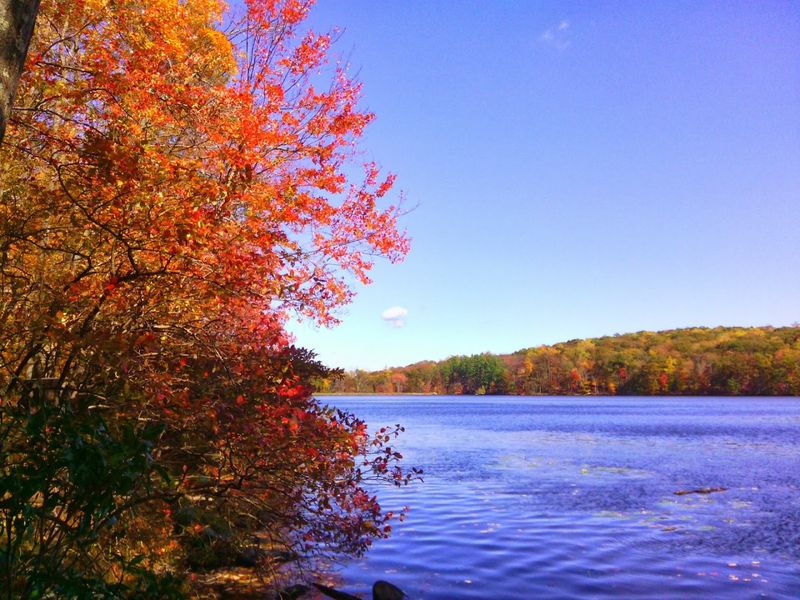
Lake Sebago ranks as the largest and most developed of the seven, offering beaches, picnic areas, and facilities that attract families throughout summer. Its size creates different moods depending on which section you visit, from busy recreational zones to quieter coves where you might spot herons fishing.
Lake Tiorati comes in second for size and features a popular swimming area plus boat rentals, making it another hub of activity during warm months.
Lake Kanawauke and Lake Skannatati occupy the middle ground, accessible but less developed, with hiking trails leading to their shores rather than parking lots depositing you directly at the water’s edge. These lakes reward the mild effort required to reach them with more solitude and better wildlife viewing opportunities.
Lake Askoti, Silver Mine Lake, and Queensboro Lake maintain more secluded characters, visible from the road but requiring deliberate exploration to truly experience. Silver Mine Lake earned its name from historical mining operations in the area, and remnants of that industrial past occasionally surface along nearby trails.
Each lake sits at a slightly different elevation, creating distinct ecosystems and temperature variations. Some freeze solid enough for ice fishing in winter, while others maintain open water longer into the season.
The variety means you could visit multiple times and have genuinely different experiences depending on which lake you choose to explore.
Hiking Options That Range From Stroll To Serious
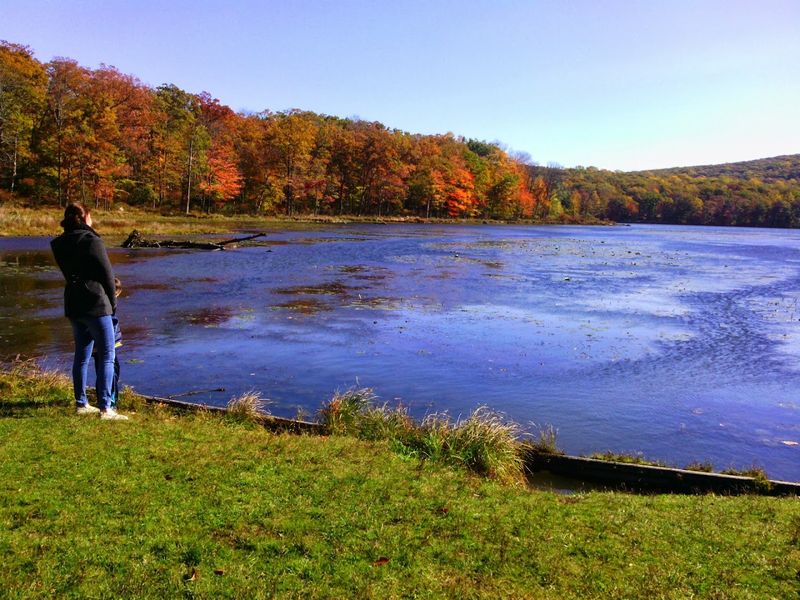
The Appalachian Trail crosses through this region, offering serious hikers the option to tackle challenging terrain with significant elevation changes and rocky scrambles. Several access points along Seven Lakes Drive let you sample sections without committing to a multi-day trek, though even short segments demand proper footwear and reasonable fitness levels.
The views from higher elevations justify the effort, revealing the lakes from angles impossible to see from the road.
For less intense options, the Lake Skannatati Trail offers a relatively flat 3.5-mile loop that circles the lake through mixed hardwood forest. The path stays well-marked and maintained, suitable for families with older children who can handle the distance.
Interpretive signs along the route explain the area’s ecology and history without becoming tedious.
Shorter nature walks surround several parking areas, some barely a quarter mile, perfect for stretching legs without breaking a sweat. These mini-trails often lead to overlooks or small beaches, providing quick rewards for minimal investment.
Trail maps available at park offices show difficulty ratings and estimated times, helping match ambitions to abilities.
Winter hiking attracts a dedicated following, with snowshoes or microspikes becoming necessary equipment depending on conditions. The crowds disappear entirely, and the frozen lakes create otherworldly landscapes where sound carries differently and wildlife tracks tell stories in the snow.
The Historical Layers That Add Depth To The Scenery
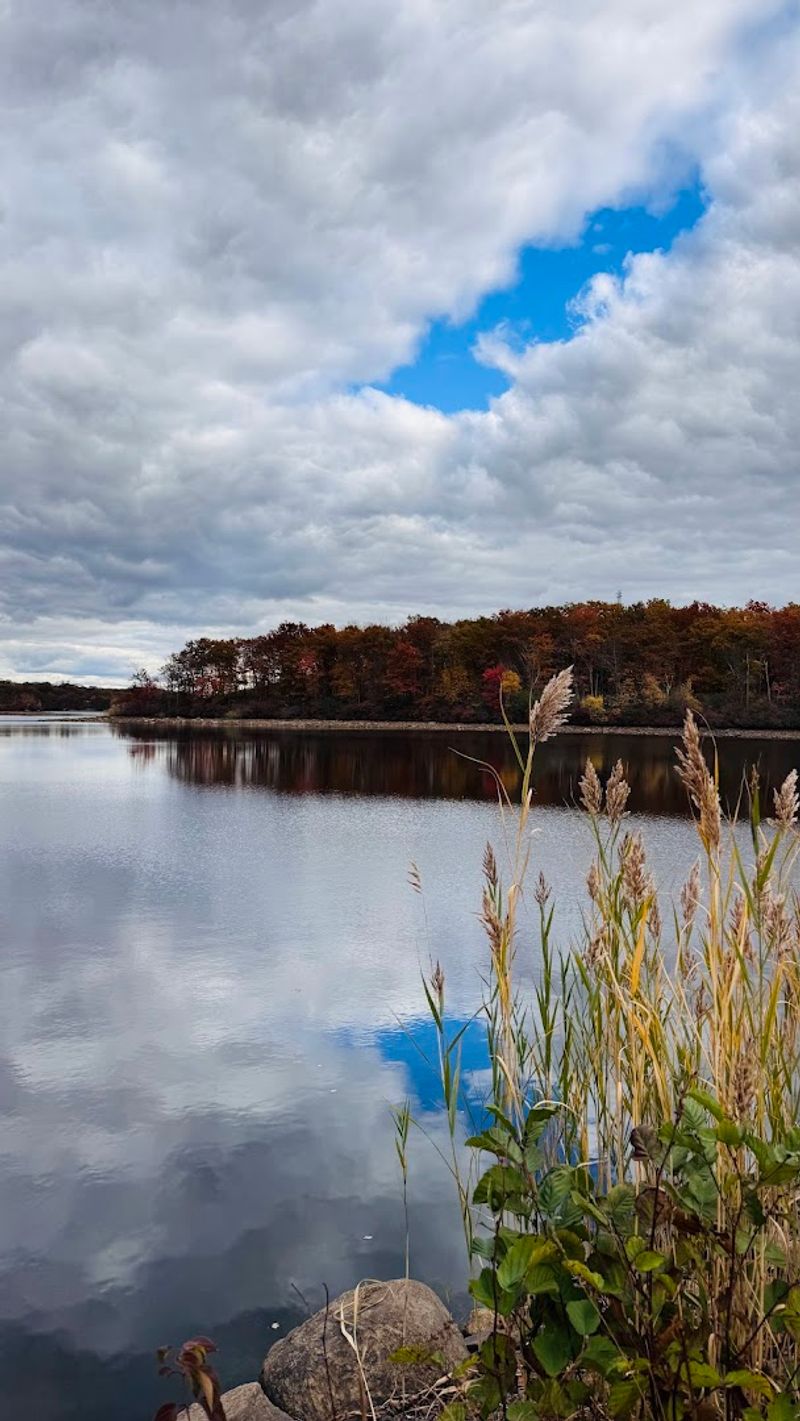
Before becoming parkland, this region supported iron mining operations that fueled the industrial revolution. Remnants of that era persist throughout the forests, with old mine shafts, stone foundations, and rusted equipment gradually being reclaimed by vegetation.
The Greenwood Furnace, accessible via a short trail, stands as one of the better-preserved examples, its massive stone structure still impressive despite decades of abandonment.
Earlier still, the Lenape people inhabited these lands, leaving behind rock shelters and seasonal camping sites that archaeologists continue to study. Some trails pass by these locations, though most remain unmarked to protect them from disturbance.
The lakes themselves formed through glacial activity thousands of years ago, carved and shaped by massive ice sheets that retreated northward as temperatures warmed.
During the early 20th century, the creation of Bear Mountain and Harriman State Parks represented a progressive vision of public land access, ensuring that these landscapes would remain available to everyone rather than becoming private estates. The Civilian Conservation Corps built much of the infrastructure during the 1930s, including roads, trails, and stone pavilions that still serve visitors today.
Understanding these layers transforms a simple drive into something richer. The scenery becomes not just pretty but meaningful, connected to human stories and natural processes that stretch across centuries.
That depth distinguishes truly memorable places from merely photogenic ones.
Final Verdict: Practical Wisdom For Making The Most Of Your Visit
Bringing your own food makes sense since restaurants don’t line this route. Designated picnic areas provide tables and grills, but arriving with a packed cooler gives you flexibility to stop wherever looks appealing.
Water bottles matter more than you’d think, especially if hiking even short distances, and having a basic first aid kit addresses minor scrapes without derailing your day.
Bikes are permitted on Seven Lakes Drive, and cycling the route offers a completely different experience than driving, though the hills demand decent fitness and the curves require vigilance since vehicle traffic shares the road. Early morning rides before traffic builds provide the safest and most pleasant conditions.
Fishing licenses are required for anyone over 16 hoping to cast a line, available online or at sporting goods stores.
Bear sightings happen occasionally, though encounters remain rare and usually involve the bear hurrying away faster than you can grab your phone. Still, securing any food and never approaching wildlife applies universally.
Ticks present a more realistic concern during warmer months, making long pants and post-hike checks sensible precautions.
Weather shifts quickly in these elevations, with temperatures often running 10 degrees cooler than surrounding lowlands. Layered clothing handles these variations better than committing to shorts or heavy jackets.
Sunset arrives earlier between the mountains, so planning your departure before dusk prevents navigating unfamiliar curves in darkness.