
12 Natural Wonders In Tennessee That Feel Surreal In Person
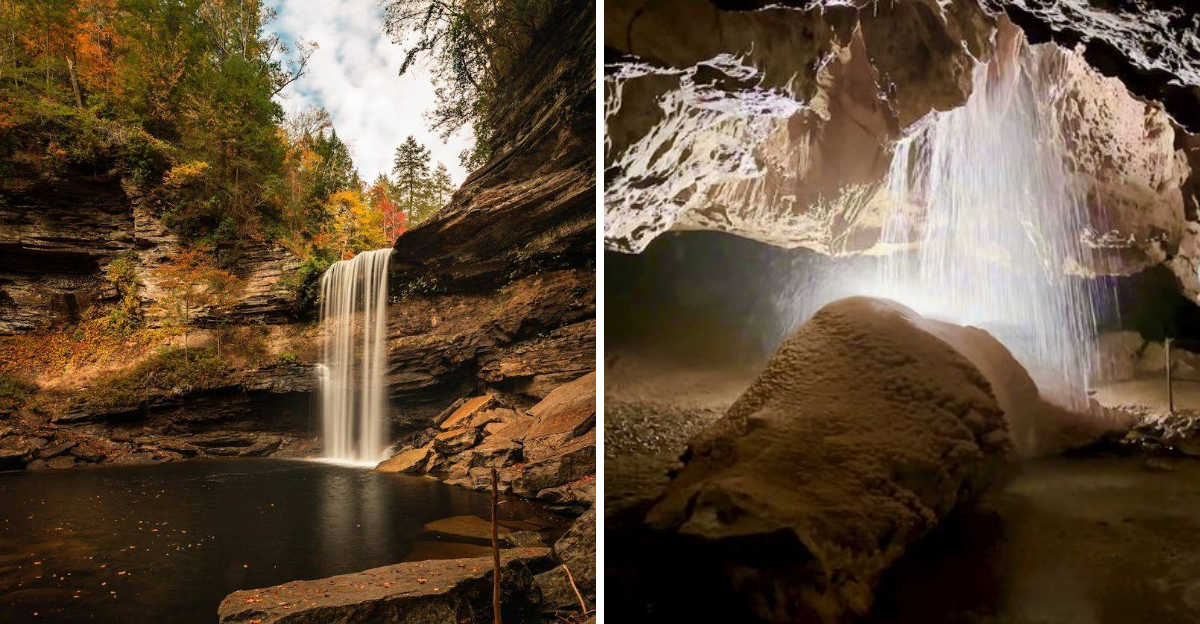
Tennessee’s landscapes can take your breath away with their unexpected beauty and dramatic scenery. Towering waterfalls tumble into sparkling pools, caverns stretch deep beneath the surface, and rolling hills and forests create vistas that feel almost otherworldly.
Streams carve winding paths through lush valleys, and rock formations rise like sculptures shaped by centuries of wind and water. Experiencing these natural wonders in person is a reminder of the state’s incredible diversity, where each site offers something unique to see and feel.
The sights, sounds, and even the scents of these places combine to create moments that linger in memory long after you leave. Exploring Tennessee’s wild side shows just how magical nature can be.
1. Tuckaleechee Caverns
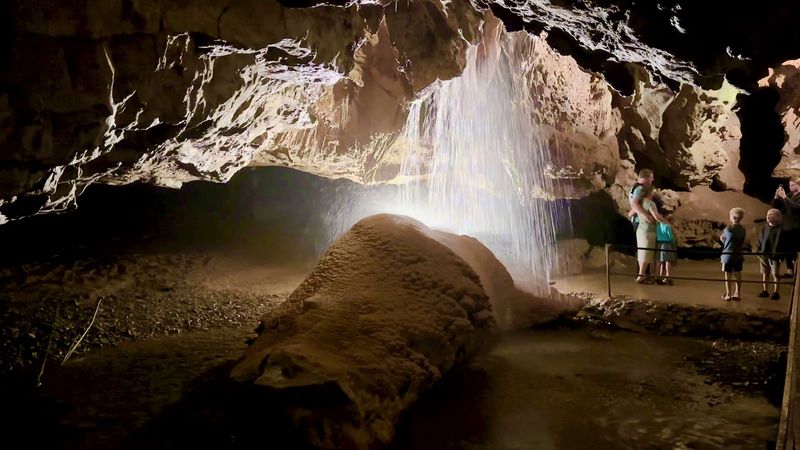
Somewhere beneath the Great Smoky Mountains, a world exists that most people never get to see. Tuckaleechee Caverns in Townsend, Tennessee, sits along Cavern Road and stretches underground in ways that genuinely make your jaw drop the moment you step inside.
The air is cool and earthy, and the sheer size of the chambers feels almost impossible.
The caverns were discovered in the 1930s by two local boys who squeezed through a small opening and found something extraordinary waiting on the other side. Today, visitors walk through well-lit passages lined with dramatic stalactites, stalagmites, and massive columns that took thousands of years to form.
One chamber alone stretches over an acre in size.
Kids and adults both tend to go quiet when they first see the formations up close. The silence underground is unlike anything you experience on the surface.
Guided tours run regularly and take about an hour, so you get a real sense of the cave’s scale without rushing. Wear comfortable shoes because the paths can be slippery.
The entrance fee is very reasonable, making this one of the best underground adventures in the entire Southeast.
2. Fall Creek Falls State Park
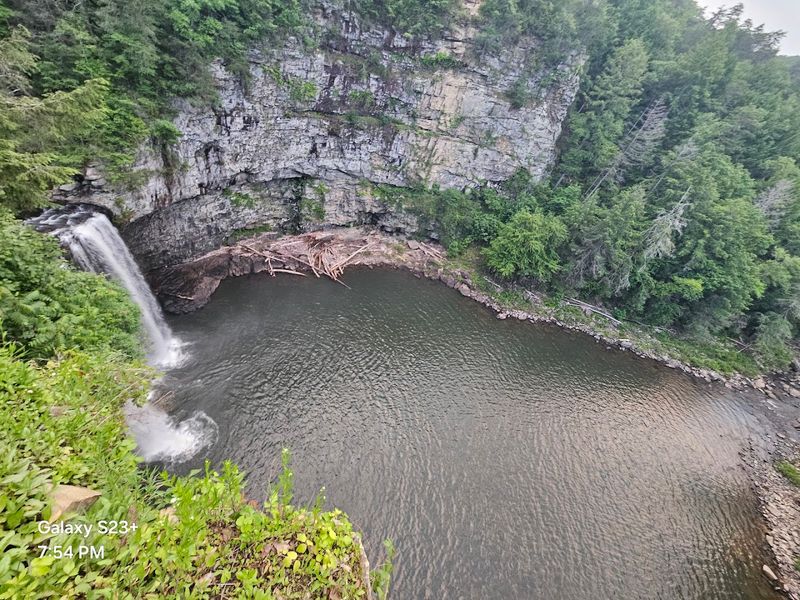
Standing at the edge of Fall Creek Falls feels like the earth just opened up and decided to show off. Located in Spencer, Tennessee, this state park is home to one of the tallest waterfalls in the eastern United States, with the main falls dropping a stunning 256 feet straight down into a rocky pool below.
The roar of the water is something you feel in your chest.
Beyond the signature waterfall, the park has miles of hiking trails that wind past additional cascades, suspension bridges, and overlooks that deliver views you will want to photograph from every angle. The gorge scenery is dramatic in every season.
Fall brings fiery foliage that frames the water perfectly, while spring sends the falls rushing with extra power.
Camping options range from basic tent sites to full-service cabins, so you can make a weekend out of it without sacrificing comfort. Fishing, swimming, and biking are also popular here.
The visitor center provides great maps and trail information before you head out. Even if you only have a few hours, the main waterfall overlook alone is worth every minute of the drive to get here.
3. Old Stone Fort State Archaeological Park
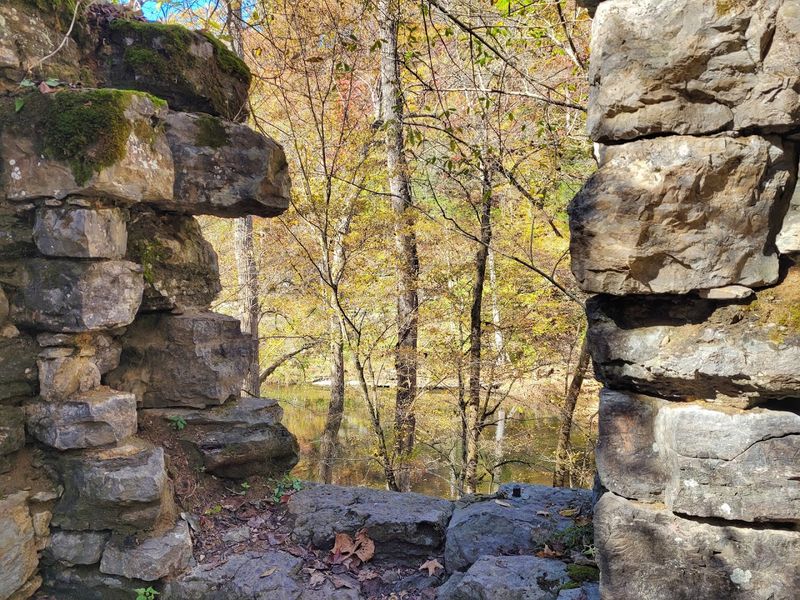
History and nature collide in the most fascinating way at Old Stone Fort State Archaeological Park in Manchester, Tennessee. The park protects a 2,000-year-old ceremonial enclosure built by Native Americans of the Middle Woodland culture, and walking the perimeter of those ancient walls alongside rivers and waterfalls creates a feeling that is genuinely hard to put into words.
The earthworks stretch across a bluff formed by the Duck River and its tributaries, creating a natural fortress-like setting that clearly meant something sacred to the people who built it. Construction of the walls took place over roughly 500 years, which means generations of people contributed to this single place.
That kind of deep human history makes the ground feel alive.
A small museum at the park entrance explains the cultural significance of the site and helps visitors understand what they are looking at before they hit the trails. The loop trail is about one mile long and passes several small waterfalls and scenic river views along the way.
Admission is free, which makes this one of the most underrated spots in all of Tennessee. Bring a picnic and plan to spend a few slow, thoughtful hours here soaking it all in.
4. Cummins Falls State Park
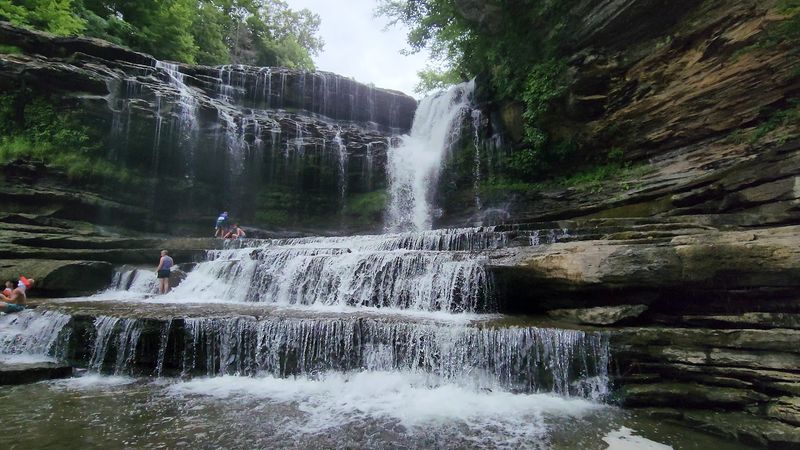
Few waterfalls in Tennessee deliver the full sensory experience quite like Cummins Falls. Located in Cookeville along Cummins Falls Lane, this park features an 75-foot waterfall that crashes into a gorgeous swimming hole carved into the gorge below.
The hike to reach it winds through rugged terrain that builds anticipation with every step.
Getting to the falls requires a bit of effort. The trail descends into the gorge and involves some creek crossings, so waterproof shoes or sandals with good grip are a smart call.
When you finally round the bend and see the falls in full view, the payoff is absolutely worth the muddy knees and wet feet. Swimmers regularly gather in the pool on warm days, and the energy there is joyful and electric.
Water levels can change quickly after rain, so always check park conditions before visiting. The park requires a permit for gorge access, which can be obtained at the trailhead kiosk.
Rangers monitor the area closely to keep visitors safe. Sunrise visits on weekdays offer a quieter, almost magical experience when the light hits the mist just right.
Cummins Falls is the kind of place that earns a permanent spot in your memory long after you leave.
5. Rock Island State Park
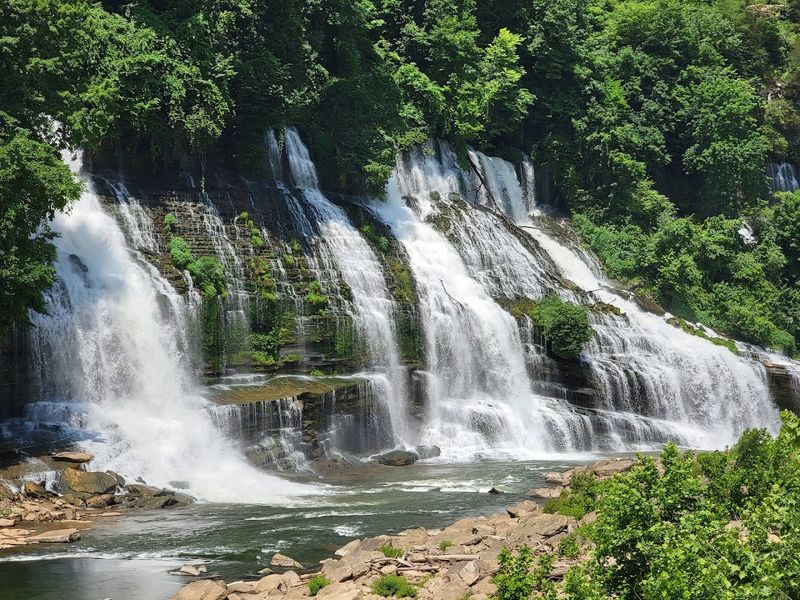
Water is the main character at Rock Island State Park, and it plays that role with serious drama. Situated where the Caney Fork River meets the Collins and Rocky rivers near Rock Island, Tennessee, this park offers a stunning combination of waterfalls, river beaches, and rugged rocky scenery that photographers absolutely love.
The Great Falls of the Caney Fork is the centerpiece, and it is breathtaking.
The park sits downstream from Center Hill Dam, which means water levels can shift depending on dam releases. On high-release days, the falls transform into a thundering wall of white water that you can feel vibrating through the ground.
On calmer days, the river is perfect for kayaking, swimming, and exploring the rocky shoreline at your own pace.
Camping is available onsite, and the campground is well maintained with modern facilities. A sandy beach area near the park entrance draws families looking for a relaxed afternoon by the water.
Trails throughout the park connect various overlooks and river access points, so there is always something new to discover around the next bend. Rock Island rewards repeat visitors because the scenery changes dramatically with the seasons and water conditions throughout the year.
6. Twin Falls
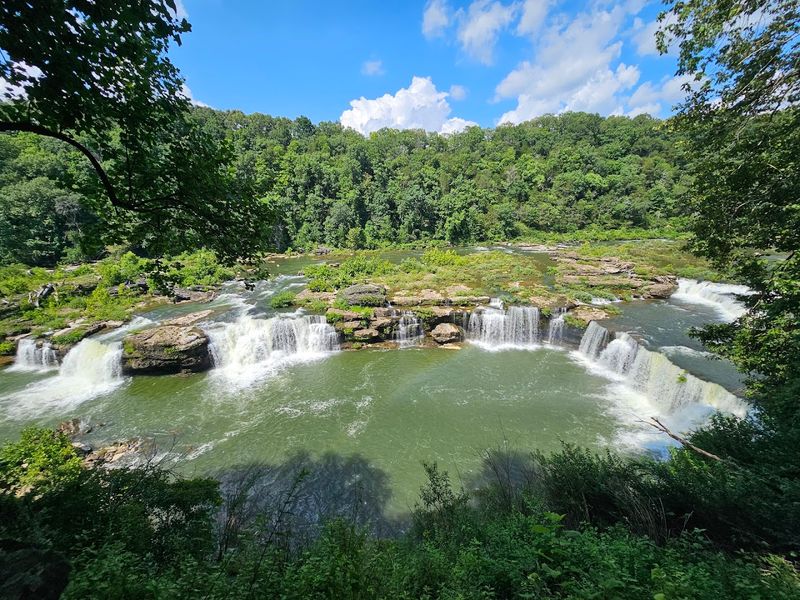
Right near Rock Island State Park, Twin Falls offers one of those rare sights where two waterfalls drop side by side into the same pool, creating a scene so symmetrical and beautiful it almost looks staged. The falls are part of the same stunning river system that makes this corner of Tennessee so remarkable, and they reward visitors who take the time to seek them out.
The walk to Twin Falls is relatively short and manageable for most fitness levels, making it a great option for families with older kids. Once you arrive, the sound of both falls hitting the water simultaneously creates a layered, rhythmic roar that feels like natural white noise turned up to full volume.
The pool below is clear and inviting, especially in summer.
Photography enthusiasts will want to visit in the morning when light falls softly across the canyon walls and reflects off the water surface. Polarizing filters help cut the glare and bring out the vivid greens of the surrounding vegetation.
There are no formal facilities at Twin Falls, so bring your own water and snacks. Keep the area clean and pack out everything you bring in.
This spot stays beautiful because the people who visit it treat it with genuine respect and care.
7. Virgin Falls State Natural Area
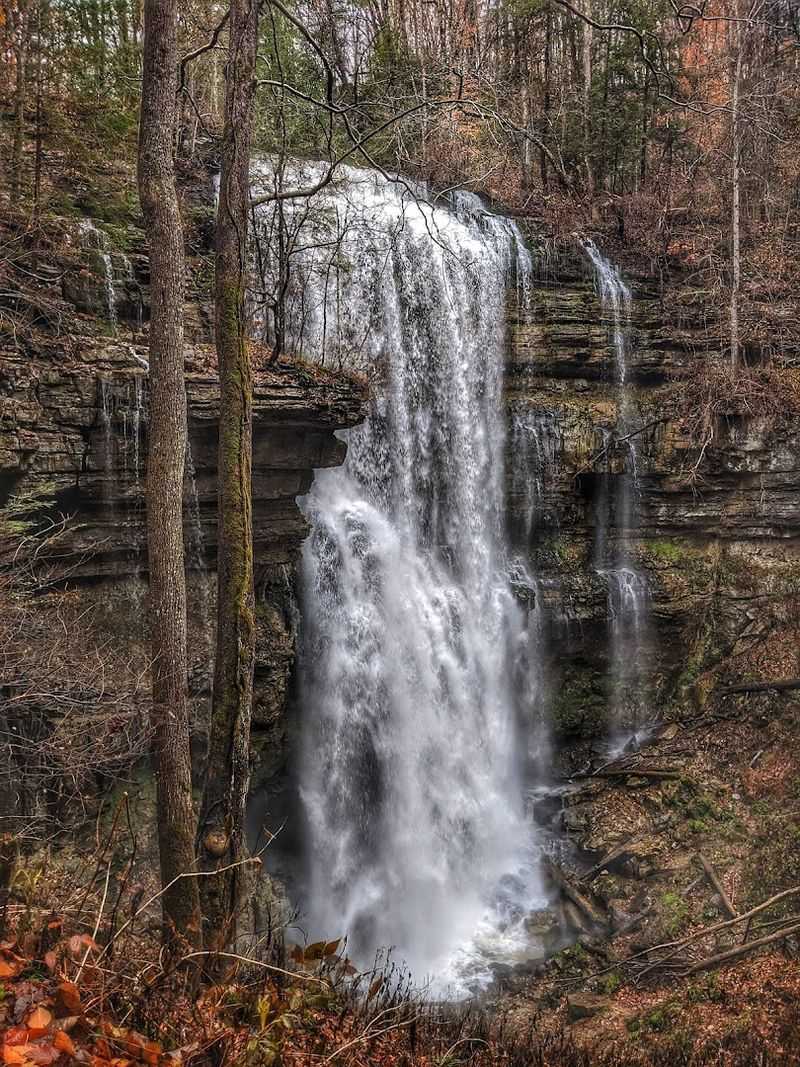
Virgin Falls might be the most mind-bending waterfall in Tennessee, and that is saying a lot given the competition. Located near Sparta along Scotts Gulf Road, this waterfall flows out of a cave, plunges 110 feet, and then disappears into a sinkhole at the bottom.
The water essentially appears from nowhere and vanishes just as quickly. It sounds impossible until you see it with your own eyes.
Reaching Virgin Falls requires a moderately challenging 8-mile round-trip hike through old-growth forest on the Cumberland Plateau. The trail passes several other geological curiosities along the way, including Big Branch Falls and Sheep Cave, which add extra reward to an already incredible journey.
Hikers should be prepared with sturdy boots, plenty of water, and a trail map.
The geological phenomenon behind Virgin Falls involves an underground river system flowing through the karst limestone landscape. The water travels underground before bursting out of the cave entrance in a dramatic rush.
Early fall is a particularly stunning time to visit when the surrounding hardwoods turn gold and red, framing the falls in vivid color. Registration is required at the trailhead, and groups are encouraged to start early to make the most of daylight hours on this unforgettable backcountry adventure.
8. Burgess Falls State Park
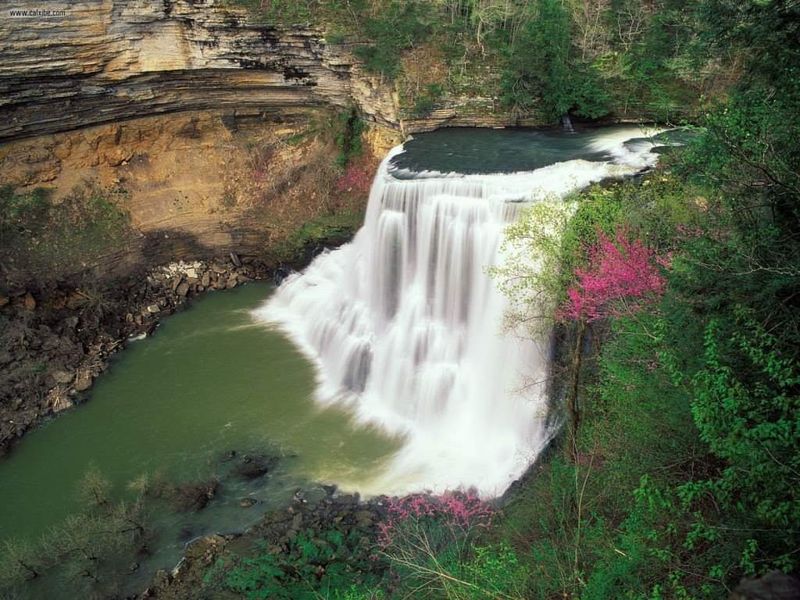
Burgess Falls earns its reputation as one of Tennessee’s most spectacular waterfall destinations with zero exaggeration. Situated near Sparta on Burgess Falls Drive, the park features a series of four waterfalls along the Falling Water River, culminating in a massive 136-foot main drop that sends water crashing into a brilliant turquoise pool inside a deep gorge.
The color of that water is something else entirely.
The trail system here is well maintained and runs about three miles round trip, with overlooks positioned perfectly to capture each tier of the falls from multiple angles. The final overlook above the main falls offers one of the most dramatic perspectives in the entire state park system.
Guardrails are present but standing near the edge still sends a healthy rush of adrenaline through your body.
Spring is arguably the best season to visit because snowmelt and rainfall push the river to its highest volume, making the falls roar with extra intensity. Summer brings crowds but also warm enough temperatures to enjoy the mist at the base.
Dogs are welcome on leashes, and the trails are dog-friendly throughout. Parking fills up quickly on weekends, so arriving by 9 a.m. puts you ahead of the rush and gives you the trails almost entirely to yourself.
9. Ozone Falls State Natural Area
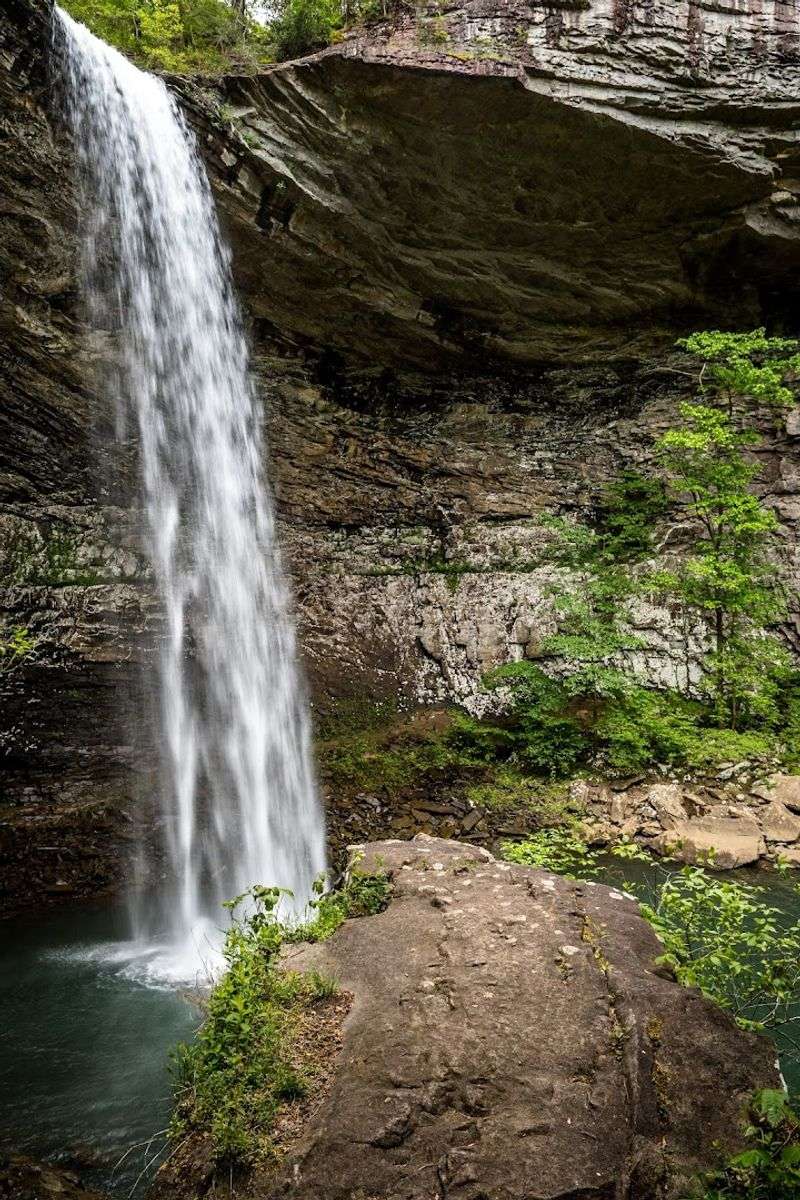
Ozone Falls keeps a low profile compared to some of Tennessee’s more famous waterfalls, but that is exactly what makes it so special. Located along Tennessee Highway 1 near the tiny community of Ozone, this 110-foot plunge waterfall drops straight into a circular pool at the base of a sandstone cliff, and the acoustics inside the surrounding rock walls make the sound absolutely thunderous.
Getting there is surprisingly easy. A short trail of less than half a mile leads from the small parking area down to the base of the falls, making it accessible even for casual hikers who do not want a strenuous workout.
The path winds through beautiful second-growth forest before the falls suddenly appear around a bend, and that first glimpse never gets old no matter how many times you visit.
The pool at the base stays cool even on hot summer days, and the spray from the falls creates a natural misting effect that feels incredible after a warm hike. Cliff swallows frequently nest in the rock face near the top of the falls, and watching them dart in and out of their mud nests adds an unexpected layer of wildlife entertainment.
Ozone Falls is the kind of quiet gem that locals love and visitors remember forever once they finally make the trip.
10. Greeter Falls Waterfall
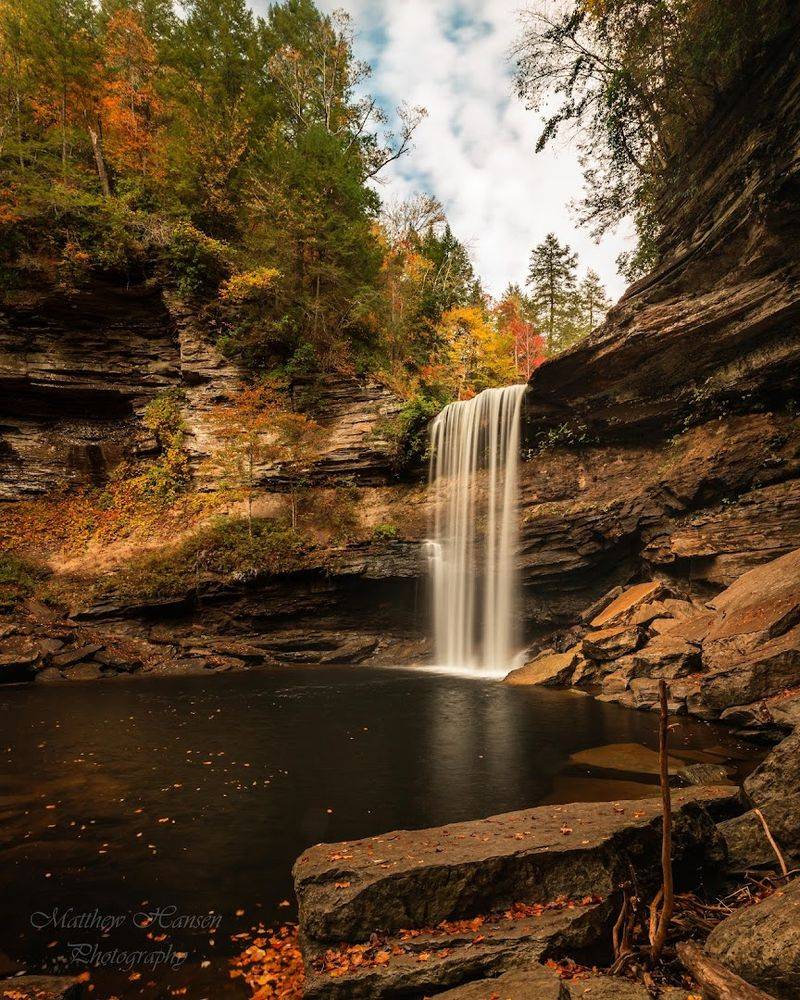
Greeter Falls sits inside the Savage Gulf State Natural Area near Altamont, Tennessee, and it combines two beautiful waterfalls with a stunning sandstone canyon that feels like something from a completely different landscape. The upper falls drop about 15 feet into a wide pool, while the lower falls plunge about 50 feet into another pool below, and swimmers use both on warm days with huge smiles on their faces.
The hike to the falls is around two miles round trip and passes through classic Cumberland Plateau scenery with towering hemlocks, mossy boulders, and creek crossings that keep the walk interesting. The trail is well marked and suitable for families with kids who are comfortable on uneven terrain.
Waterproof sandals or shoes are a practical choice since the best views require getting your feet wet.
Greeter Falls Road off Highway 56 leads to the trailhead, and the small parking area fills up on summer weekends. A primitive camping area nearby allows backpackers to spend the night and enjoy the falls at dawn before day visitors arrive.
The sandstone walls surrounding the lower falls are layered with geological history and make for fascinating close-up photography. Plan to linger here longer than you expect because the place has a way of making time slow down beautifully.
11. Ruby Falls
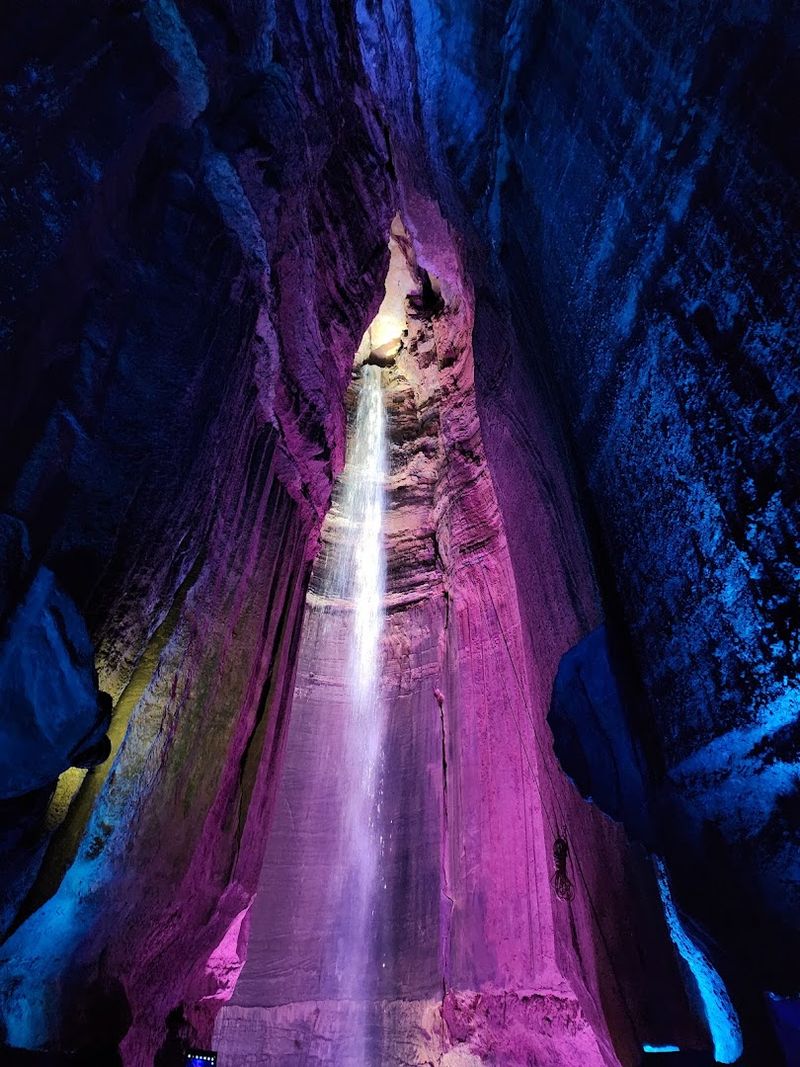
Ruby Falls is one of those places that sounds too dramatic to be real until you are standing inside Lookout Mountain watching a 145-foot waterfall drop through a cave ceiling in a blaze of colored light. Located at 1720 Scenic Highway in Chattanooga, this underground waterfall is the deepest commercially accessible cave waterfall in the United States, sitting more than 1,100 feet below the mountain’s surface.
The story behind its discovery is just as captivating as the falls themselves. In 1928, a man named Leo Lambert was drilling an elevator shaft into Lookout Mountain when his crew accidentally broke through into an unknown cave system.
After hours of exploring, they found the waterfall, and Lambert named it after his wife Ruby. That romantic origin story gives the whole experience an extra layer of charm.
Getting to the falls involves a guided tour through dramatically lit cave passages filled with unusual formations before the grand reveal at the waterfall chamber. The lighting display changes colors, which some people love and others find theatrical, but either way the scale of the falls inside a mountain is undeniably surreal.
Tours run throughout the day and tickets should be booked in advance, especially during peak summer months when demand is exceptionally high.
12. Natchez Trace Parkway
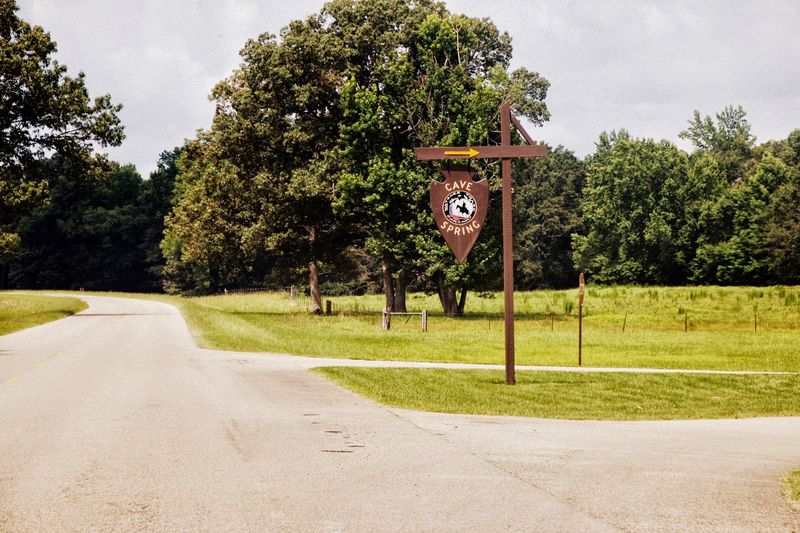
Some roads exist purely to get you somewhere, and then there is the Natchez Trace Parkway, which exists to remind you that the journey itself can be the whole point. Beginning near Highway 100 in Nashville, this federally protected scenic highway stretches 444 miles through Tennessee, Alabama, and Mississippi, following the path of an ancient trail used by Native Americans and early American settlers for centuries.
Commercial trucks are banned from the parkway, which means the road stays quiet, unhurried, and blissfully free of billboards and fast food signs. Overlooks appear regularly and offer views of rolling forests, meadows, and historic sites that tell the story of a very different America.
The double-arch bridge near Nashville is one of the most photographed structures on the entire route.
Cyclists love the parkway because the wide shoulders and low speed limits create a safe and scenic riding environment unlike almost anywhere else in the South. Hikers can access short trails at various pullouts that lead to waterfalls, Native American mounds, and old-growth forest patches.
Fall is the most visually stunning season to drive it, when the tree canopy explodes in color from one end to the other. Start early, drive slowly, and let Tennessee show you what it looks like when nature is given the space to breathe freely.