
9 Unforgettable Outdoor Adventures In Wyoming’s Bighorn Mountains You Need To Experience
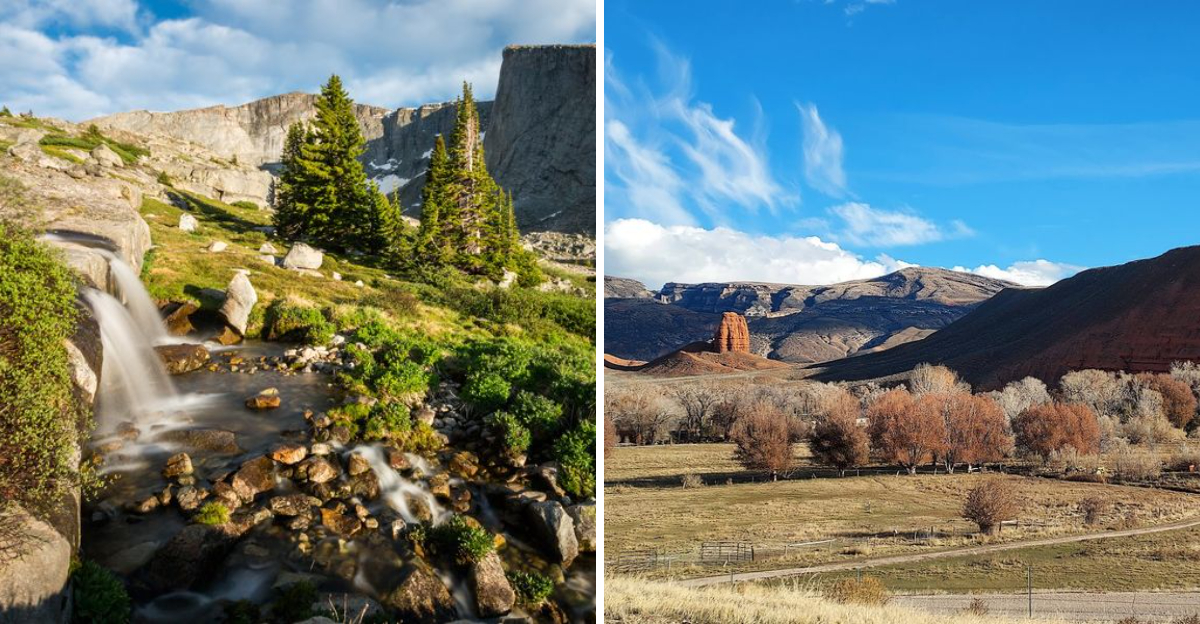
A place where rugged wilderness meets accessible adventure, where towering mountains rise like a natural fortress, offering a playground for outdoor lovers. From shimmering alpine lakes to ancient, sacred sites high above the clouds, this region is a dream come true for those seeking beauty and adventure.
Here, you can cast a line into legendary trout waters in the morning and stand beside cascading waterfalls by afternoon. Ready to explore a destination that blends untamed wilderness with unforgettable experiences?
1. Hike The Cloud Peak Wilderness Trails
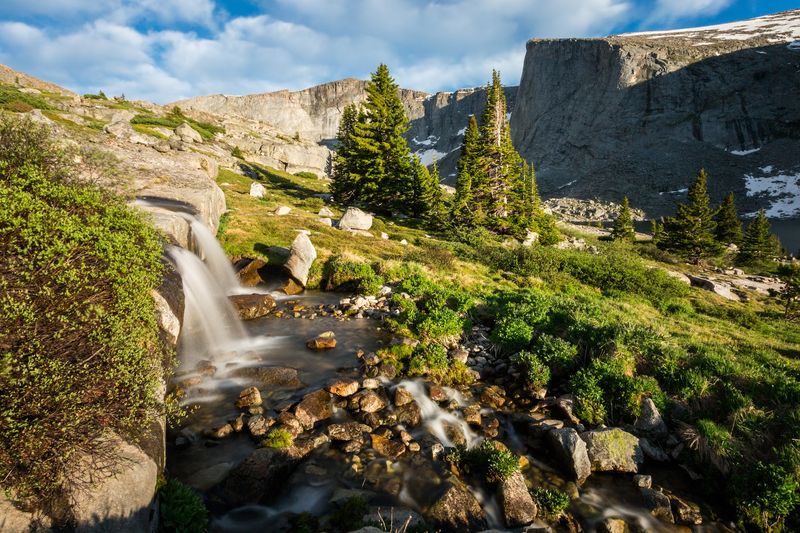
Cloud Peak Wilderness sprawls across 189,000 acres of pure mountain magic, and once you step onto these trails, you’ll understand why backpackers consider it sacred ground. The wilderness area protects some of Wyoming’s most pristine high-country terrain, with over 200 miles of trails winding through forests, meadows, and rocky peaks that scrape the sky at over 13,000 feet.
You can choose your own adventure here. Shorter day hikes like the Mistymoon Lake Trail offer stunning alpine scenery without the commitment of an overnight trip.
For those ready to go deeper, multi-day backpacking routes lead you past turquoise lakes, through wildflower meadows that explode with color in July, and up to ridgelines where bighorn sheep watch you from rocky outcrops.
The trails here aren’t crowded like more famous wilderness areas. You might hike for hours seeing only marmots and mountain goats.
Pack layers because weather changes fast at elevation, sunshine can turn to snow even in summer. Water sources are abundant, but always filter before drinking.
Cloud Peak itself dominates the skyline, challenging experienced climbers while inspiring everyone else. Even if you don’t summit, just being surrounded by this wilderness feels like stepping into a different world entirely.
2. Drive The Bighorn Scenic Byway
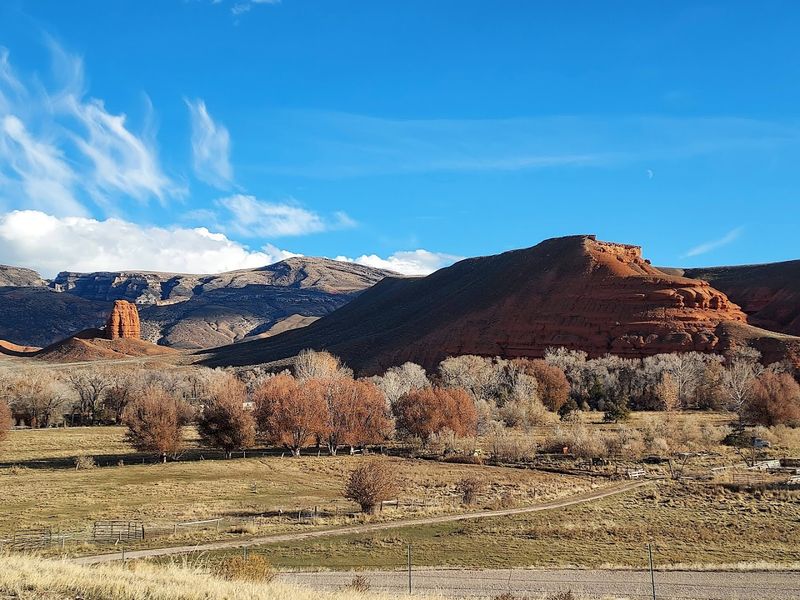
Sometimes the best adventures happen from the comfort of your car, and the Bighorn Scenic Byway proves it. This 58-mile stretch of highway climbs from the western foothills near Shell up and over the mountains to Dayton, treating you to views that’ll have you pulling over every few miles just to stare.
The drive starts in the red-rock canyons near Shell, where geology lessons come alive in the exposed layers of ancient stone. As you climb, the landscape transforms completely, suddenly you’re surrounded by towering ponderosa pines and Douglas firs.
Turnouts are strategically placed at the best viewpoints, so take advantage of them.
Around every hairpin turn, something new catches your eye. One moment you’re looking down into deep canyons; the next, you’re gazing across endless mountain ridges fading into blue distance.
The road itself is an engineering marvel, carved into mountainsides with grades that make your ears pop.
Plan at least two hours for the drive, more if you want to stop at attractions along the way. Summer and fall offer the clearest conditions, though autumn brings golden aspens that glow against the evergreens.
This isn’t just transportation, it’s an experience that showcases the Bighorns’ incredible diversity in one unforgettable journey.
3. Discover The Medicine Wheel National Historic Landmark
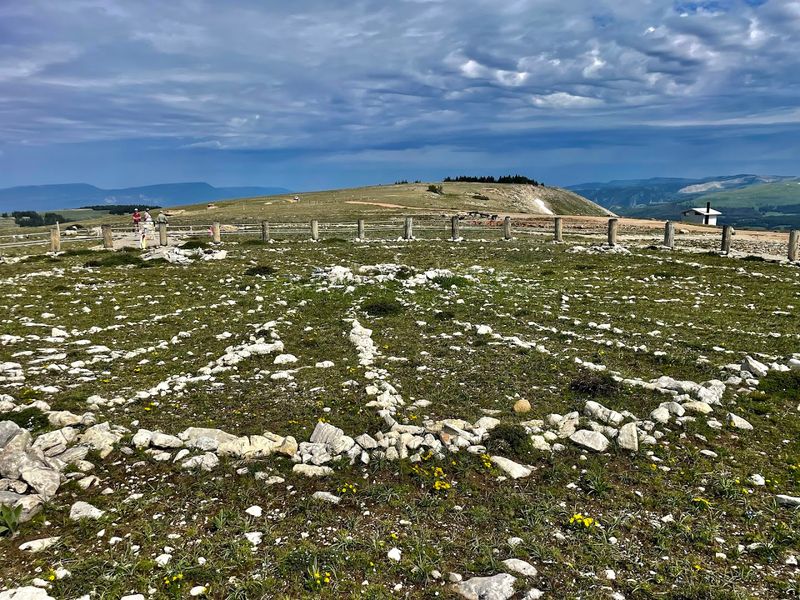
Perched at 9,642 feet on a windswept plateau, the Medicine Wheel has stood for centuries as one of North America’s most mysterious and sacred sites. This 80-foot diameter circle of stones, with 28 spokes radiating from a central cairn, was built by Native peoples long before European contact, and its exact purpose still sparks debate among archaeologists and tribal historians.
Getting there requires a 1.5-mile walk from the parking area, giving you time to prepare for the spiritual weight of the place. Many visitors report feeling something profound here, maybe it’s the thin air at high elevation, or maybe it’s the accumulated prayers and ceremonies of countless generations.
The site remains sacred to multiple Native American tribes who continue to conduct ceremonies here.
Respect is essential. Stay on designated paths, don’t touch or disturb the stones, and if you see prayer offerings or ceremonial items, leave them undisturbed.
The views alone justify the visit, on clear days, you can see for over a hundred miles in every direction.
The site is only accessible from late May through September due to snow. Rangers are often present to answer questions and share what’s known about the wheel’s astronomical alignments and cultural significance.
Bring water and sun protection because there’s zero shade up here.
4. Explore The West Tensleep Lake Area
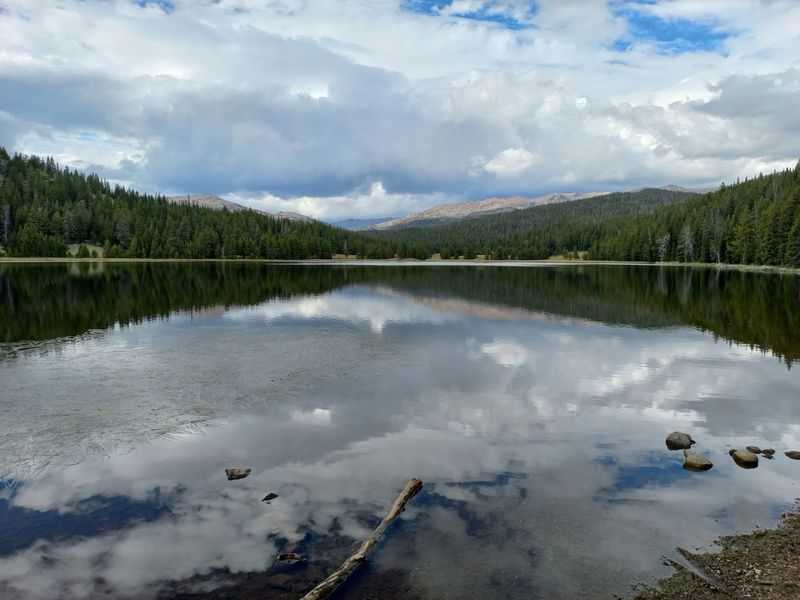
West Tensleep Lake sits cradled in a mountain basin like nature’s own secret hideaway, offering the kind of pristine alpine experience that makes you want to quit your job and move to the mountains. The lake itself shimmers in shades of blue and green, fed by snowmelt and surrounded by forests that seem to go on forever.
This area serves as a basecamp for countless adventures. Trails branch out in multiple directions, leading to other alpine lakes, meadows bursting with wildflowers, and rocky peaks that challenge your lungs and reward your eyes.
The lake’s cold waters hold trout that rise to dry flies on summer evenings, creating rings that spread across the glassy surface.
Families love this spot because it offers adventure without extreme difficulty. Kids can splash in the shallows, explore the shoreline, and spot wildlife without hiking for miles.
The campground nearby provides easy access, though it fills up quickly on summer weekends.
Photographers arrive at dawn when mist rises off the water and the first light paints the surrounding peaks in gold and pink. Moose sometimes wander through the area, so keep your distance and your camera ready.
Pack bug spray for early summer when mosquitoes claim the lakeshores as their domain.
5. Fish Legendary Trout Waters
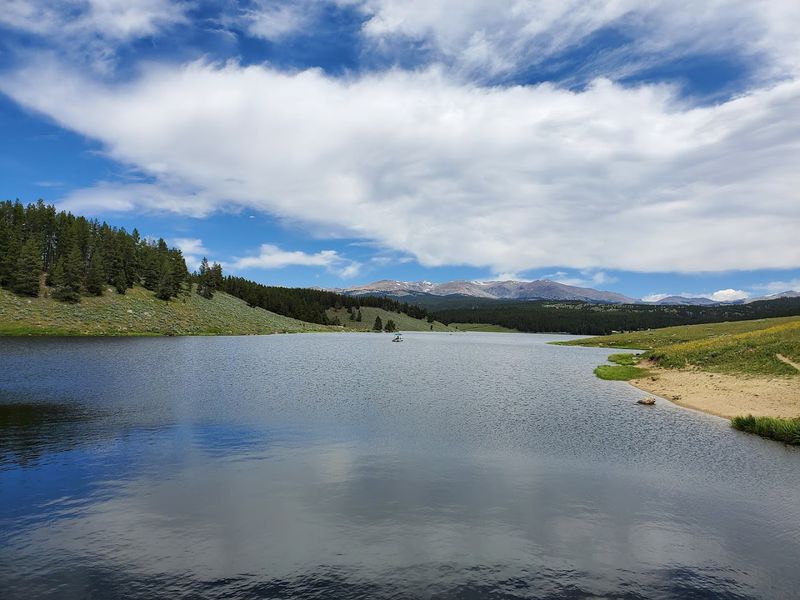
Anglers whisper about the Bighorns the way treasure hunters talk about lost gold, and for good reason, these waters hold some of Wyoming’s finest trout fishing. Meadowlark Lake, Tensleep Creek, and Park Reservoir each offer distinct fishing experiences that’ll test your skills and fill your creel.
Meadowlark Lake sits high in the mountains, its clear waters home to rainbow and brook trout that hit flies with aggressive strikes. The lake’s relatively small size means you can work different areas throughout the day, adjusting your approach as fish move and feeding patterns change.
Early mornings and late evenings produce the best action when insects hatch and trout rise freely.
Tensleep Creek tumbles down the mountain in a series of pools and runs, creating classic pocket water that holds trout in every likely spot. Dry fly fishing here feels like stepping into a magazine spread, crystal water, overhanging willows, and fish that actually rise to well-presented flies.
Park Reservoir offers something different: bigger water with bigger fish potential. Browns and rainbows cruise these depths, and patient anglers who work streamers or nymphs along drop-offs often connect with trophy-sized trout.
Bring your waders, your patience, and your best techniques, these fish have seen plenty of flies and won’t fall for sloppy presentations.
6. Take A Scenic Ride Along The Cloud Peak Skyway
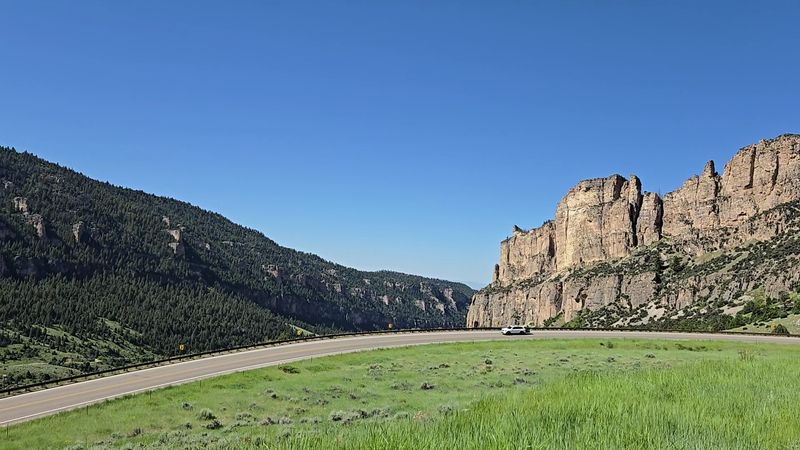
Cloud Peak Skyway earns its name honestly, climbing to elevations where you feel like you’re driving through the clouds themselves. This section of US Highway 16 connects Worland and Buffalo, rising over 9,600 feet at Powder River Pass and delivering views that make even jaded travelers grab their cameras.
The eastern approach from Buffalo takes you through Crazy Woman Canyon, a name that comes with its own Wild West legend. As you climb, watch how the vegetation changes, sagebrush gives way to juniper, then to dense forests of lodgepole pine and spruce.
Each ecological zone tells a story about elevation, moisture, and the harsh realities of mountain life.
Multiple pullouts let you stop safely and soak in panoramic views that stretch across three mountain ranges on clear days. Interpretive signs explain the geology, ecology, and human history of the area.
Wildlife crossings are common, so stay alert for deer, elk, and even the occasional black bear.
The highway remains open year-round, though winter driving requires experience and proper equipment. Summer thunderstorms can roll in quickly, dropping temperatures and visibility in minutes.
Pack snacks and water because services are sparse along this route. This drive combines accessibility with genuine wilderness beauty, proving you don’t need to be a hardcore hiker to experience the Bighorns’ majesty.
7. Camp Under The Stars In Bighorn National Forest
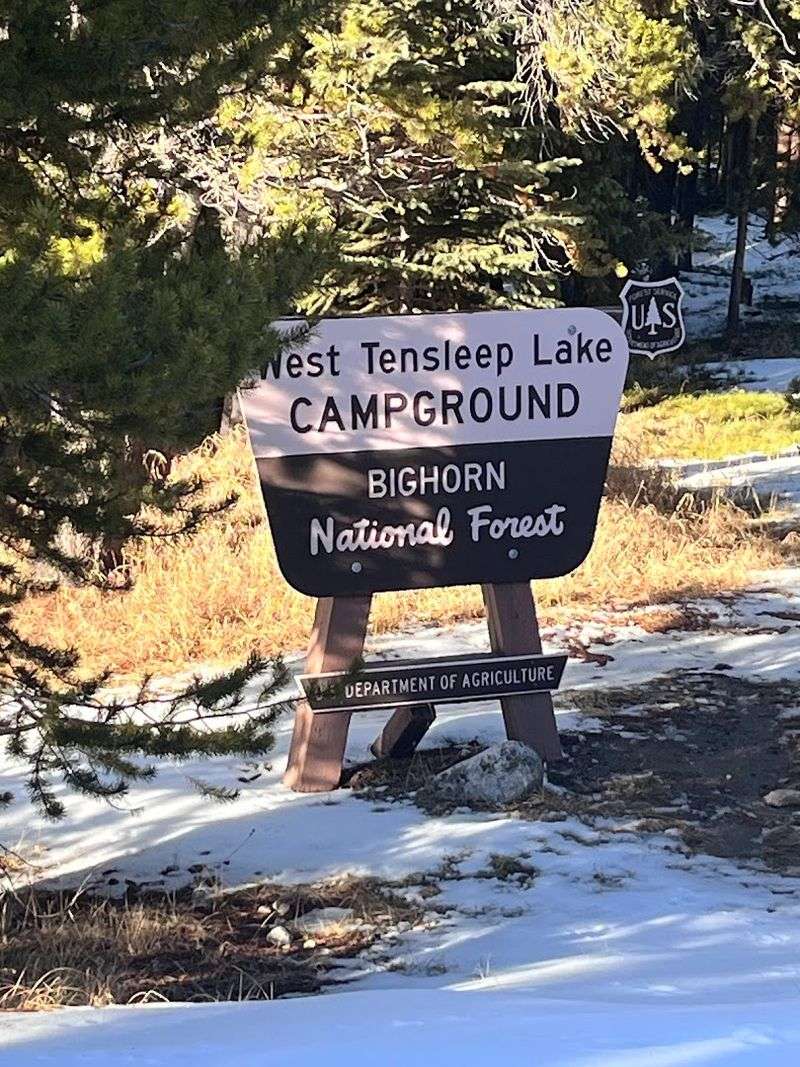
Camping in the Bighorn National Forest means falling asleep to the sound of wind through pines and waking to sunlight filtering through forest canopy. West Tensleep Lake Campground and Willow Park represent two excellent options for different camping styles, both delivering that authentic mountain camping experience that reconnects you with the natural world.
West Tensleep Lake Campground sits right next to its namesake lake, offering sites that range from exposed to heavily forested. The location puts you within walking distance of the water and trailheads leading deeper into the wilderness.
Sites include picnic tables and fire rings, though amenities stay basic, vault toilets and hand-pump water keep things rustic.
Willow Park provides a different vibe with more spacious sites and slightly easier access. Families appreciate the relatively level terrain and the proximity to hiking trails suitable for various skill levels.
Both campgrounds fill quickly during peak summer season, so arrive early or make reservations when possible.
Night skies here rival anything you’ll see anywhere. The combination of high elevation, clean air, and minimal light pollution creates star displays that leave city dwellers speechless.
Bring warm sleeping bags because mountain nights get cold even in summer. Black bears inhabit the area, so practice proper food storage and keep a clean camp.
The experience of waking in these mountains makes any minor discomfort completely worthwhile.
8. Visit Porcupine Falls And Shell Falls
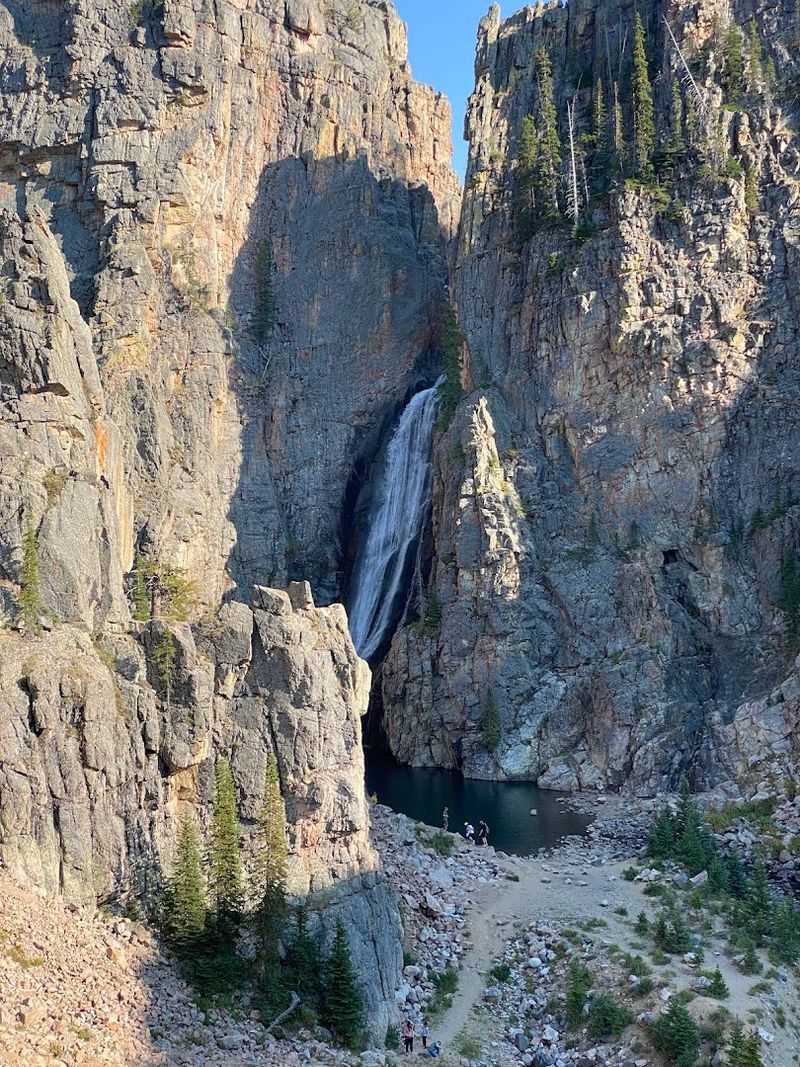
Waterfalls possess a magnetic quality that draws people in, and the Bighorns deliver two spectacular examples in Porcupine Falls and Shell Falls. Each offers its own character and accessibility, proving that nature’s most dramatic displays don’t always require extreme effort to witness.
Shell Falls drops 120 feet into a narrow granite gorge, creating a thundering display visible from an excellent interpretive center perched right at the viewpoint. The falls are just steps from the parking area, making them accessible to virtually everyone.
The interpretive center explains the geological forces that carved this canyon over millions of years—it’s a crash course in mountain geology that brings the landscape to life.
Porcupine Falls requires more effort but rewards you with a more intimate experience. A moderate hike through forest and meadow leads to this multi-tiered cascade that tumbles over rocky shelves in a series of drops.
The trail offers solitude compared to Shell Falls’ easy access, and you can get much closer to the water’s spray and power.
Both falls flow strongest during spring snowmelt when water volume peaks. By late summer, flows diminish but the falls remain impressive.
Photography enthusiasts should bring tripods for long exposures that turn the water into silky ribbons.
The roar of falling water, the cool mist on your face, and the raw power on display remind you why waterfalls captivate humans across all cultures.
9. Wildlife Watching And Photography In Mosier Gulch
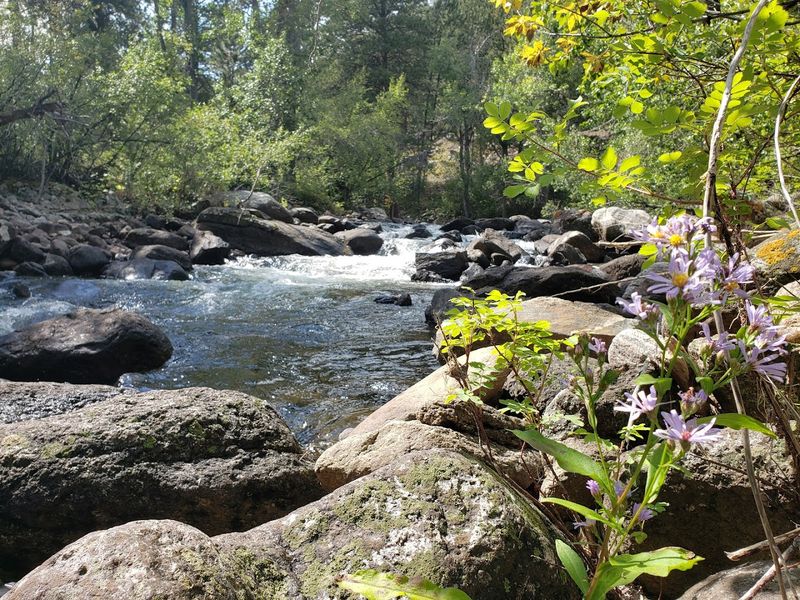
Mosier Gulch has earned a reputation among wildlife photographers and nature enthusiasts as one of the Bighorns’ most reliable spots for animal encounters. This drainage provides the perfect combination of habitat diversity, water sources, and cover that attracts everything from elk and deer to bears and countless bird species.
Early morning and late evening offer the best wildlife viewing windows when animals move between feeding areas and bedding sites. Elk often graze in the meadows during summer, their bugling echoing through the gulch during fall rut.
Mule deer browse along the edges where forest meets grassland, and if you’re lucky, you might spot a black bear foraging for berries.
Bring binoculars and telephoto lenses because maintaining distance protects both you and the animals. Wildlife here is wild—not habituated to humans like in some national parks.
That authentic wildness makes encounters more thrilling but demands respect and caution. Never approach animals for closer photos; let them move naturally and capture their behavior from a safe distance.
The gulch also attracts serious birders who come for species ranging from mountain bluebirds to golden eagles. Patient observers often see more than those who rush through.
Find a comfortable spot, settle in quietly, and let the wildlife come to you.
The patience required for wildlife watching teaches lessons that extend far beyond photography—about stillness, attention, and our place in the natural world.