
Why Locals In This Louisiana Bayou Village Keep Quiet About Its Hidden Secrets
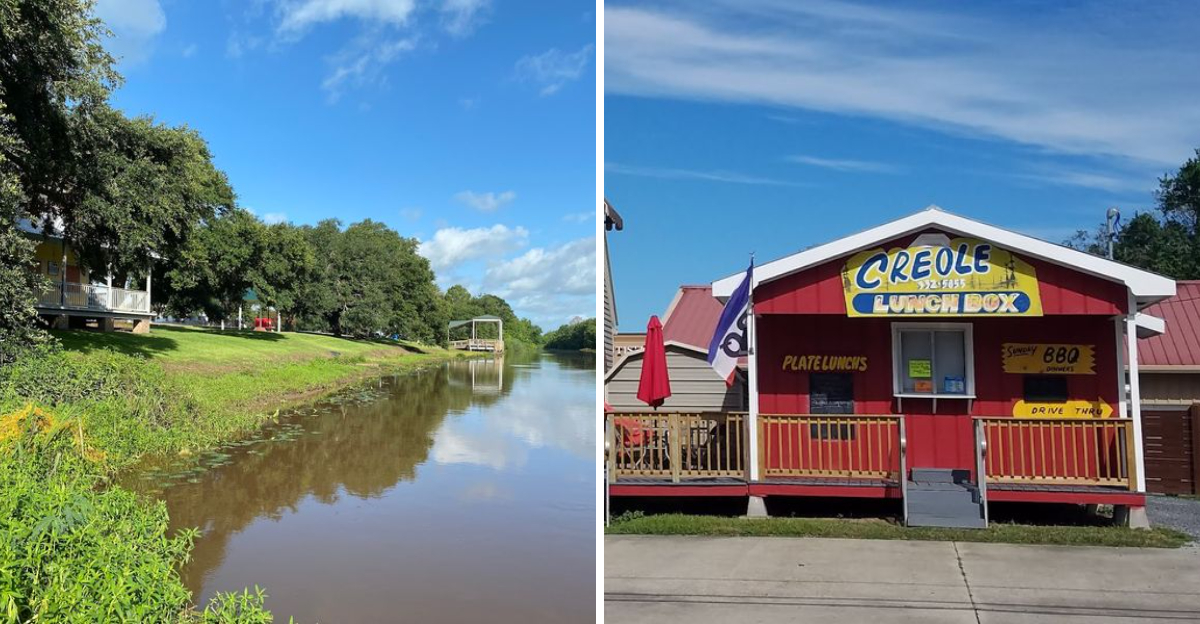
Along a winding bayou, a small town waits where moss-draped trees line the water and the air is filled with the scent of slow-cooked spices. With a population under 8,000, it feels more intimate, as though everyone shares a quiet secret.
The town’s charm lies in its traditions, and locals protect this way of life with care, knowing it can’t be rushed or replicated. What makes this place unique is something you must experience for yourself, and the people here wouldn’t have it any other way.
The Crawfish Capital That Feels Undiscovered
Breaux Bridge earned the title of Crawfish Capital of the World decades ago, yet it remains refreshingly free of tourist spectacle. The crawfish here are not a gimmick but a cornerstone of daily life, appearing in backyards, at family gatherings, and on restaurant tables without fanfare.
Locals boil them in massive pots seasoned with cayenne, garlic, and lemon, creating a meal that is equal parts ritual and feast.
The crawfish season runs from late winter through early spring, and during those months, the town operates on a different rhythm. Conversations revolve around water levels, trap yields, and the best way to purge the catch.
Restaurants like Cafe Des Amis and Poche’s Market serve crawfish in forms that range from traditional boils to etouffee and bisque, each preparation reflecting generations of refinement.
Visitors who stumble into town during peak season often leave with red-stained fingers and a new understanding of what fresh really means. The locals, meanwhile, continue their routines, unbothered by outside attention, content to let the crawfish speak for themselves.
A Bayou Town Where Cajun Culture Thrives
Cajun culture in Breaux Bridge is not preserved behind glass or performed for cameras. It lives in the language spoken on front porches, the music played at weekend gatherings, and the recipes passed down without ever being written.
French phrases slip naturally into conversation, and many older residents still speak the language fluently, a rarity even in Louisiana.
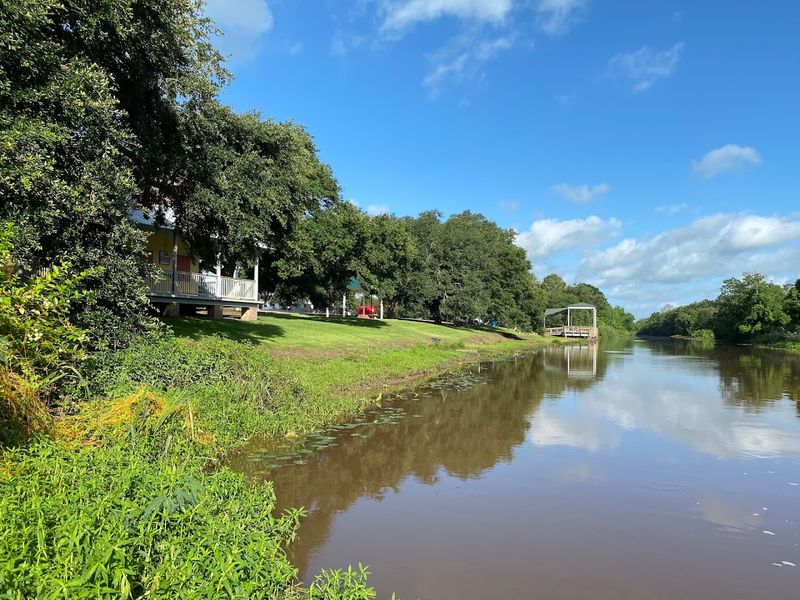
The town’s connection to its Acadian roots runs deep, visible in architecture, food, and social customs. Homes along the bayou reflect a practical elegance, built to withstand floods and heat while maintaining a sense of grace.
Community bonds remain strong, with extended families living within blocks of one another and neighbors treating each other with a familiarity that feels almost antiquated elsewhere.
Breaux Bridge does not market its culture aggressively, which is precisely why it has remained intact. Locals understand that authenticity cannot be manufactured, and they have little interest in diluting what they have for the sake of broader appeal.
The result is a town that feels genuinely rooted, where tradition continues because it still makes sense.
Lake Martin’s Quiet Swamps Hold Hidden Wildlife
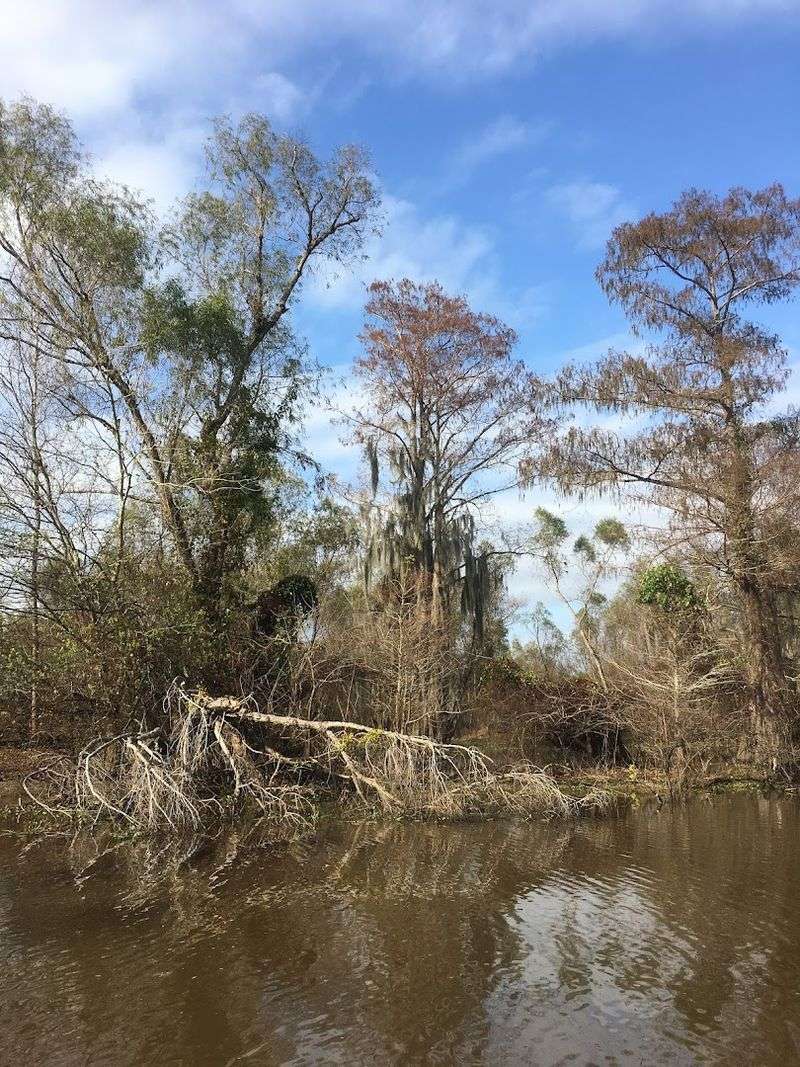
Lake Martin sits just outside Breaux Bridge, a sprawling cypress swamp that hosts one of the largest nesting colonies of wading birds in the state. Egrets, herons, and roseate spoonbills gather here by the thousands during breeding season, turning the treetops into a riot of white, blue, and pink.
Alligators drift through the dark water, their eyes barely breaking the surface, while turtles sun themselves on half-submerged logs.
The swamp remains relatively unknown compared to other Louisiana wetlands, in part because locals have not pushed for heavy tourism development. A single elevated boardwalk allows visitors to walk through the habitat without disturbing it, offering views that change with the seasons.
Spring brings nesting activity and the cacophony of chicks demanding food, while summer settles into a humid stillness broken only by the occasional splash.
Photographers and birdwatchers who discover Lake Martin often return repeatedly, drawn by the raw beauty and the sense of being somewhere genuinely wild. The locals, many of whom grew up fishing and exploring these waters, appreciate the swamp for what it is rather than what it could become.
Zydeco Nights Locals Keep To Themselves
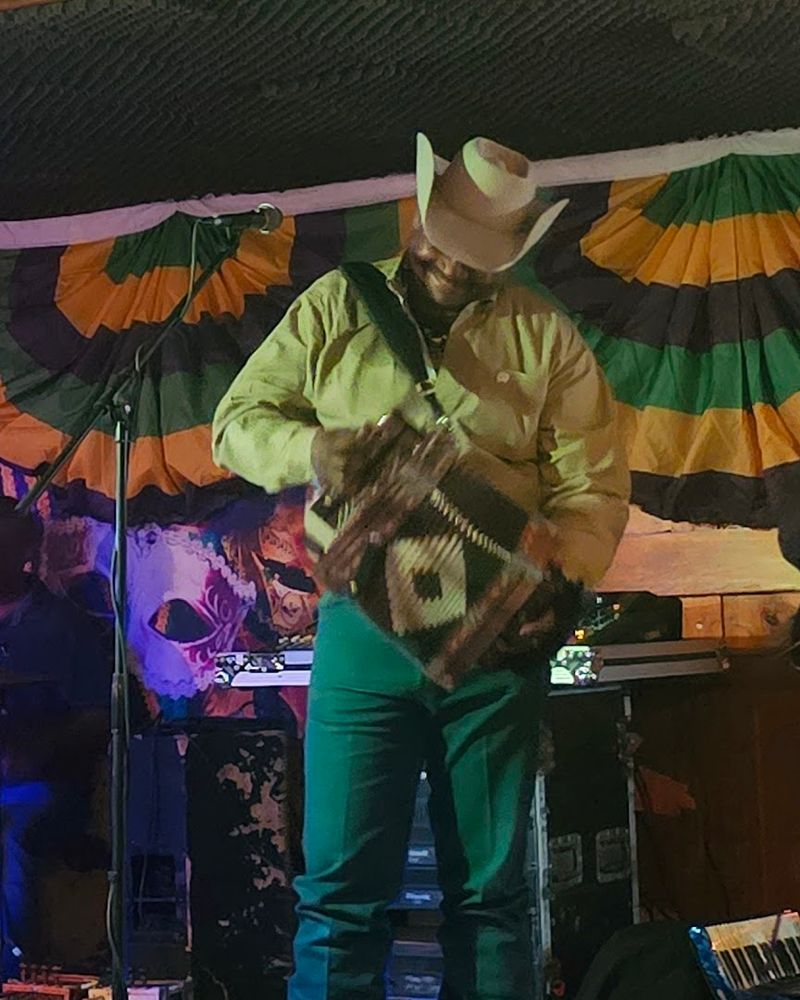
Zydeco music in Breaux Bridge happens in small venues where the dance floor is crowded and the air conditioning struggles against the collective heat of moving bodies. Buck and Johnny’s, a legendary dance hall, has hosted zydeco bands for decades, drawing locals who know every song and every step.
The music combines accordion, washboard, and rhythm guitar into a sound that is simultaneously joyful and melancholic, built for dancing that borders on athletic.
These gatherings are not advertised widely, and outsiders often learn about them only through word of mouth. The atmosphere is welcoming but unpretentious, with dancers ranging from teenagers to grandparents, all moving with a fluidity that comes from years of practice.
The bands play late into the night, pausing only for brief breaks that allow conversations to resume before the next set begins.
Locals value these nights as communal experiences rather than performances, and they have little interest in turning them into tourist attractions. The result is a music scene that remains vibrant and genuine, rooted in tradition but never stagnant, evolving naturally as new musicians add their voices to the mix.
Family Restaurants With Generational Recipes
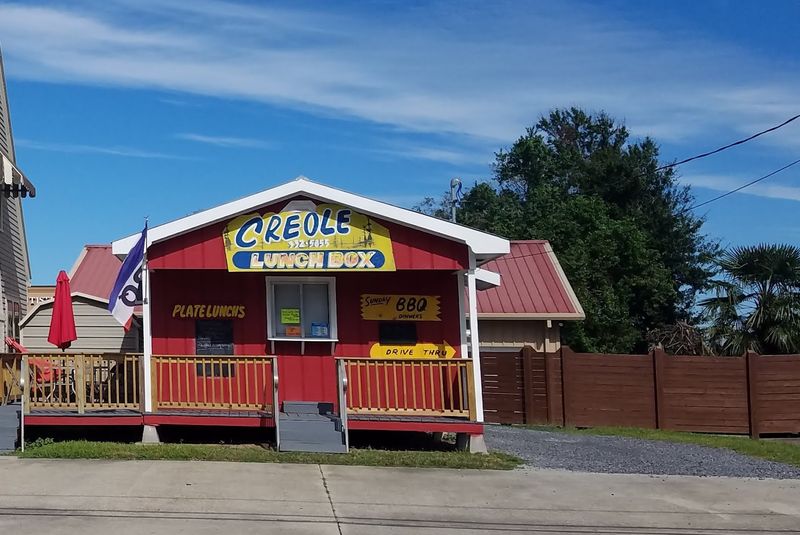
Restaurants in Breaux Bridge operate less like businesses and more like extensions of family kitchens. Poche’s Market, a butcher shop and smokehouse, has been run by the same family since 1962, producing boudin, cracklins, and smoked meats using recipes that predate the building itself.
The cracklins emerge from the fryer golden and crisp, seasoned simply with salt and cayenne, requiring no embellishment.
Cafe Des Amis serves breakfast and lunch in a building that once housed a general store, its high ceilings and worn wooden floors adding to the sense of continuity. The crawfish omelets and shrimp and grits arrive at the table without pretense, prepared by cooks who learned their craft from parents and grandparents.
On Saturday mornings, the restaurant hosts a zydeco brunch, where live music accompanies plates of biscuits and gravy.
These establishments succeed because they prioritize consistency and authenticity over novelty. Locals return not because the menu changes but because it does not, offering the same reliable quality that has sustained these businesses for generations.
The food speaks plainly and honestly, requiring no interpretation or apology.
A Slower Pace That Feels Worlds Away
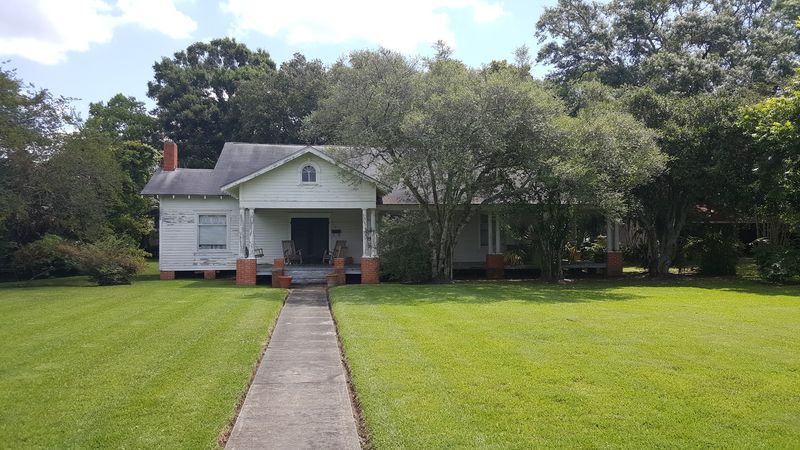
Time moves differently in Breaux Bridge, measured not by schedules but by the natural progression of daylight and appetite. Mornings begin slowly, with coffee consumed on porches and conversations that meander without urgency.
The main street, lined with antique shops and local businesses, sees foot traffic that peaks midmorning before tapering off during the heat of the afternoon.
Locals resist the pressure to modernize at the expense of quality of life. Businesses close when owners decide they have worked enough for the day, and social obligations take precedence over commercial ones.
This approach frustrates some visitors accustomed to predictable hours and instant service, but it is precisely this resistance that preserves the town’s character.
The slower pace is not laziness but intentionality, a collective decision to prioritize relationships and well-being over efficiency and growth. Residents understand that what they have is fragile, easily disrupted by the kind of development that transforms towns into generic versions of themselves.
They have chosen preservation over expansion, and the town benefits from that choice daily.
Scenic Bayou Views That Locals Love
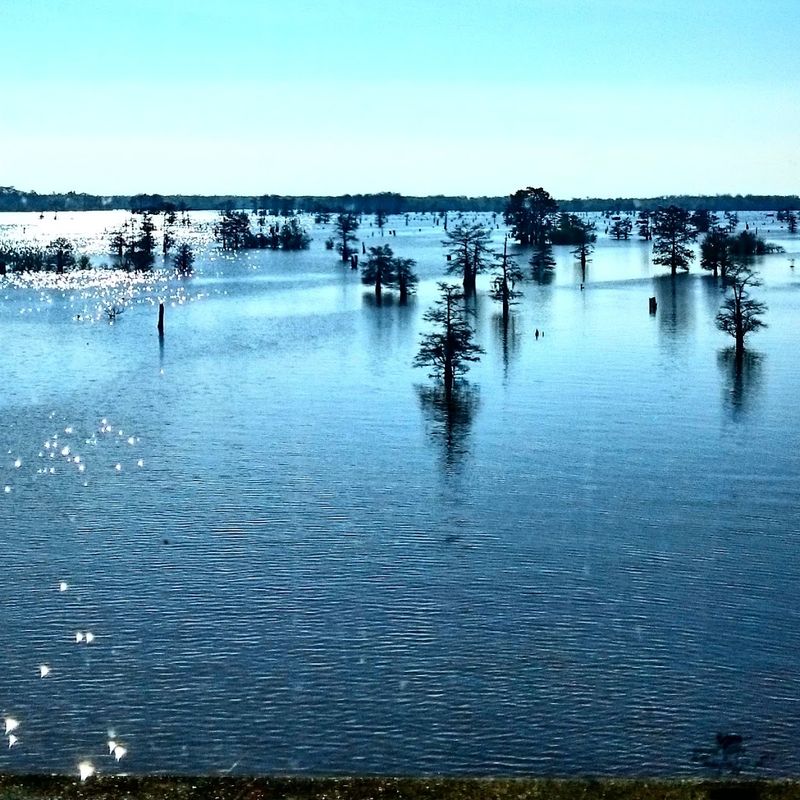
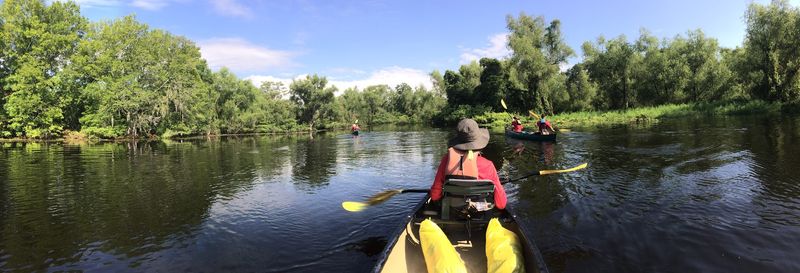
Bayou Teche winds through Breaux Bridge like a slow-moving artery, its dark water reflecting whatever sky happens to be overhead. The bayou serves as a gathering place, a fishing spot, and a source of perpetual fascination for residents who have lived beside it their entire lives.
Cypress trees rise from the water, their trunks swollen at the base, their branches draped with Spanish moss that sways in the slightest breeze.
Locals know the best spots to watch the sun set over the water, usually accessed by unmarked paths or private property shared generously among neighbors. These vantage points offer views that change with the seasons, from the vibrant greens of spring to the muted browns of winter, each phase revealing a different aspect of the landscape.
The bayou is not pristine wilderness but a working waterway, used for fishing, transportation, and recreation. Its beauty is functional rather than ornamental, appreciated by people who understand its moods and rhythms.
Visitors who take the time to sit beside the water often find themselves reluctant to leave, drawn into the meditative quality of watching the current carry leaves and debris toward the Atchafalaya Basin.
A Close-Knit Community That Embraces Visitors
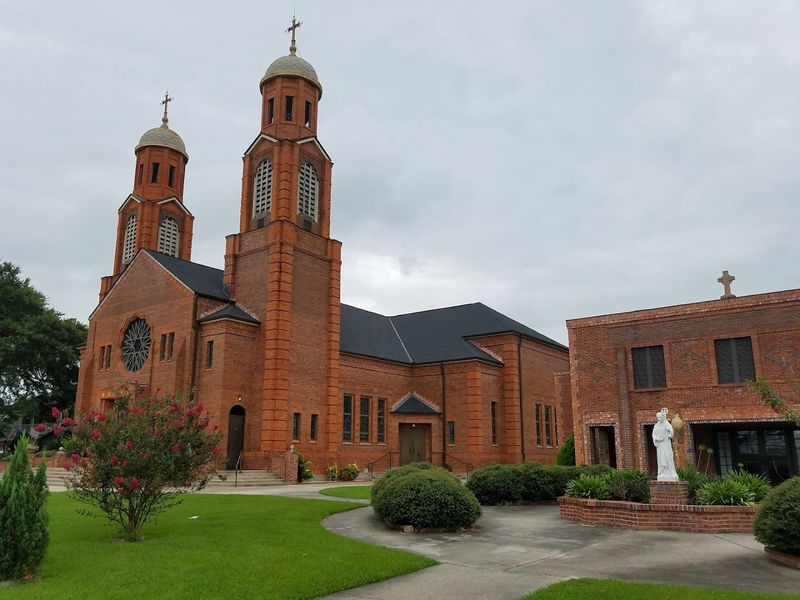
Community in Breaux Bridge is not an abstract concept but a daily reality, visible in the way neighbors help each other during floods, share garden produce, and attend each other’s family celebrations. The town operates on a network of relationships built over generations, where everyone knows someone who knows everyone else.
This interconnectedness could feel claustrophobic, but instead it creates a safety net that supports residents through hardship and celebration alike.
Newcomers and visitors are welcomed with a warmth that surprises those expecting small-town suspicion. Locals are genuinely curious about outsiders, asking questions and offering recommendations without being pushy.
The key is approaching the town with respect rather than entitlement, recognizing that you are entering a living community rather than a tourist destination.
This balance between insularity and openness defines Breaux Bridge, allowing it to maintain its identity while remaining accessible. Residents understand that their way of life is worth sharing, but only with those willing to appreciate it on its own terms rather than demanding it conform to outside expectations.
Local Festivals That Feel Like Community Gatherings
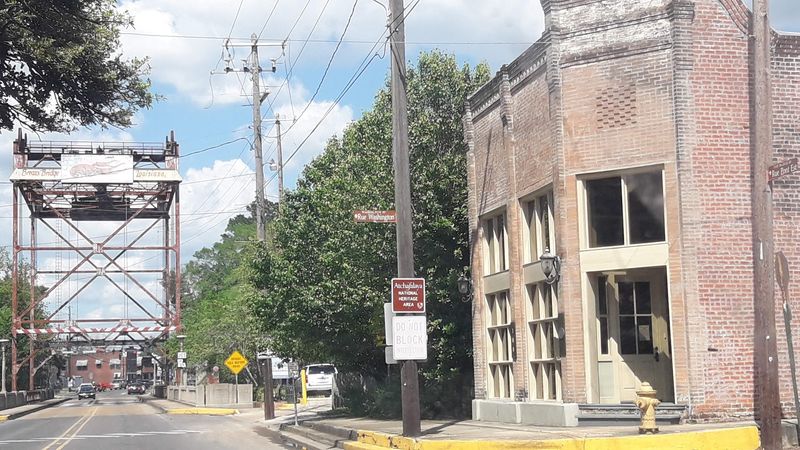
Festivals in Breaux Bridge are organized by and for locals, with tourism being a pleasant side effect rather than the primary goal. The Crawfish Festival, held annually in May, draws thousands of visitors but maintains a distinctly local flavor.
The food vendors are often church groups and community organizations raising funds, serving crawfish prepared according to family recipes rather than standardized festival fare.
Live music runs continuously across multiple stages, featuring zydeco, Cajun, and swamp pop bands that residents have been listening to for years. Children run freely between activities, their parents confident in the safety provided by a community where everyone watches out for each other.
The festival grounds, located near the bayou, become a temporary village where social hierarchies dissolve and everyone participates equally.
Smaller events throughout the year, including the Christmas boat parade and various church fairs, reinforce the communal bonds that make festivals possible. These gatherings are not performances but authentic expressions of shared identity, and locals guard them carefully, ensuring they remain true to their origins rather than evolving into commercialized spectacles.