
Here Are 12 Underrated But Must-Visit Places In Tennessee For Out-Of-Towners In 2026
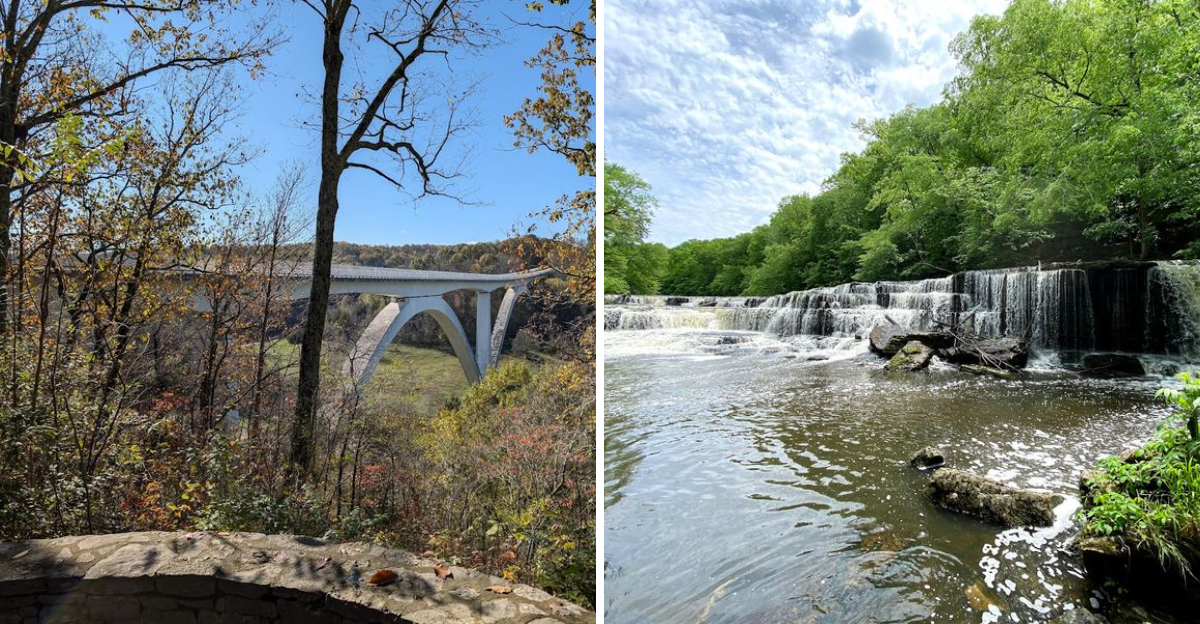
Tennessee gets plenty of attention for Nashville honky-tonks and Smoky Mountain trails, but the state has a whole other side that most out-of-towners completely miss. We are talking about underground waterfalls, ancient earthworks, Victorian ghost villages, and meadows so colorful they look painted.
If you are planning a trip to the Volunteer State in 2026, you are in for a serious treat beyond the usual tourist circuit.
This list covers 12 spots that are genuinely worth the drive, the detour, and the story you will tell when you get back home.
1. Ruby Falls, Chattanooga
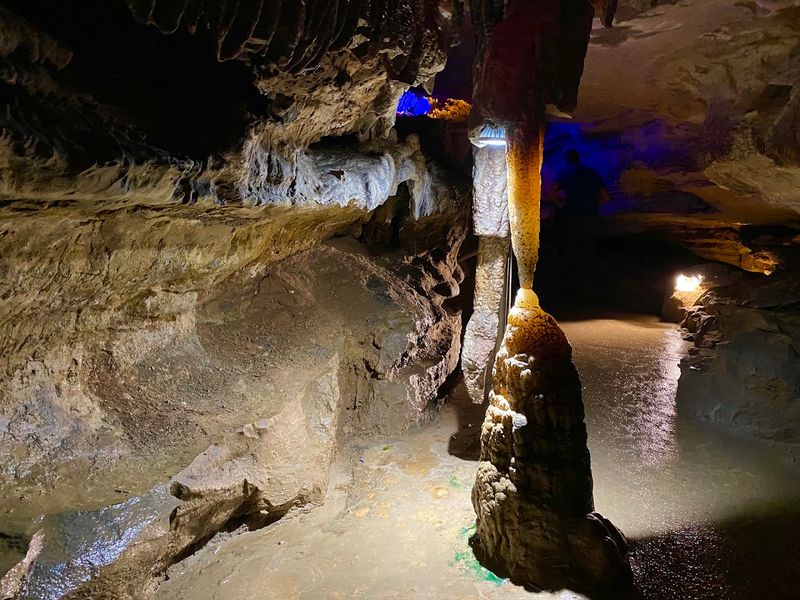
Somewhere beneath Lookout Mountain in Chattanooga, Tennessee, a 145-foot waterfall drops through solid rock in near-total darkness, and the only way to see it is to go underground.
Ruby Falls sits at 1720 South Scenic Hwy, Chattanooga, TN 37409, and getting there means taking an elevator deep into the earth before walking through dramatic limestone formations.
The cave temperature stays around 60 degrees Fahrenheit year-round, so bring a light jacket no matter what season you visit.
The falls were discovered in 1928 by geologist Leo Lambert, who named them after his wife Ruby, which gives the whole experience a surprisingly sweet backstory.
Guided tours run throughout the day, and the grand finale moment when the lights illuminate the waterfall is genuinely jaw-dropping for visitors of all ages.
Plan to spend about two hours total, including travel time through the cavern passages.
If you want a little extra adventure, the RoofTop attraction at the summit offers panoramic views of Chattanooga that pair perfectly with the underground wonder waiting below.
2. Cumberland Caverns, McMinnville
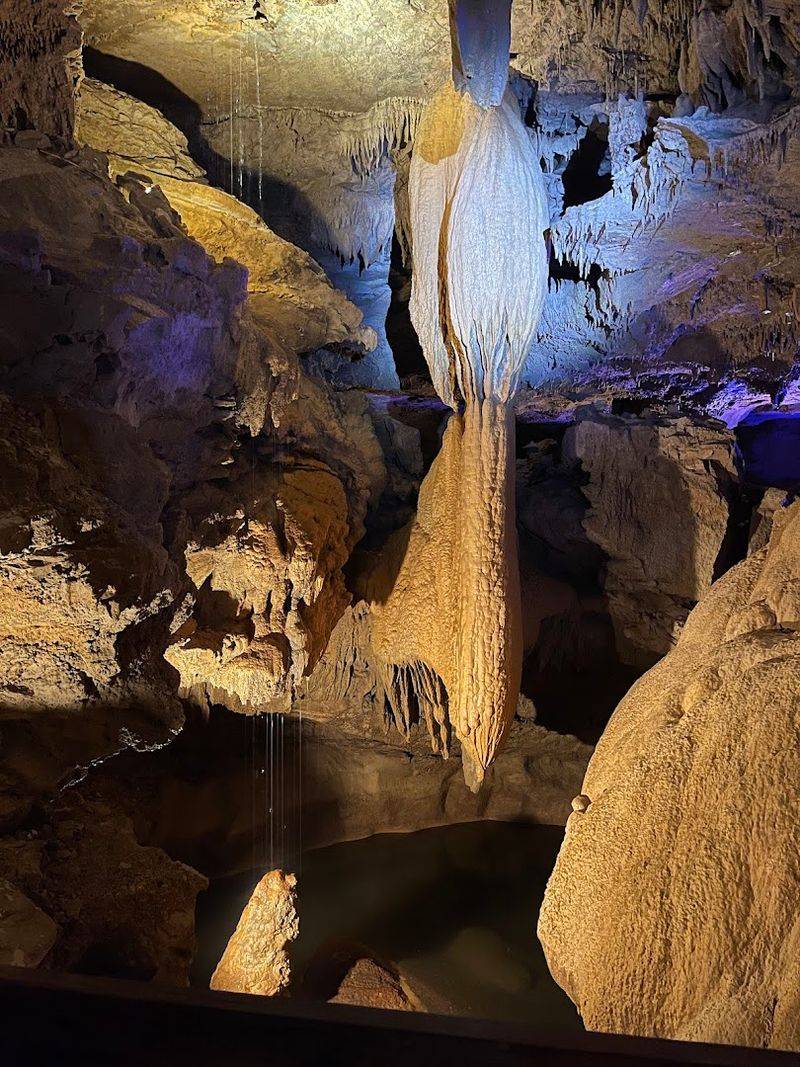
Not many places on earth let you watch a live concert inside a cave, but Cumberland Caverns in McMinnville, Tennessee, makes that experience completely real.
Located at 1437 Cumberland Caverns Rd, McMinnville, TN 37110, this massive cave system stretches for miles underground and has been wowing visitors since tours began in the 1950s.
The caverns feature a stunning underground ballroom called the Volcano Room, which can hold hundreds of people and has hosted bluegrass festivals and other musical events that feel almost surreal in that setting.
Cave temperatures hover around 56 degrees Fahrenheit, so layering up before you head down is always a smart call.
Beyond the concerts, standard guided tours showcase incredible geological formations including flowstones, stalactites, and one of the largest cave rooms in the eastern United States.
The caverns are open seasonally, so checking their schedule before making the trip will save you any disappointment.
Combine your visit with a stop at nearby Rock Island State Park for a full day of Tennessee natural wonders that will absolutely earn bragging rights back home.
3. Big Ridge State Park, Maynardville
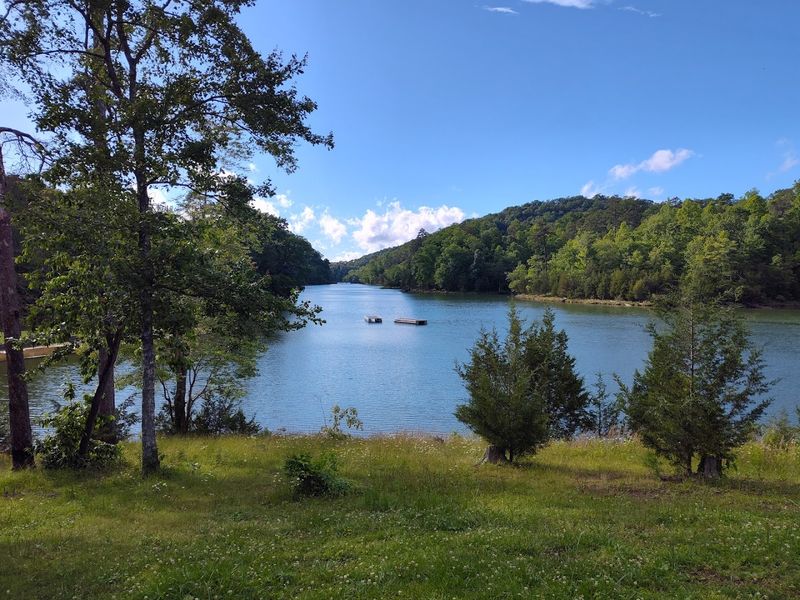
History and nature collide in a really satisfying way at Big Ridge State Park at 1015 Big Ridge Park Rd, Maynardville, TN 37807, just north of Knoxville.
The park sits on the shores of Norris Lake, one of Tennessee’s most scenic reservoirs, and offers a mix of swimming, boating, and fishing that keeps families busy for a full weekend.
What makes Big Ridge especially interesting is its historical layer: the land was once home to a small 19th-century community, and remnants like an old millsite and cemetery are still visible along the trails.
More than 15 miles of hiking paths wind through the forest, ranging from easy lakeside strolls to more challenging ridge climbs that reward you with sweeping views.
Cabins and campsites are available for overnight stays, and booking early in spring is strongly recommended since spots fill up fast during summer months.
Wildlife sightings, including deer, wild turkeys, and a wide variety of birds, are common throughout the park.
Big Ridge is the kind of place where a planned one-night trip has a funny way of turning into three.
4. Burgess Falls State Park, Sparta
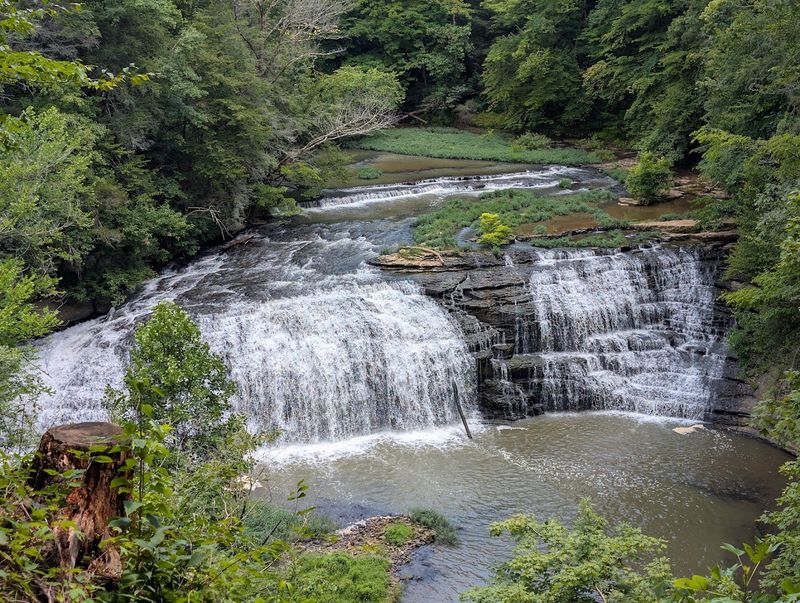
Few waterfall hikes in Tennessee deliver as dramatic a payoff as the trail at Burgess Falls State Park, found at 4000 Burgess Falls Dr, Sparta, TN 38583 in the Upper Cumberland region.
The main trail follows the Falling Water River through a gorge, passing three smaller waterfalls before arriving at the grand finale: a thundering 136-foot cascade that sends mist drifting into the surrounding forest.
The round-trip hike is about four miles and is rated moderate, making it accessible for most visitors who are reasonably comfortable on rocky terrain.
Spring and early summer are the best times to visit when water levels are highest and the falls put on their most powerful show.
Multiple overlook platforms along the trail give you different angles of each waterfall, so the journey itself is just as rewarding as the destination.
Bring sturdy footwear, plenty of water, and a camera, because the photo opportunities at every turn are genuinely exceptional.
Burgess Falls is completely free to enter, which makes it one of the best no-cost outdoor experiences Tennessee has to offer any out-of-town visitor.
5. Natchez Trace Parkway (Tennessee Segment), Leipers Fork
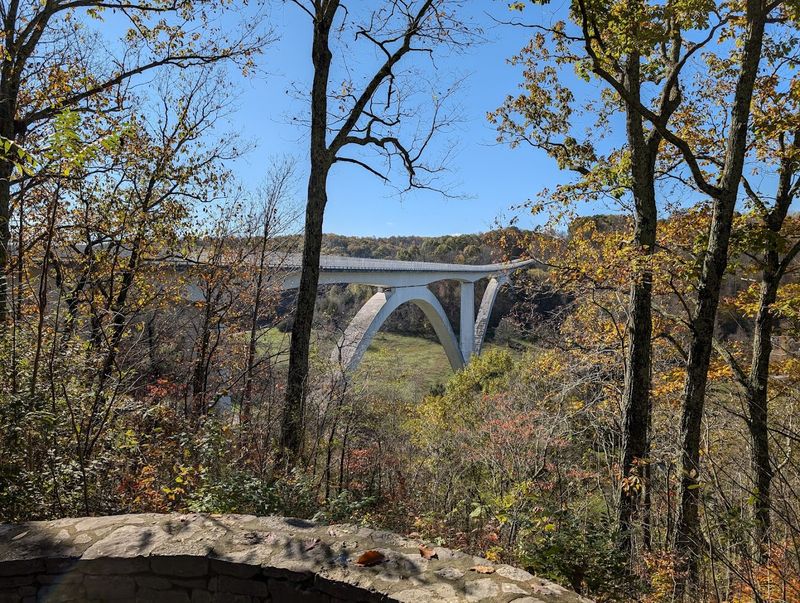
There is something almost cinematic about driving the Natchez Trace Parkway through Tennessee, where the road unrolls through thick hardwood forests with zero commercial signs or fast food in sight.
The Tennessee segment runs through Leipers Fork, TN 37089, and covers some of the most peaceful driving scenery in the entire southeastern United States.
The Natchez Trace itself follows an ancient travel corridor used for thousands of years by Native Americans, European explorers, and early American settlers, giving every mile a sense of deep historical weight.
Pullouts and overlooks appear regularly along the route, inviting you to step out, breathe fresh air, and read the interpretive signs that bring the history to life in genuinely engaging ways.
Fall foliage season, typically mid-October through early November, transforms the drive into a rolling tunnel of orange, red, and gold that is hard to describe and even harder to forget.
The speed limit is 50 mph throughout, which sounds slow until you realize it is the perfect pace for actually noticing everything around you.
Pack a picnic, leave the playlist on shuffle, and let the Trace set the pace for a few hours.
6. Pickett CCC Memorial State Park, Jamestown
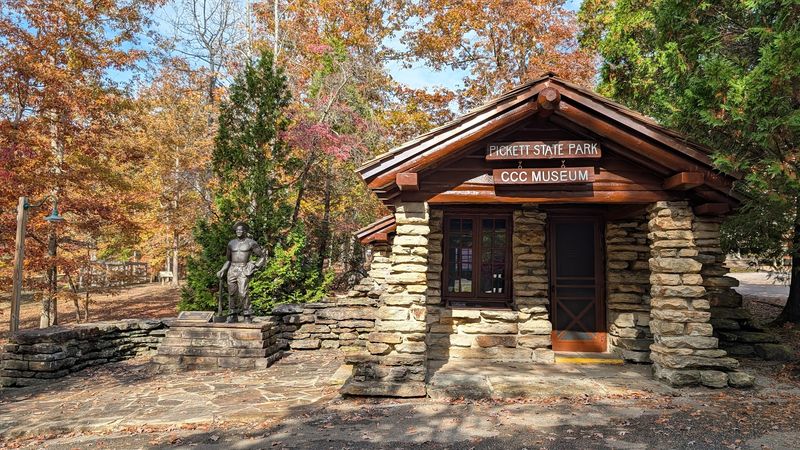
Pickett CCC Memorial State Park at 4605 Pickett Park Hwy, Jamestown, TN 38556 is the kind of place that rewards visitors who are willing to make a bit of an effort to get there.
The park is famous for its dramatic sandstone geology, featuring natural bridges, arches, and rock shelters that look like something from a fantasy landscape rather than middle Tennessee.
Over 58 miles of trails connect to the adjacent Big South Fork National River and Recreation Area, giving serious hikers an almost limitless playground to explore across multiple days.
A peaceful lake sits at the park’s center, offering swimming, paddleboating, and fishing for those who prefer a slower pace between trail adventures.
Cabins built by the Civilian Conservation Corps in the 1930s are still available for rental, and staying in one adds a wonderfully rustic, back-in-time quality to the whole experience.
Wildlife is abundant here, with black bears, wild turkeys, and rare plant species all calling the park home.
Pickett is proof that the most rewarding Tennessee experiences often live the farthest from the interstate.
7. The Lost Sea Adventure, Sweetwater
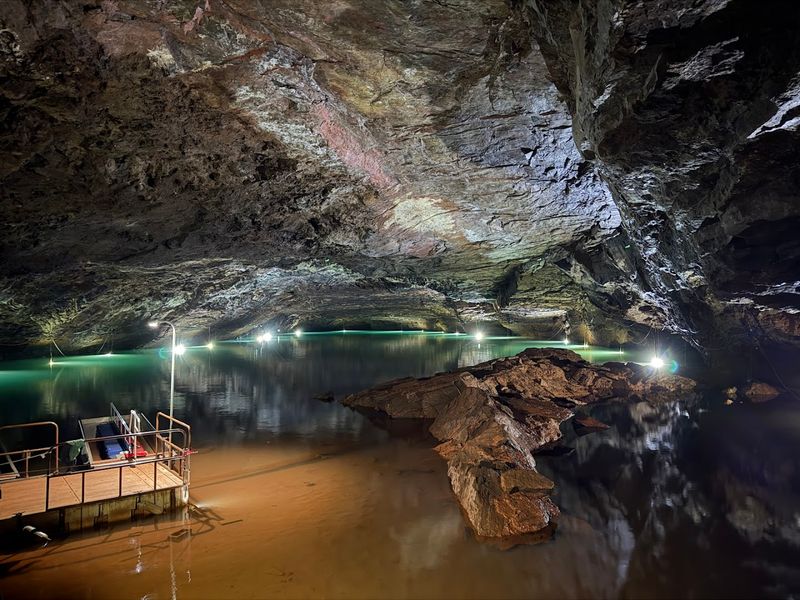
Somewhere beneath a quiet hillside in Sweetwater, Tennessee, the largest underground lake in the United States waits in total silence, and you can actually take a glass-bottom boat across it.
The Lost Sea Adventure at 140 Lost Sea Rd, Sweetwater, TN 37874, has been drawing curious visitors since the cave system was developed for tours in the 1960s, though the cave itself has a much longer human history.
Native American artifacts, Civil War-era saltpeter mining evidence, and even the remains of a Pleistocene jaguar have all been found within the cavern walls, making the geology just one layer of a much richer story.
The lake covers more than four acres underground, and the water is so clear that rainbow trout introduced decades ago are still thriving in it today.
Guided tours take about one hour and are available year-round, with the cave maintaining a steady 58-degree temperature regardless of the weather outside.
The combination of geology, history, and the surreal experience of floating on a subterranean lake makes this stop genuinely hard to categorize.
Call it adventure, call it history, call it one of the strangest and most wonderful afternoons you will spend in Tennessee.
8. Roan Mountain State Park, Roan Mountain
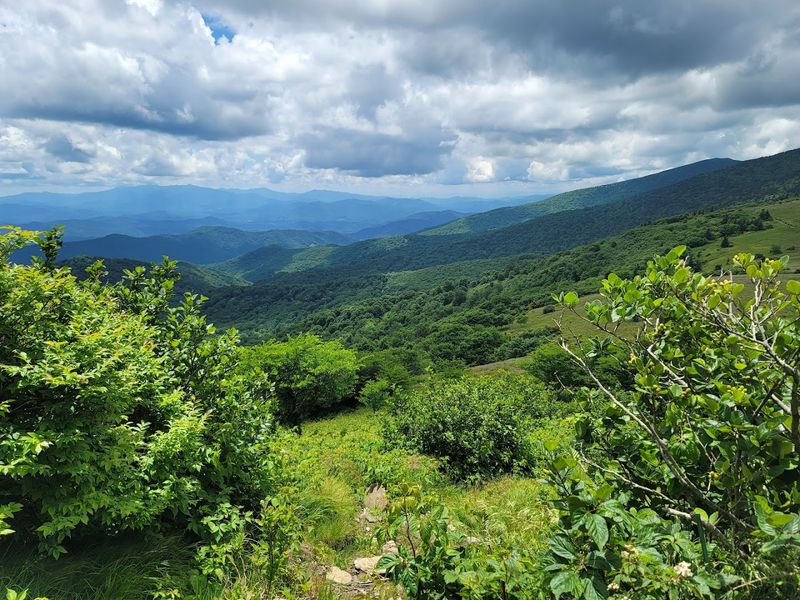
Every June, the high balds of Roan Mountain burst into one of the most spectacular natural flower shows in North America, and most people have absolutely no idea it is happening.
Roan Mountain State Park at 527 TN-143, Roan Mountain, TN 37687 sits along the Tennessee-North Carolina border and reaches elevations above 6,000 feet, putting it in a climate zone that feels nothing like the rest of the state.
The Catawba rhododendron blooms typically peak in mid-June, painting the open mountain meadows in vivid shades of pink and purple that stretch across the ridgeline as far as you can see.
The Appalachian Trail crosses through the park, giving thru-hikers and day hikers alike access to some of the most rewarding high-elevation terrain in the entire southern Appalachians.
Even outside bloom season, the park delivers stunning views, cool temperatures, and a sense of elevation that makes summer heat feel like a distant memory.
Camping and cabin rentals are available, and fall brings its own wave of color as the hardwoods below the bald shift into full autumn mode.
Roan Mountain earns its reputation the moment your boots hit the trail and the view opens up in front of you.
9. Hatchie National Wildlife Refuge, Stanton
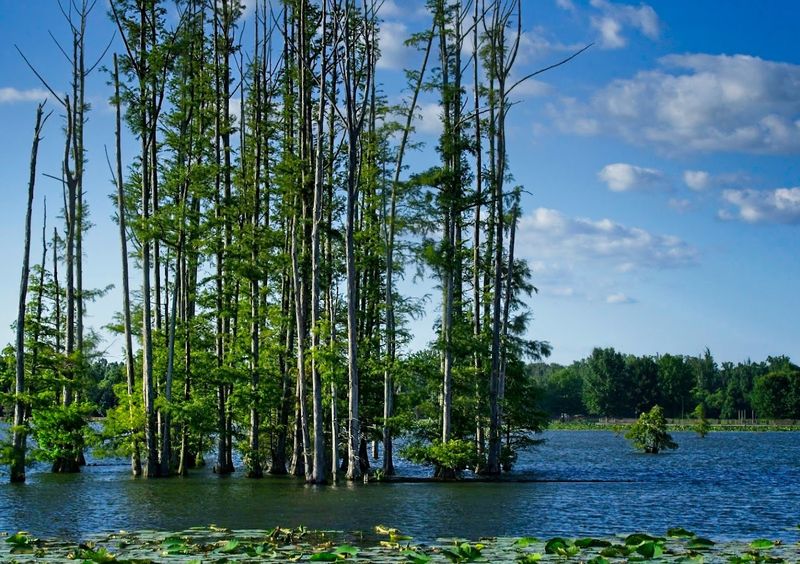
For anyone who has ever wanted to paddle through a bottomland hardwood forest while great blue herons glide overhead, the Hatchie National Wildlife Refuge near Stanton, Tennessee, is exactly the right address.
Located at TN-76, Stanton, TN 38069, the refuge protects one of the last remaining large sections of intact bottomland hardwood forest in the entire Mississippi River watershed.
The Hatchie River runs through the heart of the refuge, offering a designated blueway paddling route that winds through cypress trees, tupelo groves, and rich wetland habitat that feels wonderfully far removed from modern life.
Birding is exceptional here, particularly during spring and fall migrations when the refuge serves as a critical stopover for warblers, shorebirds, waterfowl, and raptors passing through the Mississippi Flyway.
Fishing is permitted in certain areas, and the refuge is open year-round for wildlife observation, photography, and non-motorized paddling.
Bald eagles, river otters, and white-tailed deer are among the residents you might spot on any given visit.
Hatchie is the quietest kind of spectacular, the sort of place where the reward comes slowly and stays with you long after you have driven home.
10. Historic Rugby, Rugby
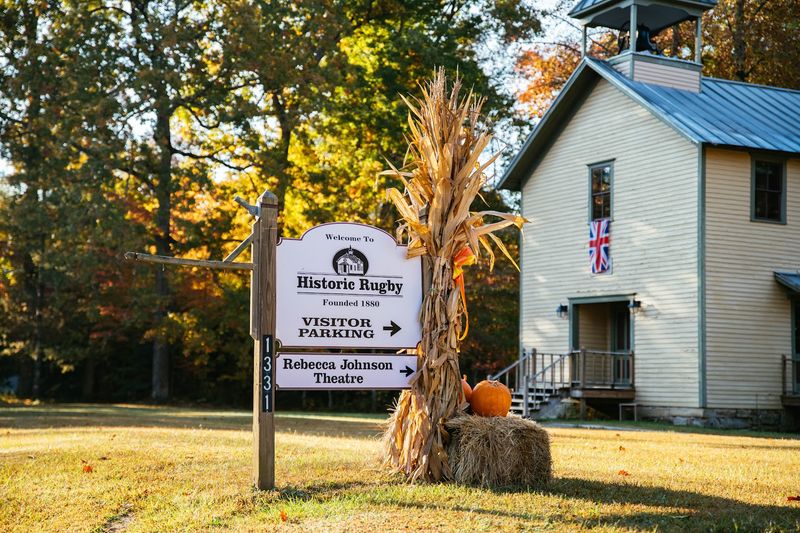
Imagine a Victorian English village transplanted into the Tennessee wilderness in 1880, and you will have a rough idea of what awaits at Historic Rugby, located at 1331 Rugby Pkwy, Rugby, TN 37733 on the Cumberland Plateau.
The village was founded by British social reformer Thomas Hughes, author of Tom Brown’s School Days, as an idealistic colony for younger sons of English gentry who needed a fresh start in America.
The colony eventually faded, but the buildings did not: more than 20 original Victorian-era structures still stand, giving the village an atmosphere that feels genuinely time-frozen in the best possible way.
Guided tours of the historic buildings, including the 1882 Thomas Hughes Library with its original book collection still intact, run regularly and are led by knowledgeable local guides who bring the story to life.
The surrounding forest offers hiking trails that connect to the Big South Fork area, making Rugby a natural base for both history lovers and outdoor enthusiasts.
A small craft and gift shop supports the ongoing preservation efforts, and staying in one of the restored cottages is an option that turns a day trip into something much more memorable.
Rugby is genuinely one of a kind, a place that makes you stop and ask how you had never heard of it before.
11. Red Clay State Historic Park, Cleveland
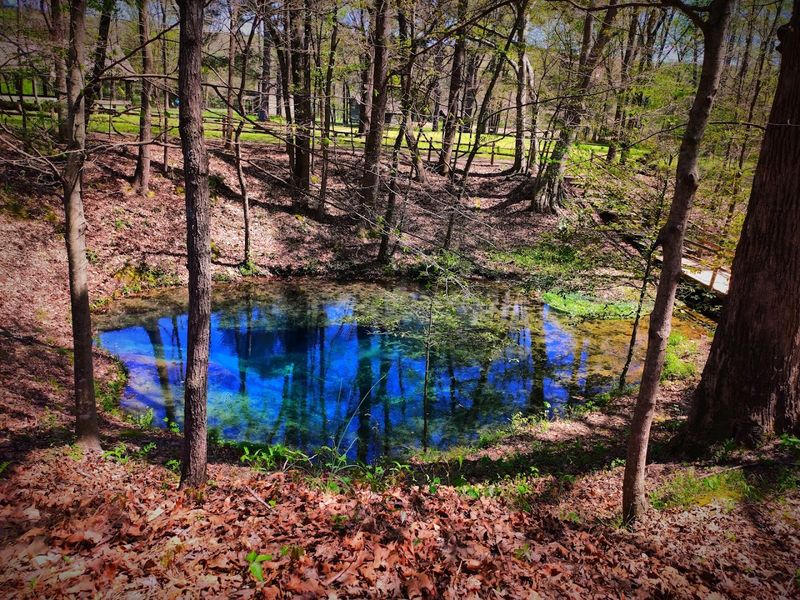
Before the forced removal of the Cherokee people in 1838, Red Clay served as the last seat of the Cherokee National Council, and visiting this park in Cleveland, Tennessee, feels like stepping into a chapter of American history that deserves far more attention.
Red Clay State Historic Park at 1140 Red Clay Park Road SW, Cleveland, TN 37311 preserves the council grounds where Cherokee leaders gathered for the final years before removal, making it a place of profound cultural and historical significance.
A stunning natural feature called the Blue Hole Spring flows from the earth on the park grounds, producing crystal-clear water that has been sacred to the Cherokee people for generations.
The park includes a reconstructed Cherokee farmstead, a council house, and a museum with exhibits that tell the story of the Cherokee Nation with care, detail, and respect.
Interpretive trails wind through the grounds, connecting the historical sites while passing through peaceful woodland that adds a contemplative quality to the visit.
The park hosts an annual inter-tribal powwow each October that draws participants and visitors from across the region.
Red Clay is the kind of place that changes how you see Tennessee, and that is exactly the point of visiting.
12. Old Stone Fort State Archaeological Park, Manchester
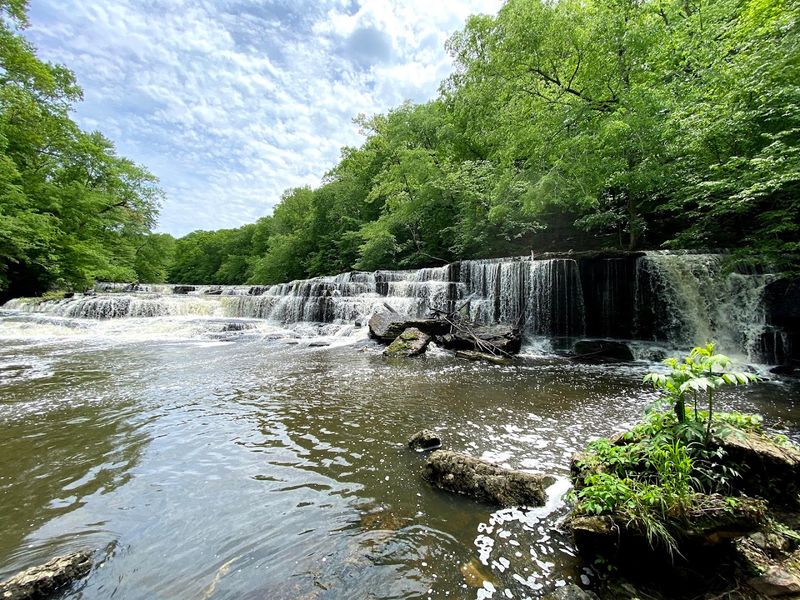
Built over a period of roughly 500 years, beginning around 2,000 years ago, the earthen walls at Old Stone Fort in Manchester, Tennessee, represent one of the most remarkable Native American construction projects in the entire eastern United States.
Old Stone Fort State Archaeological Park at 732 Stone Fort Dr NW, Manchester, TN 37355, preserves a mysterious ceremonial enclosure built by people of the Middle Woodland culture, whose exact purposes for constructing the walls remain a subject of ongoing scholarly discussion.
The walls, which stretch for nearly a mile and are reinforced by two rivers and several waterfalls, create a naturally dramatic setting that adds to the site’s sense of ancient power.
A two-mile loop trail follows the perimeter of the enclosure, passing overlooks above the waterfalls and offering a surprisingly active way to experience an archaeological site.
The on-site museum provides excellent context for what you are seeing, with artifacts, timelines, and explanations that make the site accessible and engaging for visitors of all ages and backgrounds.
Admission is free, and the park is open year-round, making it an easy add-on to any road trip through middle Tennessee.
Old Stone Fort is the rare kind of place that leaves you standing quietly, genuinely humbled by the scale of what human hands accomplished so long ago.