
This Indiana Town Is So Popular Locals Say The Traffic Never Ends
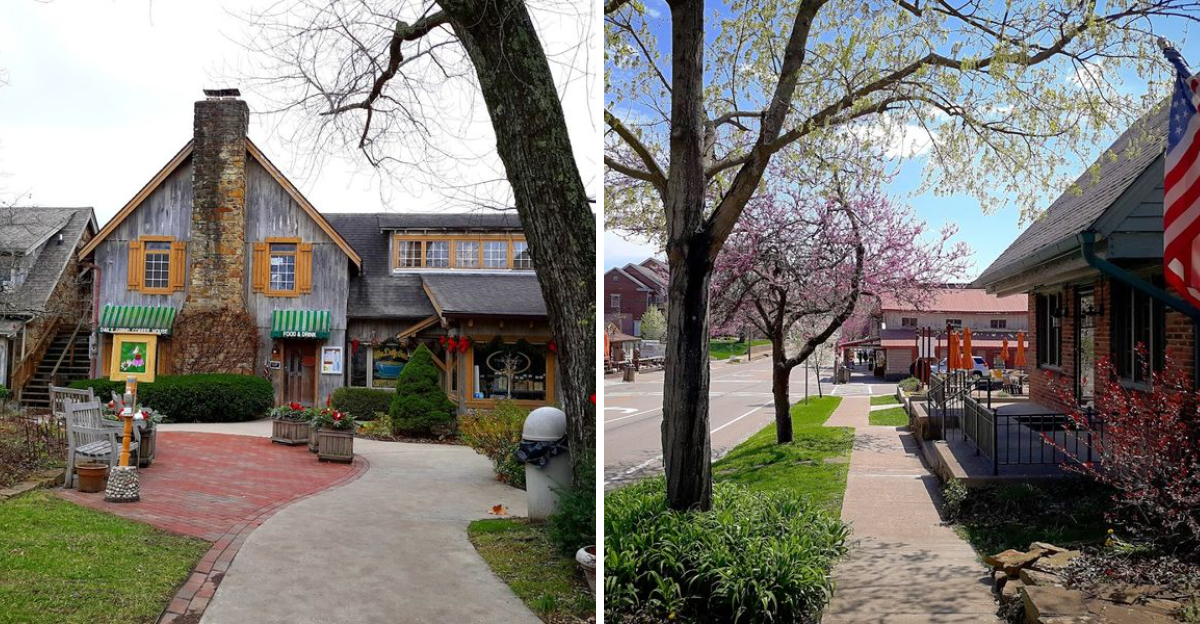
Crowds start arriving earlier than you might expect, and before long the streets are buzzing with visitors wandering from shop to shop. What was once a quiet artist retreat has quietly grown into one of the most popular small-town destinations in Indiana.
Handmade crafts fill charming storefronts, forest trails stretch out just beyond town, and the atmosphere feels both creative and relaxed at the same time. On busy weekends the traffic barely slows, a small-town reminder that word has spread about a place many people simply cannot resist visiting again.
The Small Town That Became One Of Indiana’s Most Popular Getaways
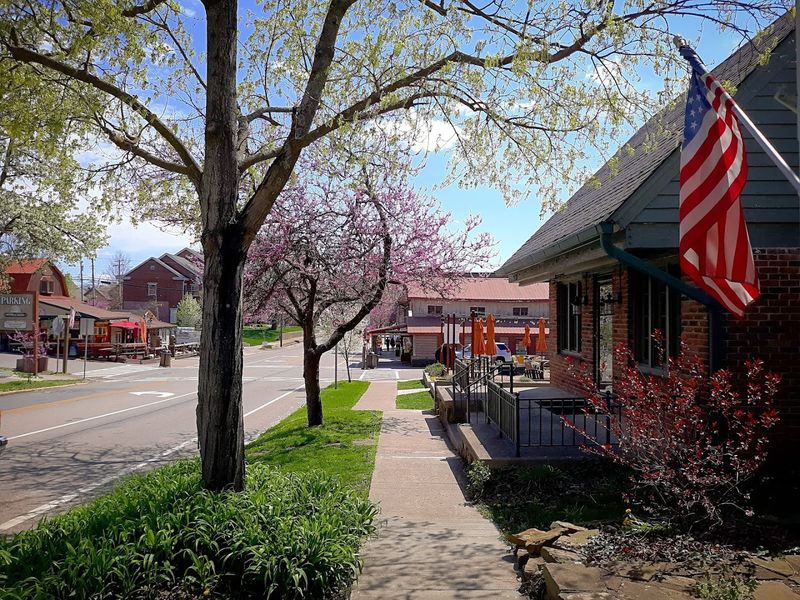
Few places in Indiana have pulled off what Nashville has managed over the past century. A town of fewer than 1,000 permanent residents, it somehow draws hundreds of thousands of visitors every single year.
The numbers alone would make any city planner do a double take.
Located in Washington Township at the center of Brown County, Nashville sits about 55 miles south of Indianapolis. Its appeal is genuine rather than manufactured, built on art, nature, and a laid-back atmosphere that feels earned rather than staged.
Visitors sense that difference the moment they step out of their cars.
Local shop owners will tell you that the town’s popularity crept up gradually, then arrived all at once. Today, Nashville functions as both a living community and a working destination, balancing the needs of residents with the expectations of guests who arrive expecting something memorable.
Fall Foliage Season Brings Huge Crowds To Brown County
Brown County earns its reputation as Indiana’s autumn capital every October without fail. The surrounding hills transform into a rolling canvas of amber, crimson, and gold that photographers and casual visitors alike find genuinely hard to resist.
On peak foliage weekends, the roads leading into Nashville can back up for miles in every direction.
The town sits within a landscape shaped by glacial activity, which left behind uneven terrain that produces dramatic hillside views unlike anything else in the Midwest. That topography is precisely what makes the fall color display so vivid and layered.
Elevation changes create pockets of color that shift as you move through the area.
Visitors planning a fall trip should book accommodations well in advance, sometimes months ahead. Local inns, bed and breakfasts, and cabin rentals fill up rapidly once foliage forecasts start circulating online.
Arriving on a weekday rather than a Saturday can make the experience considerably more relaxed.
A Historic Artist Colony That Still Draws Creative Visitors
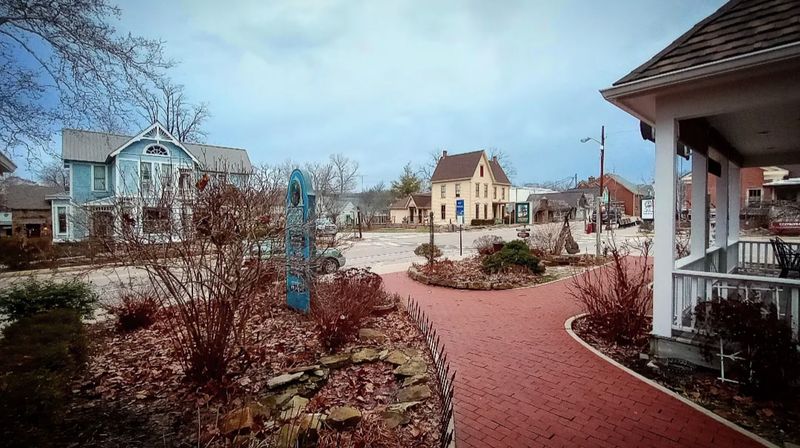
The Brown County Art Colony formed in 1907 when a group of painters discovered that the local landscape offered something rare and paintable at almost every turn. Artists like T.C.
Steele, who later became Indiana’s official state artist, established studios in the hills surrounding Nashville and began producing work that attracted national attention. That creative legacy never fully left.
The T.C. Steele State Historic Site preserves the artist’s former home, studio, and garden along a quiet stretch of road outside town.
Visitors can walk through spaces where Steele actually worked, surrounded by original paintings and personal belongings that give the site a lived-in authenticity. The garden alone is worth a separate afternoon visit.
Back in town, the Brown County Art Gallery on South Van Buren Street continues to showcase regional artists working in the tradition their predecessors established. The gallery remains one of the oldest continuously operating art associations in the country, which is a distinction worth pausing on.
A Walkable Downtown Filled With Local Shops And Galleries
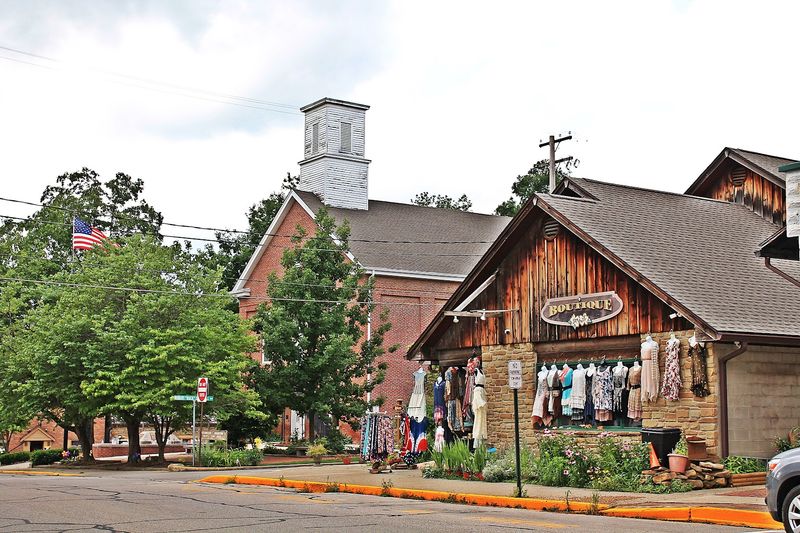
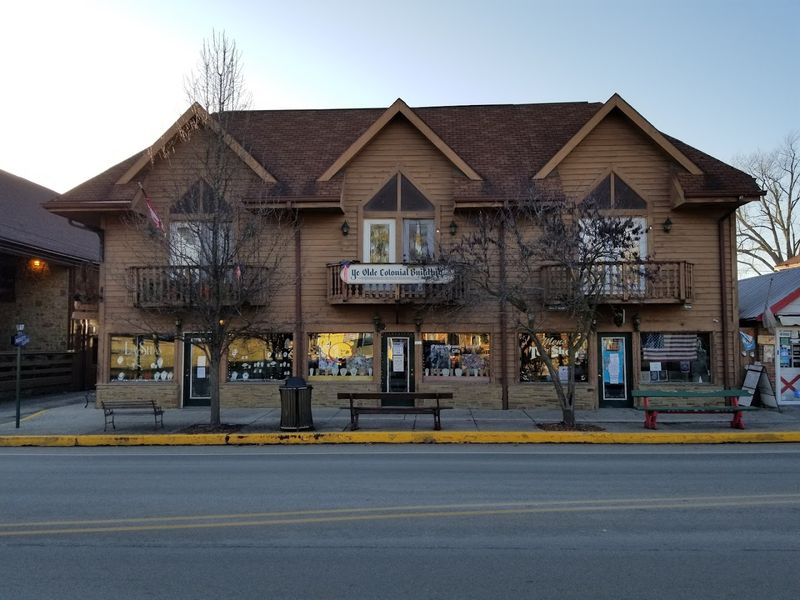
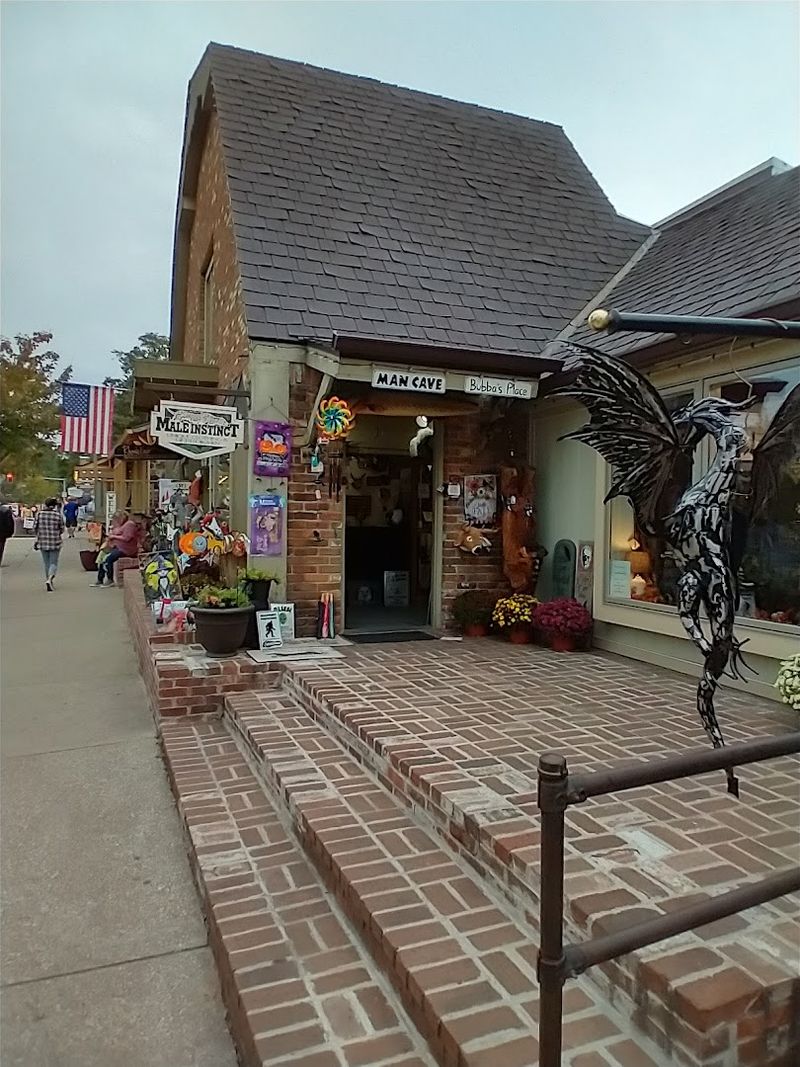
Nashville’s downtown core is compact enough to cover entirely on foot in a single afternoon, which is part of its considerable charm. The main streets are lined with independent shops, galleries, and studios that operate without the corporate sameness found in most American retail districts.
Every storefront seems to have a personality of its own.
Browsers will find everything from handmade jewelry and oil paintings to vintage books and locally produced food items. Shop owners are often the makers themselves, which means conversations tend to go deeper than a typical retail transaction.
Asking about a piece on the wall can turn into a twenty-minute story about the artist who created it.
The walkable layout also means visitors naturally slow down and spend more time in each block than they originally planned. That unhurried pace is something Nashville’s downtown actively encourages through its architecture, signage, and the general absence of anything that feels rushed.
The town rewards those who move at a leisurely speed.
A Gateway To Brown County State Park’s Scenic Trails
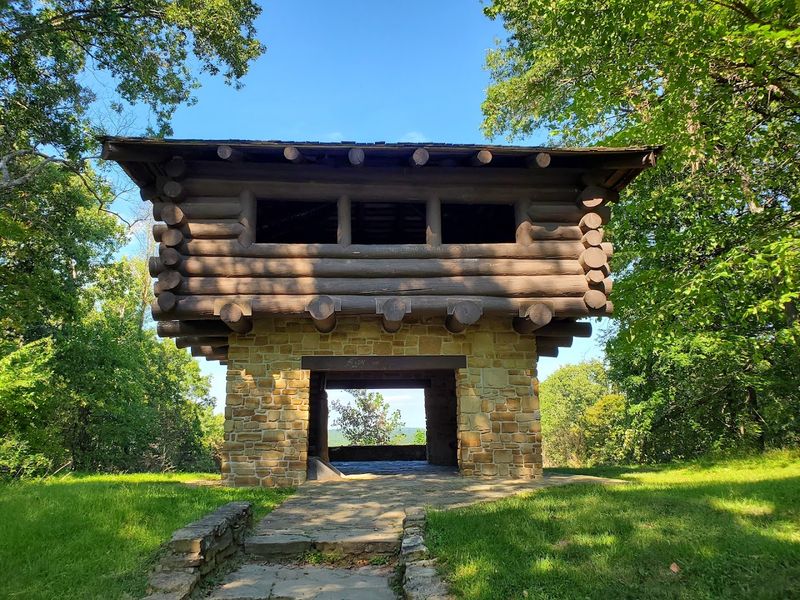
Brown County State Park sits just outside Nashville and covers more than 16,000 acres of forested terrain, making it the largest state park in Indiana by a considerable margin. Hikers, mountain bikers, and horseback riders all find something worth pursuing within its boundaries.
The park’s trail network stretches across ridges and ravines that feel genuinely remote despite being minutes from downtown.
The park entrance on State Road 46 is close enough to town that visitors often combine a morning hike with an afternoon spent browsing Nashville’s shops. That combination is one of the main reasons Brown County draws such a broad range of visitors, from outdoor enthusiasts to art collectors who might not otherwise share an itinerary.
Lookout points within the park offer elevated views across the surrounding hills that are particularly striking during spring bloom and autumn color seasons. Saddle Lake and Ogle Lake provide quieter destinations for those looking to sit with the landscape rather than move through it at pace.
Festivals And Events That Fill The Streets With Visitors
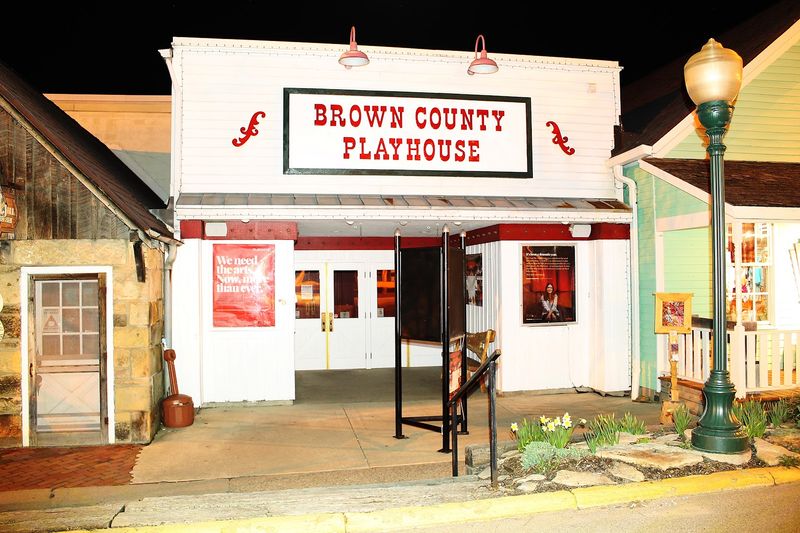
Nashville’s event calendar runs nearly year-round, with festivals anchoring each season and drawing visitors who plan their trips specifically around them. The Brown County Bluegrass Festival, the Maple Syrup Festival, and the Covered Bridge Festival are among the gatherings that reliably pack the town beyond its usual capacity.
Each event carries its own distinct character rather than feeling like a copy of the last.
Spring brings maple syrup demonstrations and early craft fairs that reopen the town after winter. Summer transitions into outdoor concerts and art shows that make use of the town’s open spaces and covered pavilions.
By October, the festival season reaches its peak intensity alongside the fall foliage crowds.
For residents, the festivals are both a source of community pride and a test of patience, particularly regarding parking and foot traffic on narrow streets. Visitors who embrace the energy rather than resist it tend to have a far more satisfying experience.
Arriving early and staying flexible goes a long way.
Handmade Crafts And Artisan Goods Around Nearly Every Corner
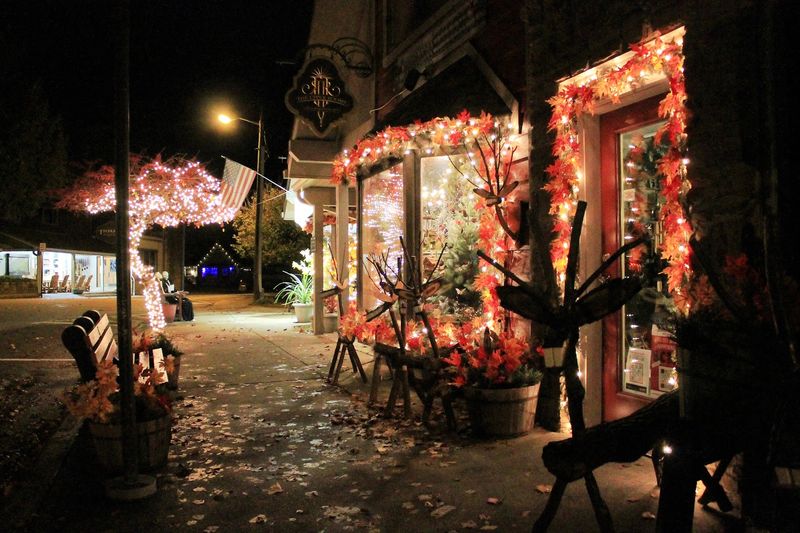
Nashville has maintained a craft culture that predates most of what gets called artisan today by several decades. Woodworkers, potters, weavers, leather craftspeople, and candle makers operate out of small studios and storefronts throughout the downtown area.
The quality of work varies, but the commitment to handmade production is consistent across the board.
Brown County Pioneer Village, located within the town, offers a more historical look at traditional craft practices through restored buildings and demonstrations. The Old Log Jail on the property is a genuine relic that adds unexpected texture to what might otherwise feel like a purely commercial district.
History and commerce coexist here without obvious friction.
Shoppers who prefer to buy directly from makers will find Nashville particularly satisfying. Many artisans are present in their shops during regular hours, ready to explain their process or customize an order.
That direct connection between creator and customer is increasingly rare in most shopping environments, which makes Nashville’s craft scene feel meaningfully different.
Restaurants, Cafés, And Bakeries That Keep Tourists Coming Back
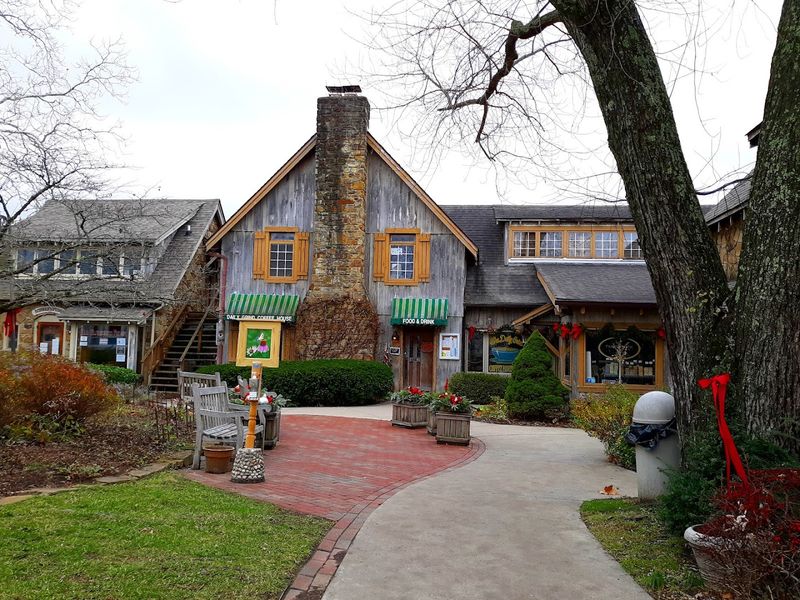
Food has become a serious part of Nashville’s appeal over the past two decades. The town now supports a dining scene that goes well beyond the comfort food staples it once relied on, with cafes, bakeries, and restaurants offering menus that reflect both local ingredients and genuine culinary ambition.
A good meal here no longer requires lowered expectations.
Breakfast spots fill up early on weekends, particularly those offering house-baked goods and locally sourced eggs. The pace of service matches the town’s overall temperament, meaning meals unfold without urgency and tables are rarely rushed.
That approach suits the visitor demographic, which tends to favor lingering over efficiency.
Dinner options range from casual pub fare to more considered plates built around seasonal produce from nearby farms. Several restaurants display artwork on their walls that connects the dining experience back to Nashville’s creative identity.
Eating well here feels like a natural extension of the broader cultural experience the town consistently delivers.
A Weekend Destination For Travelers From Indianapolis And Beyond
Indianapolis sits roughly 55 miles north of Nashville, making Brown County one of the most accessible weekend escapes for the state’s largest urban population. The drive down State Road 135 or State Road 46 takes under an hour from most parts of the city, which removes the logistical friction that keeps many people from traveling farther.
That proximity is a significant part of Nashville’s sustained popularity.
Louisville, Cincinnati, and Bloomington also contribute regular visitors, each within a two-hour drive. The town’s catchment area is broad enough to sustain consistent foot traffic across multiple seasons rather than depending on a single regional market.
That geographic advantage has helped Nashville weather economic shifts that affected similar small towns elsewhere in the Midwest.
First-time visitors often return within the same year, which speaks to the quality of the experience rather than simply its convenience. The combination of outdoor recreation, art, food, and shopping creates a destination that satisfies different interests on different trips without feeling exhausted by repetition.
Traffic And Parking Challenges During Peak Tourist Season
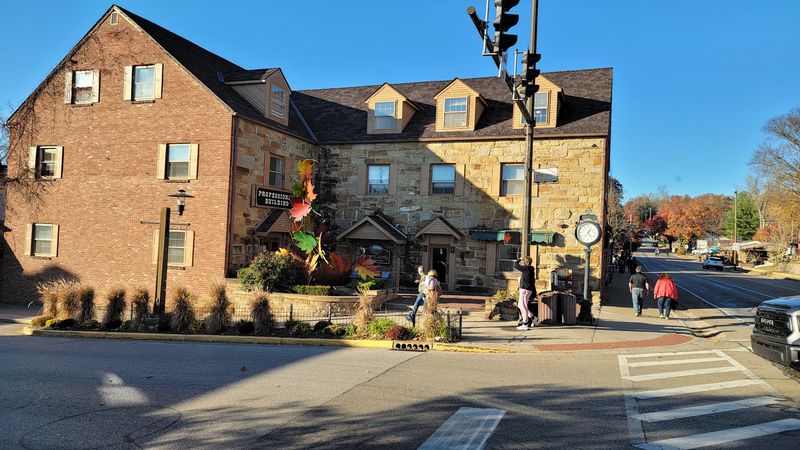
Anyone who has driven into Nashville on a sunny October Saturday knows exactly what the locals mean when they say the traffic never ends. The two main roads feeding into town, State Road 46 and State Road 135, can become slow-moving processions of vehicles that test even the most patient traveler.
Parking lots fill before mid-morning on peak weekends.
The town has made incremental improvements to traffic flow over the years, including additional signage and overflow parking areas on the outskirts. Shuttle services have operated during certain festivals to move visitors from remote lots into the downtown core.
Progress exists, though residents will readily confirm it has not fully solved the seasonal congestion problem.
Experienced visitors have developed their own strategies, arriving before 9 a.m. or after 4 p.m. to avoid the worst of the gridlock. Midweek visits during peak seasons offer a dramatically different experience, with shorter lines and more relaxed energy throughout the town.
Nashville rewards those who plan with a little tactical thinking.