
This Calm Oklahoma Lake Has Unexpectedly Become The Center Of Controversy
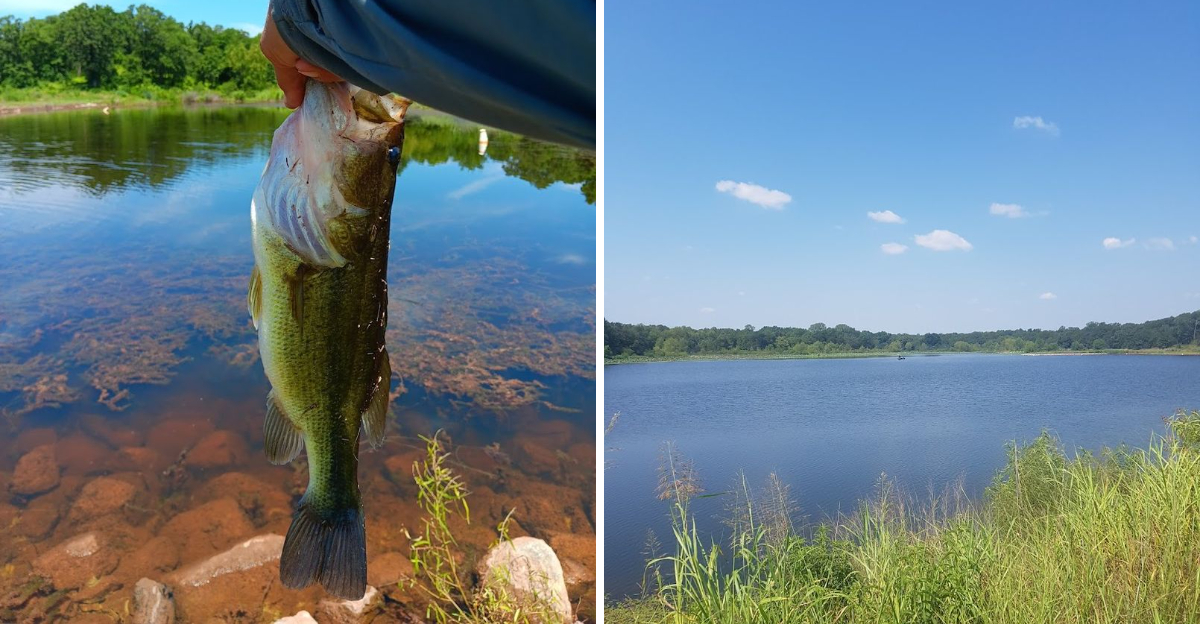
At first glance, it looks like the kind of quiet fishing spot most people drive past without noticing. For years, anglers and nature lovers appreciated it for exactly that reason.
A peaceful morning here usually meant calm water, a bit of patience, and a good fishing rod. Lately, though, the conversation around this once-low-key lake has changed.
Debates about fish stocking, thick vegetation, and public access have turned this quiet stretch of water into an unexpectedly lively topic among Oklahoma outdoor enthusiasts.
Built In 1953 By The Oklahoma Department Of Wildlife Conservation
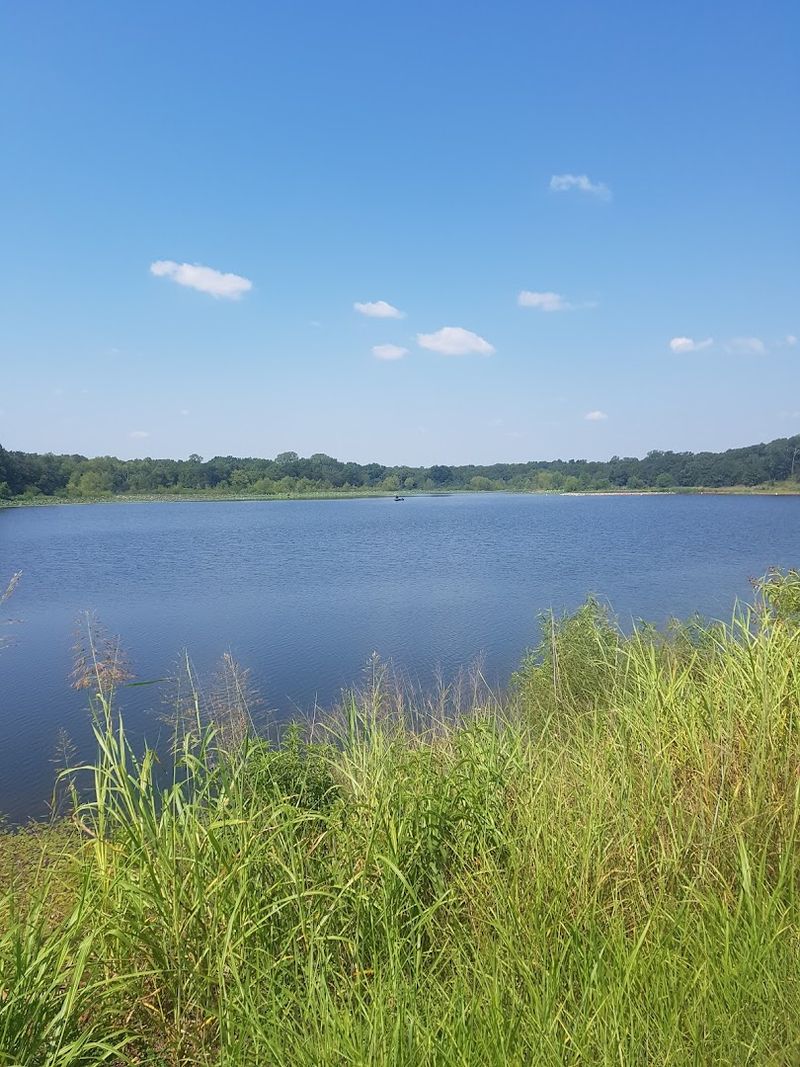
Dahlgren Lake was constructed in 1953 by the Oklahoma Department of Wildlife Conservation, which tells you something important about its original purpose. It was never meant to be a recreational showpiece or a tourist draw.
The department built it as a managed fishing resource, a place where controlled conditions could support healthy fish populations for public use.
That origin story matters because it shapes every conversation about what the lake should be today. When visitors debate stocking levels or vegetation management, they are really debating whether the lake is living up to the mission it was designed to serve seven decades ago.
Older structures and management philosophies sometimes struggle to meet modern expectations, and Dahlgren is no exception to that pattern. Understanding its history adds useful context to the controversies swirling around it today, and it helps explain why certain decisions about the lake carry more weight than they might appear to at first glance.
Located Inside The Lexington Wildlife Management Area
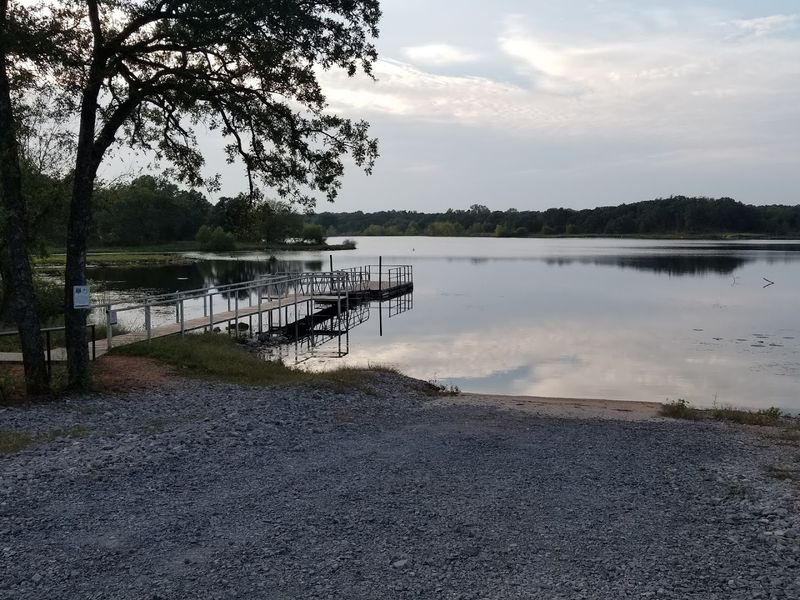
Dahlgren Lake falls within the boundaries of the Lexington Wildlife Management Area, a designation that shapes how the lake is managed and who has authority over its future. Wildlife management areas in Oklahoma operate under specific regulations designed to balance public access with conservation goals, and Dahlgren is no exception.
The surrounding land offers habitat for a range of species, which adds a layer of ecological responsibility to any decisions made about the lake itself. Altering water levels, vegetation, or fish populations at Dahlgren does not happen in isolation.
Those changes ripple outward into the broader ecosystem that the management area exists to protect.
For visitors, the WMA setting means the experience extends beyond fishing. Hiking, bird-watching, and general wildlife observation are all part of what the area provides.
That broader context is worth keeping in mind when evaluating recent controversies, because the lake is one piece of a much larger conservation picture.
A Popular Spot For Bass And Catfish Fishing
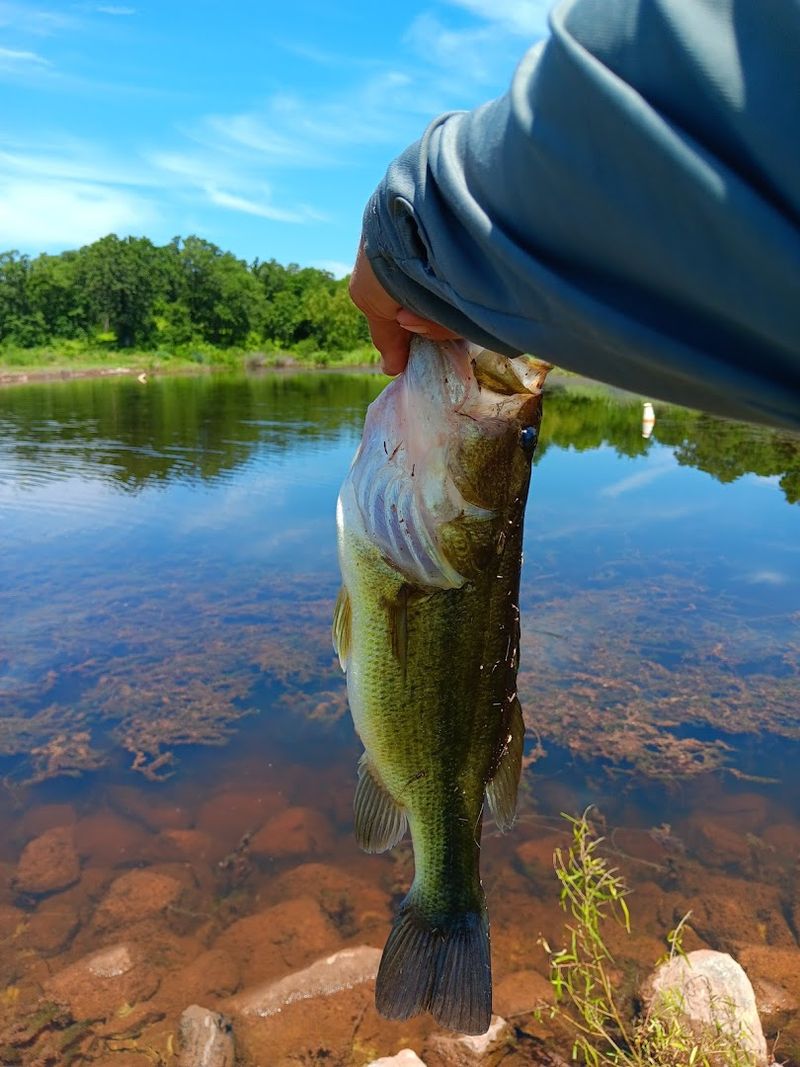
Ask any regular visitor what brings them back to Dahlgren Lake and the answer almost always involves fish. Largemouth bass and catfish are the headline attractions, but bluegill and crappie fill out the experience in ways that keep even casual anglers busy throughout the day.
The lake’s structure supports fish well. Rocky bottom sections, submerged tree stumps, underwater grass, and lily pad clusters create the kind of layered habitat that fish find genuinely useful for feeding and shelter.
Those features are not accidental. They reflect the managed environment that the Oklahoma Department of Wildlife Conservation intended when the lake was first established.
Bank fishing remains the primary mode of access here, which suits the lake’s character. There are no boat launches, no marina services, and no entry fees that complicate the experience.
You arrive, find a good stretch of bank, and fish. That straightforward simplicity is precisely what draws a loyal and quietly passionate community of anglers back season after season.
The Dramatic Transformation Over Two Decades
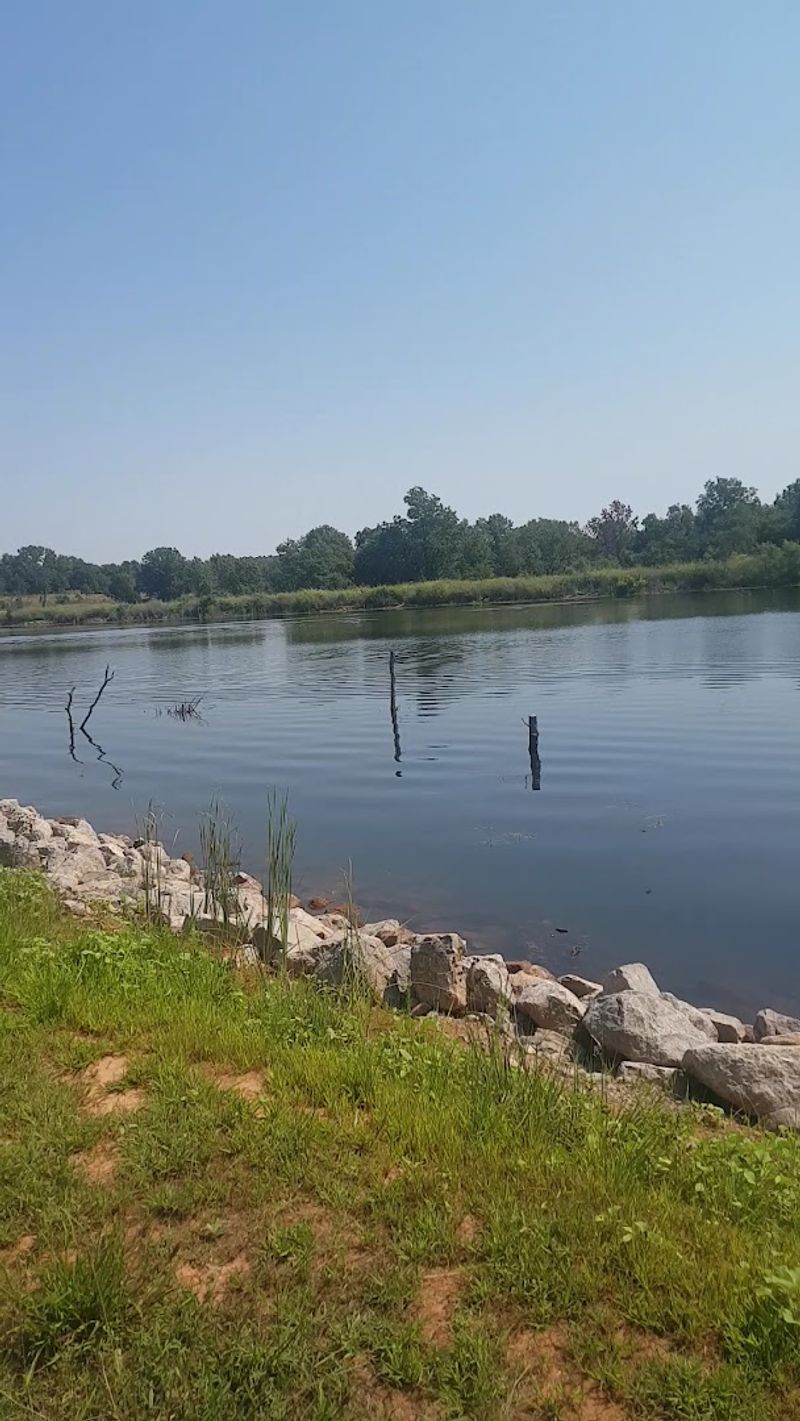
Over the past two decades, a series of managed improvements have gradually reshaped the shoreline and surrounding access points. What was once a difficult stretch of bank to navigate has become far more accessible, allowing anglers to walk along much of the lake’s perimeter.
These changes have made the quiet fishing spot easier to explore while still preserving its calm, natural setting.
That kind of long-view transformation is worth appreciating, especially in a state where many small public lakes receive minimal investment over time. Dahlgren’s evolution reflects a sustained commitment from the Oklahoma Department of Wildlife Conservation to maintain the resource rather than simply leave it to its own devices.
Not every change has been welcomed equally, and some visitors feel the lake still falls short of its potential. But the broad trajectory over the past two decades points toward improvement rather than neglect, and that distinction matters when assessing the current controversies surrounding the lake’s management and condition.
The Stocking Debate That Has Everyone Talking
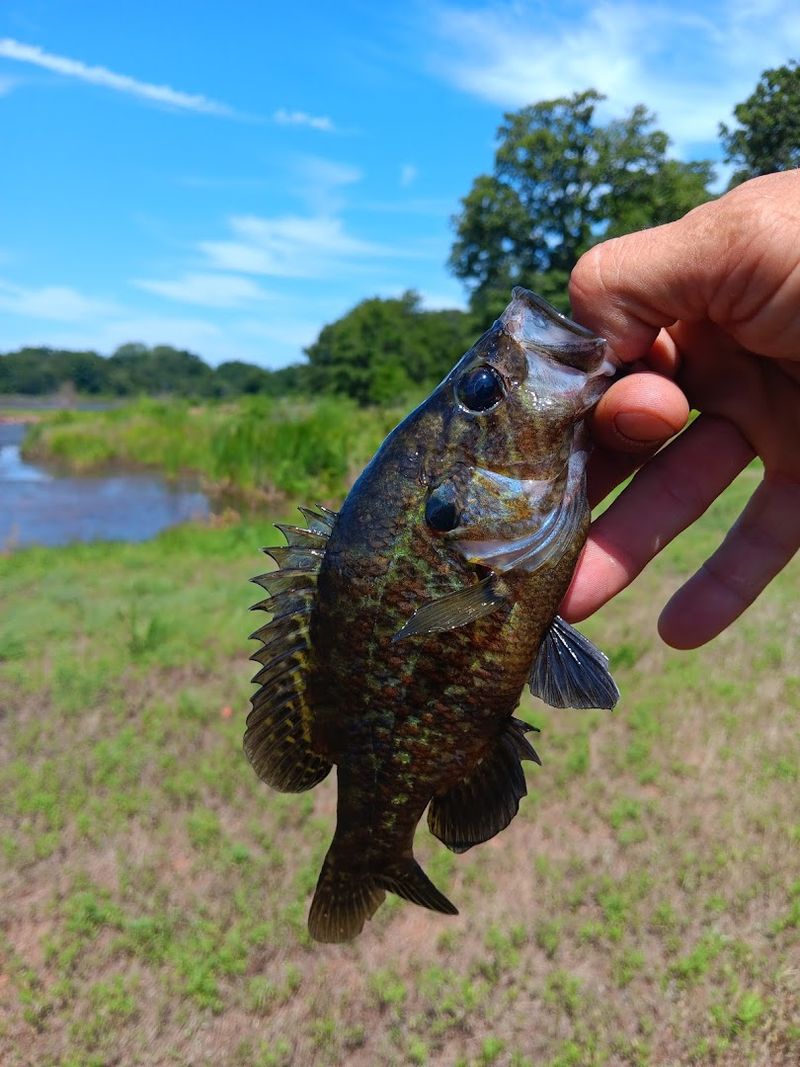
Among all the conversations surrounding Dahlgren Lake, the fish stocking debate generates the most heat. At least one recent visitor reported returning multiple times without catching a single fish, and that frustration found its way into a public review that others clearly noticed.
Stocking concerns at public lakes are never trivial, because the entire premise of a managed fishing resource rests on maintaining a fishable population.
The Oklahoma Department of Wildlife Conservation manages stocking schedules based on population surveys, available resources, and ecological assessments. Those decisions do not always align with what individual anglers experience on any given day, and that gap between expectation and reality is where controversy tends to develop.
Some visitors report excellent catches while others leave empty-handed, and that inconsistency fuels debate about whether stocking is adequate or appropriately timed. The conversation is unlikely to resolve quickly, but it does reflect genuine public investment in the lake’s health and productivity, which is not an entirely bad sign for a small, often-overlooked resource.
Vegetation Overload And The Battle For Access
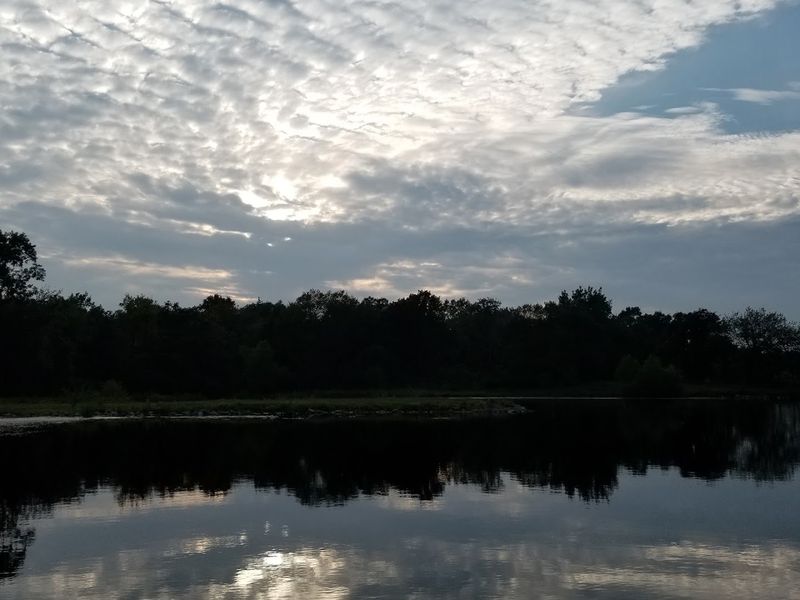
Vegetation at Dahlgren Lake is a subject that comes up repeatedly among visitors, and opinions range from admiring to genuinely frustrated. Lily pads, underwater grass, and dense shoreline growth create excellent fish habitat, which is good news for the ecosystem.
For anglers trying to cast from the bank, however, that same vegetation can make the experience considerably more challenging.
One visitor offered a pointed piece of advice that doubles as both a warning and a practical tip: stay out of the grass, because chiggers are a real and enthusiastic presence. Anyone who has spent a summer afternoon in Oklahoma already understands the seriousness of that recommendation.
The vegetation issue is not simply an inconvenience. It represents a genuine management tension between ecological benefit and human access.
Too much intervention disrupts habitat. Too little leaves anglers unable to reach productive water.
Finding that balance is exactly the kind of unglamorous problem that defines the day-to-day work of managing a small public lake.
Recent Renovations Improved Fishing Access
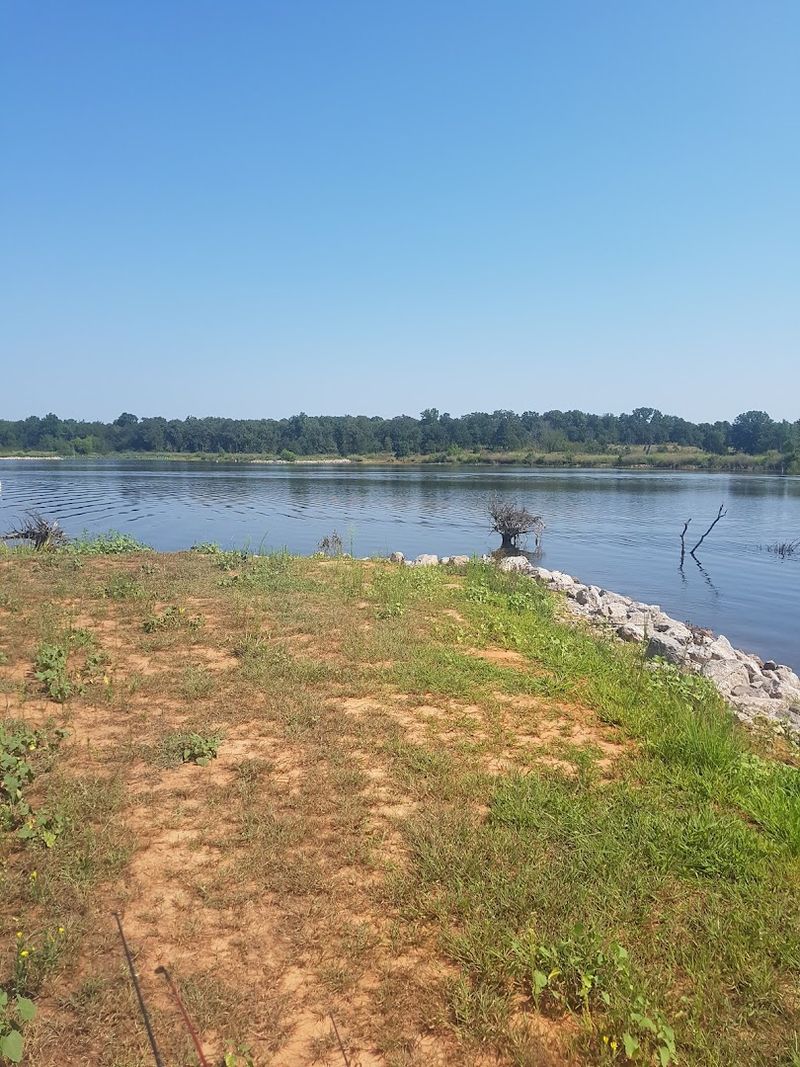
Recent renovations at Dahlgren Lake have made a measurable difference in how visitors experience the shoreline. The Oklahoma Department of Wildlife Conservation installed a path that connects multiple fishing points around the lake, allowing anglers to move between productive spots without fighting through dense vegetation.
That improvement alone changed the character of a visit significantly.
Visitors who fish from the designated points report better results, partly because those locations were selected with casting room and fish habitat in mind. The infrastructure investment reflects a recognition that access and fishability are not separate concerns.
A lake that people cannot comfortably use does not fulfill its public purpose, regardless of what lives beneath the surface.
The renovations have drawn genuine appreciation from the lake’s regular visitors, with several visitors specifically mentioning the improvements as a reason to return. That positive response suggests the work was well-considered and well-executed, offering a reasonable model for how modest investments can meaningfully revitalize a small public fishing resource.
The Peaceful Reputation Under Threat
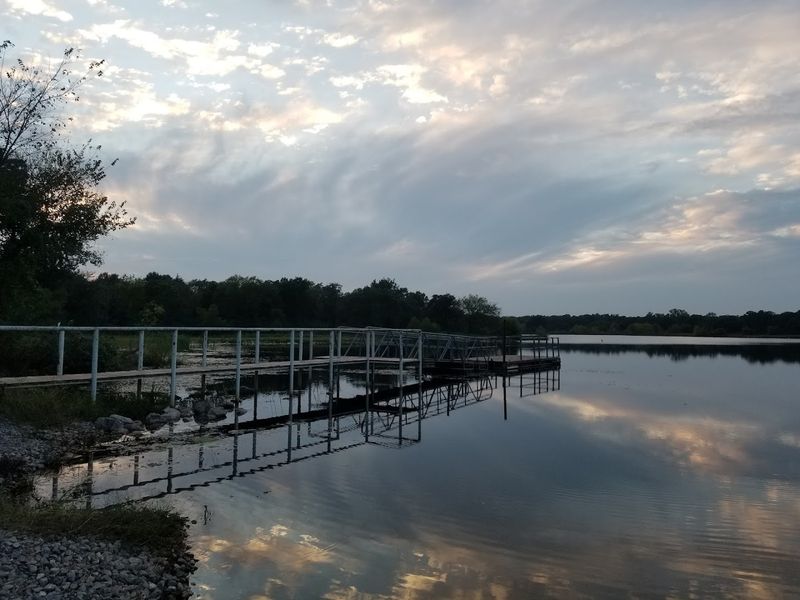
Dahlgren Lake built its reputation on quietness, and that reputation still holds for most visitors who make the trip.
The controversies around stocking levels, vegetation management, and access have introduced a note of uncertainty that did not previously define the conversation about this lake. Public reviews now contain a mix of warm endorsements and pointed criticisms that reflect a community paying close attention to how the resource is managed.
That attention, even when it takes a critical form, is ultimately a sign of genuine care. People argue about places they value, and indifference is far more damaging to a small lake’s long-term future than a lively debate about fish stocking.
Dahlgren’s reputation may be under some pressure, but the engagement surrounding it suggests the lake still matters deeply to those who know it best.