
This Gorgeous New Jersey Town Might Be The State’s Most Beautiful Escape
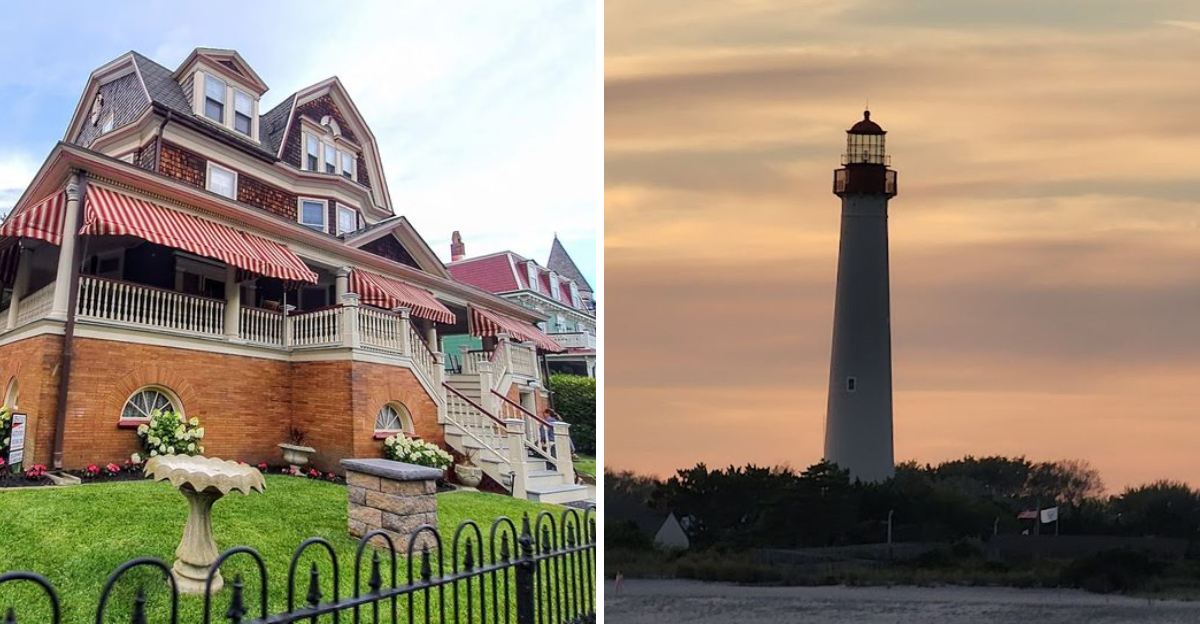
At the southern edge of New Jersey, where ocean waves meet the wide waters of the Delaware Bay, there is a coastal town that feels unlike any other along the East Coast. Grand historic buildings line quiet streets just a short walk from open beaches and sea breezes.
Visitors often arrive expecting an ordinary shore destination, only to discover something far more memorable. The atmosphere encourages people to slow their pace, notice the details around them, and enjoy the rare feeling of stepping into a place that has carefully preserved its past.
A Town Filled With Colourful Victorian Architecture
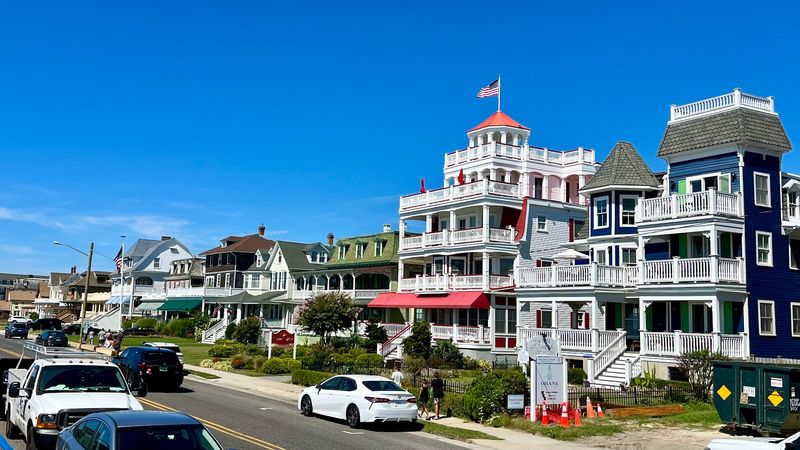
Walking through Cape May is like flipping through a beautifully illustrated history book that nobody has bothered to update, and that is precisely the charm. The town holds one of the largest concentrations of Victorian architecture in the entire United States, with over 600 preserved structures spread across its compact streets.
Gingerbread trim, steeply pitched roofs, and wraparound porches define nearly every block.
The Emlen Physick Estate on Washington Street is among the finest examples, offering a preserved interior that reflects domestic life from the 1800s with surprising detail and warmth. Each painted lady here seems to have its own personality, dressed in three or four coordinating colours that catch afternoon light in ways that make photographers stop mid-stride.
Cape May’s architectural legacy is not accidental. The town was largely rebuilt after a major fire in 1878, and the Victorian era happened to be at its creative peak right at that moment.
One Of America’s Oldest Seaside Resorts
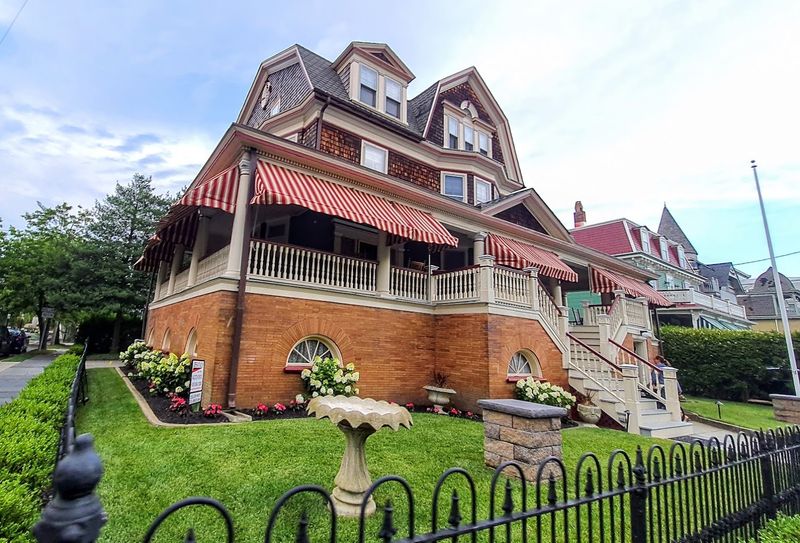
Cape May has been welcoming visitors since the early 1800s, which makes it one of the oldest seaside resort destinations in the entire country. Presidents including Abraham Lincoln and Franklin Pierce are said to have visited, drawn by the same combination of ocean air and relative ease of access that still brings people today.
That kind of history leaves a mark.
The resort culture here developed long before the concept of a beach vacation became common across America. Hotels and boarding houses catered to families from Philadelphia and beyond who arrived by steamboat and later by rail, seeking relief from summer heat.
What remains today is not a theme park version of that past but an actual living community that has managed to grow without abandoning its origins. The streets, the scale of the buildings, and even the pace of life in Cape May all carry that long institutional memory in a way that feels organic rather than curated.
A Historic District That Feels Like Stepping Back In Time
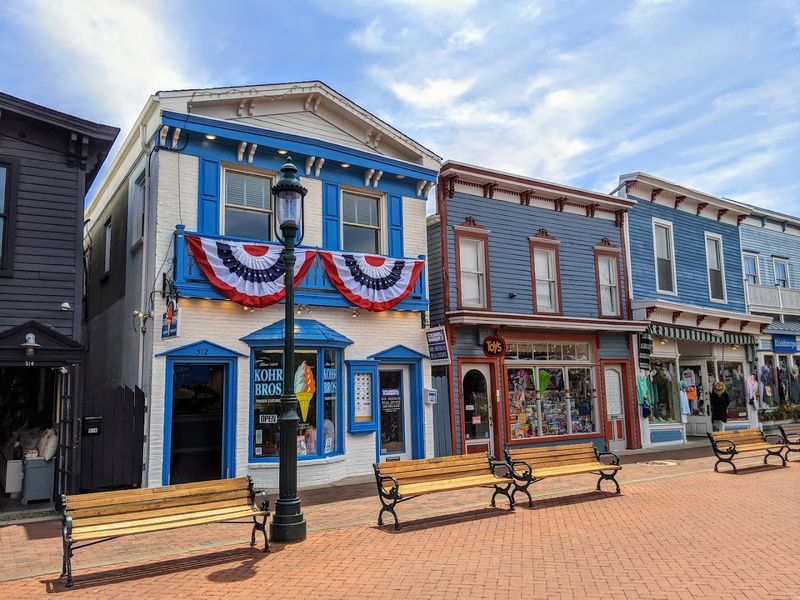
The Cape May Historic District was designated a National Historic Landmark in 1976, recognising the town as a place of genuine and irreplaceable architectural significance. That designation matters because it has helped ensure that what you see walking these streets today reflects what visitors would have seen more than a century ago, at least in structural terms.
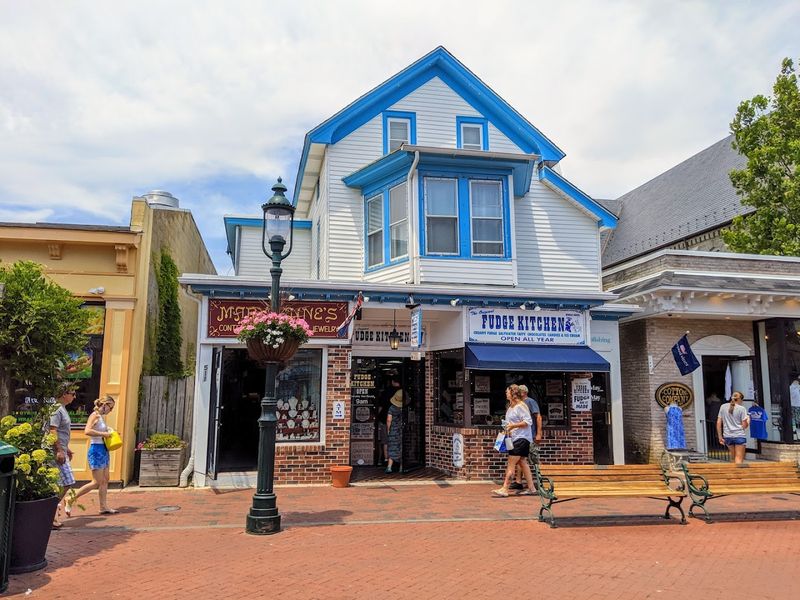
Washington Street Mall forms the commercial heart of the district, three pedestrianised blocks where shops and restaurants occupy buildings that have been standing since the Victorian era. The lamp posts, the brick underfoot, and the unhurried foot traffic all contribute to a sense of dislocation from the modern world that most people find deeply refreshing.
Beyond the main mall, quieter residential streets offer an even more authentic atmosphere. Here, front porches hold rocking chairs, garden beds bloom with seasonal colour, and the general impression is of a community that has chosen continuity over convenience with considerable success.
Beautiful Beaches Along The Atlantic Ocean
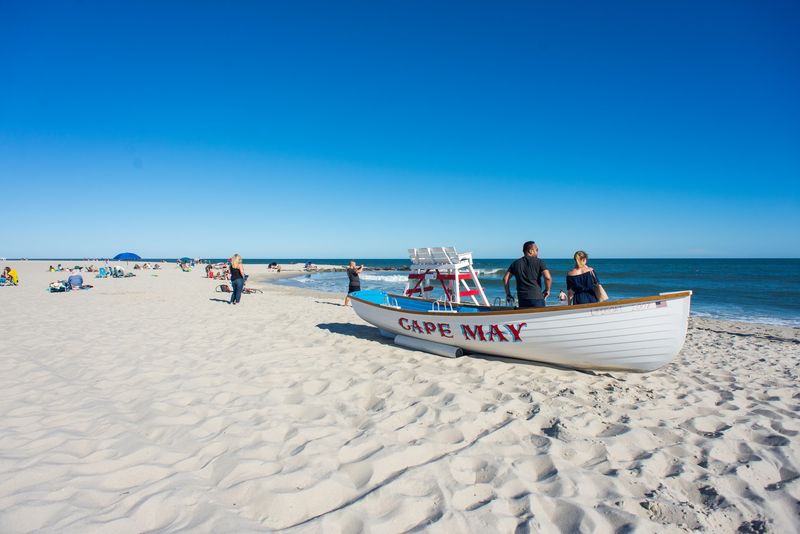
Cape May’s beaches stretch along the Atlantic Ocean with a breadth and cleanliness that consistently earn them high marks from coastal visitors. The sand here tends toward a fine, pale texture, and the gradual slope of the shoreline makes the water accessible to swimmers of all confidence levels.
Lifeguards are stationed during peak season, and the atmosphere on the beach is calm without feeling empty.
Unlike some of the more densely developed shore points further north in New Jersey, Cape May’s beachfront retains a certain spaciousness. The absence of large commercial structures directly on the beach helps maintain sightlines that feel genuinely open and coastal rather than hemmed in by development.
Beach tags are required during summer months, a standard New Jersey practice that helps fund beach maintenance and lifeguard services. Families, couples, and solo travellers all find their own rhythm here, whether that means swimming, shell collecting, or simply sitting with a book while the tide comes and goes.
The Iconic Cape May Lighthouse
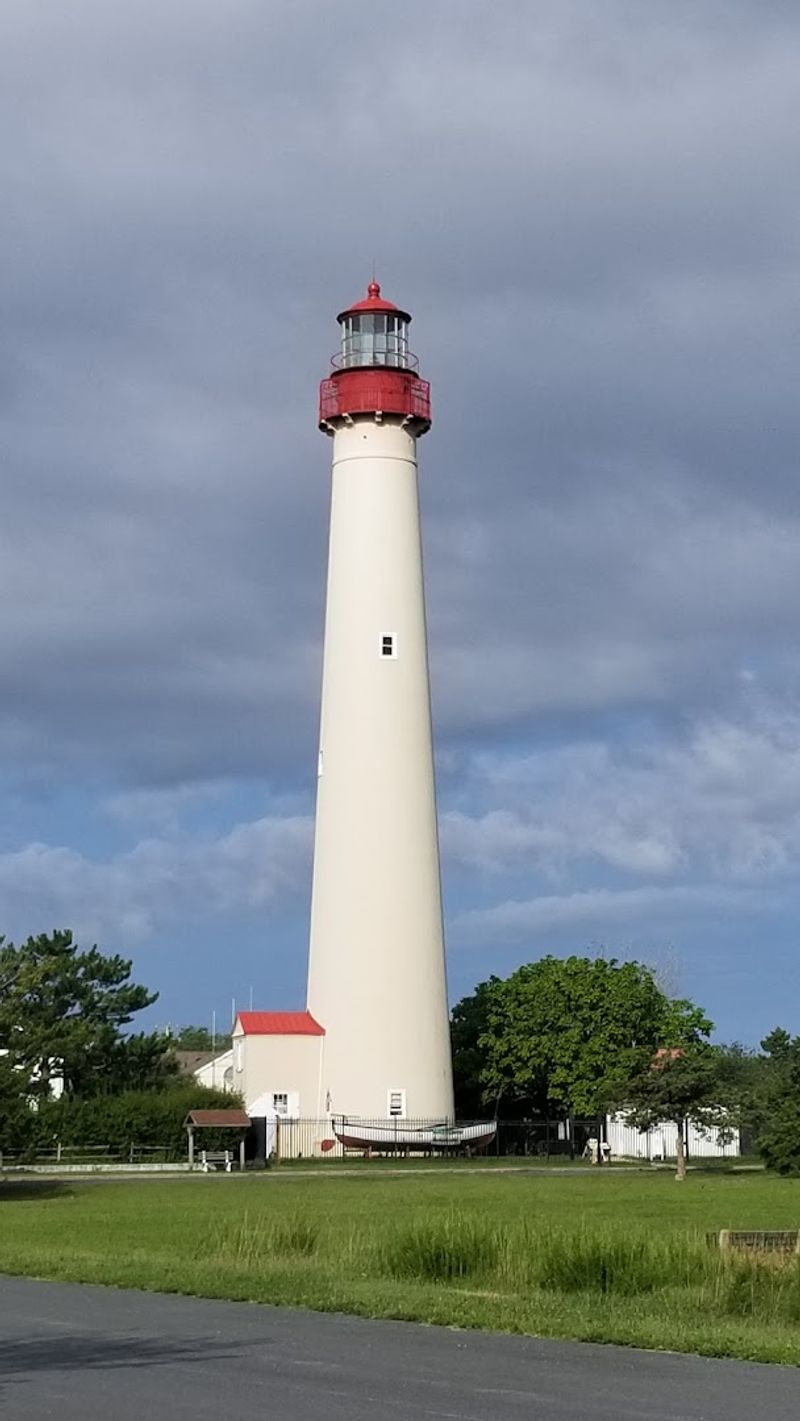
Standing at Cape May Point, the Cape May Lighthouse has been guiding ships through the meeting of the Atlantic Ocean and Delaware Bay since 1859. At 157 feet tall, it remains one of the most recognisable structures on the Jersey Shore, and climbing its 199 steps rewards visitors with a panoramic view that takes in both bodies of water simultaneously.
That view alone is worth the modest admission fee.
The lighthouse is part of Cape May Point State Park, which surrounds it with trails, a small museum, and coastal habitat that attracts an impressive variety of wildlife throughout the year. The structure itself has been meticulously maintained and is still an active aid to navigation, which gives it a working character that purely decorative landmarks simply cannot match.
Visitors can explore the grounds freely and learn about the lighthouse’s operational history through interpretive displays. The combination of architectural presence, natural setting, and historical depth makes this one of Cape May’s most satisfying stops.
A Paradise For Birdwatchers And Nature Lovers
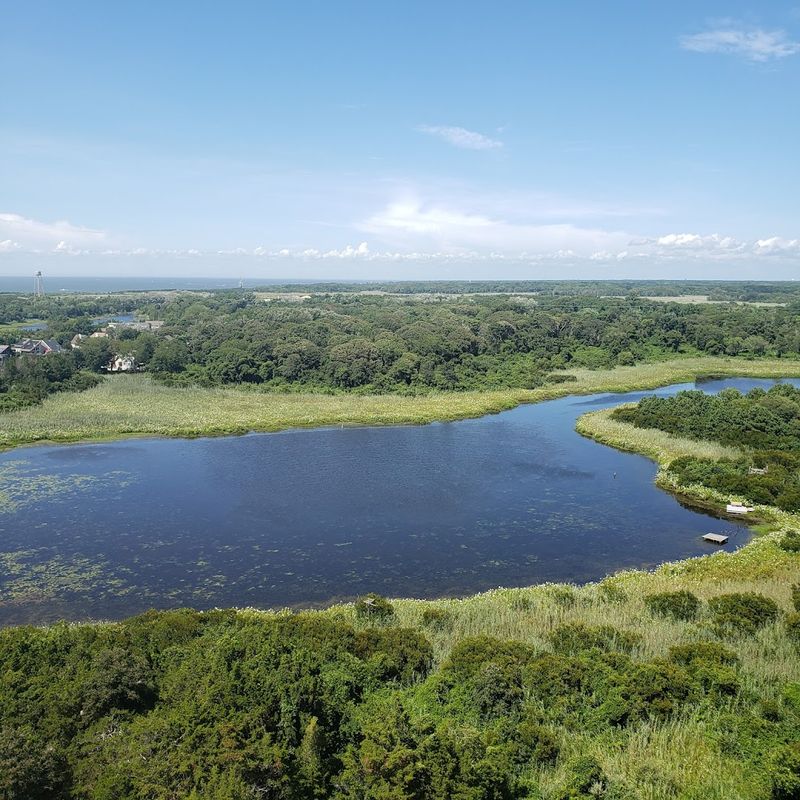
Cape May occupies one of the most strategically significant positions on the Atlantic Flyway, the migratory route that funnels hundreds of bird species along the Eastern Seaboard each spring and autumn. The peninsula’s geography acts as a natural funnel, concentrating birds before and after their crossing of the Delaware Bay.
The result is a birdwatching experience that draws enthusiasts from across the continent.
The Cape May Bird Observatory, based in the area, has been documenting and studying migration patterns here for decades, contributing meaningfully to ornithological research. During peak migration periods, it is not unusual to see dozens of species in a single morning, from raptors riding thermals overhead to warblers moving through the shrubby coastal thickets at eye level.
Beyond birds, Cape May Point State Park and the surrounding wetlands support monarch butterflies, horseshoe crabs, and a range of coastal plant communities. Nature here does not feel like a backdrop but like an active and ongoing process worth genuine attention.
Scenic Boat Tours And Whale Watching Adventures
The waters surrounding Cape May offer some of the most productive whale and dolphin watching on the entire East Coast, and several experienced operators run regular excursions from the Cape May marina. Humpback whales, fin whales, and multiple dolphin species have all been recorded in these waters, drawn by the nutrient-rich currents that flow through the region.
Departures typically run from spring through autumn.
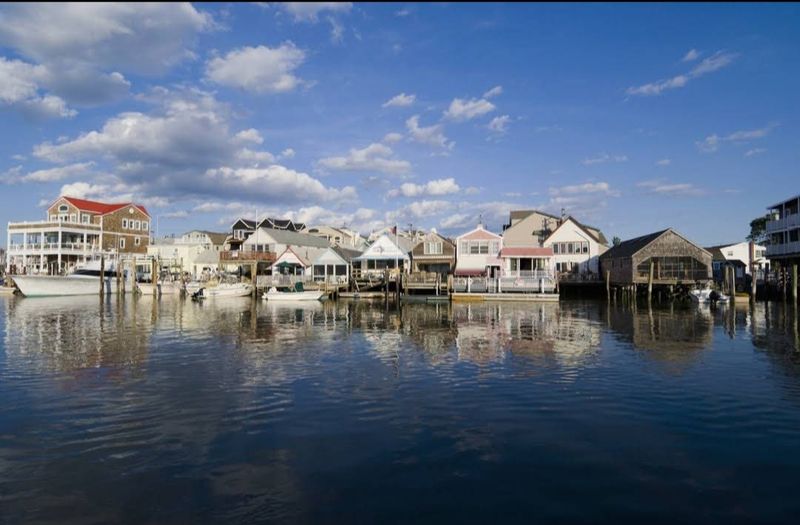
Beyond whale watching, scenic boat tours of the Delaware Bay and surrounding waterways give visitors a perspective on Cape May that is simply unavailable from land. The town’s roofline seen from the water, with the lighthouse rising above the treeline, is a genuinely affecting sight that puts the peninsula’s geography into clear relief.
Sunset cruises are particularly popular, combining the visual drama of the bay at dusk with the physical pleasure of being out on open water. Operators along the marina are experienced, safety-conscious, and knowledgeable about the marine environment in ways that enrich the experience considerably.
Charming Streets Full Of Shops And Cafés

Washington Street Mall sits at the social and commercial centre of Cape May, three pedestrianised blocks that manage to feel both lively and relaxed at the same time. The shops here range from independent boutiques selling locally made goods to established retailers offering coastal-themed gifts, clothing, and art.
What distinguishes the shopping experience in Cape May is the quality of the architecture framing it all.
Cafés and small restaurants open onto the street with outdoor seating that fills quickly on warm afternoons. The pace of movement along the mall is unhurried, which suits the general character of the town and encourages the kind of spontaneous conversation between strangers that feels increasingly rare in busier destinations.
Side streets branching off Washington Street hold additional discoveries, from antique dealers to independent bookshops and small galleries. Cape May rewards the visitor who is willing to wander without a fixed itinerary, allowing the town’s own logic to determine the route rather than a downloaded map.
A Food Scene Known For Fresh Coastal Flavours
Cape May’s restaurant scene has matured considerably over the past two decades, moving from a dependable selection of seafood shacks toward a broader range of dining experiences that still keep local ingredients at the centre. The proximity to both the Atlantic and the Delaware Bay means that the seafood arriving in Cape May kitchens is genuinely fresh, and chefs here have learned to let that quality speak without excessive intervention.
Local clams, oysters, and fin fish appear on menus throughout the season, often sourced from boats that docked the same morning. Several restaurants have developed relationships with nearby farms on the Cape May Peninsula, incorporating local produce and dairy into dishes that reflect the agricultural character of southern New Jersey as much as its coastal identity.
The dining atmosphere in Cape May tends toward the relaxed and convivial rather than the formal. Many of the best meals here happen on screened porches or open terraces, with the sound of the ocean present just at the edge of awareness.
Stunning Sunsets Over The Delaware Bay

Cape May Point offers something that most Atlantic-facing beaches in New Jersey cannot: a westward view across the Delaware Bay that produces sunsets of considerable visual power. Because the bay sits to the west and south of the peninsula, the sun descends directly over open water, creating conditions for colour and reflection that draw crowds to the shoreline each evening during the warmer months.
Sunset Beach, located near the lighthouse at Cape May Point, has become a well-established gathering place for this daily event. The atmosphere is communal without being crowded, and the mix of families, couples, and solo visitors who arrive with folding chairs and cameras creates a pleasant, low-key sense of shared appreciation for something simple and natural.
The beach at Cape May Point is also known for Cape May diamonds, smooth quartz pebbles polished by the bay that wash ashore and catch the fading light in ways that make them easy to spot. Collecting them has become a small but satisfying tradition for many returning visitors.