
The Scenic National Forest In New York That’s So Perfect, It’s Worth A Visit This Year
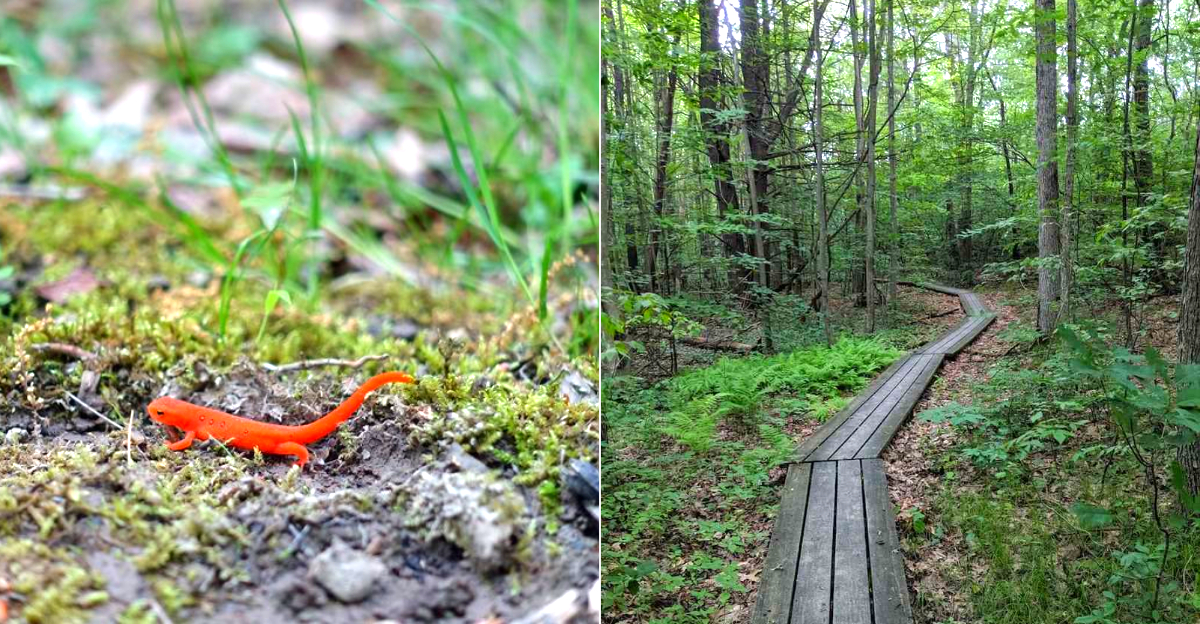
Some places make you slow down the moment you arrive. The air feels a little fresher, the trees stretch a little higher, and the noise of everyday life suddenly fades into the background.
That is exactly the feeling this national forest in New York gives visitors.
If you’re craving a hike through a scenic national forest in New York, this is the kind of place that quietly reminds you how beautiful the outdoors can be.
Trails wander through dense woods, streams move gently over smooth stones, and wide views open up in places you least expect. It is the sort of landscape that invites long walks and unhurried afternoons.
At some point you might catch yourself standing still for a minute, looking around, and thinking one simple thought: this was a very good idea.
New York’s Best Kept Secret That Will Make You Question Every Vacation You’ve Ever Taken
Alright, friend, buckle up because I need to tell you about a place that will make every resort trip you have ever booked feel a little bit embarrassing.
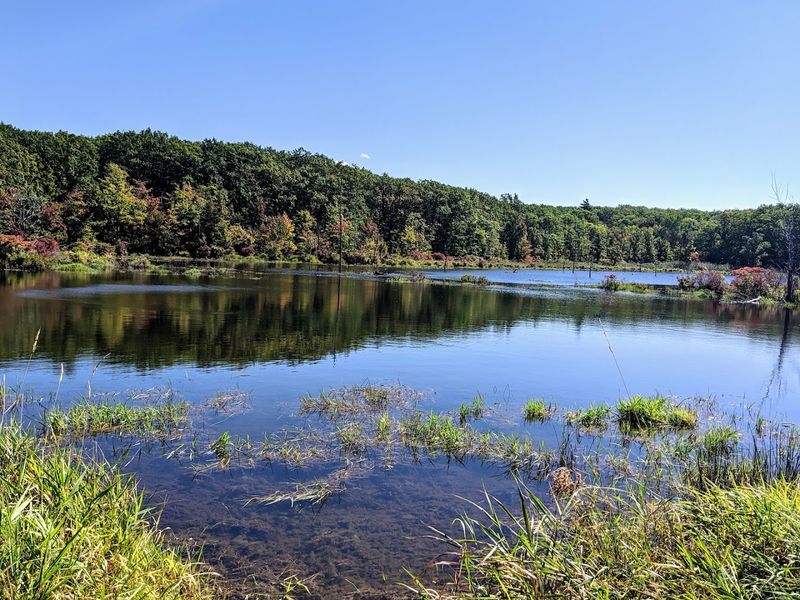
Nestled between Seneca and Cayuga Lakes in the heart of New York, Finger Lakes National Forest is the state’s one and only national forest, and somehow, a lot of people still have no idea it exists.
Over 16,000 acres of mixed forest, open pasture, and rolling terrain sit waiting for you, and the entrance does not come with a steep ticket price or a crowded parking garage.
The forest was officially designated in 1985, but its story stretches much further back, through Indigenous history, post-Revolutionary farmland, and a 1930s reforestation effort that gave it the lush character it carries today.
Visitors consistently rate it 4.7 out of 5 stars, with many calling it a hidden gem even among locals. One reviewer put it plainly: even the people who live nearby do not always know it is there.
That quiet anonymity is part of what makes arriving feel like stumbling onto something genuinely extraordinary.
The Interloken Trail And Why Hikers Keep Coming Back For More
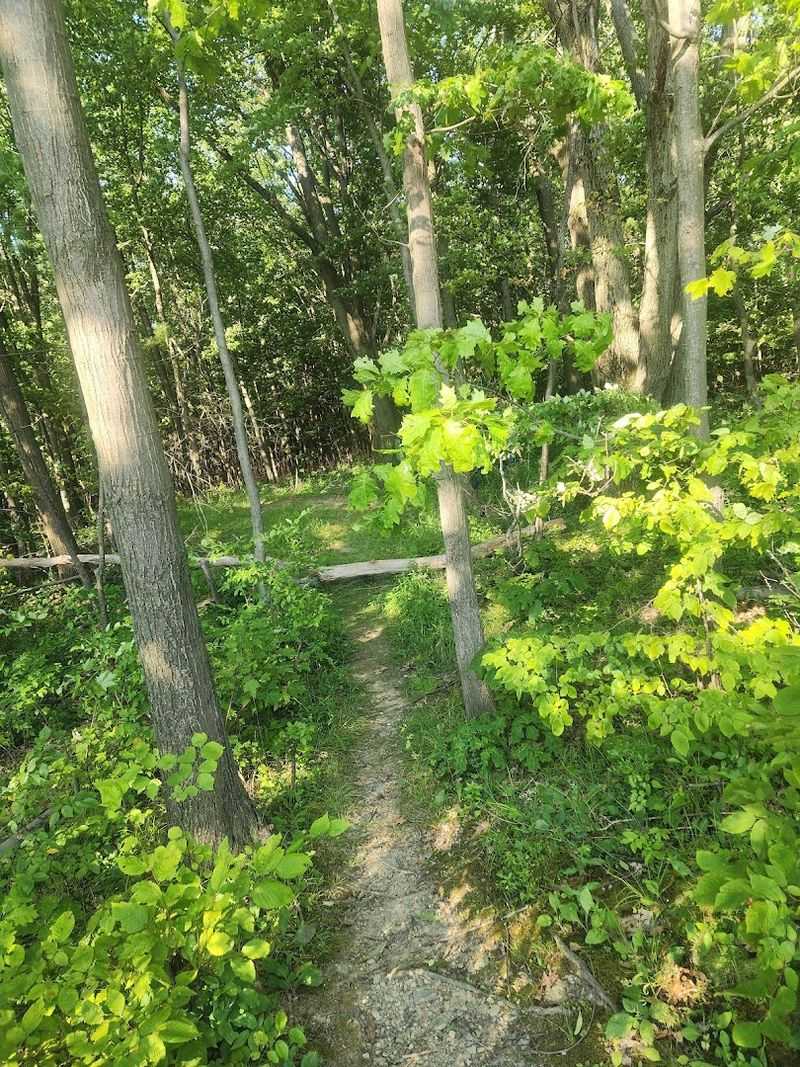
Few trails in New York State deliver as much variety per mile as the Interloken Trail, a 12-mile route that cuts straight through the center of Finger Lakes National Forest. The name alone sounds like something out of a fantasy novel, but the experience is grounded and real in the best possible way.
The trail moves through gorges, ravines, open pastures, and dense woodland, offering hikers a shifting landscape that keeps the legs moving and the eyes busy. Skill levels range from casual walkers to serious backpackers, and the well-marked path makes navigation manageable even for first-time visitors.
Several access points along the way connect back to main roads, which one experienced hiker noted as a thoughtful safety feature in case of emergencies.
A reviewer who completed the full loop in 14 hours described encountering coyotes, deer, and owls under a full sky of stars, calling it a fantastic experience on a well-maintained trail.
The forest’s trail system extends beyond 30 miles in total, but the Interloken remains the centerpiece, the kind of walk that stays with you long after your boots are back on the rack.
Camping Under Stars That Actually Show Up
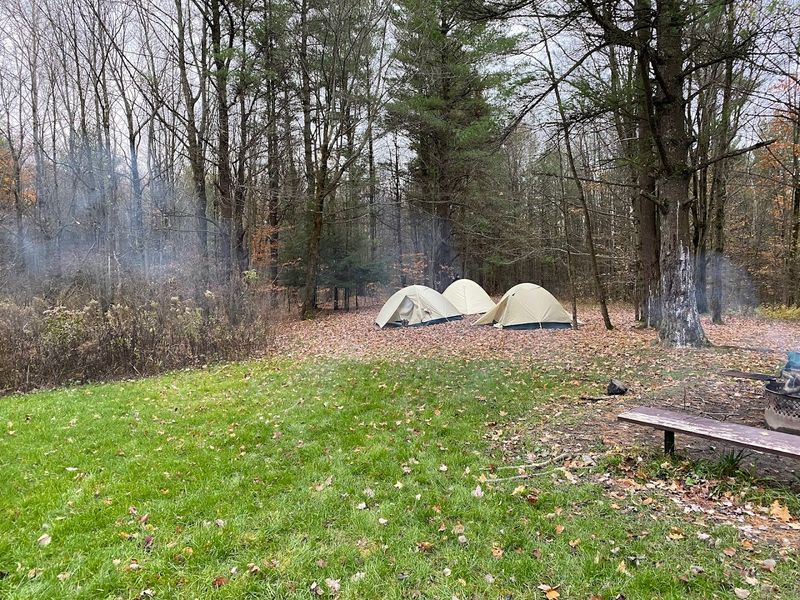
Camping at Finger Lakes National Forest is the kind of experience that reminds you why people ever started sleeping outside in the first place. The Blueberry Patch Campground serves as the main designated area, offering facilities for both tent and trailer campers who prefer a bit of structure with their wilderness.
For those who want something rawer, dispersed camping is available throughout the forest, meaning you can set up along Chicken Coop Road or other backcountry spots with minimal infrastructure and maximum sky.
One visitor described marveling at golden foliage, clear skies, and well-established dispersed campsites during a fall trip, and that image is hard to shake.
There is also a lean-to shelter along the Finger Lakes Trail in the southern section of the forest, which backpackers have used as a reliable overnight stop for years.
Group camping and horse camp areas round out the options, making this forest genuinely accommodating for different kinds of travelers. The Dunham Shelter site reportedly offers plenty of deadfall for fire pits, and the campground fee is modest, with free primitive options available for those who prefer to keep costs low and solitude high.
Wildlife That Reminds You The Natural World Is Doing Just Fine
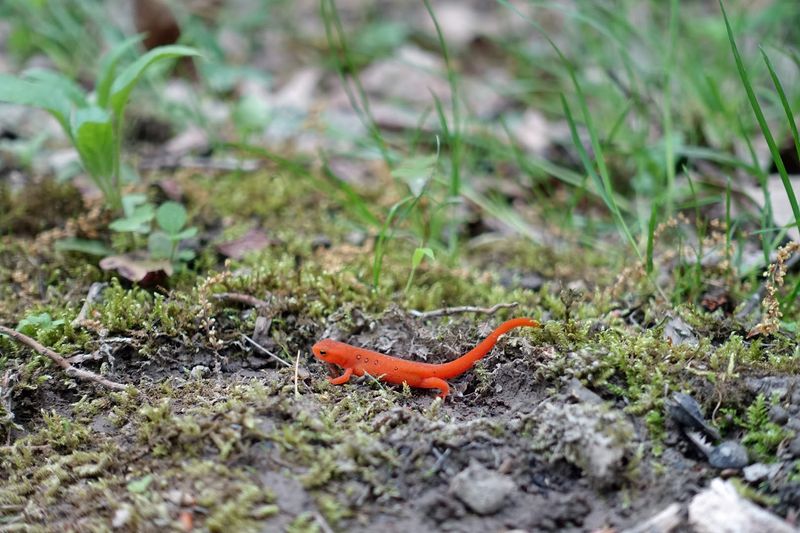
There is a particular kind of quiet that settles over Finger Lakes National Forest just before sunrise, and if you are patient enough to sit in it, the wildlife tends to show itself without much coaxing.
White-tailed deer move through the meadows with easy confidence, beavers work the waterways with their characteristic industry, and the birdsong shifts depending on where you are standing in the landscape.
Birdwatchers find this forest especially rewarding because of the diversity packed into its ecosystems. Grassland species like bobolinks and Henslow’s sparrows favor the open pasture sections, while woodland interiors shelter scarlet tanagers and ruffed grouse.
The variety reflects the forest’s unusual mix of habitats, a blend that developed over decades of managed reforestation and land stewardship.
One overnight hiker recounted hearing coyotes in the dark and spotting owls in the tree canopy, describing the experience with the kind of reverence that only comes from genuine surprise. The forest does not advertise its wildlife encounters, which makes each one feel earned.
Visitors who move slowly and pay attention tend to leave with stories that even seasoned naturalists find worth hearing.
The Rich History Hiding Beneath Every Trail You Walk
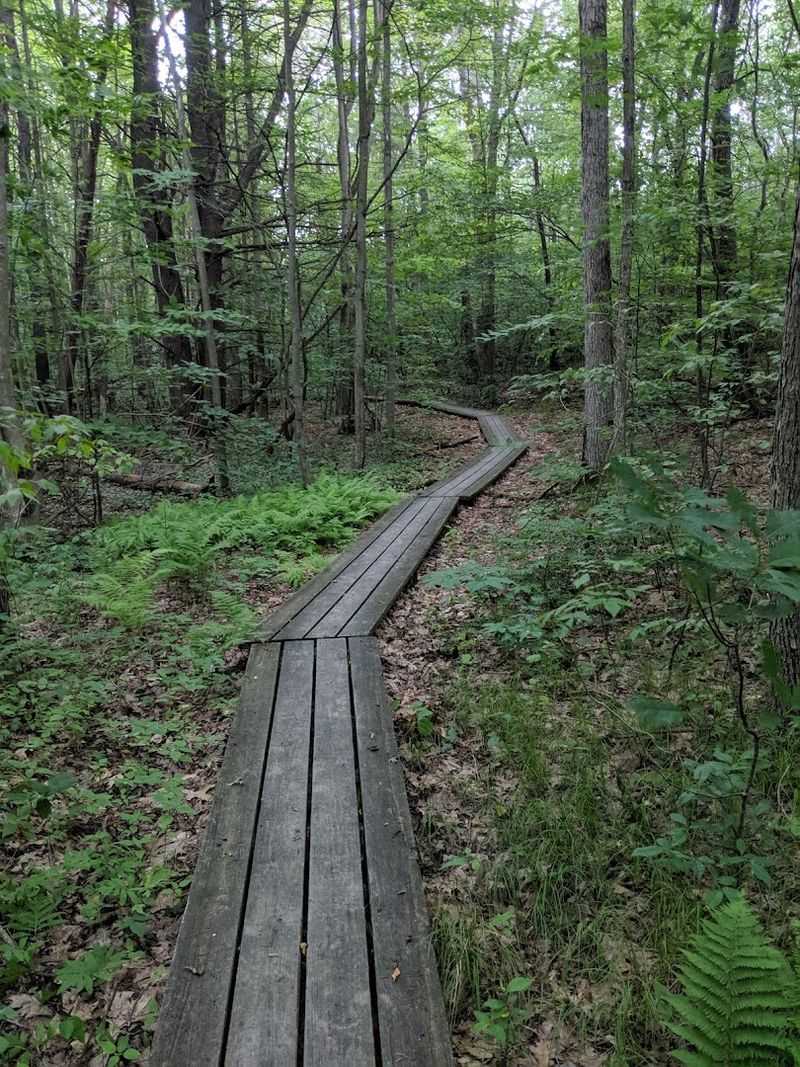
Before it was a national forest, this land carried the weight of several distinct eras, each leaving its mark on the soil and the landscape in ways that sharp-eyed visitors can still detect today.
The Haudenosaunee, also known as the Iroquois Confederacy, were the original stewards of this territory, and their relationship with the land predates written records by centuries.
After the American Revolution, the area transitioned into farmland as settlers moved through the region.
By the 20th century, many of those farms had become economically unviable, and in the 1930s, a deliberate reforestation effort began reshaping the land into the mixed woodland and pasture environment that visitors experience today.
That layered transformation, from Indigenous homeland to colonial farmland to managed forest, gives the place a depth that goes well beyond its tree canopy.
The official national forest designation came in 1985, placing it under the care of the U.S. Forest Service as part of the Green Mountain and Finger Lakes National Forests unit.
Walking the trails here, you are not just passing through scenery. You are moving through time, and the land holds that history with a quiet, unhurried dignity that rewards those who come with curiosity.
Scenic Views Over Seneca Lake That Stop You Mid-Stride
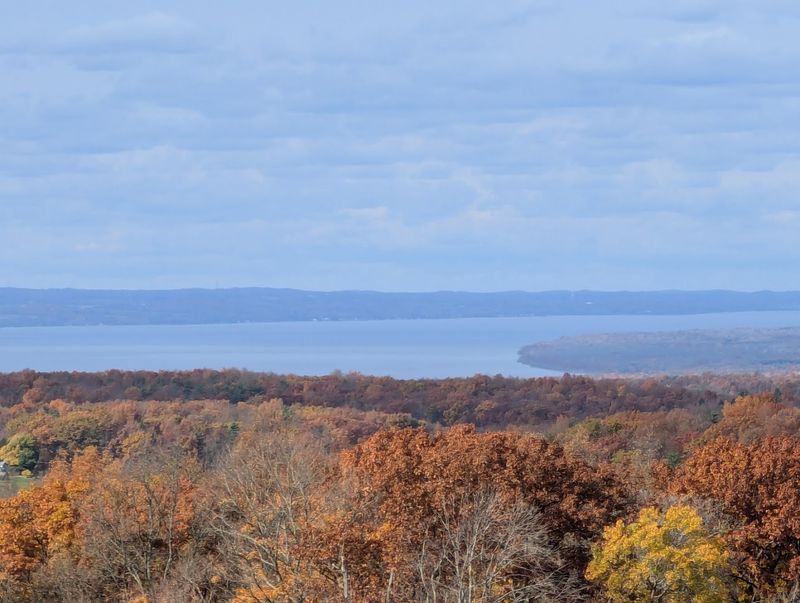
At certain points along the trails in Finger Lakes National Forest, the tree line opens up and Seneca Lake comes into view below, stretching out with the kind of calm authority that makes you stop walking without quite deciding to.
These moments are not marked on every map, which makes them feel like personal discoveries rather than scheduled attractions.
The elevation changes throughout the forest create natural vantage points where the surrounding valleys and lake surfaces come together in a single, unhurried composition. Fall is particularly striking, when the foliage layers the hillsides in amber and rust before the winter strips everything back to structure.
One reviewer specifically mentioned views over Seneca Lake as a highlight of the trail system, noting that the forest offers multiple ways to return to main roads from elevated sections, a detail that adds practical comfort to the visual reward.
The forest sits in Burdett, NY 14818, positioned between the two largest Finger Lakes, which means the surrounding drive to reach it carries its own scenic value.
Visitors often comment that the views on the approach road are themselves worth the trip, which sets an expectation the forest then meets and, on clear days, surpasses entirely.
Horseback Riding Through Terrain That Was Made For It
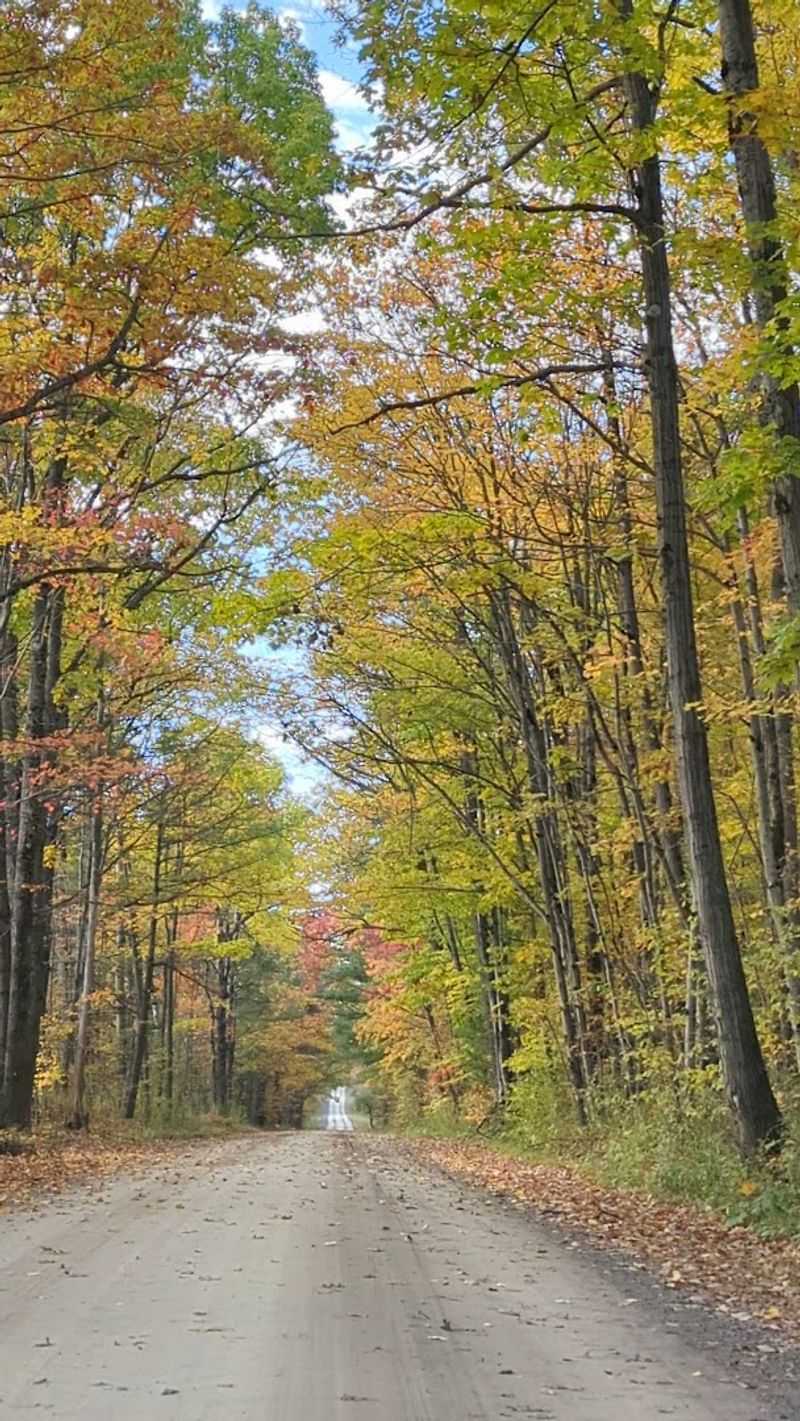
Not every national forest in the country sets aside dedicated infrastructure for equestrian visitors, which makes Finger Lakes National Forest stand out in a way that horse enthusiasts tend to notice immediately.
The forest maintains both horse trails and a designated horse camp, offering a complete experience for riders who want to explore the landscape at a pace that suits both rider and animal.
The terrain here lends itself naturally to riding, with open pasture sections alternating with wooded paths that provide shade and varied footing.
The mix of environments keeps the experience engaging over longer distances, and the relative quietness of the forest means horses are not competing with heavy foot traffic or disruptive noise.
One visitor described the forest as a great backdrop for riding into the sunset, which is the kind of honest, unembellished endorsement that carries real weight.
Group camping areas within the forest accommodate larger parties, making it a viable destination for riding clubs or families traveling with multiple horses. The management by the U.S.
Forest Service ensures that trail conditions and facilities are maintained to a consistent standard, which matters when you are planning a trip that involves animals as well as people. The logistics here are genuinely well-considered.
What Autumn Looks Like When It Is Genuinely Trying
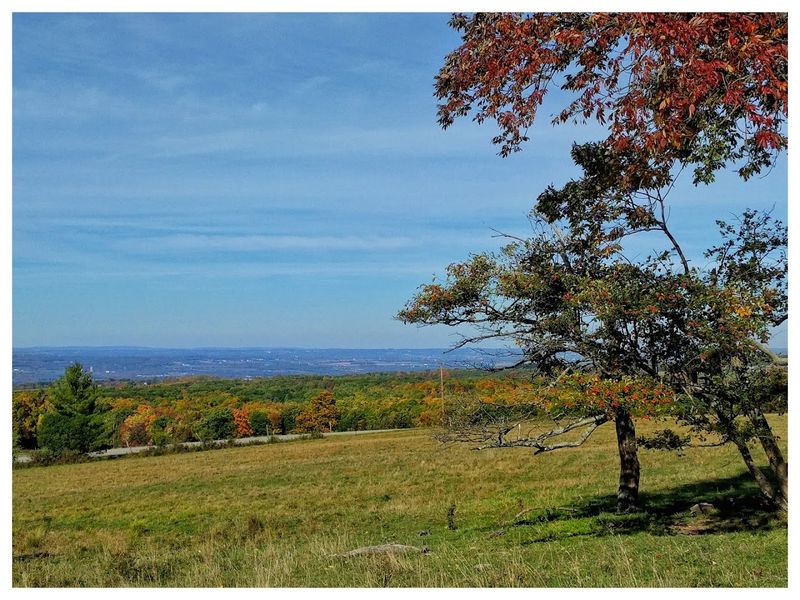
Autumn in Finger Lakes National Forest is the kind of seasonal display that makes you want to cancel everything on your calendar for a long weekend. The foliage here does not perform in a showy or exaggerated way.
It simply turns, and the result is a sustained, layered richness that fills the entire landscape from the forest floor to the canopy overhead.
Gold, amber, rust, and the occasional deep red move through the woodland as October progresses, and the open pasture sections of the forest frame these colors against wide sky in a way that closed canopy forests cannot.
Campers who visit during peak fall consistently describe the experience as one of the most visually satisfying of their outdoor year, with one reviewer specifically mentioning golden foliage and clear skies as the defining memory of their trip.
The light in autumn also behaves differently here, arriving at lower angles and holding longer in the late afternoon, which gives photographs and memories alike a warmth that summer light does not quite produce. If you have been putting off a visit, fall is the season that tends to convert hesitation into action.
Pack layers, bring a good thermos, and give yourself at least two full days to absorb it properly.
Planning Your Visit So You Actually Get The Most Out Of It
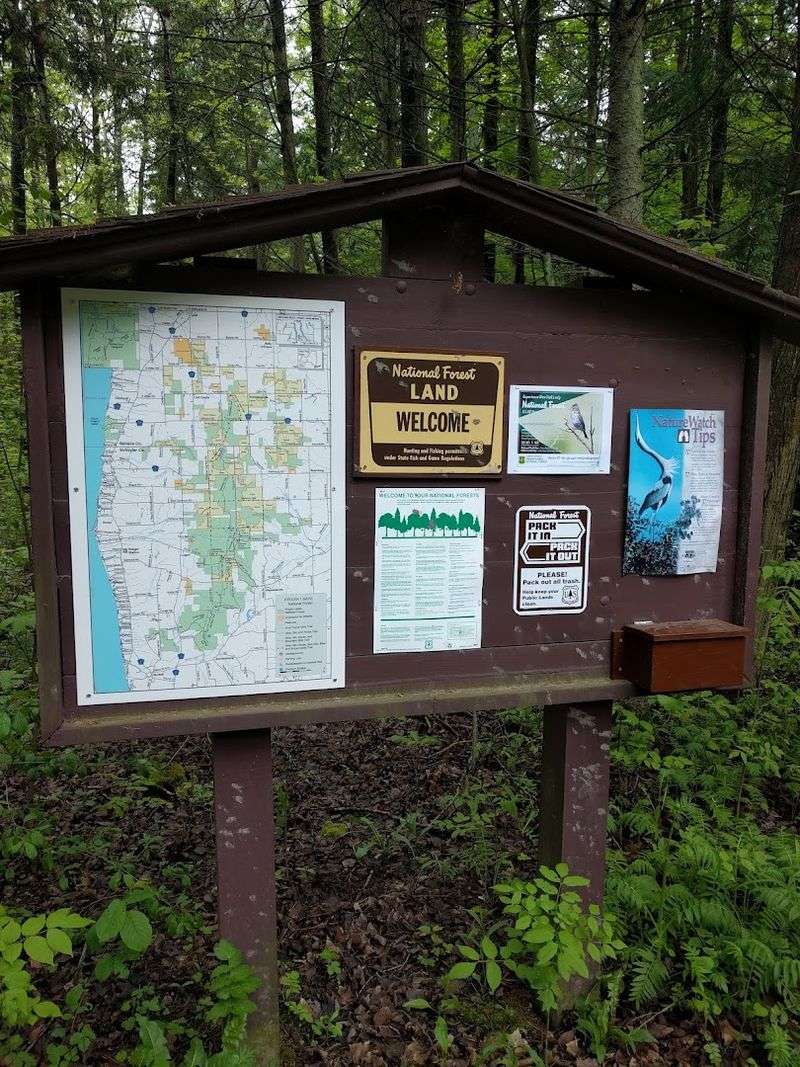
A little preparation goes a long way when visiting Finger Lakes National Forest, and the U.S. Forest Service makes that preparation straightforward.
Trail maps, campground information, and visitor guides are available through the official website at fs.usda.gov, and downloading resources before arrival is advisable since cell service in remote sections of the forest can be inconsistent.
The forest office in Burdett, NY operates Monday through Friday from 8 AM to 4:30 PM, making weekday visits ideal for stopping in with questions or picking up printed materials.
Parking at some trailheads is limited, with certain access points accommodating only a handful of vehicles, so arriving early or on weekdays helps avoid frustration.
Visitors who have explored the area recommend reading the trail map carefully before heading out, as the forest’s blend of roads and paths can make orientation tricky for newcomers.
Bringing a trash bag is a practical step that the forest’s regular volunteers and reviewers consistently encourage.
The landscape here is maintained through a combination of federal management and genuine community care, and keeping it clean is a shared responsibility that every visitor can contribute to without much effort.
A well-planned visit here tends to become a repeat visit, which is the most honest endorsement any destination can earn.
Why This Forest Feels Like A Reward Rather Than Just A Destination
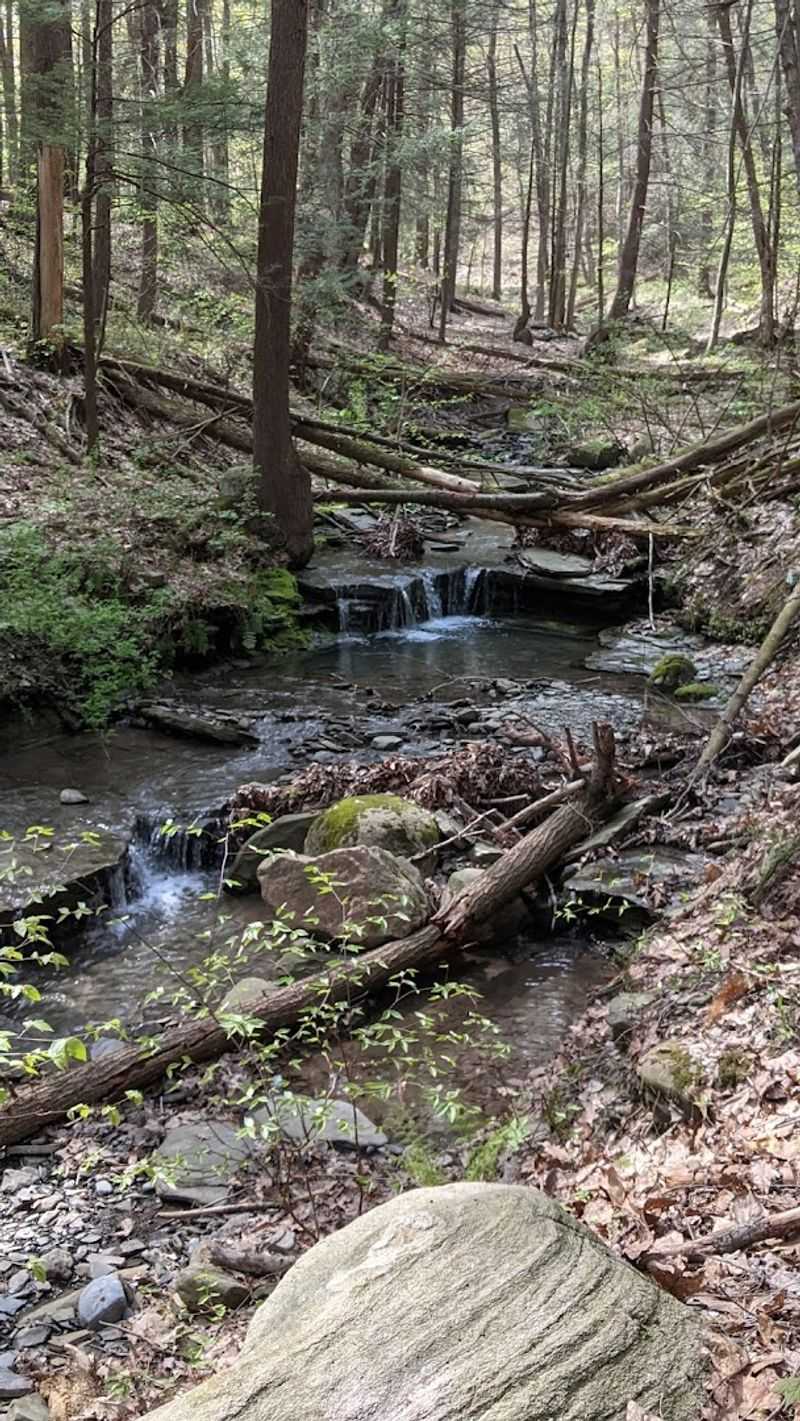
Some places earn their reputation through marketing, and others earn it through the quiet accumulation of honest experiences that visitors carry home with them. Finger Lakes National Forest falls firmly in the second category, which is part of why its 4.7-star rating feels credible rather than curated.
The forest does not try to be everything to everyone, and that restraint is part of its character. It is a place where a family can fish quietly beside a pond, a solo hiker can walk 14 hours through the night and feel safe, and a couple can watch the sunset from horseback without anyone nearby to interrupt the moment.
That range of experience, held within 16,000 unassuming acres between two great lakes, is what makes Finger Lakes National Forest not just worth visiting but worth returning to with someone new every single time.