
A Ferry Ride Leads To This Quiet New York National Seashore With Beautiful Atlantic Beaches

The day begins a little differently when the beach requires a ferry ride to reach it. That short trip across the water creates a quiet sense of anticipation, especially as the shoreline slowly comes into view. Before long, the boat pulls in and a stretch of Atlantic coast waits on the other side.
A ferry ride leads to this quiet New York national seashore where beautiful Atlantic beaches feel wonderfully removed from the busy mainland.
Wide sand, gentle dunes, and open ocean views set the scene the moment you arrive. People wander along the shore, settle into the sand, or simply pause to watch the waves roll in.
It is the kind of place where the pace naturally slows down, and nobody seems in a hurry to leave.
The Kind Of Place That Makes You Wonder Why You Ever Paid For A Plane Ticket

Your friend texts you at 8 AM on a Saturday and says, “Okay, do NOT make plans today. I found something wild and it’s only a ferry ride away.”
That friend is right, and honestly, you should listen to them. Fire Island is the kind of destination that makes people look up from their phones, squint at the horizon, and actually exhale for the first time in weeks.
Located off the south shore of Long Island, New York, this slender barrier island sits between the Great South Bay and the Atlantic Ocean.
There are no roads connecting it to the mainland, which means no cars, no traffic, and no one honking because someone stopped to look at a seagull. The island is protected under the National Park Service, preserving its natural landscape from the kind of overdevelopment that tends to ruin good things.
Visitors arrive by ferry, and that short boat ride across the bay already begins to shift something in the atmosphere. The water opens up, the skyline shrinks behind you, and suddenly the weekend feels like it actually belongs to you. Fire Island has that effect on people, and it does it without even trying.
Fire Island National Seashore And The Ferry That Gets You There

Fire Island National Seashore, located in Brookhaven, NY, is accessible primarily by ferry, and that journey is part of what makes the destination feel so distinct.
The National Park Service operates ferry services departing from Sayville on Long Island, carrying visitors directly to Sailors Haven, one of the most visited spots within the seashore. The ride across the Great South Bay takes about thirty minutes and offers open-water views that already begin to feel like a reward.
Checking the ferry schedule before you go is genuinely worth the two minutes it takes. During summer weekends and holidays, services fill up quickly, and wait times can stretch longer than expected.
Arriving early and planning your return trip in advance will save you from standing on a dock watching a full ferry pull away without you, which is a particular kind of disappointment.
The ferry approach to Fire Island offers the first real look at the island’s low, natural profile against the sky.
There are no tall buildings, no parking structures, and no commercial sprawl greeting you at the dock. What you find instead is a modest visitor area, clean walkways, and the sound of the Atlantic waiting just beyond the dunes.
It is a genuinely refreshing arrival.
Sailors Haven Beach And The Stretch Of Sand Worth Every Minute Of The Ride

Sailors Haven is the kind of beach that reminds you what a beach is supposed to feel like before souvenir shops and overpriced boardwalks got involved. The sand is clean and pale, the water is clear enough to see your feet, and the Atlantic rolls in with steady, unhurried waves that are ideal for wading, swimming, or just standing at the shoreline feeling pleasantly small.
The beach stretches generously, giving visitors room to spread out without feeling like they are sharing a blanket with strangers.
Lifeguards are on duty during the summer months, which makes it a comfortable choice for families with younger children. The atmosphere is calm and genuinely relaxed, the sort of place where people read actual books and lose track of time in the best possible way.
Sunbathing, beachcombing, and swimming are the main activities here, and that simplicity is exactly the point.
There are no jet ski rentals or loud waterpark attractions competing for your attention. The beach at Sailors Haven earns its reputation through straightforward natural beauty, clean conditions, and the kind of quiet that feels almost luxurious when you come from a densely populated area.
Bring a towel, some sunscreen, and a good amount of patience for doing absolutely nothing productive.
The Sunken Forest, Where Nature Built Something Genuinely Unexpected
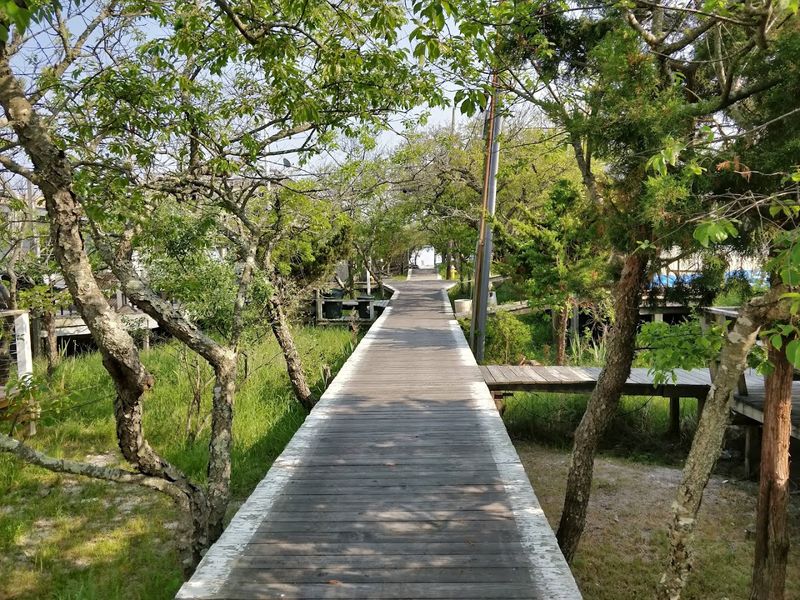
The Sunken Forest at Fire Island is one of those natural features that sounds made up until you are actually standing inside it.
Tucked behind the dunes at Sailors Haven, this rare maritime forest sits below the level of the surrounding sand, sheltered from ocean winds in a way that has allowed a dense, twisted woodland to grow where you would otherwise expect open beach grass and sky.
A well-maintained boardwalk trail winds through the forest, keeping foot traffic off the roots and giving visitors an elevated view of the layered canopy below.
American holly, sassafras, and shadblow trees form a surprisingly thick ceiling, and the filtered light gives the whole place a quiet, enclosed quality that feels completely separate from the beach just a short walk away. Birders tend to linger here, and for good reason.
The trail is not long, roughly a mile and a half in total, but it moves through enough variety to stay interesting the entire way. Interpretive signs along the route explain the ecology of the forest and the geological forces that created its unusual position relative to the dunes.
It is the kind of short walk that ends with visitors saying they had no idea something like this existed so close to New York City, which is honestly one of the better reactions a nature trail can earn.
Robert Moses State Park And The One Corner Of The Island Cars Can Reach
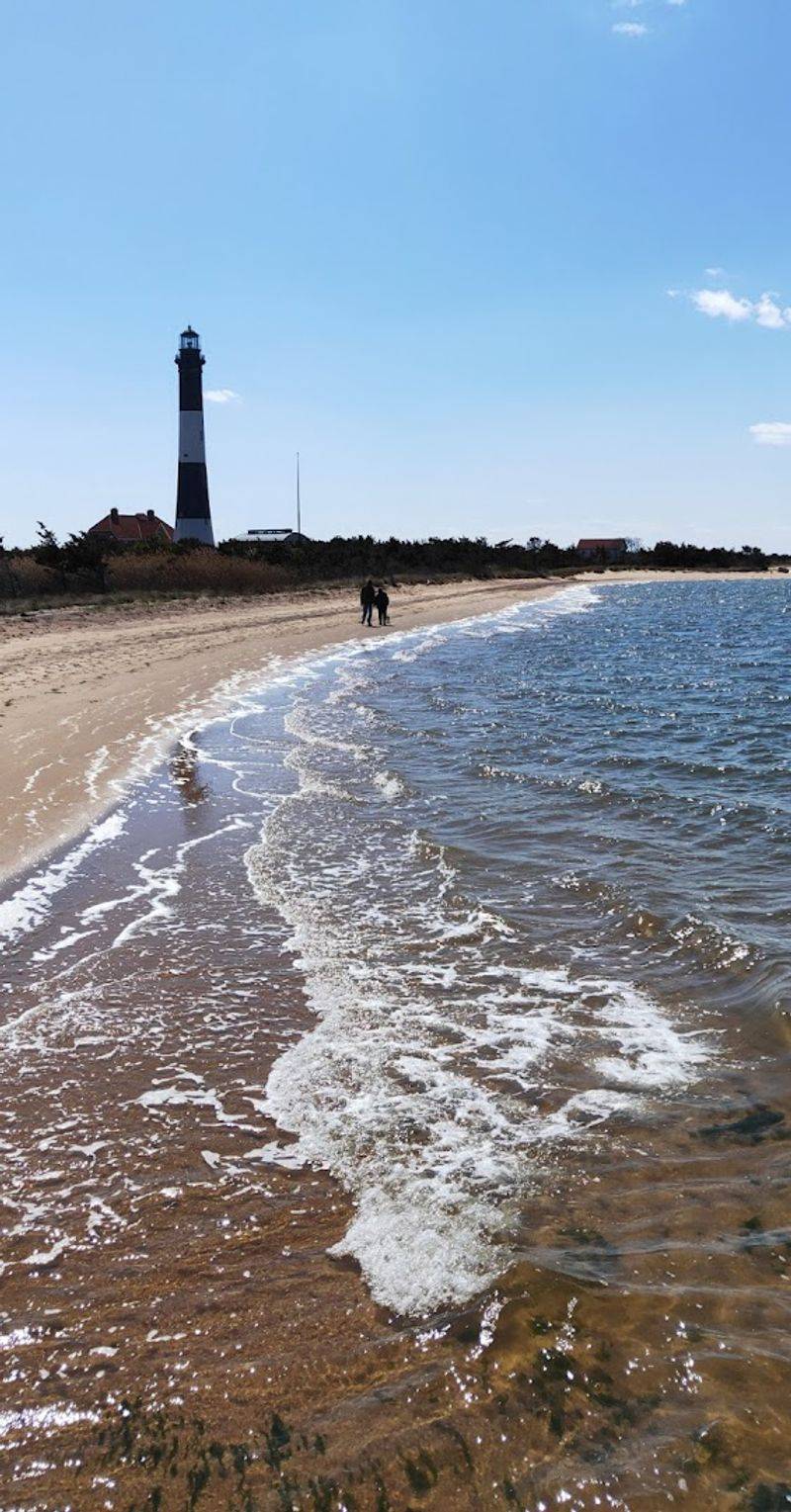
Robert Moses State Park occupies the western end of Fire Island and holds the distinction of being the only section of the island reachable by car.
A causeway connects it to the mainland, making it one of the most accessible beach parks in the New York metropolitan area. On a warm summer weekend, it draws large crowds, and yet the beach is wide enough that the space rarely feels overwhelmed.
The park offers well-maintained facilities including parking areas, restrooms, picnic tables, and concession stands, making it a practical choice for families who want a full beach day without packing everything from scratch.
Pitch-and-putt golf is available for those who want a bit of structured activity between swims, and the lawns near the parking areas are popular spots for casual gatherings and cookouts.
What makes Robert Moses worth mentioning alongside the quieter, ferry-only sections of Fire Island is the contrast it provides.
Here you get organized infrastructure and easy access, while just a ferry ride away, the island returns to its more natural, car-free character. Both experiences have genuine merit, and many visitors combine the two in a single day.
The park also provides direct access to the Fire Island Lighthouse trail, making it a natural starting point for anyone interested in exploring the island’s history on foot.
The Great South Bay And What It Looks Like From The Water
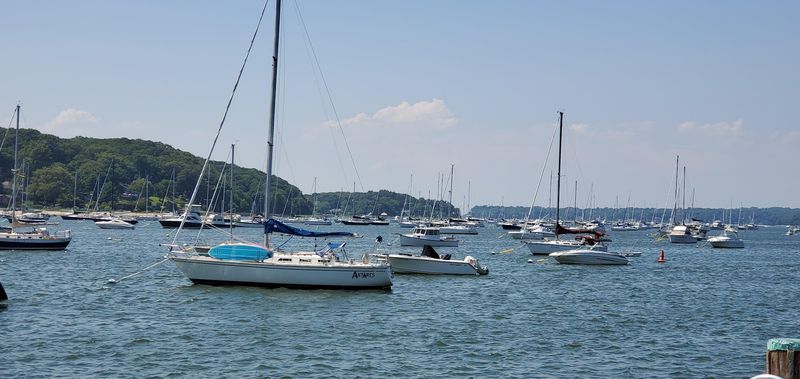
The Great South Bay separates Fire Island from the Long Island mainland, and crossing it by ferry is genuinely one of the more pleasant parts of the entire trip.
The bay is calm compared to the open Atlantic, and on a clear day the water takes on a pale blue-green color that looks almost too clean for something so close to a major metropolitan area. Egrets and ospreys are a common sight along the shallower edges, hunting with the focused patience of professionals.
From the ferry deck, the scale of Fire Island becomes clear. The island is narrow, rarely more than half a mile wide, and its low profile against the horizon makes it look almost like a natural seam between the bay and the ocean.
There are no high-rises or cranes interrupting the skyline, just dunes, vegetation, and sky arranged in a way that coastal planners in busier places could only envy.
The bay itself has a long history tied to fishing, clamming, and recreational boating, and small boats still move across it throughout the season.
Kayaking and paddleboarding are popular among visitors who want to explore the bay on their own terms, and several outfitters near the ferry terminals offer rentals. The water is generally calm enough for beginners, and the views from a low-sitting kayak are a different kind of rewarding than anything you get from the ferry deck.
Wildlife And The Quiet Ecosystem That Thrives Without Human Interference

Fire Island supports a surprisingly rich variety of wildlife for a barrier island within commuting distance of New York City.
White-tailed deer roam the island in numbers that regularly catch first-time visitors off guard, wandering through communities and along the boardwalks with a composure that suggests they know exactly whose island this really is. Seeing one step casually across your path near the dunes is a small, memorable moment.
The island’s protected status under the National Park Service means that significant portions of its habitat remain undisturbed.
Migratory birds use Fire Island as a resting point along the Atlantic Flyway, and the variety of species visible during spring and fall migration makes the seashore a worthwhile destination for birders who bring binoculars and a reasonable amount of patience.
Piping plovers, a federally threatened species, nest on the beaches during summer, and certain sections of shoreline are temporarily closed to protect their nesting sites.
The marine environment around the island also supports horseshoe crabs, which arrive on the beaches in late spring to spawn in one of the more ancient and oddly moving rituals the natural world has to offer.
These animals have existed largely unchanged for hundreds of millions of years, and watching them emerge from the surf at dusk is the kind of experience that tends to recalibrate your sense of time in a useful way.
The Car-Free Communities And A Different Way Of Moving Through A Place
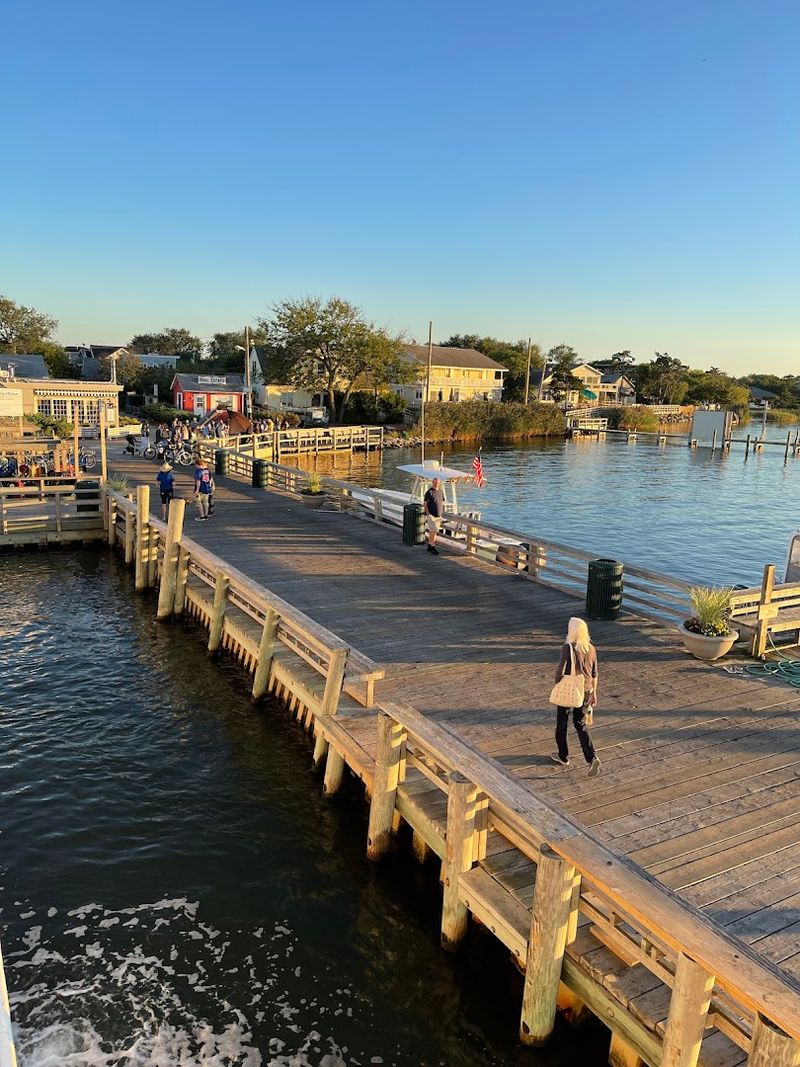
One of the most distinctive features of Fire Island is that most of it operates without cars. The island’s residential communities, which include places like Ocean Beach, Cherry Grove, and the Pines, are connected by wooden boardwalks rather than paved roads. Residents and visitors move on foot, by bicycle, or by pulling small wagons loaded with groceries and beach gear.
It is an arrangement that sounds inconvenient until you experience it and realize how much of daily stress is actually just traffic.
Ocean Beach is the largest community on the island and the closest thing to a town center, with a small main street of shops, restaurants, and a post office that feels pleasantly out of step with the pace of modern commerce. The community has a loyal seasonal population and a welcoming atmosphere that reflects decades of summer tradition rather than recent renovation.
Cherry Grove and Fire Island Pines are well-known spots with a long history as welcoming destinations for the any community, and both continue to draw visitors who appreciate their distinct character and lively summer culture.
The boardwalk connections between communities make it possible to walk from one end of the inhabited island to the other, passing through different atmospheres and stopping wherever something looks interesting. That kind of unhurried exploration is exactly what Fire Island does best.
Planning Your Visit And What To Pack For A Day On The Island

A well-planned trip to Fire Island is a considerably more enjoyable experience than an improvised one, particularly during peak summer months.
Checking the ferry schedule from Sayville well in advance is the single most practical step you can take, since services can be limited and popular departure times fill up on weekends. Booking tickets ahead of time removes a significant variable from the day and lets you focus on the part where you are actually at the beach.
The basic amenities at Sailors Haven include a visitor center, restrooms, and a snack bar, which covers the essentials without covering everything.
Bringing your own sunscreen, drinking water, and snacks is strongly recommended, especially if you plan to spend more than a couple of hours on the island. The sun at a barrier island beach is not subtle, and staying hydrated in that environment is not optional so much as it is structural.
Comfortable walking shoes are worth including if you plan to explore the Sunken Forest trail or walk between communities. The boardwalks are easy to navigate, but some sections of the island involve soft sand paths that are less forgiving on bare feet than they initially appear.
A light jacket for the ferry ride back in the evening is one of those small preparations that tends to earn its place in the bag by the end of the day.