
This 9,155-Acre New York Bird Sanctuary Lures Photographers From Around The World During Migration Season
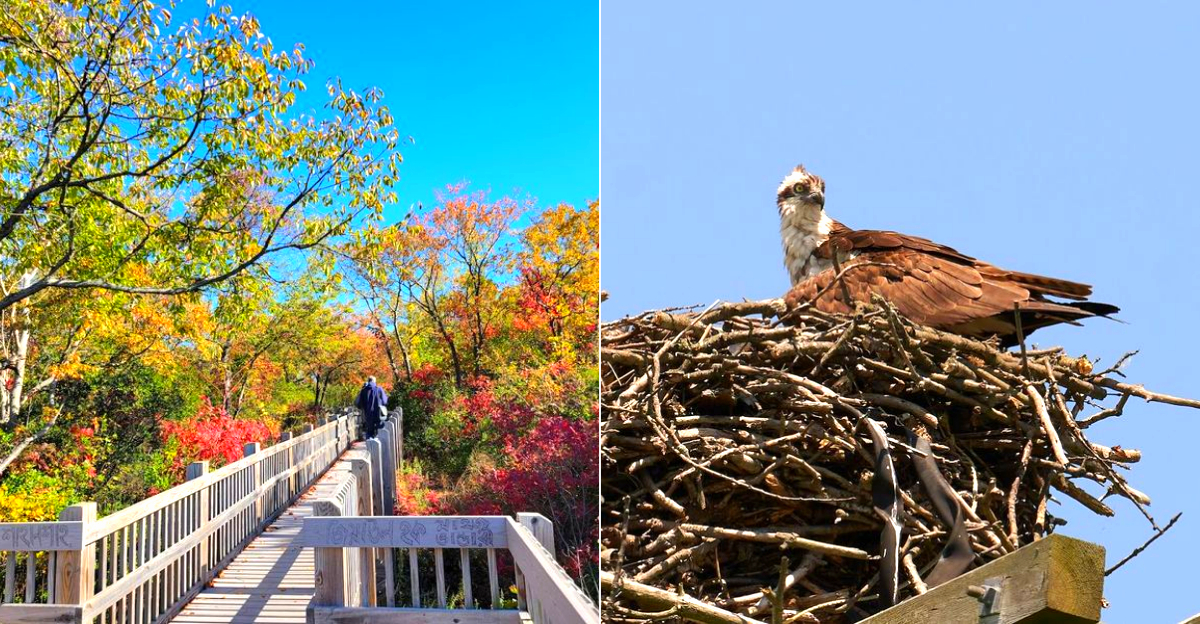
Migration season brings a quiet kind of excitement to parts of New York, especially for people who love birds, nature, and a good pair of binoculars. In one remarkable sanctuary, thousands of birds pause along their journey, turning the landscape into a living, moving spectacle.
Wide marshes, winding trails, and open skies create the perfect stage for the show. Warblers flash through the trees, herons glide across the wetlands, and patient photographers wait for that perfect moment.
Time moves a little differently here. One minute you arrive for a quick walk, the next you realise you have been standing quietly with a camera for half an hour, watching the sky.
A Wildlife Sanctuary That Feels Completely Out Of This World
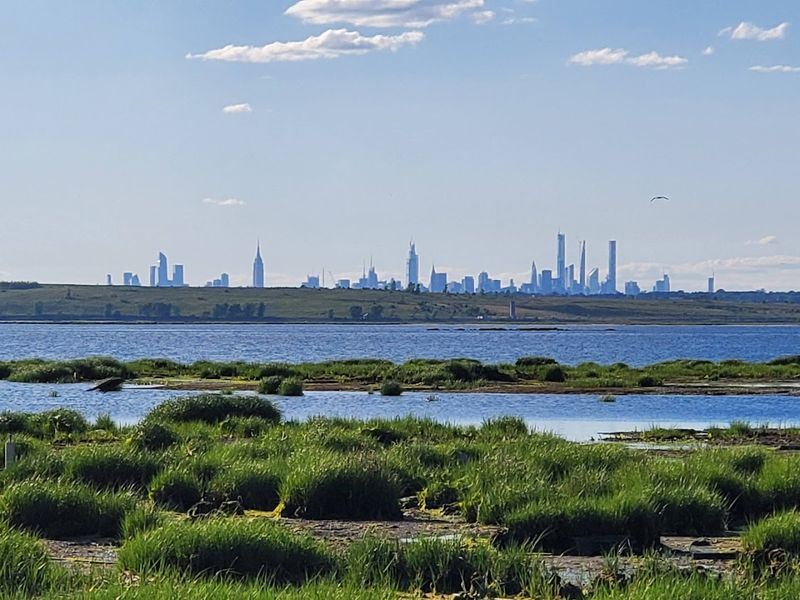
Okay, so picture this: you are standing in the middle of New York City, surrounded by the usual noise and rush, and then your friend texts you saying, “Bro, there is literally a 9,155-acre bird sanctuary hiding in Queens right now and nobody is talking about it enough.” You would probably double-check the message, right? Because that sounds absolutely unreal.
Jamaica Bay Wildlife Refuge is that place. Managed by the National Park Service as part of Gateway National Recreation Area, it is one of the most surprisingly wild patches of land you will ever find inside a major American city.
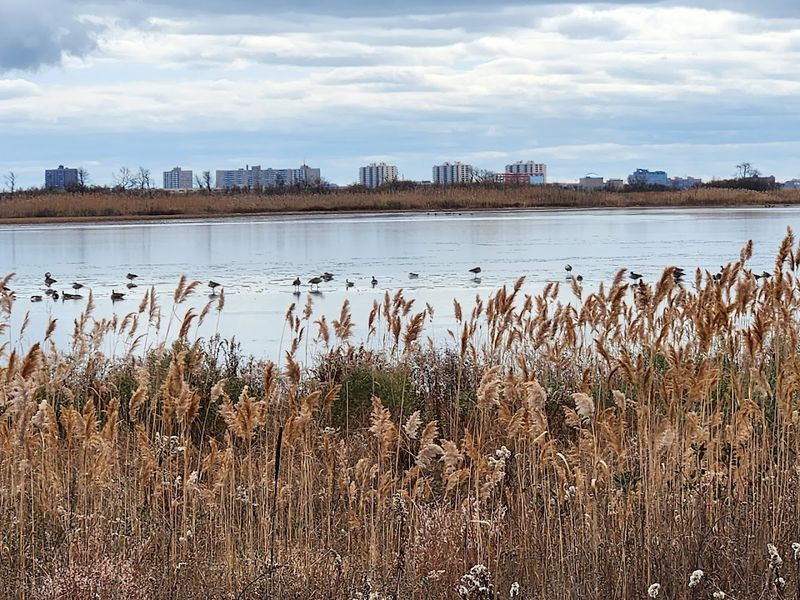
Salt marshes stretch in every direction, mudflats glimmer at low tide, and freshwater ponds sit quietly while birds of every size and color go about their day completely unbothered.
The refuge covers a remarkable range of habitats, including woodlands, fields, and upland areas, all packed into a stretch of land that somehow coexists with JFK Airport nearby. Over 330 bird species have been recorded here across all seasons.
First-time visitors almost always say the same thing: they had no idea something like this existed so close to Manhattan.
What Makes Jamaica Bay Wildlife Refuge A Must-Visit Destination
Located at 175-10 Cross Bay Boulevard in Broad Channel, Queens, Jamaica Bay Wildlife Refuge sits along the Atlantic Flyway, one of North America’s most heavily traveled bird migration corridors. That geographic position alone makes it a critical resting and feeding stop for hundreds of migratory species moving between their breeding and wintering grounds each year.
The refuge earns a 4.6-star rating from over 1,700 visitors, and that number speaks clearly.
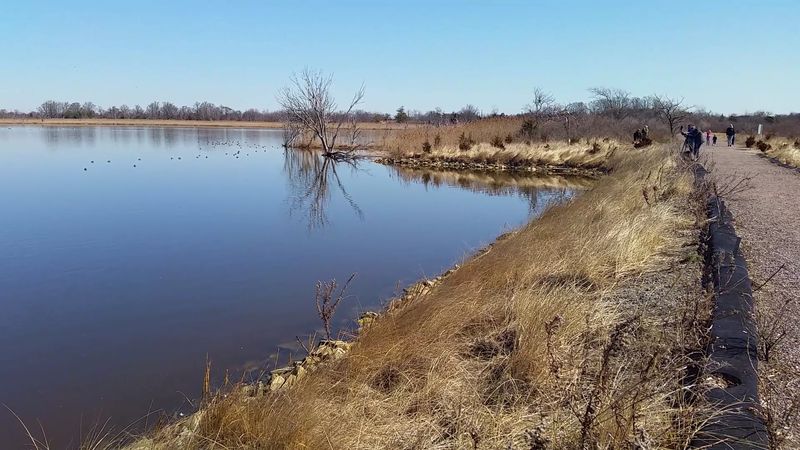
The West Pond trail is the main draw for most visitors, offering a 1.5-mile loop around a scenic freshwater pond with open views and consistent bird activity throughout the year.
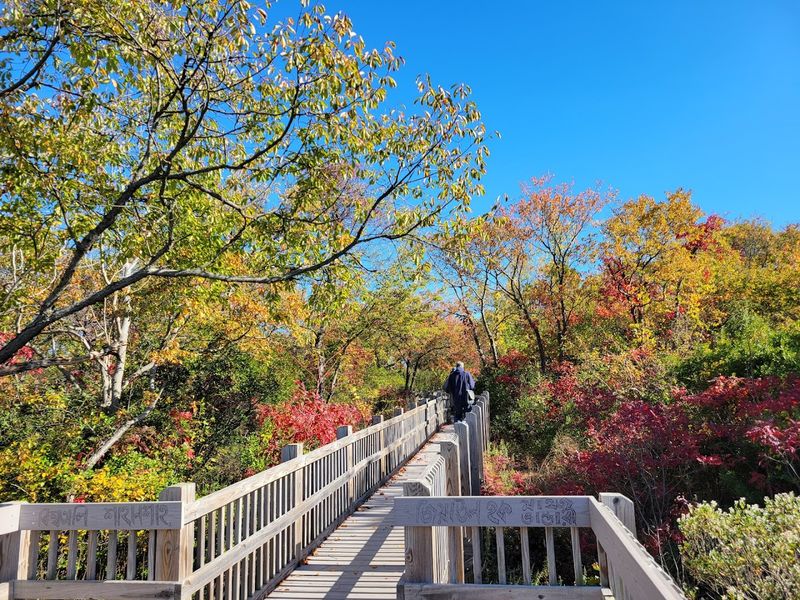
The trail is wide, gravel-topped, and well-maintained, making it comfortable for photographers hauling heavy gear as well as casual walkers who simply want a quiet afternoon outdoors.
Across Cross Bay Boulevard, the East Pond offers a more adventurous experience where shorebird concentrations during migration can be genuinely staggering.
The refuge is open daily from 6 AM to 9 PM, and a visitor center on-site provides maps, exhibits, and helpful staff who can point you toward the most active birding spots on any given day. Admission is free, which feels almost too good to be true.
Migration Season And Why Photographers Plan Trips Around It
Spring and fall migrations at Jamaica Bay Wildlife Refuge operate on a schedule that serious bird photographers have memorized like a second calendar.
From late April through early June, warblers, shorebirds, and waterfowl begin pouring through in waves, using the refuge’s diverse habitats to rest and refuel before continuing their long journeys north.
The fall migration, running roughly from July through October, brings an equally impressive parade of species heading south.
What draws photographers from Japan, Germany, the United Kingdom, and across North America is the sheer density and variety of birds concentrated in a relatively compact area. On a productive morning during peak migration, a skilled observer might record 80 or more species without ever leaving the main trail loop.
Shorebirds, wading birds, raptors, and songbirds all share the same landscape, giving photographers a remarkable range of subjects in a single outing.
Greg Gard’s dedicated photography guide for Jamaica Bay migrating shorebirds has become a trusted resource among visiting photographers, offering location-specific tips and timing advice. The combination of accessible terrain, reliable bird activity, and urban convenience makes this refuge genuinely exceptional among North American migration hotspots.
Patience and an early alarm clock remain the two most important pieces of equipment anyone can bring.
The Diverse Habitats That Support Over 330 Bird Species
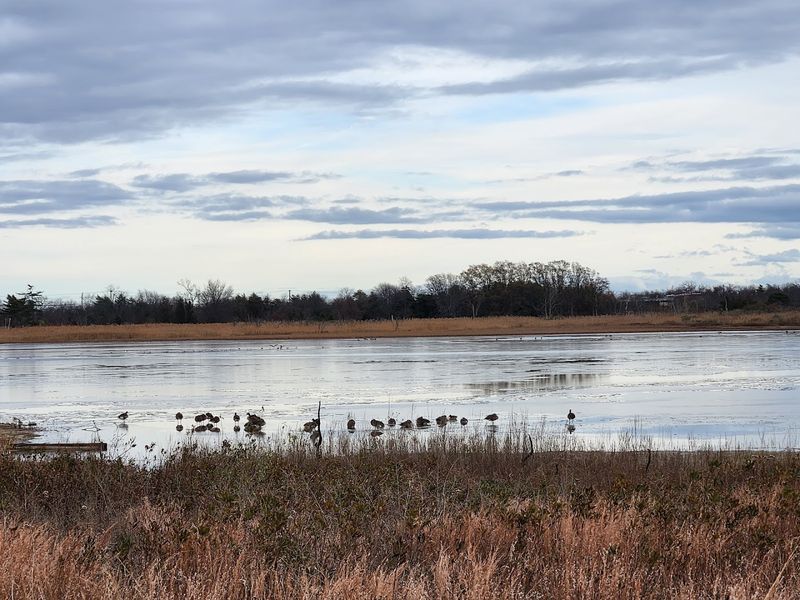
One of the most compelling aspects of Jamaica Bay Wildlife Refuge is how many completely different ecosystems exist within its boundaries. Salt marshes dominate much of the landscape, providing critical feeding and nesting habitat for herons, egrets, glossy ibis, and rails.
These dense, grassy wetlands filter water, buffer storm surges, and support an intricate food web that sustains bird populations year-round.
The mudflats exposed at low tide are where shorebird activity reaches its peak intensity during migration. Sandpipers, dowitchers, yellowlegs, and dunlins probe the soft sediment with mechanical efficiency, fueling up on invertebrates before resuming their flights.
Watching a mudflat come alive at dawn with dozens of species working side by side is the kind of experience that stays with you long after you have packed your gear and headed home.
Freshwater ponds attract dabbling ducks, diving ducks, and wading birds, while the upland fields and shrubby woodland edges serve as prime habitat for sparrows, warblers, and the occasional raptor perched on a fence post surveying the scene. This layered diversity of habitats within a single refuge is rare anywhere, let alone inside one of the world’s most densely populated cities.
Every corner of Jamaica Bay offers something genuinely worth stopping for.
Best Times To Visit For The Most Rewarding Experience
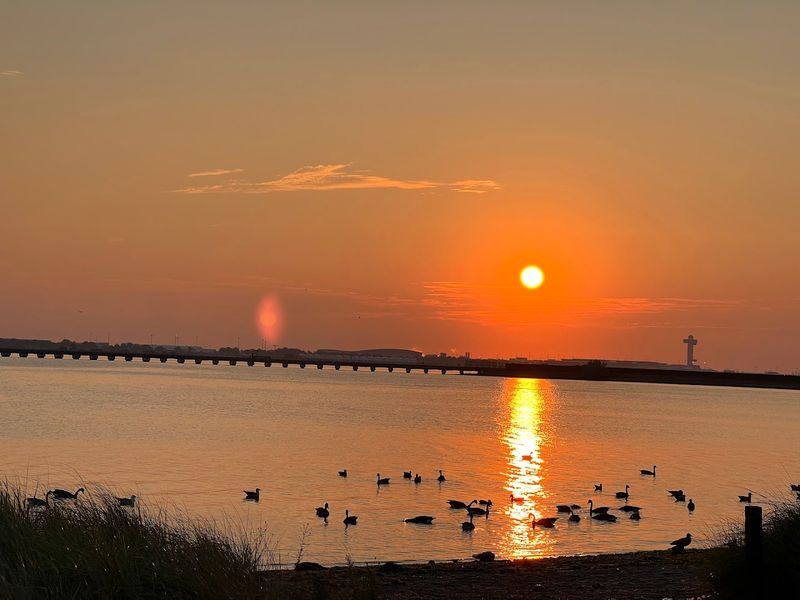
Early mornings at Jamaica Bay Wildlife Refuge carry a particular quality that afternoon visits simply cannot replicate. Bird activity peaks in the first two hours after sunrise, when feeding behavior is at its most intense and the light falls at an angle that photographers describe as genuinely flattering.
The gravel trails are quiet at that hour, the air carries the smell of salt and grass, and the sounds of the city have not yet risen to their usual pitch.
Late afternoons offer a second window of concentrated activity before birds settle in for the evening. Sunset over the bay produces warm, directional light that turns ordinary photographs into something considerably more dramatic.
Visitors who time their walks to catch both golden hours in a single day tend to report the most satisfying experiences, particularly during migration peaks in May and September.
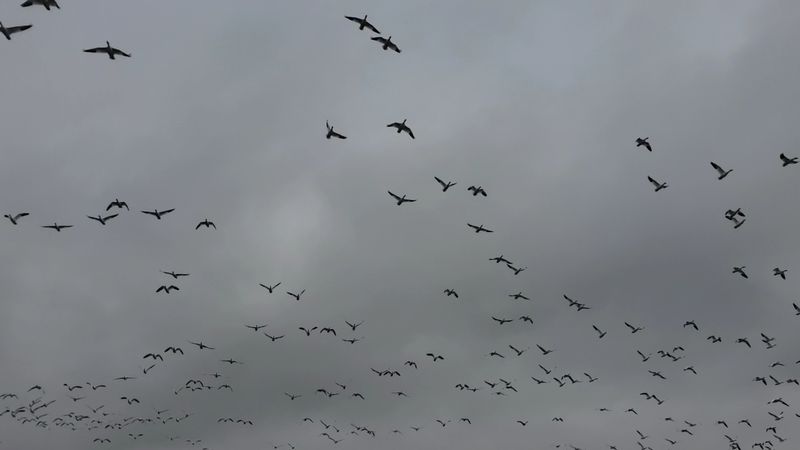
Winter visits have their own appeal and are often underestimated. Snow geese, brant, and various diving ducks use the bay throughout the colder months, and the absence of insects makes extended outdoor stays considerably more comfortable.
Photography Tips That Will Sharpen Your Results At The Refuge
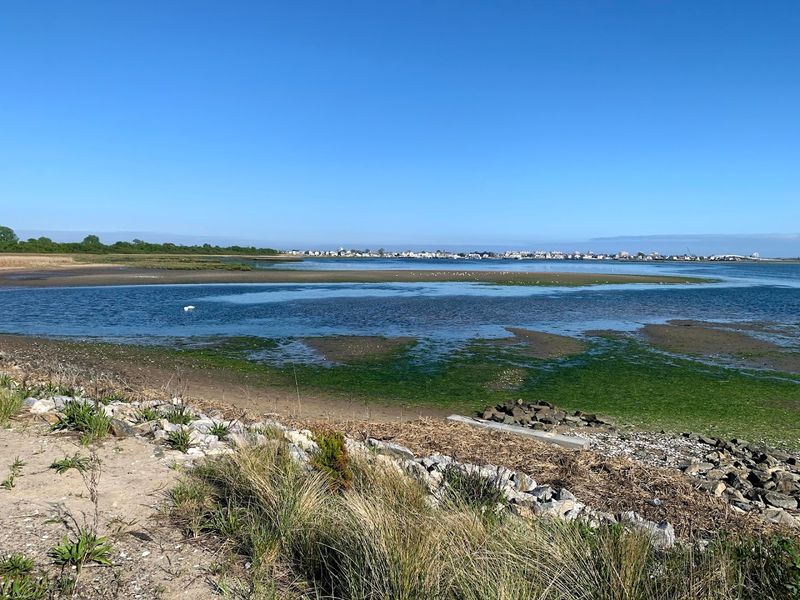
A telephoto lens in the 400mm to 600mm range is the standard recommendation for bird photography at Jamaica Bay, where many of the most interesting subjects keep a respectful distance from human visitors. Shorebirds on the East Pond mudflats can be surprisingly approachable during low tide, but most wading birds and raptors will maintain a buffer that rewards longer glass.
A monopod or lightweight tripod helps considerably during extended sessions waiting for birds to move into better light.
Arriving before the refuge opens at 6 AM and positioning yourself near the water before other visitors arrive gives you the cleanest shooting conditions of the day.
Early light comes from the east, which means the West Pond is best photographed in the morning and the East Pond often benefits from afternoon visits when the sun angle improves.
Keeping this in mind when planning your route saves time and produces noticeably better results.
Dress in muted, earthy tones to avoid startling birds, move slowly along the trails, and resist the urge to approach nesting areas or roosting flocks directly. The refuge’s open habitats allow for careful repositioning without causing disturbance.
Bringing extra memory cards, a rain cover for your gear, and insect repellent during warmer months rounds out a well-prepared visit that leaves room for genuine surprise.
Getting There And Moving Around The Refuge With Ease
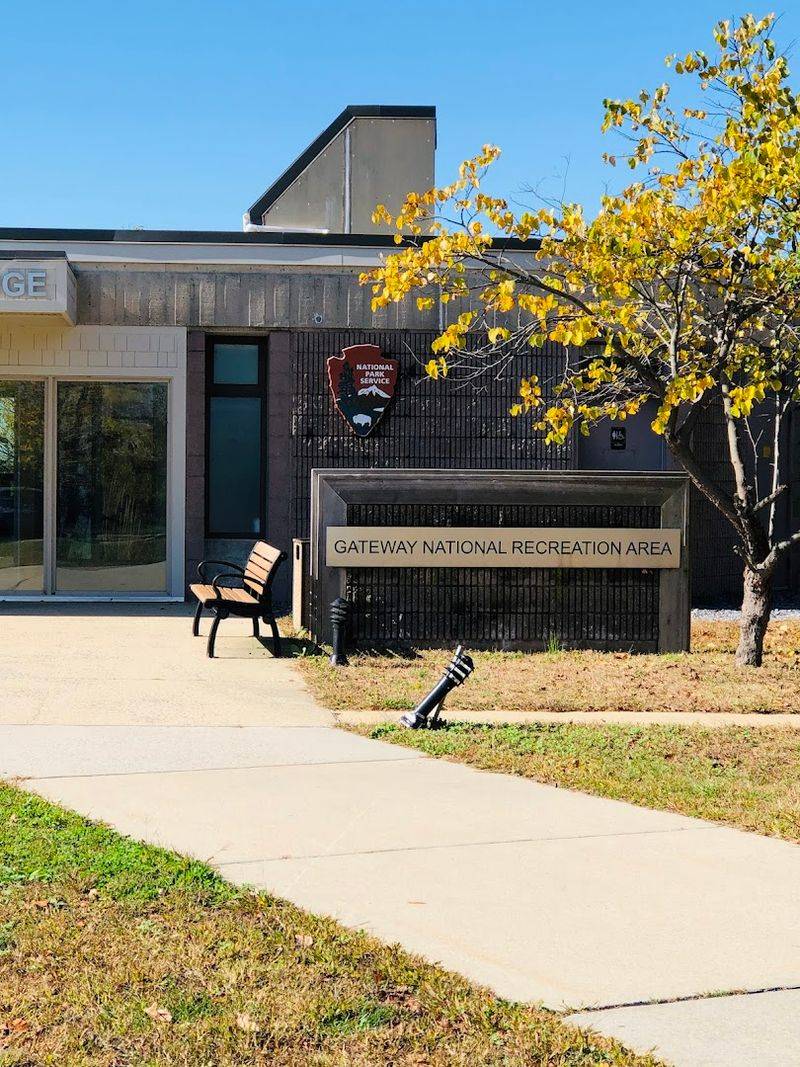
Reaching Jamaica Bay Wildlife Refuge without a car is genuinely straightforward, which sets it apart from many comparable natural areas in the northeastern United States.
The Q52 and Q53 MTA bus lines stop directly in front of the refuge entrance on Cross Bay Boulevard, making it accessible from multiple points in Queens and Brooklyn without the need to navigate parking.
The Broad Channel A-train subway station is approximately a 12-minute walk from the main entrance, adding another convenient option for visitors coming from Manhattan or other boroughs.
For those arriving by car, a large free parking lot sits adjacent to the visitor center and can accommodate a substantial number of vehicles. On busy weekend mornings during migration season, arriving early is advisable since the lot fills up among birders and photographers eager to stake out their preferred spots along the trail.
Once inside the refuge, movement is straightforward. The main West Pond loop is clearly marked and takes between 30 and 45 minutes at a relaxed walking pace, though most birders stretch that considerably by stopping frequently.
Crossing Cross Bay Boulevard to access the East Pond adds distance and variety to the outing. The flat terrain and well-maintained gravel surfaces make the refuge accessible for visitors with varying levels of mobility, removing a barrier that many natural areas still struggle to address.
Highlighted Bird Species That Draw Visitors Back Season After Season
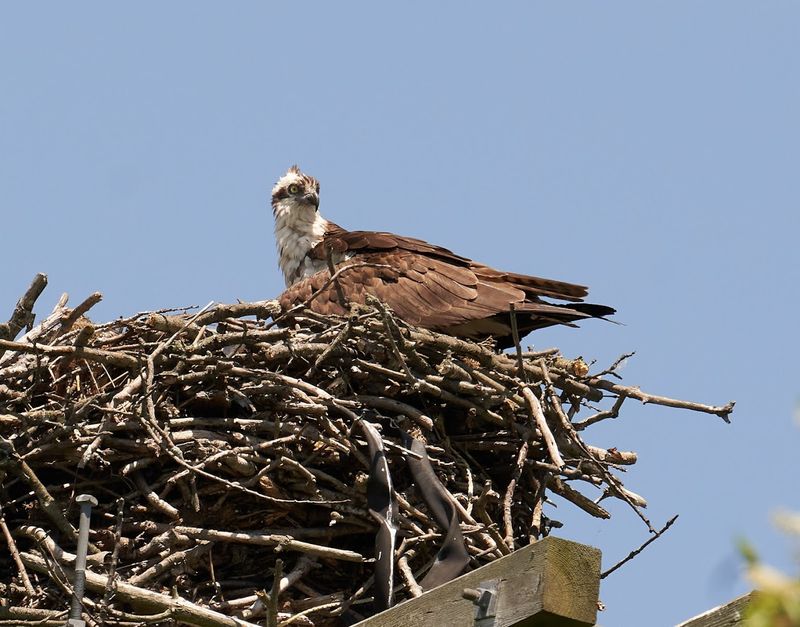
Ospreys are among the most celebrated residents of Jamaica Bay Wildlife Refuge, and watching one dive feet-first into the pond and emerge with a fish is the kind of moment that makes a full day’s wait feel entirely worthwhile.
A dedicated osprey nest within the refuge has become a reliable photo destination, and visitors who arrive early enough sometimes catch the birds returning to the nest with prey in the soft morning light.
One reviewer noted that an osprey flew directly toward them during a first visit, producing exactly the flight shot every photographer hopes for.
Glossy ibis, with their iridescent plumage that shifts between bronze, green, and purple depending on the angle of light, feed in the marsh grasses with a focused deliberateness that rewards patient observers. American oystercatchers, red-billed and boldly marked, patrol the bay edges with an air of casual authority.
During fall migration, the East Pond can host remarkable concentrations of dowitchers, yellowlegs, and peeps that turn the mudflat into a constantly shifting mosaic of feeding activity.
Snow geese arrive in winter to considerable fanfare among regular visitors. Warblers pass through in spring in numbers that challenge even experienced birders to keep up with identifications.
The refuge essentially offers a new cast of characters with each returning season, which explains why many visitors describe coming back year after year without any sense of repetition.
What Visitors Consistently Say About Their Time At The Refuge
The consistency of positive visitor feedback for Jamaica Bay Wildlife Refuge is striking, particularly given how varied the people who visit tend to be.
Casual walkers, dedicated birders, families with children, STEAM education groups, photographers with professional equipment, and dog owners who eventually discover the no-dogs policy and adjust their plans accordingly all seem to leave with the same fundamental impression: this place is genuinely special and somehow still underappreciated.
Recurring themes in visitor accounts include the surprising sense of quiet and natural immersion despite the urban surroundings, the well-maintained trail conditions, and the quality of wildlife encounters.
Multiple visitors specifically mention the Manhattan skyline visible in the distance as a visual detail that never quite loses its novelty, serving as a constant reminder of the improbable geography that makes the refuge so distinctive.
Terrific sunsets are mentioned with enough frequency to suggest they are a reliable feature rather than a lucky coincidence.
Practical notes from experienced visitors include bringing water, particularly in summer when the exposed gravel trail offers little shade and temperatures climb quickly. Insect repellent is strongly recommended from late spring through early fall, as the marsh environment produces mosquitoes that greet newcomers with considerable enthusiasm.
These minor considerations aside, the consensus is clear: Jamaica Bay Wildlife Refuge delivers an experience that exceeds most expectations by a comfortable margin.
Why Jamaica Bay Wildlife Refuge Belongs On Every Nature Lover’s List
There are not many places in the world where you can board a subway in Midtown Manhattan and arrive, roughly an hour later, at a functioning wildlife refuge teeming with migratory birds, nesting ospreys, and salt marsh ecosystems that have existed for centuries.
Jamaica Bay Wildlife Refuge occupies that improbable position with quiet confidence, offering an experience that feels genuinely removed from city life while remaining entirely connected to it by train and bus.
The refuge serves not only as a recreational destination but as an active site for conservation research and environmental education. Groups studying the effects of climate change on coastal plant communities have worked within its boundaries, and the National Park Service continues to manage it as a serious ecological resource within one of the world’s most developed urban environments.
That dual identity as both a wild place and a working conservation site gives visits here an added layer of meaning that purely recreational parks sometimes lack.
For photographers, the combination of accessible terrain, extraordinary bird diversity, and reliable seasonal patterns makes Jamaica Bay one of the most productive shooting locations on the East Coast. For everyone else, it offers something harder to quantify but equally valuable: a genuine encounter with the natural world on the doorstep of New York City.
That is a combination worth traveling for, and worth returning to as often as the seasons allow.