
The Tiny But Mighty Nevada Town Most Travelers Have Never Heard Of
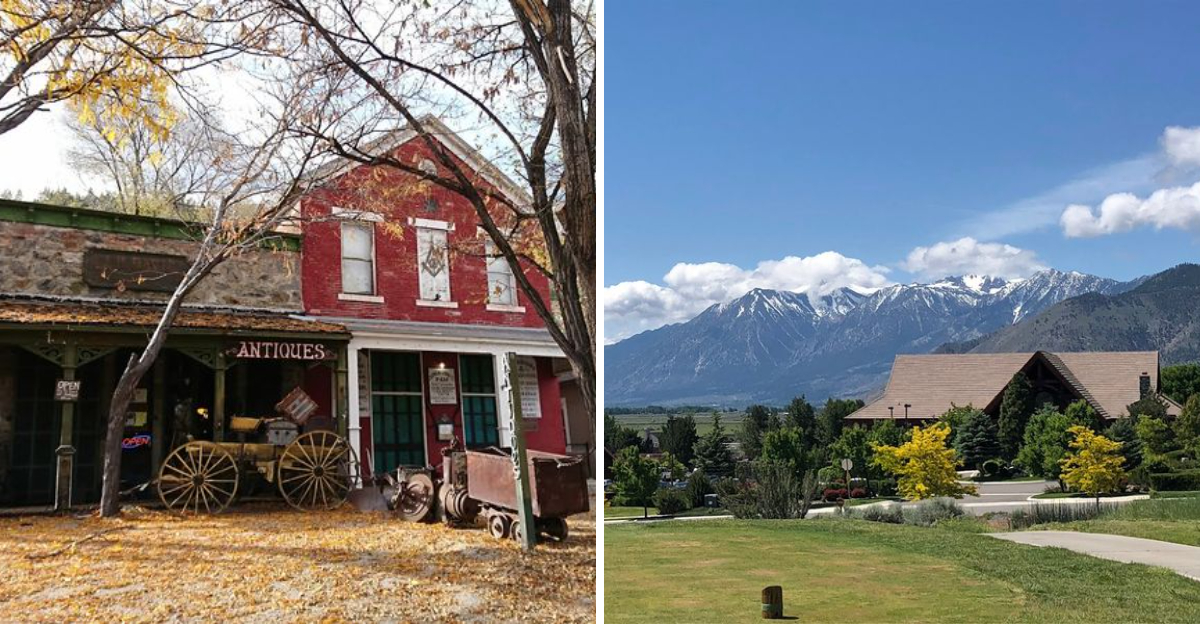
Most people driving through western Nevada have their eyes set on Reno or Lake Tahoe, completely passing by one of the most historically significant spots in the entire state. a small unincorporated town in Douglas County, sits quietly at the foot of the Sierra Nevada mountains, carrying a story that stretches back to 1851. With a population of fewer than a thousand residents, it punches well above its weight in character, history, and scenery.
If you have ever wondered what the American West looked like before everything got modernized, this tiny town offers a remarkably clear answer.
Nevada’s Oldest Permanent Settlement Founded In 1851
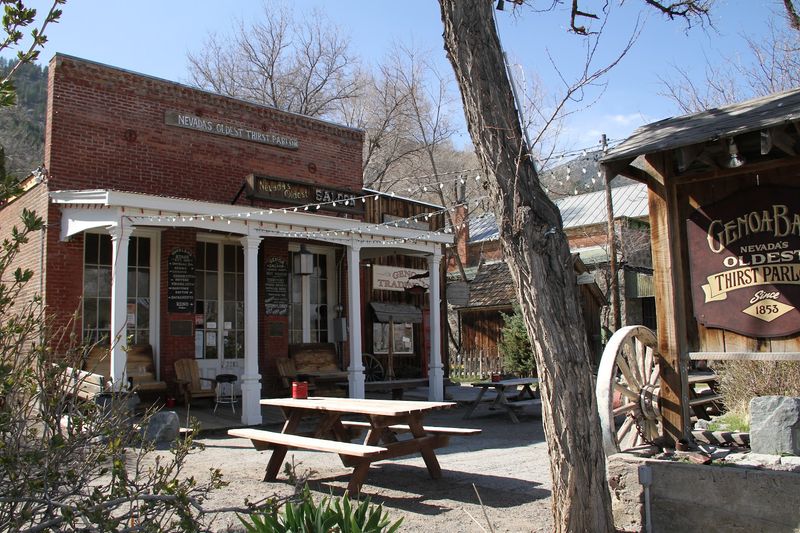
Long before Nevada became a state, a small group of Mormon traders planted the first permanent roots here in 1851, establishing what would become the oldest town in the territory. That founding moment carries real weight when you walk through Genoa today, because the town has made a deliberate effort to honor rather than erase its origins.
The year 1851 is not just a date on a plaque here; it is practically a point of civic pride.
Genoa sits in Douglas County, approximately 42 miles south of Reno, close enough to civilization yet far enough to feel genuinely removed from the modern rush. Its position in the Carson River Valley gave early settlers access to water, shelter, and a natural route through the mountains.
Travelers passing through in the mid-1800s often stopped here to resupply before continuing westward. That tradition of welcoming people on a journey has never fully faded from the town’s character.
Small Town Located At The Foot Of The Sierra Nevada
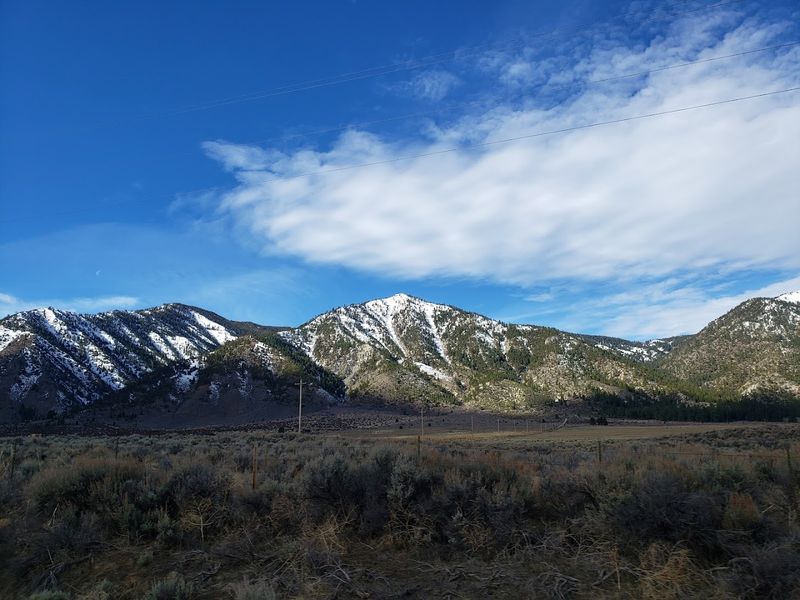
Geography shapes personality, and Genoa’s location at the base of the Sierra Nevada has given it a distinct identity that no amount of marketing could manufacture. The mountains rise sharply to the west, creating a dramatic backdrop that changes color and mood depending on the season and the hour of the day.
In winter, snow caps the peaks and drifts into the valley floor, turning the town into something that resembles a quieter, older postcard.
Spring and summer bring a different energy, with wildflowers along the roadsides and clear skies that make the mountain silhouette look almost painted. The elevation sits at roughly 4,700 feet, which means the air carries a crispness that visitors from lower elevations immediately notice.
Outdoor enthusiasts find the location ideal for day trips into the mountains or walks through the valley. The Sierra Nevada is not just scenery here; it functions as a constant, grounding presence that defines daily life in Genoa.
Historic Main Street That Feels Frozen In Time
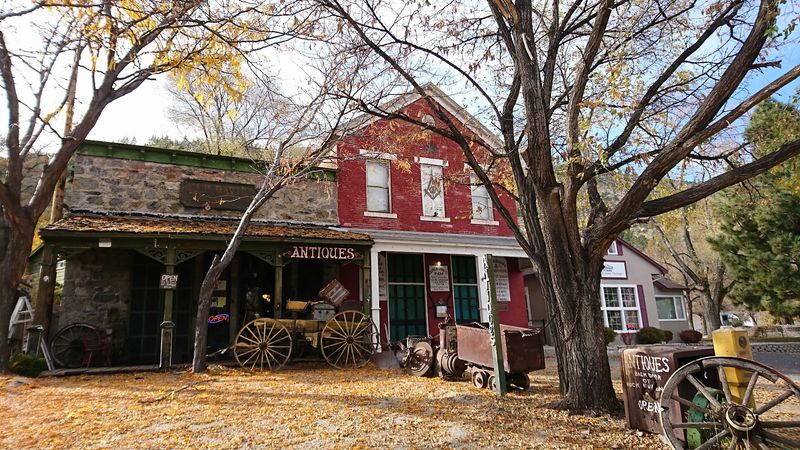
Walking along Genoa’s main corridor is the kind of experience that makes you reach for a camera before you have even processed what you are looking at. The buildings along the street retain much of their original architecture, with wooden facades and modest storefronts that belong to a different century entirely.
There is no neon, no chain signage, and no glass towers competing for attention.
What strikes most visitors is the absence of noise. The street moves at a pace that feels almost deliberate, as if the town collectively agreed long ago that hurrying was overrated.
Local businesses occupy some of the historic structures, giving the street practical purpose without stripping away its atmosphere. A few shaded benches and mature trees line the path, inviting people to sit and simply observe.
For anyone who has grown weary of streets designed primarily for cars and commerce, Genoa’s main stretch offers a genuinely refreshing contrast.
Mormon Station State Historic Park Tells The Town’s Early Story
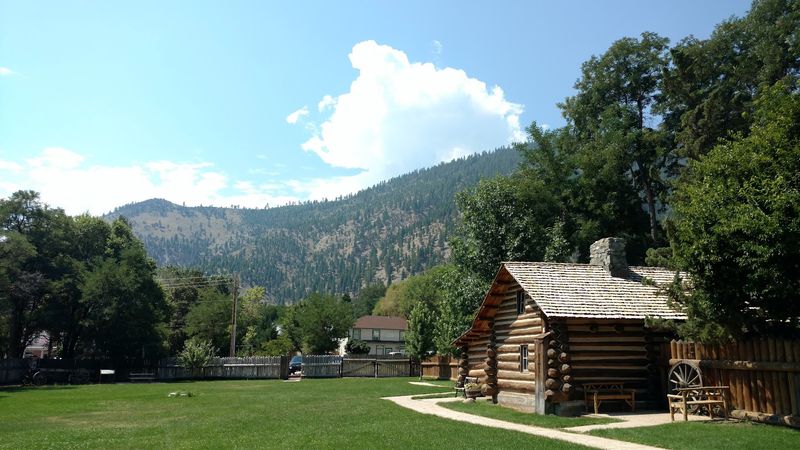
Mormon Station State Historic Park stands on the site where the original trading post was built in 1851 by Hampton Beatie, a Mormon trader sent by Brigham Young to establish commerce along the emigrant trail. The reconstructed log structure gives visitors a tangible sense of what that first outpost looked like, even if the original building no longer survives.
A small museum inside the park fills in the historical details with artifacts, maps, and documents from the territorial period.
Located on Main Street in Genoa, the park is genuinely worth more than a quick glance. The exhibits are thoughtfully arranged, covering the town’s role as a supply stop for westward-bound emigrants during the mid-1800s.
Children respond well to the physical space, since the reconstructed fort invites imagination in a way that photographs simply cannot. Admission is modest, and the park is maintained by Nevada State Parks.
Plan to spend at least an hour here to absorb the full context of what this little town once meant to an entire migrating nation.
Historic Buildings That Date Back To The 1800s
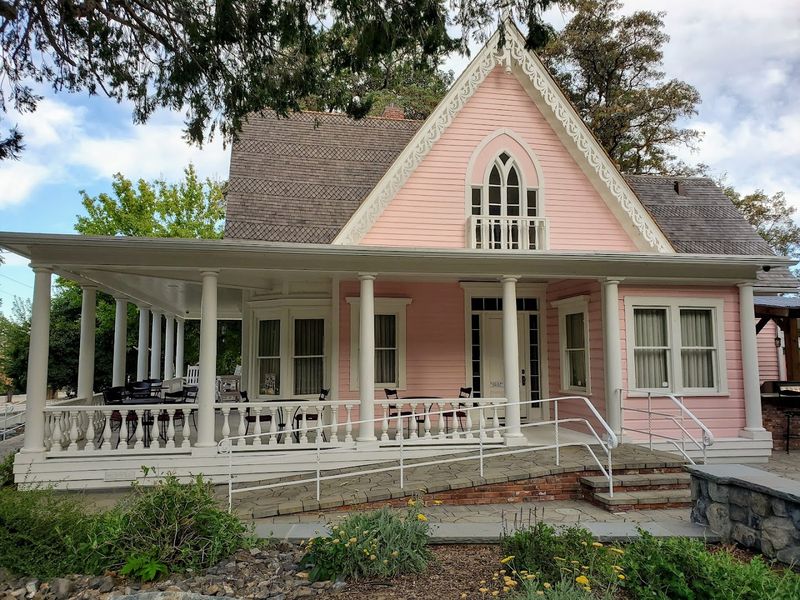
Genoa’s built environment is one of its most compelling features, and the structures scattered throughout the town represent a remarkable survival of 19th-century craftsmanship. The Genoa Courthouse Museum, housed in a building from 1865, is among the most visited, offering exhibits that cover local history, pioneer life, and the legal proceedings of early Nevada.
The structure itself is a study in frontier practicality, built to last rather than to impress.
Several other buildings along the town’s streets carry historical markers that provide context for passing visitors willing to slow down and read. The Genoa Bar, which claims to be the oldest operating saloon in Nevada, occupies a building with genuine age in its walls and floors.
Walking between these structures gives you a layered sense of time, as if the decades have simply settled into the wood and stone rather than washing them away. Preservation efforts here have been consistent, and the results speak for themselves without requiring dramatic restoration.
Scenic Views Across The Beautiful Carson Valley
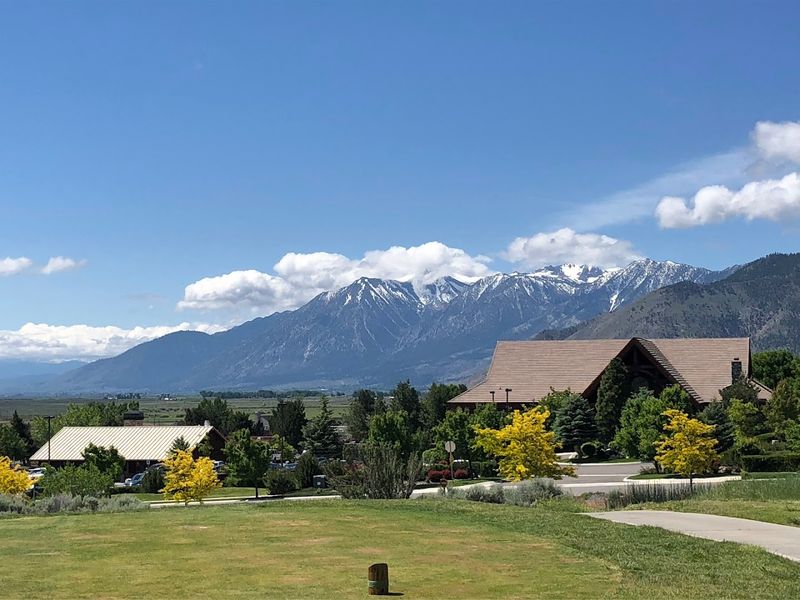
From various points around Genoa, the Carson Valley spreads out to the east in a wide, open display that feels genuinely generous. The valley floor is a patchwork of ranches, fields, and wetlands that shift in color through the seasons, from the pale gold of dry summer grass to the deep green of irrigated pastures in spring.
The scale of the view is the kind that recalibrates your sense of space after too long in an urban environment.
Photographers find the valley particularly rewarding in the early morning, when low light cuts across the landscape at an angle that emphasizes texture and depth. Birdwatchers have reason to visit as well, since the valley’s wetlands attract a variety of migratory species throughout the year.
The Carson River meanders through the lower sections of the valley, adding a quiet, winding element to the broader composition. Standing at the edge of Genoa and looking east, it becomes easy to understand why settlers chose this particular spot to stop and stay.
Quiet Streets That Offer A Slower Pace Of Life
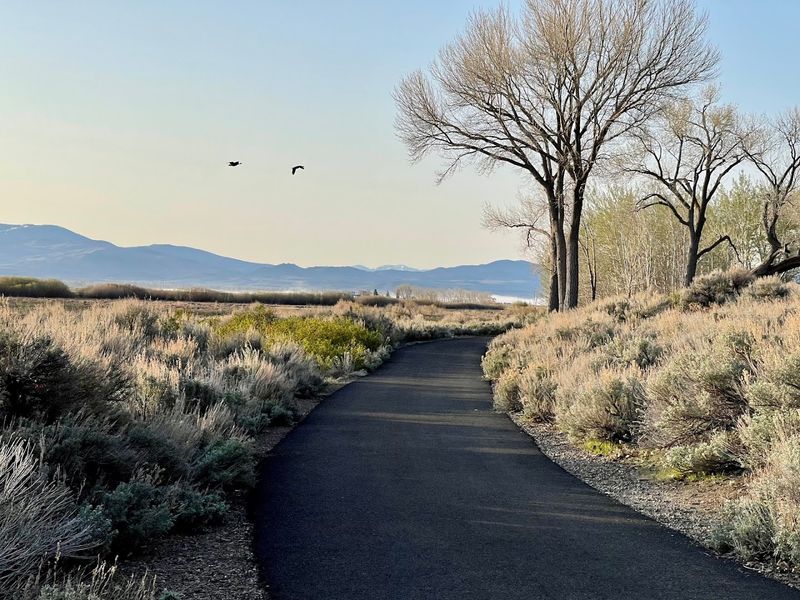
Genoa operates at a frequency that most American towns have long since abandoned. The streets are quiet in a way that feels earned rather than imposed, a byproduct of low population density and a community that has not chased rapid development.
A walk through the residential areas reveals well-kept properties with mature trees, old fences, and gardens that suggest genuine care over many years.
For travelers arriving from cities where silence is a luxury, the effect is almost disorienting at first. There is no background hum of traffic, no urgent foot traffic, and no commercial noise competing for attention.
The town’s roughly 939 residents, as recorded in the 2010 census, spread across a compact area that makes the whole place feel walkable and comprehensible. Sitting on a porch or a bench here does not feel like wasting time; it feels like a conscious decision to experience a place fully.
That distinction matters more than it might initially seem.
A Gateway Town For Travelers Visiting Lake Tahoe
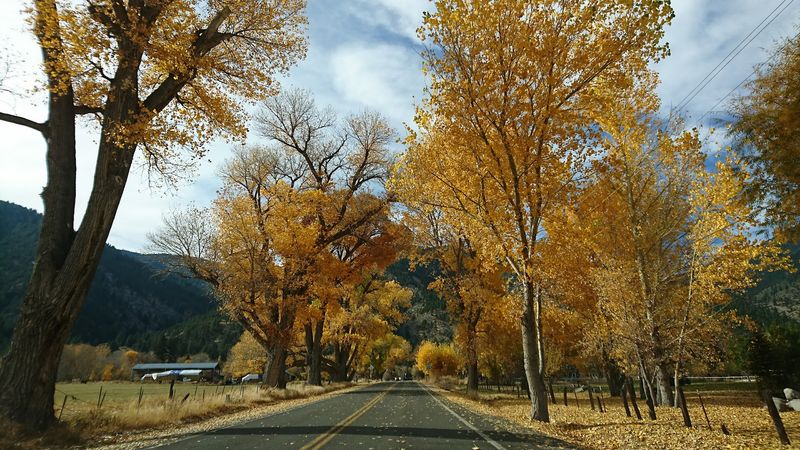
Genoa sits at a practical crossroads for anyone exploring the broader Lake Tahoe region, positioned close enough to the lake to serve as a quieter base of operations for day trips. The drive from Genoa to the southern shores of Lake Tahoe takes roughly 30 to 40 minutes depending on the route, making it a genuinely viable alternative to the more crowded and expensive lakeside accommodations.
Travelers who stay here often find themselves surprised by how much they prefer the arrangement.
The town’s proximity to the lake gives visitors access to Tahoe’s beaches, hiking trails, and water activities without requiring them to sleep in the middle of the tourist machinery. Coming back to Genoa at the end of a day on the lake provides a natural decompression, trading the crowds for the calm of the Carson Valley.
For families or couples looking to balance activity with genuine rest, the combination works exceptionally well. Genoa rarely appears on Lake Tahoe itineraries, which is precisely what makes it worth adding.
Local Restaurants And Saloon Traditions With Western Charm
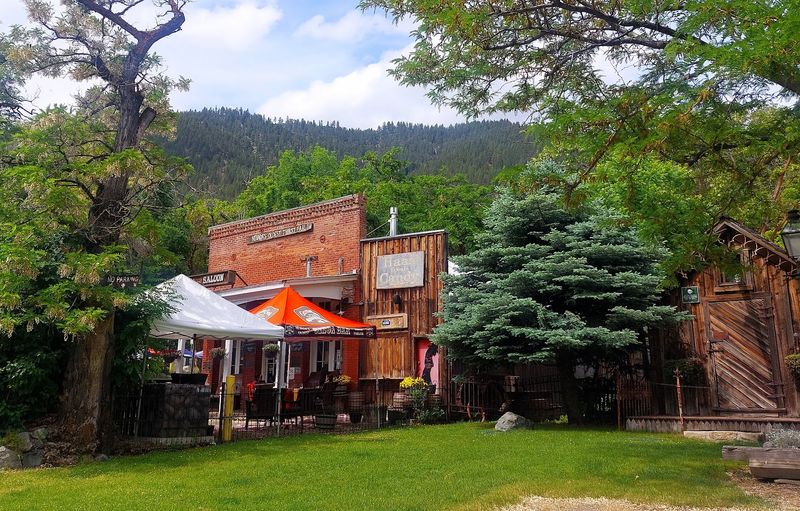
The Genoa Bar deserves a mention not because it is loud or flashy, but because it is neither of those things and has been operating since 1853, making it one of the oldest continuously running saloons in the state of Nevada. The interior retains a worn, authentic quality that no designer could convincingly replicate.
Sitting at the bar here carries a quiet historical weight that you feel rather than analyze.
Beyond the saloon, Genoa’s dining options are modest in number but solid in character. The Pink House Restaurant has long served the community with a menu that reflects regional tastes and seasonal availability.
Meals here tend to arrive without ceremony, which is exactly the point. The Western dining tradition in towns like Genoa was always about feeding people well and sending them on their way satisfied, not staging an experience for social media.
That philosophy has held, and the food reflects it honestly and without pretension.
Annual Events That Bring The Small Community Together
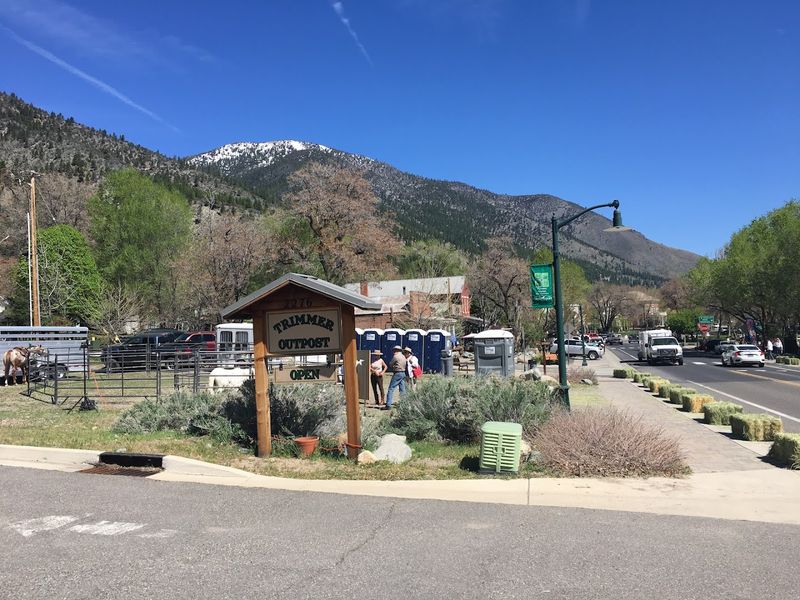
Genoa Days, held annually each September, is the town’s signature community celebration and one of the oldest continuing festivals in Nevada. The event draws locals and visitors together for a weekend of live music, food, a parade, and activities that reflect the town’s frontier heritage.
For a town of fewer than a thousand people, the energy generated during Genoa Days is genuinely impressive.
The festival also includes a chili cook-off that has developed a loyal following over the years, with participants taking their recipes with an earnestness that borders on competitive reverence. Beyond Genoa Days, the town marks other seasonal occasions with smaller gatherings that reinforce the sense of a community that knows its neighbors by name.
These events serve a practical social function in a place where the nearest large city is over 40 miles away. Attending even one of these gatherings gives an outsider an authentic window into what daily life in a small Nevada town actually looks and feels like.
A Small Nevada Town With A Surprisingly Rich History
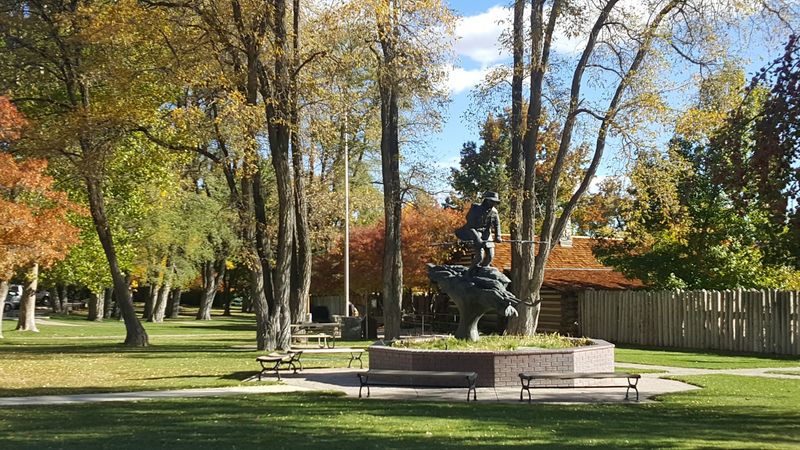
Few towns of Genoa’s size carry as much historical significance per square mile as this one does. As the first permanent settlement in what became Nevada Territory, it served as the administrative and commercial center of the region before Carson City grew to prominence.
The first newspaper in Nevada Territory, the Territorial Enterprise, was founded in Genoa in 1858 before eventually relocating to Virginia City.
The town also hosted Nevada’s first post office, first jail, and first court, giving it a catalog of firsts that would seem implausible if the documentation were not so well preserved. Douglas County, in which Genoa sits, takes its name from Senator Stephen A.
Douglas, and the town’s courthouse records date back to the earliest days of organized territorial government. For anyone with even a passing interest in American Western history, Genoa operates as a primary source rather than a footnote.
The depth of what happened here, in such a small and unassuming place, rewards the curious traveler who takes time to look carefully.