
10 Hidden Small Towns In Tennessee You’ll Be Surprised You’ve Never Heard Of
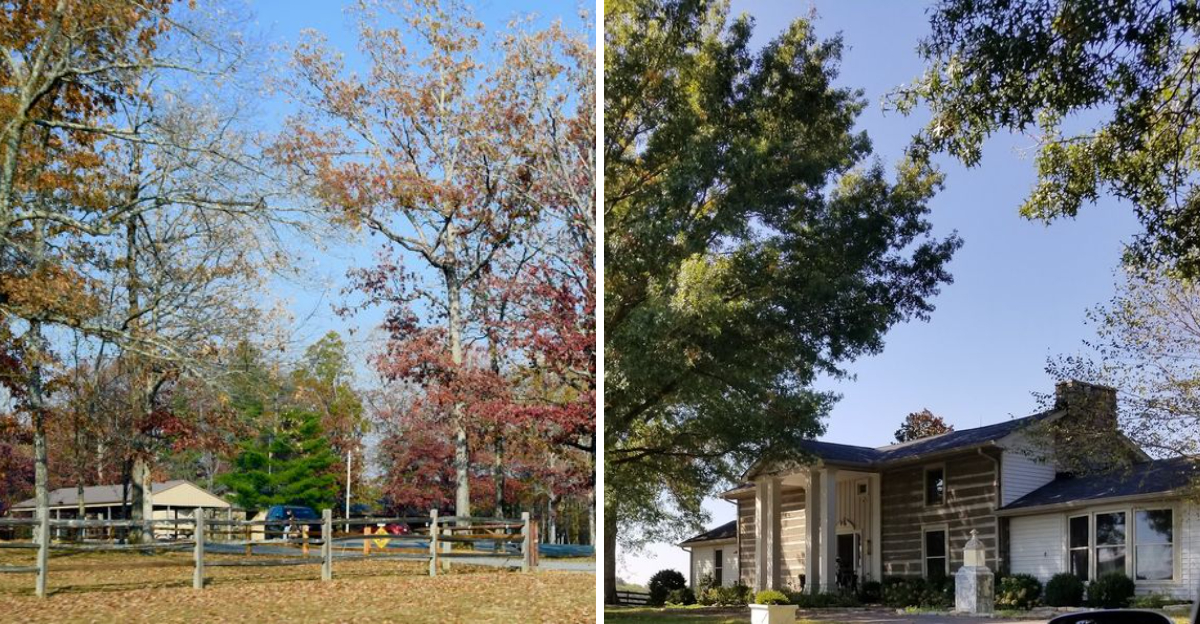
Big cities often get the spotlight, but Tennessee tells some of its best stories in places many travelers drive right past. Quiet streets, historic storefronts, and friendly locals give these towns a character that feels refreshingly authentic.
Spend a little time wandering around and you might find a family diner that has served the same recipes for decades or a town square where life still moves at a comfortable pace. Tennessee is full of communities like this, each with its own personality and history.
A closer look reveals small towns that rarely appear on travel lists but leave a surprisingly strong impression once you visit.
1. Lynchburg, Moore County
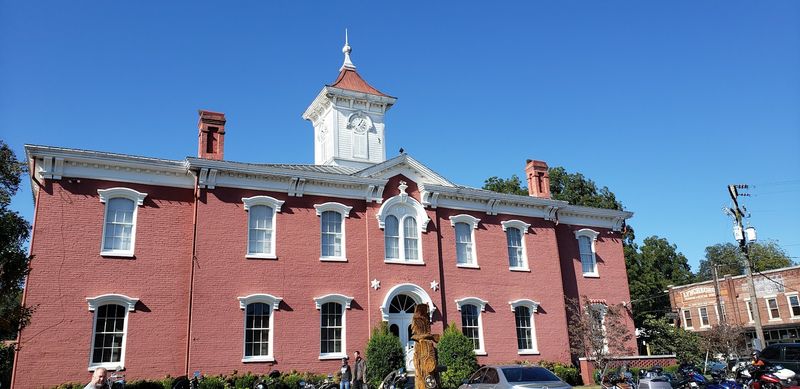
Most people recognize the name Lynchburg because of what’s made nearby, but the town itself is a whole different story worth telling on its own terms. Sitting quietly in Moore County, this small community of around 6,000 people operates at a pace that feels refreshingly unhurried compared to Tennessee’s bigger destinations.
The courthouse square at the center of town is classic Southern Americana, with brick storefronts, a handsome old courthouse, and locals who actually wave at strangers. Moore County is also the smallest county in Tennessee by area, which gives Lynchburg a compact, walkable character that’s easy to appreciate on foot.
Surrounding farmland rolls out in every direction, making the drive into town a genuinely pretty experience regardless of the season. Spring brings wildflowers along the roadsides, while autumn turns the surrounding hills into a patchwork of warm color.
The shops around the square sell local crafts, Tennessee-made goods, and homestyle food that won’t disappoint anyone arriving hungry. Lynchburg proves that a town doesn’t need to shout to be worth visiting.
2. Rugby, Morgan County
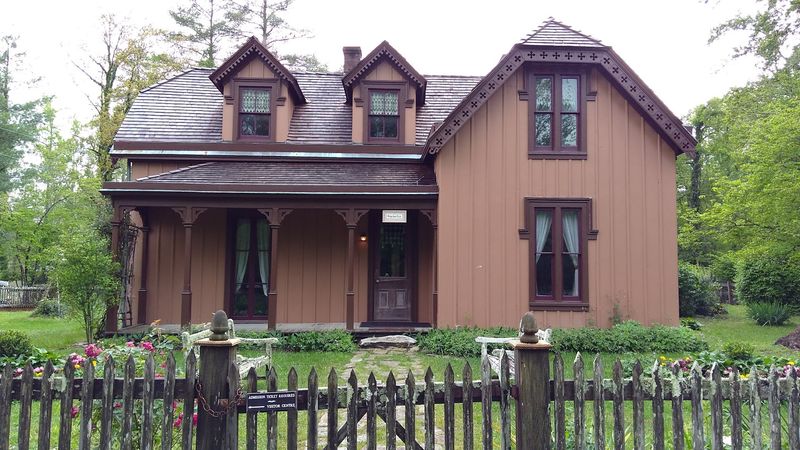
Imagine stumbling onto a piece of Victorian England sitting quietly in the middle of the Tennessee woods. That’s essentially what Rugby, Morgan County offers, and it’s one of the most genuinely surprising places in the entire state.
Founded in 1880 by British social reformer Thomas Hughes, Rugby was established as a utopian colony for younger sons of English aristocracy who couldn’t inherit family estates back home. The experiment didn’t last long in its original form, but the buildings did.
More than twenty original structures still stand today, preserved in remarkable condition and open to visitors who want to walk through a living piece of 19th-century history.
The Christ Church Episcopal building, the Hughes Public Library with its original Victorian book collection, and the Newbury House inn are among the highlights that make Rugby feel like a genuinely unique time capsule. Woodland trails wind through the surrounding Cumberland Plateau landscape, giving hikers a gorgeous natural backdrop alongside the cultural experience.
With a population of only around seventy people, Rugby is about as off-the-beaten-path as Tennessee gets, and that’s precisely what makes it so memorable.
3. Wartrace, Bedford County
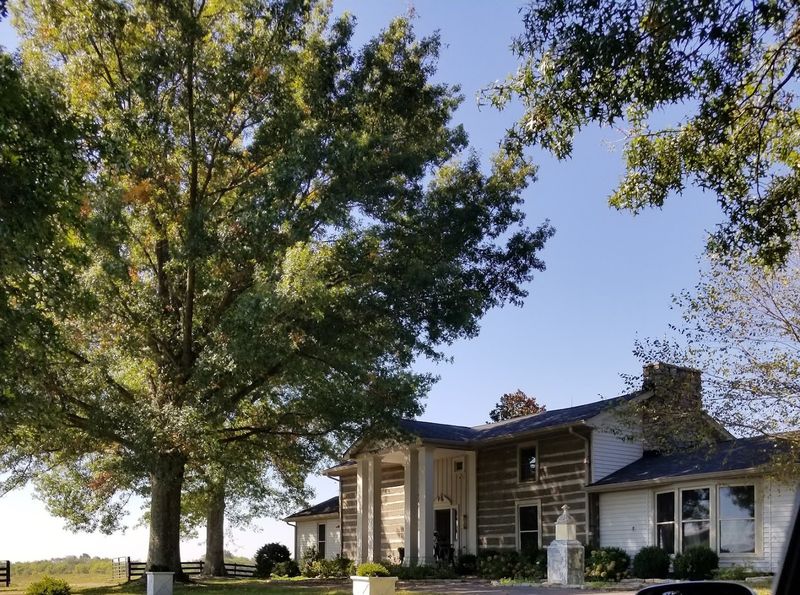
There’s a certain elegance to Wartrace that you don’t expect from a town of only around 700 people. Located in Bedford County in the heart of Middle Tennessee’s rolling countryside, this little community carries itself with quiet pride and a strong sense of identity rooted in one of the South’s most graceful traditions.
Wartrace is closely tied to the history of the Tennessee Walking Horse, a breed known for its smooth, distinctive gait that was developed and refined right here in this part of the state. The town’s connection to these horses runs deep, and visitors can learn about that heritage at local farms and through the stories told by longtime residents.
The downtown area is beautifully preserved, with 19th-century storefronts lining streets that see more pedestrians than traffic. The Wartrace Creek runs nearby, adding a pleasant natural element to the already picturesque setting.
A handful of antique shops and small local businesses keep the commercial heart of town alive without overwhelming its historic character. If you’re road-tripping through Middle Tennessee and want a stop that feels genuinely authentic rather than curated for tourists, Wartrace delivers that experience with real warmth.
4. Cumberland Gap, Claiborne County
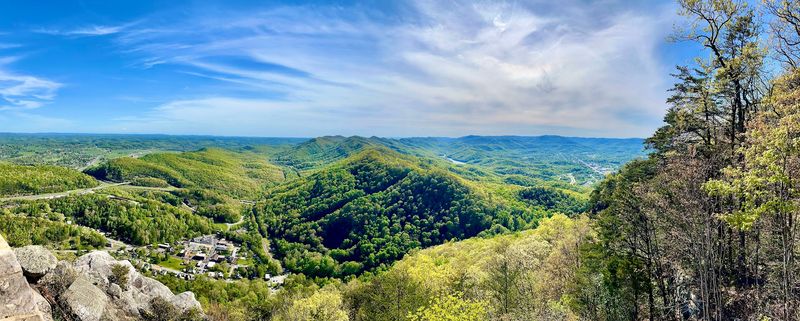
Few places in America carry as much historical weight per square foot as Cumberland Gap. This small Claiborne County town sits at the very notch in the Appalachian Mountains where Daniel Boone and thousands of early American settlers passed through on their way west, and that legacy still shapes the atmosphere of the place today.
The town itself has a population of only around 500 people, giving it a quiet, almost contemplative character that suits its surroundings perfectly. A short main street with local shops and a handful of eateries serves as the community’s center, while the mountain scenery rising above town provides a dramatic backdrop that no amount of interior decorating could compete with.
The real draw for many visitors is the Cumberland Gap National Historical Park, which straddles the borders of Tennessee, Kentucky, and Virginia. The park offers hiking trails, scenic overlooks with sweeping views across three states, and historical exhibits that bring the pioneer era to life in vivid detail.
The Pinnacle Overlook trail rewards the effort with one of the most spectacular panoramic views in the entire Appalachian region. Cumberland Gap is a town where history and landscape work together to create something genuinely powerful.
5. Granville, Jackson County
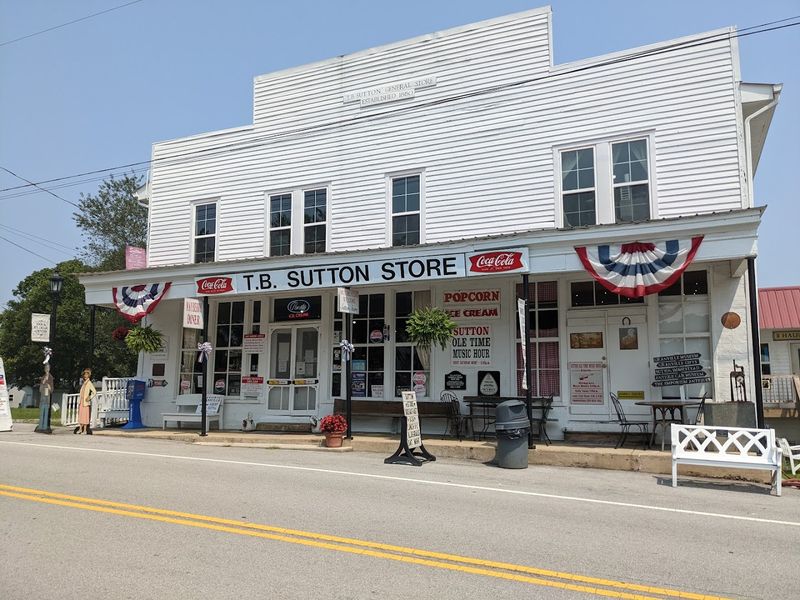
Sometimes called Tennessee’s Mayberry, Granville is the kind of place that makes you want to slow down, park the car, and just wander. Sitting along the Cumberland River in Jackson County with a population of roughly 300, this tiny community punches well above its weight when it comes to charm and things to see.
The main street feels like it belongs in a different era, lined with a vintage general store, a small local museum, and historic buildings that have been thoughtfully preserved rather than replaced. The Granville Museum gives visitors a fascinating look at local history and life along the river in earlier generations, and the staff are known for being genuinely enthusiastic about sharing what they know.
The surrounding countryside offers scenic river views and peaceful rural landscapes that make Granville an ideal stop for photographers and anyone who just wants to breathe in some fresh Tennessee air. The town also sits within reach of Dale Hollow Lake, one of the clearest and most beautiful lakes in the entire southeastern United States.
Granville is the kind of quiet discovery that makes road-trippers feel like they’ve found something truly special, because they have.
6. Erin, Houston County
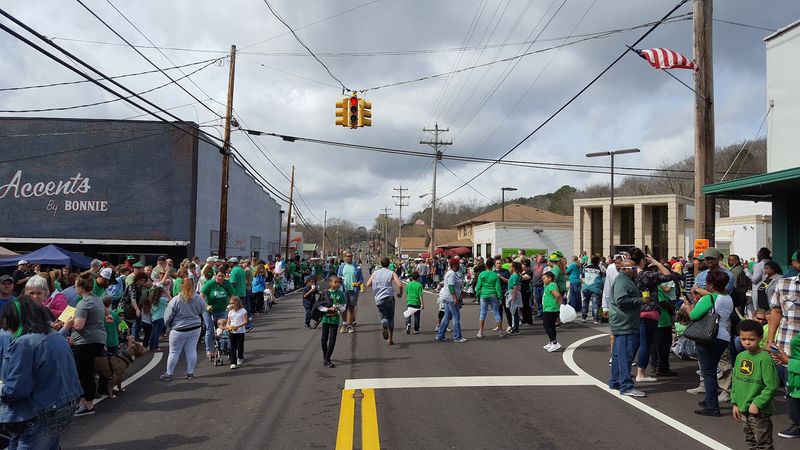
Every March, something unexpected happens in a small Houston County town that most Tennesseans couldn’t find on a map without help. Erin, Tennessee, population around 1,300, goes full Irish for its annual Irish Day festival, and the enthusiasm the community brings to the celebration is genuinely infectious.
The festival draws visitors from across the region for a day of music, local food, community events, and a parade that fills the main street with color and energy. The Irish connection comes from the town’s early settlers, many of whom had Irish heritage, and the community has kept that cultural thread alive with real pride over the generations.
Outside of festival season, Erin returns to its natural state as a peaceful rural community surrounded by farmland and the quiet beauty of Houston County’s countryside. The town sits near the Tennessee River, and the wider region offers fishing, wildlife watching, and scenic drives through some of Middle Tennessee’s less-traveled landscapes.
Cross Creeks National Wildlife Refuge is located a short drive away and provides excellent birdwatching opportunities throughout the year. Erin is proof that a town doesn’t need to be large to have a big personality worth experiencing firsthand.
7. Celina, Clay County
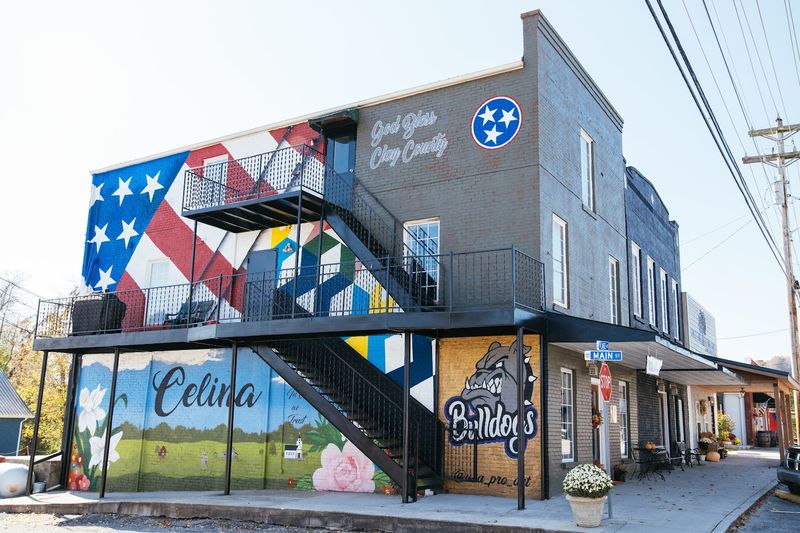
Right where the Obey River flows into the Cumberland River, you’ll find Celina, the kind of town that water lovers and fishing enthusiasts tend to keep secret once they discover it. Clay County’s seat is home to roughly 1,400 people and sits in a part of Tennessee that doesn’t get nearly enough credit for how beautiful it is.
Dale Hollow Lake, one of the cleanest and clearest lakes in the country, is located just upstream from town and serves as the area’s outdoor recreation centerpiece. Fishing here is seriously good, with the lake holding records for certain species and attracting anglers from across the country who are willing to make the drive for the chance to cast a line in such pristine water.
Boating, kayaking, and swimming are all popular warm-weather activities, while the surrounding hills and forests provide hiking opportunities and wildlife viewing for those who prefer to stay on dry land. The town itself has a laid-back Appalachian character that feels completely authentic, with local diners and a small-town atmosphere that reminds visitors how pleasant life can be at a slower speed.
Celina is the kind of place that rewards the drive every single time.
8. Hohenwald, Lewis County
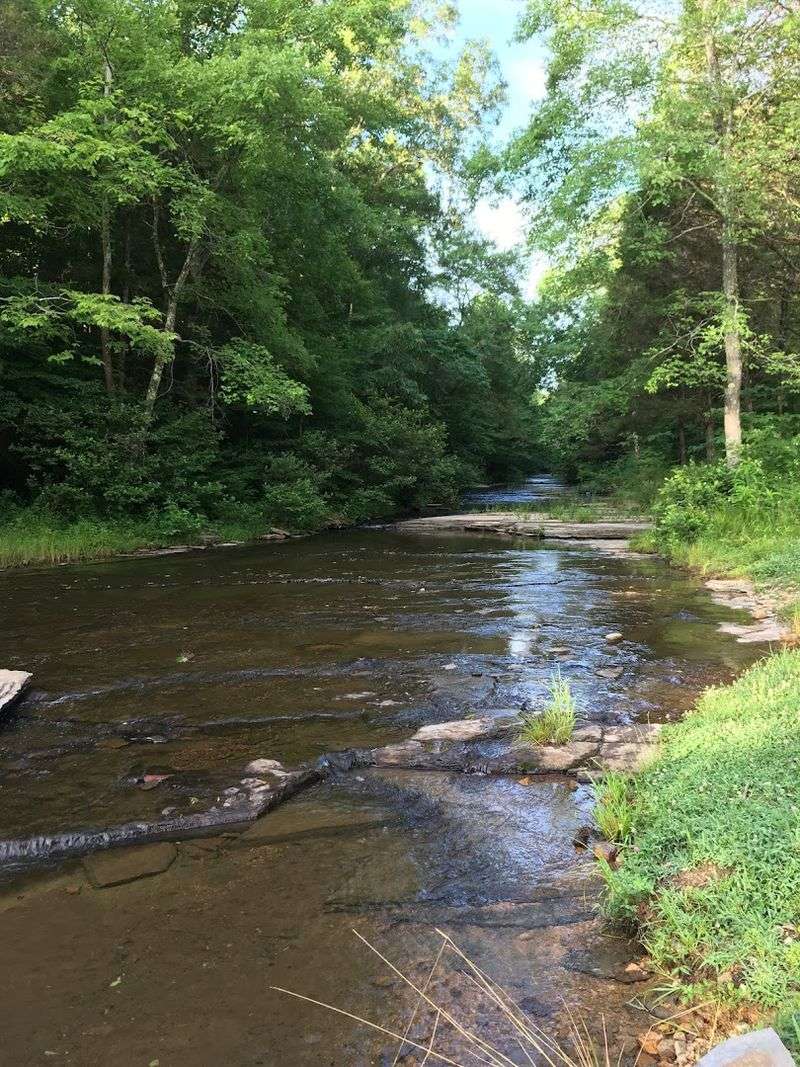
The name Hohenwald comes from the German for “high forest,” and once you arrive in Lewis County and look around at the dense woodland surrounding this small Middle Tennessee town, you’ll understand exactly why the name stuck. With a population of about 3,800, Hohenwald is one of the larger towns on this list, but it still maintains a quiet, under-the-radar quality that keeps it off most travel itineraries.
The town’s most famous resident might surprise you. The Elephant Sanctuary in Hohenwald is the largest natural-habitat refuge for elephants in the United States, providing a permanent home for elephants retired from zoos and circuses.
While visitors can’t interact directly with the animals, the sanctuary’s Elephant Discovery Center offers educational exhibits and behind-the-scenes insights into the conservation work happening there.
Beyond the sanctuary, the surrounding region offers impressive outdoor recreation through the Natchez Trace and nearby state natural areas with waterfalls, swimming holes, and forest trails worth exploring. The town itself has a small-town Southern character with a hint of German heritage from its early settlers, reflected in local community events and the town’s name.
Hohenwald quietly offers more than most visitors ever expect to find.
9. Gainesboro, Jackson County
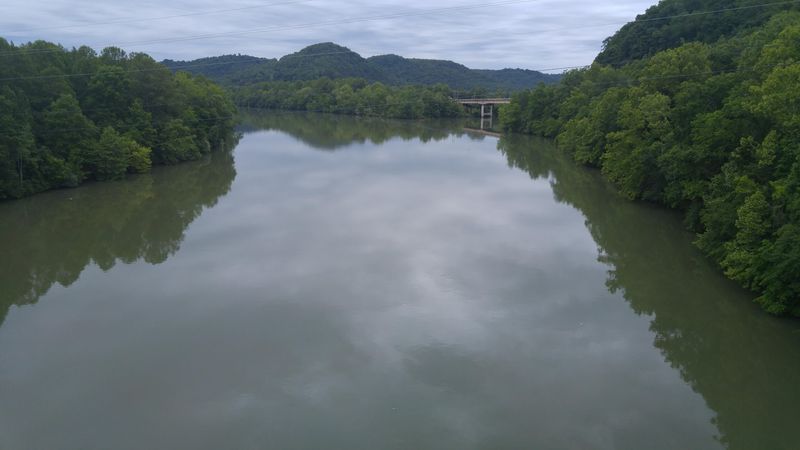
Sitting on a bend of the Cumberland River in Jackson County, Gainesboro has the kind of courthouse square that photographers and small-town enthusiasts dream about. The historic courthouse anchors a downtown that moves at a pace that feels like a deliberate choice rather than an accident of geography.
With around 1,000 residents, Gainesboro is the county seat of Jackson County and has been serving that role since the early 1800s. The architecture reflects that long history, with brick buildings and classic Southern design elements lining the streets around the square.
Walking through downtown feels like flipping through a well-preserved chapter of Tennessee history without needing a museum ticket to do it.
The Cumberland River adds both scenic beauty and recreational opportunity to the Gainesboro experience. Fishing and boating are popular local pastimes, and the river views from certain spots around town are quietly spectacular in the way that only unhurried places tend to be.
The surrounding Jackson County landscape offers rolling hills, farmland, and the kind of peaceful rural scenery that makes long afternoon drives genuinely enjoyable. Gainesboro rewards slow travel with the kind of authentic Southern atmosphere that’s increasingly hard to find in today’s world.
10. Tracy City, Grundy County
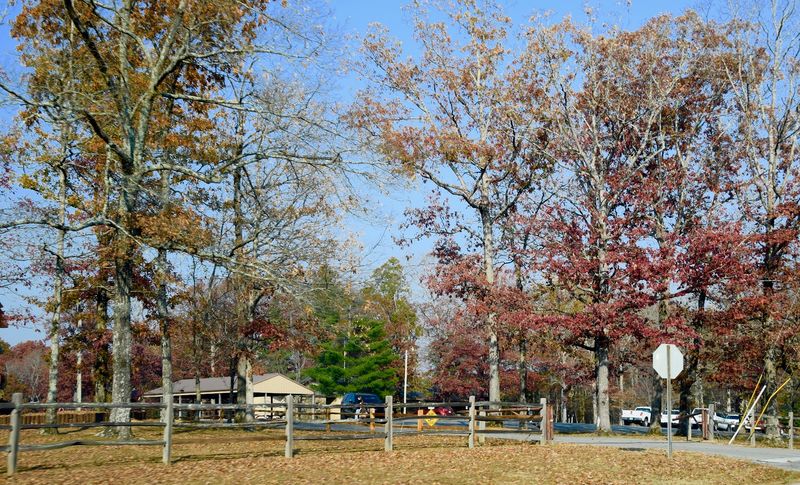
Coal once drove everything in Tracy City, and the town’s identity was shaped entirely by the industry that brought workers and families to this part of Grundy County in the mid-1800s. The mines are long gone, but what remains is a community with real character and access to some of the most spectacular outdoor scenery in all of Tennessee.
The South Cumberland State Park is the area’s crown jewel, encompassing tens of thousands of acres of plateau wilderness with waterfalls, gorges, and hiking trails that range from casual walks to serious backcountry adventures. Grundy Forest Day Loop is a particular favorite among hikers, leading through old-growth forest to a series of stunning cascades including Foster Falls, one of the most photogenic waterfalls in the state.
Tracy City itself has a working-class honesty to it that feels different from more polished tourist towns. The Grundy County Courthouse and some of the older commercial buildings give the town center a sense of historical depth, while local shops and eateries serve the community rather than performing for visitors.
That authenticity is part of what makes Tracy City worth the winding mountain drive to get there. Sometimes the road less traveled leads to exactly the right place.