
9 Peaceful Coastal Villages In Northern Michigan Travellers Often Pass Right By
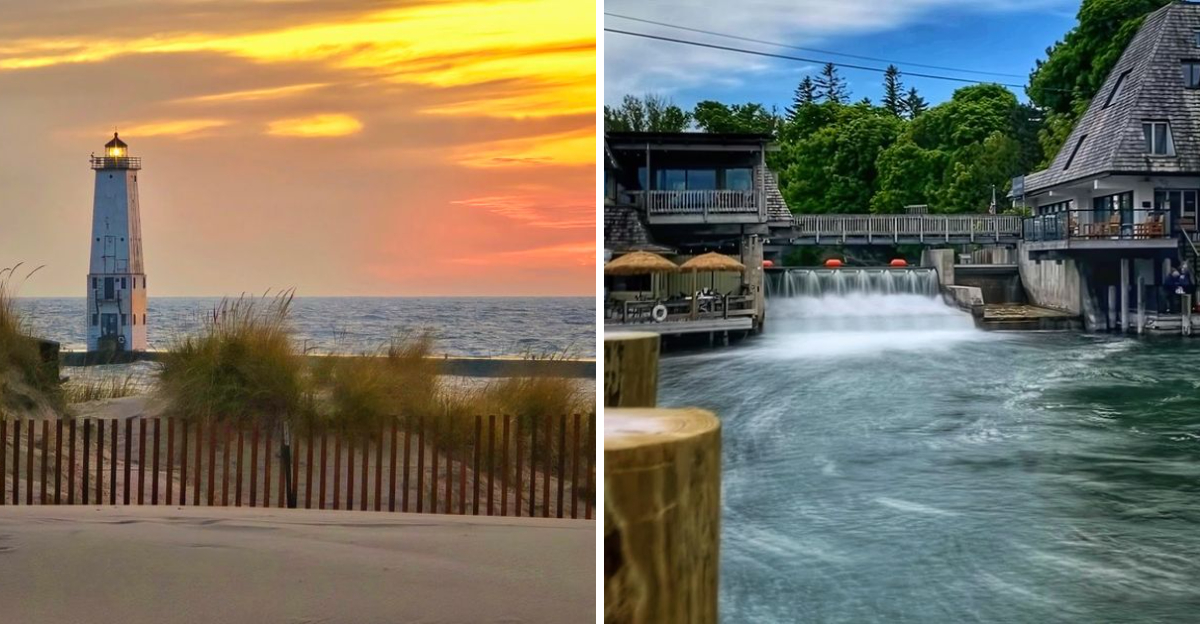
Northern Michigan has a way of surprising you when you least expect it. Most road-trippers zoom straight up to Traverse City or Sleeping Bear Dunes, completely missing the quiet little coastal gems scattered along the shoreline.
These villages sit right along Lake Michigan and Grand Traverse Bay, offering the kind of slow, soul-restoring calm that busy tourist spots simply cannot deliver. Pack your camera, roll down the windows, and get ready to discover the spots locals hope you never find.
1. Leland
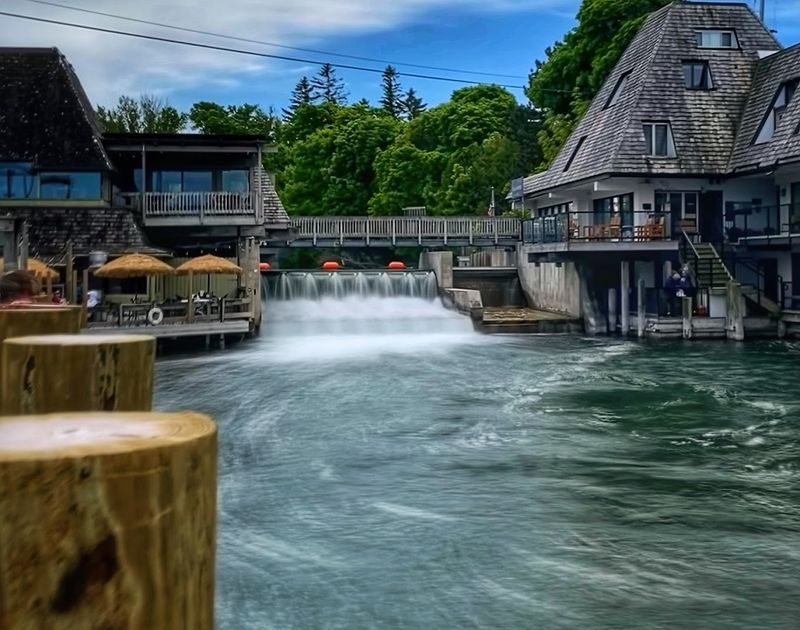
Fishtown is the kind of place that makes you stop mid-sentence and just stare. Leland, Michigan carries this rare quality where time genuinely feels like it slowed down sometime around 1910 and never quite caught back up.
The cluster of historic fish shanties along the Leland River has been standing since the late 1800s, and walking through them feels more like stepping into a living museum than a tourist stop.
The river flows right into Lake Michigan here, and watching the water rush past the old wooden docks is oddly meditative. You can grab smoked whitefish from one of the shops, sit on a dock bench, and let the afternoon completely dissolve around you.
Fresh lake fish is genuinely the move here, and you will not regret ordering it.
Leland also serves as the departure point for ferry rides out to the Manitou Islands, which are part of Sleeping Bear Dunes National Lakeshore. Most visitors blow right past this village chasing the main dunes, which honestly works in your favor.
Fewer crowds mean better parking, friendlier locals, and a much more authentic Northern Michigan experience overall. Come in late September when the fall colors hit the shoreline trees and the whole town glows amber and gold.
2. Northport
At the very tip of the Leelanau Peninsula, Northport sits like a well-kept secret that only the most curious travelers ever stumble upon. The village has a laid-back creative energy that feels completely at odds with its tiny population of just over 500 people.
Artists, writers, and cherry farmers have quietly claimed this corner of Michigan, and their influence shows up in every gallery window and hand-painted sign you pass.
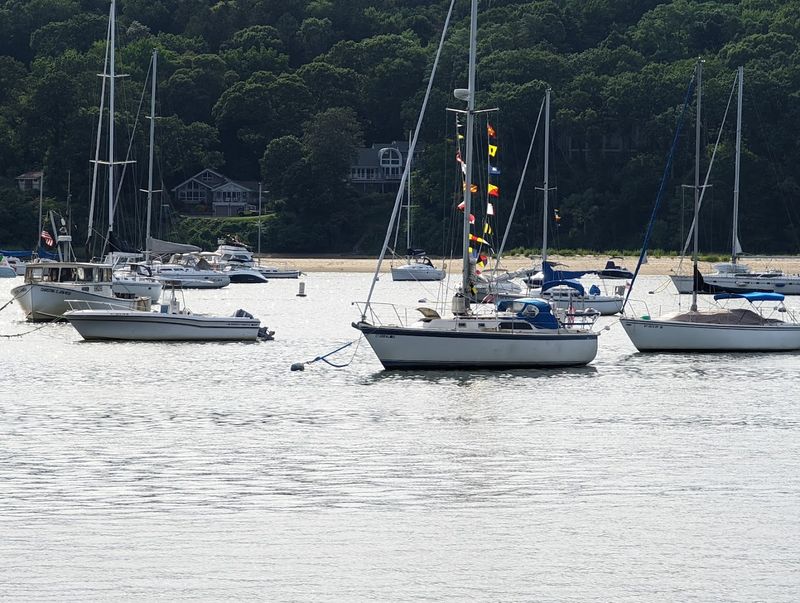
The harbor here is genuinely lovely, with sailboats bobbing lazily and a lighthouse standing watch at the end of a short breakwater walk. Sunset from that breakwater is the kind of view that makes you reconsider your entire life back home.
Bring snacks, bring someone you like, and stay until the sky turns every shade of orange imaginable.
Northport also sits right on the Leelanau Wine Trail, which winds through some of the most scenic vineyard country in the entire Midwest. Cherry orchards line the roads heading into town, and during harvest season the air smells almost impossibly sweet.
The village has a small but surprisingly stocked independent bookstore that locals absolutely adore. Spend a lazy morning browsing shelves, grab coffee from the little cafe nearby, and remind yourself that not every great travel day needs a packed itinerary to be memorable.
3. Elk Rapids
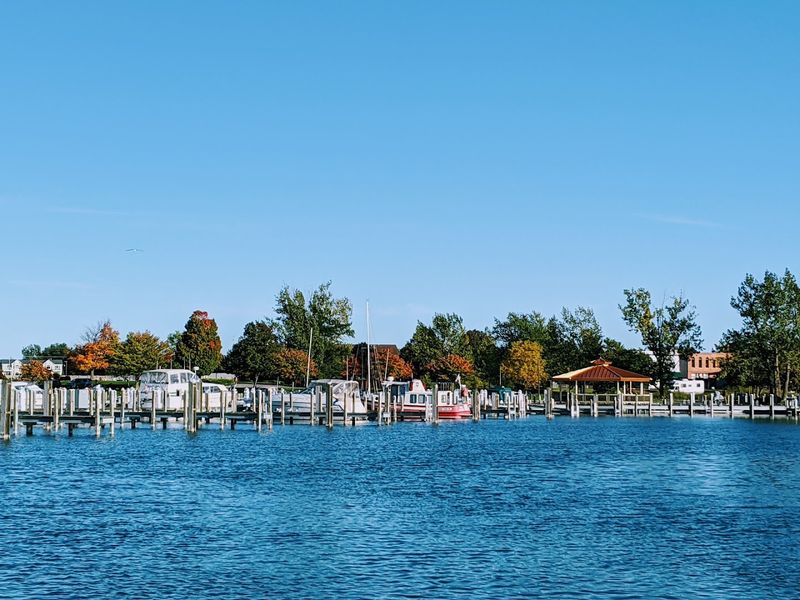
Elk Rapids punches well above its weight for a town with fewer than 2,000 residents. Sitting right where Elk Lake, Elk River, and Grand Traverse Bay all meet, this little village has a watery geography that feels almost too good to be true.
The chain of lakes connecting through town makes it a paddler’s dream, and renting a kayak here for an afternoon is genuinely one of the better decisions you can make on a Northern Michigan trip.
The downtown strip is compact and walkable, lined with independent shops and a handful of solid restaurants that actually source local ingredients. Harbor Park sits right on the water and offers free public access to some beautiful bay views without any admission fee or crowd pressure.
Summer evenings here bring live music to the park, and the whole atmosphere feels warmly communal rather than performatively touristy.
One thing that sets Elk Rapids apart is how confidently local it feels despite being just 20 minutes north of Traverse City. It has not been overrun, overpriced, or over-curated, and that freshness is deeply refreshing.
The fish ladder near the dam is a surprisingly fascinating stop, especially during salmon runs in the fall when you can watch fish navigate upstream in real time. Bring the kids for that one because the reaction is absolutely priceless every single time.
4. Empire
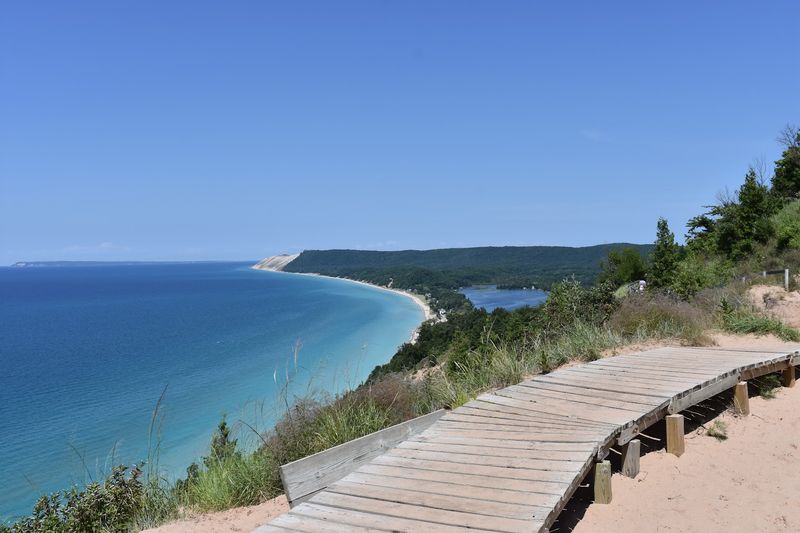
Empire is the kind of town where the grocery store doubles as a community gathering spot and everyone seems to know each other by first name. Located right on the edge of Sleeping Bear Dunes National Lakeshore, this village of barely 400 people serves as the official gateway to one of Michigan’s most celebrated natural landscapes.
Yet somehow, most people drive straight through Empire without so much as a glance sideways.
The National Lakeshore Visitor Center is actually located here, which makes Empire the smartest possible base camp for exploring the dunes, forests, and shoreline trails in the area. Picking up a trail map and chatting with the rangers before heading out saves a lot of time and unlocks hidden spots that most day-trippers never find.
The Lake Michigan beach access near town is far less crowded than the main dune overlooks just a few miles away.
Empire Beach itself deserves its own paragraph because the water clarity here is genuinely shocking. On calm days, the lake looks more Caribbean than Midwestern, with shades of turquoise that photographers travel hundreds of miles to capture.
The surrounding bluffs frame the view in a way that feels almost cinematic. Grab a slice from the local pizza spot in town, walk down to the beach, and let the sheer beauty of the place do all the talking for a change.
5. Glen Arbor
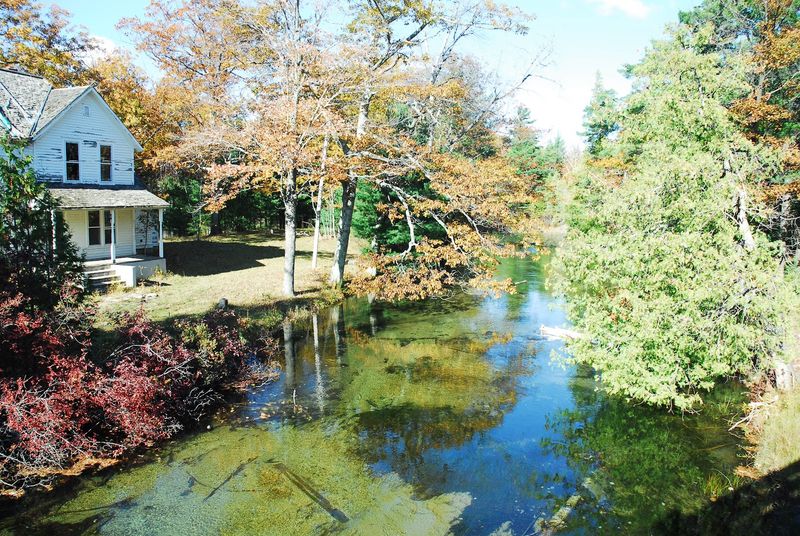
Blink and you might miss Glen Arbor, but that would be a genuine shame. This tiny village sits smack in the middle of Sleeping Bear Dunes National Lakeshore, surrounded by some of the most dramatic coastal scenery in the entire Great Lakes region.
The main road through town is maybe half a mile long, but what it lacks in length it more than makes up for in personality and charm.
Art galleries, artisan shops, and a beloved local cherry stand line the street, and the whole place hums with a creative, outdoorsy energy that feels completely organic. Crystal River runs right through the village and offers one of the most enjoyable tubing floats in Michigan during the warmer months.
The float is gentle enough for beginners but scenic enough to make even experienced paddlers slow down and appreciate every bend in the river.
Glen Arbor also sits within easy walking distance of the Sleeping Bear Heritage Trail, a paved multi-use path that connects the village to the broader national lakeshore landscape. Cycling the trail at golden hour when the light filters through the birch trees is the kind of experience that stays with you long after the trip ends.
Accommodations here range from cozy cottages to small inns, and booking even a single night transforms the whole visit from a rushed day trip into something far more meaningful and restorative.
6. Suttons Bay
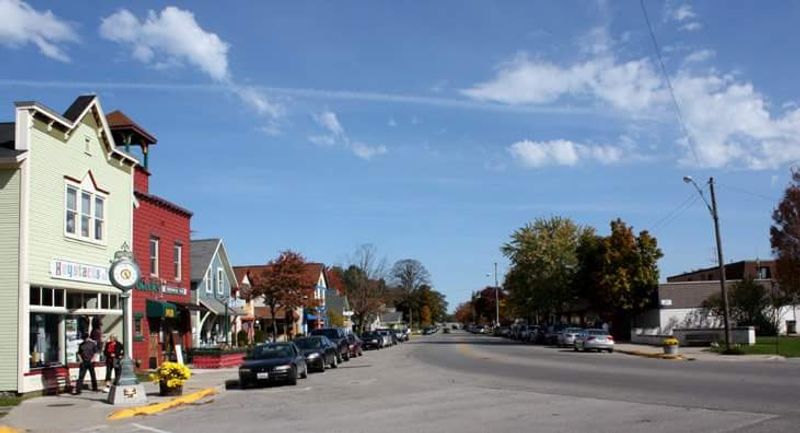
Suttons Bay carries itself with the quiet confidence of a place that knows exactly how good it is without needing to shout about it. Tucked along the eastern shore of the Leelanau Peninsula, this village overlooks a spectacularly calm bay and is surrounded on all sides by cherry orchards and award-winning vineyards.
The local wine scene here is seriously impressive, drawing sommeliers and casual sippers alike from across the country.
The main street has a refreshingly non-commercial feel, with independent restaurants, a well-loved hardware store, and a small cinema that still plays films on a single screen. Catching a movie at that old theater on a rainy afternoon is a genuinely charming experience that feels pulled straight from a simpler decade.
The food scene punches far above what you would expect from a town this size, with farm-to-table menus that change seasonally and actually mean it.
Cycling is enormously popular here, and the Leelanau Trail connects Suttons Bay to Traverse City along a gorgeous 17-mile paved path through orchards and open farmland. Renting a bike in the morning and stopping at a winery or two along the way makes for an afternoon that is hard to top anywhere in the Midwest.
The bay itself is calm enough for paddleboarding most summer mornings, and the views from the water looking back toward the village are absolutely stunning in every direction.
7. Frankfort
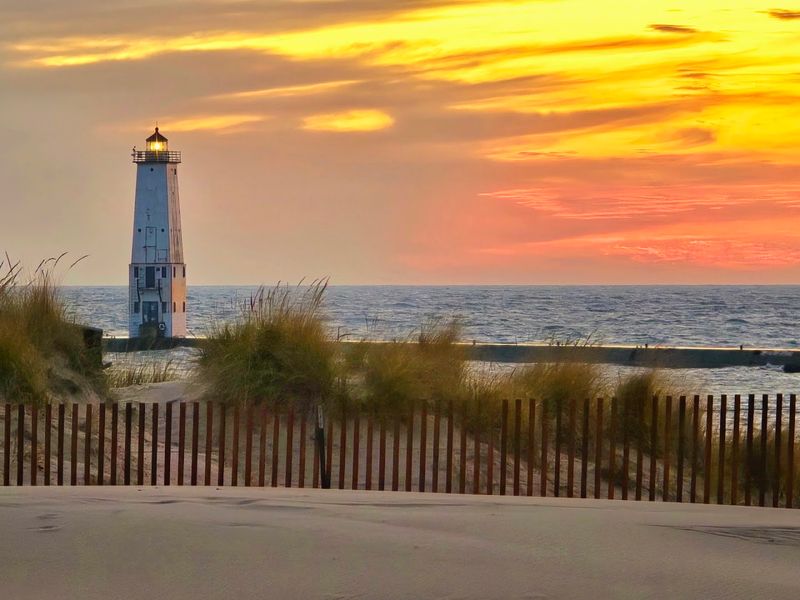
Frankfort has one of the most photographed lighthouses in all of Michigan, and yet the town itself remains delightfully under the radar for most travelers. The classic red lighthouse at the end of the south pier is a genuine icon, standing against Lake Michigan sunsets that consistently draw gasps from first-time visitors.
Walking out on that pier as the sun drops toward the water horizon is a completely free experience that rivals anything you could pay for anywhere nearby.
The town sits between Lake Michigan and Betsie Lake, giving it a two-water geography that makes the whole place feel like it is floating. Betsie Lake is calm and warm, perfect for swimming and kayaking, while Lake Michigan offers that big dramatic energy that makes the Great Lakes so legendary.
Having both within a five-minute walk of each other is a genuinely rare geographical treat that most visitors do not fully appreciate until they are standing right between them.
Frankfort’s downtown has a sweet collection of shops and a fantastic bakery that locals line up for on weekend mornings. The Betsie Valley Trail offers scenic cycling through wetlands and forests connecting Frankfort to Beulah, about 12 miles inland.
Fall is an especially magical time to visit when the hardwood forests along the trail turn brilliant red and orange and the crowds from summer have completely disappeared, leaving the whole town feeling like it belongs entirely to you.
8. Kewadin
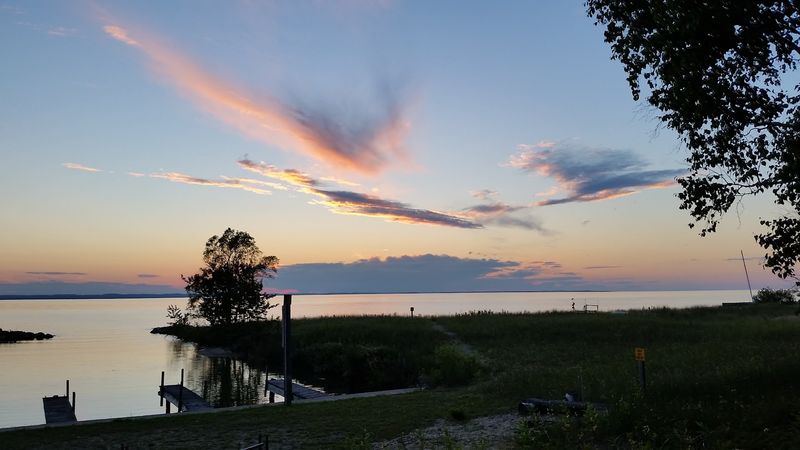
Torch Lake has been called the most beautiful inland lake in America, and Kewadin sits right along its impossibly blue shores with almost zero fanfare. This small unincorporated community along the eastern shore of the lake rarely appears on travel lists, which is exactly why it deserves a spot on yours.
The water here runs a shade of turquoise that genuinely looks photoshopped in pictures but is completely, magnificently real in person.
Kewadin is not a village with a bustling main street or a row of restaurants to choose from. That is precisely the point.
Coming here means boat launches, quiet shoreline access, and the kind of unhurried lakeside afternoon that modern travel culture has almost completely forgotten how to appreciate. Bring your own food, a paddleboard or canoe, and absolutely nothing on the schedule.
The Torch Lake sandbar is a legendary local gathering spot during summer, where boaters anchor in shallow crystal water and spend entire afternoons socializing in the sun. Pulling up to that sandbar on a calm July day feels like discovering a secret beach party that the rest of the world somehow missed.
The surrounding area also connects to the Chain of Lakes, a series of linked waterways stretching across Antrim County that paddlers and boaters can explore for days. Kewadin is the quiet door into all of that extraordinary water-country magic.
9. Glen Haven
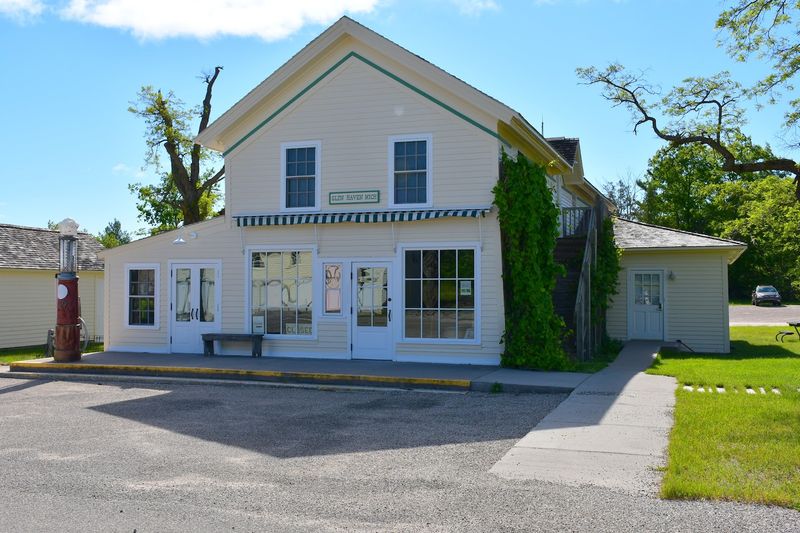
Glen Haven is technically a ghost town, but calling it that feels almost disrespectful to how alive the place still feels. Located within Sleeping Bear Dunes National Lakeshore, this historic village has been preserved by the National Park Service and offers one of the most unique and atmospheric stops in all of Northern Michigan.
The restored buildings, including an old general store, a life-saving station, and a canoe livery, create a remarkably vivid picture of what Great Lakes shoreline life looked like over a century ago.
The Sleeping Bear Point Life-Saving Station Museum here is a genuine highlight, telling the stories of the brave crews who patrolled these shores rescuing shipwreck survivors in the late 1800s and early 1900s. Ranger-led demonstrations during summer bring those rescue techniques back to life in a way that is both educational and genuinely exciting to watch.
History rarely feels this immediate or this well-presented anywhere along the Michigan coastline.
Glen Haven also provides direct access to some of the most dramatic dune and forest hiking in the national lakeshore, with trails leading to sweeping Lake Michigan overlooks that feel earned after the climb. The Alligator Hill Trail nearby rewards hikers with panoramic views across the bay that stretch all the way to South Manitou Island on clear days.
Visit on a weekday in early fall and you may have the entire historic village completely to yourself, which is an experience that borders on genuinely magical.